How to Wash a Dress: A Complete Guide for Safe and Effective Cleaning
You can wash a dress safely at home by identifying its fabric, treating stains promptly, and choosing the right washing and drying methods based on the care label. Hand washing is usually best, especially for delicate materials like silk, but careful machine washing can also work for some fabrics. Using the appropriate detergent and soaking times helps keep your dress looking fresh without damage.
This guide is designed for anyone who wants to care for their dresses properly at home. You will learn how to read care labels, remove stains effectively, select washing methods, and handle drying and wrinkle removal to maintain your dress’s quality and appearance.
Key Takeaways
- Check your dress’s care label to identify fabric type and recommended washing instructions before cleaning.
- Test stain removers on a hidden spot and let them sit 10, 15 minutes before washing to improve stain removal.
- Hand wash delicate dresses with gentle detergent, soaking for 10 to 30 minutes depending on soil level.
- For 100% silk dresses, soak fully for 3, 5 minutes with evenly distributed soap, then rinse carefully.
- Machine wash silk dresses only on a gentle cycle, using cold water and a laundry bag to protect fabric.
- Let dresses air dry flat or on hangers to prevent damage and reshape while damp if needed.
How to Wash a Dress Without Damaging It

Washing a dress without causing damage requires paying close attention to the fabric type, water temperature, and washing method. Using water that’s too hot can shrink or fade many fabrics, while harsh agitation or detergent can weaken delicate fibers like silk or satin. Hand washing is generally safer for delicate dresses, while many cotton or cotton-blend dresses withstand machine washing if you follow proper care steps.
Most dresses can be soaked briefly to allow detergent to penetrate, but soaking for too long, more than 5 to 10 minutes, can weaken delicate fabrics. Always check for a “dry clean only” label, which means it’s best to avoid washing the dress yourself. For fabrics labeled “hand wash” or “machine washable,” controlling water temperature and agitation level helps keep your dress looking its best.
- Fill a basin or washing machine with cold or cool water. Water around 65°F to 75°F (18°C to 24°C) prevents shrinking and color bleeding. Avoid hot water except on very sturdy fabrics like cotton.
- Add a mild detergent designed for delicate fabrics. Use about 1 teaspoon per gallon of water; strong detergents can degrade fibers.
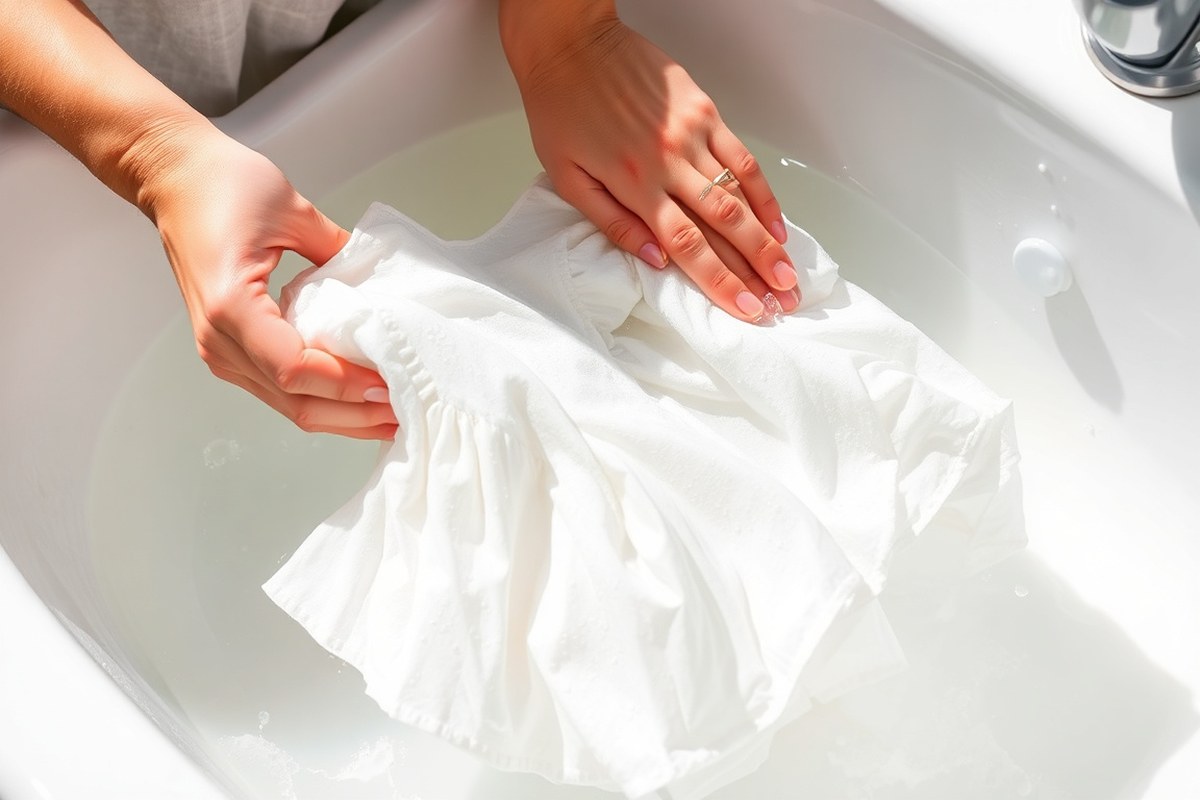
- Submerge the dress fully and gently agitate, or set your machine to a delicate or hand-wash cycle. For hand washing, move the dress around softly for 3 to 5 minutes. For machine washing, place the dress in a mesh laundry bag and use the gentle cycle.
- Let the dress soak briefly, but no longer than 5 minutes for delicate fabrics like silk or satin. This ensures the detergent works without damaging fibers.
- Rinse thoroughly in cold water until no detergent remains. Residual soap can cause stiffness or discoloration over time.
- Gently press out excess water without wringing. Twist drying can stretch or misshape delicate dresses.
- Dry flat on a clean towel away from direct sunlight or heat sources. Air drying avoids shrinking and color fading common with machine dryers.
Hand washing suits silk, satin, and other delicate fabrics by minimizing agitation and water temperature. Machine washing works better for cotton dresses labeled safe for machines, especially if you use a mesh bag and delicate settings. Never soak dresses longer than 5 minutes if they’re delicate, as fibers can weaken. Avoid harsh detergents, strong spin cycles, and high heat to maintain your dress’s shape and color.
How to Identify Fabric and Read Care Labels Correctly
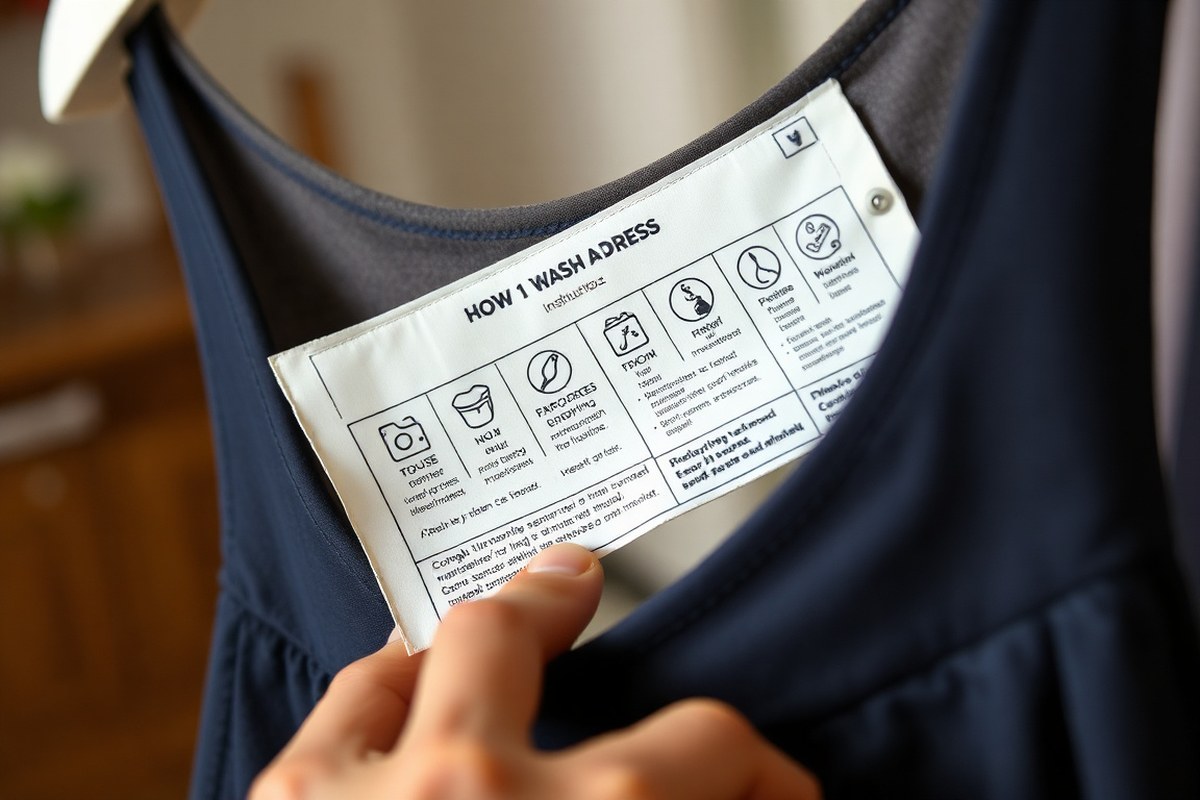
Start by locating the care label inside your dress. It typically provides key details such as fabric composition and washing instructions. Knowing if the label says “Dry Clean Only” or allows home washing will guide your next steps. Many silk dresses list “Dry Clean Only,” but gentle hand washing can often be safe if the dress is 100% silk and unlined. Avoid washing if the dress has structured finishes, linings, or heavy embellishments, as these increase the risk of damage or shrinkage at home.
Identifying the fabric type involves reading the tag, which usually notes materials like cotton, silk, satin, chiffon, or polyester. Cotton is durable and often machine washable at warm temperatures around 104°F (40°C). Polyester handles machine washing well too but on cooler settings to prevent damage. Silk requires cold water, mild detergent, and gentle hand washing or delicate machine cycles. Satin is a weave, not a fabric, so check if the satin dress is silk, polyester, or a blend. Treat silk satin like silk, using hand wash only. Polyester satin can sometimes handle delicate machine washing. Chiffon, usually sheer and lightweight, needs gentle hand washing in cold water to prevent distortion or weakening.
Use this checklist to interpret your dress’s care label correctly: first, read the washing symbol to confirm if machine wash, hand wash, or dry clean is recommended. Look for water temperature limits; cold water (under 85°F or 30°C) is preferred for silk and delicate fabrics. Check for bleach warnings, never use bleach on silk, satin, or chiffon. Note if tumble drying is advised or if the label requests air drying flat or hanging. Beyond the label, understand the fabric’s sensitivity: cotton tolerates more agitation and heat, silk and chiffon do not.
For washing a 100% silk dress at home, prepare cold water with a small amount of silk-safe detergent. Gently submerge the dress, swishing it softly for about three to five minutes. Rinse thoroughly in cold water and avoid wringing; instead, press out excess water with a clean towel. Lay flat or hang to dry away from sunlight. With cotton dresses, wash them with similar colors in warm water using a standard detergent. Polyester dresses benefit from cold or warm water and can be tumble dried on low if the label allows. Never machine wash or tumble dry satin or chiffon unless the care label explicitly permits it.
Washing a “Dry Clean Only” dress yourself can permanently harm the fabric, leading to shrinking or misshaping, so it’s best to stick to the care instructions on the label.
Effective Stain Removal Before Washing
Pre-treating stains on a dress involves applying a suitable stain remover safely, allowing it to work for 10 to 15 minutes before washing. The right product and timing help break down the stain without damaging delicate fabrics. When a stain persists after washing, repeating the pre-treatment or consulting a professional cleaner may be needed.
Types of Stains and Their Treatment
Stains vary and require specific methods to remove them. For grease or makeup stains, cover the area with talcum powder or cornstarch and leave it overnight to soak up the oil. Brush off the powder gently before laundering. Sweat and food stains respond well to enzyme-based removers, which break down proteins. Stubborn stains improve with a mild detergent or enzyme remover applied directly prior to washing.
Water-soluble stains like sweat marks can be difficult to remove at home and sometimes require professional treatment. Avoid harsh chemicals on delicate fabrics, and always consider the fabric type when choosing the treatment method to prevent damage.
Testing Stain Remover on Delicate Fabrics
Delicate fabrics need cautious handling to avoid damage from stain removers. Perform a patch test by applying a small amount of stain remover to an inconspicuous area of the dress. Wait 10 minutes and check for any discoloration, texture change, or fabric weakening. Choose a product labeled safe for delicate or natural fibers, such as silk or wool.
A patch test helps ensure the stain remover won’t harm the fabric when applied directly. Negative fabric reactions call for gentler cleaning methods like dabbing the spot with mild detergent and water or using professional cleaning services.
Step-by-Step Pre-Treatment Process
Follow these steps to pre-treat common stains on your dress safely and effectively before washing:
- Identify the stain type and select an appropriate remover (enzyme-based for protein stains, powder for oil-based stains, mild detergent for general stains).
- Test the chosen stain remover on a hidden area of the dress, waiting 10 minutes to observe any adverse effects.
- When safe for the fabric, apply a small amount of stain remover straight to the stain without soaking the material.
- For oil stains, sprinkle talcum powder or cornstarch on the stain and let it absorb overnight, then gently brush off.
- Let the stain remover sit on the stain for 10 to 15 minutes to break down the stain.
- Blot the stained area gently with a damp cloth if required, especially with enzyme-based products, to lift loosened residue.
- Wash the dress according to its care label and fabric type, ideally using a gentle or delicate cycle for sensitive materials.
- After washing, inspect the stain; if it persists, avoid drying, and repeat the pre-treatment or consider professional cleaning assistance.
Choosing the Right Washing Method for Your Dress
Choosing between hand washing and machine washing your dress depends heavily on the fabric type, embellishments, and care label instructions. Hand washing is best for delicate fabrics like silk, lace, and rayon, especially if the dress has embroidery or other details that could snag or be damaged by machine agitation. Machine washing can be safe for some dresses, but only when using a gentle cycle, the right temperature, and protective measures like mesh laundry bags.
Silk dresses require special attention, as the fabric is sensitive to agitation and harsh detergents. Washing silk in a machine is possible if the care label permits, but always use the most delicate setting with cold water and place the dress inside a mesh bag. Hand washing with mild dish-washing liquid can be gentler and reduce risk. Washing a silk dress with other clothes risks snagging or color transfer; it’s better to wash silk separately.
Protecting decorative elements during washing is easier if you hand wash the garment or use a mesh laundry bag in the washing machine. Avoid washing dresses with embellishments together with heavier or rougher fabrics that could damage beads, sequins, or delicate stitching.
| Washing Method | Fabric Types Best Suited | Pros | Cons | Key Steps |
|---|---|---|---|---|
| Hand Washing | Silk, lace, rayon, embroidered or embellished dresses | Gentle on delicate fabrics, reduces risk of snags or damage | Time-consuming, requires careful rinsing and drying | Use mild dish-washing liquid; cold/lukewarm water; gently agitate by hand |
| Machine Washing | Some silk dresses (check label), cotton, polyester blends | Faster and more convenient, effective for less fragile materials | Can damage delicate fibers; risk of snagging; harsher agitation | Use gentle cycle; cold water; mesh laundry bag; wash separately or with similar fabrics |
| Washing with Other Clothes | Similar colors and fabric weights | Efficient use of washer load | Risk of color transfer and damage if mixed improperly | Separate whites and darks; avoid mixing with heavy/rough fabrics |
Adhering to these guidelines helps maintain your dress in good condition over time. When using a machine, always check the label first. If the dress has delicate embellishments, hand washing often reduces the risk of damage. Washing separately or with similar garments helps prevent snags and color bleeding. Using a mesh laundry bag adds a layer of protection during machine cycles. These practices balance careful fabric care with time-saving laundry methods.
Best Detergents and Laundry Additives for Dresses
Choose a mild detergent specifically designed for delicate fabrics to protect your dresses during washing. Regular detergents can contain bleach, enzymes, or fabric softeners that may strip away the luster or leave a residue, dulling the fabric’s shine. Products like Woolite, The Laundress Delicate Wash, or even a gentle baby shampoo like Johnson’s are ideal. Use only a small amount, about one teaspoon per gallon of water, to avoid buildup. Let the dress soak submerged in cool water with detergent for at least 10 minutes to allow gentle cleaning without agitation. Avoid hot water to prevent shrinkage or damage.
Fabric softeners are generally not safe for delicate dresses, especially silk and satin. These products can leave residues that make fabrics feel heavy or dull their natural brightness. They also have chemicals that may break down fibres over time or interfere with the fabric’s breathability. Instead of fabric softener, rely on a mild detergent and careful rinsing. For wool or fine knits, use a wool detergent without fabric softener and wash in cold water to maintain softness and shape.
Bleach is not safe for delicate dresses. It can cause irreversible damage such as weakening fibers, discoloration, and loss of sheen. Avoid all types of bleach, including chlorine and oxygen-based alternatives, especially on silk, satin, or embellished dresses. For stain treatment, use enzyme-based stain removers carefully and only on small areas. Test on a hidden area first to check for colorfastness.
Always wash delicate dresses with a mild detergent in cool water and skip bleach and fabric softeners to keep their fabric looking fresh and vibrant.
Safe and Effective Drying Techniques for Dresses
Drying dresses safely helps prevent shrinkage, stretching, fading, and damage. Avoid heat and support the fabric to keep its shape. Use a flat drying method or gentle hanging depending on the dress fabric.
Drying Cotton, Polyester, and Blends
Many cotton and polyester dresses dry best laid flat or hung to dry after washing. Avoid using a dryer, especially on cotton, since high heat can cause shrinkage and fabric damage. After washing, roll the dress gently in a towel to remove excess water without wringing, which can stretch fibers.
Hang cotton or polyester dresses on a sturdy hanger if the fabric is heavier, but support the bottom with your hand or lay it flat if the dress is knit or delicate. Typically, these dresses dry within 3 to 6 hours indoors, depending on air circulation and humidity.
- Roll dress in a clean towel to absorb moisture
- Lay flat on a mesh drying rack or dry towel indoors
- Hang on a wide hanger for woven fabrics only
- Support long or knit dresses at the hem to prevent stretching
- Avoid wringing or twisting the fabric
- Dry in a well-ventilated area
The results should be a dress that retains its shape and vibrant color with no felt or stretched areas. Stretching or misshaping often occurs when hanging wet knits or heavy dresses without support.
Drying Silk and Satin Dresses
To maintain the glossy finish and protect the delicate fibers of silk and satin, handle drying with care. Do not put these dresses in the dryer or hang them when damp as this can cause stretching due to the weight. Instead, place the dress flat on a clean towel or a mesh rack after carefully arranging its shape.
For silk satin blends, you can gently blot any remaining moisture with a soft towel before laying flat. Drying may take up to 8 hours or more depending on the fabric thickness and room conditions. Keep the dress away from heat sources and direct sunlight to protect fibers and color.
For small stains, mixing equal parts of white vinegar and cool water works well to remove marks without harming silk. Try this on a hidden spot first to check for any issues. This method refreshes silk dresses between visits to the dry cleaner.
Avoiding Direct Sunlight and Heat Damage
Sunlight can fade colors and weaken fabric fibers, especially for silk, satin, and dark-colored dresses. High heat from dryers or radiators breaks down fibers and causes shrinkage or dullness in fabric finish. Always choose shady, cool, and well-ventilated drying spots inside your home. Removing the dress from the wash immediately after the cycle ends minimizes unwanted wrinkles and tiny tears from spinning or crumpling. Afterward, use these tips to avoid heat and sunlight damage:
- Dry away from windows or direct sun rays
- Never use machine dryers for delicate or synthetic dresses
- Avoid placement near heaters or vents
- Use indoor drying racks with proper air flow
- Turn dark fabrics inside out when drying
Following these steps keeps your dresses looking new longer without losing size or softness due to heat or sun exposure.
Removing Wrinkles and Finishing Touches After Washing
To remove wrinkles and prepare your dress for wearing or storage, use gentle methods like steaming or carefully controlled ironing. Different fabrics respond best to specific heat levels and wrinkle-removal techniques to avoid damage. Delicate dresses especially benefit from alternatives to ironing that protect their texture and embellishments.
Using Steam and Wrinkle-Release Sprays
One of the safest ways to remove wrinkles is to hang your dress in a steamy bathroom, where the moisture softens the fabric and smooths out creases. You can also use a garment steamer, holding it a few inches away to release wrinkles without contact heat. Steam works well for silk and synthetic fabrics, freshening fibers without the risk of burning or shiny marks.
Wrinkle-release sprays offer another option for quick touch-ups. Spray lightly on the wrinkled areas, then gently tug and smooth the fabric by hand. These sprays contain ingredients designed to relax fabric fibers, making wrinkles easier to remove without heat. They are especially useful for delicate or embellished dresses that cannot tolerate ironing.
Ironing Techniques for Different Fabrics
When ironing is needed, adjust your iron’s temperature to fit the fabric. Cotton and linen can usually handle higher heat settings around 400°F to 450°F, while polyester and rayon require a lower temperature, around 300°F. Silk is very sensitive, so use a low setting under 300°F and always iron with the dress inside out or with a pressing cloth to prevent damage.
Ironing dresses while slightly damp makes the process easier and prevents scorching. Remove your dress promptly from the washing machine before it dries completely, or use a dryer on a low heat just long enough to leave the fabric damp. This approach reduces stubborn wrinkles and protects the fabric’s finish.
Always avoid ironing over lace, embellishments, or sequins directly to avoid melting or distortion. Use a pressing cloth or iron around those areas to keep them intact. Remove any interior items like collar stays to prevent ridge marks and damage during ironing.
Non-Iron Alternatives for Delicate Dresses
Delicate fabrics such as lace, chiffon, or embellished silk benefit from non-iron methods to preserve their look. Hanging your dress on a padded hanger right after washing helps it air-dry in a shape that minimises wrinkles. Avoid wringing or twisting these dresses, as it can stretch or damage the fibers.
A garment steamer softly loosens wrinkles and serves as a great alternative to ironing. Without a steamer, hanging the dress in a bathroom with the shower running provides steam that helps smooth out wrinkles naturally. Another method is to place the dress flat on a clean towel, gently patting it to straighten the fibers, then allow it to dry completely before use or storage.
When to Consult a Professional Cleaner
A dress labeled “Dry Clean Only” is a clear signal that professional cleaning is necessary. These labels indicate fabrics or construction that home washing might damage, such as silk, wool, or complex detailing. Ignoring this advice can result in shrinking, color fading, or fabric distortion. Always follow the label as your first decision rule for whether to use a dry cleaner.
Some dresses need dry cleaning beyond what the care label says because of their design or fabric. Professional cleaners handle dresses with boning, heavy beading, or several lining layers better since washing at home risks damage like losing shape or loosening details. For example, washing machines or hand washing can warp or break the support from boning inside the dress.
Silk dresses especially need special attention and typically should be taken to a professional cleaner 1 to 2 times per season to maintain their appearance and longevity. Dry cleaning preserves the fabric’s luster, prevents water spots, and avoids the shrinkage that often happens with water-based cleaning. Wearing a silk dress only occasionally means you should get it dry cleaned before putting it away and again before wearing it to maintain its freshness and longevity.
Determining when to dry clean depends on more than just the label and fabric type. Consider the dress’s embellishments, smell, and degree of soiling. Professional cleaning can be worth the cost, usually $10 to $30 per dress, when you want to avoid damage to high-value or sentimental garments. For lightly worn, washable fabrics without delicate details, home washing remains a good option.
The frequency of dry cleaning differs by how often you wear the dress and the fabric’s sensitivity. Heavy use, perspiration, or stains require more frequent professional cleaning. Meanwhile, dresses made from cotton or washable blends can often avoid dry cleaning altogether. Yet for maintenance of fine, delicate dresses that are worn occasionally, scheduling dry cleaning once or twice per season keeps them in the best condition possible. A practical checklist to decide on professional cleaning: confirm fabric type and label instructions; inspect for beads, boning, or lining; evaluate usage frequency and dirt; and compare the risk of home washing damage versus dry cleaning cost and convenience.
Never wash a “Dry Clean Only” dress at home; doing so risks permanent damage that professional cleaners are specially equipped to prevent.
Step-by-Step Action Plan for Washing Your Dress
Follow this plan to wash your dress carefully and keep it looking its best. Each step guides you to spot if you are on the right track.
- Before you wash: Check the care labels and identify the fabric to pick the proper washing temperature and detergent. You’re ready if labels indicate machine wash or hand wash instructions.
- Stain treatment (right before washing): Apply a stain remover that matches your fabric type and test it on a hidden spot for 5 minutes. No discoloration means it’s safe to continue.
- Wash loading: Sort your dress with similar colors and fabrics to avoid damage or color transfer. The dress should move freely in the washer or basin.
- Washing cycle: Use cold or lukewarm water and select a gentle or delicate cycle if using a machine. You can tell it worked if the dress is clean without fabric distortion after washing.
- Drying phase: Lay the dress flat on a clean towel or hang it properly using padded hangers in a shaded, ventilated spot. Check that the dress dries evenly without any stretching.
- De-wrinkling: Use a low-heat iron or steamer, depending on fabric sensitivity, and test on a fold before treating the entire dress. Wrinkle reduction without shine or burns confirms success.
- When unsure: Identify signs like persistent stains, delicate fabrics, or complex embellishments and choose a professional cleaner. The dress looks intact and well-kept after their service.
Frequently Asked Questions
Can I Wash a Silk Dress at Home Safely?
Yes, you can hand wash a 100% silk dress at home using cool water and mild detergent. Submerge it fully and soak for 3-5 minutes, then air dry flat away from heat and sunlight to prevent damage.
Should I Wash a Dress with Zippers or Buttons Differently?
Yes, close all zippers and fasten buttons before washing to avoid snagging or damage. Washing inside out can also protect delicate trims or details on the dress.
How Often Should I Wash a Dress If I Only Wear It a Few Times?
Only wash a dress when needed to avoid fabric wear; after 3-5 wears is usually fine. Spot cleaning minor stains and airing it out can extend time between washes.
Can I Use Bleach to Remove Tough Stains on Dresses?
Avoid bleach on colored or delicate dresses as it can cause discoloration and weaken fibers. Use a gentle stain remover tested on a hidden area instead for safer stain treatment.
What Water Temperature Is Best for Washing Dresses?
Use cold or cool water for most dresses, especially delicate fabrics like silk or satin, to prevent shrinkage and color fading. Warm water can damage some materials, so check the care label first.
Is It Okay to Dry a Dress in a Tumble Dryer?
Generally, avoid tumble drying dresses to reduce shrinkage and fabric stress. Lay the dress flat to air dry or use a drying rack away from direct sunlight to keep its shape.
Wrapping Up
Washing your dress with care preserves its color, fit, and fabric integrity while preventing damage. To maintain your dress’s appearance long-term, make checking care labels a regular part of your laundry routine.