How to Clean White Leather Tennis Shoes: 8 Easy Steps for Lasting Brightness
Cleaning white leather tennis shoes safely means using gentle, non-abrasive products and avoiding harsh chemicals like bleach. A mild leather cleaner or a vinegar and olive oil mixture works well for removing dirt without damaging the material. Regular care prevents stains from setting and preserves the leather’s natural finish.
This advice suits anyone who owns white leather tennis shoes and wants to keep them bright and durable. You’ll find clear, practical steps to choose the right supplies and clean your shoes effectively while protecting their quality.
Key Takeaways
- Check your shoes daily and remove dirt promptly to minimize deep cleaning efforts.
- Use soft cloths and gentle brushes made for leather to avoid scratching the surface.
- A vinegar and olive oil mixture offers a safe homemade solution for cleaning white leather.
- Never clean white leather tennis shoes with bleach, which can damage the material.
- Allow shoes to dry naturally for 8 to 16 hours before conditioning the leather.
- Condition your white leather tennis shoes every one to two months to maintain softness and shine.
1. How to Clean White Leather Tennis Shoes Safely
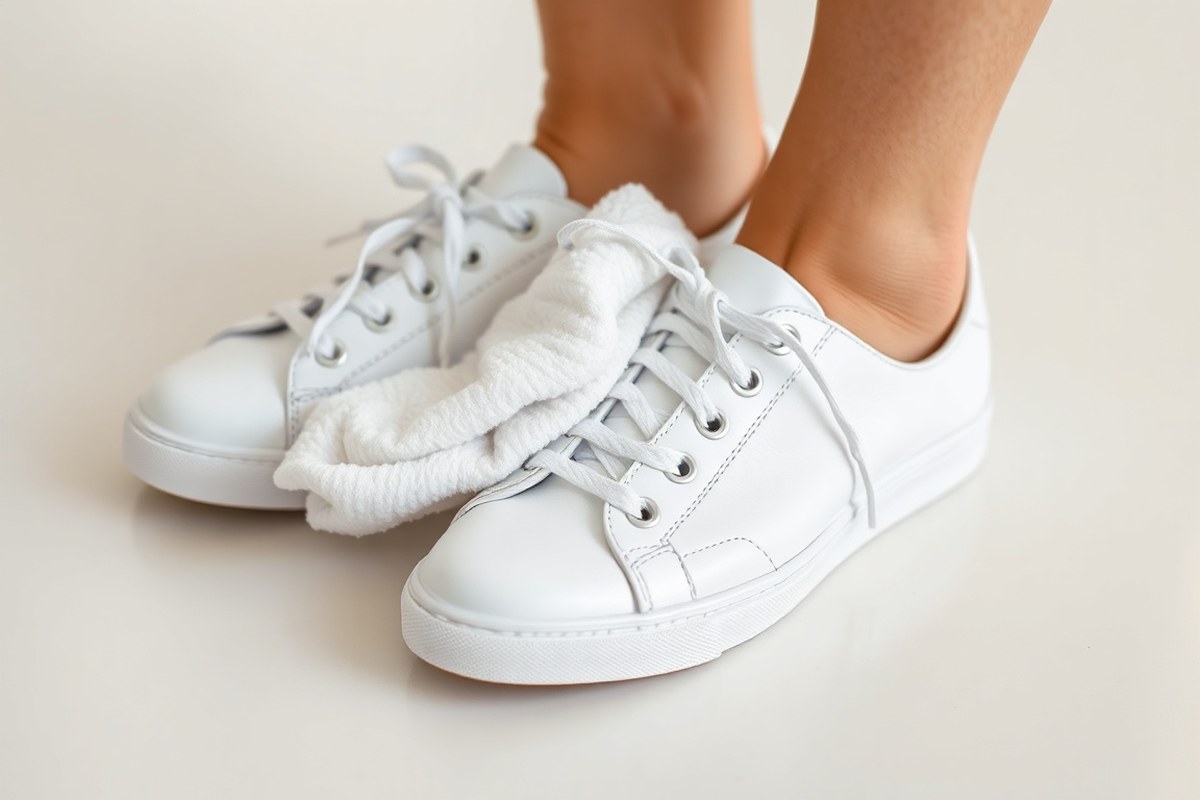
Cleaning white leather tennis shoes safely requires gentle methods that protect the leather’s finish and structure. The main goal is to remove dirt and stains without soaking or using harsh chemicals that can dry out or discolor the leather. A dry brush combined with a mild, leather-safe cleaner applied carefully on a cloth works best to avoid damage. Household items like white vinegar and olive oil, used in moderation, can be safe alternatives when applied properly, but avoid strong abrasives or soaking the shoes.
Leather reacts poorly to excess water and aggressive scrubbing, which can cause cracks, fading, or stiffness. Keeping the cleaning process simple and using products designed for leather or gentle homemade solutions helps maintain the shoe’s texture and appearance. Taking time to dry the shoes properly after cleaning also helps preserve their shape and prevents water stains.
- Remove the laces: Take out the shoelaces to avoid getting them wet or stained and to access all leather surfaces easily.
- Brush off dry dirt: Use a soft, dry brush or microfiber cloth to gently remove loose dirt and dust from the leather without rubbing harshly.
- Prepare a mild cleaning solution: Mix a few drops of liquid dish soap with warm water or use a dedicated leather cleaner. Avoid soaking the leather; apply the solution sparingly.
- Dampen a clean cloth: Lightly wet a microfiber or cotton cloth with the cleaning solution. Wring it out thoroughly so it’s just damp, not wet.
- Wipe the leather gently: Use the damp cloth to carefully wipe the white leather in circular motions, focusing on dirty spots without applying pressure.
- Use vinegar and olive oil mixture for polishing: Mix equal parts white vinegar and olive oil to condition the leather after cleaning. Apply a small amount on a cloth and buff the shoes gently to restore shine and softness.
- Dry the shoes naturally: Let the shoes air dry at room temperature away from direct sunlight or heat sources that can cause cracking or shrinking.
- Replace the laces once dry: Put the laces back on only after the leather is completely dry to avoid trapping moisture inside.
Following these steps avoids damage caused by abrasive scrubbing, excess water, or harsh chemicals. White leather tennis shoes cleaned this way will keep their bright look and leather quality longer. Avoid machine washing, strong bleach, or soaking because these can permanently ruin the leather.
2. Essential Supplies Needed to Clean White Leather Tennis Shoes
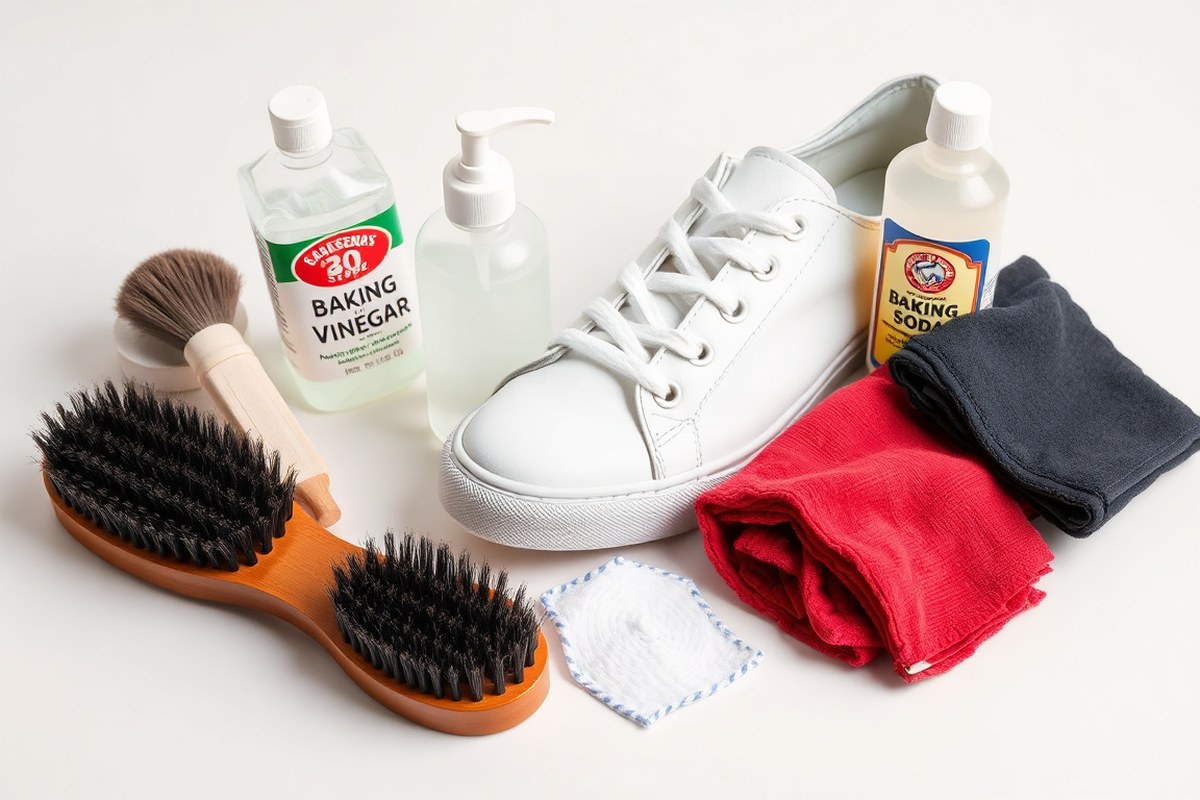
Cleaning white leather tennis shoes at home requires a specific set of tools and products to avoid damaging the leather while restoring their bright appearance. Having the right supplies ensures you can tackle dirt and stains effectively without risking discoloration or deterioration of the shoe material.
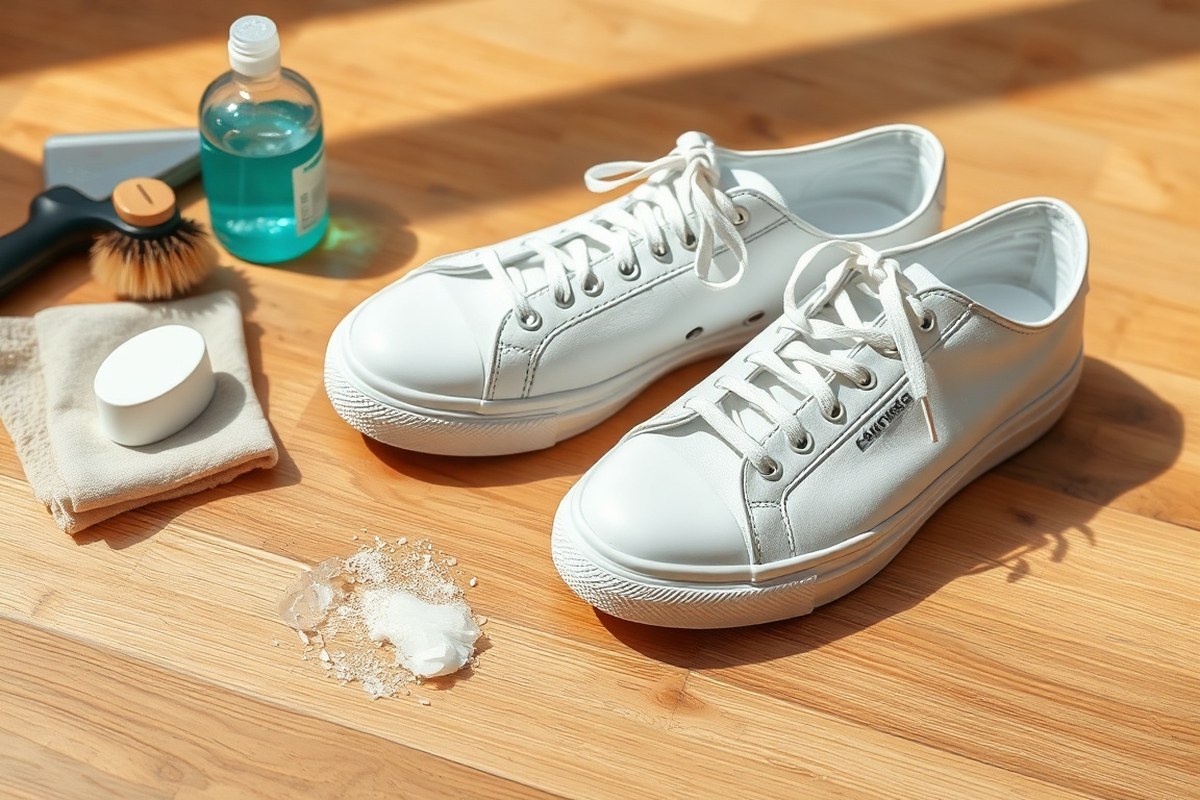
Essential supplies start with basic cleaning tools such as a soft-bristled brush or cloth to remove loose dirt without scratching the leather. You’ll also want sponges or microfiber cloths for gentle wiping, which help apply cleaning solutions evenly and prevent abrasion.
- Soft brush or toothbrush for dirt removal
- Microfiber cloths or soft sponges for wiping and drying
- Leather cleaner specifically designed for white leather
- Magic Eraser for stubborn stains, used sparingly
- Leather conditioner to restore moisture and suppleness
- Optional: mild toothpaste as a low-cost stain remover alternative
Leather cleaners made for white leather tennis shoes are important because they gently break down dirt and stains without stripping the natural oils. These products typically cost around $10 to $20 and are formulated to maintain the leather’s finish. Avoid household cleaners that can dry out or discolor leather.
Magic Erasers work well on tough scuffs and dirt but should be used cautiously. Their mildly abrasive nature can remove surface layers if applied too hard or too often, leading to dull patches. Use small amounts, mild pressure, and test on an inconspicuous area first.
Leather conditioners replenish moisture lost during cleaning, preventing cracks and stiffness. Applying conditioner after the shoes dry protects the leather and keeps the shoes flexible. These conditioners generally cost around $15 and can extend the life of your white tennis shoes.
A low-cost option for spot cleaning is plain white toothpaste. Its mild abrasive properties can remove dirt and restore whiteness but require several applications and thorough wiping to avoid residue. Toothpaste is a good backup if leather-specific products are not available.
Always test any cleaning product or tool on a small hidden area first to avoid damaging the leather’s appearance.
Having a dedicated set of supplies for your white leather tennis shoes keeps cleaning simple and consistent. Store these supplies in a dry area away from sunlight to preserve their effectiveness, and replace them when they show signs of wear or loss of cleaning power.
3. Step-by-Step Cleaning Process for White Leather Tennis Shoes
Cleaning white leather tennis shoes involves a careful routine to remove dirt and stains without damaging the leather. Follow a step-by-step process that starts with preparation, moves through gentle cleaning, then drying, and finishes with conditioning to keep your shoes looking fresh and protected. Each step is designed to preserve the white finish and extend your shoes’ lifespan.
Prepare Shoes and Remove Laces and Insoles
Start by taking off the laces and removing the insoles. This makes cleaning easier and more effective, especially for hard-to-reach areas. Insides can hold odor and dirt, so cleaning them separately ensures a thorough job. Removing laces also prevents staining from water or cleaning agents. Here is a simple routine to prepare your shoes:
- Untie and carefully pull out the laces.
- Remove the insoles gently without bending or damaging them.
- Set the laces and insoles aside to clean separately with a soft cloth and mild solution.
- Make sure the shoes are dry before starting the cleaning.
Brush Off Dirt and Apply Cleaning Solution
Before applying any liquid, brush off dry dirt and grit with a soft-bristle brush. This avoids rubbing dirt deeper into the leather and scratching the surface. Using lukewarm water in your cleaning solution prevents the leather from drying out or warping. Follow these detailed steps to clean the uppers:
- Use a soft-bristle brush to gently remove caked-on dirt and dust from the surface.
- Mix a mild soap solution with lukewarm water, roughly one teaspoon of mild soap per cup of water.
- Dampen a clean cloth in the solution, wring it out so it’s not soaking wet.
- Apply the cloth to the shoe surface, gently wiping away dirt and stains.
- For stubborn spots, you can use a small amount of white toothpaste or a baking soda paste (mix baking soda with water to form a thick paste) applied gently with a soft cloth.
Wipe and Rinse Carefully
After loosening grime, wipe the shoes with a clean, damp cloth to remove soap residue. Avoid soaking the shoes or using too much water which can damage leather. This step ensures no cleaner remains that might dry into streaks or weaken the leather. Follow this careful wiping process:
- Rinse the cleaning cloth with lukewarm water and wring it out well.
- Wipe down the entire shoe surface to remove soap and loosened dirt.
- Use a dry cloth to buff the surface lightly and remove any leftover moisture or residue.
- Repeat rinsing and wiping if soap residue is visible.
Dry Shoes Correctly
Dry your shoes naturally in a shaded, well-ventilated area to avoid harmful effects from heat or direct sunlight, which can cause leather to crack or warp. Stuffing the inside with crumpled paper helps keep shape and speeds drying. Dry your shoes this way:
- Place your shoes on a flat surface away from direct sunlight or heat sources.
- Insert crumpled plain paper or white tissue inside each shoe to maintain shape.
- Allow approximately 6 to 12 hours for complete air-drying at room temperature.
- Do not use a hair dryer or heater as they can damage the leather.
Condition and Protect Leather
Applying a leather conditioner after drying restores moisture and flexibility to the leather. It prevents the white finish from fading or cracking over time. Conditioning every few weeks with regular use helps maintain brightness and durability. Use this routine for conditioning and protecting:
- Choose a conditioner formulated for white leather tennis shoes.
- Apply a small amount of conditioner to a soft cloth.
- Rub gently into the leather in circular motions, covering all surfaces evenly.
- Allow the conditioner to absorb, then buff gently with a dry cloth to remove excess.
- Consider using a waterproofing spray designed for leather to protect against dirt and moisture.
4. Methods to Remove Stains and Scuffs from White Leather
Tough stains and scuffs on white leather tennis shoes require special techniques to avoid damage while restoring brightness. Different types of spots like ink, grass, oil, or scuffs need targeted treatments. Household items like toothpaste, baking soda, and vinegar can help but must be used carefully to protect the leather’s finish.
Using a Magic Eraser Safely
A magic eraser can remove scuffs and surface marks on white leather effectively. It works by gently scraping away dirt and discoloration without harsh chemicals. Avoid heavy scrubbing to prevent removing leather pigments or damaging the texture.
To use, dampen the magic eraser slightly and test on a hidden spot first. Rub the scuff lightly in a circular motion until it fades. Wipe away any residue with a clean, damp cloth and let the shoes air dry at room temperature. This method targets mild to moderate scuffs but isn’t suitable for deep stains or fragile leather.
Applying Toothpaste or Baking Soda Paste
Toothpaste and baking soda paste can brighten yellowing areas and remove some stains, but their abrasiveness means they need careful application. Use white, non-gel toothpaste and mix baking soda with a little water or olive oil to create a paste. Both act as mild abrasives to lift dirt and light stains without harsh chemicals.
Apply a small amount of toothpaste or baking soda paste to a soft cloth or toothbrush. Rub gently on the stained areas in circular motions for about 30 seconds to 1 minute. Wipe off with a clean, damp cloth. Overuse or scrubbing too hard may cause dullness or micro-scratches. If the stains persist, move on to a product formulated specifically for leather.
Spot Treatment with Vinegar and Olive Oil
Diluted white vinegar and olive oil provide a natural solution for more challenging stains like grass and oil. Vinegar’s acidity helps break down pigment transfer, while olive oil moisturizes the leather to keep it from drying out. This balance reduces stain visibility and preserves the shoe’s finish.
Create a spot treatment by mixing one part distilled white vinegar with two parts olive oil. Dip a soft toothbrush into the solution and gently scrub the stain in circular motions for 30 seconds. Wipe off excess liquid with a clean cloth. Avoid soaking the leather, as too much moisture can cause damage. Repeat once after drying if necessary. The table below compares common cleaning products used for white leather tennis shoes:
| Product | Description | Pros | Cons |
|---|---|---|---|
| Leather Cleaner | Specifically formulated for leather | Gentle, effective, often contains conditioners | More expensive than dish soap |
| Mild Dish Soap | Common household item | Affordable, readily available | Can be harsh if not diluted properly |
| Baking Soda | Natural cleaning agent | Effective for stains and odor control | Can be abrasive if overused |
| White Vinegar | Natural cleaning agent | Good at breaking down stains | May dry leather if used excessively |
Choosing the right product depends on the type of stain and the sensitivity of your leather. For example, leather cleaner is often best for frequent cleaning to maintain conditioning, while baking soda or vinegar works for spot treatments. Avoid household items like dish soap without proper dilution, as they may strip natural oils and damage the leather’s surface.
5. Cleaning and Caring for Shoelaces and Insoles
Keeping shoelaces and insoles clean is key to maintaining overall freshness and hygiene in white leather tennis shoes. You should remove laces and insoles before cleaning to avoid damage and ensure thorough cleaning. Proper care prevents odors and extends the life of these components.
Removing and Soaking Shoelaces
Start by carefully pulling out the shoelaces to avoid stretching or tearing. Soaking shoelaces in warm water with mild detergent loosens dirt and sweat. Avoid harsh chemicals or bleach to keep the laces from yellowing or fraying.
- Untie and remove the shoelaces from your shoes.
- Fill a bowl with warm water (around 90°F or 32°C) and add a teaspoon of mild liquid detergent.
- Submerge the shoelaces and let them soak for 15 to 30 minutes.
- Gently rub the laces between your fingers to release stubborn dirt.
- Rinse the laces thoroughly in clean water to remove detergent residue.
- Lay the laces flat on a clean towel to air dry completely.
Do not put shoelaces in the dryer as heat can shrink or weaken the fabric.
Cleaning Insoles with Mild Detergent
Insoles accumulate sweat and bacteria, causing odor and discoloration. Cleaning them separately preserves shoe structure and hygiene. Use mild detergent and avoid soaking leather or foam-heavy insoles fully to prevent damage.
- Gently lift out the insoles from your tennis shoes.
- Mix a few drops of mild detergent in warm water.
- Dip a soft cloth or sponge into the soapy water, wring out excess moisture.
- Wipe the surface of the insoles with the damp cloth, focusing on dirty or smelly areas.
- Use a clean towel dampened with water to remove soap residue.
- Place insoles in a well-ventilated area to air dry completely before reinserting.
Avoid soaking insoles fully, especially those made with foam or memory foam, as it can alter their shape and cushioning.
Drying and Replacing Laces and Insoles
Drying is critical to prevent mildew or odor buildup. Allow shoelaces and insoles to air dry at room temperature out of direct sunlight or heat sources. Replace laces or insoles when they show signs of wear like fraying, loss of support, or persistent odor.
- After washing, spread shoelaces flat on a dry towel and let air dry fully in a shaded spot.
- Air-dry insoles on a clean rack or flat surface in a cool, ventilated area.
- Inspect laces for frayed threads or discoloration and insoles for thinning, cracks, or persistent smell.
- Replace shoelaces every 6 to 12 months depending on wear and appearance.
- Swap out insoles every 6 to 12 months or sooner if cushioning deteriorates or odor remains after cleaning.
- Reinsert dry laces and insoles once fully dried to avoid mold or mildew.
Never put insoles or laces in direct sunlight or near heaters to dry, as this can cause shrinkage or hardening.
6. Proper Drying and Conditioning to Preserve Leather Quality
Dry your white leather tennis shoes at room temperature to avoid warping or damage. After cleaning, allow them to dry naturally for 24 to 48 hours. Placing them in direct sunlight or near a heat source like a radiator can cause the leather to crack or fade. Instead, set your shoes in a well-ventilated area away from direct sunlight. Stuffing the shoes with paper towels can help absorb moisture and maintain their shape during drying. Replace the paper towels if they become too damp.
Leather can stiffen or crack if it dries out completely, so controlling the drying process is important. Avoid using hair dryers or other fast methods, which can cause the leather to shrink and warp. Aim for slow, even drying with consistent airflow. The time it takes for shoes to dry completely depends on humidity and temperature. In a dry environment, 24 hours might suffice; in a more humid setting, expect closer to 48 hours.
Once your shoes are dry and cool to the touch, apply a leather conditioner to maintain softness. Conditioning prevents the leather from drying out and keeps it flexible, which helps preserve the whiteness by reducing cracking and flaking that can trap dirt. Use a small amount of conditioner on a soft cloth and rub it gently into the leather in circular motions. Focus on the main body of the shoe, avoiding excessive conditioner on stitching or mesh areas.
Apply conditioner every few weeks with regular use or after deep cleaning. Use products with natural oils like mink oil, neatsfoot oil, or lanolin, which usually cost $10 to $25 per bottle, depending on the brand. Always read and follow the product label for best results. Let the conditioner soak in for at least an hour before wearing or putting away your shoes.
Proper drying and conditioning extend the life of your white leather tennis shoes and keep them looking fresh. Neglecting to dry correctly can lead to warping or mold growth inside the shoe, while skipping conditioning causes the leather to dry out and crack. Storing your shoes in a dry place away from sunlight after drying and conditioning helps maintain their appearance over time.
7. Preventing Odors and Keeping White Leather Shoes Fresh
Getting rid of bad odors in white leather tennis shoes starts with keeping them dry and airing them out regularly. Moisture inside your shoes creates an ideal environment for bacteria and fungi that cause odor. After wearing your shoes, remove the insoles if possible and place the shoes in a well-ventilated area. Let them air dry at room temperature for at least 24 hours. Avoid sealing them in plastic bags or damp closets, which trap moisture and worsen smells.
Baking soda works well as a natural deodorizer by absorbing moisture and neutralizing odors. To use it, sprinkle about a tablespoon of baking soda inside each shoe and let it sit overnight. Shake out the excess baking soda before wearing the shoes again. For a gentler option, dry tea bags can also absorb odors. Place one or two unused tea bags inside each shoe overnight. Both baking soda and tea bags are inexpensive household items, usually costing under $5 per box or package, making them affordable for regular use.
Special products designed to prevent shoe odors include activated charcoal insoles and antimicrobial sprays. Activated charcoal insoles trap moisture and odor molecules, keeping your shoes fresher for longer. These insoles typically cost $10 to $20 for a pair and last several months depending on wear. Antimicrobial sprays kill odor-causing bacteria on contact; spray lightly inside your shoes after drying them. Choose sprays labeled safe for leather to avoid damage. Using these products along with regular airing and cleaning improves long-term freshness.
Avoid applying any deodorizers or sprays to shoes that are still damp, as moisture can trap the substances and cause spots or accelerate leather wear. If odors persist despite these steps, check if your insoles or shoe lining need washing or replacement. Regularly cleaning your shoes’ interior with a mild soap solution and letting them dry thoroughly can remove buildup that leads to smells.
Maintaining a routine of drying, airing, and deodorizing ensures your white leather tennis shoes stay not only clean-looking but also fresh-smelling. This care prevents odor buildup that would otherwise force you to replace shoes prematurely or mask smells with heavy fragrances. Spending a few minutes after each wear on these preventive steps makes your shoes more comfortable and extends their lifespan without risking discoloration or damage to the leather.
8. Common Mistakes and How to Fix Them When Cleaning White Leather Tennis Shoes
Using bleach or harsh chemicals on white leather tennis shoes can lead to yellowing and permanent surface damage. Unlike canvas, leather is sensitive to these substances, which strip away essential oils and weaken the material. Avoid bleach products entirely, even if the shoes look heavily stained or dull. Instead, choose gentle leather cleaners and conditioners made specifically for white leather.
One common cleaning mistake is scrubbing too hard. Aggressive brushing may seem like it helps remove dirt faster, but it can scratch and dull the leather finish. Use a soft brush or cloth, applying gentle circular motions to lift dirt without damaging the surface. Overwetting the shoes or soaking them also risks warping and discoloration because leather absorbs water quickly and takes time to dry.
Yellowing or dull spots after an improper clean require a careful restoration approach. You can revive whiteness by applying a white leather shoe cream or restorer designed for tennis shoes. These products replenish pigment and oils while protecting the leather. Test any product on a hidden area first to ensure it does not cause uneven color or stickiness. Reapply sparingly and allow each layer to dry for at least 10 minutes. For significant damage or stubborn stains, consulting a professional leather cleaner will avoid further deterioration.
- Never use bleach or ammonia-based cleaners on leather
- Use soft brushes and mild leather cleaners to avoid scratching
- Do not soak leather shoes; use minimal water
- Condition leather regularly to prevent drying and cracking
- Dry shoes at room temperature away from direct heat or sunlight
- Test cleaning products on a small, hidden area before full application
- Store shoes in a cool, dry place to maintain whiteness
Always handle leather gently during cleaning to preserve its appearance and lifespan, strong chemicals and rough scrubbing weaken the material quickly.
Frequently, people use household cleaners intended for other materials or try to speed up cleaning by scrubbing harshly. Another frequent error is applying too much water, causing the leather to swell and streak. Clean small sections at a time with just enough cleaner to lift grime. After cleaning, let the shoes air dry for several hours, ideally a full day, to avoid moisture traps that lead to mold or discoloration. Consistent use of a quality leather conditioner every few weeks keeps the surface flexible and white without buildup or residue.
Step-by-Step Action Plan to Clean Your White Leather Tennis Shoes
Follow these steps to quickly clean your shoes and keep them looking fresh without causing damage.
- Before You Start: Remove the laces and insoles to clean them separately, ensuring every part of your shoes gets attention.
- Day 1: Use a soft brush or cloth to remove loose dirt and dust. This stops dirt from spreading during deeper cleaning and reveals any stubborn spots.
- Day 1: Apply a gentle cleaner designed for leather with a microfiber cloth in small circular motions. Successful cleaning feels smooth without leaving residues.
- Day 1: Treat scuffs and stains with a specialized leather stain remover, checking that marks visibly fade or disappear.
- Day 1: Wash laces and insoles separately with mild soap and water, then air dry. Laces should return to their original color and insoles should smell fresh.
- Day 1-2: Let shoes air dry away from direct sunlight or heat sources, preserving the leather’s shape and finish. Shoes should feel dry but not stiff or cracked.
- Day 2: Condition the leather using a leather conditioner to maintain softness and prevent cracking. Good conditioning leaves leather supple without greasiness.
- Weekly: Wipe shoes down with a clean, damp cloth to prevent dirt buildup, extending the time between deep cleanings.
Frequently Asked Questions
How Do I Protect White Leather Tennis Shoes After Cleaning?
Apply a leather conditioner after cleaning to keep the leather soft and prevent cracking. This also helps protect against stains and water damage, maintaining the shoes’ bright appearance longer.
Can I Use a Washing Machine to Clean White Leather Tennis Shoes?
Avoid using a washing machine since it can damage leather and affect the shoe’s shape. Hand cleaning with mild soap and water is safer and more effective for white leather tennis shoes.
What’s the Best Way to Handle Salt Stains on White Leather Shoes?
Gently wipe salt stains with a damp cloth and a mixture of equal parts vinegar and water. This neutralizes salt without harming the leather and helps restore the white finish.
Can I Use Bleach to Whiten My Leather Tennis Shoes?
Do not use bleach; it can damage the leather and cause discoloration. Instead, mild soap or special leather cleaners keep your shoes clean and bright without harming the material.
How Do I Prevent White Leather Tennis Shoes from Yellowing over Time?
Regular cleaning and conditioning prevent yellowing. Store shoes away from direct sunlight and heat sources, which can cause leather discoloration and degradation.
Is It Necessary to Clean the Insoles of White Leather Tennis Shoes Separately?
Yes, removing and cleaning insoles prevents odors and bacteria buildup. Use mild soap and water to gently clean them, then air dry completely before putting them back in the shoes.
Before You Go
Cleaning white leather tennis shoes carefully uses simple steps that keep them looking good longer and protect the leather. Start by removing the laces and insoles, then use the right cleaner and conditioner to avoid damage. Take care of stains promptly, and regular light cleaning prevents major dirt. Begin your shoe care routine today by removing the laces and brushing off dirt before moving on to deeper cleaning.