How Can I Get Mould Out of Fabric: 8 Proven Methods That Work Safely
To get mould out of fabric safely and effectively, wash it in hot water (around 60°C) using a strong detergent and dry it in sunlight for 1-2 hours. For stubborn stains, pre-soak the fabric in a vinegar solution or apply a stain remover before washing. This approach targets mold spores and eliminates odors without damaging most fabrics.
This advice suits homeowners and renters facing moldy clothes, upholstery, or linens. You’ll find practical steps, fabric-specific methods, safe cleaning agents, and prevention tips to restore your fabrics and keep mold away.
Key Takeaways
- Wash moldy fabric at the highest temperature allowed to kill mold spores effectively.
- Pre-soaking fabrics in a 1:1 white vinegar and lukewarm water mixture helps loosen mold stains safely.
- Use chlorine bleach only on 100% white cotton fabrics to avoid yellowing or damage.
- Dry cleaned fabrics benefit from natural sunlight drying to remove residual mold and odors.
- Dehumidify storage spaces to keep relative humidity below 50% and prevent mold growth.
- Apply stain remover directly on mold spots and let it sit for 15-30 minutes before washing.
1. How to Get Mold Out of Fabric Effectively and Safely
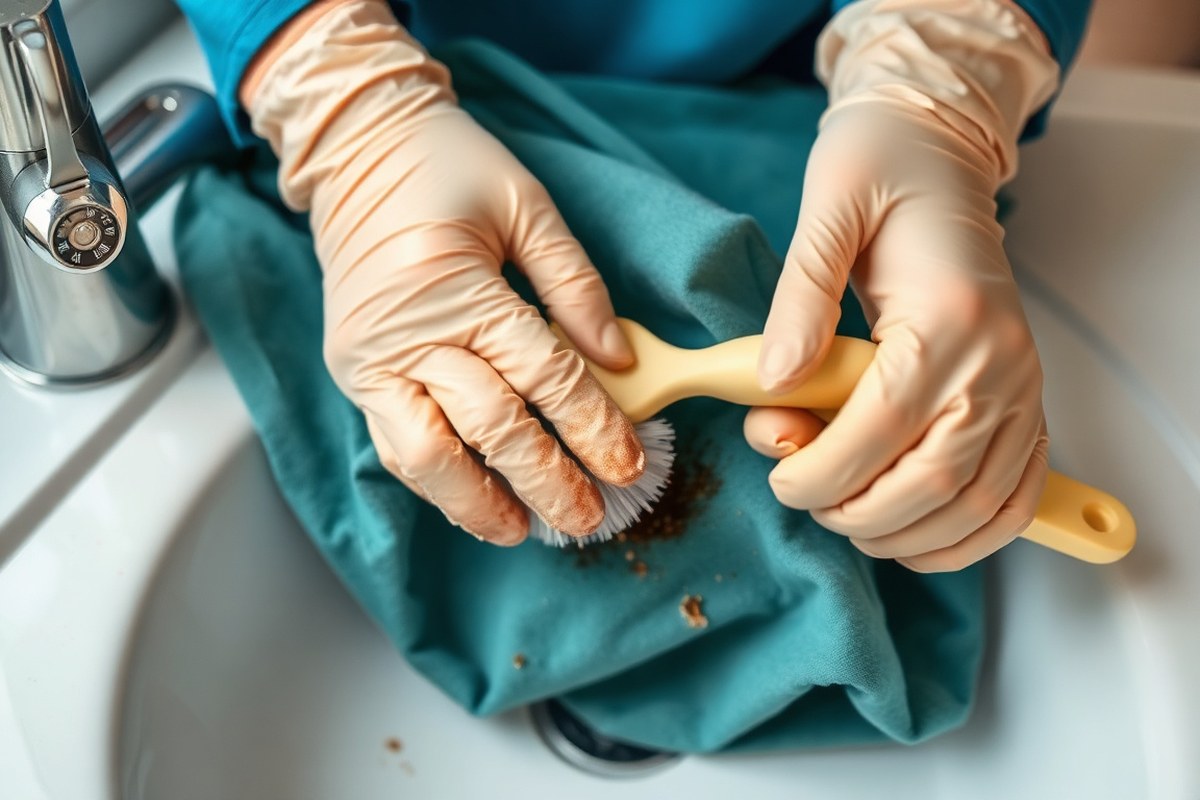
Removing mold from fabric requires prompt action to stop the spores from spreading and causing a persistent foul smell. Using the right cleaning agents and following careful steps helps preserve the fabric while eliminating mold effectively. White vinegar and baking soda are safe, widely available products that target mold spores and odors without using harsh chemicals. For tougher or white fabrics, chlorine bleach can be effective but should be used cautiously to avoid fading colored textiles.
To clean mold safely from clothes or other fabrics, start by brushing off loose mold spores outdoors to prevent contamination indoors. Soak the fabric in a mixture designed to kill mold and neutralize odors before washing it thoroughly. Washing at the hottest temperature the fabric can tolerate further ensures spores are eliminated.
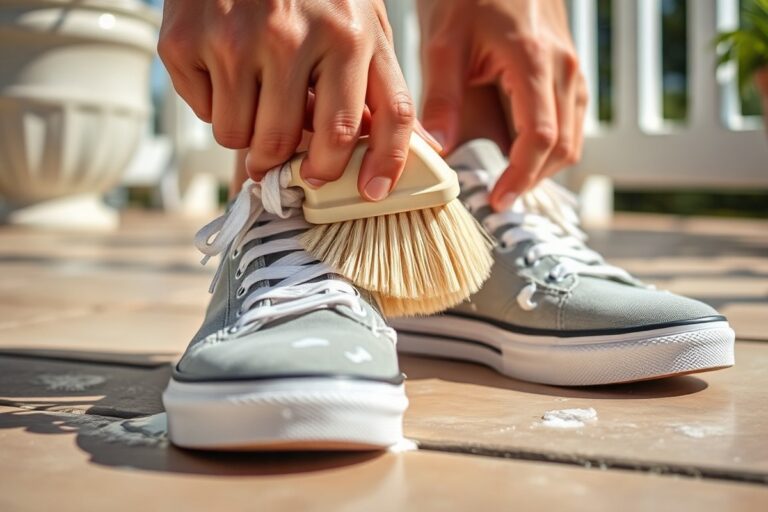
- Brush off loose mold spores outside. Use a soft brush to remove as much mold as possible without shaking the fabric.
- Prepare a soaking solution. Mix 1 to 2 cups of white vinegar, 1/2 cup of baking soda, and enough hot water in a bucket or large bowl to fully submerge the fabric.
- Soak the fabric for 1 to 2 hours. Allow time for the mold to loosen and for the vinegar and baking soda to neutralize odors.
- Wash the fabric on the highest safe temperature. Use a quality detergent and set the washing machine according to the fabric’s care label, ideally 130°F (54°C) to 140°F (60°C).
- Line dry in direct sunlight. Sunlight naturally kills mold spores and helps remove residual musty smells.
- Spot treat stubborn stains if needed. For white cotton fabrics, gently scrub mold spots with diluted bleach (follow label instructions) before washing again. Avoid bleach on colored or delicate fabrics.
- Inspect the fabric for residual mold or smell. Repeat soaking and washing if mold persists, as the longer mold stays, the harder it is to fully remove.
This approach balances effectiveness and safety. Using vinegar and baking soda is gentle enough for most fabrics and avoids the risks of harsh chemicals. Washing at the highest allowed temperature ensures thorough mold spore elimination. Avoiding bleach on colored or delicate fabrics prevents damage or fading. Applying sunlight to dry adds a natural disinfecting step while also preserving the fabric’s quality.
2. Which Mold Removal Methods Suit Different Fabric Types?
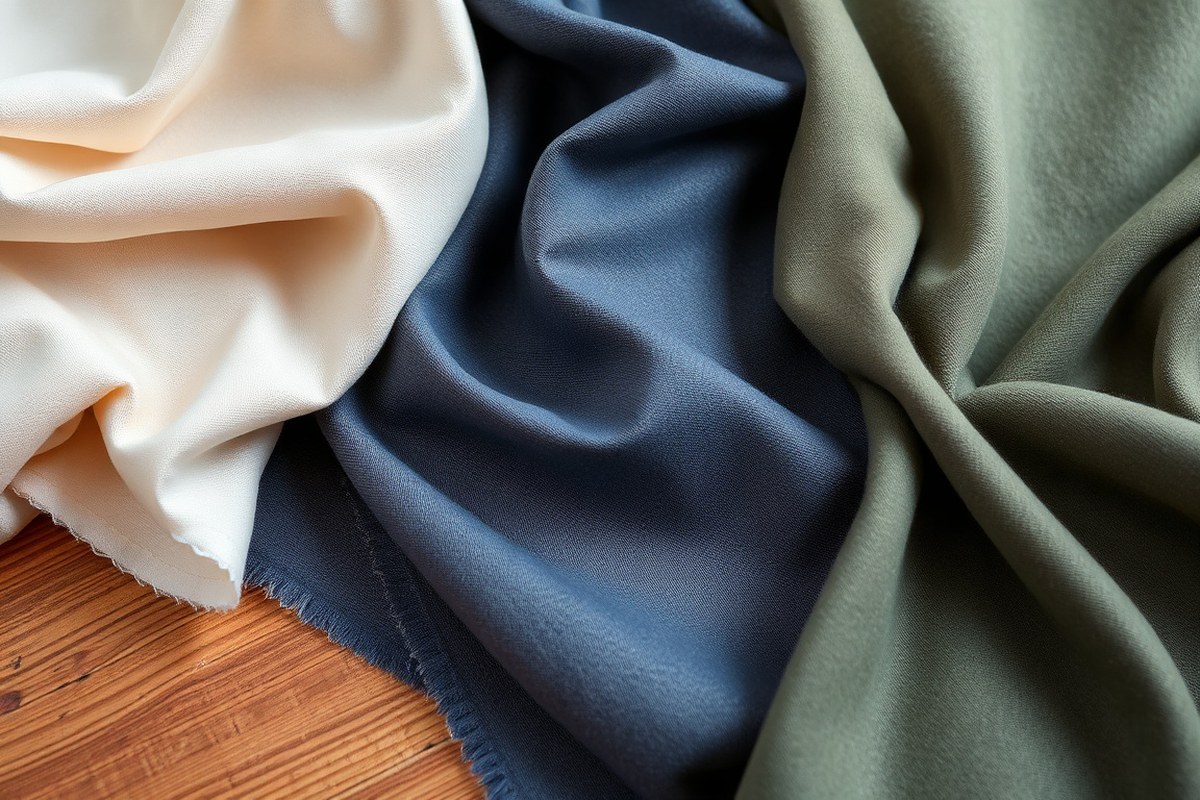
Choosing the right mold removal method depends on the fabric type because different fibers react differently to treatments. Using harsh chemicals on delicate materials can cause damage, while gentle methods might not fully remove mold on sturdier fabrics. Understanding each option helps you clean effectively without weakening or discoloring your textiles.
Using Chlorine Bleach for Whites
Chlorine bleach is suitable mainly for pure white cotton fabrics. It works by chemically oxidizing and whitening mold stains but carries a high risk of damaging fibers and causing corrosion. Only apply chlorine bleach to whites that can handle it, such as white cottons, and always test on a hidden seam first.
Apply a diluted chlorine bleach solution (1 part bleach to 10 parts water) to mold spots and leave for a few minutes before washing with hot water. Avoid chlorine bleach on any colored or delicate fabrics like wool or silk: it can cause yellow stains and quickly break down the fibers. Using bleach on polyester or synthetics is also not recommended as it can degrade the material.
| Treatment Type | Best For | Risk Level | Primary Action |
|---|---|---|---|
| Chlorine Bleach | Pure Whites | High (Corrosive) | Chemical Oxidation/Whitening |
| Oxygen Bleach | Colors & Synthetics | Low (Gentle) | Oxygenation/Lifting |
| Commercial Removers | Heavy Infestations | Moderate (Fumes) | Targeted Fungicidal Kill |
White cotton withstands chlorine bleach better than natural-colored or delicate fabrics. Use it sparingly and never soak fabrics for too long to reduce fiber weakening.
Never assume a fabric can handle chlorine bleach without a spot test; avoid it completely on colors and delicates.
Oxygen-Based Treatments for Colors and Synthetics
Oxygen-based bleach is a safer alternative for colored fabrics and synthetic fibers such as polyester. It lifts mold stains through oxygenation rather than harsh chemical oxidation, making it gentler on dyes and plastic fibers.
Wash colored or synthetic garments in warm water (around 90 to 110°F) using oxygen-based cleaners like sodium percarbonate products. Avoid hot water above 120°F as synthetics can warp or melt, and use a regular or heavy-duty cycle depending on the fabric’s sturdiness.
For synthetics, also avoid high heat drying; air dry or use the lowest heat setting to prevent setting stains permanently. This approach balances effectiveness and preservation of fabric quality.
Safe Natural Methods for Delicate Fabrics
Delicate fabrics such as wool, silk, and linens require the mildest treatment to avoid fiber damage. Vinegar and baking soda are good first options for killing mold spores and deodorizing without aggressive chemicals. Use lukewarm water around 85°F and either hand wash or set your machine to a gentle cycle.
Avoid chlorine bleach and oxygen bleach on these materials; they can discolor, weaken, or create yellow stains. If mold persists, consider repeated treatments with natural agents before moving on to borax or specialty cleaners designed for delicate fibers. Sunlight can help remove mold from sturdy fabrics but avoid direct exposure on delicate fabrics to prevent fading and fiber breakdown.
Start with the gentlest natural treatments on wool or silk to protect fabric strength and color integrity.
3. Natural vs Chemical Treatments: Which Mold Removers Work Best?
Both natural and chemical treatments can remove mold from fabric, but they differ in power, safety, and fabric care. Natural options like vinegar and baking soda are good for light mold and odor removal without damaging most fabrics. Chemical treatments, including bleach and commercial removers, work better on heavy or deep-set mold but carry risks such as color fading or fabric weakening. Choosing the right remover depends on your fabric type, mold severity, and personal safety concerns.
Natural Remedies: Vinegar, Baking Soda, and Lemon Juice
White vinegar is a popular natural mold killer because its acetic acid penetrates fabric fibers to kill about 80% of mold spores, according to expert recommendations. To use, mix equal parts white vinegar and lukewarm water and soak the fabric for 30 to 60 minutes before rinsing with cool water. The vinegar smell disappears once dry, and it is safe on most colored fabrics without bleaching.
Baking soda also helps remove mold and odors. A common approach is to create a paste from 1/4 cup baking soda and vinegar and apply it to mold spots. Baking soda is gentle and helps deodorize fabric while breaking down mold residues. Lemon juice can be an alternative for stubborn spots on items that cannot be bleached, applied by soaking a cotton pad and placing it on the stain.
Bleach and Oxygen-Based Chemicals: Pros and Cons
Oxygen-based bleach (also called color-safe bleach) is effective against most surface mold and removes stains with less risk of fabric or color damage compared to chlorine bleach. You can add 1 to 2 cups of white vinegar or oxygen-based bleach to a hot wash cycle for mold removal. Chlorine bleach should be reserved for white, bleach-safe fabrics because it can weaken fibers and cause fading.
Using bleach requires caution since improper application or overuse can ruin fabrics. Always check the fabric label and test a small area before full application. Chemical treatments shine with deep-rooted or large mold colonies but may irritate skin and require gloves, masks, and good ventilation.
Commercial Stain Removers and Mold Sprays
Commercial mold removers and stain sprays combine active chemicals designed to loosen mold from fabric effectively. For example, sprays like Shout should be applied with protective gear, KN95 mask, gloves, and glasses, because they can contain strong chemicals and disturb mold spores during cleaning. Let the product sit on the fabric for at least 15 to 30 minutes before washing in hot water isolated from other laundry.
These products work well on stubborn stains that natural remedies cannot fully remove. However, they tend to be more expensive and sometimes cause irritation or damage to delicate fabrics. Following the product label carefully minimizes risks and helps achieve better results.
| Remedy | Effectiveness | Safety to Fabrics | Application Time | Typical Cost | Notes |
|---|---|---|---|---|---|
| White vinegar (1:1 with water) | Kills ~80% mold spores, deodorizes | Safe on most colors; low toxicity | Soak 30, 60 minutes | Low (few dollars per bottle) | No bleaching, smell disappears |
| Baking soda paste (1/4 cup + vinegar) | Good for light mold and odor | Gentle on fabric, deodorizes | Apply paste and let dry before washing | Low | Use with vinegar for better results |
| Oxygen-based bleach | Effective on surface mold & stains | Generally safe on colors | Use in wash cycle (hot water) | Moderate ($5, $10 per container) | Safer alternative to chlorine bleach |
| Chlorine bleach | Strong mold remover | Only safe for whites or bleach-safe fabric | Use diluted in wash | Low to moderate | Can weaken fabric, causes fading |
| Commercial stain remover (e.g. Shout) | Effective for stubborn mold stains | Varies; may cause irritation or damage | Apply and soak 15, 30 minutes | Moderate to high ($5, $15 per bottle) | Use protective gear, ventilate well |
Choosing between these treatments depends on your specific situation. For light mold or delicate fabrics, start with vinegar or baking soda to avoid damage. Use oxygen-based bleach for color-safe fabrics with more stubborn mold. Reserve chlorine bleach and commercial removers for severe cases or white fabrics, keeping safety gear on hand. Let fabrics air dry in sunlight afterward to reduce mold spores and odors effectively.
4. Step-By-Step Guide to Removing Mold Stains from Fabric
Removing mold stains from fabric takes several carefully timed steps, starting with removing loose spores and ending with thorough drying to prevent regrowth. The process usually spans a few hours to a full day depending on the fabric and severity of mold presence. Following this step-by-step timeline maximizes mold removal and reduces lingering odors.
Pre-Cleaning: Brushing Off Loose Spores
Begin outside and wear protective gear like a KN95 mask and gloves to guard against inhaling mold spores. Gently brush or shake the fabric outdoors to dislodge loose spores and prevent spreading them inside. Avoid aggressive scrubbing at this stage to reduce the risk of embedding spores deeper into the fibers.
Brushing off spores minimizes the amount of mold you have to treat with liquids, making the next steps more effective. This step is especially important for fabrics like upholstery or heavy clothing that attract spores on their surface.
Soaking and Applying Stain Remover
Start soaking the fabric in hot water mixed with Borax or white vinegar to kill some mold spores and loosen stains. Use approximately one cup (237 mL) of white vinegar per three cups of water for soaking about one hour. For mold stains visible after soaking, apply a mold stain remover or detergent directly to the spots and let it sit for 15 minutes.
Soaking for an hour helps weaken mold growth before washing, while stain remover targets visible stains. Skip soaking if fabric care instructions advise against hot water, but always treat stains before washing.
- Fill a basin or washing machine tub with hot water (temperature allowed on care label).
- Add one cup (237 mL) of Borax or prepare a vinegar solution (1 part vinegar to 3 parts water).
- Submerge the moldy fabric and soak for one hour.
- After soaking, apply a mold stain remover or a strong detergent like Persil Powercaps directly on the mold spots.
- Let the treated areas sit for 15 minutes to help break down stains.
Washing with Hot Water and Detergent
Wash the fabric in the hottest water setting safe for the material, using a detergent designed for stain removal and freshness, such as Persil Powercaps. Add about one cup (237 mL) of bleach if the fabric care label allows it for extra mold spore kill. Run the washing machine once to fill with hot water, then add detergent and the moldy fabric together.
This hot wash cycle kills most mold spores while detergent removes stains and odors. Repeat the soak and wash cycle once if stains or odors persist after the first wash.
- Start the washing machine on the hottest cycle recommended on the fabric label.
- Add detergent and one cup (237 mL) of bleach, if safe for the fabric.
- Put the soaked and treated moldy fabric into the machine after the water is filled.
- Complete the wash and, if necessary, repeat putting the fabric through soak and wash again.
Proper Drying to Kill Residual Spores
Thorough drying is critical. Hang the fabric outdoors in direct sunlight or in a well-ventilated area. Sunlight’s UV rays and heat help kill remaining mold spores and remove musty odors. Avoid drying inside in damp areas since residual moisture can let mold return.
If the mold smell remains after two full cycles of soaking, washing, and drying, the mold has likely penetrated the fabric deeply. At this point, further treatment may not fix the fabric completely.
- Remove the fabric promptly after washing.
- Hang it under direct sunlight or in a breezy, dry spot outdoors.
- Allow it to dry fully until completely dry to the touch, usually several hours to a day.
5. How to Prevent Mold Growth on Fabric After Cleaning
Mold growth on fabric happens mainly because of moisture trapped in storage. To keep your clothes dry and mold-free, focus on thorough drying before storing, controlling the humidity in storage spaces, and choosing the right storage methods. Moisture hiding in thick seams, waistbands, or padding can support mold growth within just 24 to 48 hours if fabrics are stored damp or in confined, poorly ventilated areas.
Clothes should be completely dry to the point they feel dry everywhere, not just on the surface. Dry them in direct sunlight when possible; sunlight helps kill mold spores and dries fabric more deeply. Avoid folding or putting away fabrics that are slightly damp. After drying, store clothes in a breathable environment with humidity consistently below 50%. This level stops mold spores from growing because they need more moisture.
Maintaining low humidity is important, especially if you keep clothes in basements or closets that tend to be damp. A dehumidifier is your best tool. They typically cost around $150 to $300 for home models and effectively reduce indoor humidity below the 50% threshold needed to prevent mold. Moisture absorbers like silica gel packs or calcium chloride containers (about $10 to $20) can help in smaller enclosed spaces like drawers or wardrobes but won’t replace a dehumidifier for larger rooms.
- Always air-dry fabric completely in sunlight before storing
- Keep closet or storage room humidity below 50% using a dehumidifier or desiccants
- Use breathable cotton storage bags instead of plastic to allow air circulation
- For long-term storage, vacuum-sealed bags prevent external moisture but only with fully dry fabric inside
- Check stored clothes periodically for signs of mold or dampness
- Avoid storing clothes in basements unless they are climate-controlled
- Use moisture absorbers inside drawers or storage boxes if the area feels humid
Closets and storage areas that feel dry might still harbor moisture, so measure relative humidity with an inexpensive hygrometer (around $10 to $25) to monitor conditions precisely. Regularly airing out storage spaces helps too. Fabrics stored in sealed plastic bags can trap moisture unless they are totally dry, which may cause mold to form inside the bags. Vacuum-sealed storage is good for fabric that remains completely dry and free of mold before sealing.
Check fabrics thoroughly before storing, as mold can start growing in less than two days if moisture remains hidden.
In damp climates or homes with chronic moisture issues, dehumidifiers prove most effective for keeping textile storage mold-free. They continuously pull moisture out of the air, maintaining the ideal low humidity environment even in basements or closets without much airflow. This prevents recurring mold problems that moisture absorbers alone can’t fully fix. Adapt your storage approach to your home’s specific humidity and ventilation conditions for best results.
6. Safety Precautions When Cleaning Moldy Fabric at Home
Protecting yourself from mold exposure is essential when cleaning moldy fabric at home because mold spores can cause respiratory irritation and allergic reactions. Start by wearing a well-fitting N95 mask or respirator to prevent inhaling spores. Use rubber or nitrile gloves to keep your skin from coming into contact with the mold, and wear protective eyewear to shield your eyes from airborne particles. Clothing that covers your arms and legs helps minimize skin exposure, especially if you handle heavily infested fabric.
Working outdoors or in a well-ventilated area reduces the risk of spreading mold spores inside your home. Before washing, gently brush off loose mold outside while wearing your protective gear to avoid spreading spores indoors. When treating the fabric, dampen a sponge or cloth with a cleaning solution such as white vinegar or oxygen bleach and apply it carefully to the moldy areas without soaking the fabric. Always follow product label instructions and test on a hidden spot to avoid damage.
- Wear an N95 mask or respirator to avoid inhaling mold spores
- Use rubber or nitrile gloves to protect your skin
- Wear goggles or other eye protection
- Handle moldy fabric outdoors or in a well-ventilated area
- Brush loose mold off outside before cleaning
- Dampen cleaning cloth to prevent spreading spores
- Wash moldy fabrics in the hottest water safe for the fabric
After cleaning, dispose of any sponges, gloves, or cloths used in sealed plastic bags to prevent mold spores from spreading. Avoid putting moldy fabric directly into your dryer since the heat can spread spores throughout the machine. Instead, run an empty hot cycle with a cup of white vinegar afterward to clean your washer or dryer. Replace or thoroughly clean any cleaning tools before reuse.
Notice sneezing, coughing, itchy eyes, or trouble breathing while handling moldy fabric? Stop right away and head outside for fresh air. Persistent or severe symptoms require consulting a healthcare professional, as mold exposure can worsen asthma or allergies. Have a mold allergy? Try to have someone else manage mold removal and take extra safety measures. Always consult a certified mold remediation expert for large or recurring mold infestations.
7. How to Handle Stubborn or Deep-Set Mold Stains on Fabric
When mold stains persist after washing, it usually means the mold has deeply penetrated the fabric fibers or the treatment was insufficient. At this stage, re-treat the fabric by soaking it for at least an hour in a solution suitable for the material, such as diluted bleach for whites or white vinegar for colors, and then gently scrub the stubborn areas with a stiff brush like a toothbrush while wearing gloves and eye protection. Using the hottest water temperature the fabric can handle during washing helps break down mold particles more effectively.
Bleach can work well on old, deep mold stains if the fabric is bleach-safe, such as cotton or polyester blends. Mix about 1/3 cup of bleach in a regular wash load with hot water to target stubborn mold. However, avoid bleach on delicate or colored fabrics since it can cause fading or damage. Steam cleaning offers strong sanitizing power and can kill mold spores, but it may not remove deeply embedded stains completely. It works best as an auxiliary treatment alongside washing rather than as a standalone solution.
When mold is widespread, especially on thick or stuffed fabrics, or if the affected piece retains a strong musty smell after repeated cleanings, discarding the item is often the safest option. Mold embedded deeply in fibers or padding is very difficult to remove fully, risking health issues if used regularly by someone with allergies or respiratory conditions. When dealing with valuable or delicate fabric like wool or silk, your next step should be professional dry cleaning. Communicate clearly to the cleaner that the item has mold so they can apply appropriate treatments.
Realistic expectations are essential. Even aggressive treatments sometimes fail to restore fabric completely if mold roots have penetrated deeply. Signs that mold removal attempts are unsuccessful include persistent dark stains, musty odors, or the fabric feeling weakened or brittle. Cleaning the washing machine’s drum, door seals, and detergent drawer is important after mold treatments to avoid recontamination.
For a stubborn mold stain, a treatment script might look like this: brush off loose mold outdoors while wearing gloves, soak the fabric in your chosen mold remover for 1 hour at the highest safe temperature, scrub gently with a toothbrush at the stain, then wash with a strong detergent in hot water. Air dry the fabric thoroughly in sunlight. Repeat the treatment once when the smell or stain does not go away after the first attempt. After two attempts, consider professional cleaning or discarding the item to protect your health.
8. When to Call Professionals for Mold Removal from Fabric
When mold covers a large area of fabric, generally over 10 square inches, or if the fabric is soaked and mold has penetrated deeply, it’s better to call professionals for removal. These conditions often mean the mold is too embedded for safe or effective DIY cleaning. High humidity environments that promote widespread mold growth or items with persistent musty odors after home treatments also signal that expert help is needed. Professionals use specialized equipment and chemical treatments that exceed household products in strength and safety controls.
Cost for professional mold remediation on fabrics varies widely depending on the extent of mold, fabric type, and location. Expect charges from $100 to several hundred dollars per item. For delicate or luxury fabrics, such as silk or vintage textiles, hiring experts is especially important. Risk of damage or irreversible staining increases with home methods. Experts assess the fabric’s makeup and choose gentle but effective treatments. They also avoid prolonged moisture exposure which worsens mold and can degrade fibers.
Look for licensed mold remediation services with positive reviews and certifications like IICRC (Institute of Inspection Cleaning and Restoration Certification). Verify they have experience specifically with fabric mold rather than only structural mold. Ask for an assessment quote and their cleaning methods in writing. Reliable professionals should explain the risks and outcomes clearly before starting work. You can find such services through online platforms, local health department referrals, or home improvement specialists.
Use a simple decision checklist to determine when to call a professional: mold covers more than 10 square inches, fabric remains moldy after cleaning attempts, the item is a valuable or delicate fabric, or you notice health symptoms like allergy flare-ups when handling moldy fabric. These signs mean professional intervention limits health risks and protects the fabric quality. Prompt response prevents mold spores spreading to other household textiles.
Wear protective gloves and a mask whenever handling moldy fabric, but if you feel unwell or see black mold, leave cleanup to professionals.
Step-by-Step Action Plan for Removing Mold from Fabric
Follow these clear steps to tackle mold on fabric effectively and prevent it from coming back.
- Before you start: Identify the fabric type using care labels to choose the right cleaning method and avoid damage.
- Day 1: Take the fabric outside and gently brush off any loose mold spores to prevent spreading indoors.
- Day 1: Pre-treat the moldy areas with a mold remover suitable for your fabric, natural like vinegar for delicate items or a commercial cleaner for sturdier ones.
- Day 1: Wash the fabric in hot water if allowed by the care label; use detergent and add a mold-fighting additive like borax or baking soda for extra cleaning power.
- Day 1: Dry the fabric completely in direct sunlight or a well-ventilated space to kill remaining mold spores and stop regrowth.
- Week 1: Store the cleaned fabric in a dry, cool place with good airflow to prevent moisture buildup that encourages mold.
- After 2 weeks: Inspect the fabric for any signs of mold returning to catch issues early and repeat cleaning if necessary.
- Ongoing: Maintain low humidity indoors and avoid leaving fabrics damp for long to keep mold off permanently.
Frequently Asked Questions
What Temperature Should I Wash Mouldy Fabric to Remove Spores?
Wash mouldy fabric at the highest temperature safe for the fabric, ideally 60°C, to kill spores effectively. Using a good-quality detergent also improves mould removal and fabric cleanliness.
Can I Use Vinegar and Baking Soda Together to Clean Mould from Fabric?
Yes, soaking fabric in a mixture of white vinegar, baking soda, and hot water can help break down mould and loosen spores before washing.
Does Sunlight Completely Remove Mould and Is It Safe for All Fabrics?
Sunlight can kill mould and reduce stains but it can fade colors and damage delicate fabrics, so use it carefully.
How Do I Treat Mould on Delicate Fabrics Without Causing Damage?
Use gentle cleaning methods like soaking in vinegar solution and avoid scrubbing or harsh chemicals that can damage delicate fibers.
How Long Can Mould Stay on Fabric Before It Becomes Impossible to Remove?
The longer mould is on fabric, the harder it is to remove, so treat fabric as soon as mould is spotted.
Can Mould on Fabric Cause Health Problems for My Family?
Yes, mould can cause allergic reactions and respiratory issues, so it’s important to clean mouldy fabric promptly and safely.
The Bottom Line
Mold on fabric can be removed safely by following proper cleaning and drying steps tailored to your fabric type. Acting swiftly and keeping fabrics dry after cleaning are key to stopping mold from coming back. Start by identifying which fabrics in your home need immediate attention to keep your living spaces healthier.