How Much Is It to Dry Clean a Jacket? A Complete Cost Guide with Tips
How much is it to dry clean a jacket? Expect to pay between $15 and $50, depending on the type of jacket and cleaning complexity. This range covers most standard jackets but can vary based on fabric, style, and location.
Anyone looking to keep their jackets in top condition will find clear pricing insight and practical advice here. The information helps you understand what drives costs, when to opt for spot cleaning, and how to communicate with your dry cleaner efficiently.
Key Takeaways
- The typical dry cleaning cost for jackets falls between $15 and $50, influenced by fabric and jacket style.
- Wool or synthetic coats usually cost $15 to $30 to dry clean in 2025.
- Down jackets are more expensive, costing $30 to $60 due to size and material sensitivity.
- Additional services like stain removal or express cleaning increase overall dry cleaning prices.
- Dry clean heavier or structured jackets less often, about every 3-6 months, depending on wear and environment.
- Spot cleaning can save money if stains are small and your jacket isn’t heavily soiled.
Typical Cost to Dry Clean a Jacket and Price Ranges
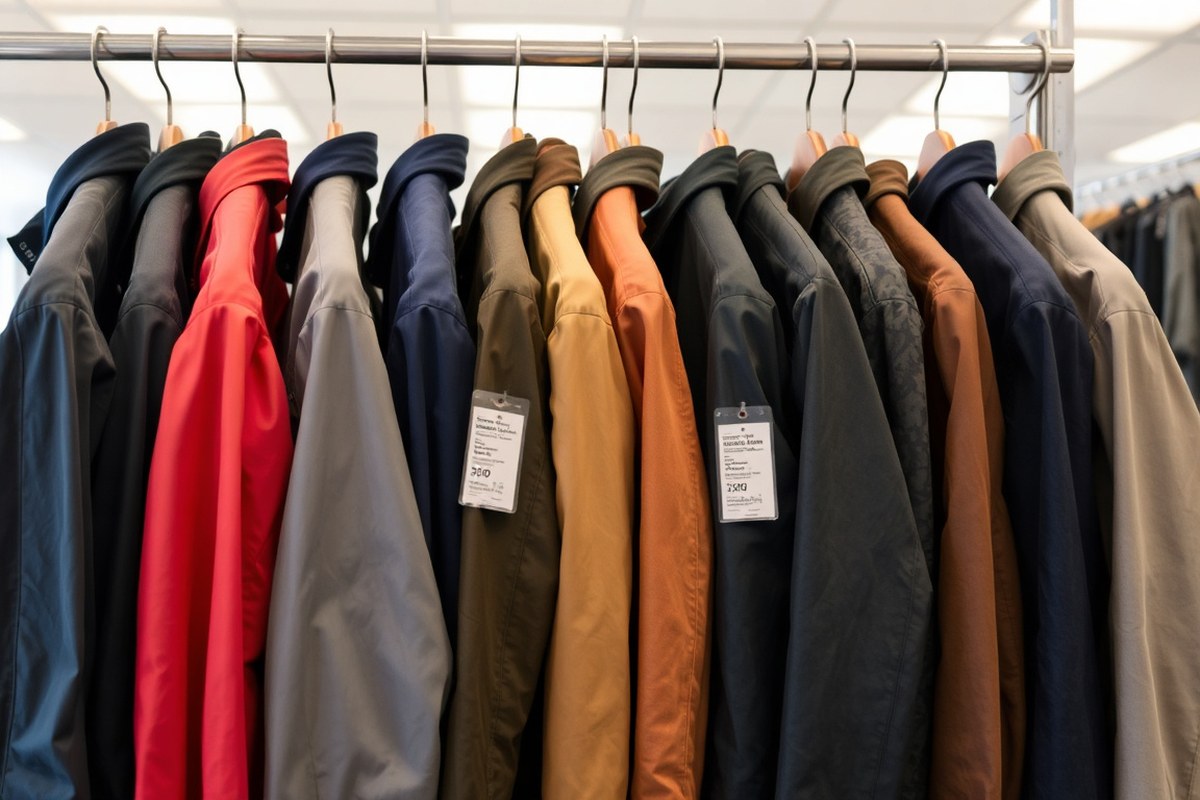
The cost to dry clean a jacket typically falls between $10 and $50, with the average often centering around $15 to $20. Pricing varies based on factors like jacket type, fabric complexity, and any needed treatments such as stain removal or pressing. Simple jackets made from cotton or synthetic materials usually cost less, while structured or heavy winter jackets often require more expensive cleaning processes.
For example, a cotton casual jacket generally costs less to clean because it requires minimal handling, while a wool blazer or a lined structured blazer involves more detailed pressing and stain treatment, which increases the price. The location of the dry cleaner and any additional services will also affect the final cost.
| Jacket Category | Typical Price Range | Complexity (★ out of 5) | Most Common Add-On Service | Cost Efficiency |
|---|---|---|---|---|
| Cotton casual jacket | $18, $28 | ★☆☆☆☆ | Pressing only | High |
| Lightweight synthetic windbreaker | $20, $32 | ★★☆☆☆ | Odor/deodorizing treatment | High |
| Wool blazer / dress jacket | $28, $45 | ★★★☆☆ | Full pressing & shape work | Medium-High |
| Structured blazer w/ lining | $35, $55 | ★★★★☆ | Stain-specific treatment | Medium |
| Heavy winter coat (wool/polyblend) | $50, $100+ | ★★★★★ | Deep cleaning & reshaping | Low |
For an example calculation, suppose you want to dry clean a wool blazer that costs $30 at an average dry cleaner. If the jacket has some stains requiring special treatment, expect to pay an additional $10 to $15, bringing the total to about $40 to $45. A lightweight synthetic windbreaker would likely cost $20 to $32 without extra treatments. These ranges help you estimate based on your jacket type and expected cleaning needs.
Key Factors That Affect Jacket Dry Cleaning Prices

The cost to dry clean a jacket depends largely on four main factors: fabric type, jacket style, location, and the complexity of cleaning needed. Each of these influences how much effort and care the dry cleaner invests, which directly affects the price. Understanding these factors helps you predict costs and choose the best care for your jacket.
Fabric Type and Material Sensitivity
The fabric of your jacket is the top driver of cleaning cost. Delicate or specialty fabrics like wool, cashmere, silk, or leather require more careful handling and often special solvents or treatments. These fabrics can raise cleaning prices by $5 to $15 over a standard polyester or cotton jacket. For example, dry cleaning a wool jacket often costs around $20, whereas a synthetic fabric jacket may be closer to $10 to $15. Delicate fibers risk shrinkage or damage without proper care, so cleaners charge more to cover this careful process.
Materials that repel water or have protective coatings also add to the cost because dry cleaners must apply specific processes to maintain those finishes. Conversely, simple fabrics resist stains and soils better, so their cleaning process is quicker and cheaper.
Jacket Style and Design Complexity
The size, cut, and design details of a jacket impact cleaning difficulty and price. Larger or heavily padded jackets take more time and solvent to clean. Jackets with embellishments such as beads, buttons, embroidery, or special linings require extra attention and sometimes hand-cleaning, adding $5 to $20 to the bill. Tailored suits or structured blazers often cost more than casual jackets due to pressing and shaping requirements after cleaning.
Cleaning simple coats with minimal design features typically falls on the lower end of the price range. More intricate styles may also require special packaging or storage after cleaning, affecting the overall price.
Location and Service Options
Geographical location strongly influences costs. Urban areas with higher living costs often charge $5 to $15 more than smaller towns for the same service. Dry cleaning services in large cities may add fees for expedited service, express turnover, or delivery and pickup options. For example, rush 24-hour service or home delivery can add $10 to $25 to your final cost.
Price differences also come from competition levels and regional regulations. It’s common to find rates vary by as much as 50% depending on where you live. Comparing local dry cleaners could save you money while ensuring quality.
Cleaning Complexity and Stain Treatment
Stains and finishing treatments strongly influence pricing. Removing tough stains like oil, ink, or dye may require specialized chemicals and extra labor, adding anywhere from $5 to $20 per stained area. Jackets that need waterproofing, deodorizing, or pressing beyond standard care will also cost more.
Simple jackets with no stains usually stay closer to the base rate. Where stain removal is concerned, the number of spots and difficulty determine whether cost rises moderately or significantly. Some stains resist treatment altogether, potentially requiring repeat service or professional advice.
- Delicate or natural fibers increase base cleaning rates
- Larger or more detailed jackets need extra time and handling
- Urban locations generally charge more than rural spots
- Stain removal and specialty treatments add significant costs
- Express or delivery services come with additional fees
Check your jacket’s care label and ask your dry cleaner about fabric-specific treatments to avoid surprises in cost and care.
How Fabric and Jacket Type Impact Cleaning Methods and Cost
Fabric type and jacket construction directly affect dry cleaning methods and costs. Delicate materials or intricate linings demand specialized care, raising the price and time involved. Understanding the differences helps you choose proper cleaning and anticipate fees.
Wool and Synthetic Jackets
Wool jackets need careful handling to prevent shrinking or distortion. Dry cleaners use gentler solvents and tailoring techniques to maintain shape and texture, which increases labor and cost. Synthetic jackets like polyester blends are easier to clean since they tolerate regular dry cleaning with less risk of damage, resulting in lower prices.
Wool jackets usually range $28, $45 because of the pressing and shape retention work required. Synthetic blends can fall near the lower end, sometimes $18, $28, as their fabric is more forgiving. Fully lined or structured wool jackets tend to require more inspection and finishing, pushing prices higher.
Leather and Suede Jackets
Leather and suede require cleaning methods distinct from traditional dry cleaning. Instead of solvents, cleaners often use specialized conditioning and spot treatments to preserve softness and color. This extra care makes cleaning these fabrics more expensive than standard jackets.
Because leather and suede jackets cannot handle normal dry-cleaning solvents without damage, expect specialized processes that take more time and skill. These usually cost more than $40 and may require follow-up conditioning to keep the material supple.
Down and Specialty Fabrics
Down jackets need gentle cleaning to preserve insulation loft and avoid clumping. Some cleaners offer specialized wet cleaning or steam options tailored to down, increasing the price compared to basic jackets. Specialty fabrics such as embellished or heavily lined coats also need extra attention to avoid damage during cleaning, often adding fees.
Jackets with sequins, beading, or similar details can require hand spot cleaning or protection during dry cleaning. These additional steps add to time and expense. You should inform the cleaner up front about such features to get an accurate price.
Comparing costs across different jacket types helps set realistic expectations. The table below provides typical prices and explains why cost differences exist based on jacket fabric and design complexity.
| Jacket Type | Typical Baseline Price | Reason for Price | Best Use |
|---|---|---|---|
| Casual Cotton Jacket | $18, $28 | Straightforward fabric handling; no extensive structural finish | Everyday wear refresh |
| Wool Blazer | $28, $45 | Shape retention and careful pressing; fabric sensitivity | Office or business attire |
| Structured Blazer (Lining-Heavy) | $35, $55 | Extra inspection and finishing labor | Frequent client-facing wear |
| Heavy Winter Coat | $40, $65 | Weight, lint removal, and extended pressing time | Cold-weather garments |
Knowing which fabric your jacket is made from and whether it has linings or embellishments helps your dry cleaner apply the right cleaning method. This prevents damage and guarantees a cleaner that matches your garment’s needs with the appropriate price.
Additional Fees and Services That Increase Dry Cleaning Costs
Besides the base price of dry cleaning a jacket, you should expect extra fees for additional services like stain treatment, express turnaround, pressing, and delivery. These add-ons typically increase the overall cost because they require more materials, labor, or specialized handling.
Stain removal often involves special chemicals and extra technician time. The price for stain treatment ranges from about $2 to $20 depending on the severity and type of stain. Small, straightforward stains can be treated quickly for closer to $2 to $6, while tougher spots needing specialty products push the cost higher. Choosing targeted spot cleaning rather than full dry cleaning can save money if the jacket is mostly clean.
Express or same-day service can also increase the bill. Turnaround fees generally add $5 to $12 on top of the normal cleaning charge. This covers prioritizing your jacket in the workflow, using more staff, and possibly overtime pay. If you don’t need the jacket urgently, standard timing avoids this extra cost.
Pressing and finishing your jacket after cleaning may be separate charges depending on the cleaner. Pressing costs vary but often add a few dollars, since good finishing uses more labor and attention to fabric details like seams and collars. Some cleaners bundle pressing with dry cleaning, but it’s best to ask ahead to avoid surprise fees.
Delivery or pickup is another option that often comes with additional costs. Home pickup and return can cost anywhere between $5 and $15. This convenience can be a time-saver, but factor it into your total expenses. Some local cleaners may include delivery with large orders, so check their policy for volume discounts.
- Stain treatment: $2 to $20 depending on complexity and materials used
- Express turnaround: $5 to $12 extra for same-day or rush service
- Pressing/finishing: usually a few dollars more unless included in base cleaning
- Delivery or home pickup: $5 to $15 depending on distance or service area
- Spot cleaning as a cheaper alternative for minor stains
Good results in stain treatment mean the spot is visibly reduced or removed without damaging fabric or color. Overuse of harsh chemicals can worsen fabric quality or leave residues, so professional handling matters. Express service works best when you absolutely need fast turnaround but expect to pay more. For pressing, smooth, wrinkle-free finishes indicate quality work, while uneven pressing or fabric shine suggests shortcuts or low effort.
Knowing these potential extras lets you plan your budget accurately. Always ask your cleaner for a full price breakdown before committing. This prevents surprise charges and helps you choose services that match your needs and wallet. Skipping extras like express service or delivery saves money, but require more of your time. Target minor stains with spot cleaning to avoid higher stain treatment costs. Preparing your jacket and communicating clearly with your cleaner will keep costs manageable while protecting your jacket’s look and lifespan.
How Often You Should Dry Clean Your Jacket for Best Care
Knowing when to dry clean your jacket helps keep it looking fresh without causing damage from over-cleaning. Generally, jackets worn regularly in outdoor or smoky environments need cleaning every 3 to 4 months. Those used less often or indoors only might go 6 to 8 months before professional care is necessary. Fabric type heavily influences this schedule: delicate or natural materials like wool, silk, or down require more careful attention, often limiting dry cleaning to 1-2 times per season. Less sensitive fabrics such as polyester blends can tolerate more frequent cleanings if visibly soiled.
Too-frequent dry cleaning can wear down fibers, fade colors, and affect waterproof coatings. Spot cleaning minor stains or airing a jacket between wears can prolong the time between full dry cleanings. Pay attention to odor, visible stains, and fabric texture to decide when your jacket truly needs professional care. Professional dry cleaning removes deep dirt and oils, but overdoing it risks weakening fabric structure, so balance is key. Follow these steps to determine when and how to dry clean your jacket properly:
- Inspect the jacket regularly. Check for stains, odors, or fabric stiffness after every few wears.
- Assess the environment of use. Frequent exposure to smoke, sweat, or dirt outdoors shortens the cleaning interval.
- Note the fabric type. Wool, down, or delicate materials usually require less frequent cleaning than sturdy synthetics.
- Treat spots immediately. Use a damp cloth or recommended spot cleaner to address minor blemishes and avoid full dry cleaning.
- Air out the jacket between wears. Hanging it in a well-ventilated area reduces odor buildup and freshens the fabric.
- Schedule dry cleaning wisely. Plan professional cleanings every 3-6 months depending on use and fabric sensitivity.
- Communicate with your cleaner. Inform them about fabric type and stains for proper treatment to avoid damage.
Frequent dry cleaning can weaken jacket fibers, so only clean when stains, odors, or fabric changes occur rather than following a strict calendar.
How to Get Accurate Quotes and Communicate with Your Dry Cleaner
To get an accurate quote for dry cleaning your jacket, ask clear questions about fabric, stains, and services included. Describe your jacket’s condition precisely and confirm any additional fees before agreeing to the cleaning. This upfront communication prevents surprises on the final bill and ensures your jacket receives proper care.
Essential Questions to Ask
Start by asking your dry cleaner about the base price for cleaning your jacket type and fabric. Use a checklist to cover all key factors quickly: fabric, lining, stains or odors, and your timeline for cleaning. Confirm whether the estimate includes stain removal, deodorizing, and pressing, as these services often add to the cost.
Additional questions should clarify if the price covers warranty or satisfaction guarantees and whether pick-up or delivery is an option and its cost. If your jacket needs special care, such as waterproofing or delicate handling, ask about those procedures and their costs before drop-off.
Describing Fabric and Condition Clearly
When you describe your jacket, be as specific as possible about the materials used and its current state. Mention the outer fabric (wool, leather, down, synthetic), lining type, and if any areas show visible stains, odors, or heavy soil buildup. For example, say “wool jacket with silk lining, no visible stains but noticeable musty odor” or “polyester jacket with grease stains on sleeves.” This detail helps the cleaner give a more accurate price and recommend the right cleaning approach.
Be upfront about any fragile details like embroidery, sequins, or waterproof coatings. Explaining urgency can also impact cost, so if you need your jacket cleaned within 24 to 48 hours, say so when asking for the estimate. Clear descriptions avoid underestimating the work required and the price.
Confirming Any Extra Charges Upfront
Extra charges come up most often for services beyond the standard clean and press. Confirm which add-ons are included in your quote. Stain treatment, deodorizing, repairs, and delicate fabric handling often cost extra. Knowing this upfront avoids surprise costs when you pick up your jacket.
- Ask if stain removal is included or billed separately per stain
- Check whether pressing or steaming is part of the price
- Clarify if deodorizing your jacket after removing odors costs more
- Confirm if urgent or same-day service results in higher fees
- Inquire about charges for waterproofing or fabric protection treatments
- Ask if minor repairs like button replacement are charged separately
Discussing these charges before drop-off gives you a clear idea of the total cost and lets you decide which services you want. Use a script like this when calling or visiting your cleaner:
“Hi, I have a [fabric type] jacket with [lining type]. It has [describe stains or odors], and I’d like to know the total price, including stain treatment, deodorizing, and pressing. Are there any extra fees I should expect, especially if I need it cleaned by [date]? Also, do you offer a satisfaction guarantee or warranty on the cleaning?”
Being thorough in your questions and descriptions helps the cleaner give a realistic estimate, and it sets clear expectations for both of you.
When Is Spot Cleaning Enough vs. Full Dry Cleaning?
Spot cleaning can save you money on jacket care when dealing with minor or isolated stains. This method targets specific areas using a gentle detergent or stain remover, avoiding the full dry cleaning process, which typically costs more. For light stains such as small spots of food, dirt, or oil, spot cleaning protects the fabric without requiring the jacket to undergo the entire dry clean cycle.
To decide whether spot cleaning is enough, first check your jacket’s care label. Fabrics designated as dry clean only, often delicate materials like wool blends, silk, or structured blazers, typically need professional attention. However, if the stain is small and the fabric is strong enough, spot cleaning can be effective as long as you act promptly. Addressing stains quickly reduces the likelihood of the stain becoming permanent or spreading, which would require full dry cleaning.
Here’s how to do it: gently blot the stain with a clean, damp cloth or use a small amount of specialized spot cleaner designed for your jacket’s fabric. Avoid rubbing aggressively since that can damage fibers or spread the stain. Test the spot cleaner on an inconspicuous area first to check for colorfastness. Allow the spot cleaner to sit for a few minutes, then gently blot again with a clean part of the cloth. Repeat the process if necessary but avoid saturating the fabric.
Spot cleaning typically costs only the price of the product you use, which can range from $5 to $15 for a basic stain remover suitable for jackets. This compares favorably against a full dry cleaning cost that can be $15 to $30 or more per jacket, saving money if you deal with frequent or minor stains. Prompt spot treatment also reduces the need for repeated full dry clean cycles, extending your jacket’s lifespan.
Full dry cleaning becomes necessary when stains are widespread, deeply set, or when dealing with fabrics that are sensitive or labeled as dry clean only. Examples include grease, wine, or ink stains that cannot be removed with spot treatment, or if the jacket smells musty or has extensive dirt buildup. Dry cleaning uses solvents that remove stains more thoroughly while preserving delicate fabrics’ texture and shape.
A clear rule to follow is: if the stain covers less than a few square inches and the fabric is sturdy and not marked as dry clean only, try spot cleaning first. Otherwise, or if unsure, opt for full dry cleaning to avoid damaging your jacket. Selecting the right approach based on stain size, fabric type, and care instructions helps maintain your jacket’s appearance and controls cleaning costs effectively.
Practical Tips to Save Money on Dry Cleaning Jackets
Reducing the cost of dry cleaning jackets involves a mix of timing, location choices, and smart use of discounts or packages. Start by checking if your local dry cleaner offers loyalty programs or seasonal promotions. Joining a loyalty program can give you points or discounts that add up over time, especially if you clean jackets regularly. Seasonal deals are common, often around holidays or change of season, so plan your jacket cleaning accordingly.
Location also matters; prices vary depending on whether you use a high-end cleaner in a busy urban area or a smaller store in a less expensive neighborhood. If timing allows, consider scheduling your jacket cleaning during slower business periods, such as midweek or early mornings, when some cleaners may offer reduced rates to attract customers.
- Join loyalty programs to earn discounts on future visits.
- Watch for seasonal promotions, especially before winter or spring.
- Follow local dry cleaners on social media for exclusive deals.
- Ask directly about package deals if you need multiple jackets cleaned.
- Choose locations outside expensive neighborhoods for lower prices.
- Schedule drop-offs during slower hours to negotiate better rates.
- Maintain your jacket regularly to avoid frequent professional cleanings.
Package deals often give a better per-jacket price when you need several items cleaned. For example, paying for three or more jackets at once might save you 10 to 20 percent compared to individual cleanings. Keeping jackets in good condition between professional cleanings also lowers your total expense. Spot cleaning small stains promptly with appropriate cleaners can delay the need for full dry cleaning. Avoid using water or home detergents on delicate fabrics, as this may cause damage that increases cleaning costs later.
Ask your dry cleaner upfront about any possible hidden fees, like charges for repairs or extra stain removal, to avoid unexpected costs.
Always check if your jacket needs repairs before cleaning, since fixing issues like torn seams or loose buttons during the cleaning process raises the price. Planning your dry cleaning around discounts, selecting the right location and time, and asking about package pricing can significantly reduce your overall expense while keeping your jackets in great shape.
Step-by-Step Action Plan to Manage Jacket Dry Cleaning Costs
Use this plan to control how much you spend on dry cleaning jackets while keeping them looking their best.
- Before you buy a jacket: Check the care label for fabric and recommended cleaning methods to anticipate future dry cleaning costs.
- Week 1: Call local dry cleaners to request quotes based on your jacket type. Compare prices and services to find the best fit.
- Ongoing: Spot clean your jacket promptly to reduce the need for full dry cleaning. Know spot cleaning worked if stains disappear without soaking the entire garment.
- Every 3, 6 months: Schedule a full dry cleaning for jackets you wear often; this timing balances garment care and cost.
- Before drop-off: Ask about additional fees like starch, repairs, or special fabric treatments to avoid surprises when picking up your jacket.
- After pick-up: Inspect your jacket for proper cleaning and damages. Report issues immediately to your cleaner.
- Whenever possible: Take advantage of loyalty programs or coupons to reduce costs without compromising care.
Frequently Asked Questions
How Much Does It Usually Cost to Dry Clean a Jacket?
Most dry cleaners charge $15 to $50 to dry clean a jacket, depending on jacket type and cleaning intensity. Prices vary based on fabric, location, and jacket size.
Is It Cheaper to Hand Wash a Jacket Than to Dry Clean It?
Hand washing can be less expensive but might not remove tough stains or preserve the jacket’s shape like professional dry cleaning does.
Can the Type of Jacket Lining Affect Dry Cleaning Costs?
Yes, jackets with delicate or specialty linings can increase cleaning complexity, raising the cost due to the need for gentler handling.
Do Leather Jackets Cost More to Dry Clean Than Fabric Ones?
Leather jackets usually cost more to dry clean because they require special solvents and conditioning treatments that add to the price.
Does the Presence of Embellishments on a Jacket Increase Dry Cleaning Fees?
Yes, extra fees often apply for jackets with sequins or beading, as these require careful cleaning or spot treatment to avoid damage.
Are Express or Same-Day Dry Cleaning Services More Expensive for Jackets?
Express services typically come with higher fees to prioritize your jacket, sometimes adding 20% or more to the standard price.
Before You Go
Knowing how much it costs to dry clean a jacket and understanding the factors that affect price helps you make better choices for your wardrobe and budget. Start by getting clear quotes from your dry cleaner and practicing spot cleaning to save money. Taking small steps today keeps your jackets looking sharp without unexpected expenses.