Can You Wash a Down Blanket? 8 Essential Steps to Do It Safely
You can safely clean a down blanket at home by following careful washing instructions. Doing so maintains cleanliness while protecting the delicate down filling and fabric. This guidance fits people wanting to refresh their down blankets without damaging them.
Understanding how to prepare, choose washing methods, and dry your down blanket will help maintain its warmth and fluffiness. You will learn practical, safe techniques that extend your blanket’s life and avoid common washing errors.
Key Takeaways
- Always check the care label to confirm if your down blanket is machine washable before washing.
- Wash down blankets every 1 to 3 years, or more often if allergies, pets, or heavy sweating are factors.
- Use a gentle or delicate wash cycle with cold or lukewarm water to protect the down feathers.
- Use mild detergent designed for down or gentle fabrics to avoid stripping natural oils from feathers.
- For stains, apply a stain remover and let it sit for 20 minutes before gently rubbing the area.
- Dry your down blanket by laying it flat and turning it every 4 hours to speed drying and prevent clumps.
1. Can You Wash a Down Blanket at Home Safely?
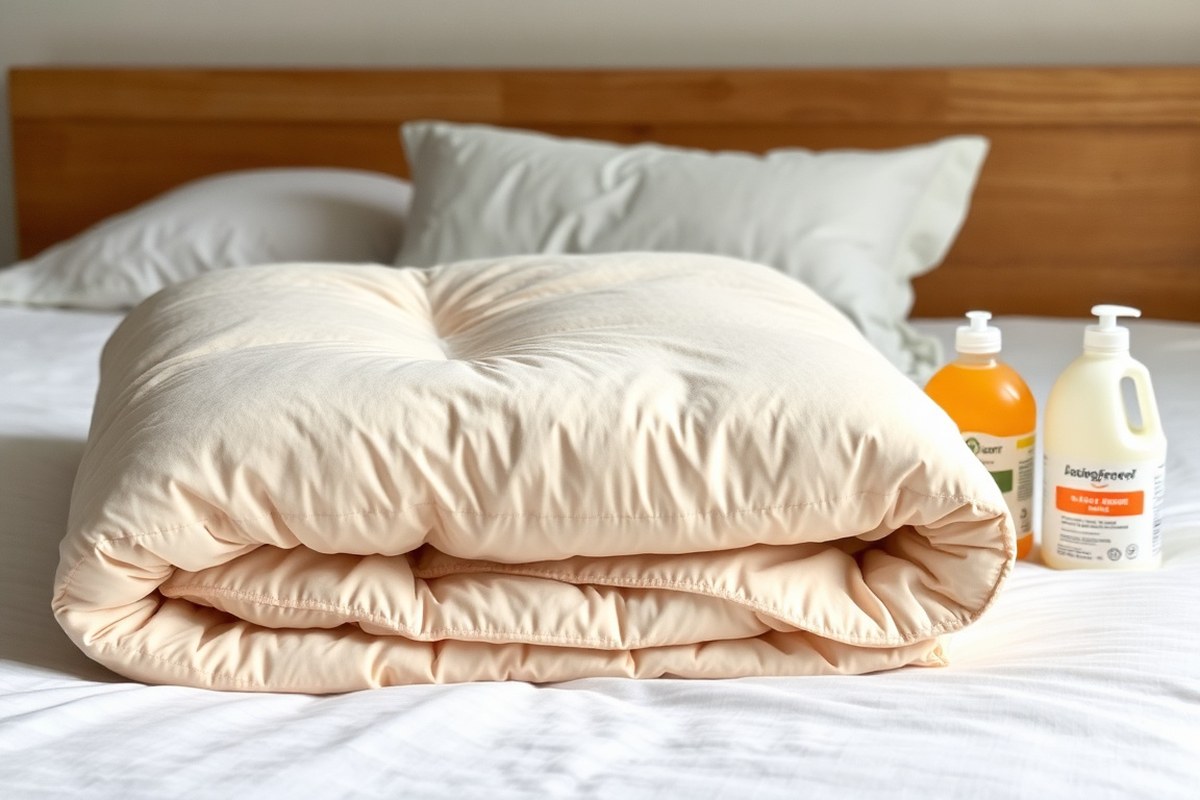
You can wash a down blanket at home safely, as long as your blanket’s care label confirms it is machine washable or suitable for hand washing. Many down blankets are designed to be cleaned in a standard washing machine, but the key is to check the care label first. The label should include a symbol that looks like a washing tub filled with water, which means it is safe to wash the blanket in a machine. Along with this icon, the label usually provides specific instructions on water temperature and wash cycle settings tailored for your blanket. Following these directions helps prevent damage to the delicate down filling and the outer fabric.
The machine wash symbol is your main decision rule. When you see a plain wash tub icon, your washing machine is suitable for use. A wash tub with a hand inside indicates the item requires hand washing rather than machine washing. A label that says “dry clean only” or displays a circle symbol means you should take the blanket to a professional, especially for high-end or delicate blankets. Ignoring a “dry clean only” instruction risks harming the insulation and fabric. In some cases, if the blanket does not allow machine or hand washing, spot cleaning is the only safe method.
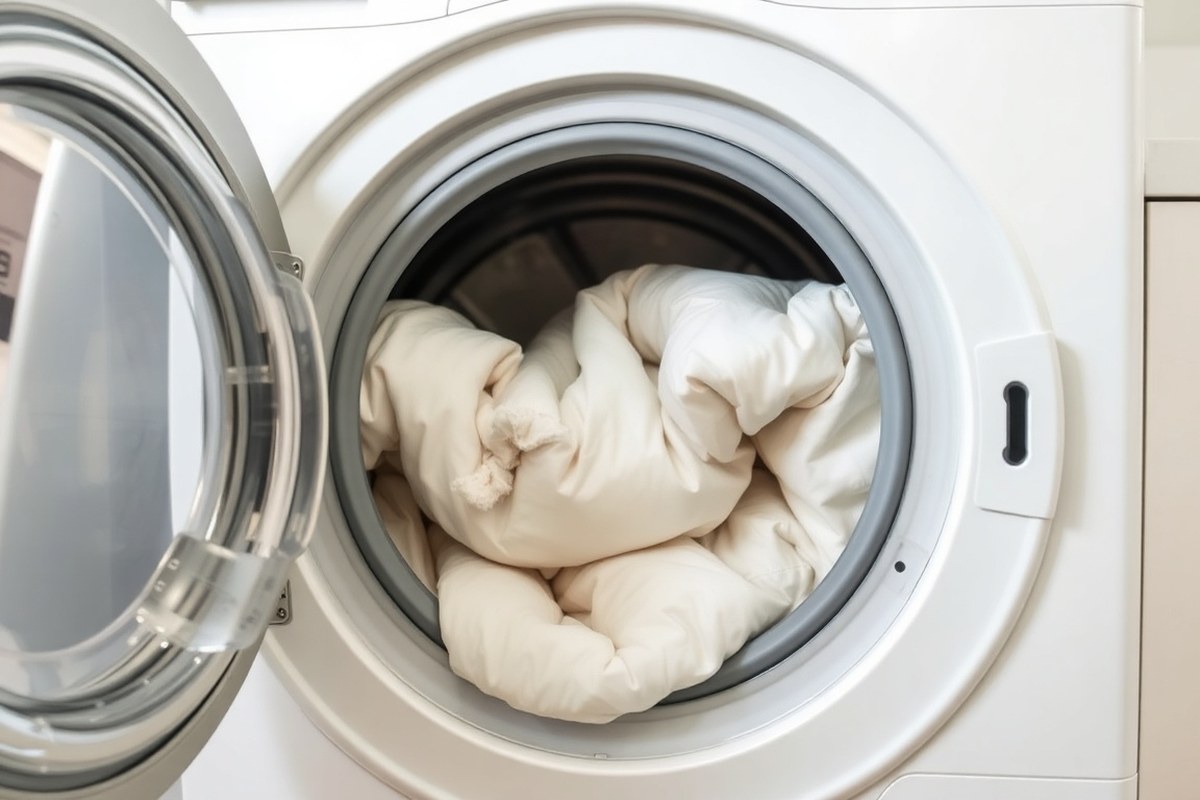
Using a standard washing machine on a down blanket designed for machine washing typically involves selecting a gentle or delicate cycle with cool or lukewarm water, around 30°C to 40°C (86°F to 104°F), to avoid stripping oils from the down. This approach controls agitation and prevents clumping of the insulating feathers. Avoid hot water or heavy cycles, which can damage the down and the fabric shell. A front-loading washer is preferable because it is gentler compared to top-loading models with agitators, which can be too rough on bulky blankets. Owning only a top-loader calls for placing the blanket loosely and picking the gentlest cycle to reduce risks.
Washing a down blanket at home requires time and care, but it saves on professional cleaning costs, which can range between $20 to $50 depending on size and location. Good results show a clean, fluffy blanket without clumps or damage to the shell. Problems usually happen if the blanket is washed on too high heat, using harsh detergents, or washed without confirming the care label instructions. Always follow the label’s guidance for wash and drying to maintain your blanket’s warmth and longevity.
2. Preparing Your Down Blanket for Washing
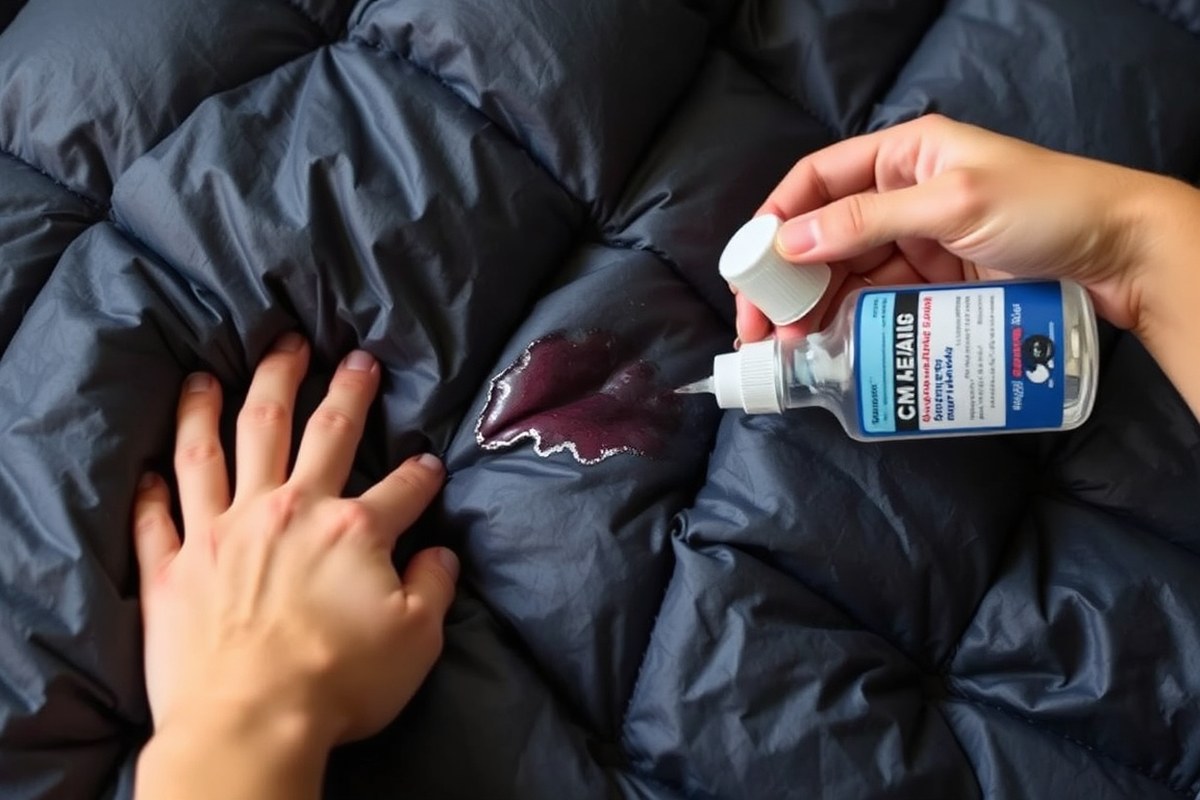
Preparing your down blanket for washing involves carefully inspecting it for damage, treating any stains beforehand, and choosing a detergent that won’t harm the delicate down filling. Proper preparation helps maintain the blanket’s softness and loft while preventing damage during the wash.
Inspecting and Repairing Small Tears
Before washing, examine your down blanket closely for any small tears or holes. Washing a damaged blanket can cause the down to leak out and reduce insulation. Minor tears can often be repaired at home with a needle and strong thread or a fabric patch designed for down materials.
Look at the seams and edges carefully and feel for any areas where the fabric is thinning. If you find any damage, sew it up securely to avoid further tearing during agitation in the washer.
Pre-Treating Stains Effectively
Stains should be treated before washing to improve the chances of complete removal without extra wash cycles. Use a gentle stain remover suitable for delicate fabrics, like Woolite or a mild liquid dish soap. Applying stain remover directly to the spot ensures targeted treatment without soaking the whole blanket. Follow this step-by-step process to pre-treat stains:
- Lift the outer fabric gently without compressing the down filling beneath the stain.
- Apply a small amount of mild detergent or stain remover directly to the stain.
- Allow the solution to sit for 10 to 15 minutes to penetrate the stain.
- Blot the area lightly with a clean, damp cloth to lift the stained material.
- Repeat if necessary before washing the blanket.
- Test stain remover on a hidden area first to check for any discoloration or fabric damage.
Pre-treating stains helps avoid multiple washes, which can weaken down fibers over time.
Choosing the Right Detergent
Select a detergent specifically designed for down or other delicate fabrics. Mild, free-and-clear detergents without bleach or fabric softeners are best. Harsh detergents can damage down clusters, reducing the blanket’s insulation and fluffiness. Avoid regular laundry detergents, which often contain enzymes that degrade the natural oils in down. Look for these qualities in a detergent:
- Mild and gentle formulation
- Free of dyes and fragrances
- No bleach or fabric softeners
- Available in liquid form for easier rinsing
- Down-specific or wool-safe labels are a plus
Using about one tablespoon of detergent for a full load usually suffices and helps prevent residue buildup, which can lead to clumping. Rinse the blanket twice to ensure all soap is removed, protecting the loft and softness.
3. Choosing the Right Washing Methods for Down Blankets
Choosing the right washing method for your down blanket depends on the blanket’s material, size, and your available equipment. Machine washing suits many down blankets if done carefully, using a gentle cycle with cold water and a mild, wool-safe detergent. Hand washing works best for delicate fabrics or blankets too large to fit comfortably in a washer. Professional cleaning is advisable for heavily soiled blankets or those labeled dry-clean only, and it’s a good idea every few years to maintain the blanket’s loft and freshness. Weighted down blankets generally can be machine washed alone on a gentle cycle, but you must avoid mixing them with other laundry to preserve the weighted filling and down.
| Washing Method | Pros | Cons | When to Use |
|---|---|---|---|
| Machine Wash |
|
|
Blankets that fit comfortably in the washer and are labeled machine-safe. Weighted down blankets can be washed alone on gentle cycles. |
| Hand Wash |
|
|
Delicate down blankets, large blankets that don’t fit in the washer, or those with special care instructions. |
| Professional Cleaning |
|
|
Especially soiled blankets, dry clean only labels, or periodic professional care every few years. |
Use the decision framework below to pick the best method for cleaning your down blanket:
- Check the blanket’s care label for washing instructions and size.
- When the blanket fits in your washer and is machine-safe, wash it on a gentle or woolens cycle with cold water and a mild detergent. Use an extra rinse cycle if possible to remove detergent completely.
- For blankets too large to fit comfortably or labeled as delicate, wash by hand using lukewarm water and gentle detergent, soaking briefly, gently squeezing water out without wringing, then rinsing thoroughly.
- When your blanket has heavy stains, carries a “dry clean only” label, or needs a deep clean occasionally, take it to a professional cleaner.
- Weighted down blankets can usually be washed in the machine alone, on gentle cycles with cold water, avoiding laundry additives or mixing with other items.
Following the right method helps preserve your down blanket’s fluffiness and prevents damage like clumping, fabric tearing, or odor retention. Machine washing offers convenience but requires careful settings and space. Hand washing offers more control but takes more time. Professional cleaning costs more but ensures expert care for lasting quality.
4. How to Wash a Down Blanket in a Washing Machine
You can wash a down blanket in a regular, front-loading washing machine if you follow specific steps to protect its delicate filling. Use a gentle cycle with cold water and a low spin speed to avoid damaging the feathers. Balancing the load helps prevent clumping and keeps your machine running smoothly.
Selecting the Right Wash Cycle
Choose a delicate or gentle wash cycle designed for sensitive fabrics. These cycles use slow agitation, reducing stress on the down filling and fabric shell. Woolens or specialized cycles for bedding can also work if your machine includes them. Avoid normal or heavy-duty cycles, which agitate too strongly and risk tearing or clumping.
When washing a down blanket, keep in mind the cycle length. Gentle and delicate cycles usually last 30 to 45 minutes, which is enough to clean the blanket without overexposing it to water and movement. A shorter wash helps preserve the fill’s loft and reduces drying time.
Using Cold Water and Gentle Spin
Always set the water temperature to cold when washing your down blanket. Cold water cleans effectively while protecting the down feathers from damage or shrinking. Avoid warm or hot water, as high temperatures can strip the natural oils from down, leading to loss of fluff and insulating ability.
Set your spin speed to low or medium to remove excess water without stressing the blanket. A rapid, high-speed spin can compress the down unevenly and cause feathers to break or bunch up. Lower spin speeds mean the blanket retains moisture, but this keeps the filling intact and easier to dry thoroughly later.
Balancing the Load to Avoid Damage
Balancing the washing machine load is essential. Down blankets are bulky, and if they are off-center, the machine can become unbalanced. This leads to inefficient washing, excessive vibrations, or even damage to the washer and blanket.
To balance the load, add a few towels or similar-sized items opposite the blanket in the drum to create an even distribution of weight. Avoid overloading the washer; your blanket should fit loosely with enough room to move freely. Front-loading machines are preferable since they use tumbling action rather than an agitator, causing less wear on the blanket’s fabric and fill. Using a large capacity washer, commonly found in laundromats if your home machine is small, can help manage the size and weight of the blanket during washing. Follow these exact steps to machine wash your down blanket safely:
- Place the blanket evenly in the drum of a front-loading washing machine.
- Add a couple of towels to the drum to balance the weight and stabilize the load.
- Pour a gentle, down-safe detergent into the dispenser, avoiding bleach or fabric softeners.
- Select the delicate or gentle cycle on the washing machine settings.
- Set the water temperature to cold to prevent damage to the feathers.
- Adjust the spin speed to low or medium to gently remove water without compressing the down.
- Start the wash cycle and allow the blanket to soak in cold water for about 30 minutes before the machine proceeds to wash.
- Once complete, carefully remove the blanket, supporting its weight to prevent distortion.
5. Safe Hand Washing Techniques for Delicate Down Blankets
Hand washing a down blanket is a safe option when machine washing isn’t recommended or possible. It protects the delicate feathers from damage by using gentle water movement and careful handling. Follow the right steps and timelines to keep the down fill evenly distributed and maintain the blanket’s warmth and loft.
Filling and Preparing the Washing Area
Use a clean bathtub, large basin, or plastic tub big enough to hold your down blanket without crowding it. Fill it with cool water, ideally between 70 to 80°F (21 to 27°C), to avoid damaging the down feathers or fabric. Add a small amount of mild detergent formulated for delicates or down. Avoid detergents with bleach or fabric softeners, as these can strip natural oils from the down.
Before submerging, check for tears or holes and repair them to prevent feather loss. Gently lay the blanket flat on the water surface to prevent the down from clumping. Keeping the blanket fully submerged is important for even cleaning.
Gentle Soaking and Movement
Soak the blanket for about 30 to 45 minutes to allow the detergent to break down oils and dirt. Avoid agitation or aggressive scrubbing. Instead, gently press the blanket underwater a few times, like a light squeezing motion, to move water through the fill without disturbing its structure. This process helps loosen dirt while maintaining fluffiness.
Hand wash in small sections if needed, focusing on any stained areas by gently working the detergent into the fabric with your fingertips. Never wring or twist the blanket, as this risks damaging feathers or shifting the fill unevenly.
Never wring or twist your down blanket during hand washing; this can cause permanent damage to the filling.
Rinsing Without Wrinkling or Twisting
Drain the soapy water and refill the tub or basin with fresh, cool water for rinsing. Gently press the blanket underwater again to release detergent. Repeat rinsing 2 to 3 times until water runs clear and no suds remain. Excess detergent left inside can harm down’s loft and comfort.
Avoid pressing or squeezing hard to remove water. Instead, press lightly and then lift the blanket out slowly, supporting its weight to keep the fill even. Use towels to pat and absorb excess water. Air dry the blanket flat, shaking it occasionally to maintain fluffiness.
- Fill a large tub with cool water (70-80°F) and add a mild detergent for delicates.
- Inspect the blanket for holes or tears and repair as needed before washing.
- Submerge the blanket completely and soak for 30 to 45 minutes.
- Gently press and squeeze the blanket underwater to move detergent through the down; avoid twisting or wringing.
- Drain the water and refill with fresh cool water for rinsing; repeat 2 to 3 times.
- Press lightly to remove water, lift the blanket carefully, and then pat with towels to absorb moisture.
- Lay the blanket flat to air dry, fluffing occasionally to keep the down even.
6. Drying Your Down Blanket: Techniques and Timeframes
Down blankets can generally be dried in a machine dryer, but care is needed to avoid clumping and damage. Using a low heat or no heat tumble setting helps preserve the loft of the down fill and prevents overheating, which can flatten the fibers and reduce insulation. After machine drying, letting your blanket air dry for several hours will further help maintain its fluffiness and freshness.
To avoid clumping, frequent fluffing during the drying process is important. Down tends to stick together when wet, so breaking up clumps by hand restores the blanket’s natural volume. Air drying, while gentler, usually takes longer, often 12 to 24 hours depending on humidity and airflow. Machine drying on low or no heat typically requires 1 to 3 hours, but drying times vary based on blanket thickness and dryer efficiency. Below is a step-by-step approach to properly dry your down blanket, combining machine drying and air drying with targeted fluffing to keep the down evenly distributed.
- Set the dryer to a low heat or no heat tumble cycle. Avoid high temperatures to prevent damaging the down fill and fabric. Use a setting labeled “fluff,” “air,” or “delicate” if available.
- Place clean tennis balls or dryer balls in the dryer with the blanket. These help agitate the down, reducing clumping and fluffing the fill as it dries.
- Run the dryer for 30 to 60 minutes initially. Stop the cycle to check the blanket’s moisture level and redistribute any clumps by hand.
- Resume drying in 20 to 30-minute increments. Repeat fluffing and spreading out the blanket after each interval to ensure even drying and loft restoration.
- When the blanket feels mostly dry but still slightly damp, remove it from the dryer. Lay the blanket flat on a clean drying rack or a smooth surface indoors or outside in fresh air.
- Allow the blanket to air dry completely for several hours. This step helps evaporate residual moisture, preventing musty smells and preserving the integrity of the down.
- Occasionally fluff and gently shake the blanket during air drying. This breaks up any forming clumps and keeps the down filling evenly distributed.
- Confirm the blanket is dry inside and out before storing. A fully dry blanket resists mold, mildew, and odors, extending its usable life.
Drying your down blanket properly requires patience and attention to detail. Machine drying with low heat shortens overall drying time but may need to be combined with air drying to ensure complete moisture removal. Avoid rushing this process to keep your blanket soft, warm, and long-lasting.
7. Maintaining Fluffiness and Longevity Between Washes
Keeping your down blanket fluffy and fresh between full washes helps preserve its warmth and comfort. Fluffiness depends on the loft of the down clusters, which can get compressed from use or improper storage. Regular fluffing redistributes the down evenly, preventing clumps and maintaining insulation.
To maintain fluffiness, gently shake and pat your blanket several times a week. Airing it out in a dry, well-ventilated room every one to two weeks removes odors and moisture that can weigh down the fill. Steam can also refresh the blanket by loosening compressed down fibers without wetting it. Use a handheld steamer held a few inches away, moving evenly across the surface. Avoid saturating the fabric to prevent damage.
- Use a duvet cover to protect from dirt and reduce wash frequency.
- Spot clean stains promptly with mild detergent and cold water.
- Shake and fluff the blanket every few days to keep down lofted.
- Air out the blanket every 1-2 weeks for about 1-2 hours in indirect sunlight or a dry space.
- Refresh with a handheld steamer occasionally, holding it 6-8 inches away from the fabric.
- Store in a breathable cotton bag rather than a plastic bag to avoid moisture buildup.
- Fluff the blanket in a dryer on low heat with dryer balls every few months if it feels dense.
Skipping frequent full washes also contributes to longevity since water and detergent can degrade down fibers over time. Instead, rely on spot cleaning and airing out to keep the blanket fresh. Fluffing daily or every few days returns the pile to its intended loft, so your blanket stays soft and insulating. When fluffing by hand, lift and pat the blanket gently but thoroughly across all areas.
Use dryer fluffing only when the blanket feels heavy or clumped after washing. Longer drying at low heat with tennis or wool dryer balls helps break up lumps and encourage even drying. Avoid fabric softeners as they coat down and reduce its natural ability to trap air and retain heat.
8. Common Washing Mistakes and When to Call a Professional
One common mistake when washing a down blanket is overstuffing the washing machine drum. Crowding the blanket prevents it from moving freely, which can lead to uneven cleaning and damage both the washer and the blanket’s filling. To fix this, wash the blanket alone or with just a couple of small, lightweight items, ensuring the drum is no more than half full. This allows water and detergent to penetrate evenly and reduces stress on your machine.
One common mistake is not drying down blankets properly. These blankets require gentle drying to keep the fill from sticking together and developing a bad smell. When down stays damp too long, the feathers clump up. Using low heat in a dryer along with clean tennis balls or dryer balls helps shake up the fill and break apart lumps. For air drying, lay the blanket flat and flip it every four hours to make sure it dries evenly and avoids moisture buildup. Drying times vary by blanket thickness and humidity, usually lasting 12 to 24 hours.
Not following washing instructions or ignoring care labels also risks ruining your blanket. Some down blankets are not machine washable, these often have a symbol of a tub with an X through it. The presence of this symbol or noticing delicate fabrics and stitching means it’s best to have a professional handle the cleaning. Professional wet cleaning or laundering tailored to down products can handle delicate fabrics and stubborn stains while preserving the integrity of the filling.
Consider professional cleaning if your down blanket is especially valuable or has hard-to-remove stains or odors. This option can cost $30 to $80 depending on your location and the cleaner’s expertise, but it pays off by extending the blanket’s lifespan. Professionals have equipment that dries thoroughly and fluffs the down back to its original loftiness, which home machines often cannot replicate. You should also seek expert help if your washing machine isn’t large enough for the blanket, to avoid damage during agitation.
Always check the care label before washing, and if you’re unsure about home cleaning, professional services offer a safer alternative that protects your blanket’s quality and longevity.
Step-by-Step Action Plan for Washing Your Down Blanket
Follow these steps to clean and care for your down blanket safely at home while preserving its fluffiness.
- Before washing: Check the blanket’s care label for specific instructions and test a small, hidden area with water and mild detergent to ensure colorfastness.
- Day of washing: Use a front-loading washing machine or wash by hand with gentle detergent made for down or delicate fabrics.
- During washing: Select a gentle cycle with cold water and avoid fabric softeners to prevent damage to the down filling.
- After washing: Gently squeeze out excess water without wringing, then lay the blanket flat on a clean surface to remove some moisture before drying.
- Drying process: Dry in a large-capacity dryer on low heat, adding clean tennis balls or dryer balls to break up down clumps and restore fluffiness.
- Check dryness: Pause every 30 minutes to fluff the blanket manually and prevent overheating until it is fully dry inside and out, which often takes several hours.
- Between uses: Store the blanket loosely in a breathable cotton bag or pillowcase to maintain loft and prevent mildew.
Frequently Asked Questions
Can I Machine Wash Any Down Blanket at Home?
Check the care label for a machine wash symbol; only machine wash if it shows the blanket is safe. Avoid any that are too large to fit comfortably in your washer.
How Often Should I Wash My Down Blanket?
Washing your down blanket every one to two years is typically sufficient unless there are spills or odors. Overwashing can wear down the delicate down filling.
Can I Use Regular Laundry Detergent on a Down Blanket?
Use a mild detergent specifically designed for down or delicate fabrics to avoid damaging the filling. Regular detergents may strip natural oils and reduce loft.
Will Washing a Down Blanket Cause It to Lose Fluffiness?
Proper washing and thorough drying usually maintain fluffiness. Use gentle cycles and dry completely with low heat or air dry to prevent clumping.
What Is the Best Drying Method for a Down Blanket?
Air drying or tumble drying on low heat with clean tennis balls keeps down evenly distributed and prevents damage. It often takes 24-48 hours to dry fully.
Can I Iron or Steam My Down Blanket to Remove Wrinkles?
Ironing is not recommended as heat can damage down fibers; light steaming is safer but use low heat and keep the steamer moving.
The Bottom Line
You can wash a down blanket at home safely if you handle it with care and follow recommended techniques. Regular maintenance between washes helps preserve the blanket’s loft and warmth. Start with a careful inspection of your blanket’s label before your next wash to confirm the best cleaning method for your specific down blanket.