How to Get Bad Smell Out of Clothes: 8 Proven Methods That Work
To get bad smell out of clothes quickly and effectively, soak them in warm water with detergent or vinegar before washing. Air-drying outdoors for 24 hours helps eliminate lingering odors and volatile fumes. Using these straightforward steps tackles stubborn smells from sweat, mildew, and more.
These methods suit anyone dealing with persistent clothing odors, including synthetic fabrics that often hold smells even after washing. You’ll learn practical, easy-to-follow techniques for pre-treating, soaking, and drying to make your laundry smell fresh again.
Key Takeaways
- Pre-soak smelly clothes in warm water mixed with 1 ounce of detergent for 30 minutes before washing.
- Use a 1:4 solution of distilled white vinegar and water to soak sweat-stained clothes for 30 minutes.
- Air-dry clothes outside for 24 hours in a well-ventilated space to remove odors and fumes.
- Soak musty garments in a baking soda solution (2 cups per tub) for about one hour to neutralize smells.
- For tough odors, place clothes in a bucket of cat litter for 24 hours to absorb smells naturally.
- Synthetic fabrics often retain odors longer, requiring diligent pre-treatment and extended soaking times.
1. How to Get Bad Smell Out of Clothes Quickly and Effectively

Removing bad smells from clothes quickly and effectively starts with properly soaking and washing them. The goal is to break down odor-causing bacteria and trapped oils that regular washing might miss. Pre-soaking loosens odors and allows cleaning agents to penetrate fabric fibers, while the right wash settings help fully eliminate smells. Strong odors or thick fabrics like jeans may require longer soaking or an extra wash to ensure fresh results.
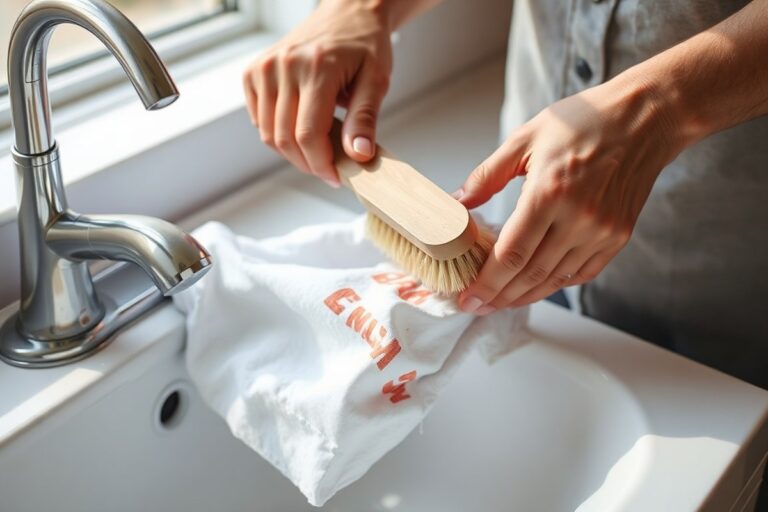
- Pre-soak clothes in warm water and detergent. Fill a basin or sink with warm water (about 90°F to 110°F) and add 1 ounce (roughly 2 tablespoons) of liquid laundry detergent. Submerge the smelly clothing completely and soak for 30 minutes. This initial step loosens sweat, body oils, and bacteria embedded in the fabric before washing.
- Use a vinegar soak for stronger odors. For odors that detergent alone can’t remove, such as musty or mildew smells, soak garments in cool water mixed with 1 cup of white vinegar for 30 minutes. Make sure clothes are fully soaked. This natural deodorizer helps neutralize smells without damaging fabrics.
- Extend soaking time for heavy fabrics like jeans.Jeans or thick clothing that hold a bad smell should be soaked completely submerged for at least four hours in the vinegar or detergent solution. The longer soak ensures odors break down more fully in denser fibers.
- Choose the correct washing cycle. After soaking, wash clothes on a hot water setting safe for the fabric (generally 130°F to 140°F for cotton or synthetics) using a heavy-duty laundry detergent. The hotter water activates enzymes and surfactants that remove odor molecules more effectively than cold water.
- Consider washing clothes twice if needed. Sometimes one wash isn’t enough, especially for persistent smells like sweat or mildew. After the initial wash, check the smell. Odors that remain require a baking soda soak (about 2 cups dissolved in water for 1 hour) followed by a second wash with detergent before drying.
- Dry clothes thoroughly. Odor-causing bacteria thrive in damp clothes. Dry garments completely in direct sunlight or in a dryer at the appropriate heat setting to prevent musty smells from returning.
These steps work well for common smelly situations, including gym clothes, musty towels, or stained fabrics. Roughly 30 minutes to four hours of soaking followed by a hot wash and good drying can often restore freshness. Costs are minimal, white vinegar and baking soda cost just a few dollars and detergent is part of regular laundry supplies. Poor soaking or washing, using cold water on heavy odors, or leaving clothes damp can all keep bad smells locked in or even worsen them.
2. Why Do Clothes Smell Bad Even After Washing?
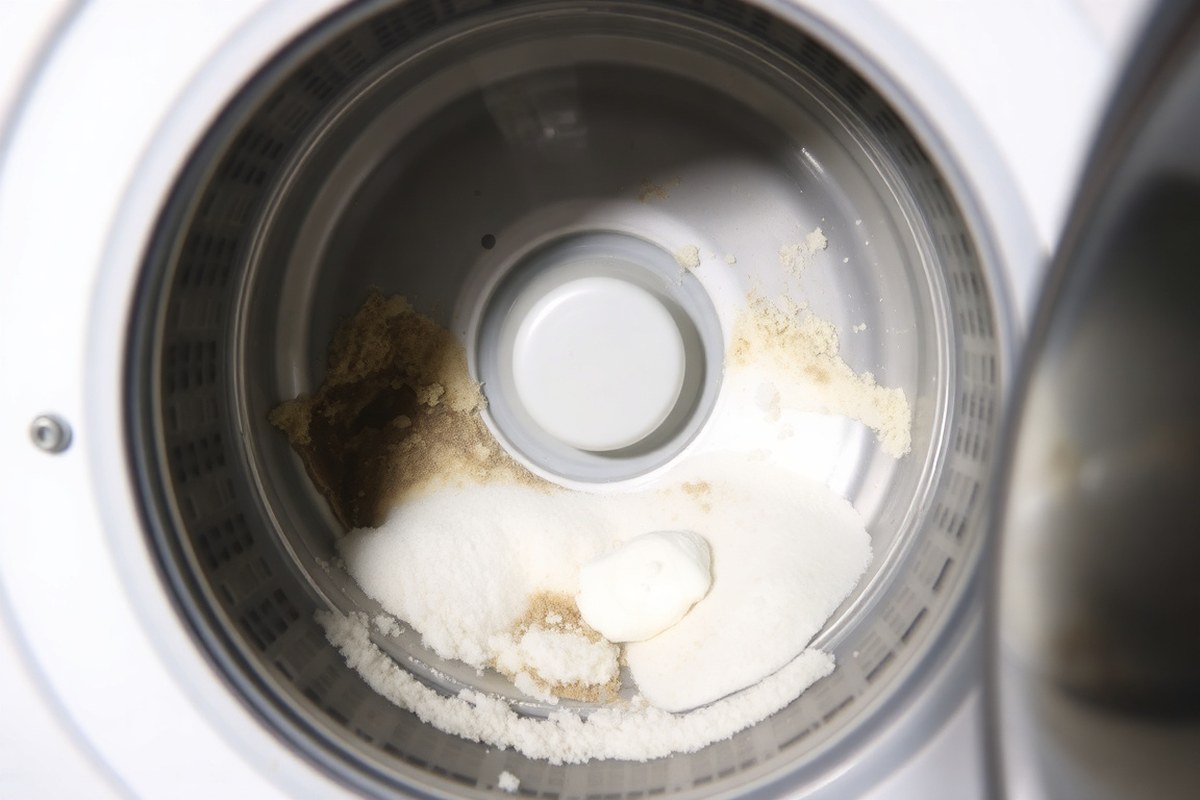
Clothes can smell musty or sour after washing due to several common issues that affect how well odors are removed. A key factor is detergent use. Using too much detergent leaves residue in the fabric, trapping dirt and smells rather than washing them away. Detergent also increases water viscosity, making it harder for water to penetrate fibers, especially if the clothes are heavily soiled or the detergent is too concentrated. Choose a detergent designed for odor control and use the recommended amount on the label to avoid buildup that causes lingering odors.
Washing machine hygiene plays a important role in persistent smells. A machine that is not cleaned regularly can develop mildew and mold inside the drum, seals, or detergent dispensers. Since washing machines provide a dark, damp environment, fungi can grow easily and transfer musty odors onto your clothes during the wash cycle. Running a maintenance cycle with a washing machine cleaner or a hot water wash with vinegar once a month helps prevent these problems. Wiping down the door and gasket after each use and leaving the door open to dry also reduces moisture buildup.
Water temperature significantly affects odor removal. Warm to hot water between 100°F and 140°F loosens body oils and kills bacteria that cause bad smells. Cold water saves energy but may not remove oils and bacteria as effectively, leaving odors behind. For everyday laundry, warm water works well. For heavily soiled or very smelly clothes, use hot water if the fabric care label allows it. Pre-soaking clothes in a solution of one part distilled white vinegar to four parts water for 30 minutes before washing can also help neutralize stubborn sweat odors.
Leaving wet clothes in the washing machine or laundry basket for extended periods invites mildew growth, causing sour smells that are hard to remove later.
Residue buildup from fabric softeners and detergent can cause odors as well. Rinsing clothes thoroughly and occasionally skipping the softener eliminates this issue. When dealing with intense odors, adding ½ to 1 cup (115 to 230 g) of baking soda directly to your wash boosts your detergent’s ability to break down smell-causing substances. For very tough odors, soaking clothes overnight in warm water mixed with two cups (460 g) of baking soda before washing works well. Proper drying immediately after washing is essential, as damp clothes left to air dry slowly can develop a musty smell.
3. Identifying Different Types of Odors and Their Causes
Different odors in clothing come from distinct sources, each requiring a specific approach for effective removal. Common smells include sweat and body odor, mildew, smoke, and general mustiness from improper storage or detergent buildup. Sweat and body odor usually feel sour or pungent and mostly affect workout gear or clothes worn during physical activity. These odors come from bacteria breaking down sweat trapped in the fabric. Synthetic materials like polyester or nylon are especially prone to holding onto these smells because they do not breathe well and trap oils and sweat in their fibers.
Mildew smells are characterized by a sour, damp odor and usually occur when clothes have been stored damp or left wet for too long without drying properly. This musty smell is caused by mold and mildew growth in the fabric. Smoke or cigarette smells tend to feel sharp and smoky, lingering when clothes absorb airborne particles from smoking or fires. Lastly, a bad odor might come from detergent residue if you use too much soap or skip rinsing cycles. This can leave a sticky feeling and hold onto smells instead of washing them away.
To identify the type of odor, start by smelling your clothes carefully. Sweat or body odor smells usually appear after exercise or wearing the garment for several hours. Mildew odors become noticeable when clothes feel damp or were stored in a humid place. Smoke odors will stay even when the fabric is dry and fresh-smelling otherwise. Check for detergent residue by noticing if your clothes feel a bit stiff or have soap spots, especially near the seams.
You can further test the odor source by how the smell reacts to air and cleaning. Clothes that smell like sweat and are on synthetic fabrics usually need enzyme-based detergents designed to break down proteins and oils. Mildew smells respond well to washing with a cup of white vinegar or baking soda and an extra rinse cycle since they neutralize mold acids. To remove smoke smell, dry the clothes outside or soak them overnight with activated charcoal like cat litter to absorb the odor particles.
Storage conditions also affect smell. Clothes stored in airtight containers without drying, or on open shelves exposed to cigarette smoke, tend to trap odors in the fabric. Clothes made from natural fibers like cotton or wool breathe better and are less likely to hold persistent smells compared to 60% of clothing made of synthetic fibers or blends. Recognizing this helps you choose treatments tailored to your fabric type.
Checking for odor causes involves a simple checklist: note the fabric type, recent use (sweat or smoke exposure), storage environment (humid or smoky), and washing habits (detergent amounts and rinse cycles). This allows you to match the correct cleaning method to the source of the odor. Applying the wrong method, like using a standard detergent only on mildew odors, often leaves smells intact or worsens them. Tailoring your approach to what caused the smell improves the chance of fresh, odor-free clothing without wasting time or money.
4. Using Vinegar, Baking Soda, and Other Home Remedies to Remove Odors
Vinegar, baking soda, lemon juice, and similar household items offer effective and affordable ways to remove bad smells from clothes. Using them properly helps avoid damage and delivers good results, whether you soak, wash, or spot-treat. Combining these remedies can improve odor removal but requires caution to avoid fabric issues or excessive fizzing.
How Vinegar Neutralizes Odors
White vinegar is a mild acid that neutralizes alkaline odors like grease and smoke by chemically balancing the substances causing the smell. Adding one cup (240 ml) of white vinegar to your washing machine during the rinse cycle or using the fabric softener dispenser helps remove lingering odors without leaving a vinegar smell behind. For stronger odors, soak clothes in a basin with a cup of vinegar and cool water for about 30 minutes before washing. Vinegar works well on cotton, polyester, and blended fabrics but should generally be avoided on delicate fabrics like silk or acetate since the acid can weaken fibers.
When soaking, fill a basin with cool or warm water, not hot, to preserve fabric integrity. Avoid soaking clothes in vinegar for more than an hour if they are fragile. Vinegar is inexpensive; a 32-ounce bottle costs as little as $1 to $2 at most grocery stores, making it a budget-friendly choice for routine odor removal. Avoid mixing vinegar directly with bleach or ammonia as hazardous gases can form.
Baking Soda’s Role in Odor Absorption
Baking soda is a mild base that neutralizes acids and absorbs odor-causing molecules, especially from acidic odors like vomit, sweat, and smoke. Sprinkling baking soda directly onto smelly areas of clothing and letting it sit for several hours or overnight can freshen the fabric. For a deep soak, dissolve one cup of baking soda in a basin of cool or warm water and soak clothes for two to three hours before washing. Adding two cups of baking soda along with two cups of vinegar to a hot water soak intensifies the odor-fighting effect, but combine these only in an open container to avoid pressure buildup from fizzing.
Baking soda works on most sturdy fabrics, including cotton and synthetics used in workout clothes, but avoid heavy use on delicate items to prevent residue buildup. After soaking, rinse thoroughly and wash as usual to remove all baking soda particles. A 1-pound box of baking soda costs just a few dollars and lasts for many uses. It is especially useful for greasy or musty odors that vinegar alone may not fully eliminate.
Benefits and Risks of Lemon Juice on Fabric
Lemon juice contains natural acids that can help break down body oils and brighten fabric, making it a useful addition for mild to moderate odors. Adding the juice of half a lemon to your washing machine or pre-soak mix improve odor removal and adds a fresh scent. However, lemon juice is more acidic than vinegar and can cause color fading or weaken fibers if overused, especially on dark or delicate fabrics like wool or silk.
To safely use lemon juice for odor removal, dilute it well in cool or warm water and limit soaking time to about 30 minutes. Avoid direct lemon juice application on fabric without dilution. Lemon juice also has mild bleaching effects, so test it on an inconspicuous area first. Combining lemon juice with baking soda directly is not advised, as the acid-base reaction produces fizz and can reduce effectiveness if not handled properly.
5. Pre-Treating and Soaking Techniques for Stubborn Odors
Pre-treating and soaking clothes before washing helps lift stubborn sweat stains and body odor that regular washing might leave behind. Using sprays, soaking baths, or enzyme cleaners loosens and breaks down odor-causing compounds on the fabric. Knowing how long to let treatments sit and picking the right product greatly improves odor removal.
Spraying and Spot Cleaning
Sprays and spot treatments target areas where odors and stains concentrate, like underarms or collars. These products penetrate fabric fibers to break down odor-causing bacteria before you run a full wash cycle. Choose sprays labeled for odor elimination or formulated with enzymes for best results. Avoid applying too much at once, which can saturate fabric and cause uneven curing.
Apply spot cleaner directly to sweat stains and body odor spots. Let the clothes rest for at least 10 to 15 minutes before washing to allow the treatment to start working on odors.
Soaking Duration and Solutions
Soaking clothes before washing softens stubborn odors and stains. For a quick soak, fill a basin with warm water and add detergent or a specific odor-fighting solution. Submerge the clothes fully and let them sit for 30 minutes. For heavy odors, soak clothes in a bathtub filled with hot water and detergent for 4 to 5 hours, stirring occasionally. The water will turn murky, showing it’s breaking down body oils and grime. Always check care labels for maximum safe water temperature to avoid damage. After soaking, wash clothes immediately on the hottest cycle appropriate for the fabric to rinse out loosened odor particles.
- Fill a sink or basin with warm or hot water based on fabric care labels.
- Add odor-fighting detergent or enzyme cleaner as the package instructs.
- Submerge clothes completely, pushing down to remove air pockets.
- Let clothes soak for 30 minutes for mild odors or 4 to 5 hours for heavy, set-in odors.
- Stir occasionally during long soaks to distribute cleaner and loosen grime.
- Drain the water and transfer clothes directly to the washing machine.
- Wash on the recommended high-temperature setting for the fabric.
Never soak clothes with bleach and ammonia-based products together; mixing them can create hazardous fumes.
Enzyme Cleaner Options and Usage
Enzyme cleaners specifically break down proteins, starches, and oils that cause sweat odors and stains. Products like Tide Ultra Oxi Power Pods with Odor Eliminators combine cleaning power with enzymes to attack set-in odors. These are effective for both pre-treating and adding to the wash cycle.
Use enzyme cleaners as a pre-treatment by applying directly to affected areas and letting sit for 15 to 30 minutes, depending on product instructions. For soaking, mix the enzyme cleaner into your soak water to allow enzymes to work on the fabric before washing. Enzyme cleaners generally cost between $10 and $20 for a multi-pack but provide powerful odor removal, reducing the need for repeated washes.
6. Drying and Post-Wash Care to Prevent and Remove Odors
Proper drying methods play a key role in eliminating residual odors and preventing mildew or musty smells from coming back. Air drying outdoors is highly recommended because the natural breeze and sunlight help remove trapped smells and leave clothes with a fresh scent. The sunlight’s ultraviolet rays also help kill odor-causing bacteria. Simply hang your clothes in direct sunlight for several hours, turning them occasionally to ensure even drying and freshness. This method costs nothing and uses natural elements to refresh fabrics effectively.
Using a dryer can be helpful, but it’s important to avoid common drying mistakes that cause lingering bad smells. Clothes should be completely dry before storing. Damp fabrics stored in drawers or closets quickly develop musty odors due to mold and mildew growth. When using a dryer, check for any remaining odors after washing, if your clothes still smell, consider rewashing before drying. Adding a dryer sheet helps your clothes smell better and can replace liquid softeners, which sometimes trap smells. Dryer sheets also keep fabrics soft without increasing odor retention.
Avoid drying clothes indoors in damp or poorly ventilated areas. This environment fosters mildew, especially if clothes stay damp for hours or days. Avoid overloading your dryer or washer, which slows drying and washing efficiency, increasing the chance of bad odors. Remove clothes promptly from the washer once cycles finish and put them in the dryer or hang them to air dry right away.
Clothes that hold onto strong smells after washing benefit from a quick spray of pure vodka. Fill a spray bottle with vodka, shake it, spray both sides of your garment lightly, and then hang it outside to air dry. This method kills odor-causing bacteria without harming the fabric. For laundry drying, adding a few drops of essential oil to wool dryer balls can freshen your clothes and help reduce static cling.
Storing fully dry clothes properly is essential to prevent odors from returning. Use cedar blocks or lavender sachets in drawers or closets to naturally repel moisture and keep fabrics smelling clean. Activated charcoal placed near stored clothes absorbs lingering odors over time. Paying attention to drying environment, thoroughness, and storage conditions helps prevent odors from developing or returning after washing.
7. How to Remove Odors from Synthetic vs Natural Fabrics
Synthetic fabrics typically hold odors more stubbornly than natural fibers due to their chemical structure. Natural fabrics like cotton, wool, and linen allow moisture and air to pass through more easily, helping odors to dissipate. In contrast, synthetics trap oils and bacteria within their tighter, less breathable fibers, making odor removal more challenging. Washing methods and the use of specific additives should adapt to these differences for the best results.
Odor Retention in Cotton, Wool, and Linen
Natural fabrics absorb sweat and other odors but release them more readily because of their porous structure. Cotton, linen, and wool fibers absorb moisture, which can hold odors, but frequent washing and exposure to air help freshen these materials. Wool naturally resists odor buildup due to its lanolin content, which has antibacterial properties. These fibers tolerate soaking in gentle cleaners like vinegar and baking soda, which can neutralize odors safely without damaging the fabric.
Soaking natural fabrics in a mixture of one cup of white vinegar per gallon of cold water for 30 minutes helps break down odor-causing compounds. Follow this by a regular wash with mild detergent, using warm water around 104°F (40°C). Avoid bleach, which can harm wool and some linen. Baking soda can be added to the wash to further neutralize odors and soften the fabric. Air-drying in sunlight also helps deodorize natural fibers effectively.
Odor Challenges with Polyester, Nylon, and Blends
Synthetics like polyester and nylon are designed to wick moisture, but this also means they trap sweat residue and bacteria closer to the skin, leading to stronger, persistent odors. The fabrics are hydrophobic and less breathable, so odors embed deeply in the fibers and resist simple washing cycles. Exercise clothes, such as yoga pants, often made from synthetic blends, show this problem most.
Removing these odors requires stronger treatment. Synthetic fibers respond well to detergents with enzymes that break down oils and bacteria. Typical home pretreatments like vinegar might not be strong enough alone. Soaking in a mix of detergent and a half cup of baking soda for 30 minutes before washing often improves results. Use warm water around 104°F (40°C) or hotter, avoiding fabric softeners that can coat fibers and trap odors further.
Recommended Treatments per Fabric Type
Below is a comparison table summarizing odor retention and treatment tips for natural and synthetic fabrics:
| Fabric Type | Odor Retention | Recommended Soaking | Wash Temperature | Detergent Type | Additional Tips |
|---|---|---|---|---|---|
| Cotton | Moderate; releases odors easily | White vinegar (1 cup/gal), 30 min soak | Warm (104°F / 40°C) | Mild detergent | Sun-dry when possible |
| Wool | Low; natural odor resistance | Gentle vinegar soak, 30 min | Cool to warm, per label | Wool-safe detergent | Avoid bleach and fabric softeners |
| Linen | Moderate; breathable fibers | Vinegar soak aids deodorizing | Warm (104°F / 40°C) | Mild detergent | Sun-dry to freshen |
| Polyester | High; traps oils and bacteria | Soak in warm water with detergent + ½ cup baking soda, 30 min | Warm to hot (104-120°F / 40-49°C) | Enzyme-based detergent | No fabric softeners; air dry |
| Nylon | High; hydrophobic fibers retain odor | Similar to polyester, soak with baking soda | Warm to hot (104-120°F / 40-49°C) | Enzyme-based detergent | Skip fabric softeners; proper drying |
| Polyester Blends | High; retains odor like synthetics | Soak with detergent + baking soda | Warm (104°F / 40°C) | Enzyme detergents recommended | Wash immediately after use |
These treatments maximize odor removal while protecting fabric integrity. Always check care labels before soaking or washing, especially for wool and delicate linens. Using enzyme detergents on synthetics often costs slightly more, around $10-15 per bottle, but can extend the lifespan of workout clothes by keeping them fresh. Vinegar and baking soda are inexpensive, frequently available household items that can complement detergents safely on natural fibers.
8. Common Mistakes That Cause Persistent Odors and How to Fix Them
Bad smells in laundry often come from common mistakes in how you wash and care for clothes. Using too much detergent is one of the most frequent errors. Excess detergent may not rinse out fully, leaving residue that traps odors and encourages mildew growth. Conversely, using too little detergent can leave dirt and bacteria on clothes, causing lingering smells. A balanced amount, usually guided by detergent packaging and load size, ensures clothes are clean and fresh.
Not drying your laundry properly can also cause musty or sour smells. When clothes stay damp too long, bacteria and mildew can grow. Air drying indoors without good airflow or overloading the dryer are common causes. To fix this, dry clothes thoroughly within two hours of washing, using a dryer or drying rack in a well-ventilated area.
Washing machines themselves can harbor smells if not maintained. Detergent buildup inside the drum and seals creates an environment for mold and mildew, which transfers odors to your clothes. Regular machine cleaning is key. Run a hot water cycle with a cup of white vinegar once a month to break down residue. Also, wipe seals and leave the door open after washing to let moisture escape.
Repeated sour or musty smells on clothes call for a few specific fixes. Soaking clothes before washing helps loosen odor-causing substances. Use a cup of white vinegar in the drum along with laundry detergent. Avoid overfilling the machine to allow proper rinsing and use detergent suited for your water hardness and fabric type.
- Measure detergent precisely, based on load size and soil level.
- Don’t overload the washing machine; fill no more than 75% capacity.
- Dry clothes quickly and thoroughly; avoid humid or poorly ventilated spaces.
- Regularly clean the washing machine with vinegar and hot water cycles.
- Soak heavily soiled or smelly items for at least 30 minutes before washing.
- Use detergents designed for odor control or that match your fabric type and water quality.
Leaving your washer door open after use reduces moisture buildup and prevents mold growth inside the machine.
Following these steps can turn around persistent laundry odors without added expense. Vinegar is an inexpensive way to maintain both your machine and clothes. For machines showing persistent odor or residue, some brands offer machine cleaning tablets or professional service, which typically costs $20 to $50. Proper detergent use and machine care save the cost and frustration of rewashing clothes multiple times to remove bad smells.
Step-by-Step Action Plan to Remove Bad Smells from Clothes
Follow these steps in order to tackle bad odors from your clothes effectively and maintain freshness long term.
- Before you start: Sort clothes by fabric type and odor level to apply the right treatments later. You will avoid damaging fabrics and ensure thorough cleaning.
- Day 1: Pre-soak heavily scented clothes in a mixture of cool water and 1 cup of white vinegar for 30 minutes. The vinegar helps neutralize odor-causing bacteria; check for smell reduction before washing.
- Day 1: Wash clothes using the hottest water safe for the fabric, adding 1/2 cup baking soda to your detergent. You should notice less odor after this wash cycle.
- Immediately after washing: Air dry clothes fully in direct sunlight when possible. Sunlight and fresh air help break down residual odors and bacteria; clothes should smell fresher once dry.
- Day 2: For synthetic fabrics with lingering odors, apply a pre-wash spray containing a mixture of 1 part water and 1 part vinegar directly onto smelly areas. Launder again with detergent and allow to dry completely.
- Weekly maintenance: Clean your washing machine monthly by running an empty hot water cycle with a cup of vinegar or a washing machine cleaner. This prevents odor buildup on the machine itself.
- After 2 weeks: Store clothes in a dry, well-ventilated area and avoid leaving damp laundry in the basket. Proper storage keeps odors from returning.
=== Addressing persistent odors requires clear steps and attention to fabric type and washing habits. Start by treating your smelly clothes today with vinegar pre-soaks and use baking soda in your washes to neutralize odors effectively. Keeping your washing machine clean and drying clothes thoroughly will maintain freshness and prevent recurring smells.
Frequently Asked Questions
Can I Use Bleach to Remove Bad Smells from Clothes?
Bleach can remove odors but may damage some fabrics. Use it only on whites and follow label instructions to avoid weakening fibers or causing discoloration.
How Often Should I Clean My Washing Machine to Prevent Smells on Clothes?
Cleaning your washer monthly helps prevent odor buildup that transfers to clothes. Run a hot cycle with vinegar or a machine cleaner to keep it fresh.
Can Bad Smells in Clothes Be Caused by Hard Water?
Hard water can leave mineral deposits that trap odors in fabric. Using a water softener or adding vinegar to the rinse cycle can reduce this problem.
Should I Wash Smelly Clothes Separately from Other Laundry?
Washing smelly clothes separately prevents odors from spreading to other garments. Use hot water and an odor-fighting detergent when possible.
Does Fabric Softener Help Get Rid of Bad Smells in Clothes?
Fabric softener masks odors but doesn’t remove them. It’s better to treat odors with vinegar or baking soda before washing.
Is It Safe to Use Essential Oils to Freshen Clothes After Washing?
Essential oils can add a pleasant scent but may irritate sensitive skin. Dilute properly and avoid applying oils directly to fabric.