How to Get Stains Out of Silk: 8 Proven Steps for Safe Removal
To get stains out of silk safely, use gentle, water-based solutions, avoid harsh chemicals, and handle the fabric delicately to prevent damage. Spot clean with mild detergents or diluted vinegar, soak briefly in cold water, and avoid machine washing or hot water that can harm silk fibers. Use proven stain treatments tailored to the type of stain for the best results.
This information benefits homeowners, clothing enthusiasts, and anyone caring for silk garments, especially those struggling with stubborn stains. You will learn clear, safe steps and effective home remedies to protect your delicate silk while removing common stains.
Key Takeaways
- Always test stain removers on a hidden silk area before full application to ensure colorfastness.
- Prepare a mild cleaning solution with equal parts lukewarm water and white vinegar or lemon juice for most stains.
- Use talcum powder to absorb oil and grease stains gently before washing.
- Soak stained silk in cold water for 30 minutes to loosen dirt before further treatment.
- Rub the silk fabric against itself lightly after soaking to help lift dirt without damaging fibers.
- Diluted alcohol works well to remove ink stains from silk safely.
1. How to Safely Remove Stains from Silk Fabrics
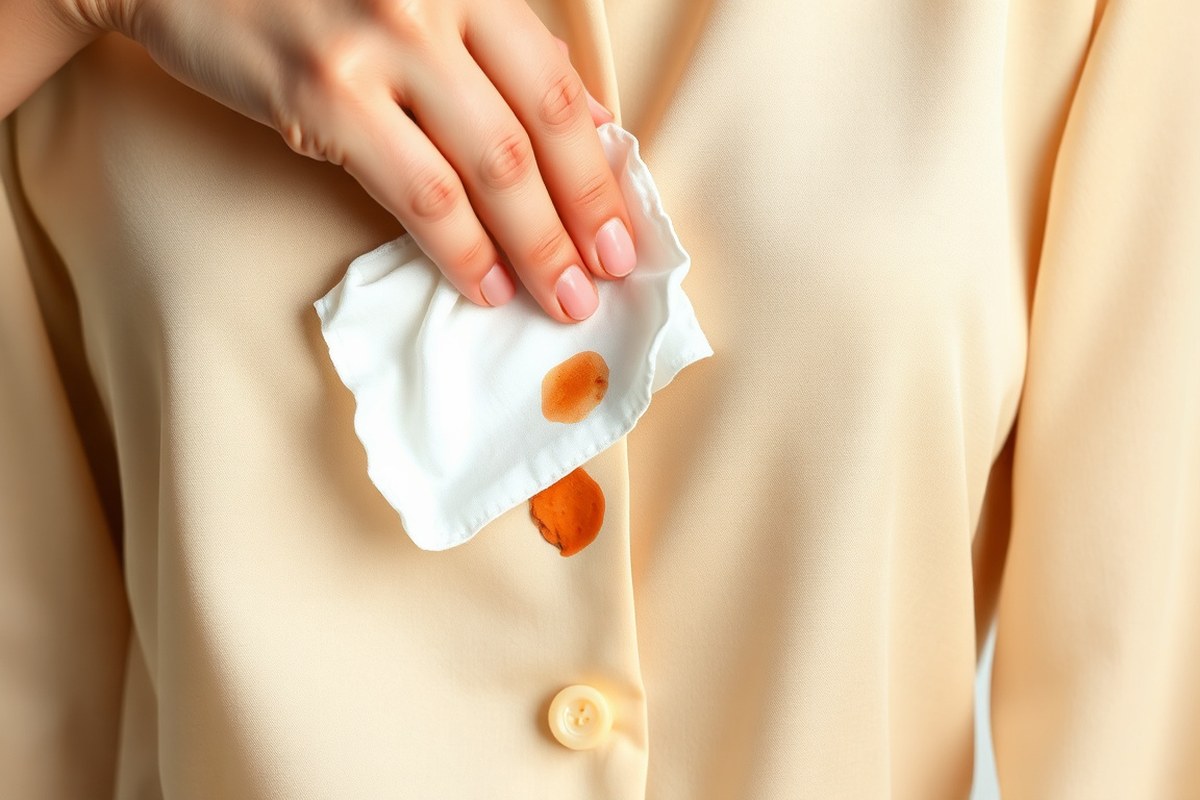
Removing stains from silk requires a careful approach because silk is a delicate fabric that can be easily damaged by harsh chemicals, heat, or aggressive rubbing. Start by gathering essential materials: a mild cleaning solution such as a mixture of one part white vinegar to one part lukewarm water, clean white cloths or paper towels for blotting, lukewarm water, and talcum powder if dealing with oil stains. Always use lukewarm water, never hot, since hot water can set stains into the fibers permanently. Avoid bleach, stain removers with harsh chemicals, or any abrasive scrubbing that can weaken the silk fibers or cause color loss.
Before applying any liquid or cleaning method to the entire stained area, test the cleaning solution on a small, hidden part of the garment. This step checks for colorfastness, ensuring the solution won’t fade or discolor your silk. Apply a few drops of your diluted vinegar solution, wait about five minutes, then gently blot with a clean cloth. Watch for any colour change. When the fabric stays true, it’s safe to proceed, but if the color bleeds or fades, opt for professional cleaning instead.
Immediate attention to fresh stains is key since silk absorbs liquids quickly, and stains can penetrate deeply if allowed to sit. When a fresh stain happens, carefully blot the area, never rub, as rubbing spreads the stain and can damage the fibers. Use a clean cloth or paper towel to lift moisture gently. For older stains, which become harder to remove, do not try aggressive home treatments that risk fiber damage or color loss. In cases where stains have dried for more than two weeks or involve ink or complex dyes, professional textile restoration is recommended to avoid irreversible harm.
A useful decision rule is to check the garment’s care label before attempting any stain removal. The label saying “Dry clean only,” or the silk having embellishments like beads or embroidery means professional cleaning is the safest option. Also, dry cleaners effectively handle difficult stains, older stains, and situations where fabric integrity is critical. Trying to remove these stains yourself can cause more harm than good.
Finally, always handle silk with care during stain removal attempts by working in a well-lit area and keeping movements gentle. Use blotting instead of rubbing, lukewarm water, and test solutions to maintain the fabric’s appearance. These precautions help prevent damage, color loss, and spreading of the stain, keeping your silk garment looking its best without costly repairs or replacements. Should the stain resist home treatments or you feel unsure, contact a professional cleaner who specializes in silk care to protect your investment.
2. Effective Home Solutions for Different Types of Silk Stains

Different types of stains on silk respond best to specific homemade cleaning solutions like mild vinegar, lemon juice, or gentle detergent mixtures. Vinegar and lemon juice work well for protein, perspiration, deodorant, and some food stains, while detergent tackles water-based stains. Understanding each solution’s mixing ratio and application is important to protect silk’s delicate fibers.
Mixing a Mild Vinegar Solution
A mild vinegar solution helps break down protein-based stains such as perspiration and deodorant without damaging silk’s fibers. Diluting white vinegar with lukewarm water creates an acidic but gentle cleaner that can lift stubborn stains safely.
Use equal parts lukewarm water (not hotter than 77°F) and white vinegar. Lukewarm water keeps fibers stable while vinegar’s acidity loosens many minor stains.
- Combine one part white vinegar with one part lukewarm water in a clean bowl.
- Soak a soft white cloth or cotton ball in the solution.
- Gently blot the stained silk area without rubbing to avoid damaging fibers.
- Repeat blotting until the stain fades, using fresh solution as needed.
- Rinse the area gently with cool water to remove vinegar residue.
- Pat dry with a clean towel and air dry away from direct sunlight.
Use only a diluted vinegar solution; undiluted vinegar can weaken silk fibers and cause color loss.
Preparing Lemon Juice and Water Mix
Lemon juice, like vinegar, contains mild acid that effectively removes makeup, ink smudges, and perspiration stains. Mixing it with lukewarm water reduces acidity, protecting silk from harsh effects.
Prepare a simple mixture of one part fresh lemon juice to one part lukewarm water. This blend balances cleaning power with gentleness suitable for delicate surfaces.
- Measure equal parts fresh lemon juice and lukewarm water into a small bowl.
- Dampen a cotton ball or soft cloth with the mixture.
- Lightly dab the stained spot, making sure not to saturate the fabric.
- Continue dabbing until the stain begins to dissolve.
- Wipe the area with a cloth dampened with cool water to remove lemon residue.
- Allow to air dry by laying the silk flat in a shaded area.
Avoid using lemon juice on brightly colored silk without prior spot testing; lemon’s acid can fade dyes.
Using Gentle Detergent on Silk Stains
For water-based stains like juice or light coffee smudges, a gentle detergent mixed with cold or lukewarm water can be effective. Choose a detergent free of bleach and enzymes to preserve silk’s texture and color.
Make a mild soap solution to lift stains without harsh chemicals. Carefully blotting with detergent solution loosens water-soluble residues.
- Add a small amount (about one teaspoon) of gentle detergent into one cup of cold or lukewarm water.
- Stir gently to create suds but avoid excessive foam.
- Dip a clean, soft cloth into the solution and wring out excess moisture.
- Blot the stained area softly, working from the outside inward.
- Use a second cloth dampened with plain water to rinse the spot.
- Pat the fabric dry with a towel and air dry on a flat surface.
Never scrub silk with detergent solutions; always dab gently to maintain fabric integrity.
Testing Colorfastness Before Use
Testing for colorfastness prevents discoloration or damage when applying any homemade cleaning mix on silk. Because silk varies in dye and weaving, some stains require extra caution. Always test your chosen solution on an inconspicuous area about one inch square, waiting 10 to 15 minutes to check for any color change or fabric damage.
- Select a hidden spot on the silk garment or fabric.
- Apply a small amount of the prepared cleaning solution using a cotton swab or dropper.
- Let it sit undisturbed for 10 to 15 minutes.
- Check for any fading, discoloration, or fabric weakening.
- When no damage is apparent, move on to spot cleaning the stained area.
- When discoloration happens, skip that solution and try a gentler method or professional cleaning.
Never skip the colorfastness test on silk, especially on vintage or brightly dyed pieces.
3. Removing Oil and Grease Stains from Silk
To get rid of oil and grease spots on silk, sprinkle an absorbent powder such as talcum or cornstarch onto the affected area. These powders soak up the oil without harming the fragile silk threads. Let the powder rest to absorb the stain, then softly brush it away and rinse with cold water before washing the silk garment as usual.
Using Talcum or Cornstarch Powder
Talcum powder and cornstarch are excellent for lifting oil and grease stains because they absorb excess oil from the fabric. Avoid baking soda for grease stains, as it works better for water-based stains. Use a fine powder for the best results, as this allows for deeper absorption without harsh abrasion to the silk fibers.
Choose a powder that is readily available and affordable: talcum powder or cornstarch typically cost around $2 to $5 for a standard-sized container. This approach is gentle and safe for silk, unlike aggressive stain removers that risk damaging its delicate texture.
Letting Powder Absorb Oil Properly
Allowing the powder enough time to absorb the oil is critical. Patience improves outcomes because the powder draws the oil out from deep within the fibers rather than just soaking up surface oil. Follow these steps to properly absorb oil from the silk stain:
- Sprinkle a generous layer of talcum powder or cornstarch over the entire stain area.
- Gently press the powder into the fabric without rubbing or scrubbing to avoid damaging silk fibers.
- Leave the powder on the stain for at least 8 to 12 hours, preferably overnight, so it can fully absorb the oil.
- Avoid disturbing the powder during this time to get maximum absorption.
Brushing Off Powder and Rinsing
After letting the powder absorb the oil, remove it carefully to prevent pushing the oil back into the silk. Use a soft brush or gently shake the fabric to lift off the powder particles. Do not rub the area, as this can weaken the silk fibers.
Next, rinse the stained area with cold water to flush out remaining powder residue and loosened oil. Avoid hot water, which can set the stain further into the fibers. After rinsing, you may wash the entire silk garment by hand or use a delicate cycle with silk-safe detergent to thoroughly clean any leftover oil.
4. How to Remove Ink, Makeup, and Sweat Stains from Silk
Removing tough stains like ink, makeup, and sweat from silk requires careful use of specific solvents and gentle techniques. Using diluted alcohol works well for ink, blotting helps prevent spreading makeup stains, and soaking with a vinegar solution is best for sweat. Proper timing and gentle handling preserve the delicate silk fibers while tackling these stubborn marks.
Diluted Alcohol for Ink Stains
Ink stains on silk respond best to diluted rubbing alcohol because it breaks down the ink without harming the fabric. Avoid harsh scrubbing since that can spread the stain or damage fibers. Always test on a hidden area first. Follow these steps to remove ink stains:
- Prepare a 1:1 solution of rubbing alcohol and lukewarm water.
- Dampen a clean cotton ball or soft cloth with the solution.
- Blot the ink stain gently, working from the outside toward the center to prevent spreading.
- Continue blotting with fresh parts of the cotton ball until the ink lifts.
- Rinse the area with cold water to remove alcohol residue.
- Pat dry with a clean towel without rubbing.
Treating ink stains this way takes patience; avoid rushing to scrub. Allowing the alcohol to gently dissolve the ink over several minutes often yields the best results. The entire process usually costs only a few cents for the alcohol and water.
Blotting and Treating Makeup Marks
Makeup often contains oils and pigments that can stain silk deeply. Blotting the stain immediately helps prevent it from spreading further. Gentle cleaning fluids like diluted ammonia work for tougher makeup stains but require caution. To handle makeup stains effectively:
- Use a soft cloth to blot away as much excess makeup as possible without rubbing.
- Mix equal parts of mild ammonia and lukewarm water in a small bowl.
- Dip a cotton swab or soft cloth into the ammonia solution.
- Lightly dab the stained area, avoiding saturation of the fabric.
- Rinse with cold water to remove the ammonia gently.
- Blot the silk dry with a clean towel.
Ammonia solutions should be used sparingly and only on less visible areas initially since silk can be sensitive. If irritation or color loss appears, stop immediately. Makeup stains may need repeated gentle treatments spaced several minutes apart.
Cold Water Soak for Sweat Stains
Perspiration causes yellowing and discoloration on silk due to sweat salts and body oils. Cold water combined with vinegar works well to break down these sweat deposits without damaging silk. Soaking rather than rubbing protects the fabric’s delicate fibers. Steps for tackling sweat stains include:
- Fill a basin with cold water.
- Add white vinegar in equal parts to the water (50% vinegar, 50% water).
- Submerge the sweat-stained silk piece completely.
- Let it soak for about 30 minutes, gently agitating the water a few times.
- Remove the silk and blot excess water using a clean cotton towel, do not twist or wring.
- Rinse the fabric under cold running water to clear vinegar residues.
- Dry the silk flat, away from direct sunlight or heat.
Allowing the vinegar solution time to work loosens sweat stains safely. Using lukewarm or hot water can set stains permanently and weaken the silk, so keep water cold throughout. This method is cost-effective, using inexpensive household vinegar and water.
5. Treating Red Wine, Coffee, and Tea Stains on Silk
Red wine, coffee, and tea stains on silk require prompt, gentle action because these liquids penetrate the delicate fibers quickly. Using harsh chemicals or vigorous scrubbing can damage silk, so choose mild home remedies like cold water and diluted white vinegar or mild detergent. Immediate spot treatment helps prevent the stain from setting deeper. Avoid heat during treatment and rinsing, as warm water can fix stains permanently into the silk.
Follow these steps carefully to treat these common beverage stains. Use cold water and gentle blotting to lift the stain while preserving the silk’s texture and color. After treatment, rinse with cold water to remove any residual cleaning solution, preventing stiffness or discoloration.
- Blot the stain immediately using a clean, white cloth or paper towel to absorb as much liquid as possible without rubbing.
- Mix a cleaning solution by combining 1 teaspoon of white vinegar with 1 cup of cold water or 1/4 teaspoon of mild liquid detergent in 1 cup of cold water.
- Test the solution on a hidden area of the silk to check for colorfastness before applying it to the stain.
- Gently dab the stained area with a soft cloth soaked in the solution, working from the outside of the stain inward to avoid spreading it.
- Let the solution sit for about 5 minutes, but no longer than 10 minutes to avoid weakening the fibers.
- Rinse thoroughly with cold water to remove all cleaning residues, supporting fabric softness and preventing water spots.
- Press gently with a dry cloth to remove excess water without wringing or twisting the fabric.
Test any cleaning solution on a hidden spot of the silk first to avoid unexpected color loss or damage.
6. How to Properly Wash and Dry Silk After Spot Cleaning
After spot cleaning a silk garment, proper washing and drying are essential to preserve its softness and shape. Washing silk by hand is the safest method, as machine washing can be too harsh and cause damage. Use cool water to avoid shrinking or weakening the fibers. Mild detergent formulated for delicate fabrics or silk is best to maintain the fabric’s natural shine. Avoid harsh chemicals, bleach, or fabric softeners.
Drying silk requires gentle handling to prevent distortion or surface damage. Never wring or twist the fabric. Instead, remove excess water by pressing the silk gently between clean towels. Air drying in a shaded, well-ventilated area keeps colors vibrant and prevents sun damage. Avoid direct heat from radiators or dryers, which can shrink or stiffen silk. Follow these steps after treating a stain on your silk garment to wash and dry it safely:
- Fill a basin with cool water (around 75°F or 24°C) and add a small amount (about 1 teaspoon per gallon) of mild detergent made for silk or delicate fabrics.
- Submerge the silk item gently in the water and swirl it around for no more than 3 to 5 minutes. Avoid scrubbing or rubbing, as this can damage the fibers.
- Rinse thoroughly with cool water until all detergent is removed. Leftover soap can leave residue and stiffen silk.
- Press out excess water by laying the garment flat on a clean towel, then rolling it up like a jelly roll. Apply light pressure to absorb moisture without wringing.
- Lay the item flat on a dry towel or drying rack, reshaping it to its original form. Avoid hanging silk, which can stretch delicate fabric and distort its shape.
- Air dry away from direct sunlight and heat sources. Drying times vary but expect several hours to a full day depending on humidity and fabric thickness.
This process ensures your silk remains soft and maintains its original shape after stain removal. Skipping these steps or using hot water and dryers can cause irreversible damage like shrinking, discoloration, and loss of fabric strength. Hand washing with cool water is gentle, effective, and keeps your silk looking its best for years.
7. Mistakes to Avoid When Removing Stains from Silk
Using hot water or harsh scrubbing on silk can worsen stains and damage the fabric. Heat tends to set stains, making them harder to remove later. Rubbing can push stains deeper into silk fibers or cause them to fray and weaken, which harms the smooth surface and sheen of the fabric. Keeping contact gentle and cool is key to preserving silk’s delicate structure.
Catch a stain early and dab it gently with cold water and a white cloth, avoiding rubbing. Avoid soaking silk for long periods, as it may weaken the fibers. For water marks, try blotting the area with a damp piece of silk fabric instead of rubbing, which can help minimize visible stains without damage. Using mild, pH-neutral detergents formulated for silk or wool is safer than regular detergents, which often contain harsh chemicals.
- Do not use bleach or alkaline cleaners on silk
- Never rub stains vigorously; instead, blot or gently press
- Use cold water; avoid temperatures above 86°F (30°C)
- Test any stain remover on a hidden section first
- Limit wet time to under 10 minutes to prevent fiber weakening
- Handle wet silk with care to avoid stretching or distortion
- Dry silk flat, away from direct heat or sunlight to prevent shrinkage
Notice your silk fabric has become rough, discoloured, or weakened after cleaning? Rewet the area with cold water to relax the fibers, then gently blot with a silk cloth. Allow it to air dry completely on a flat surface. For persistent damage or set-in stains, professional dry cleaning is often the safest recovery option, as experts have specialized solvents and techniques that reduce further risk. Taking quick, cautious action after staining gives you the best chance to protect your silk’s texture and appearance.
8. When to Take Stained Silk to a Professional Cleaner
Consider professional cleaning for silk stains that are deeply set, older than 24 to 48 hours, or show no improvement after your careful home treatment. Stains that persist despite gentle attempts may need specialized solvents and techniques only available to expert cleaners. Silk’s delicate texture and sensitivity to water and chemicals mean that waiting too long or applying too much force risks permanently damaging the fabric or altering its sheen.
Special handling is especially necessary for high-value silk garments like vintage pieces, embroidered items, or those with intricate beading where home cleaning could loosen threads or embellishments. Also, silk garments blending multiple dyes or colors can bleed or fade if not treated professionally. These clothes require the cleaner’s skill to maintain their appearance without spreading or weakening the stains.
Signs that a stain may be worsening include fabric discoloration beyond the stain’s edges, darkening of the silk’s base color, or texture changes such as stiffness or thinning areas. If attempting home cleaning causes the stain to spread or silk fibers to pill, stop immediately and seek professional care.
As a decision rule, if your stained silk item checks two or more boxes from these: stain older than 48 hours, embedded oil or dye-based mark, antique or expensive fabric, or visible damage spreading from the stain, set it aside for expert cleaning. Professional cleaning services for silk typically range from $15 to $60 per item depending on size and stain complexity, usually costing more than routine dry cleaning because of the extra care needed. The investment protects your garment from costly irreversible damage.
When you prepare to take your silk to the cleaner, place the garment in a breathable fabric bag or wrap it in acid-free tissue paper to prevent friction and color transfer. Clearly point out the exact location and nature of the stain. Providing this information helps the professional choose the correct treatments.
Do not attempt harsh chemicals or repeated scrubbing on silk; these actions compound damage and make stains harder for professionals to remove.
Handling stubborn silk stains yourself might seem tempting but risks fading, bleeding, or weakening fibers that reduce fabric life. Professional cleaners use controlled temperature, appropriate solvents, and precise timing, preserving silk’s smooth feel and vibrant look. Making the call to place your stained silk in expert hands preserves both its value and appearance effectively.
Step-by-Step Action Plan for Removing Stains from Silk
Follow these steps carefully to treat and clean stains on your silk garments safely at home.
- Before You Begin: Identify the stain type to choose the best cleaning method.
- Within Minutes: Blot the stain gently with a clean, white cloth to absorb excess liquid without rubbing.
- Within 1 Hour: Apply a mild detergent solution or a recommended home remedy based on the stain (oil, ink, wine, etc.) and let it sit briefly. Check if the stain lightens.
- After Spot Treatment: Rinse the treated area under cool water carefully to remove detergent and loosened residue.
- Within 24 Hours: Hand wash the entire silk garment in cool water with silk-specific detergent, ensuring the stain is no longer visible.
- Post-Wash: Lay the garment flat on a clean towel to air dry away from direct sunlight or heat, checking the stain after drying.
- If Stain Persists: Consult a professional cleaner experienced with silk to avoid damage.
Frequently Asked Questions
Can You Use Baking Soda to Remove Stains from Silk?
Baking soda can absorb oils but may be abrasive, so use it gently and sparingly on silk. Test on a hidden area first to avoid damaging the delicate fibres.
Is It Okay to Rub a Stain on Silk While Cleaning?
Avoid rubbing stains on silk as it can damage the fabric and spread the stain. Instead, blot gently with a soft cloth and use gentle cleaning solutions.
What Temperature Water Is Best for Cleaning Silk Stains?
Use lukewarm water around 80, 90°F (27, 32°C) to avoid shrinking or weakening silk fibers during stain removal. Hot water can cause damage and set stains.
How Long Should You Soak Silk to Remove a Stain?
Soaking silk should be brief, typically no longer than 5 to 10 minutes. Prolonged soaking can weaken the fibers and discolor the fabric.
Can You Iron Silk After Removing Stains?
Iron silk on low heat with a protective cloth only when the fabric is completely dry to prevent water spots and heat damage.
Does Sunlight Help Remove Stains from Silk?
Direct sunlight can fade silk colors and weaken fibers, so avoid sun exposure during stain removal or drying.
The Bottom Line
Silk requires gentle and timely care to remove stains without causing harm to its delicate fibers. A careful approach using the right home treatments can often restore your garment’s appearance. Start by identifying the stain type and acting quickly to blot and treat it. When in doubt or if the stain remains after home treatment, a professional cleaner is the safest option to protect your silk’s quality and longevity.