What Makes Clothes Shrink: Science, Fabrics, and Proven Prevention Tips
What makes clothes shrink is mainly exposure to heat and agitation during washing and drying, which cause fabric fibers to contract. Fabric type also plays a role, with natural fibers like cotton shrinking more than synthetics. This information is useful if you want to keep your clothes fitting well and avoid unwanted size changes.
This article covers the science behind shrinking, how different materials respond, and offers practical tips to prevent and even reverse shrinkage. You’ll learn how laundry methods and storage conditions affect clothing size and how to read garment labels to avoid surprises.
Key Takeaways
- Wash 100% cotton clothes in cold water on a delicate cycle to reduce shrinkage risk.
- Tumble dryers cause about 80% of preventable shrinkage; air drying is safer.
- Loosely woven silk can shrink up to 15% if washed hot and dried with heat.
- Preshrunk cotton may still shrink slightly but less than regular cotton fabrics.
- Soaking shrunken garments in water with hair conditioner and gently stretching can restore size.
- Always follow garment label instructions for water temperature and drying method to avoid shrinkage.
What Causes Clothes to Shrink During Washing and Drying?
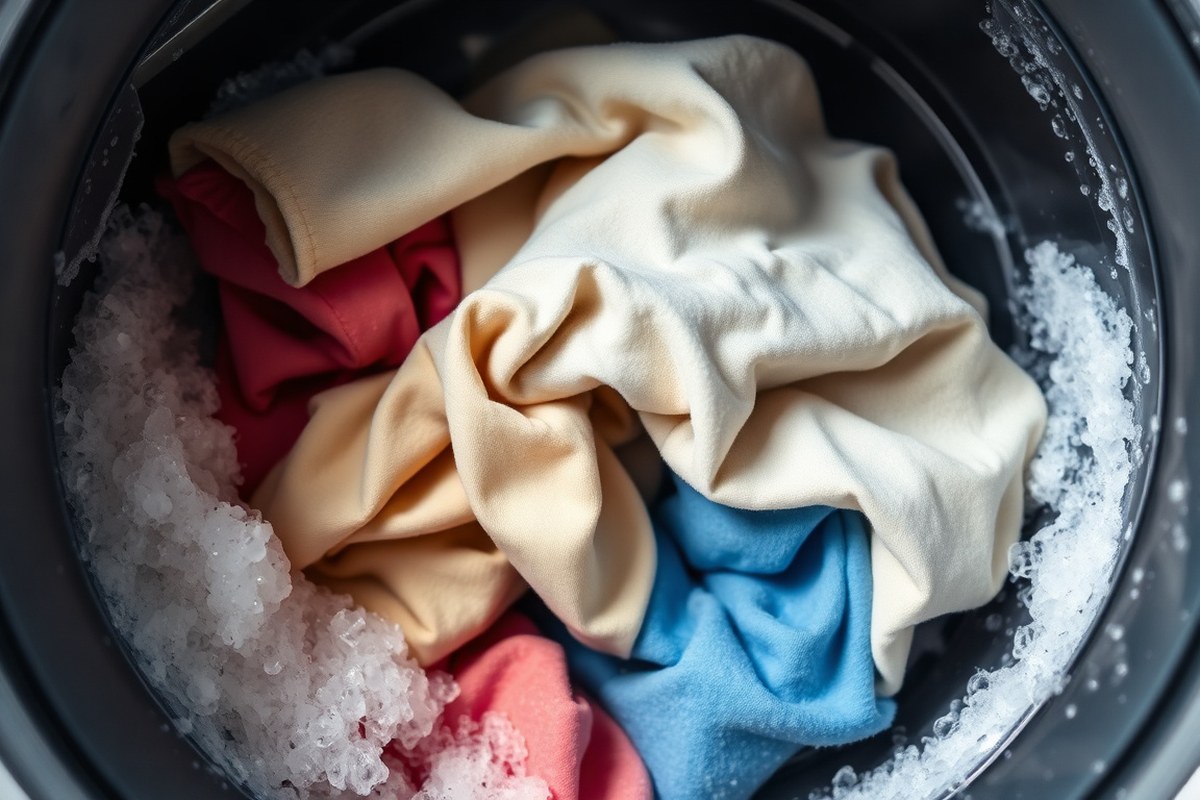
Clothes shrink most often because heat, water, and agitation cause the fibers in the fabric to relax and return to their natural state. Many fibers stretch slightly during manufacturing or regular wear, causing them to be longer than their original shape. When washed in warm or hot water and then dried with heat, the fibers’ natural curliness or crimp returns, which pulls the fabric tighter and results in size reduction.
This shrinking happens in two main ways. First, the fibers themselves change shape rather than getting shorter. The heat and moisture cause the fibers to loosen any tension they have been under, letting them contract back toward their original size. For example, cotton fibers stretch during weaving and pressing, but once exposed to warm water and heat, they relax and contract up to 3-5%, making the garment smaller. Wool fibers can shrink even more, around 5-10%, because the scales on wool fibers interlock under heat, moisture, and agitation, causing the fabric to felt and become denser.
Agitation during washing or drying physically moves the fibers and threads. This mechanical action softens and compresses the fabric, pushing fibers closer and encouraging them to settle into a tighter formation. In wool, this can lead to felting, where fibers mat together and permanently shorten the fabric. In less sensitive fabrics like polyester, which has more stable synthetic fibers, shrinkage is minimal, usually around 1-2%, and mostly caused by heat rather than agitation.
Heat is a major factor because it releases the tension within fiber structures. When fibers are heated, especially in the presence of moisture, their internal stresses relax, allowing them to contract. This effect is why tumble drying on high heat can cause more shrinkage than washing alone. The interaction of heat and moisture can also cause some fibers, like silk, to cling tighter, tightening the weave and reducing the fabric’s size by up to 15% in extreme cases.
Fiber relaxation involves returning from a stretched and stable arrangement to a natural, less ordered state. It does not usually mean fibers get physically shorter but that they change the angle or curl of their shape, which reduces the overall fabric dimensions. For fabrics prone to shrinkage, such as cotton and wool, avoiding warm water and high dryer temperatures helps prevent the fibers from fully relaxing and shrinking. Hand washing, gentler agitation cycles, and air drying also reduce the mechanical and thermal stress that triggers this effect.
Steaming clothes offers an alternative by applying heat without agitation or soaking, which helps clothes relax fibers gently and maintain their original shape without shrinking. This method is especially useful for delicate materials sensitive to water and heat. Overall, shrinking results from a physical change in fiber structure aided by moisture, heat, and mechanical action within laundry processes.
How Fabric Type Affects the Likelihood of Shrinkage

Shrinkage in clothing largely depends on the fabric type, specifically whether the fibers are natural or synthetic. Natural fibers such as cotton, wool, silk, and linen have a porous, loosely woven structure that absorbs moisture and responds more dramatically to heat during washing and drying. Synthetic fibers like polyester, nylon, and acrylic are tightly packed with a partly crystalline structure that limits moisture absorption and resists the molecular movement necessary for shrinkage. For example, cotton typically contains about 5 percent moisture, while wool holds around 17 percent. This higher moisture content in wool contributes to its greater shrinkage risk compared to cotton and especially synthetics.
The fiber structure plays a significant role too. Natural fibers like wool have scaly outer layers and curly structures that tighten when exposed to heat and agitation, causing shrinkage. Cotton fibers contract due to heat but to a lesser extent, and synthetics rarely move because of their molecular arrangement. Knitted fabrics of any fiber type are more prone to shrinkage than woven fabrics because loose loops in knits can easily tighten or contract. Woolen knits, being loosely constructed and highly absorbent, shrink more than dense cotton weaves.
| Fabric Type | Moisture Content (%) | Shrinkage Risk | Behavior Under Heat |
|---|---|---|---|
| Wool | 17 | High | Fibers contract and interlock, especially in knits |
| Cotton | 5 | Moderate to High | Fibers contract moderately, more in knits |
| Synthetic (Polyester, Nylon) | Very low | Low | Minimal contraction unless exposed to extreme heat |
| Silk | 11 | Moderate | Fibers tighten, especially when washed improperly |
| Linen | 8-12 | Moderate | Fibers contract under heat and moisture |
Pre-shrunk fabrics undergo a controlled shrinking process at the factory to stabilize fibers. They still can shrink slightly, cotton by around 1 to 2 percent after the first wash, but not as dramatically as untreated fibers, which can shrink up to 5 percent according to Cotton Incorporated. This means preshrunk cotton clothes may still show minor size changes after home laundering, particularly if washed or dried using high heat. Synthetic blends reduce shrinkage risk as they combine natural fiber softness with synthetic fiber stability.
Water absorption followed by heat is key in shrinkage. Washing natural fabrics in cool water prevents fibers from swelling excessively, lowering the risk of contraction during drying. Heat also forces moisture out too quickly, causing fibers to draw together. Synthetics resist this due to low moisture content and stronger fiber bonding, but exposure to extreme heat such as hot irons or steamers can cause slight, sometimes permanent, shrinkage.
Use cold water for washing natural fiber garments and air dry or tumble dry on low heat to minimize shrinkage risk.
Do Clothes Shrink More in the Washer or the Dryer?
Most permanent shrinkage happens in the dryer rather than the washing machine. While washing can loosen fibers, especially when warm or hot water is used, the heat and tumbling action inside the dryer cause the fibers to contract and tighten, leading to lasting shrinkage. In fact, tumble dryers account for about 80% of preventable clothing shrinkage because the heat melts some of the fabric’s structure, forcing fibers to draw closer together.
Washing clothes in cold water helps reduce shrinkage since cold water prevents heat damage to the fibers while still cleaning clothes. Warm or hot water, on the other hand, can cause the fabric to swell and partially unravel, making the material more vulnerable to shrinkage during drying. The mechanical action of washing, especially in machines with a center agitator, can also stress fibers and contribute to slight shrinking, but this effect is much less severe than the damage caused by drying heat.
Hand washing is generally gentler than machine washing because it avoids mechanical agitation and can be done in cold water, further lowering the risk of shrinkage. However, hand washing alone doesn’t eliminate the risk if garments go into the dryer afterward. The dryer’s heat remains the main factor triggering shrinkage by tightening the fibers that washing partially loosened.
To prevent shrinkage, air-drying your clothes is the best option, especially for items prone to shrinking like cotton or wool. If using a dryer, select low heat settings or use dryer balls to reduce drying time and static, which helps minimize exposure to heat. Avoid hot or medium heat, as these temperatures accelerate fabric contraction. Remember that even low heat can cause some shrinkage over repeated cycles. Choosing washing machines without center agitators can also reduce fiber damage and preserve garment size.
The reason drying causes more permanent shrinkage than washing lies in the difference between what each process does to fibers. Washing in warm water loosens and swells fibers temporarily, so fabrics feel softer but also become more vulnerable. The dryer’s heat then causes the fibers to contract and lock into a smaller shape, resulting in lasting shrinkage. This is why the temperature and length of drying cycles matter more than the washing conditions when trying to preserve your clothes’ fit and size.
How to Prevent Clothes from Shrinking During Laundry
To prevent clothes from shrinking during laundry, use cold or lukewarm water for washing, choose gentle wash cycles, and air dry when possible. For fabrics prone to shrinkage, follow garment labels closely and avoid high heat settings in both washers and dryers. Selecting mild detergents designed for delicate fabrics also helps maintain the original size and shape of your clothes.
Choosing the Right Water Temperature
Using the appropriate water temperature is key to avoiding shrinkage. Cold water, generally around 60 to 80 degrees Fahrenheit, reduces the risk since heat causes fibers like cotton and wool to contract. Lukewarm water, around 90 to 105 degrees, may be used for more durable fabrics but always check care labels first.
Hot water can lead to excess shrinkage, especially with natural fibers, by relaxing the fiber structure and causing greater contraction during drying. For example, wool can hold up to 16% of its dry weight in water and shrinks more quickly when heated. When washing synthetic blends or treated fabrics, cold water helps maintain fit and color without shrinkage.
Selecting Gentle Washing Cycles
Gentle or delicate cycles minimize mechanical strain that can cause shrinkage from agitation or fast spinning. These cycles use slower spins and less water turbulence, reducing stress on fibers that leads to loose or tightened fabric weaves.
Avoid heavy-duty or fast-spinning cycles, especially for delicate or shrink-prone materials. Using the gentle setting is like giving your clothes a spa day, it’s kinder and reduces shrinkage risk by preserving the garment’s structure through a smoother washing process.
- Use gentle or delicate cycles for cotton, wool, and mixed fabrics
- Avoid heavy-duty and fast spin modes
- Wash similar fabrics together to optimize cycle choice
- For everyday clothing, a normal cycle with cold water works well
- Consider short wash cycles to reduce time in water
Wash loads at medium to low agitation to protect fabric integrity and prevent size loss over repeated uses.
Drying Techniques to Minimize Shrinkage
Air drying is the safest way to prevent shrinking. Lay clothes flat or hang them in a well-ventilated area, keeping natural fibers relaxed and allowing gradual moisture loss. This avoids the high and uneven heat of dryers that causes residual shrinkage and sometimes permanently distorts fabric.
If you need to use a dryer, select the lowest heat or air fluff setting and remove clothes while they are slightly damp. Overdrying on high heat can shrink cotton and wool substantially by tightening fibers after washing. Drying time should be minimal to avoid heat exposure beyond what the fabric can safely handle.
Handling Delicate and Wool Garments
Delicate fabrics like silk, lace, and fine wool require special care to avoid shrinking. Use detergents formulated specifically for delicate fibers which are gentler and do not contain harsh chemicals like chlorine or oxygen bleach. These detergents protect fibres and prevent damage that may lead to shrinkage.
Wool garments benefit from cold water washes and air drying. Prewashing wool reduces relaxation shrinkage, which mainly happens in the first wash cycle. For stubbornly shrunken wool, soaking in water mixed with hair conditioner for 30 minutes, followed by gentle stretching and air drying, can recover some of the original size.
Check garment labels carefully before washing. Labels will specify safe washing temperatures, cycle types, and drying methods suitable for each fabric. Following these instructions closely reduces damage from heat and agitation, maintaining the fit and lifespan of your clothes.
How to Fix or Restore Shrunken Clothes
Clothes that have shrunk in the wash or dryer can often be relaxed and stretched back to a more wearable size. Using water with a mild conditioner or gentle detergent softens and loosens the fibers, allowing you to reshape the fabric. Steaming also helps by warming and relaxing the fibers, making it easier to restore the garment’s original fit. Some fabrics respond better to these methods than others, especially natural fibers like cotton and wool.
Soaking with Conditioner or Gentle Detergent
Soak shrunken clothes in lukewarm water combined with hair conditioner or baby shampoo to soften and loosen the fabric’s fibers. This method relaxes wool or cotton fibers, allowing them to stretch gently without harm. Use roughly one tablespoon of conditioner per quart of water and soak the garment for 20 to 30 minutes. Stay away from hot water because it might shrink the fabric more or create wrinkles that settle.
After soaking, gently squeeze out excess water without wringing or twisting to prevent distorting the fibers more. This soaking step is particularly effective on natural fibers such as cotton, wool, and linen. Keep synthetics like polyester or nylon for steaming rather than soaking, as they don’t relax much in water.
Gently Stretching Wet Garments
Once the garment is wet and softened, stretch it slowly and evenly to the original size. Lay the item flat on a clean towel and begin pulling at the edges, paying special attention to areas like sleeves, hems, and collars. Stretching too quickly or forcefully may cause the fabric to tear or lose shape permanently. Use this checklist for careful stretching:
- Work on a flat, non-slip surface to keep the garment in place
- Stretch small sections incrementally instead of trying to restore the entire piece at once
- Pin the garment’s edges on the towel with rust-free pins to help hold the shape while drying
- Avoid stretching synthetic blends aggressively, as they resist permanent reshaping
- Allow the garment to air dry while pinned or gently weighed down to maintain the new shape
This method can’t recover extreme shrinkage but often adds enough length or width for a more comfortable fit.
Using Steam to Relax Fibers
Steaming clothes penetrates fibers with moisture and heat without soaking them, which makes them more pliable. This method is especially helpful for delicate fabrics or items that cannot be fully submerged. Use a handheld steamer or hang the garment in a steamy bathroom for 15 to 20 minutes.
Hold the steamer or iron’s steam nozzle about 6 to 8 inches from the fabric. As the fibers warm and soften, gently tug at the garment to reshape it. Steam works well on wool, cotton, and linen, but is less effective on synthetics, which often return to their shrunken shape once cooled.
Test a small, hidden area first to avoid water marks or burns from steaming.
When to Accept Permanent Shrinkage
Some shrunken clothes, especially those made from synthetic blends or with severe shrinkage, cannot be fully restored by soaking, stretching, or steaming. High-heat damage that causes fibers to fuse or felt cannot be reversed at home. Overstretching may also damage the fabric’s integrity or create uneven shapes.
Consider whether the garment can be repurposed, donated, or altered by a tailor to fix fit issues. Investing time soaking and stretching suits natural fibers best, while synthetics often retain shrinkage after laundering. For items with sentimental value, professional textile restoration may be an option but is usually costly.
Common Laundry Mistakes That Cause Unexpected Shrinking
Many common laundry habits increase the risk of shrinking your clothes. Washing garments at high temperatures causes fibers, especially cotton, to contract, leading to loss of size. Overdrying is another major factor. When clothes stay in the dryer after they are fully dry, the excessive heat continues to tighten the fibers, resulting in a smaller fit. Even using low heat settings cannot prevent shrinkage if the clothes are left tumbling too long.
Ignoring care labels is a frequent mistake that often triggers unexpected shrinking. Those labels provide guidelines on the safest water temperature, dryer settings, and washing methods for each fabric. Disregarding these instructions means the fabric might be exposed to heat or agitation levels that the manufacturer specifically warns against. This can permanently alter your clothes’ size and shape.
The mechanical force your clothes face in the washer matters as well. Agitation, the process of the machine moving your clothes around, can be rough on delicate fabrics or loosely woven textiles. The beating causes consolidation shrinkage, where the fibers bunch up more tightly. This effect is more noticeable with heavy-duty wash cycles or when mixing heavy items with lighter ones. Using gentler cycles reduces this risk significantly.
- Sort clothes by fabric type and weight before washing
- Wash cotton and delicate fabrics in cold water (below 80°F)
- Choose gentle or permanent press wash cycles to limit agitation
- Remove clothes promptly when the dryer timer ends to avoid overdrying
- Use low-heat or air-dry settings in the dryer
- Follow garment care labels exactly
- Avoid washing clothes too frequently; wear items more when possible
Applying these steps costs very little beyond extra attention to your laundry routine. Cold water washes save energy and reduce shrinking, while gentler agitation cycles extend fabric life and fit. Promptly removing clothes from the dryer protects against the heat stress that shrinks fibers over time. Following care labels ensures you match washing methods to the fabric’s specific tolerance for water temperature and mechanical action.
Failing to manage these factors leads to clothes that feel tighter, lose stretch, or become permanently warped. In extreme cases, shrinkage causes garments to no longer fit at all, forcing replacement or repair. Taking a bit more time to choose the correct temperature, cycle, and drying method helps your wardrobe stay true to size and feel comfortable wear after wear.
How Storage Conditions Can Affect Clothing Size and Shape
Humidity can cause clothes to distort or feel shrunken without actual fiber shrinkage occurring. When moisture in the air is high, fibers like cotton and wool absorb water and swell. This swelling changes the garment’s shape temporarily, making it look smaller or misshapen when dried improperly. Prolonged exposure to humidity, especially in unventilated storage spaces, may lead to fibers failing to relax back fully to their original state, creating permanent deformation over time. Keeping clothes in a dry environment with humidity levels below 50% reduces this risk significantly.
Folding and stacking clothes tightly or compressing them under heavy items can also affect their shape and perceived size. Constant pressure flattens fibers and compacts the fabric, which can mimic shrinkage by removing the natural loft or stretch of the textile. For example, sweaters stored in overfilled drawers or suitcases may develop permanent creases or lose flexibility where they were compressed. Storing clothes loosely, hanging them on properly sized hangers, and avoiding heavy piles of garments will help maintain their original form.
To preserve clothing size and shape during storage, choose cool, dry, and well-ventilated areas. Avoid stuffing garments into cramped closets or plastic bags that trap moisture. Using breathable fabric garment bags or cotton storage bins helps prevent excess humidity buildup. For delicate fabrics like wool or cashmere, folding over padded hangers or flat storage with acid-free tissue paper between folds prevents creasing and fiber distortion. Rotate your stored clothes periodically to ensure no section remains under pressure for too long.
It takes little cost but some attention to create proper storage conditions. A small moisture absorber or dehumidifier device can keep closet humidity levels low. Annual cleaning and airing out your storage spaces help avoid buildup of moisture and dust that weaken fabric integrity. Well-maintained clothes not only retain their fit but look fresher by avoiding stretching or sagging caused by long-term compression.
How to Interpret Garment Labels to Avoid Shrinkage
Understanding garment labels is essential to prevent clothes from shrinking. Pay close attention to washing temperatures, drying methods, and fiber-specific instructions on each tag. These guidelines help you make decisions about wash cycles and drying techniques that preserve your clothing’s size and fit.
Recognizing Heat and Water Temperature Icons
Care labels often include a tub symbol indicating washing instructions. Numbers inside the tub represent the maximum water temperature in degrees Fahrenheit or Celsius. Higher temperatures increase the risk of shrinking, especially for natural fibers.
Choose wash cycles based on these temperature indicators. Cold water cycles (generally below 80°F or about 30°C) suit bright colors, dark fabrics, delicates, and items prone to shrinkage. Hot water increases cleaning power but also fiber contraction, so avoid hot washes unless the label permits.
Spotting Delicate or Hand Wash Marks
A hand symbol on the label means the garment needs gentle treatment, usually hand washing or a delicate machine cycle. These methods use gentle agitation and cooler water to reduce fiber stress that causes shrinkage. Clothes with lace, silk, or fine wool typically have these symbols.
Look out for a circle inside a tub or a gentle cycle label to select an appropriate washing mode. Ignoring these can lead to fabric damage or significant shrinking.
Drying Instructions That Prevent Shrinking
Drying plays a key role in shrinking prevention. An empty square represents the drying process, with various markings inside indicating the recommended method. A circle inside the square means tumble drying is okay, while a crossed-out circle means avoid it. Here’s a checklist for drying decisions based on label symbols:
- Circle inside square with one dot: tumble dry on low heat
- Circle inside square with two dots: tumble dry on medium heat
- Circle inside square with a cross: do not tumble dry
- Square with horizontal line inside: dry flat
- Square with vertical line(s): line dry or drip dry
- Blank square: air dry naturally
Air drying or drying flat reduces heat exposure, which lessens shrink risk. High heat from standard dryer cycles often causes fabrics like cotton or wool to shrink. When labels say “dry flat” or “line dry,” follow those instructions to maintain shape and size.
High heat from tumble dryers causes most shrinkage; using low heat or air drying extends your clothes’ lifespan.
Special Warnings for Natural Fibers
Labels on wool, silk, or other natural fibers often carry additional notes because these materials shrink easily. Instructions such as “dry clean only” mean you should avoid home washing or drying methods that risk damaging the fabric. For wool and delicates:
- Use cold water and hand wash or a wool-specific machine cycle
- Never use hot water or high heat drying
- Dry flat on a towel to keep the item’s shape
- Consider professional cleaning when indicated
Ignoring these warnings can result in irreversible shrinking or distortion. Care tags are designed to protect delicate fibers, so paying close attention to their guidance avoids costly mishaps and preserves your garments’ fit.
Step-by-Step Action Plan to Prevent and Fix Clothes Shrinking
Follow these steps to keep your clothes fitting well and to recover items that have shrunk. Each phase helps you identify effective habits and adjustments.
- Before You Wash: Check garment labels for washing and drying instructions. Correct reading of labels reduces the risk of shrinkage since you’ll avoid heat or water exposure that damages specific fabrics.
- Start Every Load: Sort clothes by fabric type and washing requirements. Washing similar materials together helps maintain fabric integrity and prevent shrinking caused by mixing heavy and delicate items.
- During Washing: Use cold water and a gentle cycle for cottons and woolens. This lowers the chance of fibers tightening, keeping your clothes close to their original size.
- Right After Washing: Remove clothes promptly and reshape damp items by hand if they seem to be shrinking. Reshaping while wet can help garments regain their intended fit.
- Drying Phase: Air-dry sensitive fabrics or use a low heat setting on the dryer for sturdier items. Avoiding high heat minimizes fiber contraction that leads to shrinkage.
- Weekly Check: Inspect stored clothes for signs of moisture or tight packing. Proper storage maintains fabric shape and prevents size changes caused by environmental factors.
- Monthly Fix: For shrunken clothes, apply gentle stretching while damp or try a fabric conditioner soak before drying again. Test the fit after these treatments to confirm improvement.
- Ongoing: Adjust laundry routines based on fabric responses and label instructions. Adaptation helps you avoid repeated shrinkage over time.
Frequently Asked Questions
Can Ironing Cause Clothes to Shrink?
Yes, ironing can shrink clothes if done on high heat without proper care, especially for delicate fabrics. Use the correct temperature setting and a press cloth to protect your garments.
Does Shrinkage Happen More in New or Old Clothes?
Shrinkage tends to happen more in new clothes that haven’t been preshrunk or worn before. Washing and drying new garments carefully can reduce unexpected shrinkage.
Can Water Hardness Affect Clothes Shrinking?
Hard water itself doesn’t cause shrinkage but can make fabric stiff, increasing abrasion during cleaning. Use fabric softener to keep clothes soft and reduce wear.
Does Shrinkage Happen After Multiple Washes or Just the First Time?
Clothes usually shrink most during the first wash and dry cycle. Repeat washing can cause minor shrinkage, but it’s usually less noticeable.
Are Clothes More Likely to Shrink If They’re Tightly Packed in the Washing Machine?
Overloading the washer can cause uneven cleaning and increased friction, which may contribute to shrinkage and fabric damage. Wash smaller loads for best care.
Does Bleach Cause Clothes to Shrink?
Bleach doesn’t directly cause shrinking but can weaken fibers, making them more prone to damage and potential shrinkage. Use bleach cautiously and follow care instructions.
Wrapping Up
Clothes shrink because heat, water, and agitation alter fibers, especially in cotton and wool. Preventing shrinkage means managing these factors through careful washing, drying, and storage. Start by reading garment labels and choosing cooler, gentler laundry settings. Take one step today by sorting your laundry by fabric type before washing to protect your clothes from shrinking further.