How to Clean a Feather Down Comforter: Safe Methods and Expert Tips
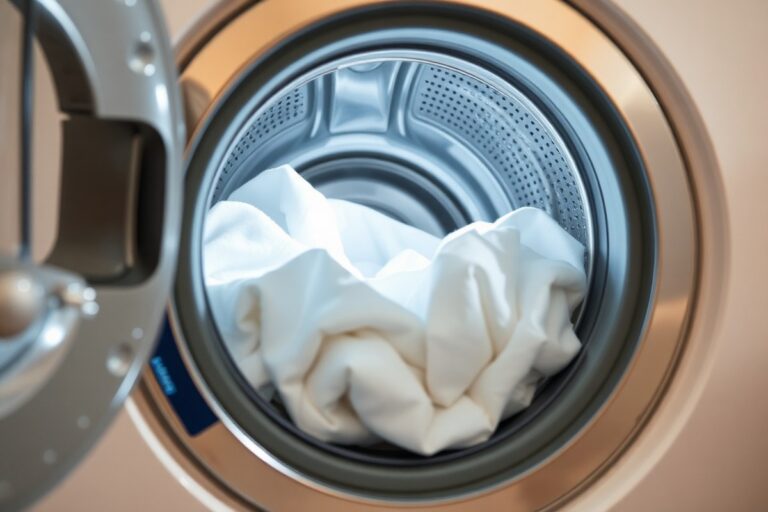
To clean a feather down comforter safely at home, use cold water with a gentle detergent and machine wash on a delicate cycle. Dry it on low or medium heat, pausing every 20 minutes to fluff the down and prevent clumping. Treat stains beforehand with a stain stick to avoid odors, and avoid hot water to minimize fabric shrinkage. These steps help preserve your comforter’s loft and cleanliness without damaging its delicate feather fill.
This guidance suits homeowners or renters who own feather down comforters and want practical, expert-approved cleaning and maintenance tips. You’ll find clear instructions on preparing your comforter, selecting detergents, drying techniques, and how to keep your comforter fresh between washes without risking damage.
Key Takeaways
- Use cold water and a mild detergent to wash your feather down comforter to prevent shrinkage and fiber damage.
- Treat any stains with a stain stick before washing to reduce odors and ensure thorough cleaning.
- Set your washing machine on a gentle or delicate cycle to protect the down filling from harsh agitation.
- Dry your comforter on low or medium heat, stopping every 20 minutes to fluff and redistribute the feathers evenly.
- The drying cycle usually lasts between 3 and 4 hours to ensure the comforter is completely dry and free of damp areas that could develop odors.
- Use high heat briefly during drying to eliminate dust mites if allergies are a concern, then lower the heat for the remainder.
How to Clean a Feather Down Comforter Safely at Home

Machine washing is safe for most feather down comforters if you have a washer with a large enough capacity, such as those found in many laundry rooms or laundromats with triple-load machines. Using cold or lukewarm water helps avoid fabric shrinkage, which can be as much as 8% with hot water, while preserving the down’s loft and integrity. Mild, non-biological detergent is best as it cleans without damaging the natural oils in the feathers. Using too much detergent can leave residue, so stick to the recommended amounts for delicate fabrics or a down-specific cleaner if available. Follow these steps to wash your feather down comforter safely and effectively:
- Check the care label. Confirm your comforter is machine washable and note any specific instructions about water temperature and detergent type.
- Load the comforter evenly. Place it loosely in your washer to allow enough space for water and detergent circulation. If your unit isn’t large enough, take your comforter to a laundromat with a larger machine.
- Add mild detergent. Use the amount recommended for delicate or down-filled items, usually about a quarter to half the normal dose. Avoid bleach or fabric softeners.
- Select a gentle cycle. Choose a delicate or gentle setting with cold or lukewarm water, which reduces risk of shrinking and feather damage.
- Include tennis balls if drying immediately. When drying, adding a couple of clean tennis balls or canvas shoes helps keep the down from clumping, but skip this during washing.
- Run an extra rinse cycle. To fully remove detergent residue, add an additional rinse after the wash cycle completes.
- Dry thoroughly. Dry your comforter on low heat or air fluff setting, checking frequently to avoid overheating. Multiple drying cycles may be necessary to ensure all moisture is removed to prevent odor and mold.
Washing a feather down comforter at home can take a few hours including drying time and requires patience. Proper washing keeps it fresh and fluffy without damage. Avoid washing in hot water or using excessive detergent to protect the fabric and down filling.
Preparing Your Down Comforter for Washing and Stain Treatment

Preparing your feather down comforter before washing includes checking the care label closely, treating any stains with safe methods, and following a checklist to protect the filling and fabric. Proper care helps avoid damage and keeps your comforter fresh and fluffy after cleaning.
Reading and Understanding Care Labels
The first step in preparing your down comforter is to carefully read the manufacturer’s care label. This label indicates whether the comforter is machine washable, requires dry cleaning, or has specific temperature limits. Following these instructions is essential to avoid shrinking, damaging the down filling, or stripping the fabric of protective finishes.
Care labels often specify the maximum washing temperature, commonly around 40°C (104°F), which helps prevent heat damage to the feathers. Some comforters, especially those with delicate fabrics or specialty finishes, may only be suitable for professional cleaning. Always follow the label’s guidance to maintain the quality and lifespan of your comforter.
Safe Stain Treatment Options for Down Feathers
Spot treating stains before washing prevents the stain from setting permanently and removes sources of odors. Use a gentle stain remover or a stain stick designed for delicate fabrics, avoiding harsh chemicals that can damage the natural down feathers.
Apply the stain remover directly to the affected area, working it in gently with your fingers or a soft cloth. Let it sit for 10 to 15 minutes before washing. Avoid bleach or strong alkaline cleaners, as these can degrade the feathers and fabric.
Use mild, fragrance-free stain removers or those specifically made for down items to protect the feathers and fabric.
Pre-Wash Checklist to Protect the Fabric and Filling
Before placing your comforter in the washing machine, review this checklist to prepare it properly and preserve its filling:
- Inspect the entire comforter for open seams or tears and repair them to prevent feathers from escaping during washing.
- Remove any loose debris or dust by gently shaking or vacuuming the comforter with a soft brush attachment.
- Check for stains and apply stain treatment only to those spots, avoiding soaking the whole comforter with stain remover.
- Use a clean duvet cover or liner when washing if recommended, to reduce direct contact with detergent and mechanical agitation.
- Ensure your washing machine is large enough to allow the comforter to move freely, which helps rinse away detergent completely.
- Confirm your washing machine is clean and free from residue by running a rinse cycle before washing the comforter.
Choosing the Right Detergent and Washing Settings
Use a mild detergent specifically formulated for down or delicate fabrics to protect your comforter’s feathers while ensuring cleanliness. A gentle cycle with cold or lukewarm water keeps the down filling intact and prevents damage. Avoid harsh chemicals like bleach or fabric softener as they can weaken feathers and reduce loft.
Comparison of Detergents Safe for Down Comforters
Choosing the right detergent affects how well your down comforter cleans without losing insulation or fluffiness. Mild detergents designed for down or delicate fabrics are best. Some specialty detergents also help remove odors without leaving residue that can attract dirt.
| Detergent Type | Benefits | Considerations |
|---|---|---|
| Mild liquid detergent | Gentle on feathers, widely available, usually inexpensive ($5, $10 per bottle) | Use minimal amounts to avoid residue; suitable for delicate cycles |
| Down-specific detergent | Formulated to preserve down loft and remove body oils; reduces clumping | Priced around $10, $15 per bottle; best for frequent washing |
| Natural or hypoallergenic detergent | Minimizes irritation; free of dyes and fragrances | May require extra rinses to clear residue |
| White vinegar (added during rinse) | Neutralizes odors and breaks down detergent residue | Add ½ cup to fabric softener compartment; does not leave vinegar smell |
Using standard detergents or heavy-duty formulas can strip natural oils from feathers, causing dryness and breakage. Incorporating white vinegar during rinsing helps maintain freshness without softeners.
Recommended Washing Machine Settings
Select a gentle or delicate cycle combined with cold or lukewarm water (around 30°C to 40°C) to reduce stress on the feathers. A large-capacity, front-loading washing machine is ideal for evenly distributing the comforter and preventing imbalance.
Choose an extra rinse or double rinse option to thoroughly remove detergent residue, which can otherwise reduce fluffiness and cause odors. Avoid hot water and vigorous cycles that can cause down clumping or damage.
- Load your comforter evenly to avoid an unbalanced wash.
- Use the delicate cycle setting with warm water (30°C to 40°C).
- Opt for an extra or double rinse cycle to ensure all detergent is washed out.
Detergents and Additives to Avoid
Bleach damages the delicate down feathers by stripping natural oils and weakening fibers. Fabric softeners coat the feathers, decreasing loft and trapping moisture, which promotes mildew. Both can shorten the life of your comforter.
Ironing and dry cleaning chemicals are also harmful and should be avoided to maintain your comforter’s integrity. Sticking to mild detergents and proper wash cycles ensures effective cleaning without these risks.
Effective Drying Techniques to Prevent Clumping and Odors
Tumble drying a feather down comforter is possible but requires care to avoid clumping and odors. Using tennis balls or dryer balls along with low heat helps keep the feathers fluffy and evenly distributed. Air drying can be a good alternative, especially in dry weather, but it takes longer and needs monitoring to prevent moisture build-up.
Using Tennis Balls or Dryer Balls in the Dryer
Place two or three clean tennis balls or dryer balls inside the dryer along with your feather down comforter. These balls gently separate clumped feathers and help bring back the softness by moving the filling evenly. Without using them, feathers may gather together, causing uneven warmth and a bumpy texture.
The balls also reduce drying time by improving air flow around the comforter. You can use clean tennis balls or specific wool dryer balls made for this purpose. Make sure the balls are clean to avoid transferring dirt or odors onto your comforter.
For best results, pause the dryer every 30 minutes to remove the comforter and shake it out. This helps redistribute the down further and prevents stubborn clumps from forming.
Recommended Dryer Temperature and Cycle Length
Set your dryer on the lowest heat or air fluff setting to prevent damaging the delicate feathers. High heat can cause the natural oils in the down to dry out and leave your comforter brittle or prone to breaking. A gentle drying cycle preserves the feather’s integrity and loft.
Drying time usually ranges from 60 to 90 minutes per cycle. When a drying cycle ends but the comforter is still damp, run another cycle using low heat or an air fluff setting until it dries fully. Never rush the drying process or remove the comforter while damp, as leftover moisture promotes mold odors and clumping.
- Check the care label on your comforter to confirm drying instructions.
- Place the comforter loosely in the dryer to allow airflow.
- Toss in two or three clean tennis balls or dryer balls inside the dryer drum to aid in loosening up the feathers and keeping the filling fluffy.
- Select the lowest heat or air fluff cycle.
- Start the dryer and let it run for about 30 minutes.
- Pause and remove the comforter to shake and redistribute the feathers.
- Return it to the dryer and repeat the cycle until dry.
- Ensure the comforter is completely dry before removing it to avoid musty odors.
Air Drying Best Practices and Ideal Weather
Air drying a down comforter is a gentle alternative if you prefer not to use a dryer, though it takes longer, often 24 to 48 hours or more. Choose a warm, sunny day with low humidity to speed up drying and prevent moisture retention that can cause odors or mildew.
Hang the comforter flat or drape it over a clean clothesline or drying rack outdoors. Flip and shake it every few hours to break up any feather clumps and help the filling dry evenly. Avoid direct, intense sunlight for prolonged periods, as it can cause fabric fading or damage.
Bringing the comforter indoors during damp or overcast conditions prevents moisture from returning. Use a fan or dehumidifier indoors to assist drying if needed.
Maintaining Freshness Between Washes and Odor Control
Keeping your feather down comforter fresh and odor-free between washes helps maintain its loft and ensures a comfortable sleeping environment. One of the simplest ways to reduce bad smells is to air out your comforter regularly. Aim to hang it outside on a clean clothesline or balcony for several hours once every one to two weeks. Fresh air and sunlight help dispel residual moisture and any mild odors, such as mildew or body scents, that can develop even without visible dirt. Make sure the comforter is fully dry before putting it back on the bed to avoid dampness that causes musty smells.
For quick freshness without a full wash, spot cleaning is an effective strategy. Target small stains or areas with visible dirt using a mild detergent mixed with water, applying it gently with a soft cloth. Afterward, let the spot dry completely by laying the comforter flat in a well-ventilated spot or outside in indirect sunlight. This approach reduces frequent full washes, preserving the down’s natural oils and fluffiness longer.
To tackle persistent odors such as wet-dog smells or mildew, sprinkle baking soda evenly over the comforter’s surface and let it sit for a few hours before vacuuming it off with a brush attachment. Baking soda absorbs odors effectively without wetting the fabric or down. Airing out the comforter after this treatment improve odor removal, ensuring your bedding stays fresh without chemical sprays or frequent laundering.
Using a high-quality duvet cover also helps keep your feather down comforter clean and fresh. The cover collects most dirt, skin oils, and hair, lowering the frequency with which you need to wash the comforter itself. Choose a breathable fabric like cotton to maintain airflow and prevent excess moisture buildup inside the cover.
Avoid placing pets directly on the comforter to reduce exposure to pet dander and odors. Also, removing makeup and showering before bed helps minimize oils and residues that can soak into the down. These good habits reduce the need for washing and keep the comforter fresh longer.
Always ensure your comforter is completely dry before storing or replacing its cover; trapped moisture is the main cause of odors and mildew.
In some cases, using specialized fabric sprays designed for down bedding can refresh without washing, but test any product first on a small area to make sure it doesn’t damage the fabric or filling. For regular upkeep, airing out and spot cleaning offer the most practical and cost-effective methods to maintain freshness, save time, and extend the life of your feather down comforter.
When to Avoid Washing: Hand Wash and Professional Cleaning Options
Choosing hand washing or professional cleaning over machine washing often depends on the condition and instructions for your feather down comforter. Start by checking the care label. Follow the manufacturer’s advice to dry clean or avoid machine washing to prevent damage. Many delicate or vintage down comforters have fragile stitching or delicate fabrics that can tear or lose fill if agitated too much.
Hand washing becomes necessary when the comforter is too large to fit loosely in your washing machine, as a cramped wash can cause clumping and uneven cleaning. Hand washing can protect your down fill better when your comforter is tight in the washer or heavy when wet. Use a bathtub or clean sink with cool to lukewarm water, ideally around 85°F (29°C), and a mild detergent designed for down or delicate fabrics. Gently knead and press the comforter, avoiding wringing or twisting, which can damage the feathers.
Professional cleaning is the safest option for older comforters, those with stains that won’t come out easily at home, or if your comforter has a high monetary or sentimental value. Dry cleaners experienced with down items use solvents and machines designed to clean without compromising the natural oils in the feathers or the fabric shell. On average, professional cleaning can cost $30 to $100 depending on size and location, but this can prevent costly repairs or replacements.
A solid decision rule is to machine wash only if your comforter fits with plenty of room, the tag explicitly permits it, and the fabric and stitching appear intact. Choose hand washing or professional cleaning when you see worn seams, holes, or thinning fabric. Always avoid machine washing if your comforter still has wet spots or smells strongly of mildew, as agitation can worsen odors and damage fill.
Hand washing takes more time and effort but lets you control water temperature and avoid machine agitation. Professional cleaning spares you this work but requires upfront cost and occasional transport to a cleaner. For many down comforters, especially delicate or older ones, these alternatives better preserve loft, softness, and durability. After hand washing, rinse thoroughly and dry flat or hung with good air circulation, making sure to fluff periodically to keep feathers from clumping.
Storing Your Feather Down Comforter to Preserve Quality
Proper storage of your feather down comforter during off-seasons keeps it dry, fluffy, and free from damage caused by moisture or mold. Comforters filled with down are sensitive to moisture buildup, which can cause mildew and weaken the feathers, leading to clumping and a shorter lifespan. Storing your comforter in a breathable environment and ensuring it is completely dry before storage are key steps to prevent these issues.
Use a large, breathable cotton or canvas storage bag rather than plastic, which traps moisture and leads to mildew growth. If you prefer a container, opt for a roomy cardboard box that allows air to circulate. Avoid compressing the comforter tightly, as this can crush the feathers, reduce loft, and create clumps. Instead, store it loosely to keep the fill fluffy and comfortable.
Choose a storage space that remains temperature-controlled and dry throughout the year. Avoid damp basements, attics with extreme heat, or anywhere humidity fluctuates greatly. A closet in a climate-controlled room is ideal. Temperature extremes and moisture can create an environment where mold thrives and down fill degrades rapidly.
- Ensure the comforter is fully dry before storing to prevent mold and odors
- Store in a breathable cotton or canvas bag, never plastic
- Use a large, ventilated cardboard box if you prefer not to use bags
- Avoid compressing or squashing the comforter tightly
- Keep the storage area dry and climate-controlled with stable temperature
- Check the comforter occasionally for dampness or damage during long storage
Following these steps can extend your comforter’s lifespan by preserving its loft, preventing mildew, and maintaining feather quality. Neglecting proper storage may result in a musty smell, harder washing processes, or irreversible feather damage. The investment in breathable storage solutions typically costs between $10 and $30 for bags, offering good value for the added protection of your bedding.
Common Cleaning Mistakes to Avoid and How to Fix Them
Using harsh detergents or fabric softeners is a common error when cleaning a feather down comforter. These substances can break down the delicate fibers and reduce the comforter’s ability to insulate effectively. Choose a gentle detergent designed for down or delicate fabrics to keep the filling intact and fluffy. Avoid hot water during washing since high temperatures can cause fabric shrinkage and weaken stitch lines. Instead, opt for cold water and a gentle cycle.
Skipping proper drying steps often leads to clumped feathers, which harms both comfort and warmth. Feather down comforters must be dried thoroughly on low heat to prevent moisture retention. Leaving the comforter damp allows molds and odors to develop. Using dryer balls or clean tennis balls during drying helps break up clumps and restore loft. Overdrying or exposing the comforter to direct sunlight can fade fabric colors and damage feathers, so dried it indoors or in a shaded area.
Washing too frequently can wear down the feathers and fabric faster. Down comforters generally need washing only once or twice a year unless there are spills or stains. Between washes, use a duvet cover and spot clean to extend the comforter’s life. Compressing the comforter too tightly during storage or transport can also damage the down clusters, leading to reduced fluffiness and insulation.
- Use a mild, down-friendly detergent only
- Wash in cold water on a gentle cycle
- Dry fully on low heat with dryer or tennis balls
- Avoid sunlight and high heat during drying
- Do not compress the comforter tightly when storing
- Wash no more than twice a year if possible
If your comforter’s feathers have clumped, fluffer it outside or in a large area by shaking and gently massaging the filling. Place the comforter in the dryer with clean tennis balls or dryer balls on low heat for 30 to 45 minutes, checking often. This helps separate down clusters evenly. For fabric shrinkage or small tears, stop further machine washing immediately. Minor holes can be patched with fabric-safe adhesive or sewn, but widespread damage requires professional repair or replacement.
Never use fabric softeners or bleach on your feather down comforter, as these chemicals weaken the fill and fabric, reducing warmth and lifespan.
Step-by-Step Action Plan for Cleaning Your Feather Down Comforter
Follow these steps to keep your feather down comforter clean and in great shape without risking damage.
- Before you start: Check the care label for any special instructions and look for stains that need spot treatment.
- Day 1: Treat stains with gentle laundry detergent or a specialized stain remover, then let it sit for 15 minutes.
- Day 1: Use a front-loading washing machine with a mild detergent on a delicate cycle, selecting cold or warm water to avoid damaging the feathers.
- Day 1: Use an additional rinse cycle to make sure every bit of detergent is washed out.
- Day 1 to 2: Tumble dry the comforter on a low setting, adding dryer balls or clean tennis balls to prevent clumps and maintain its loft; pause to check every half hour until it’s completely dry.
- Between washes: Air out your comforter regularly and use a duvet cover to reduce the need for frequent washing.
- Seasonal storage: Store your comforter in a breathable cotton bag in a cool, dry place to prevent moisture buildup and maintain loft.
Frequently Asked Questions
How Do I Wash a Duvet Insert Without Damaging It?
Wash a duvet insert with a mild, non-biological detergent on a gentle cycle. Avoid hot water and use low spin settings to prevent damage to the feathers inside.
Do Hotels Use Down or Down Alternative Comforters?
Many hotels prefer down alternative comforters for easier maintenance and allergen control. Down comforters are less common due to their delicate cleaning requirements and higher cost.
Should I Throw Away My Old Down Comforter?
Keep your down comforter if it’s clean, fluffy, and odor-free; replace it if it’s flattened, stained, or has persistent smells. Proper cleaning can extend its life significantly.
How Do I Wash a Comforter Without It Clumping?
Use large-capacity machines and dry the comforter with tennis balls at low heat to prevent clumping of feathers. Make sure it’s completely dry to avoid odors or mildew.
Is It Safe to Wash a Feather Down Comforter in a Home Washing Machine?
It’s generally safe if your machine can handle bulky items and you follow proper settings and detergents. Otherwise, consider professional cleaning.
Can I Use Bleach on a Feather Down Comforter?
Avoid bleach since it can damage feathers and fabric. Opt for mild detergents specifically designed for down or delicate materials instead.
Before You Go
Cleaning your feather down comforter carefully helps preserve its softness and warmth. To keep it fresh longer, address stains quickly and use proper washing and drying methods. Take the time today to spot-treat any stains you notice and set a gentle wash cycle, ensuring your comforter stays comfortable for years to come.