How to Get Mildew Out of Fabric Fast: 8 Proven Safe Methods That Work
To get mildew out of fabric fast, use natural common household items like vinegar, baking soda, or hydrogen peroxide to remove stains and odors effectively. Start by soaking the fabric in a vinegar solution for 15 to 30 minutes, then wash it promptly and dry thoroughly. These steps address both the visible mildew and the underlying spores that cause odor. This approach suits homeowners and renters facing mildew on clothes, upholstery, or household fabrics.
Understanding how mildew forms and affects fabrics helps prevent recurring problems and guides you toward the best cleaning methods for each fabric type. You’ll learn safe, proven techniques tailored to different materials and get tips on testing your fabric’s colorfastness before treatment. This ensures your fabrics stay clean without damage or fading.
Key Takeaways
- Test the cleaning solution on a hidden fabric spot and wait 15 minutes to check for discoloration.
- Soak mildew-stained fabric in a vinegar solution for at least 15 minutes to penetrate and neutralize spores.
- Use a paste of baking soda and water, leave it on mildew for 30 minutes, then rinse well.
- Apply 3% hydrogen peroxide to white fabrics for 15 minutes to quickly remove mildew stains.
- For stubborn stains, soak fabric in diluted bleach if safe for the material, but avoid on delicate fabrics.
- Expose treated fabric to direct sunlight for 1 to 2 hours to help kill lingering mildew spores.
1. How to Remove Mildew Stains and Odors from Fabric
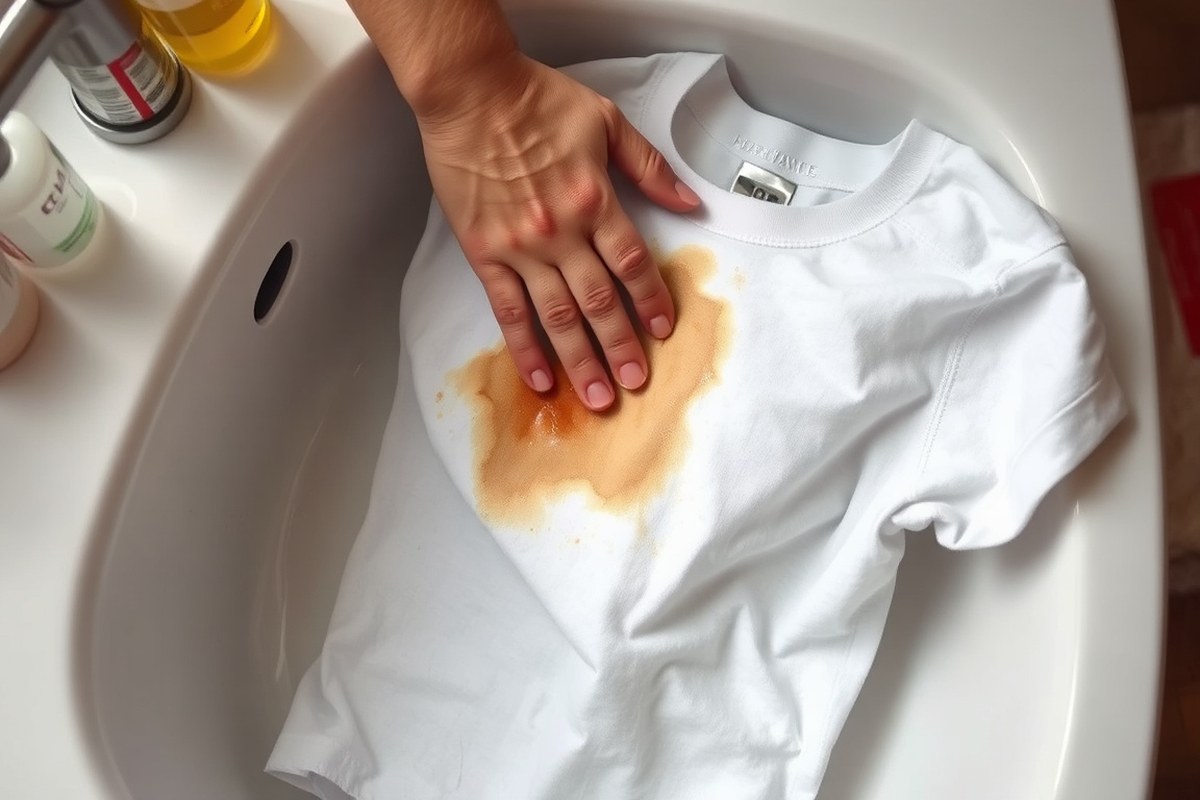
Mildew stains and odors can quickly ruin fabric, but you can remove both effectively using household items or commercial products. The key is to treat the fabric promptly to prevent spores from spreading. Common household ingredients like white vinegar, baking soda, hydrogen peroxide, and bleach each serve different roles, some break down stains, others neutralize odors, and a few sanitize the fabric.
Using these ingredients correctly saves your fabric from damage while clearing odors and discolorations. For example, vinegar works well to reduce light mildew smells and loosen mineral deposits, while baking soda absorbs lingering odors and boosts cleaning power. Hydrogen peroxide is good for spot-treating stains without the harshness of chlorine bleach, which should be reserved for whites only due to its bleaching effect. Follow the steps below for a reliable method to remove mildew stains and odors from fabric safely and quickly:
- Inspect the fabric: Check for colorfastness by dabbing a small, hidden area with your chosen cleaning solution (vinegar, peroxide, or diluted bleach) and wait 10 minutes. Avoid bleach on colored or delicate fabrics.
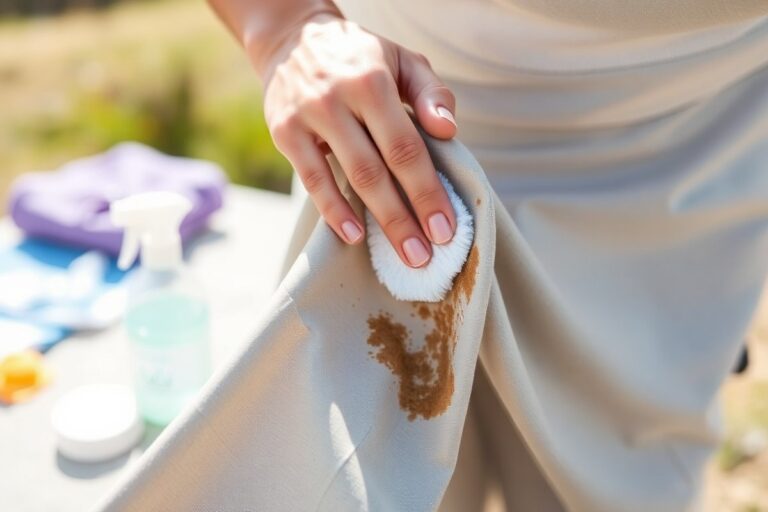
- Brush off dry mildew: Take the fabric outdoors and gently brush away any dry mildew using a soft brush to avoid spreading spores indoors.
- Pre-soak the fabric: Fill a basin with warm water and add 1 cup of white vinegar or a mix of 1/2 cup baking soda. Soak the fabric for 30 to 60 minutes to loosen stains and neutralize odors.
- Apply stain treatment: For stubborn mildew spots, apply 3% hydrogen peroxide directly to stains using a spray bottle or cloth. Let it sit for 10 to 15 minutes.
- Wash thoroughly: Launder the fabric in the hottest water safe for the material with detergent. Consider adding 1/2 cup baking soda or a commercial mildew odor remover to the wash cycle.
- Use bleach carefully if needed: For white fabrics with tough mildew stains, add up to 3/4 cup of chlorine bleach to the wash water. Avoid mixing bleach with vinegar or peroxide as it can create harmful fumes.
- Dry in sunlight: Hang the fabric outdoors on a sunny, breezy day to dry. Sunlight acts as a natural disinfectant and helps eliminate residual odors.
This process generally takes about 1.5 to 3 hours from start to finish, depending on soaking and drying times. While vinegar and baking soda won’t disinfect, they work well for light mildew and odors. For more severe mildew, peroxide or bleach offer better stain removal and sanitizing effects. Avoid leaving fabric damp after cleaning to prevent mildew from returning quickly. If odors or stains persist despite treatment, repeat the process or consider professional cleaning for delicate or valuable items.
2. Why Mildew Forms on Fabric and What It Does to Fibers
Mildew forms on fabric primarily due to moisture combined with poor ventilation, creating a damp environment where fungal spores thrive. Untreated mildew not only causes visible stains and unpleasant odors but can also break down fabric fibers, weakening the material over time. Controlling moisture and airflow around your fabrics is important to prevent mildew growth and protect your textiles from damage.
How Moisture Promotes Mildew Growth on Fabric
Mildew thrives in damp conditions, so fabric that remains wet or damp for several hours to days creates an ideal growing environment. Sources of moisture include sweat, spilled liquids, high humidity in storage areas, and laundry left sitting in the washer. Natural fibers like cotton, linen, and rayon absorb moisture quickly, making them especially vulnerable. Synthetic fabrics can also hold mildew if water cannot evaporate due to lack of airflow.
When fabric stays wet, mildew spores settle on the surface and begin to grow within 24 to 48 hours. Without airflow or heat to dry the fabric, fungal colonies multiply, producing stains and a musty smell. Keeping fabric dry and well-ventilated reduces the likelihood that mildew will develop.
Ventilation’s Role in Mildew Prevention
Poor ventilation traps moisture and stale air with fabrics, increasing mildew risks. Storing clothing or household fabrics in basements, garages, or closets without airflow creates a stagnant environment that supports fungal growth. Improving air circulation by opening windows, using fans, or deploying dehumidifiers helps fabrics dry faster and reduces mildew formation.
Even small improvements, like leaving closet doors open or using moisture-absorbing products such as silica gel packs, help maintain a mildew-free environment. Without proper ventilation, fabrics dry slowly, extending the time mildew spores can colonize the fibers.
Progression of Fabric Damage Caused by Mildew
Mildew begins as a surface-level discoloration and foul odor. Mild mildew may only stain the fabric’s surface, which can usually be removed with proper cleaning. However, if left untreated, mildew grows deeper into the fabric, breaking down fiber structure and weakening the weave.
Over days or weeks of constant moisture exposure, mildew degrades the strength of threads, causing thinning, holes, or fabric fraying. This damage is often irreversible and may require replacement of the item. Fabrics exposed to mildew for long periods can become permanently weakened, especially in delicate or natural fibers.
Risks of Leaving Mildew Untreated on Fabric
Beyond cosmetic damage and bad smells, mildew can cause health concerns for sensitive individuals, including respiratory irritation and allergic reactions. Continued growth can infest padding, upholstery, or carpets beneath fabrics, requiring professional removal or disposal.
Untreated mildew also stains fabrics permanently, making cleaning more difficult or ineffective. Attempts to remove mildew without proper moisture control can push fungal spores deeper into fibers, worsening the problem. Promptly addressing fungal growth while controlling moisture minimizes these risks and preserves fabric quality.
Always ensure fabric is damp but not soaking wet before storing or washing to reduce mildew growth.
Controlling Moisture to Protect Fabric
Since moisture is the key factor in mildew formation, controlling it is essential to protect your fabrics. After washing or exposure to water, dry fabrics thoroughly in sunlight or well-ventilated areas. Avoid storing fabrics in damp basements or in plastic bags that trap humidity.
Using a dehumidifier in humid spaces and opening closets or drawers regularly to allow air circulation helps keep fabrics dry. Quick drying and good airflow reduce mildew growth chances and prevent fabric fiber damage that takes longer and costs more to fix later.
3. Which Mildew Removal Methods Work Best for Different Fabric Types
Different fabrics require tailored mildew removal methods to protect them from damage while effectively cleaning. Cotton and synthetic fabrics can generally handle stronger treatments, including bleach when appropriate, while delicate fabrics like silk and wool need gentler care. Upholstery and non-washable fabrics often demand special attention and professional cleaning to avoid harm.
Cotton and Synthetic Fabrics Treatment Options
Cotton and synthetic fabrics such as polyester or nylon usually tolerate more aggressive mildew removal techniques. For white cotton, chlorine bleach is highly effective at removing mildew stains and disinfecting. Use the hottest water temperature the fabric care label allows, adding detergent and ¾ cup of bleach. Stains that stay after washing respond well to a 10 to 15-minute soak in a mix of ¼ cup chlorine bleach and ¾ cup water.
Colored cotton or synthetic fabrics that are not bleach-safe require alternative approaches, like using oxygen-based bleach or vinegar solutions. These options avoid the risk of discoloration or fiber damage. Hot water also helps naturally lift mildew, making it a key element in cleaning cotton and synthetics.
Safe Cleaning for Delicate Fabrics Like Silk and Wool
Delicate fabrics including silk, wool, lace, and linen need very careful treatment because harsh chemicals and scrubbing can weaken or discolor fibers. Liquid chlorine bleach and oxygen bleach should be avoided since they can cause irreversible damage. The safest way to clean these fabrics is spot treating with mild detergent solutions or specialized cleaners formulated for delicates.
Before applying any cleaning method, test a small, hidden area to check for colorfastness and fabric tolerance. Extensive mildew or valuable, vintage fabrics call for professional textile cleaning. This reduces the risk of ruining the fabric while ensuring thorough mildew removal.
Special Care for Upholstery and Non-Washable Fabrics
Upholstered furniture and fabrics that cannot be machine washed generally require different mildew removal tactics. Using liquid cleaners designed for upholstery, such as Murphy’s oil soap, can effectively clean mildew while protecting fabric fibers. Spot cleaning is preferred, followed by careful drying to prevent mildew from returning.
For tough or widespread mildew, professional cleaning is often the safest option. It ensures the mildew is removed without damaging finishes or fabric backing. Always apply any cleaner to a discreet section of the fabric first to test for any adverse reactions.
| Fabric Type | Safe Mildew Removal Methods | Methods to Avoid |
|---|---|---|
| White cotton | Hot water wash with detergent and chlorine bleach; soak with diluted bleach solution | None if bleach safe |
| Colored cotton and synthetics | Detergent wash with oxygen bleach or vinegar; hot water if care label permits | Chlorine bleach (risk of color loss) |
| Silk, wool, lace, linen | Mild detergent spot cleaning; professional cleaning recommended | Chlorine bleach; oxygen bleach; aggressive scrubbing |
| Upholstery and non-washables | Surface spot cleaning with gentle cleaners; professional cleaning for extensive mildew | Excessive moisture; strong chemical soaking |
This comparison helps match fabrics with appropriate cleaning methods for mildew. Using the wrong product or technique, especially harsh chemicals on delicate or dyed fabrics, can cause irreversible damage. Testing fabric tolerance before applying any treatment is key to safe mildew removal and preserving fabric integrity.
4. Testing Fabric for Colorfastness and Cleaning Safety
Testing your cleaning solution on fabric before applying it to a visible area prevents color loss and fabric damage. Focus on a hidden spot like the inside hem or a seam for the test. This mimics how the fabric will react to the cleaning product without altering the garment’s appearance. Check the fabric care label first for any warnings about bleach, water temperature, or chemical use since each material reacts differently.
You want to confirm your chosen cleaner does not cause fading, fabric weakening, or texture change. Look for signs such as fading, bleeding color, stiffness, or holes after applying the solution and rinsing it away. Allow at least 15 minutes to fully assess effects. When damage occurs, switch to a gentler method. Avoid applying heat by air drying the test spot instead of using a dryer. Knowing when to stop and call a professional saves money and prevents costly mistakes. Follow this step-by-step bleachability and safety test to protect your fabric:
- Select an inconspicuous test spot, like the inside seam or hem, where damage won’t be obvious.
- Prepare your cleaning solution following the product instructions or recommended mixture ratios. For example, dilute 1 cup of household bleach in 1 gallon of water for mildew treatment.
- Apply a small amount of solution on the test spot with a cotton swab or clean cloth. Avoid soaking. Just dampen enough to cover the area.
- Wait for 15 minutes, allowing the solution to interact with the fibers fully without drying out.
- Rinse the spot gently with cool water to remove the cleaning solution completely. Do not wring or stretch the fabric.
- Dry the tested area by air, avoiding heat that sets stains and damage. A fan or open window speeds drying.
- Inspect the test spot under good light, checking for any discoloration, fading, or weakened fabric.
- Decide to proceed only if the test spot shows no damage. Should color loss or fabric degradation appear, try a milder cleaner, use a different method, or skip cleaning and consult a professional.
Common mistakes include skipping this test, applying cleaners too strongly or frequently, and not reading care labels. These often lead to fabric damage or permanent stains. Hiring a professional cleaner becomes necessary when mildew has deeply penetrated fibers or if your fabric is delicate and the test spot shows signs of harm. Professionals use specialized methods that minimize risk and restore fabrics safely.
5. Removing Mildew from Fabric Using Vinegar, Baking Soda, and Hydrogen Peroxide
Combining white vinegar, baking soda, and hydrogen peroxide creates a natural, mild, and effective way to remove mildew stains and odors from fabric without harsh chemicals. Vinegar’s acidity breaks down mildew residues and odors, baking soda neutralizes smells and acts as a gentle abrasive, and hydrogen peroxide targets stubborn stains, especially on white fabrics. Use these treatments in sequence, allowing each to work before rinsing or applying the next.
Using White Vinegar to Soak and Remove Stains
White vinegar is an affordable, natural mildew killer that gently lifts mildew stains and eliminates musty odors from fabric. The acidity of vinegar breaks down mildew residues without damaging most fabrics, making it suitable for regular treatment or light mildew issues.
To treat mildew on fabric, soak it in a vinegar solution for about 30 minutes. Use one part white vinegar to three parts warm water in a large basin or sink. This ratio effectively loosens mildew and neutralizes odors before washing.
- Fill a basin with warm water mixed with one part white vinegar to three parts water.
- Submerge the mildewed fabric fully and let it soak for 30 minutes.
- Remove the fabric and check for stain lightening.
- Odor or stains that remain after soaking can be treated again by repeating the soak or using a baking soda paste.
- Rinse the fabric thoroughly with clean water to remove vinegar smell.
- Wash the fabric as usual following care instructions.
Never mix vinegar and hydrogen peroxide in the same container, as their combination forms peracetic acid, which can be irritating and harmful.
Applying a Baking Soda Paste for Mildew Odor and Stains
Baking soda serves as a gentle deodorizer and scrub that gently removes mildew stains and freshens fabric without strong chemicals. Combining it with vinegar or applying it as a paste on spots works well. While baking soda alone won’t eliminate severe mildew, it reduces lingering smells and light stains effectively.
To make a paste, mix baking soda with a small amount of water or vinegar until it forms a thick spreadable consistency. This paste can be gently rubbed onto mildew spots, left to work, then rinsed or washed off to remove stains and odors.
- Mix about 1/4 cup of baking soda with enough water or vinegar to form a thick paste.
- Apply the paste evenly over the mildewed area of the fabric.
- Let the paste sit on the fabric for 15 to 30 minutes to penetrate stains and absorb odors.
- Gently scrub the area with a soft brush or cloth if needed.
- Rinse thoroughly with warm water to remove the baking soda.
- Wash the fabric as usual, preferably in warm water if the fabric care label allows.
Baking soda’s mild abrasiveness makes it safe for most fabrics but avoid excessive scrubbing on delicate material to prevent damage.
Spot Treating Stubborn Stains with Hydrogen Peroxide
Hydrogen peroxide is a gentle bleach alternative effective for removing stubborn mildew stains, especially on white or colorfast fabrics. It breaks down mildew pigments without causing significant fading. It is best used as a spot treatment, not as a soak solution, and should be applied directly to the affected area.
Use 3 percent hydrogen peroxide for safety. Apply a small amount to the stained fabric, let it sit for 15 minutes, then rinse and wash as usual. This method works well for white fabrics or colorfast items where bleaching won’t cause fading.
- Pour 3 percent hydrogen peroxide directly onto the mildew stain.
- Let the fabric sit for 15 minutes to allow the peroxide to break down the mildew pigments.
- Blot the area with a clean cloth to absorb loosened mildew if needed.
- Rinse the spot thoroughly with cold water to remove peroxide residue.
- Wash the fabric normally, following care instructions.
- Repeat the process if stains persist, but avoid overuse to prevent fabric weakening.
Test hydrogen peroxide on a hidden fabric area first to check for colorfastness before spot treating visible stains.
6. When and How to Use Bleach and Borax on Mildewed Fabric Safely
Bleach and borax are powerful agents for removing mildew from fabric but need careful handling to avoid damaging your clothes. Chlorine bleach works best for white or colorfast fabrics because it kills mildew spores and fades stains effectively. For color fabrics, non-chlorine bleach is safer to prevent discoloration. Using bleach on anything delicate like silk, wool, or spandex can harm the fibers, so avoid it on these materials.
Before using bleach, always test a small hidden area to check for colorfastness. Mix a solution with about ¾ cup of chlorine bleach per gallon of cool water. Soak the mildewed fabric for 5 to 10 minutes only, then rinse thoroughly with clean water. Borax also removes mildew and cleans fabric but is gentler than bleach. Dissolve ½ cup of borax in a gallon of warm water, soak the fabric for at least 30 minutes to an hour, and then launder as usual. Borax works well on cotton, polyester blends, and many synthetic fabrics without the risk of bleaching colors.
Never put mildewed fabric into the dryer before treating it. The heat can set stains and mildew odors permanently. After soaking with bleach or borax, wash the fabric immediately in hot water if the care label allows. Use your regular detergent to help remove any remaining spores or smells. For tougher odors, repeat the soaking and washing process or add a cup of white vinegar during the rinse cycle to neutralize persistent mildew smells.
Always handle bleach with gloves and work in a well-ventilated area to avoid skin irritation and harmful fumes. Borax is a less harsh alternative but still requires keeping it away from children and pets. Both treatments demand extra care because overuse or high concentrations can weaken fabrics and cause holes over time. If you notice fabric thinning, fading, or roughness, stop using harsh chemicals and try milder methods instead.
Keep in mind that borax cleans and mildews at the same time, often costing under $5 for a box that can treat many loads of laundry. Chlorine bleach, a bit more expensive per use, is widely available and works quickly but only on fabrics that tolerate it. For persistent mildew or delicate fabrics, consider consulting a professional cleaner rather than risking damage at home.
7. Drying and Preventing Mildew on Fabric After Treatment
Drying mildewed fabric thoroughly after treatment is critical to eliminate spores and stop mildew from returning. Mildew spores thrive in moist environments, so completely drying your fabric deprives them of the moisture they need. Sunlight is effective for this because it not only dries the fabric but also kills spores and helps bleach residual stains. For best results, expose your fabric to direct sunlight for 1 to 2 days. A few hours may reduce odor and dampness but typically won’t fully eradicate spores.
In addition to sunlight, good airflow is essential. Place the fabric in a well-ventilated area and avoid folding or bunching it up. This helps moisture evaporate evenly. Using a fan or hanging fabric near an open window can speed up drying indoors if sunlight is limited.
Preventing mildew from coming back involves more than drying itself. Store cleaned fabric only when it is completely dry, storing damp fabric is a common cause of mildew recurrence. Use breathable storage containers or bags to allow air circulation and avoid plastic bins or sealed bags that trap moisture. Controlling humidity in the storage area to below 60% can also reduce mildew growth, which sometimes requires a dehumidifier or air conditioner in damp climates.
- Dry fabric in direct sunlight for 1 to 2 days for spore killing and odor reduction.
- Ensure fabric is fully dry before storing by feeling for dampness or cooling to the touch.
- Use well-ventilated spaces and fans to increase airflow during drying.
- Store fabric in breathable containers or cotton bags, not plastic.
- Keep storage areas dry with humidity under 60% to discourage mildew.
- Regularly clean and inspect stored fabrics to catch any mildew early.
Sunlight does not always kill every mildew spore, especially if the fabric is thick or layered. Shadows, folds, or damp spots shield spores from UV rays. Taking fabric outside on a sunny day will reduce spores but should be combined with thorough drying and proper storage to prevent recurrence. Fabrics that cannot be exposed to direct sunlight, like some delicate upholstery, benefit from controlled indoor drying with good air circulation and low humidity.
Mildew can reappear quickly if moisture returns to cleaned fabrics via spills, sweat, or humid storage conditions. Regular maintenance, such as airing out fabrics after use and promptly drying any wet spots, helps prevent mildew growth. Following these drying and storage tips allows you to keep your fabrics fresh, clean, and free from mildew spores over time.
8. Common Mildew Removal Mistakes and How to Fix Them
Trying to get rid of mildew from fabric often fails because of common mistakes that can be easily avoided. One frequent error is using the wrong cleaner for the fabric type or for the mildew itself. Some detergents don’t kill mildew spores, so the stains and smell come back. Another mistake is not letting the fabric soak long enough. Mildew needs time to break down, typically at least 15 to 30 minutes in the solution. Also, washing mildewed fabric in cold water can limit effectiveness; warm water between 105°F to 120°F helps kill mildew better but avoid hot water if the fabric is delicate or labeled “cold wash only.”
Another pitfall is failing to dry the fabric completely right after washing. Dampness invites mildew to return quickly. Using a wet-dry vacuum can remove excess moisture from thick fabrics before drying. Leaving the fabric in a pile without proper air circulation can undo your removal efforts.
- Using bleach on colored or delicate fabrics without testing for colorfastness
- Applying mildew removers too briefly without soaking
- Skipping pretreatment on visible stains before washing
- Drying fabric in humid or shaded areas instead of direct sunlight
- Ignoring manufacturer care instructions
- Relying only on machine washing without manual scrubbing of stubborn areas
Repeating treatments depends on how severe the mildew is and the fabric’s condition. Try treating mildewed fabric up to two times using the recommended soak and wash cycle. Mildew stains or odors that don’t go away could mean you need a professional cleaner, especially for delicate or high-value fabrics like wool, silk, or upholstery. Professionals have specialized tools and chemicals that are often not available for home use and can prevent permanent damage.
Mildew coming back after washing means you shouldn’t rewash the fabric right away. First, make sure your washing machine is clean, especially the gasket and detergent drawer, where mildew can hide. Run a cleaning cycle with hot water and vinegar or a washing machine cleaner. Then, reapply your mildew removal solution and let the fabric soak properly before washing again.
Always make sure to test any mildew removal product on a hidden area of fabric first to avoid unexpected damage.
Step-by-Step Action Plan to Remove Mildew from Fabric
Follow these steps to tackle mildew on your fabrics safely and efficiently, preventing damage and future growth.
- Before You Start: Test a hidden area of your fabric for colorfastness using your chosen cleaning method to avoid surprises.
- Day 1: Apply white vinegar or hydrogen peroxide directly to the mildew stain; let it sit 10 to 15 minutes, then rinse and look for stain fading.
- Day 2: Wash the fabric using the warmest water temperature recommended on the care label with a heavy-duty detergent and add baking soda to neutralize odors.
- Day 3: If stains or odor remain, treat with diluted bleach (for whites and colorfast fabrics) or borax following label instructions and repeat washing.
- After Washing: Dry the fabric completely in direct sunlight or a hot dryer cycle; check that no mildew smell remains before storage.
- Weekly After Treatment: Air out stored fabrics regularly and keep them in a dry, well-ventilated area to prevent mildew from returning.
Frequently Asked Questions
Can Mildew Damage the Durability of Fabric?
Yes, mildew can weaken fabric fibers, making them fragile and prone to tearing. Prompt removal prevents long-term damage and preserves your fabric’s lifespan.
Is Sunlight Effective at Killing Mildew Spores on Fabric?
Yes, sunlight’s ultraviolet rays can help kill mildew spores. Drying fabrics outside in direct sun reduces moisture and odor effectively.
Can Essential Oils Help Remove Mildew from Fabric Safely?
Some essential oils, like tea tree oil, have antifungal properties that may reduce mildew growth. Use diluted forms to avoid fabric stains or damage.
How Soon Should You Treat Fabric After Noticing Mildew?
Treat mildew as soon as you spot it to prevent spread and permanent stains. The longer you wait, the harder it is to remove.
Does Washing Mildewed Fabric with Cold Water Help?
Cold water alone usually doesn’t remove mildew effectively. Warm or hot water cleans better but check fabric care tags first.
Can Mildew Cause Allergic Reactions from Fabrics?
Yes, mildew exposure can trigger allergic reactions or respiratory issues in sensitive individuals. Removing mildew reduces health risks.
Before You Go
Removing mildew from fabric requires careful attention to your fabric type and cleaning method to avoid damage. Taking immediate action with tested cleaners, thorough washing, and proper drying helps restore your fabrics. Keep monitoring for moisture and odors to stop mildew before it starts again. Start your cleanup today to protect your fabrics and maintain a fresh home environment.