Can You Wash Trainers in a Machine? A Complete Guide That Protects Your Shoes
You can wash trainers in a machine safely if you follow specific settings and preparation steps. Use a gentle cycle at 30°C or colder, avoid high spin speeds, and always air dry your shoes afterward to protect their shape and material. This advice suits anyone who wears trainers regularly and wants to keep them clean without damaging them.
This article explains which trainer materials work well in the machine, how to prepare your shoes for washing, the best machine settings, and drying methods. It also highlights common mistakes to avoid and offers tips to extend your trainers’ life between washes.
Key Takeaways
- Choose a delicate or gentle wash cycle with water no warmer than 30°C to avoid shrinkage and protect your shoes.
- Remove laces and insoles before washing to clean more thoroughly and protect parts.
- Place trainers in a mesh laundry bag or pillowcase to reduce machine wear and tear.
- Use mild liquid detergent and avoid bleach or strong chemicals that harm materials.
- Spin at no higher than 600 rpm to minimize stress on the shoes’ structure.
- After washing, stuff trainers with newspaper and air dry for 24 to 48 hours.
Can You Put Trainers in the Washing Machine Safely?

Yes, you can wash trainers in a washing machine safely, but only if you follow certain rules and conditions. The key is to know that not all trainers are made to survive machine washing. Canvas, mesh, and synthetic trainers usually tolerate machine wash cycles well, while real leather, suede, or nubuck shoes should never go in a washing machine. Washing trainers improperly can cause permanent damage such as warping, glued parts coming apart, or color fading.
Hygienically, machine washing your trainers is effective at removing dirt, sweat, and odor. Using cold water (ideally around 30°C) with a gentle cycle helps to clean your shoes thoroughly without causing wear or use of harsh chemicals. This process can be especially useful if your trainers get sweaty or muddy regularly and need a deep clean.
To avoid damage to both your trainers and the washing machine drum, it’s important to prepare your trainers before washing. Remove the shoelaces and insoles, giving them a quick brush-off to get rid of loose dirt. Placing your trainers inside a laundry bag or pillowcase helps prevent them from banging against the drum. This protective barrier reduces the risk of scuffs and the potential damage that comes from heavy impacts.
Use a mild liquid detergent instead of powder to avoid residue build-up on the fabric. Set your washing machine to a short, cold cycle with a slow spin speed, this limits the wear and tear on your shoes. Avoid hot water or high-spin settings since these can warp the sole and break down glue or stitching. A typical wash for trainers should last no longer than 30 to 40 minutes.
Expect to be without your shoes for a couple of days because drying them properly is critical (though that’s a separate step). Machine washing your trainers does take some effort in preparation but can give you good results if done following these precautions. Trainers come out cleaner, fresher, and generally in good shape if the right materials are washed cautiously.
Remember, washing machines can damage trainers when not used properly. Shoes with delicate or more rigid materials like leather or cushioned running shoes often suffer from losing their shape or structural support. Always check manufacturer guidelines to confirm if your trainers tolerate machine washing. Ignoring these points risks not only the look and comfort of your trainers but can also damage your washing machine’s interior if shoes collide hard with the drum during cycles.
Which Trainer Materials Are Suitable for Machine Washing?
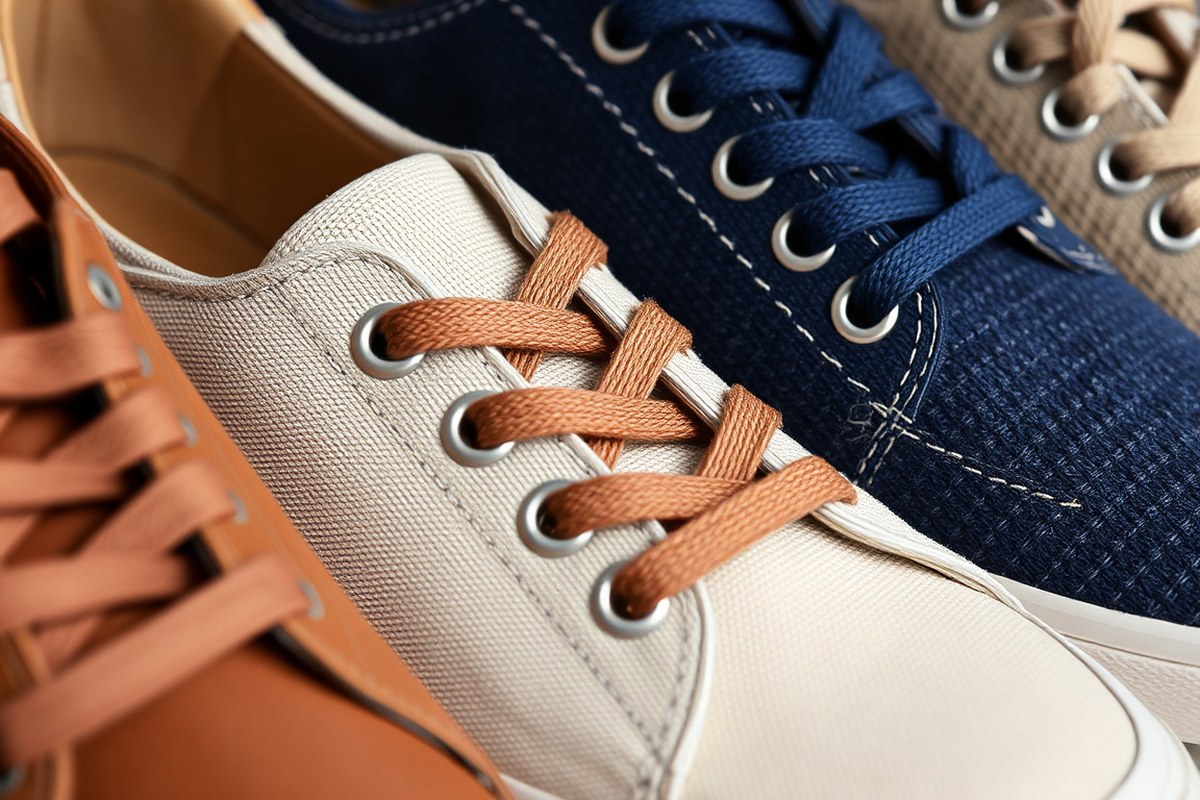
Trainers made of synthetic and sturdy materials are generally safe to wash in a machine, while delicate fabrics and natural materials like leather require gentler care. Knowing the fabric type is essential before deciding on machine washing or hand washing your trainers.
Materials Safe for Machine Washing
Most trainers with uppers made from mesh, canvas, nylon, polyester, or cotton can tolerate a washing machine cycle without losing shape or durability. These materials are water-resistant enough to avoid damage during the wash and dry cycle. Usually, regular trainers used for sports and casual wear fall into this category.
Using cold or lukewarm water settings helps maintain the integrity of synthetic fabrics. Avoid high-spin speeds to reduce agitation, which can damage stitching. For best results, use a gentle detergent and place your trainers inside a mesh laundry bag or pillowcase to protect them and your machine.
Materials to Avoid Machine Washing
Leather, suede, vinyl, and nubuck trainers typically cannot handle machine washing since water exposure causes cracking, stiffening, or color loss. Even some shoelaces made from leather or suede should be cleaned by hand to prevent damage. Washing machines can also warp or weaken delicate glues and finishes often found on luxury or designer shoes of these materials.
For these sensitive types, machine washing risks ruining the look and lifespan of your trainers. The material’s porous nature means water can saturate and degrade quality permanently, so always check the care label when unsure.
| Trainer Material | Machine Wash Suitable? | Recommended Cleaning Method |
|---|---|---|
| Mesh | Yes | Machine wash cold, gentle cycle, inside a mesh bag |
| Canvas | Yes | Machine wash cold or lukewarm, gentle cycle |
| Nylon/Polyester | Yes | Machine wash cold, gentle cycle, inside laundry bag |
| Cotton | Yes | Machine wash cold, gentle cycle |
| Leather | No | Hand wash with specialized leather cleaner |
| Suede/Nubuck | No | Hand wash with suede cleaner or brush |
| Vinyl | No | Wipe clean by hand with mild soap |
Alternatives for Delicate Materials
Hand washing is the safest cleaning method for delicate and natural materials like leather and suede. Use a soft cloth, a small amount of water mixed with a specialized cleaner, and gently scrub the surface. Avoid soaking these materials since excess water can cause staining and deformation.
For suede trainers, a suede brush or eraser can remove dirt without risking water damage. Leather trainers benefit from cleaners and conditioners tailored to retain moisture and flexibility. Spot cleaning and airing out between uses also help keep delicate trainers fresh without needing a deep wash.
Tip: Always remove leather or suede shoelaces and clean them separately by hand to preserve their texture and longevity.
How to Prepare Trainers for a Machine Wash Step-by-Step
Preparing trainers properly before machine washing protects their material and improves cleaning results. You need to remove certain parts, treat visible dirt, and secure your shoes to avoid damage. Following these steps makes sure your trainers come out looking better and lasting longer.
Removing Laces and Insoles
Take out the laces and insoles from your trainers before washing. This prevents them from tangling or getting damaged inside the washing machine drum. Removing insoles also helps the trainers dry faster and avoids trapping odor or dirt inside during the wash.
After removal, you can wash the laces separately. Putting them in a mesh laundry bag keeps them from tangling and allows them to get thoroughly cleaned. If you prefer, insoles can also be washed by hand or in the machine with the same protective bag.
Pre-Treating Dirt and Stains
Before washing, give your trainers a gentle scrub to remove tough stains or built-up mud. This step improves how well the machine wash cleans and prevents stains from setting in. Use a soft brush or cloth with mild detergent or a small amount of Persil Bio Liquid Detergent diluted in water.
Focus on the soles, fabric areas, and any spots with visible dirt. Avoid harsh scrubbing that might damage delicate materials. Let the trainers air dry a little if they were heavily soiled before continuing with the washing process.
Using a Mesh Bag or Pillowcase
Place your prepared trainers inside a mesh wash bag or a clean pillowcase. This protects the trainers and your washing machine from damage caused by banging around. It also helps keep everything contained during the cycle, preventing laces or small parts from escaping.
Tie or zip the pillowcase securely if you use one to stop the shoes from sliding out. Include the lace bag inside the same container if possible to wash everything together safely. Washing trainers on a cold cycle inside a mesh bag maintains their color and integrity. Use the following steps to get your trainers ready for machine washing:
- Remove the laces and insoles from each trainer.
- Brush off dry dirt and mud with a soft brush.
- Spot-clean any stains using a soft cloth and mild detergent solution.
- Place the laces inside a mesh laundry bag or a tied pillowcase.
- Put the trainers in a mesh wash bag or a separate pillowcase.
- Add the lace bag inside the same protective bag if possible.
- Use a cold wash cycle and a gentle detergent designed for colored fabrics.
- Start your washing machine and avoid mixing trainers with heavy or abrasive items.
Best Washing Machine Settings for Trainers
Choose the delicate or gentle cycle on your washing machine when cleaning trainers. This setting reduces agitation and spin speed, helping to protect the shoe’s shape and fabric from damage. Use cold or lukewarm water, ideally around 30°C (86°F), since hotter water may weaken adhesives or cause colors to fade.
Use a mild liquid detergent without bleach or fabric softeners. These products are harsh on shoe materials and can cause discoloration or stiffness. Liquid detergent dissolves more efficiently and rinses out better than powder, leaving no residue that might irritate your feet.
A typical wash cycle for trainers lasts between 30 and 45 minutes. This timeframe is enough to remove dirt without overworking the shoes. Avoid longer cycles as they increase wear on glued seams and fabric. Follow these machine setting guidelines for the best results:
- Select the gentle or delicate cycle
- Set water temperature to cold or lukewarm (around 30°C/86°F)
- Use a small amount of mild liquid detergent only
- Limit load size to one or two pairs of trainers per wash
- Turn trainers inside a laundry bag or pillowcase for extra protection
- Avoid bleach, fabric softeners, and harsh additives
- Keep the spin speed low or off to reduce stress on materials
These steps limit risks such as color fading, material degradation, and sole separation. Overloading the machine reduces cleaning effectiveness and may cause uneven wear. Washing fewer pairs at a time ensures water and detergent circulate freely around each shoe for thorough cleaning.
Using these settings helps maintain your trainer’s comfort and appearance after washing. Make sure to air dry your trainers afterward rather than using a dryer, which can shrink or warp shoe materials. By adjusting your washing machine carefully and selecting gentle options, you can safely refresh your trainers without cutting their lifespan short.
How to Dry Trainers After Machine Washing
Trainers should be air dried after machine washing to protect their adhesives and preserve their shape. Avoid using a tumble dryer because the heat and tumbling can damage the glue and distort the shoe. Using paper or towels inside the trainers while drying helps keep their form intact.
Air Drying Best Practices
Air drying is the safest method after washing trainers in a machine. Place your shoes in a well-ventilated area away from direct sunlight or heat sources, which can cause materials to warp or fade. It usually takes between 24 to 48 hours for trainers to dry completely under these conditions.
To speed drying without risking heat damage, remove the insoles and laces. Lay the shoes on a drying rack or hang them so air circulates inside and out. Patience is important as rushing this step can harm the shoe’s integrity.
Avoiding Dryer Damage
Putting trainers in a tumble dryer is not recommended. The high heat can melt or weaken the glue that holds the shoe layers together, while the tumbling action can deform them. Even at low heat settings, the combination of moisture and movement stresses the materials.
If your shoes are still damp after air drying, running a gentle spin cycle in the washing machine for about 20 minutes can help extract moisture without heat. Always place trainers inside a laundry bag during this to protect both the footwear and the machine. Avoid trying to dry them entirely with mechanical heat.
Using Stuffing to Maintain Shape
Keeping your trainers’ shape during drying is essential to prevent creasing and warping. Stuff the shoes with crumpled paper towels or clean, dry cloths before and periodically during drying. This absorbs moisture and supports the shoe structure.
Replace the stuffing every few hours until the shoes are dry, which helps manage moisture and maintains the trainer’s form throughout the drying period. This method is especially useful for sneakers made from mixed materials that soften when wet.
| Drying Method | Duration | Protection for Shoe Shape | Risk or Drawback |
|---|---|---|---|
| Air Drying | 24-48 hours, depends on ventilation | Use crumpled paper/towel stuffing to keep shape | Slow process, prone to environmental dust |
| Spin Cycle (no heat) | Approx. 20 minutes | Place shoes in laundry bag for protection | Only removes moisture, no actual drying effect |
| Tumble Dryer | Minutes (varies by machine) | Usually damages adhesive and warps shape | Not recommended due to heat and tumbling damage |
Applying these drying tips consistently will help your trainers dry fully without damage, preserving both appearance and function. The key lies in avoiding heat and supporting your shoes’ internal structure during the drying process.
Always avoid tumble drying washed trainers to prevent glue breakdown and distortion, stick to air drying with stuffing.
Common Mistakes When Washing Trainers in a Machine
Washing trainers in a machine can cause damage if you make some common mistakes. One is skipping the removal of insoles and laces before washing. These parts often require separate, gentler cleaning to avoid warping or discoloration. Another frequent error is using a high-temperature wash, which can weaken glue and warp materials. Most trainers need cold or warm water settings, not hotter than 30°C (86°F), to protect them.
Not protecting your trainers inside the machine is another issue. Running them alone can cause excessive banging against the drum and damage both the shoe and washing machine. A practical way to prevent this is putting trainers inside a mesh laundry bag or wrapping them in towels. If you don’t have a mesh bag, use an old pillowcase tied tightly to avoid unnecessary impact and keep dirt contained.
- Failing to remove insoles and laces before washing
- Using hot water or harsh cycle settings above 30°C (86°F)
- Washing trainers without any protective bag or padding in the drum
- Overloading the washing machine, preventing proper cleaning and rinsing
- Using bleach or harsh detergents that degrade materials and cause color fading
- Allowing trainers to get trapped in the washing machine’s agitator or other parts
- Not airing trainers properly after washing, which leads to odor and hygiene problems
Bad smells and hygiene issues often come from not drying trainers thoroughly. Moisture trapped inside creates a breeding ground for bacteria and mold. After washing, always let trainers air dry completely at room temperature. Avoid direct heat from radiators or dryers, as heat can deform materials and cause adhesive failure.
Washing trainers without a mesh bag requires careful preparation. Use a tightly tied pillowcase filled with towels to cushion impact. Make sure to add extra towels to balance the load and reduce banging noises. This setup will protect the trainers and the washing machine, while still allowing water and detergent to penetrate and clean effectively.
How Often Should You Machine Wash Your Trainers?
Washing trainers in a machine too often can cause damage and reduce their lifespan, so it is best to limit machine washes to when they are visibly dirty or have an unpleasant odor. For most people, running trainers through a gentle cold-water cycle every few weeks or after heavy use is sufficient. Using a cold wash helps protect the materials and stitching while still removing grime. Washing too frequently or using hot water may cause the glue to weaken or fabrics to fade.
Between machine washes, maintaining clean trainers with quick spot cleaning can keep them fresh and extend the time between full washes. Wiping the surface with a damp cloth and mild soap removes dirt without needing to soak them. Dry-rubbing areas like the tongue and collar helps avoid stains setting in. Taking out the insoles and laces to wash separately by hand also preserves the shape and appearance while targeting hidden dirt and odors.
For hygiene, airing trainers out after each wear helps reduce moisture buildup and bacterial growth. Leaving them in a well-ventilated area or using shoe deodorizers prevents smells without a full wash. However, if you sweat heavily or wear trainers for intense activities, washing more often, around once every one to two weeks, may be necessary to avoid fungal infections or lingering odor. In more casual daily use, washing every month or two should be adequate.
The actual time and effort for a machine wash are relatively low. Preparing trainers involves removing laces and insoles, placing shoes in a pillowcase or laundry bag, and running a gentle cold cycle that usually lasts under an hour. Using cleaning agents designed for delicate fabrics helps protect the shoes. After washing, air drying is critical; a dryer can deform trainers or shrink materials. This routine costs only a small amount of water and detergent and saves money compared to replacing worn shoes.
Good results look like trainers that are visibly cleaner, odor-free, and maintain their structure. Problems arise if trainers are washed too frequently or on harsh cycles, which can lead to discoloration, sole separation, or fabric fraying. Heavy dirt or mud should be brushed off before machine washing to avoid excessive wear on the machine and shoes. Paying attention to how your trainers respond over time will help you adjust how often to wash them for the best balance of cleanliness and longevity.
Tips to Extend Trainer Life and Freshness Between Washes
Keeping your trainers fresh without washing them frequently helps extend their life and maintain their look. Using dedicated shoe care products and following good habits can control odor and dirt build-up effectively. This reduces the need for harsh washing cycles that might weaken materials or adhesives.
Shoe deodorizing sprays or powders are affordable options for controlling odor. Products with activated charcoal or baking soda neutralize smells and absorb moisture. Spray the inside lightly after removing insoles, or sprinkle powder and leave it overnight.
Cleaning the surface regularly with a soft brush or cloth keeps dirt from embedding. Mild soap diluted in warm water cleans without damaging common trainer fabrics like mesh, synthetic leather, or canvas. Avoid soaking; instead, wipe and air dry promptly.
Using sneaker balls or small sachets containing moisture-absorbing beads inside your trainers helps keep the interior dry and prevents mold or mildew odors. Replace these every 1 to 2 months depending on use and humidity.
- Remove insoles and laces before applying deodorizer or cleaning
- Use a soft brush to remove loose dirt weekly
- Spot clean with mild detergent diluted in warm water, not soaking
- Apply shoe deodorizing sprays or sprinkle baking soda inside regularly
- Use moisture-absorbing inserts and replace them periodically
- Store trainers in a well-ventilated area to prevent dampness buildup
Proper care products designed for trainers are usually low cost, ranging from $5 to $15 for sprays or powders. Investing in them reduces how often you need full washes and prevents premature wear caused by excess moisture or harsh detergents. These methods also help maintain color and grip quality, which fade when trainers are machine washed too often.
Always allow trainers to air out completely before wearing or storing them to prevent persistent odors and bacteria growth.
Applying these steps consistently keeps your trainers fresh and avoids the risk of machine damage. It also saves time and money by reducing the frequency of deep clean cycles. Between washes, this routine refreshes your shoes and extends how long they remain comfortable and looking good.
Step-by-Step Action Plan
Follow these steps carefully to wash your trainers in the machine without damage and keep them fresh for longer.
- Before washing: Remove the laces and insoles to wash separately or by hand; this prevents tangling and protects them from damage.
- Preparation phase: Brush off loose dirt and debris gently to avoid grinding dirt during the wash cycle.
- Loading phase: Place trainers inside a mesh laundry bag or pillowcase to reduce wear and protect the washing machine drum.
- Setting selection: Use a cold, gentle cycle with low spin speed and a mild detergent to avoid shrinking or damaging materials.
- After washing: Remove trainers promptly and stuff them with paper towels to maintain shape while air-drying, avoiding direct heat or sunlight.
- Drying check: Monitor drying progress; trainers should dry in 24 to 48 hours, ensuring no moisture remains inside before reassembly.
- Reassembly: Put the insoles and laces back once the trainers are completely dry to prevent odor and shape issues.
- Maintenance: Spot clean weekly and air out trainers after use to keep them fresh longer and reduce the need for frequent machine washes.
Frequently Asked Questions
What Is the Best Way to Clean My Trainers?
The best way to clean trainers depends on their material, but generally, machine washing canvas and synthetic trainers on a gentle cycle with cold water works well. Hand washing is safer for delicate shoes to avoid damage.
How Can I Machine Wash My Sneakers Without Ruining Them?
Use a gentle cycle with cold water and place trainers in a laundry bag or pillowcase to protect them. Remove laces and insoles first, and avoid using the dryer to maintain shape.
Is It Safe to Wash Sneakers in a Washing Machine?
Washing trainers in a machine is safe for canvas and synthetic materials if you follow specific steps like using a gentle cycle and protective barriers. Avoid washing leather or delicate shoes this way.
Can I Just Throw My Shoes in the Washer and Dryer?
Do not simply throw trainers in the washer or dryer; proper preparation and drying methods are important to avoid damaging the shoes or machine. Air drying is recommended over using a dryer.
How to Wash Your Trainers in the Washing Machine?
Remove laces and insoles, place trainers in a laundry bag, use a gentle cycle with cold water, and add mild detergent. Skip the spin cycle and let them air dry for best results.
What Should I Do If My Trainers Smell After Washing?
To reduce odor, let trainers dry completely in a well-ventilated area and consider using baking soda or odor-absorbing inserts between wears. Proper drying prevents smell buildup after washing.
Final Thoughts
Machine washing trainers can work well if you follow careful preparation and use the right settings. Taking these precautions helps avoid damage and keeps your trainers looking and feeling clean. Start by checking your trainer’s material and prepping them correctly before their next wash cycle for the best results.