Do Dry Cleaners Remove Stains? What Actually Works and What Doesn’t
Dry cleaners can remove many types of stains using specialized solvents and targeted treatments, but they cannot guarantee complete removal every time. The effectiveness depends on the stain type, age, and fabric. If you want to know do dry cleaners remove stains well enough for your garments, this article explains what works and what doesn’t.
This information is for anyone considering professional stain removal for delicate or difficult-to-clean clothing. You’ll learn which stains dry cleaners handle best, how the process affects different fabrics, and how you can improve your chances of success before dropping off your clothes.
Key Takeaways
- Dry cleaners use special solvents that dissolve oils and grease, often the hardest stains to remove at home.
- Stains like ink, oil-based makeup, and red wine respond well to professional dry cleaning treatments.
- Set-in or old stains become harder to remove, so bring clothes to dry cleaners as soon as possible.
- Delicate fabrics are generally safe for stain removal through dry cleaning, but confirm with your cleaner first.
- Most dry cleaning, including stain removal, takes 1 to 3 hours, with garment returns typically within 24 to 48 hours.
- Dry cleaners usually charge extra for stain treatment, ranging from $1 to $10 depending on the stain and garment.
Can Dry Cleaners Remove Stains Effectively?

Dry cleaners generally remove stains effectively, but results depend on several important factors. They use special solvents and processes tailored to the stain type and fabric, which gives them better chances than common household treatments. For instance, oil-based stains like grease and motor oil dissolve in solvents such as perchloroethylene (“Perc”) or hydrocarbon cleaners, enabling dry cleaners to remove them without harming fabrics. They also apply enzyme-based spot cleaners for protein stains like blood and sweat, breaking down these organic materials so they wash out more easily during the cleaning cycle.
Even with these advanced methods, dry cleaning does not guarantee every stain will come out completely. Stains that have set deeply into the fabric or are very old become difficult to remove because time and heat cause the stain molecules to bond with fibers. Ironing or drying stained clothes before professional cleaning can also set stains permanently, reducing the chance of removal. Prompt treatment is important since fresh stains respond better to solvents and spot treatments.
Dry cleaners tailor their approach by first identifying the stain type and fabric to decide which solvent or enzymatic treatment to use. They can handle many common stains such as tannin-based ones from coffee and wine, grease, protein stains, water-based blemishes like mud, and some dye spills. However, some stains prove challenging or impossible, including old, set-in stains, certain dye stains from fabric bleeding, or damage caused by corrosive substances. Delicate or particularly sensitive fabrics may also limit stain removal options because harsh treatments risk damage.
When bringing stained clothes to a dry cleaner, clear communication about the stain’s origin and how long it has been there can help professionals apply the best treatment. Specialized stain removal services, sometimes available for tough cases like yellow deodorant stains or silk garments, involve advanced solvents or multiple treatments and may cost more but improve success rates. These services are advisable for valuable or delicate items where stain removal is a priority.
In summary, dry cleaners remove many stains effectively by using solvents and enzymatic cleaners targeted to stain type while applying expert knowledge to protect the fabric. They perform best when stains are fresh and well-identified but do not guarantee complete removal in all situations, especially with old or set-in stains. Acting quickly and consulting trusted dry cleaners increases the chances that your stains will come out during the professional cleaning process.
Which Stains Are Most and Least Removable by Dry Cleaning?
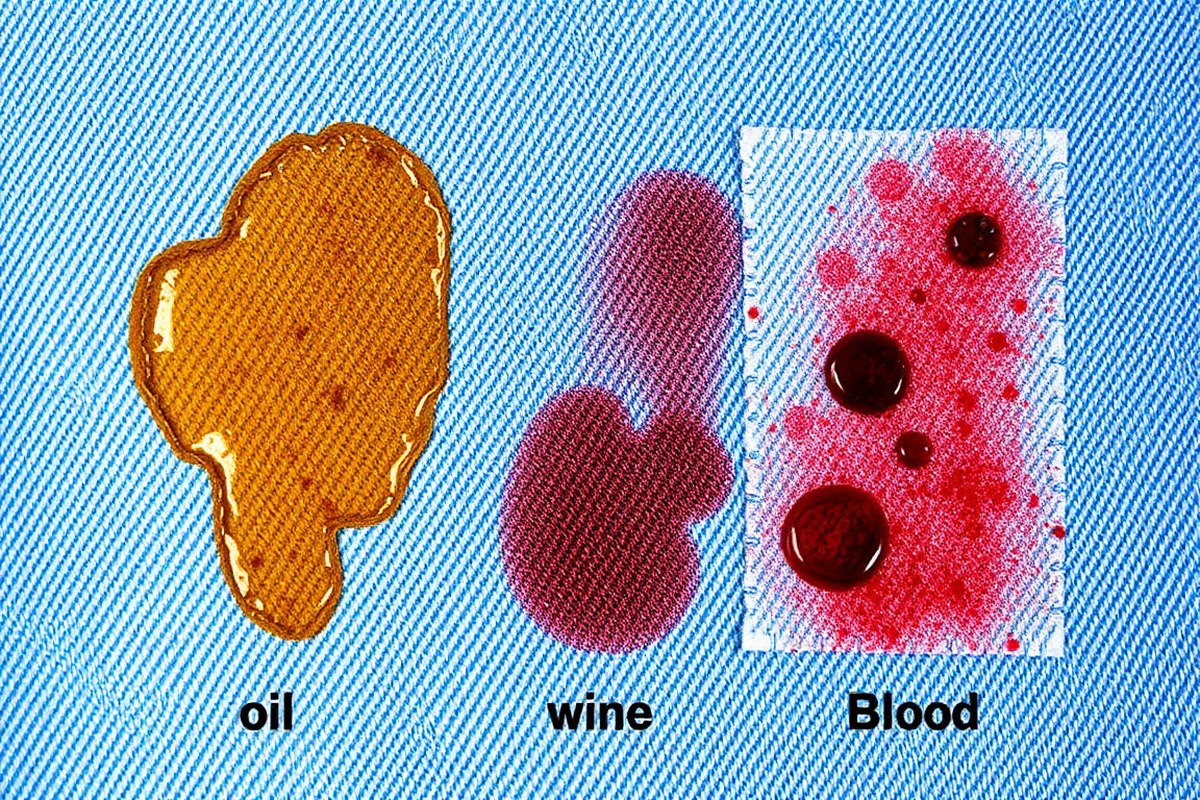
Dry cleaners specialize in removing a wide range of stains, thanks to their use of chemical solvents and targeted spot treatments. They excel at tackling oil-based stains, tannin stains like wine, and protein stains such as blood and sweat. These stubborn marks break down when treated with the right solvent and enzyme solutions. However, certain stains can be challenging or impossible to remove completely, especially if they have set in or caused fabric discoloration over time.
| Type of Stain | Removability by Dry Cleaning | Reason and Treatment |
|---|---|---|
| Oil and Grease | Highly Removable | Solvents dissolve oils; experienced cleaners apply specialized spot treatments |
| Wine (Tannin-based) | Usually Removable if Treated Quickly | Solvents and tannin-targeted agents break down the stain before it sets |
| Blood and Sweat (Protein-based) | Mostly Removable | Enzyme solutions break down proteins; quick action improves success |
| Ink | Often Removable Depending on Ink Type | Solvents target dyes and pigments, but success varies by ink and fabric |
| Permanent Bleach | Not Removable by Standard Solvents | Colour-restoration with dye or fabric pens may be attempted |
| Old or Set-in Stains | Difficult to Remove | Stains may have caused discoloration, which solvents cannot reverse |
Ink stains vary widely, but many common ink and dye spots respond well to dry cleaning solvents. The key is to inform your cleaner about the exact type of ink if possible, as this helps them choose the best treatment method. Sweat stains, largely protein-based, often respond well to enzyme treatments, while wine stains can require prompt attention to avoid becoming permanent. However, permanent bleach marks are exceptions since chemical solvents cannot restore lost colour; some cleaners may try dye-based repairs, but results vary.
Act swiftly and clearly describe the stain to your dry cleaner to improve the chances of complete removal.
How the Dry Cleaning Process Removes Different Stains
Dry cleaning removes stains by using specialized chemical solvents instead of water, which dissolve oils and grease that water-based cleaning cannot. The process combines solvent washing with targeted spot treatment to break down various types of stains without damaging delicate fabrics. Multiple solvents and techniques allow dry cleaners to handle stains ranging from oil-based spots to ink and even some protein stains, though effectiveness varies by stain type.
Common Solvents Used in Dry Cleaning
The primary solvent traditionally used in dry cleaning is perchloroethylene (perc), known for its strong ability to dissolve oil and grease stains. It’s effective on tough stains such as makeup, food oils, and motor oil residues. Newer solvents like hydrocarbon, siloxane, and liquid CO2 are increasingly popular due to lower toxicity and environmental concerns while maintaining good stain removal performance.
These solvents work by penetrating fabric fibers to dissolve oily residues that water and detergent cannot touch. They are gentle on materials like silk, wool, and synthetic blends, which might shrink or fade with conventional washing. Typically, the cleaning cycle involves circulating the solvent through a drum containing the clothes for 10 to 30 minutes at controlled temperatures, followed by drying to evaporate the solvent.
Spot Treatment and Pre-Cleaning Methods
Before using the solvent wash, dry cleaners often perform spot treatment to target visible stains directly. Pre-treatment involves identifying the stain type, then applying specialized chemicals to loosen it. For oil-based stains, solvents alone can be enough, but protein stains like blood usually require enzymatic pre-treatment to increase removal likelihood.
This step can take 5 to 15 minutes depending on the stain’s nature and severity. It may include blotting or gently rubbing stain removers or pre-treaters on the affected area, followed by allowing time for them to work. Successful spot treatment improves the final cleaning result and reduces the chance the stain will set irreversibly during the solvent wash. Dry cleaners typically follow these steps for stain removal:
- Inspect the garment to identify stain types and fabric care labels.
- Apply an appropriate pre-treatment or spot remover based on the stain.
- Allow the treatment to dwell for a prescribed time, usually between 5 to 15 minutes.
- Place garments in the dry cleaning machine and start the solvent wash cycle.
- Circulate solvent for 10 to 30 minutes, dissolving stubborn stains from fabric.
- Drain solvent and pass warm air to dry garments and evaporate residual chemicals.
- Perform a final inspection to check if spot treatment needs repeating.
- Return cleaned garments to the customer.
Eco-Friendly Alternatives and Their Effectiveness
Some dry cleaners use eco-friendly solvents such as liquid carbon dioxide or wet cleaning methods that combine water with biodegradable detergents. Liquid CO2 cleaning uses pressurized carbon dioxide in a closed loop, minimizing solvent emissions and offering mild, yet effective stain removal. Wet cleaning, although water-based, is a professional technique that carefully controls water temperature and mechanical action to protect delicate fabrics.
These greener options generally work well on oil-based and grease stains, similar to traditional solvents. However, wet cleaning might be less effective on some ink or protein stains that need specialized pre-treatments, so it’s important to disclose stains clearly beforehand. While eco-friendly dry cleaning often costs a bit more, sometimes $5 to $15 extra per garment, the environmental benefits and safer chemical exposure may outweigh the price increase.
Does Stain Age or Set-In Nature Affect Removal Chances?
Stain age and how long a stain has set into fabric greatly influence the chances of successful removal by dry cleaners. Fresh stains are more likely to come out completely because the stain particles have not bonded strongly with the fibers yet. The longer a stain sits untreated, the more it seeps into the fabric and can become fixed, especially if exposed to heat from dryers or irons. Dry cleaners can handle many stains, but those that are old or heat-set often only lighten rather than disappear.
The timing of taking your garment to a dry cleaner is very important. Ideally, you should bring the item within a day or two of the stain happening. Prompt communication about the stain’s type, age, and fabric allows the cleaner to choose the best pre-treatment and cleaning method right away. Acting faster improves removal success because pre-treatment chemicals work best on fresh or moist stains before they dry out or become embedded deeply in the fabric.
Pre-treatment involves applying stain removers directly on the affected area before the main dry cleaning process. This step breaks down oil or water-based stains and increases the chance they can be lifted from the fabric. Communicate the exact nature of the stain to the cleaner, such as if it’s from ink, wine, grease, or something else. Information about what happened to the garment after staining, like if it’s been washed, dried, or ironed, helps the cleaner plan the treatment.
| Stain Age/Condition | Typical Dry Cleaning Result | Impact on Removal Success |
|---|---|---|
| Fresh (within 24-48 hours) | Most often fully removed | High success with proper pre-treatment |
| Set-in (days to weeks old) | Usually lightened but may not fully disappear | Moderate success depending on fabric and stain type |
| Heat-set (after drying or ironing) | Often only partial removal or fading | Lower success; stain particles bonded to fibers |
| Unknown or long-term stains (months or more) | Frequently only slight improvement | Lowest success; risk of permanent staining |
Skill level and the quality of equipment at the dry cleaner’s facility also affect how well stains come out. Experienced technicians know which solvents and temperatures to use for specific fabric-stain combinations. They apply treatments carefully to avoid damaging sensitive materials.
Timing your visit right after noticing a stain while giving clear details on what caused it and what you’ve done so far helps the dry cleaner tailor the treatment. This approach saves you time and cost since intensive or repeated treatments drive prices up. Expect better results when you work closely with your cleaner and act quickly to address stains.
Are Delicate Fabrics Safe for Dry Cleaning with Stains?
Delicate fabrics like silk, satin, leather, and fur are generally safe to dry clean even if stained. Professional dry cleaners use gentle solvents and specialized equipment to treat these materials carefully, avoiding damage to fabric fibers and dyes. However, some items, especially those with water-sensitive dyes or structural elements like sequins, may not be suited for dry cleaning.
Gently Handling Silk, Satin, and Similar Fabrics
Silk and satin are prone to water stains and color fading, but dry cleaning employs solvents such as perchloroethylene or hydrocarbon that do not use water. These solvents effectively dissolve oil-based and many protein stains without harming the delicate fibers. During the process, the cleaning machine agitates the fabric gently while applying these solvents, which lifts stains away without rough mechanical action. This controlled environment helps preserve the sheen and softness of these fabrics.
Dry cleaners also test fabric dyes and fastness before cleaning to ensure colors won’t bleed or fade. This testing helps avoid discoloration, maintaining the garment’s appearance even after stain removal.
Protecting Leather, Fur, and Other Sensitive Materials
Leather and fur need special care due to their structure and potential sensitivity to solvents. Dry cleaning shops use specific solvent formulas and low-temperature settings to break down oils and dirt stains without stripping natural oils from leather or damaging fur pelts. Stain treatment is done carefully by spot cleaning or applying mild pre-treatment solvents before the overall cleaning cycle.
For these materials, the process often includes conditioning steps after cleaning to keep the texture soft and prevent cracking or drying out. Not all leather items are suitable for typical dry cleaning, so professional evaluation is essential.
Limitations: Fabrics and Conditions to Avoid
Some fabrics, even delicate ones, should not be dry cleaned if stains are present or if the garment requires special care. For example, items with water-sensitive dyes, glued-in trims, or loose embellishments risk damage during solvent cleaning. Delicate knits or very old garments might also shrink or distort under dry cleaning if not handled properly.
Also, garments that have chemical damage such as bleach stains, burns, or areas with worn-out fabric cannot be repaired by cleaning and might worsen after processing. In these cases, alternative stain removal methods or garment restoration are preferable.
Communicating with Your Dry Cleaner for Best Results
To protect delicate fabrics, always point out the exact stain location and type when you drop off your clothes. Dry cleaners use this information to select the safest solvent and spot treatment method. Many professional shops price stain removal as an add-on service, which may cost between $5 and $20 per stain depending on severity and fabric sensitivity.
Requesting a dye test or fabric spot test before full cleaning can prevent surprises. It also helps the cleaners decide if your delicately stained garment is a good candidate for dry cleaning or if other care is recommended.
Avoid home stain treatments on delicate fabrics before dry cleaning to prevent dye bleeding or fabric damage that professionals cannot reverse.
How Long Does Stain Removal Take at the Dry Cleaner?
Dry cleaning with stain removal usually takes between one and three hours, depending on the garment’s material and how deeply the stain has set. Standard dry cleaning services often return your clothes within 24 to 48 hours, providing enough time for the cleaner to inspect the fabric, apply treatment to specific stains, and complete the overall cleaning process. Complex or heavily stained items may require more time as the cleaner might use multiple stain removers and repeat treatments to achieve the best result.
When you bring a stained garment to the dry cleaner, clearly point out the spot and share key details about the stain, such as what caused it, how old it is, and whether you’ve tried to treat it at home. This information helps the cleaner select the right solvents and techniques quickly, often shortening turnaround times. Some cleaners also offer spot cleaning, which treats only small stains without a full cleaning cycle, usually reducing both time and cost.
Rush services are available at many dry cleaners for an extra fee, letting you get your stained clothes back within a few hours or even the same day. These options are helpful when you need the garment quickly, for example before an event. Prices for expedited stain removal can vary, but expect to pay additional fees that range from $5 to $15 per item depending on the urgency and complexity of the stain treatment.
Factors influencing dry cleaning timing include the fabric type, stain severity, and the cleaner’s equipment and expertise. Delicate fabrics or difficult stains might require careful pretreatment with solvent-based stain removers that mimic the dry cleaning process. Applying these specialized chemicals can take extra time, but they improve the chance of successful stain removal without damaging the garment.
Good results mean the stain is removed or visibly reduced, and the fabric’s texture and color remain intact. Poor outcomes often happen if the stain is old and set in, or if previous home treatments altered the fabric’s response to solvents. In these cases, dry cleaning can still freshen and deodorize the garment, though the stain may not disappear completely.
Costs for stain treatment usually add $1 to $10 per garment on top of the basic dry cleaning charge. Knowing this upfront helps you decide whether to opt for full cleaning, spot treatment, or rush services. Communicating clearly with your dry cleaner about timing needs and spot conditions ensures the best service within your schedule and budget.
What to Do Before Bringing Stained Clothes to Dry Cleaners
Taking the right steps before bringing stained clothes to a dry cleaner helps improve the chances of successful stain removal. Avoid trying to wash the stain yourself with water or soap. Doing so may cause the stain to set deeper into the fabric, making it harder for dry cleaning solvents to dissolve it. Instead, act quickly by identifying the stain type and gently blotting any excess liquid or solid without rubbing.
Recognizing whether a stain is likely permanent or removable guides your communication with the dry cleaner. Fresh stains such as grease, makeup, ink, or food usually respond well to dry cleaning. Older stains that have been through multiple wash cycles or been exposed to heat are more difficult. If you notice discoloration has penetrated the fabric deeply or changed the texture, these signs could mean the stain has set in permanently.
- Blot any excess stain carefully with a clean, dry cloth or paper towel, from the outside in
- Avoid using water or household cleaning products on the stain
- Note the stain’s origin, time of occurrence, and any home treatment attempted
- Keep the stained garment in a breathable bag or the original dry cleaning bag to avoid further contamination
- Check garment labels for any special handling instructions
- Contact the dry cleaner as soon as possible to discuss the stain type and urgency
Following this checklist keeps the stain as natural and uncontaminated as possible, which helps professional cleaners identify the right solvents and techniques. When you arrive, clearly describe the stain’s cause and let the experts evaluate its condition. Applying home remedies like scrubbing or soaking often adds complexity to stain removal by breaking down fibers or spreading the stain further, which can increase your cleaning cost or risk permanent damage. Acting quickly, handling the stain gently, and providing clear information allows dry cleaners to work efficiently and deliver the best possible results. Timely action typically requires minimal extra effort or cost on your part beyond proper care before the drop-off.
How to Communicate Stains Clearly to Your Dry Cleaner
Giving your dry cleaner clear and detailed information about a stain improves the chances of effective removal while protecting your garment. Describe the stain’s type, size, location, and any past removal attempts so the cleaner can select the right solvents and techniques.
Details to Share About the Stain
Start by telling the dry cleaner what kind of stain you’re dealing with, such as oil, protein (like blood or sweat), tannin (coffee, tea), or dye-based stains. Be specific about where the stain is on the garment and how large it is. Mention the fabric type since some materials require gentler cleaning processes. Also, disclose any previous stain treatments you tried at home, for example, if you used detergent, bleach, or spot removers. This helps the cleaner avoid damaging the fabric or setting the stain further.
For example, you might say: “This is a 3-inch oil stain located on the left sleeve of a wool blazer. I dabbed it with dish soap about two days ago but didn’t rinse or launder it.” This script tells the cleaner the stain’s size, position, type, fabric, and the timing of your intervention, all key for tailored treatment.
Common Misconceptions and Facts
Many believe dry cleaning will automatically remove all stains, but some stains are more stubborn, such as pen ink from fountain pens. Dry cleaning solvents target oil-based and protein stains more effectively than some inks or waxes. Clarifying what the stain is prevents unrealistic expectations. Also, don’t assume that dry cleaning can fix stains set in for months or years; older stains can be much harder or impossible to remove completely, but dry cleaning can reduce their appearance.
A common myth is that you should try to wash or scrub stains before bringing clothes to the dry cleaner. Harsh scrubbing or washing can actually spread or embed the stain deeper. Instead, blot gently and bring the garment in as soon as possible with full stain details.
Steps to Take If Stain Persists
If the stain is still visible after dry cleaning, ask the cleaner what was done and for advice on next steps. Sometimes a second or alternative cleaning method might help. You can request a more intensive spot treatment if safe for the fabric. Keep in mind that repeat cleanings may wear fabric or alter colors, so weigh the garment’s value and condition.
Sometimes professional wet cleaning or specialty stain removal services can address stubborn marks that standard dry cleaning misses. Discuss additional processes or expert referrals with your cleaner. Be ready to accept some stains might not fully disappear but can still be minimized to avoid ruining your garment.
Always inform your dry cleaner about any home stain removal attempts to avoid fabric damage from incompatible chemicals.
Step-by-Step Action Plan for Stain Removal with Dry Cleaning
Follow these steps to get the best results when using dry cleaners for stain removal.
- Before You Go: Identify and note the type and location of each stain on your garment. This helps the dry cleaner treat them properly.
- At Drop-Off: Clearly communicate the stain details to the dry cleaner. Ask if specific stains, like ink or grease, are treatable on your fabric.
- During Processing: Allow the dry cleaner time for pre-treatment, as some stains may need special solvents before the main cleaning.
- When Picking Up: Inspect the garment in good light to check stain removal success. Point out any lingering stains immediately.
- Within 24 Hours After Pickup: If stains remain, return the item quickly for a follow-up treatment, as the chance of removal drops over time.
- Ongoing: Prevent future stains where possible and treat fresh stains promptly before going to dry cleaning.
Frequently Asked Questions
Does Dry Cleaning Remove All Types of Stains?
Dry cleaning removes many stains but not all. Some, like ink or set-in dye, may resist removal or require special treatment.
Can Dry Cleaners Remove Old, Set-In Stains?
Older stains are harder to remove but not impossible. Dry cleaners use stronger solvents and treatments for set-in stains, though success varies by fabric.
Do Dry Cleaners Use Different Solvents for Various Stains?
Yes, they choose specific solvents based on stain type, such as Perc for oil or enzymatic cleaners for protein stains, improving removal effectiveness.
Can Dry Cleaning Damage Stained Delicate Fabrics?
When done properly, dry cleaning is safe for delicate fabrics, using gentle solvents designed not to harm fibers while targeting stains.
How Should You Prepare Stained Clothes for Dry Cleaning?
You should point out stains to the cleaner and avoid trying harsh home treatments that can set stains permanently.
Will Dry Cleaning Remove Grease Stains from Clothing?
Dry cleaning is effective on grease stains because solvents dissolve oils, making these tough stains easier to remove than with home washing.
Key Points to Remember
Dry cleaners can remove many common stains effectively, especially if you act quickly and communicate clearly about the stain types. Recognizing the limits of dry cleaning with set-in or delicate stains helps set realistic expectations. Start by bringing your stained item to a trusted cleaner with full information on the stains and your fabric’s care needs.