How Much Bleach for Laundry: A Complete Guide with Safe Dosages and Tips
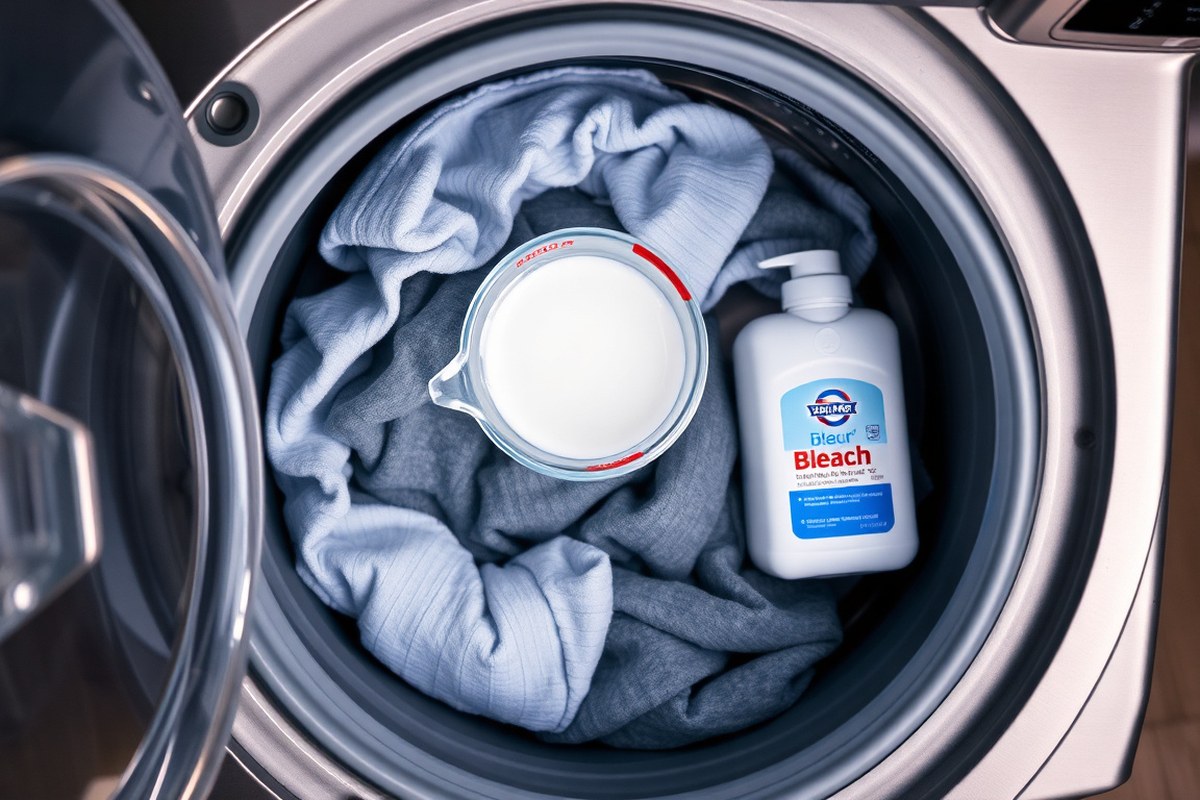
For a typical top-loading washing machine load, measure about 2/3 cup (5.3 fluid ounces) of liquid bleach. Add the bleach after the wash cycle starts or use a built-in bleach dispenser to avoid harming your garments. This method gives clear instructions on the correct bleach quantity and safe usage during laundry.
You will learn how much bleach to use for different fabrics and stains, the difference between chlorine and oxygen bleach, and how to handle bleach safely. Following these tips can keep your clothes whiter, sanitize effectively, and avoid common mistakes.
Key Takeaways
- Use 2/3 cup of liquid chlorine bleach for a full 12-pound load in a top-load washer.
- Add bleach 5 minutes after washing starts or use the dispenser to protect fabrics.
- Oxygen bleach is milder and less effective for sanitizing than chlorine bleach.
- Soak white clothes for 5 to 10 minutes in bleach to brighten and sanitize.
- Keep bleach contact time at about 10 minutes for best sanitizing results.
- Use 1/4 cup bleach per gallon of cool water for hand washing stains safely.
How Much Bleach Is Needed per Laundry Load?
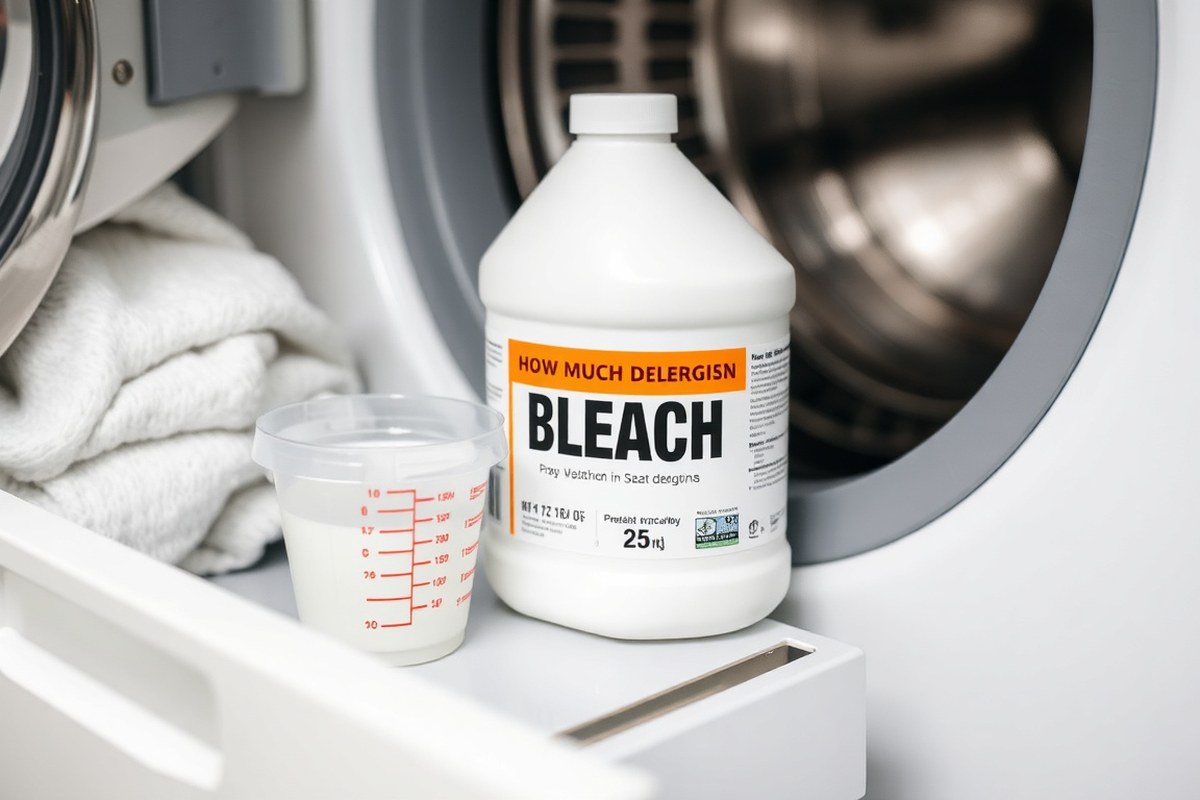
Use between ¼ cup and 1 cup of liquid bleach per laundry load, varying with your washer type and the load size. A top-load washing machine with a full load (about 12 pounds) typically requires roughly ⅔ cup or 5.3 fluid ounces of bleach. Using the right amount prevents fabric damage and ensures effective cleaning and sanitizing. For smaller loads, reduce the bleach to avoid over-concentration.
Front-load washers generally use less water, so use the lower end of the bleach range to protect fabrics and avoid residue. Large or heavily soiled loads demand more bleach but never exceed 1 cup per load to maintain safety and fabric integrity. Adding more bleach than recommended won’t improve cleaning results and risks fading fabrics and irritating skin.
| Load Size | Drum Capacity | Recommended Bleach Amount |
|---|---|---|
| Small | 1/3 Full | ¼ to ½ cup |
| Medium | ½ to ⅔ Full | ½ to ¾ cup |
| Large / XL | Full | Up to 1 cup |
Exactly how much bleach you add depends on the load weight, water amount, and soil levels. For lightly soiled smaller loads, start with 2 tablespoons up to ¼ cup. For regular cotton whites, use ¼ to ½ cup. Heavily soiled or large loads can take ½ to 1 cup safely if fabric care labels allow. Avoid packing the washer since bleach needs enough water circulation to work properly. Always add bleach to the dedicated dispenser or dilute it in water before adding clothes to prevent spotting.
Differences Between Chlorine Bleach and Oxygen Bleach
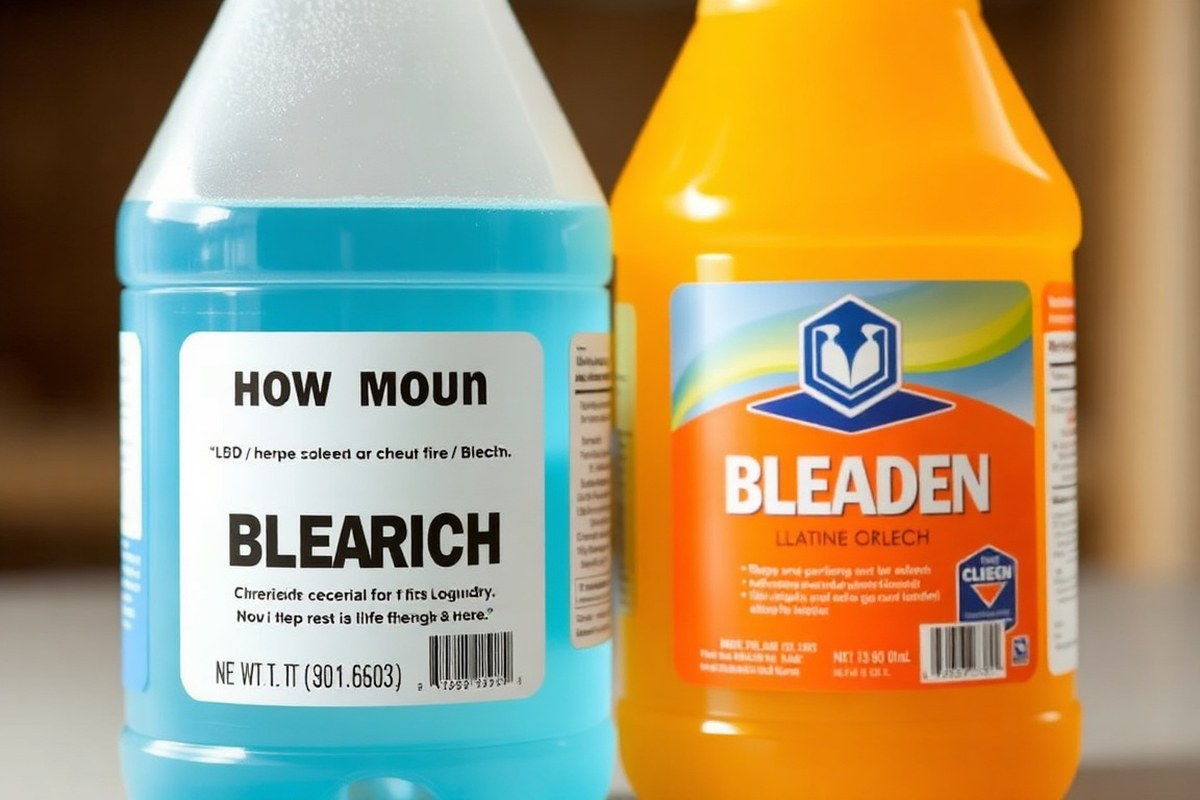
Chlorine bleach and oxygen bleach differ in their chemical action, fabric safety, and best uses. Chlorine bleach works aggressively to whiten pure whites and disinfect laundry but can damage delicate or colored fabrics. Oxygen bleach is gentler, safe for colors and most fabrics, and suitable for regular brightening without harsh damage.
Chlorine Bleach: Uses and Risks
Chlorine bleach uses chemical oxidation to break down stains and whiten fabrics. It’s effective on pure white cotton and synthetic blends needing sanitizing or heavy stain removal. Its strong action kills germs but can thin fabric fibers or cause yellowing when overused or undiluted.
Chlorine bleach has a strong, pungent scent and should be used cautiously. It’s not suitable for colored or delicate fabrics like wool, silk, or activewear. Always check the fabric care label before use and avoid mixing it with other bleaches to prevent harmful reactions.
Oxygen Bleach: Benefits and Limitations
Oxygen bleach releases oxygen molecules that gently lift stains and brighten clothes. Common types include hydrogen peroxide and sodium percarbonate. It’s often labelled as color-safe bleach and is generally safe on colors and delicate whites without the harshness or strong smell of chlorine bleach.
This gentler bleach is effective for regular laundry brightening and stain treatment on most fabrics but isn’t as strong or fast-acting on heavy, set-in stains as chlorine bleach. It’s best for washable colored clothes or whites when you want to avoid fabric damage and discoloration.
Fabric Compatibility for Each Bleach Type
Fiber content and fabric care labels determine which bleach to choose. Chlorine bleach is best reserved for durable pure whites that can tolerate strong chemicals, such as cotton towels or sheets. Oxygen bleach suits colored garments, delicate whites, and blends.
Using chlorine bleach on colored or delicate items can cause fading, weakening, or yellowing. Oxygen bleach avoids these issues, making it preferable for regular wash cycles involving multiple fabric types. Sorting laundry by color and fabric type before bleaching helps protect your clothes.
| Feature | Chlorine Bleach | Oxygen Bleach |
|---|---|---|
| Action | Chemical oxidation (aggressive) | Oxygen release (gentle) |
| Best For | Pure whites & sanitizing | Colors & delicate whites |
| Fabric Risk | High (can thin/yellow fabric) | Low (generally safe) |
| Scent | Strong, pungent | Mild or scentless |
Select chlorine bleach for heavy-duty whitening and sanitizing of sturdy whites. For most colored items and delicate fabrics, oxygen bleach is the safer choice, preventing damage or color loss while still freshening clothing.
Never mix chlorine bleach with oxygen bleach, as this can cause dangerous chemical reactions and reduce cleaning effectiveness.
When and How to Add Bleach During the Washing Cycle
Bleach should be added early in the washing cycle, ideally right after the machine fills with water and before the wash agitation starts. This timing ensures that the bleach dilutes properly and contacts fabrics evenly for effective whitening and sanitizing. For machines with a bleach dispenser, pour the bleach there for automatic timing and dilution. Without a dispenser, you need to dilute the bleach carefully and add it at just the right time to avoid harming fabrics and to clean evenly.
Using the Bleach Dispenser in Modern Washers
Most modern washing machines come with a specific bleach dispenser designed to release bleach at the right point during the wash cycle. Adding bleach to this compartment allows the machine to dilute it automatically and deliver it evenly over the clothes. Typically, you add the bleach before starting the cycle, then the washer handles the rest.
Fill the dispenser with the recommended bleach amount, commonly about ¾ to 1 cup (6 to 8 fl oz) for a standard washer. High-efficiency washers require less, usually ¼ cup to ½ cup (2 to 4 fl oz), and you should never exceed the manufacturer’s maximum fill line. Running the bleach through this dispenser maximizes safety and cleaning effectiveness while preventing fabric damage.
Manual Dilution and Timing Without a Dispenser
When your washer doesn’t have a bleach dispenser, you have to pour bleach carefully to keep it from touching clothes at full strength. Direct application can cause bleaching spots and weaken fibers.
Begin filling the washer with water and stop when it’s about half full. In a different container, mix between ¼ cup and ½ cup (2 to 4 fl oz) of liquid bleach with 1 quart of cool water. After about five minutes from the start of the cycle, once the water has started circulating, pour this diluted bleach evenly around the drum. This helps the bleach blend into the wash water before the machine agitates.
- Start the wash cycle and wait for the washer to fill halfway.
- Mix the recommended bleach volume with 1 quart of cold water in a different container before pouring it into the washing machine.
- After five minutes from cycle start, slowly pour the diluted bleach around the inside of the drum.
- Add your laundry after the bleach solution is mixed evenly with the wash water.
- Allow the cycle to complete as usual.
Tips to Ensure Even Bleach Distribution
Even bleach distribution matters to avoid uneven whitening or fabric damage. Using the bleach dispenser in your washer is best because it automatically meters and dilutes bleach before release. Avoid pouring bleach straight onto clothing when adding it by hand.
Adding bleach diluted in water and pouring it evenly around the drum lessens the risk of fabric spots. Also, avoid adding bleach during the rinse cycle; it should be introduced during the wash phase only. Using cool water to dilute bleach preserves its effectiveness and reduces the chance of fabric weakening.
Safe Bleach Amounts for Different Fabrics and Stains
Adjusting bleach amounts based on fabric type and soil level is key to safely cleaning clothes without causing damage. Use less bleach on delicate or colored fabrics and increase it slightly for heavier soils, but always avoid overuse to prevent fabric weakening or yellowing. Some fabrics should never get bleach due to their sensitivity.
Fabric Types and Bleach Compatibility
Separate clothes by fabric type before bleaching to reduce the risk of damage. Natural fibers like cotton can tolerate moderate bleach doses, while synthetics and blends often require milder treatment. Avoid bleach entirely on delicate fabrics such as wool, silk, leather, spandex, and mohair, as they can be permanently ruined.
Colored fabrics need special care to prevent fading. Use oxygen-based bleach rather than chlorine bleach or test chlorine bleach on a hidden area first. If any color change happens during testing, do not use bleach.
Recommended Bleach Amounts by Fabric and Soil Level
For standard washing machines, here’s how to dose chlorine bleach safely:
- Lightly soiled cotton or durable fabrics: 1/3 cup per load
- Normal soil on cotton or synthetics: 1/2 cup per load (also good for sanitizing)
- Heavily soiled items: Up to 2/3 cup per load, but never exceed the washer’s maximum fill line
- Delicate or colored fabrics: Avoid chlorine bleach or use a very diluted solution of 1/4 cup bleach per gallon of cool water for spot treatment
- Hand wash pretreatment: Mix 1/4 cup bleach with 3/4 cup water, apply to stains, wait 10, 15 minutes, then wash normally
Always dilute bleach fully before it contacts fabric to avoid uneven bleaching and yellowing. Limit soaking times to no more than five minutes, especially for sensitive fabrics.
How to Bleach Without Damaging Clothes
Never pour bleach directly on clothing, especially colored or delicate items. Instead, pour bleach into the bleach compartment or dilute before use. Soak only in a well-diluted bleach solution at room temperature or cooler, never hot water, to avoid fabric heat damage. Rinse clothes thoroughly after washing to remove all bleach residues.
For spot pretreatment, apply a diluted bleach solution to just the stain area. Let it sit for 10 to 15 minutes, then wash with the correct bleach dose. Avoid leaving bleach in contact with fabric longer than recommended because extended exposure breaks down fibers, leading to yellowing and tears.
Fabrics That Should Never Be Bleached
Some fabrics react very poorly to bleach, risking permanent damage. Avoid chlorine bleach on the following:
- Wool and cashmere
- Silk and satin
- Leather and suede
- Spandex and elastic blends
- Mohair and angora
- Foam-backed or decorated fabrics
Using bleach on these can cause fabric discoloration, fiber breakdown, or texture loss. Always follow fabric care labels and test in an inconspicuous spot when unsure.
Optimal Bleach Contact Times for Whitening and Sanitizing
For effective whitening and stain removal, soaking clothes in a bleach solution for 5 to 10 minutes usually works well. This short soak brightens white fabrics and helps lift normal soil without damaging the fibers. If you need deeper stain removal or sanitizing, increasing contact time up to 30 minutes or even an hour can improve results. Keep the bleach diluted properly, about 1/2 cup of bleach per gallon of water, to avoid bleach burns or fabric damage.
Sanitizing laundry requires a minimum contact time of about 10 minutes with an EPA-registered bleach product. At this time frame, the bleach is effective at killing germs and bacteria when used at the right strength. You should ensure the water temperature is around 110 to 130 degrees Fahrenheit, as bleach works best in this range. Most household washing machines let you add bleach during the water-fill stage using a designated dispenser; this ensures proper mixing and contact time during the cycle.
Going beyond 30 minutes of soaking can risk weakening fabric fibers or causing color fading, even on whites. Undiluted bleach is highly concentrated and will cause bleach burns almost immediately, so never pour bleach directly on dry or concentrated areas. Extended soaking in diluted bleach should not exceed one hour to protect fabric integrity. For lightly soiled clothes, a shorter soak of around 5 minutes with less bleach is sufficient to maintain brightness without overexposure. Here is a timeline for bleach contact times based on your laundry goal: for whitening and light stain removal, soak clothes in a 1/2 cup per gallon bleach solution for 5 to 10 minutes; for heavy soil or stronger whitening, soak up to 30 minutes; to sanitize laundry effectively, maintain contact time of at least 10 minutes with the proper bleach product and water temperature; never soak longer than one hour to avoid fabric damage.
Avoid pouring bleach directly onto dry clothes, it should always be diluted in water and added during the washer’s water-fill cycle to prevent fabric damage.
Common Mistakes When Using Bleach and How to Avoid Them
Using too much bleach can cause your clothes to yellow or weaken because full-strength bleach is highly concentrated. Excessive exposure breaks down fabric fibers, which leads to discoloration and damage. To avoid this, always dilute bleach according to the instructions and never soak fabrics longer than 5 minutes. For synthetic fibers, prolonged bleach contact increases the risk of yellowing or fiber weakening, so timing matters.
Mixing bleach with ammonia or vinegar is dangerous because it produces toxic gases such as chloramine or chlorine gas. These fumes can irritate your respiratory system and ruin fabric fibers. The Washington State Department of Health and the CDC warn strongly against combining bleach with other household cleaners. Keep bleach separate from any ammonia-based products, fabric softeners, or acidic cleaners to protect your health and your laundry.
Stopping fabric discoloration and damage requires some practical steps. Never pour undiluted bleach directly on clothes; it should be diluted first in water. Select a liquid bleach formula containing polymers, which helps prevent yellow marks on fabrics. Rinsing clothes thoroughly after bleaching removes residual chemicals, reducing further fiber breakdown. Finally, avoid using bleach on fabrics labeled as non-bleach-safe, like wool or silk, to maintain garment quality.
- Do not overuse bleach or soak fabrics beyond 5 minutes.
- Never mix bleach with ammonia, vinegar, or fabric softeners.
- Dilute bleach before adding to the wash, never apply full strength directly to fabric.
- Choose bleach with polymers to minimize yellowing risks.
- Rinse clothes well to remove bleach residue completely.
- Use bleach only on bleach-safe fabrics and follow label instructions.
- Store bleach properly to avoid spills or contamination.
Water quality can influence bleach effectiveness and fabric color. High iron or manganese in your water supply may react with bleach and cause yellowing, so testing your water and considering a filter may help. Limiting bleach contact time and proper dilution are key methods that keep fabrics strong and looking their best while avoiding unwanted damage or discoloration.
How Water Quality and Washer Type Affect Bleach Usage
Bleach generally works better in hotter water because heat accelerates the chemical reactions that break down stains and sanitize fabrics. For household laundry, using water temperatures around 140 to 150 degrees Fahrenheit can improve bleach effectiveness, especially when paired with extended wash cycles in washers that have a sanitize option. However, many household garments require cooler or warm water to avoid damage, so adjust accordingly for fabric care. When using oxygen-based bleach, temperatures above 90 degrees Fahrenheit improve its stain-fighting power, but it still performs adequately in cooler water.
Water hardness affects bleach performance significantly. Hard water contains minerals like calcium, magnesium, iron, and manganese that can bind with bleach compounds, reducing their cleaning and whitening effects. In particular, metals like iron and manganese interfere with bleach’s ability to remove stains and disinfect. If you have hard water, consider using a water softener or adding a water conditioner before bleach to maintain effectiveness. Without addressing hardness, you might need more bleach to achieve the same results, but overusing bleach risks fabric damage and fading.
Washing machines designed to save water and energy require different bleach dosages. High-Efficiency (HE) washers use less water per cycle, which means you should reduce the amount of bleach accordingly to avoid overly concentrated solutions that can damage clothing. The typical rule is to use about half the bleach amount recommended for standard washers. Alternatively, follow the max fill line in your washer’s bleach dispenser, which is calibrated for your model’s water volume. Before adding bleach, always dilute it in at least 1 quart of water to spread it evenly and avoid direct fabric contact.
To decide how much bleach to use based on your water and washer type, first assess your water temperature. Use hot water cycles when sanitizing or heavily soiled laundry, but switch to warm or cold for delicate fabrics and regular cleaning with oxygen bleach. Next, check for water hardness by testing or local water reports; strong hardness means you should consider softening your water or slightly increasing bleach dose while monitoring fabric wear. For HE machines, reduce bleach volume to about half the amount used in traditional washers or follow appliance instructions exactly.
Using too much bleach can cause color fading, fabric weakening, and corrosion of washing machine parts. Using too little bleach may leave stains and microbes behind. Successful bleach use balances water temperature, water quality, and machine design. Diluting bleach properly and adjusting doses by machine type and water characteristics helps keep your laundry clean, safe, and well-maintained without wasting product or causing harm.
Safe Handling, Storage, and Disposal of Laundry Bleach
Bleach is a strong chemical that requires careful handling to protect your household, especially children and pets. Store liquid chlorine bleach in a cool, dry area away from direct sunlight to slow its breakdown. Exposure to heat and light reduces bleach potency; it loses about 20% of its strength after six months and half after a year. Choosing smaller bottles of bleach can be more economical if you bleach infrequently, ensuring maximum effectiveness. Always keep bleach containers tightly closed when not in use.
To avoid accidents, place bleach high on a shelf or inside a locked cabinet, away from reach of children and pets. Avoid placing containers in spots where they could tip or leak. Make sure the storage area is ventilated, as strong bleach fumes can irritate lungs. Do not store bleach near any combustible materials or other cleaners, particularly ammonia or acids, as mixing creates hazardous gases.
- Store bleach upright, in original container with label intact
- Keep it out of direct sunlight and away from heat sources
- Secure bleach where kids and pets cannot access it
- Never mix bleach with other household chemicals
- Use smaller bottles if you don’t bleach often to maintain potency
- Wear gloves and work in well-ventilated areas when handling bleach
- Close container tightly after each use to minimize fumes and spills
After you finish using bleach, do not pour leftover bleach directly down drains or onto soil. The safest option is to use up bleach diluted in water as part of your laundry or household cleaning tasks. If disposal is necessary, check local hazardous waste guidelines. Many communities have specific disposal sites or collection days for chemicals like bleach. Avoid mixing bleach waste with other chemical wastes during disposal.
Always never mix bleach with ammonia or acids to prevent toxic gas exposure that can harm your health.
Following these safety steps preserves bleach effectiveness and prevents injuries or damage around your home. Proper storage extends bleach’s shelf life and protects your clothing and surfaces from accidental exposure or reactions. Take time to review your bleach storage and disposal routine periodically for a safer laundry space.
Step-by-Step Action Plan for Using Bleach in Laundry
Follow these steps to use bleach safely and effectively in your laundry loads for cleaning, whitening, and sanitizing.
- Before you start: Check fabric care labels and sort laundry by bleach compatibility. Use bleach only on whites or colorfast items to avoid damage.
- At the beginning of the wash cycle: Add the recommended amount of bleach, usually 3/4 cup (6 fl oz) of chlorine bleach for a standard washer load with about 12 gallons of water. Adjust if your washer uses less water. Use oxygen bleach as directed on the package.
- During wash: Allow the bleach to mix thoroughly with water before adding clothes. This prevents direct contact that can weaken fibers.
- After adding clothes: Run the cycle for at least 5 minutes to ensure proper contact time. Do not exceed 10 minutes to avoid fabric damage.
- After washing: Rinse thoroughly to remove bleach residues, especially on sensitive fabrics.
- Weekly or biweekly: For sanitizing loads, use bleach at the higher end of the safe range and ensure 5-10 minutes contact time. Confirm by no visible stains or odors afterward.
- Monthly: Inspect storage containers for bleach expiration or leaks. Replace as needed and store in a cool, dry place out of children’s reach.
- Every wash: Wear gloves and handle bleach in a well-ventilated area to protect skin and lungs.
Frequently Asked Questions
Can You Use Too Much Bleach in Laundry?
Using excessive bleach can damage your clothes by weakening fibers and turning them yellow. Always follow the suggested dosage to clean safely and effectively.
Is It Okay to Mix Bleach with Laundry Detergent?
Yes, mixing bleach with laundry detergent is safe and improve whitening and stain removal. Avoid mixing bleach with ammonia or acids.
Should Bleach Be Diluted Before Adding to Laundry?
Bleach should be diluted by the washer’s water during the wash cycle for safety and effectiveness. Never pour bleach directly on clothes.
How Does Water Temperature Affect Bleach Effectiveness?
Hot water boosts bleach’s stain removal and sanitizing power, but check care labels to avoid fabric damage. Use warm or cold water for delicate items.
Can Bleach Damage Colored Clothes?
Regular bleach can fade or damage colored fabrics; use oxygen bleach or color-safe bleach instead to protect colors.
How Often Should You Use Bleach in Laundry?
Limit bleach use to occasional treatments for whites or heavy stains to prevent fabric weakening and yellowing.
Final Thoughts
Using the right amount of bleach improves laundry cleaning, whitening, and sanitizing without harming your clothes. Start with measuring bleach properly and timing its mixing in the wash cycle. For your next load, check the fabric labels carefully before adding bleach to protect your garments from damage.