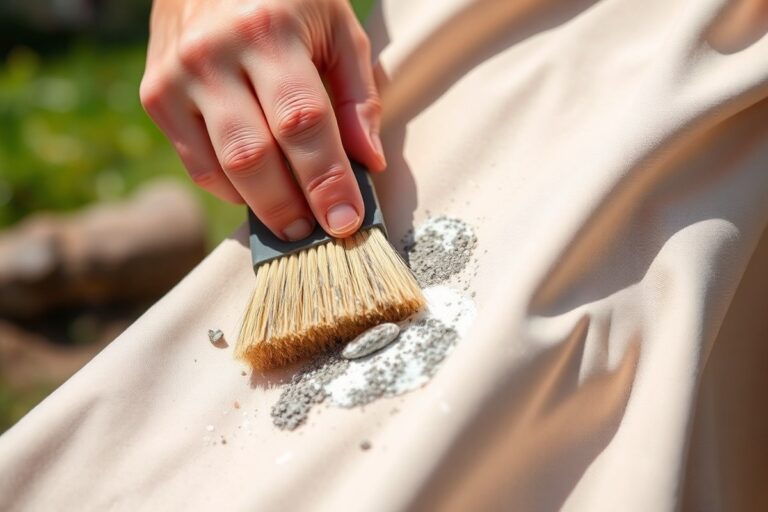
How to Get Old Stains Out of Clothes: 8 Effective Methods That Work
Removing old stains from clothes can be done effectively by using the right household products and techniques suited to the stain type. Soaking, pre-treating with detergents or stain removers, and applying specific solutions like vinegar or glycerine can lift even set-in stains. This approach works well for most non-grease stains and some grease stains if treated properly.
This information is for homeowners and renters facing stubborn stains in laundry. You’ll learn practical methods to tackle old stains like sweat, blood, wine, grease, and ink, improving your chances of restoring your garments without professional help.
Key Takeaways
- Mixing 1 cup of white vinegar with 2 cups of water creates a soak that can treat sweat marks on clothing effectively in 30 minutes before laundering.
- Apply liquid laundry detergent or stain remover on dry stains and let sit 10, 15 minutes before rinsing.
- Use glycerine on set-in stains by applying a few drops and letting it sit about 30 minutes before washing.
- Re-activate set-in grease stains with WD-40, brush gently, and let sit up to 24 hours before washing.
- Pre-soak garments in cold water for 30 minutes to loosen dried stains before applying treatments.
- For permanent ink stains, apply rubbing alcohol for 15 minutes then rinse with cold water and wash as usual.
1. How to Get Old Stains Out of Clothes Most Effectively

Removing old stains from clothes takes patience and a methodical approach. The key is to act with targeted pre-treatment and proper soaking before washing. While success rates drop after a stain has set for more than 24 hours, following the right steps can still salvage your garments. Pre-soaking loosens dried-in particles, increasing the effectiveness of stain removers, while applying the right remover directly to the stain breaks down stubborn residue. Waiting 10 minutes to several days before washing allows the treatment to penetrate deeply without damaging the fabric. Here is a clear, step-by-step checklist to follow for getting out old stains:
- Read the care label. Check your garment’s washing instructions to avoid bleach or heat damage. This guides your choice of stain remover and water temperature.
- Prepare a soaking solution. Mix warm water (about 105°F or 40°C) with a gentle agent like 1 cup white vinegar per 2 cups water. Soak the stained clothing for 30 minutes to an hour to soften the stain.
- Apply a stain remover. Use a liquid laundry detergent, oxygen bleach (if colorfast), or a homemade mix such as half water, half white vinegar. Cover the stain completely and let it sit for 10 minutes for lighter stains or up to a week for very stubborn ones.
- Gently agitate the area. Rub the fabric trimly between your fingers or use a soft brush to help lift the stain without damaging fibers.
- Rinse thoroughly. Use cold water to flush out loosened material and cleaner residue, preventing the stain from setting deeper.
- Wash as usual. Choose the warmest water safe for your fabric according to the care tag. Add regular detergent and run a full wash cycle.
- Inspect before drying. Check the stain after washing. Avoid using the dryer unless the stain is completely gone, as heat may set it permanently. Repeat the pre-treatment if needed.
- Air dry. Dry the garment naturally and in good light to verify if the stain has disappeared.
Pre-soaking is important because it loosens old set-in stains that washing alone often cannot remove. The soaking time depends on the fabric and stain severity; heat and agitation can help but risk fabric damage if too harsh. Expect to spend at least 1 to 2 hours total for soaking and treatment, with costs mainly involving common household items like white vinegar and laundry detergent.
2. Which Household Products Work Best for Removing Old Stains?

Common items found in most homes such as white vinegar, baking soda, dish soap, and hydrogen peroxide can be useful for removing old stains when applied properly. Baking soda functions as a mild abrasive and odor remover, especially for stubborn grease and protein stains. Create a paste using ½ cup baking soda, 1 tablespoon salt, and 1 tablespoon hydrogen peroxide. Spread the paste on the stain and allow it to dry before brushing off and rinsing. This approach works well on protein stains like those from blood or sweat.
White vinegar is another versatile remover, particularly effective on tannin stains like coffee and wine. Mix vinegar with salt for a stronger effect on colored stains, and apply it to the affected area. Let it sit for about 15 to 30 minutes before rinsing. Vinegar breaks down the stain pigments and helps lift them from fabric fibers.
Dish soap targets oily and greasy stains by breaking down the oils, making them easier to wash out. For set-in grease, apply liquid dish detergent directly and let it soak for up to 60 minutes. Adding baking soda on top of dish soap can boost the cleaning power by increasing abrasion and absorbing oils. When combined with hydrogen peroxide, dish soap becomes even more effective on protein stains.
Hydrogen peroxide acts as a mild bleaching agent and works best on organic stains like wine and blood. Use it diluted with water (about ½ cup peroxide in 2 cups cool water) and apply for around 10 minutes. Avoid using it on colored fabrics without testing first, as it can cause fading or damage.
| Household Product | Best For | Wait Time |
|---|---|---|
| White Vinegar | Coffee, Blood, Tannin Stains | 5 to 15 minutes |
| Vinegar + Salt | Colored Tannin Stains | 30 minutes |
| Dish Soap | Oil, Grease | Up to 60 minutes |
| Baking Soda Paste | Protein Stains, Grease Spots | Until dry (about 30+ minutes) |
| Hydrogen Peroxide | Wine, Organic Stains | 10 minutes |
| Dish Soap + Hydrogen Peroxide | Protein Stains (like blood, sweat) | Until dry or about 30 minutes |
To treat deodorant or sweat stains on white fabrics, mix equal amounts of baking soda, hydrogen peroxide, and water to make a paste. Apply this paste to the stain, let it dry, and then rinse carefully. Use a soft brush or sponge to gently rub the paste in, which loosens the stain without harming the fabric. Avoid combining acidic products such as vinegar or lemon juice with hydrogen peroxide, since this can damage the fabric or fade colors.
Always test any stain remover on a hidden area of the fabric first to check for colorfastness or damage before applying it to a visible stain.
3. Treating Old Protein-Based Stains Like Blood and Sweat
Protein-based stains such as blood and sweat bond tightly with fabric fibers, making them tough to remove, especially when old. Using cold water helps prevent the protein from setting, while enzyme detergents break down the stain’s proteins for easier removal. Additional treatments like hydrogen peroxide or vinegar boost cleaning effectiveness on stubborn spots.
Using Cold Water and Enzyme Detergents
Cold water is key to treating old protein stains because hot water can cook the proteins into the fabric, making stains harder to remove. Enzyme detergents contain natural proteins that break down blood, sweat, and other protein-based stains at the molecular level. This action loosens the stain from fibers, which allows regular washing to remove it thoroughly.
Start by rinsing or soaking the stained area in cold water to avoid setting the protein. Then, apply an enzyme detergent designed for protein stains, especially ones marked for blood removal. Avoid using chlorine bleach on protein stains as it can damage the fabric and makes some stains worse.
Soaking Times and Techniques
Soaking is an effective way to let enzymes work on set-in protein stains. Soaking for at least 30 minutes is a good starting point, but longer soaks, up to several hours or overnight, can be beneficial for tough stains. For delicate fabrics, use a mild enzyme detergent mixed with cold water and gently work it through the stain without scrubbing.
For machine-washable clothing, a common approach is to soak the fabric in enzyme detergent mixed according to label instructions, then apply detergent directly on the stain before running a cold water wash cycle. Avoid drying clothes until the stain is completely gone, as heat from dryers can set stains permanently.
- Rinse the stain under cold running water to remove loose residue.
- Mix enzyme detergent with cold water in a container large enough to submerge the garment.
- Soak the stained area in the solution for at least 30 minutes, or longer for tough stains.
- Pour enzyme detergent onto the stained area and carefully rub it into the fabric fibers.
- Wash the garment in the washing machine using the cold water setting.
- Check if the stain remains before drying; repeat treatment if needed.
- Air dry or tumble dry on a low-heat setting only after stain removal.
When to Apply Hydrogen Peroxide or Vinegar
Hydrogen peroxide can be used as a stain remover on old blood stains because it releases oxygen bubbles that help lift blood from fabric fibers. Always test it first on an inconspicuous spot to avoid discoloration. Apply it directly to the stain, let it fizz for a few minutes, then rinse thoroughly with cold water. Use a solution of equal parts white vinegar and water to treat protein stains by applying it directly and letting it rest for 10 to 15 minutes before washing away.
Both hydrogen peroxide and vinegar are inexpensive options available at most stores. Use vinegar before washing to loosen stains or after washing if stains persist. Avoid using either on delicate or dry-clean-only fabrics without professional advice.
4. Removing Set-In Grease and Oil Stains Safely and Effectively
Old grease and oil stains can be stubborn because they bond deeply with fabric fibers. Reactivating these dried oils is essential for effective removal. WD-40 works well as a reactivator by penetrating the fabric and loosening the oil, making it easier for cleaning agents to break it down. However, WD-40 alone won’t remove the stain, it simply prepares the surface for treatment.
Baking soda can absorb fresh oil and help lift some grease, but it is not as effective alone on set-in grease stains. Using grease-fighting dish soap after WD-40 is a better combination because dish soap targets the oil molecules and breaks them down. Soaking greasy stains before washing improves results by allowing the cleaning agents more time to work, typically around 30 minutes to an hour.
- Blot the stain: Use a paper towel or clean cloth to gently blot away any excess grease without spreading it further. Avoid rubbing, as this can push the stain deeper into the fabric.
- Apply WD-40: Spray a small amount directly onto the stained area. Let it sit for 15 to 30 minutes to soften and reactivate the dried oil. This step can be done at room temperature without water.
- Sprinkle baking soda: After WD-40 treatment, cover the stain with baking soda. Let it sit for 10 to 15 minutes. Baking soda helps absorb loosened oil and can form a mild cleaning paste when slightly dampened.
- Wet the stain with dish soap: Apply a few drops of grease-fighting dish soap directly onto the baking soda-covered stain. Gently rub it in with your fingers or a soft brush to create a lather.
- Soak the garment: Fill a basin with warm water (around 100°F or 38°C) and let the stained area soak for 30 to 60 minutes. Longer soaking time may be needed for very old, set-in stains.
- Rinse and check: Rinse the fabric under warm running water to remove soap and loosened oils. Inspect the stain; if it remains visible, repeat the WD-40 and dish soap steps before washing.
- Wash as usual: Use your regular laundry detergent on the warmest water safe for the fabric. Avoid drying until the stain is fully removed, as heat can set grease stains permanently.
- Air dry: Allow the garment to air dry instead of using a dryer to confirm that the stain is gone before any heat exposure.
This method usually costs a few dollars for WD-40, baking soda, and dish soap, all common household items. The main investment is time, warming water, soaking, and repeat treatments. Success looks like the stain lightening during washing and disappearing completely after air drying. Relying solely on baking soda without WD-40 and dish soap often leaves residual grease. Using WD-40 requires good ventilation and testing on an inconspicuous area to avoid fabric damage or discoloration.
5. Approaches for Acidic and Tannin-Based Stains Like Wine and Coffee
Acidic and tannin-based stains like wine and coffee require targeted treatment to break down the pigments and reduce color deposits on fabric fibers. Using mild acids such as white vinegar or lemon juice helps loosen these stains safely without harsh chemicals. Avoiding heat during treatment prevents setting the stain further, which makes removal more difficult.
Vinegar Soaks for Wine Stains
White vinegar is effective for treating red wine stains because its mild acetic acid helps dissolve tannins and breaks the bond between the stain and fabric. For old wine stains, soak the garment in a solution of 1 part white vinegar to 3 parts cold water for 30 minutes before washing. Make sure to gently blot the stain with a clean cloth during soaking to avoid rubbing it deeper into the fibers.
This method works well on cotton, polyester, and other common washable fabrics. After the vinegar soak, launder the item in cold water with a regular detergent, avoiding hot water or dryers at this stage. Vinegar is inexpensive, typically costing less than a dollar for enough to treat multiple stains.
Lemon Juice and Sunlight Method
Lemon juice acts as a natural bleach due to its citric acid content, making it useful for lightening tea or juice stains on white or colorfast fabrics. To use, apply freshly squeezed lemon juice directly onto the stain using a cotton ball or soft cloth. Let the fabric sit flat in bright indirect sunlight for about 30 to 60 minutes, which helps activate the lemon’s bleaching effect while avoiding heat buildup.
Test lemon juice on an inconspicuous part of the fabric first to ensure it won’t cause fading or damage. Rinse the treated area thoroughly with cold water and launder as usual afterward. Avoid using lemon juice on delicate or dark-colored fabrics, since prolonged exposure to acid and sunlight can weaken fibers or alter colors.
Avoiding Heat and Fixatives
Heat sources like dryers, irons, and direct sunlight can cause acidic or tannin stains to set permanently by oxidizing the pigment and bonding it tightly with fabric fibers. Use only cold water during pretreatment and rinsing. Keep stained clothing away from any heat until the stain is fully removed to prevent it from becoming impossible to treat.
Do not apply any fixative sprays, starch, or fabric softeners to the stained area before removal, as these can trap the stain. Instead, focus on gentle soaking and blotting with mild acid solutions. After pretreatment, wash stains promptly with cold water detergent and air dry completely to avoid heat exposure.
Always test vinegar or lemon juice on a hidden fabric area before full application to prevent discoloration or damage.
6. Special Techniques for Ink, Paint, and Other Tough Stains
Removing stubborn stains like ink, nail polish, and paint requires targeted methods because they involve different types of dyes or chemicals. Using rubbing alcohol, acetone, or specific paint solvents can help break down these tough substances and lift the stains effectively. The key is to identify the type of stain and apply the right technique while testing on a hidden fabric area first to avoid damage.
Using Rubbing Alcohol for Ink
Rubbing alcohol works well on many ink stains because it dissolves the dye, especially for ballpoint pen marks and permanent marker stains. It’s important to identify whether the ink is water-based or oil-based by testing with a cotton swab soaked in water and another soaked in isopropyl alcohol. Water-based inks often respond better to detergent and water, while oil-based inks may need rubbing alcohol.
Dampen a stain by applying rubbing alcohol on the fabric’s reverse side to draw ink away instead of deeper inside. Blot the area gently using a clean white cloth or paper towel, taking care not to spread the stain.
- Test a small hidden area of fabric with rubbing alcohol to check for damage.
- Turn the garment inside out and place a clean white cloth underneath the stained area.
- Dab rubbing alcohol onto the ink stain from the back side with a soaked cloth or cotton ball.
- Blot the stain gently, moving to a clean part of the cloth often to lift the ink.
- Once the stain begins to fade, rinse the fabric with cold water.
- Apply liquid laundry detergent directly onto the stain and use a soft brush to work it in.
- Wash the garment according to the care label instructions, preferably in cold water.
- Check the stain before drying; repeat if necessary, as heat can set the stain.
Acetone and Nail Polish Removal
Acetone is an effective solvent for removing dried nail polish and some ink stains because it softens and dissolves the resin or dye. It works best on sturdy fabrics like cotton or polyester but can damage delicate fabrics like acetate or silk. Always test acetone on a hidden area first. Avoid using acetone on fabrics with special finishes or dyes sensitive to solvents.
Removing a nail polish stain quickly increases the chances of success. Dab the area with acetone using a cotton ball, applying from the back side of the fabric if possible. Avoid rubbing harshly, which can spread the stain or damage fibers.
- Test acetone on a hidden fabric spot for colorfastness and damage.
- Place a paper towel under the stained area to absorb dissolved polish.
- Moisten a cotton ball with acetone and gently dab the nail polish stain.
- Blot the stain rather than rub, turning to clean cotton balls as needed.
- Once the polish is removed, rinse the fabric thoroughly with cold water.
- Apply a small amount of laundry detergent and wash as usual.
- Allow the garment to air dry and inspect to see if further treatment is needed.
Water-Based vs Oil-Based Paint Stain Tips
Water-based paint stains are easier to treat than oil-based ones, as they can be rinsed out with warm water soon after the spill. Prompt treatment is essential because dried water-based paint becomes harder to remove. Oil-based paints require solvents like turpentine or paint thinner recommended by the paint manufacturer. Always check the clothing care label before applying solvents, and test on an inconspicuous area.
Start by scraping off any excess paint carefully without spreading the stain. For water-based paints, rinse with warm water immediately, then wash with detergent. For oil-based paints, apply the proper thinner on the stain and blot with a clean cloth. Washing should follow only after the paint has softened and lifted.
- Scrape off any excess paint with a dull knife or spoon, avoiding spreading it.
- For water-based paint, rinse the stained area under warm running water until most paint is removed.
- Apply liquid laundry detergent and gently rub the stain before washing normally.
- For oil-based paint, check the paint label for recommended thinner such as turpentine.
- Test the thinner on a hidden fabric spot to ensure no damage.
- Apply the thinner to the stain using a cotton cloth, dabbing gently from the back side if possible.
- Blot the stain until paint begins to dissolve, then rinse thoroughly.
- Wash the garment as you normally would, checking if repeat treatment is necessary before drying.
7. Common Mistakes to Avoid When Removing Old Stains
Using hot water on certain old stains often does more harm than good. Hot water can set protein-based stains like blood and sweat by cooking them into the fabric, making them much harder or even impossible to remove later. For many stains, especially unknown types, it’s safer to start with cold or lukewarm water. Cold water prevents the stain’s molecules from bonding tightly with the fabric fibers, maintaining your chance of removing the stain effectively.
Repeatedly washing stained clothes without pretreating the stain can lead to it becoming permanent. Each wash cycle, particularly in warm or hot water, can push the stain deeper into the fabric. To avoid this, apply a stain remover or appropriate household product before washing. Pretreatment breaks down the stain molecules, increasing the likelihood that a normal wash cycle will fully lift the stain. For example, treating the stain with a solution of oxygen bleach and water and letting it soak for at least four hours before washing in cool water can improve results for stubborn stains.
Bleach can help remove old stains but only when used correctly. Chlorine bleach effectively whitens white cotton fabrics through an oxidation process, but it can cause discoloration or weaken the fibers of colored or delicate fabrics such as silk or wool. Oxygen bleach is a gentler alternative that targets stain molecules while preserving fabric dyes and fibers. Always test bleach on a hidden spot first to make sure it won’t damage the fabric or cause colors to fade. Avoid leaving bleach on a garment too long; follow product instructions closely to prevent damage or fading.
Some practical tips to avoid common stain removal errors include always checking garment care labels for water temperature guidelines and bleach compatibility. Start stain treatment by gently dabbing or soaking rather than scrubbing, which can spread or embed the stain deeper. Avoid putting stained clothes directly into a hot dryer since heat can set stains permanently. Pretreatment and washing might not remove the entire stain, so soak the garment in an oxygen bleach solution for several hours, then wash it again in cold water.
Another key point is selecting the right water temperature based on the stain type: hot water works well for enzyme detergents on grass stains but is risky for proteins and tannins like coffee or wine. Cost-wise, oxygen bleach products are generally affordable, with basic powders or liquids under $10 for a bottle that treats many loads of laundry. This makes thorough soak treatments a practical step before more costly or professional stain removal methods.
Following these guidelines prevents damage to your clothes and improves your chance to remove old stains successfully. Avoid hot water on unknown or protein stains, always pretreat before washing, and use bleach cautiously according to fabric type and stain severity. This approach balances fabric care with effective stain removal.
8. When to Use Professionals for Stubborn or Delicate Stain Removal
Old stains on clothes can often be treated at home, but certain situations call for professional cleaning. You should consider professional help if your stain has resisted multiple home treatments or is on a delicate fabric like silk, cashmere, or wool. These fabrics often require specialized cleaning methods, such as dry cleaning, to avoid damage. Another reason to seek professional services is if your garment is valuable or has unstable dyes that might react poorly to over-the-counter stain removers.
To decide if a professional cleaner is necessary, use a simple checklist. First, assess the fabric type. For garments marked dry-clean only or crafted from delicate fibers such as silk or cashmere, a professional cleaner should treat the stain. Next, evaluate the stain itself, if it’s deeply set, large, or involves substances like ink or paint, DIY treatments often fall short. Lastly, consider the stain’s history. When home stain removers and multiple treatments over several days don’t work, it’s best to seek professional help.
Professionals have access to industrial-grade solvents and cleaning techniques that are safer for fragile fabrics and more effective on stubborn stains. They use precise methods to target specific stain types, which helps reduce the risk of fabric damage or color loss. Expect to pay between $10 and $30 per item for stain removal, depending on the fabric and stain size, with some dry cleaners charging more for delicate garments or multiple treatments.
Good results from professional cleaning should mean a significantly reduced or fully removed stain without damaging the clothing. However, some stains, especially those with color bleaching or fabric weakening, may not disappear completely even with expert care. Keep in mind, no cleaning method can promise to remove every old stain or discoloration completely. Taking your garment to a cleaner promptly after a stain appears improves the chances of success compared to waiting months or years.
When dealing with valuable or sentimental clothes, professional stain removal often proves worth the cost and care. You avoid potential fabric harm and improve the likelihood of saving your item. For less expensive, durable clothes, multiple home treatments might suffice, but watch for fading or fabric stress as you repeat attempts.
Do not attempt to scrub delicate fabrics harshly; instead, take them to a professional to prevent permanent damage or discoloration.
Step-by-Step Action Plan for Removing Old Stains
Follow this clear plan to tackle old stains on your clothes effectively. Each step guides you through specific treatments and checks for success.
- Before you start: Identify the type of stain you’re dealing with (protein, grease, acidic, ink, etc.) by recalling the stain source or testing a small hidden area.
- Day 1: Pretreat the stain with the recommended household product, enzyme detergent for protein stains, dish soap for grease and oil, white vinegar or baking soda for acidic stains. Let it sit for 15 to 30 minutes.
- Day 1 (after pretreating): Gently scrub the stained area with a soft brush or cloth, then rinse with cold or lukewarm water depending on the stain type.
- Day 2: Check the stain after drying. If it’s still visible, apply a second treatment using a specialized stain remover or oxygen bleach as per garment care instructions.
- Day 3: Launder the garment on the warmest water setting safe for the fabric and use a heavy-duty detergent.
- Day 4: Air dry the item and inspect the stain again. Avoid machine drying, as heat can set the stain further.
- Day 5: If the stain persists, repeat the pretreatment and laundering process once more or consider professional cleaning for delicate or very stubborn stains.
Frequently Asked Questions
How Can I Tell If an Old Stain Can Still Be Removed from My Clothes?
Most old stains can be removed, but the success rate drops the longer they sit. Stain removal is easier if treated within 24 hours, but some set-in stains may still come out with the right products and methods.
What Role Does Fabric Type Play in Removing Old Stains?
Fabric type affects stain removal because delicate fabrics need gentler treatments. Sturdy fabrics like cotton tolerate stronger chemicals, while silks and wools require specialized care. Always check the care label before starting.
Can I Use Chlorine Bleach on Colored Clothes with Old Stains?
Chlorine bleach can damage colored fabrics and cause fading. For colored clothes, oxygen bleach is safer and effective for old stains. Use chlorine bleach only on whites, following label instructions.
Does Heat Help or Hurt When Trying to Remove Old Stains?
Heat can set stains more firmly, making removal harder. Avoid hot water or drying stained clothes until the stain is fully removed. Use cold or lukewarm water for treatment.
Are Homemade Remedies as Effective as Commercial Stain Removers for Old Stains?
Homemade remedies like vinegar or baking soda can work on light or fresh stains, but commercial products often contain stronger enzymes for set-in stains. Combining them can sometimes improve results.
How Should I Prepare a Garment Before Applying Stain Removal Treatments?
Start by checking fabric care labels and testing products on hidden areas. Pre-soak clothes in water or a mild solution to loosen stains before applying stain removers. Avoid scrubbing aggressively to prevent fabric damage.
Wrapping Up
Getting old stains out of clothes requires patience and the right approach for the stain type. Use household products targeted to the stain’s nature and avoid heat before the stain is gone. Start treating the stain today using the plan above to improve your chances of restoring your clothing effectively.