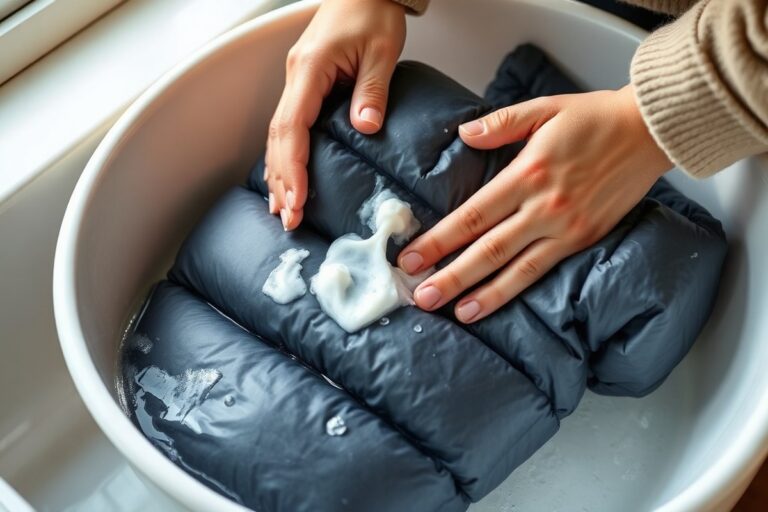
How to Get Stains Out of White Clothes: 8 Expert Methods That Work
To get stains out of white clothes quickly and safely, start by identifying the stain type, then treat it with the right method using household or commercial products. Act promptly using cold water for blood and heat-safe solutions for organic stains, avoiding harsh chemicals that damage fabric. This advice suits anyone dealing with stubborn white clothing stains, from homeowners to renters aiming to keep whites bright and clean.
You’ll learn to spot common stain types, choose effective household remedies like lemon juice or vinegar, apply commercial stain removers properly, and avoid common mistakes that can ruin white fabrics. Following these methods helps maintain your clothes’ bright appearance and extends their life.
Key Takeaways
- Soak bloodstains in cool water for at least one hour before washing to prevent setting the stain.
- Treat sweat stains with a 50/50 mix of lemon juice and warm water, scrubbing gently before laundering.
- Use a 3% hydrogen peroxide solution carefully to remove organic stains without damaging compatible white fabrics.
- Mix equal parts vinegar and room-temperature water to effectively combat yellowing on white clothes.
- Apply talcum powder to oily stains and let it absorb moisture for at least 30 minutes before washing.
- Repeat natural stain removal processes until the stain fully disappears, especially for tough yellow stains.
1. How to Get Stains Out of White Clothes Fast and Safely

Act quickly when you notice a stain on your white clothes to prevent it from setting. The sooner you begin treating a stain, the better your chances of removing it completely without harming the fabric. Using safe pretreatment methods tailored to your clothing’s material prevents damage and improves stain removal results. For white fabrics, washing on the warmest water setting recommended on the care label maximizes cleaning power, but avoid hot water if the stain has protein-based elements like blood or sweat, as heat can set these stains permanently. Follow this step-by-step process for best results in removing fresh stains from white clothes:
- Blot the stain gently with a clean white cloth or paper towel to soak up as much fresh liquid or residue as possible. Avoid rubbing, which can push the stain deeper into fibers.
- Rinse the stained area under cold running water from the back of the fabric to flush out loose particles and prevent the stain from spreading. Use cold water especially for protein and blood stains.
- Apply a gentle pre-treatment such as a small amount of liquid detergent, dish soap, or a commercial stain remover to the stain. Work it into the fabric gently using your fingers or a soft brush, then let it sit for 5 to 10 minutes but no longer than 30 minutes to avoid fabric weakening.
- Check the garment’s care label for water temperature and washing instructions. Choose the warmest temperature safe for the fabric, usually between 90°F and 110°F (32°C to 43°C) for most cotton whites.
- Wash whites separately to prevent transfer of dyes from colored clothes that can dull or discolor white fabrics. Use a detergent formulated for whites or one with optical brighteners. Avoid overloading the washer to allow thorough agitation and rinsing.
- Inspect the stain before drying. If the stain persists, repeat pretreatment and washing steps. Do not place stained clothes in the dryer, as heat can set remaining stains permanently.
- Dry according to fabric type. Air drying is safest for delicate whites, while cottons and more durable whites can be tumble dried on low heat once stains are fully removed.
Delicate fabrics like silk or lace require extra care: use detergents labeled safe for delicates, treat stains with cold water only, and avoid vigorous rubbing. For these fabrics, air drying is best to prevent shrinkage or damage. Following these steps promptly can save you time and money, preventing costly replacements or professional cleaning fees while keeping your white clothes looking fresh and spotless.
2. Identifying Stain Types to Choose the Best Treatment

White clothes show stains quickly, so identifying the type of stain is important for effective removal. Stains fall into four main groups: protein-based (like blood and eggs), tannin-based (such as coffee and tea), dye-based (from berries or mustard), and oil-based (including makeup and cooking oil). Knowing which group your stain belongs to helps you pick a suitable cleaning method that won’t damage fabric or set the stain permanently.
| Stain Type | Recommended Starting Treatment | Important Tip |
|---|---|---|
| Coffee and Tea | Rinse promptly and pretreat with liquid detergent | Avoid drying before the stain is fully removed |
| Sweat and Deodorant | Use oxygen-based stain remover | Check fabric compatibility before soaking |
| Grease and Cooking Oil | Apply liquid laundry detergent | Treat the oily residue before washing |
| Blood | Rinse with cool water and pretreat with detergent | Avoid hot water that can set the stain |
| Makeup | Lift excess product and use suitable stain remover | Treat carefully to avoid smearing |
Common stains vary widely in how they respond to treatment. Blood stains, for example, are easier to remove when rinsed with cool water before applying detergent. Hot water can cook the protein in the blood and set the stain, making it much harder to get out. Oil stains, including cooking oil and makeup, need a detergent that breaks down fats or powders like cornstarch to absorb the residual grease before washing. Tough stains, such as ink and aged marks, often require special chemicals like hydrogen peroxide or rubbing alcohol, but always test on a small area first to protect your garment.
Don’t let stains dry or heat set them; always treat and wash white clothes before drying to avoid permanent marks.
- Use cold water for protein stains like blood to avoid setting
- Rinse tannin stains such as coffee immediately before they soak in
- Apply an oxygen-based bleach for sweat and deodorant marks
- Absorb grease stains with cornstarch before washing with detergent
- Test strong treatments like hydrogen peroxide on a hidden patch
- Identify ink stains early as they may need solvents or toothpaste
Some stains are more challenging because they contain dyes or oils that embed deeply into fabric fibers. Ink, for instance, is difficult to treat because it mixes dye and solvents, sometimes requiring specialized cleaners or multiple attempts. Recognizing the stain type lets you avoid the most common mistake, using the wrong treatment that can fix one stain but worsen another or damage white fabric. Taking a few minutes to identify the stain type before treatment improves your chances of keeping whites bright and spotless without costly replacements.
3. Using Household Ingredients to Remove Stains from White Clothes
Common household ingredients like baking soda, lemon juice, and white vinegar can work surprisingly well to remove stains from white clothes. These natural options provide gentle yet effective cleaning by breaking down stains and lifting discoloration. Using them correctly with the right preparation and timing can restore your whites without risking fabric damage or fading.
Baking Soda Paste for Oil and Grease
Baking soda helps absorb oils and lift light surface stains on white fabrics without harsh chemicals. It also deodorizes and softens fabric fibers gently. Making a baking soda paste is simple and cost-effective, often costing just a few cents per treatment.
To remove oil or grease stains, apply the baking soda paste directly to the stained area, allowing it to bind with the oil before washing. Avoid scrubbing aggressively to prevent damaging delicate fabrics.
- Mix 4 tablespoons of baking soda with 1 quart of warm water to form a spreadable paste.
- Apply the paste generously over the stain and gently rub it into the fabric using your fingers or a soft cloth.
- Let the paste sit on the stain for 15 to 30 minutes to absorb the oil.
- Rinse the treated area with cool water to remove the baking soda.
- Wash the garment as usual in warm water, avoiding hot water that can set stains.
- Check the stain before drying; repeat the process if any residue remains.
Lemon Juice and Salt for Mildew and Rust
Lemon juice contains natural acids that help break down and lighten mildew and rust stains on white clothing. Salt acts as a mild abrasive, increasing the scrubbing effect and helping lift the stain without harsh chemicals.
This treatment is especially helpful for outdoor stains or older discolorations on durable white fabrics like cotton. Avoid using lemon juice on delicate or synthetic fabrics as the acid may weaken fibers.
- Mix equal parts lemon juice and warm water to create a liquid solution.
- Pour the lemon juice solution directly onto the stain until fully saturated.
- Sprinkle salt liberally over the treated area to aid abrasion.
- Rub the fabric gently together or use a soft brush to work the lemon juice and salt into the stain.
- Let the garment sit in a sunny spot for 20 to 30 minutes to improve stain breaking and drying.
- Rinse thoroughly with cool water to remove lemon juice and salt.
- Launder as usual, checking for stain removal before drying.
White Vinegar Soak for Yellowing and Sweat
White vinegar is effective at tackling yellowing and sweat stains on white clothes due to its acidic nature, which breaks down minerals and oils that cause discoloration. It’s a mild, fabric-safe option for regular stain treatment and also deodorizes garments.
Soaking white clothes in a vinegar solution loosens stain particles before washing, improving results without risking damage. For sensitive fabrics, keep the vinegar diluted and soak times on the shorter side.
- Mix equal parts white vinegar and room-temperature water in a basin or sink.
- Submerge the stained white garment completely in the vinegar solution.
- Allow the garment to soak for 30 minutes to gently break down sweat and yellow stains.
- Remove the clothes and check for stain fading; for tougher stains, pour undiluted white vinegar directly on the spot and let it sit for 10 minutes.
- Rinse the garment thoroughly with cool water after soaking.
- Launder with your regular detergent in warm water to complete removal.
- Repeat the soak and wash if stain remains visible before drying.
4. Choosing and Using Commercial Stain Removers Effectively
Choosing the right commercial stain remover depends on the stain type and fabric care instructions. Use enzyme-based removers for organic stains, oxygen bleach for brightening and whitening, and stain removal pens for quick, on-the-go treatment. Test any remover on a hidden fabric spot, follow product directions for application and wait time, then wash as usual.
Enzyme-Based Removers for Organic Stains
Enzyme-based stain removers break down proteins and other organic substances like food, sweat, and blood. These products often come as sprays, gels, or detergents and work well on many stains. Start by applying the remover to the stained area, letting it sit for 5 to 15 minutes, but avoid letting it dry out.
For best results, check your fabric care label. Enzymes work well on cotton, polyester blends, and other durable fabrics but might be too harsh for delicate silks or wools. After pretreating, wash the item in the warmest water safe for the fabric to fully remove the stain and enzyme residues. Always test first on a small, hidden section to avoid damage or color loss.
Oxygen Bleach Products for Whitening
Oxygen bleach is a popular commercial option because it brightens white clothes while loosening organic and yellowish stains without the harshness of chlorine bleach. It works well soaking white fabrics. Use warm water mixed with oxygen bleach and detergent for about 30 minutes to lift tough spots.
A common approach is to pretest the solution on an inconspicuous area. Once safe, pretreat stains by soaking or applying the product directly, following label directions. Oxygen bleach won’t remove all dye-based or grease stains, so combine with other stain removers when needed. Avoid using chlorine bleach first as it can weaken fabric fibers and cause discoloration if used improperly.
Commercial Stain Removal Pens for On-the-Go
Stain removal pens provide quick, targeted treatment for fresh stains outside the home. These small pens contain a gel formula that penetrates stains immediately to prevent setting. They are especially handy for food or drink spills during travel or work.
Test pens on a hidden part of the garment before treating the stain to prevent unintended damage. Apply the pen by pressing gently on the stain and rubbing lightly, following product instructions. Let the area dry before laundering as soon as possible to avoid setting the stain. Keep a set of three pens handy; individual sets typically cost between $5 and $15 depending on brand and quantity.
| Type of Commercial Remover | Best For | Application Method | Wait Time Before Washing | Fabric Compatibility |
|---|---|---|---|---|
| Enzyme-based | Organic stains (food, sweat, blood) | Spray or gel applied on stain | 5, 15 minutes | Cotton, poly blends; avoid silk & wool |
| Oxygen bleach | Whitening, organic stains, yellowing | Soak in warm water with detergent | Approximately 30 minutes | Durable whites; test first |
| Stain removal pen | Fresh stains on-the-go | Gel applied directly, rubbed lightly | Let dry before washing | Safe on most whites; test first |
To safely use any commercial stain remover, begin with a spot test on an inconspicuous area. Apply a small amount, wait for the recommended time, and check for colorfastness or fabric damage. For pretreatment, apply the remover evenly on the stain and allow it to work for the times listed in the table. Follow this by washing the clothes with the warmest water temperature allowed by the care label. Avoid drying the garment until the stain disappears, as heat may set the stain permanently.
5. Step-by-Step Removal of Common Stains on White Clothes
Removing common stains from white clothes requires targeted treatment depending on the stain type. Fresh stains generally respond better and faster to cleaning than old, set-in ones, which may need repeated or longer treatments. The following step-by-step methods cover blood, sweat, deodorant, grease, food, grass, wine, ink, rust, and mildew stains to restore your whites effectively.
Blood, Sweat, and Deodorant Stains
Blood and sweat contain proteins that start binding with fabric fibers quickly, so treat these stains with cold water promptly. Deodorant stains often appear as yellowish buildup from sweat and antiperspirant ingredients. Pre-treating is key to avoid permanent discoloration.
- Rinse the stained area with cold water to flush out as much of the stain as possible; avoid hot water as it sets proteins.
- Apply a small amount of laundry detergent or a stain remover gel designed for protein stains directly onto the spot.
- Let it sit for 5 to 10 minutes, allowing the product to penetrate the fibers without drying out.
- Gently rub the fabric together or use a soft brush to loosen the stain.
- Wash the garment in the washing machine on the hottest setting safe for the fabric, using oxygen-based bleach if the care label allows.
- Check the stain before drying. Repeat pre-treatment and washing if the stain persists, as heat from drying will set it permanently.
Treat fresh blood stains with cold water immediately to avoid the stain setting; heating water or drying first can make removal impossible.
Grease, Oil, and Food Stains
Grease and oil stains from cooking and food linger because they repel water. Using a degreasing agent or dish soap helps break down oily molecules. For food stains, prompt action and using both stain removers and regular detergent improves results.
- Blot excess grease or oil gently with a paper towel; avoid rubbing to prevent spreading.
- Apply liquid dish soap directly on the stain to target oils, letting it soak for 10 to 15 minutes.
- If available, use a spray or powder stain remover formulated to handle oils and food stains, applying as the product instructs.
- Wash the clothing using the warmest water temperature shown on the care tag and add an oxygen-based bleach or detergent booster for whitening.
- Air dry the garment after washing to ensure the stain is fully gone; repeating treatment may be necessary for old or stubborn spots.
Do not put grease or oil-stained whites in the dryer until the stain is completely removed; heat will set the stain permanently.
Grass, Ink, Wine, Rust, and Mildew
These stains vary widely in chemical composition and required treatments. Grass and ink contain pigments that bind tightly, wine contains tannins, rust is an iron oxide deposit, and mildew is fungal growth that discolors fabric. Each demands a specific removal approach to avoid damage.
- For grass stains, pre-treat with a bleach-free stain remover or a paste of baking soda and water and allow setting for up to 6 hours before washing.
- Ink stains respond well to alcohol-based or gel stain removers; dab gently to avoid spreading, working from stain edges inward.
- Blot fresh red wine stains with white cloth or paper towels, then apply cold water and a commercial stain remover; allow 10 minutes before laundering.
- Use a rust stain remover following package directions carefully, as these can damage fabric if misused; avoid bleach products on rust.
- For mildew, soak the garment in a solution of oxygen bleach and warm water for at least 30 minutes before washing normally.
- After washing any of these, check stains before drying and repeat if necessary; heat sets most pigment stains permanently.
Avoid mixing bleach and rust stain removers, as chemical reactions can weaken fabric fibers or cause yellowing.
6. Avoiding Common Stain Removal Mistakes That Ruin Whites
One of the biggest mistakes when removing stains from white clothes is waiting too long to treat the stain. Stains begin to set as soon as they dry, making removal much harder or impossible. Acting quickly by blotting the stain and starting a stain remover treatment within minutes can prevent permanent marks.
Heat tends to set stains, especially protein-based stains like blood, sweat, or dairy. Washing these in hot water or drying them with heat can make the stain permanent. Use cold water for protein stains and warm or hot water only for other types, depending on the fabric care label. Check the label to ensure you do not use a water temperature that could damage the fabric.
Fabric damage can occur from excessive scrubbing or using harsh chemicals without testing first. Always test any stain remover or homemade treatment on a hidden seam or small area. Over-scrubbing weakens fabric fibers and can cause holes or fraying, which ruins the garment even if the stain is gone.
- Start stain treatment quickly, within minutes of the spill
- Use cold water for protein-based stains; warm water for others, based on fabric care
- Spot test any stain remover on a hidden area before full use
- Avoid vigorous scrubbing to prevent fabric damage
- Do not use the dryer until stains are completely removed
- Repeat stain treatment if necessary rather than risking damage with harsh efforts
- Follow the fabric care label for water temperature and treatment instructions
Drying stained clothes in a machine dryer before the stain is fully removed sets the stain permanently due to heat. Air drying stained whites until you confirm the stain is gone lets you re-treat if needed. If a stain remains after the first wash, repeat the pretreatment and wash steps before drying.
Cost-effective methods involve using common household products such as diluted oxygen bleach, white vinegar, or baking soda, but follow directions carefully to avoid fabric damage. Commercial stain removers can work well but always adhere to safety guidelines and perform patch tests. Trusting care labels and the right water temperature improves results and protects your clothes from damage.
7. Maintaining and Brightening White Clothes After Stain Removal
To keep your white clothes bright and prevent yellowing after removing stains, adopt consistent laundry habits that protect the fabric. Wash white garments separately using a detergent formulated for whites or one that contains optical brighteners, which help reflect light and maintain brightness. Avoid overloading the washing machine to ensure thorough cleaning and rinsing. Choose warm water settings, typically between 90°F and 110°F, as this temperature range effectively removes residues that cause dullness without damaging fabrics. After washing, allow your clothes to air dry in direct sunlight when possible. Sunlight naturally helps bleach whites and inhibits bacteria that contribute to yellowing, but limit exposure to prevent fabric weakening.
Additives like non-chlorine bleach or oxygen-based bleach can boost whiteness without the harsh effects of chlorine bleach, which can weaken fibers and cause yellowing over time. Use about ¾ cup of oxygen bleach per load in addition to your detergent. Natural options such as adding ½ cup of baking soda to the wash cycle can also help neutralize odors and brighten fabrics gently. Vinegar, about ½ cup during the rinse cycle, acts as a mild fabric softener and breaks down detergent buildup that dulls whites. Avoid overuse of fabric softeners that contain dyes or fragrances, as they may cause yellow tinting over time.
Preventing new stains and yellowing involves careful handling before and after wear. Applying a pre-treatment of your regular laundry detergent directly on potential stain areas about 10 minutes before washing can stop stains from setting without needing special products. Avoid putting white clothes into the dryer if you still see stain traces. The heat can permanently set the stain and make future removal harder. Store white garments away from direct sunlight when not in use, as prolonged exposure can cause yellowing. Also, avoid contact with perspiration or deodorants before washing by allowing these products to dry completely, since sweat and aluminum compounds contribute to yellow stains.
Extending the life of white fabrics requires attention to washing frequency and cycle choices. Frequent laundering removes dirt and body oils that cause fabric to gray and yellow, but over-washing can wear out fibers fast. For lightly soiled whites, a gentle cycle works better than a heavy-duty one. Using a mesh laundry bag can protect delicate white items from friction during washing. Finally, check labels for specific care instructions, especially for older or delicate white garments, to avoid bleaching or washing methods that could lead to damage or uneven fading over time.
8. When to Seek Professional Cleaning for Stubborn White Clothing Stains
Determining when a stain on white clothing requires professional cleaning depends on the stain type, fabric, and how long the stain has set. Stains like ink, dye transfers, red wine, blood, or oil on delicate fabrics such as silk, wool, or fine linen often need expert treatment. Professionals have access to specialized solvents and techniques that home methods lack, which can remove stubborn stains without damaging the garment.
Home treatments mainly rely on general-purpose stain removers, oxygen bleach, or household products like vinegar and baking soda. These often work for fresh or common stains on cotton or polyester clothes. However, they fall short with deeply set stains or sensitive fabrics at risk of discoloration or weakening. Professional cleaners can perform targeted tests, apply industrial-grade solutions safely, and use equipment such as steam cleaning or low-heat drying to preserve the garment’s integrity.
To decide if professional help is necessary, look for these indicators: the stain is older than 48 hours and hasn’t faded after home treatment; the fabric is labeled “dry clean only” or delicate; the stain is extensive or covers a large area; you’ve tried multiple safe methods without success; or the clothing has sentimental or high monetary value that makes risk unacceptable. Also consider the garment’s color stability and material thickness, as these affect how aggressive cleaning can be without harm.
Preparing your white clothes for professional cleaning involves notifying the cleaner about the stain’s origin and any prior removal attempts. Clearly describe the type of stain, when it appeared, and what you used so the cleaner can tailor their approach. You might say: “This is an old coffee stain from about a week ago; I soaked it in cold water and tried a commercial stain remover, but the stain remains.” This information helps avoid redundant steps or harmful chemicals that could worsen the fabric.
Choosing a professional cleaner with experience in stain removal and fabric care improves chances for success. Services may charge between $10 to $50 per garment depending on stain complexity and fabric type. Confirm that the cleaner uses safe, tested products, especially if you prefer eco-friendly or hypoallergenic processes. Many local cleaners offer free stain assessments, so bring your item in for a professional opinion before deciding.
A well-done professional cleaning will leave the fabric bright white and free of discoloration, with no damage or texture changes. If the stain partially remains or fabric feels stiff or faded afterward, discuss follow-up treatments or refunds with the cleaner. Knowing what outcomes to expect helps you set realistic goals and avoid frustration.
Always tell your professional cleaner precisely what the stain is and what home methods you have already tried; this helps avoid chemical conflicts that may damage your white clothes.
Step-by-Step Action Plan for Removing Stains from White Clothes
Follow these steps to tackle stains on your white clothes efficiently and keep them looking bright.
- Immediately after the stain occurs: Blot the stain gently with a clean cloth to absorb as much as possible without rubbing. Check if the fabric can handle water by testing an inconspicuous area.
- Within the first hour: Rinse the stained area with cold water to dilute the stain. This helps prevent setting and improves removal success.
- Before washing: Identify the stain type and apply the appropriate household ingredient or commercial stain remover as directed. Look for visible lifting or fading of the stain.
- During washing: Choose a detergent that works with bleach and wash your white clothes using the warmest water recommended on the fabric care label. Check that the stain has fully disappeared before putting the garment in the dryer.
- After washing: Air dry the garment instead of machine drying to avoid setting any residual stain. Inspect the fabric under good light.
- When the stain does not come out: Apply the stain remover and run the wash again, repeating this process up to two extra times as needed. Consider soaking in a solution designed for whites as per product instructions.
- Within a week: Maintain brightness by washing whites regularly with detergent that includes optical brighteners or adding a safe whitening booster.
- Ongoing: Store white clothes away from direct sunlight and damp areas to prevent yellowing and new stains.
Frequently Asked Questions
What Is the Best Way to Remove Old Stains from White Clothes?
A combination of hydrogen peroxide and dish soap can be effective for tackling old stains. Apply the mixture straight onto the stained area and allow it to sit before gently washing to improve results.
Can Lemon Juice and Salt Help Remove Rust Stains on White Clothes?
Yes, lemon juice and salt can tackle rust and mildew stains effectively. Apply the mixture to the stain, expose it to sunlight briefly, then rinse and wash as usual.
Are White Clothes More Prone to Visible Stains Than Colored Clothes?
Yes, stains show up more on white clothes because they lack color to hide blemishes. This requires quicker and more careful stain removal.
How Do You Remove Ink Stains from White Clothing?
Ink stains are tough due to dyes and solvents, so use alcohol-based treatments or commercial removers quickly. Blot gently to avoid spreading ink.
Can Flower Stains Be Removed from White Clothes Without Damaging Fabric?
Yes, gently remove pollen with tape first, then treat with a stain remover or mild detergent before washing. Avoid rubbing to protect the fabric.
What Home Ingredient Works Well for Mildew Stains on White Clothes?
Lemon juice often works well on mildew stains; its acidity helps break down the stain naturally. Combine with salt for better effect, then wash normally.
Wrapping Up
Stains on white clothes can come out successfully with prompt and proper care using safe methods you can do at home. Trying one well-chosen treatment at a time helps you see what works and protects your fabric from damage. Start by treating fresh stains quickly and using the right product for the type of stain you have, then maintain your whites regularly for lasting brightness.