Can You Get Mold Out of Clothes? 8 Proven Methods That Work
Yes, you can get mold out of clothes using effective cleaning methods like hot water, vinegar, and stain removers. Prompt treatment is key because mold spores spread quickly and can cause health issues like allergies and asthma. This article is for anyone dealing with moldy clothes who wants clear, safe ways to remove mold and prevent it from returning.
You’ll learn practical steps for handling moldy fabrics safely, how to pre-treat mold spots, the best washing and drying methods, and when to seek professional help. Following these methods can help you restore your clothes and keep your home environment healthier.
Key Takeaways
- Handle moldy clothes carefully, wearing gloves and a mask to avoid breathing in spores during treatment.
- Use a commercial stain remover or a solution made by mixing 3% hydrogen peroxide with water at a 1:4 ratio, and treat the moldy areas directly before putting clothes in the wash.
- Soak moldy clothes for at least 8 hours to loosen spores before beginning any wash cycle.
- Wash clothes in hot water using a washer’s sanitize cycle to kill most mold spores effectively.
- Use vinegar in the wash to kill about 80% of mold spores and eliminate musty odors.
- Dry clothes completely and avoid leaving damp fabric in wardrobes to prevent mold regrowth within 24 to 48 hours.
1. Can Mold Be Completely Removed from Clothes?
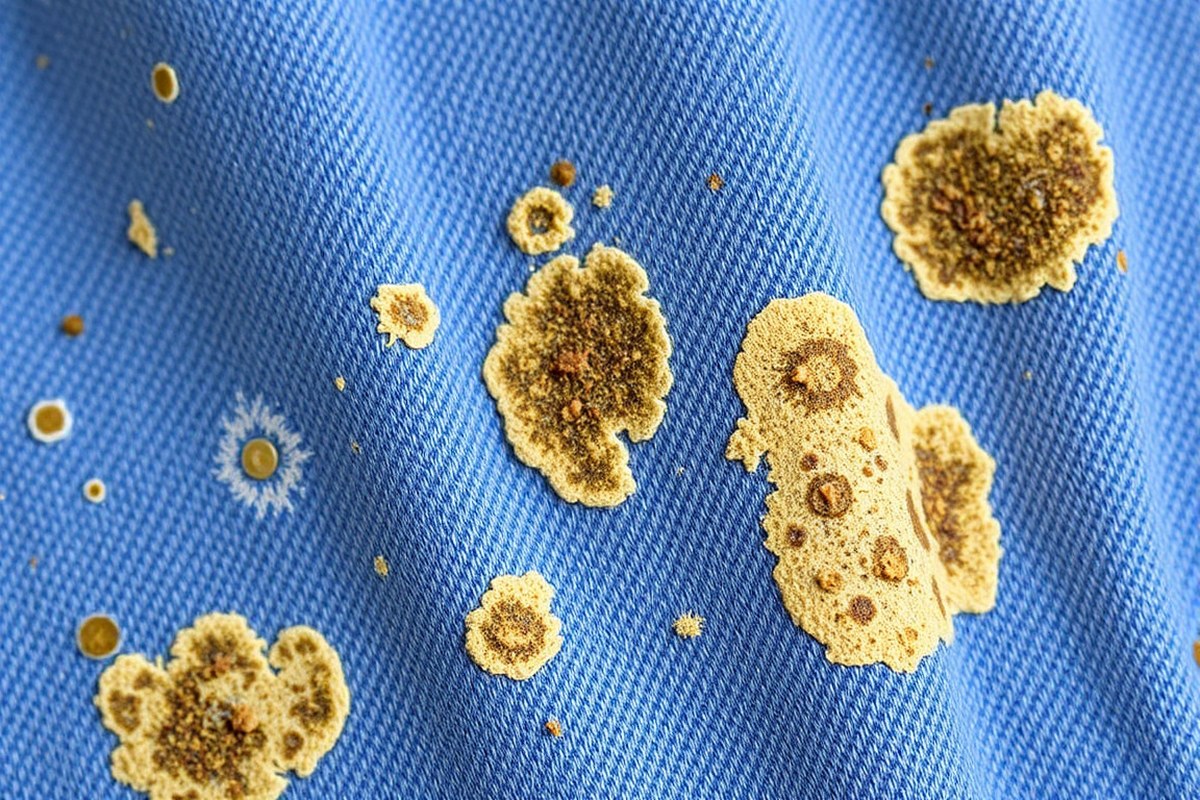
Yes, mold can be mostly removed from clothes, but complete removal depends on how fast you act and the fabric’s condition. Mold starts growing on damp or wet clothes within 24 to 48 hours, especially in areas like thick seams or waistbands where moisture hides. Treating moldy clothes promptly is essential to prevent permanent stains, fabric damage, and lingering odors. The sooner you address mold, the easier it is to remove effectively.
The success of mold removal hinges on several factors, including the type of fabric, the mold species, and the cleaning methods. Washing clothes in hot water combined with white vinegar kills about 80% of mold spores and helps eliminate musty smells. Using one to two cups of vinegar per wash adds a strong mold-killing effect without harsh chemicals. For stubborn mold, multiple wash cycles may be necessary to break down spores and remove stains fully.
Mold can cause permanent damage or an unpleasant odor if left untreated for too long. Because mold digest organic materials like cotton fibers, waiting days or longer before cleaning can result in faint but irreversible stains or fabric weakening. Even after washing, some clothes may retain a musty smell caused by mold residues, which vinegar or laundry additives designed for mold removal can help neutralize. Additives like EC3 Laundry Additive target mold spores and odors during the rinse cycle, improving overall cleaning results.
Completely drying clothes after washing is important to prevent mold from returning. Even clothes that feel almost dry may hold enough moisture in thick areas to promote mold growth if stored without drying thoroughly. Using a dryer or air-drying clothes in a well-ventilated space keeps humidity under 60 percent, which is key to stopping mold spores from redeveloping on fabric. Avoid letting damp clothes sit in the washing machine or baskets because those environments encourage mold growth just as quickly as on the garment itself.
In cases where mold has deeply penetrated or caused severe staining, full removal may not be possible, and some damage or odor might remain. For delicate fabrics or items with persistent mold issues, professional cleaning is a safer approach. However, prompt washing with hot water, vinegar, or mold-targeted additives followed by thorough drying gives you the best chance to clean mold completely and keep your clothes safe to wear.
2. How to Safely Handle Moldy Clothes During Cleaning

Protecting yourself while handling moldy clothes is essential to prevent exposure to harmful mold spores and avoid spreading them around your home. Use proper protective gear, work in well-ventilated spaces, and follow careful handling steps to keep mold contained and minimize health risks.
Protective Gear Checklist for Mold Handling
Wearing the right protective items can significantly reduce your risk of inhaling or contacting mold spores. Always use a KN95 mask to filter airborne spores, gloves to protect skin from irritation, and eyewear to shield your eyes. These basic items cost around $10 to $20 for masks and gloves and vary by brand for glasses or goggles.
- KN95 mask to block airborne spores
- Non-porous gloves, such as nitrile or rubber gloves
- Safety glasses or goggles to protect eyes
- Long-sleeved clothing to cover exposed skin
- Optional: disposable apron to protect clothes
Purchasing reusable or disposable gear depends on how often you expect to handle moldy items. Reusables are more economical for frequent use but require cleaning. For single or rare uses, disposable items help avoid cross-contamination.
Step-by-Step Safe Handling Procedures
Begin by taking moldy clothes outside to gently brush off loose spores with a soft brush. This prevents spores from dispersing indoors. While outdoors, place clothes directly into a sealed bag or container that you can transport to your laundry area. Avoid shaking or agitating fabrics inside your home to reduce airborne spores.
Close vents or doorways leading to other rooms when working indoors to contain spores. Work in a laundry room with an open window, using a fan if available to increase airflow. After handling moldy clothes, immediately remove and discard gloves and wash your hands thoroughly with soap and water. Clean and disinfect any surfaces or tools used during the process.
Preventing Mold Spread and Persistent Stains
The biggest mistake is moving moldy clothes around without containment, which spreads spores to your home environment. Placing moldy garments directly into your regular laundry hamper without treatment can contaminate other clothes. Avoid washing moldy items together with clean clothes to prevent cross-contamination.
Persistent stains occur if you skip pre-treatment or do not use hot water and appropriate additives like Borax or bleach when safe for the fabric. Letting clothes air dry indoors without sunlight or heat helps mold return. Patience during repeated treatments and proper drying is key to success.
Ventilation and Workspace Setup
Choose a space with good airflow. Open windows or use exhaust fans to expel mold spores outside. Keep doors closed to limit spores from spreading to other rooms. Working outdoors is ideal for brushing off mold.
Cleaning clothes in a well-ventilated laundry room reduces indoor mold exposure. Take care to sanitize surfaces with disinfectants that kill mold spores after handling clothes. Regularly clean your washing machine to prevent spore buildup.
Do not mix bleach with ammonia-based cleaners when treating moldy clothes; this creates toxic fumes that can harm your lungs.
3. Pre-Treatment Steps Before Washing Moldy Clothes
To effectively pre-treat mold spots on clothes before washing, start by removing loose mold spores, then apply an appropriate stain remover, and finally soak the garment properly. This process stops mold stains from setting and increases the chance of full removal. Following these steps carefully will help make washing more effective and reduce lingering odors.
Brushing Off Mold Spores
Begin outside to avoid spreading spores indoors. Use a soft brush or a dry cloth to gently remove as many loose mold spores as possible from the fabric surface. This reduces the amount of mold that enters your washing machine and improves the effectiveness of the pre-treatment that follows.
Brush the fabric lightly to avoid embedding spores deeper. Wear gloves and a mask if you have mold allergies or respiratory issues. Dispose of the brush or clean it outside after use to prevent mold spores from spreading.
Applying Stain Removers Safely
After brushing, applying a stain remover directly on the mold spots helps break down and kill mold stains before washing. Several effective options include commercial stain removers, hydrogen peroxide, or mild soap solutions. For white clothes, a diluted bleach solution can work but avoid bleach on colors to prevent fading.
Apply the stain remover liberally over the mold spots and let it soak in for at least 30 minutes. This timing allows the product to penetrate the fabric and start breaking down mold colonies and stains. Avoid letting the stain remover dry on the fabric, as this reduces effectiveness.
Soaking Moldy Clothes Properly
Soaking moldy clothes before washing loosens mold and prevents stains from setting. Use warm water mixed with oxygen bleach or one cup of white vinegar per gallon of water. Let the clothes soak for a minimum of 8 hours, or overnight for heavy mold buildup.
Soaking in these solutions helps kill mold spores and break down mold residues embedded in the fibers. After soaking, it’s important to wash the clothes on the hottest water setting safe for the fabric to remove mold and vinegar residues thoroughly.
- Take clothes outside and use a soft brush or dry cloth to remove loose mold spores carefully.
- Wear protective gloves and a mask during brushing, especially if sensitive to mold.
- Apply a stain remover, hydrogen peroxide, or mild soap solution directly on mold spots.
- Allow the stain remover to soak into the fabric for at least 30 minutes without drying out.
- Fill a basin or tub with warm water and add oxygen bleach or 1 cup of white vinegar per gallon.
- Submerge the clothes and let them soak for 8 hours or overnight for severe mold.
- After soaking, wash the clothes separately in the washing machine using the hottest water allowed.
- Dry clothes thoroughly in direct sunlight to kill any remaining mold spores and odors.
4. Effective Washing Methods to Remove Mold and Odors
Effective washing methods for removing mold and odors depend on using the right cleaning agents, water temperature, and wash cycles tailored to your fabric type. Using natural cleaners like vinegar and baking soda can safely eliminate mold on most clothing without damaging delicate fibers. Vinegar kills most mold species and neutralizes odors, while baking soda boosts cleaning power and deodorizes.
For heavily moldy clothes or whites, bleach is the strongest option but should be used cautiously on colorfast and durable fabrics only. Borax is another additive that kills mold and can improve detergent effectiveness. Look for mold-killing laundry detergents designed for mildew-prone fabrics for an easy, effective solution.
| Cleaning Agent | Effectiveness | Suitability | Typical Use | Safety Tips |
|---|---|---|---|---|
| White Vinegar | Kills most mold species, removes odors | Safe for most fabrics, including delicate and colored | Add 1 cup to the wash cycle or soak clothes in 1-2 cups vinegar with water before washing | Avoid mixing with bleach; test on delicate fabrics first |
| Baking Soda | Deodorizes, mildly kills light mold | Safe for all washable fabrics | Add 1/2 cup during wash cycle or combine with vinegar for soaking | Use after vinegar treatment to avoid neutralizing acid |
| Bleach (Chlorine) | Strongest mold killer, ideal for whites | Only safe on white, colorfast cottons and synthetics | Dilute bleach per label and wash separately at highest safe temperature | Wear gloves, ventilate area, never mix with ammonia or vinegar |
| Borax | Kills mold, softens water, boosts detergent | Works on most washable fabrics except delicate wool or silk | Add 1/2 cup to wash cycle with regular detergent | Follow package precautions; keep out of reach of children |
| Mold-Killing Detergent | Formulated to inhibit mold growth | Most fabrics, including colors | Use as directed; often combined with hot water cycle | Check for fabric compatibility |
Water temperature matters. Hot water (130°F or higher) helps kill mold spores on sturdy fabrics but can shrink or fade delicates. Always check the garment care label before selecting water temperature. For best results, start wash cycles on the hottest water safe for the fabric. This activates mold-killing additives like bleach, borax, or vinegar more effectively.
Choose longer or heavy-duty laundry cycles to allow the detergent and additives enough time to break down mold. Gentle or delicate cycles are best reserved for mold-free or lightly affected fabrics to avoid damage. For natural fabrics like wool or linen, soak moldy items in a vinegar and water solution for 30 minutes before a gentle wash. Commercial mold stain removers can also be used safely on sturdy textiles if you follow the product instructions.
Combining vinegar and baking soda is a proven method for removing mold stains and odors safely. Start by soaking clothes in a bucket of water mixed with 1-2 cups of vinegar and some baking soda for 30 minutes to loosen mold growth. Then wash clothes in the machine using your regular detergent with an added cup of vinegar or borax according to fabric care guidelines. Avoid using bleach and vinegar together in the same cycle, as their chemical reaction reduces their effectiveness. This method works well to preserve fabric quality while thoroughly cleaning moldy clothes.
5. Which Fabrics Need Special Care When Treating Mold?
Choosing the right mold removal method depends on the fabric’s sensitivity and colorfastness. Bleach works well on white, durable fabrics like cotton, but it can damage colored or delicate materials. Vinegar offers a safer alternative for colored clothes and many synthetic blends, killing about 82% of mold species without harsh effects. Delicate fabrics such as wool, silk, and rayon require gentler care and may not tolerate either bleach or vinegar safely. In those cases, professional dry cleaning is recommended, especially when the care label advises it or if mold persists despite home treatments.
The table below helps match fabric types with appropriate cleaning approaches and safety notes. Follow these guidelines carefully to avoid worsening fabric damage or setting stains.
| Fabric Type | Safe Cleaning Method | Precautions |
|---|---|---|
| White cotton, linen | Bleach (1 cup per wash), hot water wash | Use hottest safe water; test hidden spots to avoid discoloration |
| Colored cotton, polyester blends | White vinegar pre-soak, hot water wash, oxygen bleach if needed | Avoid chlorine bleach; test acid sensitivity first |
| Wool, silk, rayon | Professional dry cleaning | No bleach or vinegar at home; risk of shrinkage, distortion |
| Delicate synthetics (nylon, acetate) | Mild detergent, vinegar soak if colorfast, dry cleaning if unsure | Test colorfastness; avoid chlorine bleach |
| Heavy or set-in mold (any fabric) | Repeated professional cleaning or discard if persistent | Home treatments may fail; risk of mold spores spreading |
Professional dry cleaning typically costs around $10 to $20 per garment depending on the fabric and severity of mold. It offers thorough cleaning with solvents that penetrate fibers differently than water-based methods, reducing mold without harsh chemicals like bleach. Choose a dry cleaner who understands mold stains and mildew odors to increase success.
Always test any cleaning product on a small, hidden fabric area first and read all label instructions carefully before treating mold on your clothes.
Taking fabric type into account helps prevent damage and improves mold removal results. For natural fibers that tolerate hot water and bleach, aggressive cleaning can save many garments. For delicate or dry-clean-only items, professional care minimizes risks of shrinking or color loss while effectively treating mold. Heavy infestation sometimes requires repeating treatment or discarding the item to avoid health risks and further contamination.
6. Does Drying Method Affect Mold Removal Success?
How you dry your clothes after cleaning mold affects whether the mold will return and how well any odors disappear. Thorough drying is key to stopping mold from growing back, with sunlight and drying method playing important roles. Controlling humidity and drying time also influence mold removal success.
Why Thorough Drying Prevents Mold Return
Mold spores need moisture to grow, so clothes that stay damp after washing become a breeding ground again. Completely drying clothes removes the moisture mold needs, preventing regrowth. Even a small amount of dampness trapped inside folds can encourage mold. Make sure clothes are dry to the touch, with no cool or clammy spots before storing them.
Drying indoors is not ideal unless humidity is carefully controlled. Indoor drying in a humid space can leave clothes damp longer and promote mold. Using a dehumidifier indoors keeps relative humidity below about 50%, which helps prevent mold growth on drying clothes.
Sunlight’s Role in Mold Removal
Drying clothes in direct sunlight adds natural mildew-fighting power. UV rays help kill lingering mold spores and reduce musty odors. Sunlight also dries clothes faster, cutting down the time mold spores have to reactivate. Position clothes so all surfaces get sunlight exposure, and try to dry them for at least 2 to 4 hours if possible.
Some fabrics fade in sunlight, so check care labels before sun drying. Sun drying often beats indoor drying, as long as you keep an eye on fabric care. Sunlight also reduces humidity around clothes, boosting drying speed further.
Best Drying Methods to Maximize Mold Kill
Among drying options, outdoor air drying under direct sun generally works best for mold removal and odor reduction. When outdoor drying isn’t an option, use a tumble dryer at the highest heat that the fabric can handle. Dryers kill mold spores through heat and eliminate moisture quickly, but always follow garment care instructions to avoid damage.
Avoid line drying indoors in poorly ventilated or humid rooms, as this extends drying time and risks mold return. Portable heaters or fans can speed indoor drying but should be paired with humidity control.
- Air dry outside in sunlight when possible for 2-4 hours minimum
- Use a dryer on high heat safe for the fabric immediately after washing
- Indoors, use fans or dehumidifiers to keep air moving and dry
- Avoid damp or humid spots for indoor drying
- Check clothes carefully for dampness before storing
- Repeat washing and drying if mold smell or stains persist
Following these steps ensures drying minimizes mold spores and moisture, cutting down on re-growth risk.
How Humidity Control Supports Mold Prevention
Humidity above 50% encourages mold growth, especially on damp fabrics. Controlling the air moisture where you dry and store clothes reduces the chance mold will return. During indoor drying seasons or in moist climates, use a dehumidifier in your drying or storage space. A hygrometer can help you track humidity levels and adjust accordingly.
Ensure the drying area has good ventilation and air circulation. Opening windows or using exhaust fans helps remove moisture in the air. Long drying times caused by high humidity give mold spores a chance to thrive even after washing.
Signs Your Clothes Are Fully Dried and Mold-Free
Good drying results mean clothes feel warm and dry throughout, with no cool or clammy spots. There should be no musty or moldy odor after drying. Detect a mold smell or stains? Wash and dry the clothes again to fully remove them. For fabrics that are hard to dry inside or out, consider professional cleaning or specialized mold removal products as ongoing moisture and mold risk could harm the fabric permanently.
7. How to Prevent Mold from Returning to Clothes
Maintaining low humidity levels below 50% is essential to stop mold from growing on your clothes. Mold needs moisture to thrive, so controlling humidity inside closets or storage areas keeps the environment hostile to mold spores. You can measure humidity with an affordable digital hygrometer, which usually costs between $15 and $30. Use a dehumidifier or moisture absorbers like silica gel packs or desiccants to keep the air dry if you notice humidity creeping above 50%.
Proper clothing storage plays a significant role in mold prevention. Always make sure clothes are completely dry before storing them. Damp garments create the perfect conditions for mold to take hold. Avoid stuffing clothes tightly in drawers or closets since this traps moisture and warm air. Instead, store clothes in breathable fabric bags like cotton, which allow air circulation. Also, choose a storage spot with adequate ventilation to reduce the chance of mold development.
It’s important to keep laundry habits in mind to prevent mold from returning. Moldy or damp clothes should always be washed separately from your regular laundry to avoid spreading spores. After washing, remove clothes promptly and dry them thoroughly to prevent moisture buildup. Leaving wet clothes in the washing machine or in piles encourages mold growth on all fabrics.
- Keep closet humidity under 50% using a hygrometer and dehumidifier or desiccants
- Store only fully dry clothes in breathable cotton bags or open containers
- Ensure closets or storage areas have proper ventilation and airflow
- Wash moldy clothes separately to avoid cross-contamination
- Dry clothes immediately after washing and avoid leaving damp laundry in piles
- Regularly inspect storage spaces for signs of moisture or mold
- Address any home humidity issues like leaks or poor ventilation promptly
Keeping your clothes dry and well aired prevents the warm, moist conditions mold thrives on. Proper humidity control combined with thoughtful storage and careful laundry routines reduces the risk of mold growth significantly. This approach requires consistent attention but avoids the need for harsh mold treatments later. Using these strategies ensures your clothes stay clean, fresh, and mold-free.
8. When to Call a Professional for Moldy Clothes
Professional dry cleaning is recommended primarily for garments labeled “dry clean only” or made from delicate fabrics like silk, wool, or cashmere. These materials often cannot withstand the strong chemicals, high heat, or extensive scrubbing used in home treatments without damage. Mold that has deeply penetrated the fibers or left stubborn stains that resist removal after several attempts with home laundry methods calls for professional cleaning.
When deciding between home cleaning and professional services, consider the garment’s value and your health. Mold not only causes fabric deterioration but can trigger allergic reactions or respiratory problems. Owning expensive or sentimental items can justify paying $20 to $50 per garment for professional cleaning to safely remove mold and preserve the fabric. Inexpensive or heavily damaged clothes might be better replaced, as professional treatment costs could exceed their worth.
Professional mold removal uses specialized solvents, heat treatments, and equipment that can kill mold spores more effectively than home washers, which often cannot reach the ideal temperature of 140 degrees Fahrenheit needed to kill most mold. These services can also assess the fabric’s condition to prevent further damage during the cleaning process. For instance, some cleaners use ozone treatments or steam that are unavailable at home and reduce persistent odors better than typical detergents.
Mold stains left for weeks or months, or fabric that looks weakened or discolored after initial cleaning, indicate the need for professional help. Durability varies widely by material and mold exposure, so a professional can recommend whether repair is possible or the garment is beyond saving. A consultation with a professional dry cleaner provides expert advice tailored to your garment’s care label instructions and condition.
Care labels guide what domestic treatments are safe, but when in doubt, it’s better to err on the side of caution and avoid harsh chemicals or high heat. For some fabrics, home attempts at mold removal may worsen the problem or cause color loss, making professional cleaning a safer investment. In regions prone to mold, routine professional cleaning may also prevent mold from setting deeply into luxury fabrics.
Never ignore mold on delicate or dry-clean-only fabrics, calling a professional prevents further damage or health risks.
Step-by-Step Action Plan for Removing Mold from Clothes
Follow this plan to safely remove mold from your clothes and keep it from coming back.
- Before you start: Isolate the moldy clothes to avoid spreading spores. When you notice visible mold and a musty smell, handle the clothes with care.
- Pre-treatment phase: Brush off mold outdoors and soak clothes in a mixture of water and oxygen bleach for at least 30 minutes to weaken mold stains.
- Washing day: Wash clothes in hot water if fabric allows, using a detergent combined with mold-killing additives like white vinegar or borax. Check for odor or stain removal after washing.
- Drying phase: Air dry clothes in direct sunlight or use a machine dryer on a high heat setting, since heat and sunlight help kill remaining mold spores.
- Inspection day: Smell and visually inspect clothes after drying. Should mold or odor persist, wash the items again using extra pre-treatment.
- Prevention start: Store clothes in dry areas with good air circulation. Use moisture absorbers or dehumidifiers in closets prone to dampness.
- Ongoing care: Wash damp clothes promptly and avoid leaving them in damp laundry baskets to reduce mold regrowth chances.
Frequently Asked Questions
Can Mold Stains Be Removed from Clothes Without Bleach?
Mold stains can be reduced using white vinegar or baking soda, but bleach is often needed for thorough removal. Use caution with bleach on colored fabrics, as it may cause fading or damage.
Is It Safe to Wear Clothes That Had Mold on Them?
Wearing clothes with mold residue can cause allergic reactions and skin irritation. Always wash moldy clothes thoroughly before wearing to avoid health risks.
How Long Does It Take to Get Mold Off Clothes with Vinegar?
Vinegar can start killing mold spores within an hour, but soaking clothes for at least an hour before washing improves results. Prolonged treatment may be needed for heavy mold growth.
Can Mold on Clothes Cause Permanent Damage?
Mold can weaken fabric fibers and cause staining if not treated promptly. Removing mold early prevents permanent damage and extends the life of your clothes.
Will Washing Machine Mold Transfer to Clothes?
Yes, mold inside the washing machine can spread to clothes during washing. Regularly clean your washer to prevent mold contamination on garments.
Does Freezing Clothes Kill Mold Spores?
Freezing does not kill mold spores but can stop growth temporarily. Washing clothes properly after freezing is necessary to remove mold completely.
Key Points to Remember
Removing mold from clothes is possible with careful treatment, but some fabrics may retain odors or stains even after thorough cleaning. Act quickly at the first sign of mold and follow safe washing and drying practices to protect your clothes and health. Start by isolating and pre-treating moldy items today to stop mold spread and make cleaning effective.