How to Clean Sofa at Home Safely: A Complete Guide with Proven Methods
To clean a sofa at home safely, first identify its material and cleaning code, then treat stains with appropriate solutions, and allow thorough drying before use. Using gentle blotting and natural deodorizing methods like baking soda can maintain freshness without damage. This advice suits homeowners or renters wanting effective, practical steps for sofa care without professional help.
You’ll find clear instructions on stain removal, fabric and leather sofa cleaning, plus tips for maintaining sofas around kids and pets. Following these proven methods, you protect your sofa’s fabric or leather while keeping it clean and fresh, extending its lifespan.
Key Takeaways
- Check the sofa’s cleaning code (like W, S, WS, or X) before applying any cleaning method to avoid damage.
- Spray stain remover directly onto stains and wait up to 5 minutes before gently blotting with a clean cloth.
- Use baking soda on cushions for 15 to 30 minutes to neutralize odors, then vacuum thoroughly.
- Leather sofas require special cleaners; avoid water and harsh chemicals to prevent drying or cracking.
- Open windows or use a fan to speed up drying, which usually takes 8 to 12 hours after cleaning.
- Perform professional deep cleaning every 6 to 12 months to remove stubborn dust and humidity buildup.
How to Clean a Sofa at Home Step by Step

Cleaning a sofa at home involves a clear process that helps protect the fabric while removing dirt and stains effectively. Preparing your sofa properly and choosing safe cleaning methods are essential to avoid damage. Here is a step-by-step routine that works well for most common sofa fabrics using household items.
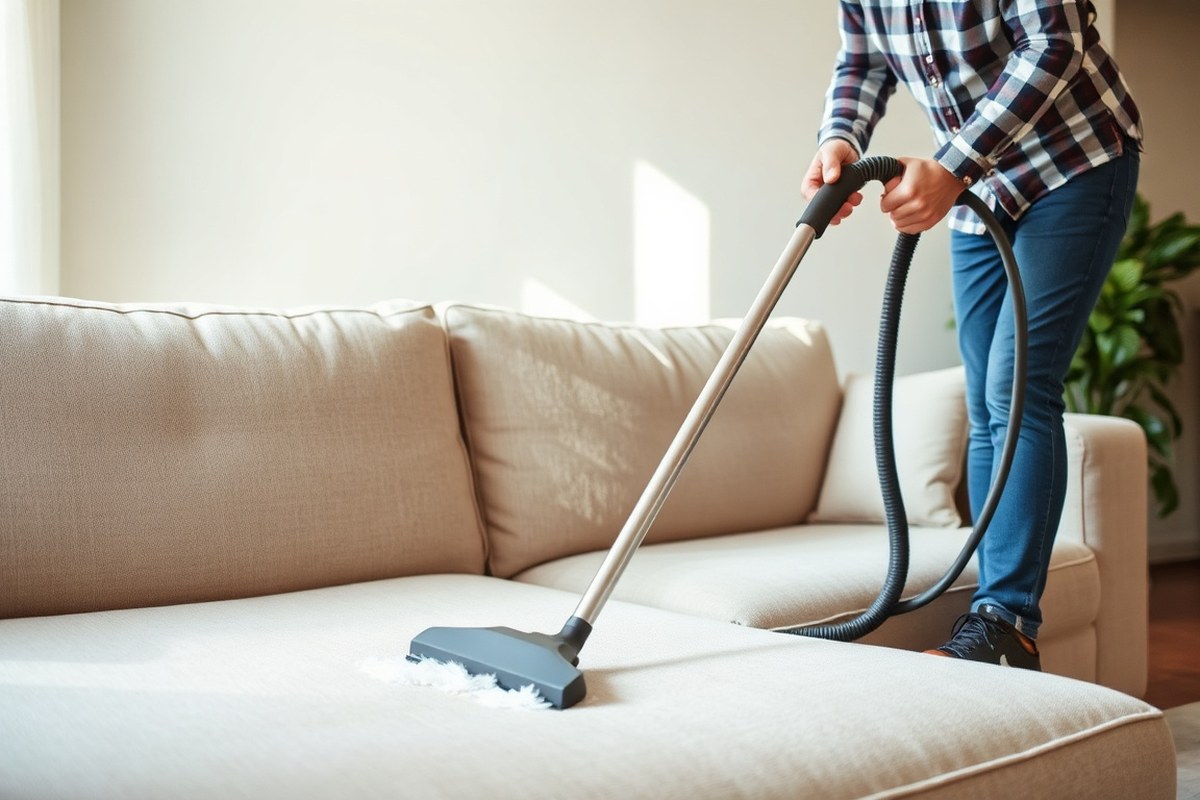
Start by vacuuming the entire sofa, including crevices and under cushions, to remove dust, pet hair, and loose dirt. This step improves cleaning results and prevents dirt from settling deeper into the fabric during washing.
- Remove washable covers if possible. Check the sofa’s cleaning tags for instructions and take off any cushion covers or slipcovers that the manufacturer says can be machine-washed. Use a mild detergent on a gentle cycle, then air dry them completely before putting them back. This prevents shrinkage and damage to fabric fibers.
- Spot test a hidden area. Before applying any cleaning solution to visible areas, test it on a small, inconspicuous spot to check for colorfastness and fabric reaction. Avoid using too much water or harsh chemicals that can cause discoloration or warped texture.
- Prepare a mild cleaning solution. Mix a small amount of dish soap or mild detergent with warm water. For many fabrics, this gentle solution is enough to clean surface dirt without harming upholstery.
- Clean the sofa with a soft cloth or sponge. Dip it in the solution, wring out excess water, and gently scrub the surface in circular motions. Avoid soaking the fabric. For delicate or water-sensitive materials, use only a barely damp cloth to prevent water marks or shrinkage.
- Rinse with a clean damp cloth. Wipe the fabric carefully to remove soap residue, which can attract more dirt if left behind.
- Dry thoroughly using air circulation. Open windows or use fans to speed drying. Do not apply direct heat like hairdryers as this can damage fabric fibers. Avoid sitting on or replacing cushions until the sofa is completely dry to prevent mold or stains.
- Sanitize fabric if safe. On water-safe upholstery, you can spray a fabric sanitizing product to kill lingering bacteria and reduce odors once dry. Follow label directions closely for best results.
This approach typically takes 30 to 60 minutes depending on sofa size and fabric type. Avoid scrubbing too hard or using bleach, which can cause permanent damage. Keeping the sofa clean this way extends its life and keeps it looking fresher without costly professional help.
Identifying Sofa Materials and Cleaning Codes
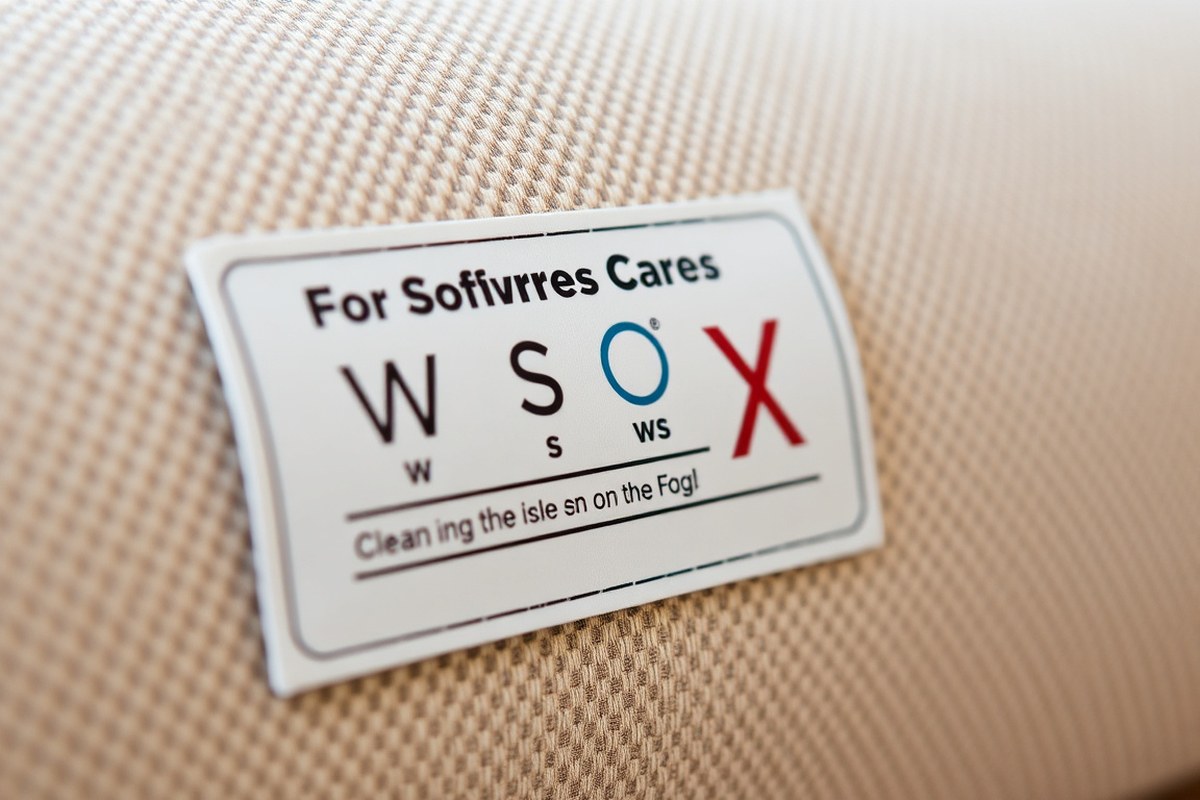
Knowing your sofa’s fabric type and cleaning code is key for selecting a safe cleaning method. Fabric types vary in durability and water resistance, while cleaning codes like W, S, WS, and X guide which cleaning solvents or techniques to use or avoid. Identifying these factors first protects your sofa from damage and helps you clean effectively.
Common Sofa Fabrics and Their Properties
Fabric sofas typically include polyester, cotton, nylon, linen, and blends like poly-cotton. Polyester is durable, stain-resistant, and holds color well, making it easier to clean with water-based methods. Cotton offers a softer feel but absorbs moisture quickly and wrinkles easily, requiring gentler care. Nylon is strong and dries fast but may attract oil-based stains.
Linen is attractive and breathable but prone to wrinkles and water spots, so it often needs delicate cleaning. Poly-cotton blends combine durability with some softness and can usually tolerate mild water-based cleaning agents better than pure cotton or linen. Knowing these properties helps you pick the right cleaning product and method to avoid shrinkage, staining, or fading.
Understanding Cleaning Codes W, S, WS, X
Sofas often have tags indicating cleaning codes that recommend safe methods:
- W: Use water-based cleaners like foam or mild detergent with water
- S: Use solvent-based cleaners without water (dry cleaning solvents)
- WS: Either water-based or solvent-based cleaners are safe
- X: Only vacuum or brush; avoid all liquid cleaners
These codes are based on the fabric’s water and solvent sensitivity. Water-based solutions might damage some fabrics by shrinking or causing water stains, while solvents are better for oil-based stains but can leave residues or fade colors if misused. The code tells you which cleaner type will minimize risks to the fabric and upholstery.
Safe Cleaning Methods for Each Code
Once you identify your sofa’s code, follow these guidelines:
| Cleaning Code | Recommended Cleaning Method | Key Tips |
|---|---|---|
| W | Lightly dampen a clean white cloth or foam cleaner; avoid soaking fabric. | Spot test first; vacuum before applying; avoid excess water. |
| S | Use a solvent-based upholstery cleaner; apply sparingly with a soft cloth. | Work in a well-ventilated area; follow product instructions carefully. |
| WS | EITHER water-based cleaners or solvents are suitable. | Choose based on stain type; spot test recommended. |
| X | Vacuum regularly and brush gently to remove dust. | No liquids; use a dry cleaning professional for stains. |
Spot testing is critical. Apply the cleaner in an invisible corner and wait 10 to 15 minutes. Look for color change, fading, or fabric distortion before proceeding with more extensive cleaning. Use minimal cleaning solution to avoid residue buildup or damage.
Always spot test your cleaning solution on a hidden part of your sofa to avoid unexpected staining or damage.
Handling Sofas with No or Missing Codes
When your sofa lacks a cleaning code tag, treat the fabric as delicate or with an “S” code, steering clear of water-based cleaners that could cause damage. Vacuum it thoroughly to remove dust and dirt and consider solvent-based spot cleaners for stains.
You can try a mild foam upholstery cleaner designed for sensitive fabrics, but only after a spot test. When in doubt, hiring a professional cleaner can help prevent accidental damage. Taking a cautious approach with no-code fabrics prevents shrinkage, colour loss, and other issues common with inappropriate cleaning.
Checking the fabric weave and fiber type can also help gauge sensitivity. Tight woven, synthetic fabrics usually allow safer water use, while loose weave or natural fibers tend to need more careful solvent cleaning.
How to Remove Common Stains Safely
Effective stain removal relies on acting quickly with the right materials and methods. Treat stains by blotting gently, never rubbing, and applying suitable cleaning agents like baking soda, vinegar, or mild soap depending on the stain type. Always wait a few minutes after applying solutions to let them work before gently blotting away. Some stains may require professional cleaning for the best results and to prevent damage.
Removing Food and Drink Spills
Food and drink spills on your sofa need prompt attention to prevent permanent stains. Start by blotting the excess spill immediately with a clean, dry cloth to avoid spreading. Next, mix a mild soap with warm water and lightly spray or dab the solution onto the stain. Let it sit for up to 5 minutes to break down sugars and proteins in beverages or food residues.
After waiting, gently blot the area again with a clean, damp cloth to lift the stain. Avoid soaking the fabric. For greasy or oily spills, sprinkle baking soda over the stain and wait 15 minutes before vacuuming it up, it absorbs oil and neutralizes odors.
Treating Pet Stains and Odors
Pet stains require special care because they often come with odors and bacteria. Use white vinegar diluted with water (one part vinegar to two parts water) sprayed directly on the stain. Let it sit for 5 minutes to sanitize and deodorize the fabric. Then blot gently with a clean cloth. Baking soda can be sprinkled after blotting to absorb lingering smells.
Apply the vinegar solution as quickly as possible after the stain occurs to achieve the best outcome. Do not rub the stain because it can cause it to penetrate further into the fabric. You can repeat the process, but make sure the fabric dries completely between applications to avoid mold or mildew development.
Cleaning Ink, Makeup, and Grease Stains
Ink stains often respond well to white vinegar applied directly and left for 5 minutes, followed by blotting. Makeup stains, typically oil-based, benefit from mild soap mixed with warm water. Gently dab this solution onto the affected area and wait a few minutes before blotting off with a damp cloth.
Grease stains require a slightly different approach. Sprinkle baking soda over the stain and let it sit for about 15 minutes to absorb the grease. Vacuum the baking soda thoroughly afterward. Avoid hot water, which can set grease stains permanently.
- Always test cleaning solutions on a hidden area first.
- Use a white cloth to avoid color transfer when blotting.
- Do not rub stains, as this can damage fibers or spread the stain.
- Wait 3 to 5 minutes after applying cleaning agents before blotting.
- Use baking soda for absorbing grease and neutralizing odors.
- Use diluted white vinegar for sanitizing and tackling ink stains.
- Apply mild soap solution for food, drink, and makeup stains.
When to Stop and Call a Professional
Some stains and situations call for professional upholstery cleaning. Deeply embedded stains, persistent odors, or delicate fabric types like silk or velvet often require specialist care to avoid damage. Strong chemical cleaners used by professionals can extract stains home treatments cannot.
Professional cleaning is also advisable if stains cover large areas or have set over time, as these require powerful equipment like steam cleaners or upholstery extractors. Regular professional cleaning every 6 to 12 months can maintain your sofa’s appearance and hygiene, particularly when pets or kids contribute to frequent messes.
Cleaning Leather Sofas Without Damage
Cleaning leather sofas safely involves gentle methods that protect the material’s natural oils and finish. Use mild, water-based cleaners sparingly and condition leather every 6 to 12 months to maintain softness and durability. Avoid excessive water or steam because they can cause damage, such as warping or cracking.
Wiping and Dust Removal
Remove dust and loose dirt regularly with a soft microfiber cloth. This prevents grit from scratching the leather surface during cleaning. Avoid abrasive cloths or brushes that could wear away the leather’s finish.
Use a dry or slightly dampened cloth with lukewarm water for routine dusting. Avoid soaking the cloth, as too much moisture can stain or damage the leather.
Applying the Right Cleaner
Choose a leather-specific cleaner or make a gentle solution by mixing a few drops of mild soap in lukewarm water. Harsh chemicals and household cleaners can strip natural oils and cause discoloration.
Apply cleaner in small sections using a soft cloth dampened (not wet) with the solution. Wipe gently, never scrub. Follow with a clean, slightly damp cloth to remove soap residue.
- Test the cleaner on a hidden section of the sofa to ensure no adverse reaction.
- Dip a microfiber cloth into the mild soap solution, then wring it out thoroughly.
- Clean a small area at a time, wiping gently in circular motions.
- Use a second clean cloth dampened with plain water to rinse off any soap.
- Dry the area immediately with a dry microfiber cloth to prevent water damage.
- Repeat until you’ve cleaned the entire sofa.
Conditioning and Moisturizing Leather
Leather needs conditioning every 6 to 12 months to prevent drying, cracking, and fading. Use a cream or oil-based leather conditioner designed for furniture. These products restore moisture and create a protective barrier.
Apply conditioner with a clean cloth, rubbing it evenly into the leather’s surface. Allow it to absorb fully, then buff gently with a dry cloth for a polished look. Over-conditioning can cause buildup and attract dust, so follow product directions for frequency.
Handling Scratches and Cracks
Minor scratches can often be minimized by gently rubbing the area with a clean finger or soft cloth, which can redistribute the leather’s natural oils. For deeper scratches, use a specialized leather repair balm or cream matched to your sofa’s color.
Apply the repair product sparingly using a cotton swab, then blend it with surrounding leather by gentle buffing. Avoid water or steam on cracked leather, as moisture can worsen the damage. Severe cracks or extensive damage may require professional restoration to avoid further harm.
How to Deodorize and Freshen Your Sofa Naturally
Baking soda is a natural and effective deodorizer that works well for most sofa fabrics. To use it, sprinkle a generous layer of baking soda over your cushions or the entire sofa surface. Let it sit for at least 15 to 30 minutes; for stronger odors or after deep cleaning, leaving it on overnight is better. After the waiting period, vacuum the baking soda completely to remove absorbed smells. This simple method avoids harsh chemicals and leaves your sofa smelling fresher.
White vinegar and vodka are also safe options to remove odors without staining. Vinegar, diluted with water, can cut through stubborn smells, especially from pets or mildew. Mix two tablespoons each of natural liquid soap, white vinegar, baking soda, and two cups of warm water to create a gentle cleaning solution. Test this mix on a small hidden area first to ensure it doesn’t affect the fabric. Vodka’s alcohol content kills odors and evaporates quickly, reducing the chance of moisture damage. Lightly mist vodka over the sofa surface and let it air dry.
For maintaining a fresh sofa between deep cleans, regular use of baking soda is ideal. Vacuum your couch well, then sprinkle baking soda and let it sit from 15 minutes up to a few hours before vacuuming again. This routine helps prevent odor buildup without over-wetting the fabric, which might cause damage over time. Keeping pets clean and promptly treating any spills supports your efforts to maintain sofa freshness.
After treating stains or odors, avoid applying deodorizing agents on wet or damp couches as that can encourage mildew growth. Deep cleaning your sofa about once a year supports long-term freshness, but avoiding harsh chemicals during routine maintenance protects your fabric’s appearance and your health. Using natural deodorizing agents like baking soda, vinegar, and vodka provides affordable, safe, and effective results with minimal risk.
Always vacuum up all the baking soda thoroughly to prevent residue buildup that can attract more dirt or irritate skin allergies.
Tools and Products Needed for Effective Sofa Cleaning
Vacuum attachments designed specifically for sofas, such as a brush or upholstery tool, work best for removing dust and debris without damaging the fabric. These tools gently agitate dust while protecting delicate fibers. Handheld vacuums are especially useful for cleaning seams and smaller areas efficiently without dragging out a bulky machine. A vacuum pass using these attachments usually takes about 5 to 10 minutes depending on sofa size and reduces dirt enough for better cleaning results.
When it comes to cleaning products, choose versatile and safe options like mild liquid dish soap or a gentle detergent diluted in warm water. White vinegar diluted in water is an effective and inexpensive homemade solution that can disinfect and deodorize without harsh chemicals. Avoid harsh bleach or strong solvents that can weaken sofa fabric or cause discoloration.
- Soft-bristle brush for lifting dirt gently from fabric
- Microfiber cloths for wiping and blotting without scratching
- Handheld vacuum with upholstery attachment for easy debris removal
- Mild liquid soap or dish detergent for DIY cleaning solutions
- White vinegar diluted with water for natural deodorizing and cleaning
- Spray bottle to mix and apply homemade cleaners evenly
- Bucket or bowl to prepare cleaning solutions and rinse cloths
Store-bought upholstery cleaners offer convenience and formulations tested on fabrics, often including stain removers and deodorisers ready to use. They cost around $8 to $15 for small bottles and can save time, but may contain chemicals you prefer to avoid. Homemade solutions, like mixing 1/4 teaspoon of liquid soap in 2 cups of warm water or a 1:1 ratio of white vinegar and water, cost only cents and provide a mild yet effective alternative. Test any cleaner on a hidden area of the sofa first to ensure no fading or fabric damage occurs.
Using a soft-bristle brush helps loosen dirt trapped in fibers without rough scrubbing that can wear upholstery. Microfiber cloths absorb moisture and lift stains gently; always blot, never rub, for best results. Preparing a light cleaning solution allows careful spot cleaning after vacuuming, helping prevent water stains or fabric deformation. Avoid soaking the sofa and allow each cleaned area to air dry completely, which typically takes 1 to 3 hours depending on room temperature and ventilation.
Tips for Maintaining Sofas with Pets or Kids
Pets and children often cause sofas to get dirty and stained, so regular care and certain methods are needed to maintain cleanliness. Vacuum your sofa once a week with the upholstery brush and crevice tool to pick up pet hair, crumbs, and dirt lodged in seams and cushions. Look closely at areas between and beneath cushions, as pet hair tends to accumulate deeply there. Before vacuuming, use a soft-bristled brush to lightly loosen dirt and hair for better cleaning results.
For embedded pet hair that resists vacuuming, consider using a damp rubber glove or a lint roller before going over the area with your vacuum again. This combination helps lift hair from the fabric’s surface and embedded fibers. Wet upholstery vacuum cleaners, like models from Bissell or Agharo, are particularly effective for deeper cleaning and targeting stains that arise from pets or kids. These machines remove dirt and moisture at the same time but should be used according to the manufacturer’s instructions to avoid damaging your sofa fabric.
Frequent spills and stains are common in busy households. Quick action is essential to prevent permanent marks. Blot spills immediately with a clean, damp cloth rather than rubbing, which can spread the stain or embed it further. Cushion covers that can be removed and have washing instructions on the tag can be washed in a machine from time to time to keep your sofa smelling fresh and clean. Using neutral detergent and cold water often works well, and air-drying prevents shrinkage or fabric damage. For stubborn stains, specialized upholstery cleaners designed for your sofa type provide better results than household cleaners but test any product on an inconspicuous area first.
In terms of overall cleaning frequency, vacuum more often in homes with pets or children, every 3 to 4 days if the sofa is heavily used, such as in living rooms or play areas. This frequency reduces dust buildup and prevents hair and crumbs from becoming embedded over time. Deep cleaning with a wet vacuum or professional-grade upholstery cleaner should be done every 3 to 6 months depending on how much wear the sofa sees. Maintaining this routine helps limit odors from pets or food spills, keeping your sofa fresher for longer.
Protective covers are highly recommended in households with pets and kids. They create a barrier against stains, spills, and hair, simplifying cleanup. Choose covers that fit snugly and are made from durable, washable fabrics. Removing and washing these covers regularly is quicker and less risky than deep cleaning the sofa itself, and covers can be replaced when worn without replacing the entire sofa. For delicate or leather sofas, covers specifically designed to preserve the material’s quality can also reduce damage from claws or spills.
When to Call a Professional Sofa Cleaner
Professional sofa cleaning becomes necessary when stains or damage exceed what DIY methods can safely handle. Deep, set-in stains like ink, red wine, or blood often need specialized treatments that household cleaners can’t fully remove without risking fabric harm. Also, sofas with extensive pet urine contamination or unpleasant odors might require enzyme treatments applied by professionals to reach full effectiveness. If your sofa fabric shows signs of mold or mildew, this also calls for expert cleaning to prevent health risks and structural damage. Damaged upholstery, such as ripped seams or severely worn padding, is better handled by a professional who can combine cleaning with repairs.
Many homeowners find that scheduling professional deep cleaning every 12 to 18 months helps maintain upholstery condition over time. Frequent cleaning at this interval addresses dirt and allergens that accumulate in fibers and can’t be thoroughly removed at home. This timeline might shorten to every 6 to 12 months if you have pets, kids, or use the sofa heavily. Certain fabrics, especially delicate or antique ones, benefit strongly from professional care to avoid damage from improper DIY attempts.
| Factor | Impact on Cost |
|---|---|
| Sofa size and number of cushions | Larger sofas and more cushions increase cleaning time and cost |
| Type of upholstery | Leather and delicate fabrics typically cost more to clean |
| Level of soiling and stain severity | Heavy soiling or tough stains require extra treatments, raising price |
| Location and travel distance | Remote areas may have higher fees or limited service options |
| Additional services | Odor removal, fabric protection, and repairs add to the total cost |
Typical costs for professional sofa cleaning range from $80 to $150 for a standard three-seat sofa, with prices increasing for larger pieces or specialty fabrics. Leather sofas often run toward the higher end or beyond that range due to the care they require. Request estimates from several providers and compare what services are included to find the best fit for your needs.
To find a reliable sofa cleaning service, start by checking reviews on platforms like Yelp or Angie’s List to identify top-rated local cleaners. Confirm that the company uses safe, fabric-appropriate cleaning agents and has experience with your sofa type. You can ask about their cleaning process, any guarantees they offer, and whether they handle repairs. Verifying insurance and licensing ensures protection in case of accidental damage during cleaning. Booking a consultation or walkthrough can also help you assess professionalism and clarify expectations before committing.
Choose a professional cleaner if you notice a lingering odor that doesn’t improve with home treatments, as deeper sanitation is usually required.
Step-by-Step Action Plan for Cleaning Your Sofa at Home
Follow this simple schedule to keep your sofa clean and fresh without damaging its material.
- Before you start: Check the sofa’s cleaning code and material type to choose the right cleaners and methods.
- Day 1: Vacuum the entire sofa, focusing on crevices and cushions, to remove dust and loose dirt. You’ll see a visibly cleaner surface and less debris on your vacuum filter.
- Day 2: Spot clean any stains using appropriate cleaners based on the stain type and sofa fabric; stains should start to fade or disappear completely.
- Day 3: Apply a natural deodorizer like baking soda, let it sit for 15 minutes, then vacuum again; your sofa should smell fresher.
- Week 1: Use a damp cloth to clean your leather sofa, then apply a leather conditioner to maintain softness and avoid cracks.
- Every 2 weeks: Vacuum and rotate cushions to extend their shape and cleanliness.
- Monthly: Use a gentle upholstery cleaner or steam cleaner if suitable, testing on a hidden spot first. The sofa should look evenly cleaned without spots or discoloration.
- As needed: Address new stains immediately and repeat stain removal steps to avoid permanent damage.
Frequently Asked Questions
Can I Use Vinegar to Clean All Types of Sofas?
Vinegar works well on many fabric sofas but avoid it on leather or delicate materials. Test on a small area first to prevent damage or discoloration.
How Often Should I Clean My Sofa to Keep It Fresh?
Cleaning every 3 to 6 months is ideal for general maintenance. Regular vacuuming in between helps reduce dirt buildup and prolongs fabric life.
Can Sunlight Help Deodorize My Sofa, or Does It Cause Harm?
Sunlight can naturally freshen your sofa but may fade some fabrics. Limit exposure to avoid weakening fibres and use indirect light when possible.
Is It Safe to Use Commercial Upholstery Cleaners on Antique Sofas?
Commercial cleaners may be too harsh for antiques and damage materials. Consult a professional for safe products tailored to vintage sofas.
What Household Item Is Best for Spot Cleaning Sofa Stains Quickly?
Mild dish soap mixed with water often works best for fast spot cleaning. Dab gently without rubbing to avoid spreading the stain further.
Can Steam Cleaners Be Used on Any Sofa Fabric Safely?
Steam cleaning is great for sturdy fabrics but not recommended for leather or delicate materials. Always check sofa care codes before using steam methods.
Before You Go
Cleaning your sofa at home is manageable with the right knowledge of materials, stains, and safe products. Taking action on small, regular cleaning tasks prolongs your sofa’s life and keeps it inviting. Start by identifying your sofa’s fabric and stain needs today so you can protect your investment for years to come.