How to Clean Sofa Cushions: 8 Essential Steps for Best Results
Cleaning sofa cushions properly keeps your furniture fresh and extends its life. You can safely and effectively clean most cushions by vacuuming, treating stains promptly, and deep cleaning based on fabric type. Following routine care and using the right methods prevents damage and removes odors, dirt, and allergens for a comfortable seating experience.
Homeowners and renters seeking straightforward advice on how to clean sofa cushions will find clear steps to handle different fabrics, use natural and commercial products, and maintain cushions with regular cleaning. This approach fits busy schedules while protecting your investment.
Key Takeaways
- Always check the cushion’s fabric code before choosing a cleaning method to avoid damage.
- Vacuum your sofa cushions once a week with an upholstery tool to clear away dust, dirt, and pet hair.
- Deep clean sofa cushions every 6 to 12 months depending on use and exposure to allergens.
- Sprinkle baking soda on cushions and let sit for 20-30 minutes to absorb odors before vacuuming.
- Spot clean stains quickly with a soft brush and mild solution suitable for the fabric type.
- Dry cushions thoroughly for 1, 2 days on a sunny day to prevent mildew growth.
1. How to Clean Sofa Cushions Safely and Effectively

Cleaning sofa cushions safely and effectively starts with careful preparation and follows a step-by-step process that protects both the fabric and the filling. Proper preparation helps prevent damage and ensures the cleaning products work well. Cleaning cushions takes time, especially considering drying, which can take 1 to 2 days depending on the size and fabric type.
Begin by removing loose dirt and debris and checking the fabric cleaning code. Use gentle vacuuming to avoid pushing dirt deeper into the fabric. Safety matters too: test cleaning solutions on a hidden area first and avoid over-wetting cushions, which could cause mildew or damage the padding. Wearing gloves protects your skin from harsh chemicals and dirt.
- Detach and vacuum cushions. Remove all loose cushions and use a vacuum cleaner with an upholstery tool to clear away dust, pet hair, and crumbs. Doing this stops dirt from spreading or settling deeper during cleaning.
- Check cleaning codes and test spot. Look for a manufacturer label with cleaning instructions (such as “W” for water-based cleaners or “S” for solvent-based). Test the chosen cleaner on a small, hidden section for 5 to 10 minutes to ensure no discoloration or fabric damage occurs.
- Apply cleaner carefully. Using a spray bottle or cloth, apply the cleaning solution lightly, working on one small area at a time. For water-safe fabrics, use a mixture of mild detergent and water; for water-sensitive fabrics, use appropriate solvents or dry-cleaning products. Avoid soaking the cushions.
- Gently scrub or blot. Use a soft brush or clean cloth to work the cleaner into the fabric with light circular motions. Blot excess moisture immediately with a dry towel to prevent saturation.
- Rinse if needed. For water-cleanable fabrics, wipe the cushions with a damp cloth to remove soap residue. Be sure not to over-wet and allow excess water to drain off.
- Dry cushions thoroughly. Set cushions in a bright, well-ventilated area, preferably under indirect sunlight, to dry completely, which usually takes 1 to 2 days. Flip and rotate cushions occasionally to speed drying and maintain shape.
- Reassemble when fully dry. Only put cushions back on the sofa when they feel dry to the touch to avoid mildew growth inside the foam or padding.
Following these steps helps maintain your sofa cushion’s look and feel while avoiding common risks like fabric damage or lingering moisture. Large stains, delicate fabrics such as leather or suede, or cushions that cannot be removed often require professional cleaning to avoid damage and achieve better results.
2. Understanding Fabric Types and Cleaning Codes on Cushions
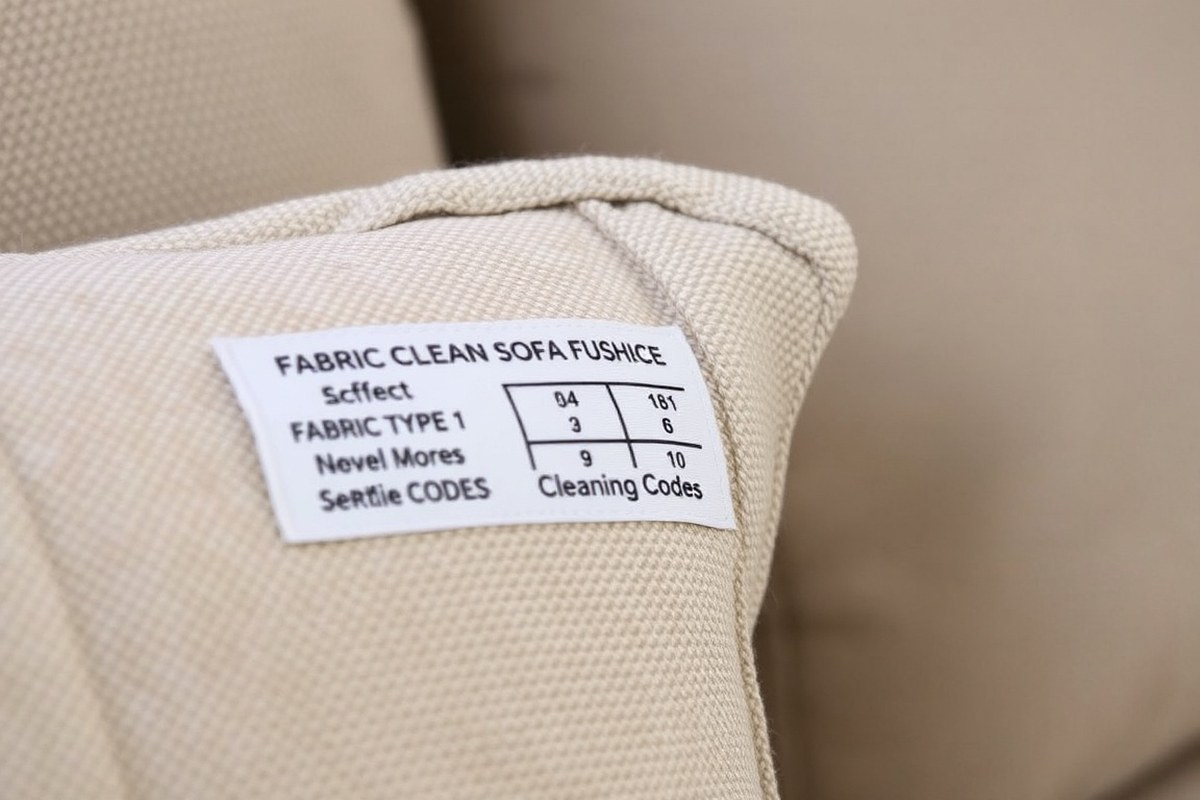
Identifying the fabric of your sofa cushions and reading their cleaning codes is key to choosing safe, effective cleaning products. These codes indicate what type of cleaners, water-based, solvent-based, both, or none, are recommended. Using the wrong product can cause fabric damage, shrinking, or stains setting deeper, so always check these before you start cleaning.
Common Sofa Cushion Fabrics
Sofa cushions often come in fabrics like cotton, polyester, microfiber, velvet, or blends. Each fabric type differs in durability and cleaning requirements. For example, cotton and polyester tend to handle mild water-based cleaners well, while delicate fabrics like velvet might need gentler approaches. Leather cushions usually require very specific care methods and shouldn’t be cleaned with water or harsh solvents.
To identify your cushion’s fabric, look for the sewn-in tag or care label. It typically lists the material and cleaning code. If the label is missing, gently test a hidden area by dabbing a damp cloth to see if the fabric reacts, or note the feel and weave type, smooth polyester will differ from rougher cotton blends.
Cleaning Code Definitions and Meanings
Upholstery cleaning codes help you match the right cleaning method to your cushions. These codes show which products won’t damage your fabric:
| Cleaning Code | Description | Recommended Cleaners |
|---|---|---|
| W | Water-based cleaners only | Mild detergent, upholstery shampoo |
| S | Solvent-based cleaners only | Dry-cleaning solvents, rubbing alcohol |
| WS | Water or solvent cleaners | Mild detergent or solvent cleaners |
| X | Professional cleaning only | Vacuum only, no liquids or solvents |
Before you apply any cleaning product, locate and interpret the tag, which may be under or inside the cushion cover or on the sofa frame. The cleaning code guides safe product use, helping you avoid shrinking, color fading, or residual damage to the fabric and foam.
Recommended Cleaners by Code and Fabric
The best cleaner depends on the fabric and the cleaning code. For cushions marked with “W,” a mixture of mild dish soap and water works well. Apply lightly with a sponge, blotting stains gently without soaking the fabric. Synthetic blends and cotton generally tolerate these water-based methods.
Cushions labeled “S” should only be cleaned with solvent cleaners like rubbing alcohol or dry-cleaning solutions to prevent water damage. Use these in a well-ventilated space and avoid applying excess liquid. “WS” fabric offers flexibility: choose either mild detergent or solvent-based spot cleaners, testing in an unseen area first.
For “X” coded cushions, avoid any liquids and stick to vacuuming or hire a professional upholstery cleaner. These fabrics are sensitive and risk permanent damage from home cleaning attempts.
Precautions to Avoid Damage
Always do a patch test on a hidden spot before cleaning the entire cushion. Use a small amount of the chosen cleaner and wait 10 to 15 minutes to check for color change or fabric harm. Avoid rubbing vigorously, and don’t saturate the fabric, since excess moisture can soak into the foam and cause mold or prolonged dampness.
Remove and clean cushion covers separately if they are removable, but check the care label about machine washing or hand washing. Non-removable cushions require careful spot cleaning or steam cleaning only when safe according to their code.
Warning: Using water-based cleaners on “S” coded fabrics or solvents on “W” fabrics can permanently stain or shrink your cushions.
3. Tools and Supplies Needed for Different Sofa Cushion Cleanings
For cleaning sofa cushions effectively, selecting the right tools and supplies based on the cushion fabric and cleaning method is essential. A vacuum with an upholstery attachment is the best starting point. This tool lifts dirt, dust, and hair without damaging the fabric. Vacuum slowly in a criss-cross pattern over the entire cushion surface to ensure thorough debris removal. Avoid skipping vacuuming even if the cushions appear clean, as unseen particles can affect fabric condition and indoor air quality. Typically, vacuum upholstery attachments can range from $20 to $60 for a standalone unit or as a vacuum accessory.
Soap and detergents for cleaning sofa cushions need to be mild to prevent fiber damage and fading. Use a solution of gentle liquid soap mixed with water, avoiding harsh chemical detergents that can degrade delicate fabrics. Always test your cleaning solution in an inconspicuous area before full application. For spot cleaning, soft cloths or microfiber towels are recommended because they minimize abrasion on the fabric. Gently blot or lightly scrub spots; avoid aggressive scrubbing, which can wear out the cushion fabric.
Natural cleaning agents like baking soda and vinegar offer effective deodorizing and mild stain removal options if used correctly. Baking soda sprinkled on the cushion and left for about 20 minutes absorbs odors and can freshen fabric surfaces before vacuuming it away. Vinegar diluted with water (one part vinegar to three parts water) can be used for spot cleaning but should be applied sparingly and immediately blotted off to prevent soaking the cushion. Natural agents tend to be safe and inexpensive, often costing just a few dollars per use. Do not saturate cushions since excessive moisture can lead to mildew and fabric damage.
- Vacuum with upholstery attachment to remove dust and hair gently
- Use mild soap mixed with water for cleaning; avoid harsh detergents
- Soft microfiber cloths or brushes for gentle scrubbing
- Baking soda to deodorize and absorb odors
- Diluted vinegar solution for light spot cleaning
- Spot test every cleaner on an unseen area before use
- Avoid soaking cushions; keep cloths damp, not wet
For different fabrics such as microfiber, cotton, leather, or synthetic blends, always follow manufacturer labels and fabric care codes closely. Leather cushions, for example, require cleaners specifically formulated for leather to avoid cracking or discoloration. In cases of delicate or heavily soiled cushions, professional cleaning services might be a safer option to protect your investment in quality upholstery. Using the right tools and cleaning agents ensures your cushions look clean, feel fresh, and last longer.
4. Spot Cleaning Stains on Sofa Cushions: Natural and Commercial Methods
Spot cleaning stains on sofa cushions means identifying the stain’s type, choosing the right cleaning method, and carefully removing the stain without damaging the fabric. Different stains like grease, wine, or urine need different treatments, and natural or commercial cleaners work best depending on the stain severity and fabric. Acting quickly and following proper steps helps avoid permanent marks.
Types of Common Stains
Common sofa cushion stains often include grease, wine, ink, food, and pet urine. Grease stains leave oily marks that soak deep, wine stains are acidic and can discolor fabric, and urine can leave odors and cause fabric damage if left untreated. Identifying the stain helps pick the right cleaning solution and prevents further setting of the stain.
Food stains often combine grease and color, needing both gentle detergent and a degreaser. Ink stains require specialized removers due to their strong pigments. Pet urine demands an enzymatic cleaner to break down odor-causing compounds. Knowing the stain type helps you avoid harmful scrubbing or poor cleaning attempts that could spread the stain or damage fabric fibers.
Natural Spot Cleaning Solutions
Natural cleaning solutions use household ingredients effective on many common stains while being gentle on fabrics and safe around pets and kids. A simple mixture of mild, dye-free laundry detergent and warm water cleans most stains like food and dirt.
For grease stains, apply a paste of baking soda and water to absorb oil before wiping away. White vinegar diluted with water (one part vinegar to two parts water) works well on wine or coffee stains as a mild acid to lift discoloration. Enzymatic cleaners made for pet odors, though commercial, often contain natural enzymes that digest organic stains like urine safely.
Using Commercial Stain Removers Safely
Commercial stain removers offer targeted formulas for stubborn stains like ink or wine. Follow the label instructions closely, using only the recommended amounts to avoid fabric damage or discoloration. Test commercial products on an invisible area before full application.
Pre-treating stubborn stains with a commercial spot remover before general cleaning improves results, often requiring 5 to 10 minutes of dwell time before blotting. Avoid harsh bleach or ammonia-based cleaners unless your cushion fabric code specifically allows these chemicals, as they can weaken fibers or cause fading.
Step-by-Step Spot Cleaning Process
Follow these steps to spot clean stains effectively, whether using natural or commercial solutions. Working methodically prevents setting stains further and avoids over-wetting cushions without removable covers.
- Vacuum the cushion surface to remove loose dirt and debris around the stain area.
- Blot the stain gently with a clean, dry cloth to absorb any excess liquid without rubbing it deeper.
- Apply a small amount of your chosen cleaning solution to a white cloth or sponge.
- Lightly dab the stain with the cloth, working from the outside in to avoid spreading.
- Let the cleaning agent sit on the stain for 5 to 10 minutes but do not let it dry fully.
- Blot the stain again with a damp cloth to lift the cleaner and stain out of the fabric.
- Dry the area with a clean towel and allow the cushion to air dry completely before use.
- Repeat the process if the stain persists, avoiding excessive moisture to prevent mold.
How to Test for Colorfastness
Before applying any cleaning solution, test it on a hidden spot of the cushion fabric. Apply a small amount of the cleaner, wait 5 to 10 minutes, then blot with a white cloth. If the fabric color remains unchanged and no fading or damage occurs, the cleaner is safe to use on the stain.
Testing ensures you avoid discoloration or bleaching from harsh chemicals or unexpected reactions, especially with commercial products or homemade acidic mixtures like vinegar. Proceed with spot cleaning only after confirming colorfastness.
5. Deep Cleaning Removable and Non-Removable Sofa Cushions
Deep cleaning sofa cushions depends on whether their covers are removable. Cushions with removable covers are easier to wash, often suitable for machine cleaning following care labels. Cushions without removable covers require spot treatments and gentle cleaning methods that protect the fabric and filling.
Deep Cleaning Process for Removable Covers
Start by removing the cushion covers, which cuts the cleaning effort in half. Check the care tag to confirm they can be machine washed. Turn covers inside out to protect the fabric and colours during washing. Use a gentle cycle with cool water unless the tag specifies otherwise. Choose a mild detergent to avoid damaging delicate fabrics. After washing, air-dry the covers to maintain their shape and avoid shrinking. Deep cleaning with removable covers can be scheduled every few months or more often if pets, children, or allergies increase soil and odor buildup.
Cleaning Non-Removable Cushions Safely
Non-removable cushion covers require a hands-on approach to avoid soaking the cushion filling, which can cause mildew or deformation. Begin by vacuuming to remove loose dirt and dust. Prepare a gentle cleaning solution by mixing mild detergent with water. Use a clean cloth or soft brush to gently scrub the fabric, focusing on stained or high-contact areas. Avoid over-wetting the cushion and let it air dry in a well-ventilated area. For persistent odors or allergens, sprinkle baking soda on the dry cushion, let it sit for 15 to 30 minutes, then vacuum it off. This process maintains cushion integrity without requiring a deep soak or machine wash.
Machine Washing vs Hand Washing Covers
Machine washing is the easiest and most efficient method when cushion covers are machine-friendly. It saves time and delivers thorough cleaning. However, hand washing offers better control over delicate fabrics or prints. Hand washing uses lukewarm water with gentle detergent, soaking covers for 10 to 15 minutes before lightly scrubbing and rinsing. Hand washing is slower but reduces the risk of shrinkage or damage to subtle textures. Machine washing is suitable for cotton, polyester blends, and many synthetic fabrics, while hand washing suits delicate silks or embroidered covers.
| Aspect | Removable Covers | Non-Removable Covers |
|---|---|---|
| Ease of Cleaning | Easier; covers taken off and washed | More effort; cleaning done in place |
| Washing Method | Machine wash or hand wash | Spot clean with a damp cloth and mild detergent |
| Drying | Air dry to avoid shrinkage | Air dry completely to prevent mildew |
| Frequency | Every few months or more if heavily soiled | Spot clean as soon as stains appear, deep clean occasionally |
| Risk | Potential shrinkage if not air dried or if washed improperly | Risk of mold if cushions stay damp too long |
Knowing the type of cushions you have informs the right cleaning strategy. Removable cushion covers simplify deep cleaning, while non-removable cushions demand careful surface treatment to maintain their structure and hygiene.
Precautions for Different Fabrics
Always read and follow the care tags on cushions. Fabrics vary from durable synthetic blends to delicate natural fibers. Use cold or cool water cycles for machine washing almost all types to protect color and shape. Avoid harsh chemicals or bleach that can degrade fibers. For non-removable cushions, test cleaning solutions on a hidden area first to check for discoloration or fabric damage. Dry cushions and covers fully but keep them out of direct sunlight that can fade colors.
Turn sofa cushion covers inside out before machine washing to protect fabric quality and colours during the cycle.
6. Drying Sofa Cushions to Prevent Mildew and Damage
Drying sofa cushions thoroughly is critical to prevent mildew, mold growth, and fabric damage. Cushions typically take between 24 to 48 hours to dry fully after cleaning, depending on cushion size, fabric, and environmental conditions. Larger or thicker cushions, as well as those cleaned with steam or heavier moisture applications, may require closer to two days to ensure complete drying.
The best environment for drying cushions is a well-ventilated, warm space with low humidity. Setting cushions near a fan or an open window can speed up moisture evaporation. A steady room temperature around 70 to 75 degrees Fahrenheit encourages faster drying without stressing the fabrics. Direct sunlight can help but might cause fading or weaken some fabrics, so indirect light is safer for delicate or colorful cushions.
Humidity greatly affects drying times. High humidity slows evaporation and can extend drying times past two days, increasing the risk of mildew and musty odors. Using a dehumidifier in humid climates or drying rooms helps reduce moisture and shortens drying times. Avoid placing cushions in damp basements or poorly ventilated areas where humidity stays improve. The goal is to keep the fabric and cushion filling dry to the touch before returning cushions to the sofa.
To dry cushions properly, follow this checklist: immediately after cleaning, gently press with a dry towel to absorb surface water, then position cushions upright or at an angle to maximize exposed surface area. Use a fan or keep them in a room with good air circulation. Check cushions periodically for damp spots or sogginess. After cleaning cushions with steam or a lot of water, wait at least 48 hours before checking if they are dry. Feel through the fabric and squeeze gently to confirm dryness. When moisture is still present, increase drying time to stop mildew from forming.
Patience is key, rushing the drying process by putting cushions back too soon traps moisture inside, potentially causing discoloration, fabric weakening, or a pungent smell. In winter or cold, damp environments, consider using a space heater at a safe distance to prevent humidity buildup and accelerate drying. Always follow fabric care labels for temperature limits to avoid damage.
7. Maintaining Sofa Cushions: Routine Cleaning and Care Tips
Vacuum sofa cushions at least once a week to remove dust, pet hair, and allergens. Use a vacuum with a HEPA filter especially if allergies are a concern in your home. Deep clean cushions every six months to keep them hygienic and fresh, following the fabric care instructions on the label to avoid damage. Spot-treat stains promptly and avoid letting dirt build up for the best results.
Rotating and flipping cushions regularly helps maintain their shape and prevents uneven wear. Aim to rotate or flip cushions monthly, or more often if you use your sofa heavily. This simple habit also allows air to circulate through the cushions, reducing moisture buildup and the risk of odors or mold growth.
Deodorizing cushions can be done during your weekly maintenance routine. Lightly sprinkle baking soda over the cushions, let it sit for at least 15 minutes to absorb smells, then vacuum it off thoroughly. For fabric-safe freshness, you can add a few drops of essential oils like lavender to the baking soda before sprinkling, but test on a small area first to avoid discoloration.
- Vacuum cushions weekly with a HEPA filter vacuum to reduce dust and allergens
- Spot-clean stains immediately using recommended products or gentle soap solutions
- Rotate and flip cushions every month to prevent uneven wear and shape loss
- Bake off odors by sprinkling baking soda for 15 minutes, then vacuum
- Use fabric protectors or sprays as advised on the care label to repel stains
- Check care tags before applying any treatments or cleaners
Protective treatments like fabric sprays can create a barrier against spills and stains, making routine cleaning easier. Always test any spray on an inconspicuous area of the cushion first. Maintaining your cushions properly helps them last longer, keeps the sofa looking new, and saves money by reducing the need for professional cleanings or early replacement.
8. Common Sofa Cushion Cleaning Mistakes and How to Fix Them
Over-soaking sofa cushions is a common mistake that can cause fabric damage, shrinkage, and encourage mildew growth. Using too much water or liquid cleaner saturates the fabric, weakening fibers and sometimes leading to unpleasant odors. To fix this, use just enough cleaner to dampen the surface and blot excess moisture with a clean cloth. Avoid harsh heat for drying; instead, place cushions in a well-ventilated space and use a normal fan to speed drying without risking shrinkage.
Choosing the wrong cleaning products can cause color bleeding and fading, especially if the detergent contains dyes or harsh chemicals. Laundry detergents that are dye-free and formulated for delicate fabrics are safer options. If you notice color bleeding after cleaning, gently rinse the cushion with cold water and use color-safe detergents on the next attempt. Test any cleaner on a hidden area before full application to prevent larger problems.
Improper drying is another frequent issue. Leaving cushions damp for long periods promotes mildew and smells, while using high heat sources like a hairdryer or direct sunlight can cause fabric shrinkage and stiffness. Always air-dry cushions somewhere cool and ventilated, turning them periodically to ensure even drying. A fan directed at the cushions works well to circulate air during drying.
Fixing stains or fading after cleaning depends on the cushion type and fabric. For faded colors, a gentle fabric dye or upholstery-specific re-coloring product may help restore appearance, but test these in a discrete spot first. For deeper stains that soak below the fabric surface, re-cleaning with a specially designed upholstery cleaner may be necessary, applying it carefully to avoid further color damage.
Some problems are beyond home remedies, such as persistent stains, significant fading, shrinkage, or special materials like leather. Professional upholstery cleaners use steam, dry cleaning, or extraction methods that can remove tough stains without risking damage. They can also safely re-dye faded areas. The cost typically varies but expect professional cleaning to range from $50 to $150 per cushion depending on size and fabric.
Always test cleaning products on a hidden area of your sofa cushion before applying them widely to avoid unwanted color changes or fabric damage.
Step-by-Step Action Plan for Cleaning Your Sofa Cushions
Follow these steps to keep your sofa cushions clean and fresh without damaging the fabric or structure.
- Before you start: Check the cleaning code on your sofa cushions to choose the right cleaning method. Test any cleaner on a hidden area to avoid discoloration.
- Day 1: Remove loose dirt and debris by vacuuming your cushions thoroughly. Confirm the vacuum attachments work well on your fabric without causing damage.
- Day 2: Spot clean visible stains using an appropriate natural or commercial cleaner. Check that the stain lifts without spreading or fading the fabric color.
- Day 3: Deep clean removable cushion covers following the label instructions, either by hand washing or machine washing on a gentle cycle. Make sure they dry completely before putting them back.
- Day 4: For non-removable cushions, use a steam cleaner or upholstery cleaner carefully, ensuring the fabric stays damp but not soaked to prevent mildew.
- After cleaning: Air dry cushions in a well-ventilated space, flipping them periodically to speed drying and maintain shape.
- Weekly: Vacuum cushions to prevent dirt buildup and fluff them to keep their shape and comfort.
- Monthly: Rotate cushions to ensure even wear and refresh your sofa’s look consistently.
Frequently Asked Questions
Can You Machine Wash Sofa Cushions?
Some sofa cushions with removable covers can be machine washed if the care label permits. Always check the cleaning code before washing, and use a gentle cycle with mild detergent to avoid damage.
How Often Should I Deep Clean Sofa Cushions?
Deep clean sofa cushions every 6 to 12 months depending on use and pet exposure. More frequent cleaning is needed if your cushions are exposed to dirt, allergens, or heavy use.
What’s the Best Way to Dry Sofa Cushions After Cleaning?
Dry sofa cushions completely on a sunny day to prevent mildew and damage. Depending on size and thickness, cushions can take 1 to 2 days to dry fully.
Can I Use Bleach on Sofa Cushions?
Avoid using bleach on sofa cushions as it can damage fabric and cause discoloration. Use fabric-safe cleaners recommended for your cushion’s material instead for safe stain removal.
Do Leather Sofa Cushions Require Special Cleaning?
Yes, leather cushions need cleaners specifically formulated for leather surfaces. Avoid water-based cleaners unless the label says “W,” and use conditioner to keep leather soft.
How Do I Clean Sofa Cushions with Odors?
Sprinkle baking soda on cushions and let it sit before vacuuming to absorb odors. Baking soda provides a gentle, water-free way to refresh cushions without harsh chemicals.
Before You Go
Keeping sofa cushions clean takes regular effort but protects your investment and creates a healthier space. Start with small stain treatments and work up to full cleanings when needed, always securing complete drying after each step. Try the spot cleaning step today to remove any current stains and notice the difference immediately.