How to Remove Yellow Underarm Stains: 8 Effective Methods That Really Work
To remove yellow underarm stains effectively, pre-treat the fabric with a stain remover or a natural solution like baking soda paste, then wash as usual using cold water and an enzyme-based detergent. Avoid drying clothes with stains still visible because high heat can set these stains permanently. This straightforward approach helps lift and prevent the stubborn discoloration that often resists regular washing.
This information applies to anyone struggling with yellowing on shirts and other garments, aiming to restore their clothing without damage. You’ll find practical methods and explanations for why these stains form and how to treat them thoroughly.
Key Takeaways
- Apply an enzymatic cleaner directly on yellow stains and let it sit at least 15 minutes before washing.
- Submerge the stained section in white vinegar for half an hour to break down the stain before washing.
- Make a baking soda paste, apply to stains, and leave it on for 20 to 30 minutes for improved removal.
- Use oxygen bleach for a 4- to 6-hour soak on old or set-in yellow underarm stains for better stain lift.
- Check that deodorants are aluminum-free to reduce yellow stain formation underarms over time.
- Rinse stained clothes with cold water after treatment to avoid setting stains with hot water.
1. How to Remove Yellow Underarm Stains Effectively
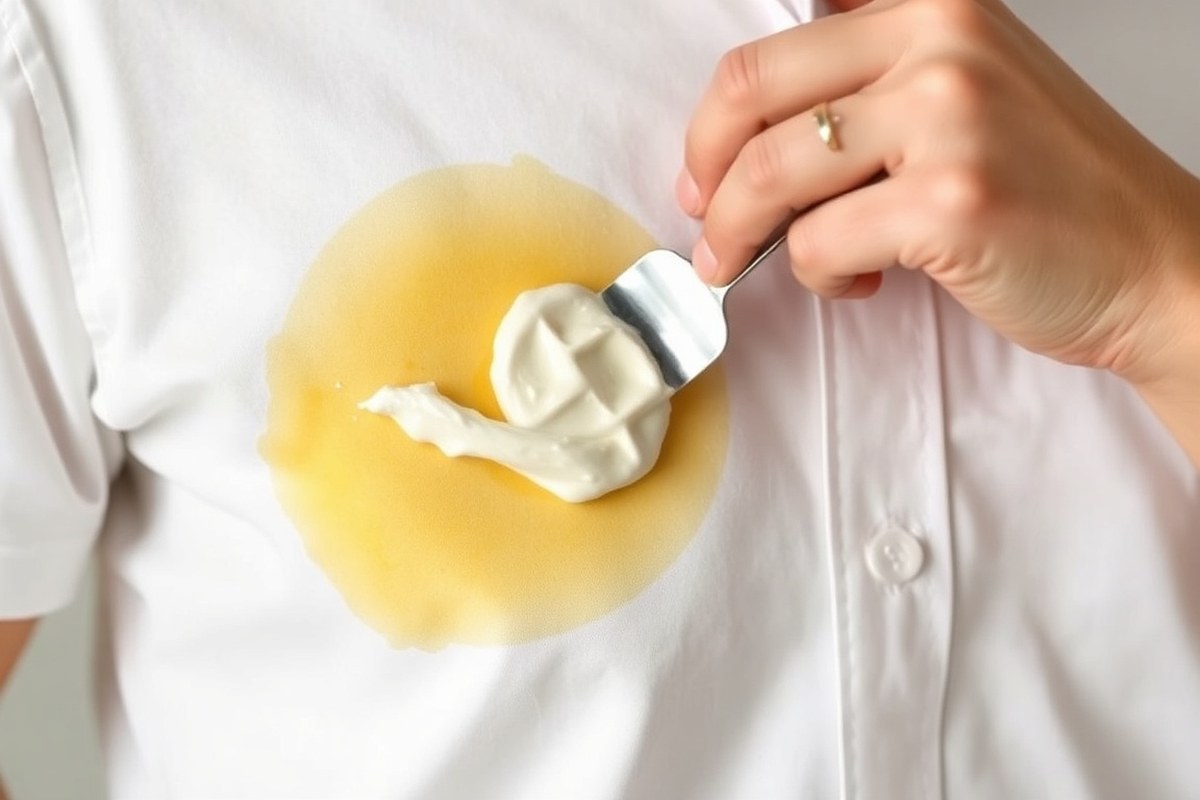
Removing yellow underarm stains at home requires a mix of timely action and the right treatment. These stains form because of sweat and deodorant reacting, which creates a waxy build-up and chemical discoloration. Treating them before they set increases your chances of full removal. Stronger or older stains may need longer soak times and multiple treatments, but most can be tackled with common household ingredients.
A proven approach starts with soaking, then applying a stain-fighting paste or solution, followed by a thorough wash. Avoid putting stained clothes in the dryer until the stain is fully gone, as heat can set it permanently. Oxygen bleach solutions, lemon juice, white vinegar, and baking soda are some of the most effective home remedies. Treating stains soon after wearing the garment, and before washing, makes a big difference in success.
- Pre-soak the garment. Fill a basin with warm water and add oxygen bleach according to package instructions (usually about 1 scoop per gallon). Soak the stained underarm area for 1 to 2 hours. For older stains, extending the soak to 4 to 6 hours or overnight can improve results.
- Prepare a baking soda paste. Mix 4 tablespoons of baking soda with 1/4 cup of water to make a thick paste. This paste helps lift both the waxy and chemical stains.
- Apply the paste directly on the stain. Lay the shirt flat on a towel and spread the paste over the yellowed areas in the underarm. Let it sit for 15 to 20 minutes; this timing balances treatment effectiveness and fabric safety.
- Scrub gently with a soft brush. Use a toothbrush or small scrub brush to work the paste lightly into the fabric. Avoid hard scrubbing which could damage delicate fibers.
- Rinse thoroughly with cool water. Flush out the baking soda and loosened stains. Soaking first helps loosen the debris so rinsing is easier.
- Treat with lemon juice and salt. Mix equal parts fresh lemon juice and warm water and sprinkle a pinch of salt on the stain. Apply this over the baking soda-treated area. Let it sit for another 15 to 20 minutes. Lemon acts as a natural bleach, and salt aids scrubbing power.
- Wash normally. Use your regular detergent in the warmest water safe for the fabric. Check care labels. Avoid the dryer and air dry instead to prevent setting any leftover stain.
- Repeat if needed. Stubborn stains may require repeating steps 1 through 7 once more for full removal.
Applying these steps soon after stains appear yields the best results. Avoid mixing bleach directly with acidic ingredients like lemon juice to prevent fabric damage. Oxygen bleach is usually safe for whites and colors, but testing a hidden area first helps avoid surprises. Patience and consistency are key since yellow underarm stains result from chemical bonds that take time to break apart. Taking these careful actions saves your favorite shirts and keeps them looking fresh.
2. What Causes Yellow Underarm Stains and Why They Resist Washes
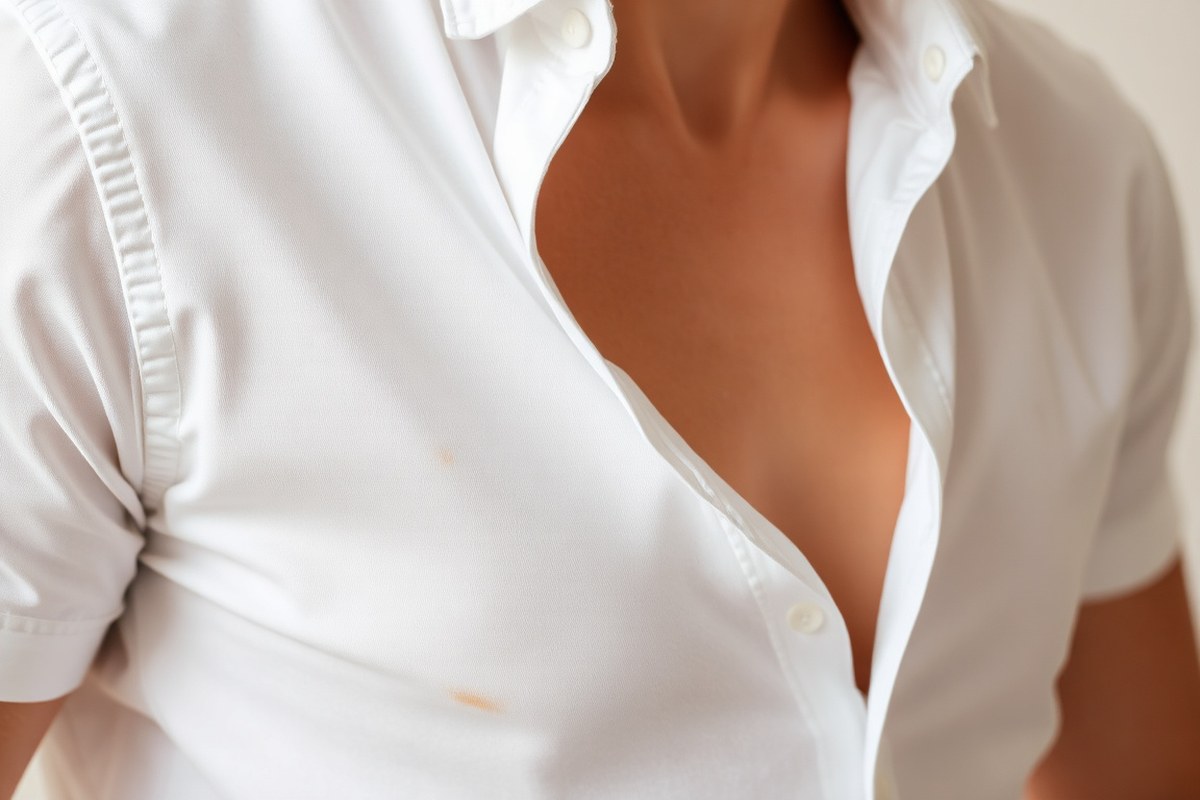
Yellow underarm stains form through a chemical reaction between sweat and the aluminum compounds in many deodorants. Sweat contains proteins, salts, water, and fats that combine with aluminum chloride or related ingredients, creating oxidized yellow marks on fabric. Understanding this process helps you grasp why these stains are tough to remove and how your choice of deodorant and body chemistry influence stain formation.
The Role of Aluminum Compounds in Stain Formation
Aluminum compounds, especially aluminum chloride found in antiperspirants, are the key drivers behind yellow underarm stains. These compounds temporarily block sweat glands, reducing perspiration, but they also react chemically with sweat components. When sweat mixes with aluminum, it causes a chemical change called oxidation, leaving yellow or white residues on fabric fibers.
This interaction does not happen with sweat alone; deodorants without aluminum typically do not cause these discolorations. If you want to reduce staining, switching to aluminum-free deodorants can help prevent the chemical reaction that leads to yellow marks. However, aluminum-free products may not control sweat as effectively, so you may need to adjust how often you apply deodorant or wash your clothes.
How Sweat Chemistry Affects Stain Development
Sweat is mostly water but also carries proteins, salts, and natural oils, which contribute to stain formation. The proteins in sweat can bind with aluminum compounds, creating insoluble yellow compounds that stick to fabric fibers. Salts and fats in sweat also build up with repeated wear and washing, intensifying the stain over time.
Body chemistry varies from person to person, so some individuals produce sweat with higher levels of these proteins and salts, resulting in more noticeable staining. Hotter temperatures and physical activity increase sweat production and accelerate the staining process. Using antiperspirants that contain aluminum increases the likelihood of these compounds reacting and oxidizing on your clothes.
Fabric Interaction and Stain Resistance
Fabric type plays a significant role in how yellow stains develop and how much they resist washing. Natural fibers like cotton absorb sweat and aluminum compounds more readily than synthetic fibers, causing stains to set deeper into the fabric. Thick, dense fabrics trap more sweat residues, making stains harder to remove.
Repeated washing without proper stain treatment can cause the aluminum-sweat compounds to oxidize further, embedding the yellow color permanently into fibers. Washing in cold water or without an effective detergent often fails to break down these compounds, leaving fabric stained even after cleaning. Hot water and enzymatic detergents are more successful at removing these stubborn residues.
Why Stains Resist Regular Washing
Yellow underarm stains often resist regular washing because the compounds formed between sweat and aluminum create a chemical bond with fabric fibers. Simple washing with mild detergents and cold water usually does not break these bonds, leaving stains visible after drying. Over time, these compounds oxidize and become more difficult to remove.
Another factor is buildup. Deodorant residues add layers over sweat deposits, creating a film that trapping stains. This buildup requires targeted stain removal methods, often involving pre-treatment or specific stain remover products designed to dissolve protein and mineral deposits. Skipping pretreatment or using harsh bleach on colored shirts can make the problem worse.
Switching to an aluminum-free deodorant can greatly reduce the formation of yellow underarm stains by preventing the chemical reaction that causes discoloration.
3. Comparing Stain Removal Methods by Fabric Type
Different fabric types require different stain removal methods to avoid damage and achieve the best results. Natural fibers like cotton and linen tolerate more aggressive treatments, while delicates and synthetics call for gentler care. Colored fabrics need cautious handling to prevent fading or discoloration.
Cotton and Linen Fabrics
Cotton and linen fabrics tend to absorb moisture and allow air flow more than other materials, which increases the chance of yellow underarm stains but makes them simpler to clean. To break down stubborn stains, soak the garment in a solution made of one part white vinegar and two parts water for about 30 minutes. Next, create a paste using three parts baking soda and one part water, then spread it on the affected area, leaving it for 15 to 30 minutes before washing the item in warm water between 104 and 113°F. Do not dry cotton shirts in a machine dryer until you verify the stain has fully disappeared, as heat may cause permanent set-in.
Linen, being similar to cotton but more delicate in weave, benefits from the same treatments but requires shorter soaking times to avoid weakening fibers. Keep wash temperature moderate and avoid harsh scrubbing.
Delicate and Synthetic Materials
Delicate fabrics like silk or lace and synthetic fibers such as polyester need gentler methods because they are more prone to damage and trap oils and deodorant residue causing persistent stains. Use mild stain removers or dilute solutions like a vinegar soak for no more than 15 minutes. For synthetics, avoid hot water; wash in cool water (under 90°F) to prevent heat setting stains further into the fabric.
Applying baking soda paste on delicates should be done cautiously and only for short periods (10 to 15 minutes). Rinse thoroughly and air-dry the garment flat to avoid stretching. Specialized enzymatic stain removers designed for synthetics can improve stain removal without harming the fabric but test on a hidden area first.
Colored Versus White Fabrics
White or light-colored fabrics show yellow stains more visibly, so stain removal must be effective but careful to avoid yellowing from harsh chemicals. Oxygen bleach (following package instructions) is often safe on whites for brightening but avoid using it on colored fabrics unless it’s specified as color-safe. For colored clothes, the vinegar soak and baking soda paste remain effective but do a spot test first.
Colored fabrics require cold water to prevent color loss. Use gentle detergents formulated for colors, and avoid bleach unless it’s a non-chlorine variant made for colored textiles. Always air-dry colored garments to maintain vibrancy after stain removal.
| Fabric Type | Breathability | Stain Resistance | Best Use |
|---|---|---|---|
| Cotton | High | Moderate | Everyday wear |
| Linen | Very high | High | Hot climates |
| Polyester (Synthetic) | Low | Low | Avoid for long wear |
This table summarizes the breathability and stain resistance of common fabrics that impact how you should treat yellow underarm stains. Cotton and linen’s breathability helps stains release during washing with appropriate treatments, whereas polyester traps sweat and deodorant, making stains harder to remove without damaging the fabric. Selecting the right care method based on the fabric’s properties prevents worsening of stains and fabric damage.
4. Using Natural Remedies: Baking Soda, Vinegar, Lemon Juice, and More
Natural remedies like baking soda, vinegar, and lemon juice offer effective ways to tackle yellow underarm stains using ingredients often found at home. These methods remove buildup and discoloration gently, with options suited for various fabric types and stain severities. Knowing how to prepare and apply each remedy helps you get the best results without risking damage.
Baking Soda and Hydrogen Peroxide Mixture
Baking soda neutralizes odors and breaks down sweat residue, while hydrogen peroxide brightens fabric by breaking down yellow stains. Mixing them creates a paste that targets both stain color and the waxy antiperspirant buildup often left behind. This mixture works best on white or light-colored fabrics because hydrogen peroxide can have a mild bleaching effect.
Apply the paste directly to the dry stain and let it work before washing. Avoid using on delicate fabrics like silk or wool because the peroxide might weaken fibers.
- Combine ¼ cup baking soda with ¼ cup hydrogen peroxide (3% solution) in a bowl.
- Add 1 tablespoon of water and stir to form a spreadable paste.
- Spread the paste evenly over the yellow underarm stain using a spoon or your fingers.
- Let the paste sit for 30 minutes to an hour at room temperature.
- Rinse thoroughly with cool water from the inside out.
- Wash the garment as usual, following fabric care instructions.
- Check the stain before drying; repeat if the stain remains.
White Vinegar Soak for Set-In Stains
White vinegar breaks down the proteins in sweat and deodorant buildup that cause yellow stains and odor. It is safe on most fabrics, including cotton and synthetics, and won’t bleach colors. Vinegar works well as a pretreatment step before washing, especially for stains that have set in.
A simple soak loosens the stain to improve wash results. Avoid using vinegar on delicate or dry-clean-only items, and always test a small hidden area first.
- Mix equal parts undiluted white vinegar and water in a clean basin or sink.
- Submerge the stained underarm area into the solution.
- Soak the fabric for 30 minutes at room temperature.
- Remove and gently rub the fabric together to help lift the stain.
- Rinse with cool water inside out to flush out loosened residues.
- Wash the garment according to its care label.
- Inspect for remaining stains and repeat soak if necessary.
Lemon Juice and Sunlight Bleaching
Lemon juice works as a natural bleaching agent due to its acidity. Combined with sunlight, it helps break down yellow stains on white or light-colored fabrics by accelerating the juice’s bleaching power. This method is gentle but requires exposure to direct sunlight for one to two hours, which activates the stain removal without chemicals. This process is ideal for fresh stains and whites, but avoid prolonged sun exposure on colored fabrics to prevent fading.
- Apply fresh lemon juice directly onto the yellowed underarm stain.
- Rub the fabric gently together to spread the juice evenly over the stain.
- Lay the garment flat in direct sunlight, preferably on a clean surface.
- Leave in the sun for 1 to 2 hours, checking periodically.
- Remove the item and rinse with cool water once the stain has lightened.
- Launder the garment as usual following care instructions.
5. Effective Commercial and Enzymatic Products for Tough Stains
Enzymatic stain removers contain natural or synthetic enzymes designed to break down proteins, starches, and fats found in sweat and deodorant residues that cause yellow underarm stains. These enzymes work by targeting the organic components of the stain, effectively loosening and dissolving the buildup on fabric fibers. Using enzymatic cleaners is particularly helpful when dealing with protein-based stains from sweat, as they attack the root cause, not just the discoloration.
To use an enzymatic cleaner, apply it directly to the stained area before washing. Allow it to sit for at least 15 to 30 minutes to give the enzymes time to break down the stain. Then wash the garment in cold or warm water according to the fabric care label. Avoid hot water and high dryer heat at this stage, since heat can set stains before they are fully removed. Many enzymatic stain removers are free of dyes and fragrances, making them safe for delicate fabrics like cotton and synthetic blends. However, always test on a small, inconspicuous area first to ensure colorfastness and fabric integrity.
Commercial products like OxiClean MaxForce or Zout are especially useful when simple home remedies and enzymatic cleaners fail to remove stubborn yellow underarm stains. These products often combine oxygen-based cleaning agents with enzymes, giving them a dual-action formula that excels on tough organic stains. Oxygen-based cleaners release oxygen molecules that lift and break down pigments causing the yellowing, particularly effective on whites and light-colored fabrics.
Applying commercial stain removers involves spraying or applying the product directly to the stained area, letting it sit for five to ten minutes, and then laundering as usual. These products work well on cotton, polyester, and blends, and some, like OxiClean, are color safe and can be used on darker clothing without risk of fading. Avoid prolonged soaking or applying the product on delicate fabrics such as silk or wool unless the product explicitly states it is safe for those materials.
Resorting to commercial stain removers makes sense when yellow stains have been set by repeated washing and drying at high temperatures. Heat can cause protein stains to bond tightly with fabric fibers, making them more resistant to removal. For best results, pre-treat stains before washing and avoid dryer heat until the stain is completely gone.
Always check product labels for fabric compatibility and avoid mixing stain removers with bleach, which can cause discoloration and damage fibers.
6. Preventing Yellow Stains: Deodorant Choices and Laundry Habits
Choosing the right deodorant plays a significant role in preventing yellow underarm stains. Aluminum-based antiperspirants often contribute to these stains by reacting with sweat to form yellow residues. Switching to an aluminum-free deodorant, especially those made for sensitive skin, can greatly reduce the chance of stains forming. These natural deodorants contain milder ingredients that are less likely to cause discoloration while still controlling odor.
Washing shirts frequently is essential to stop stains from settling in. Sweat and deodorant residues get trapped in underarm fabric, creating an ideal environment for yellowing, especially when heat and moisture combine. Aim to wash shirts after every wear or at least every couple of wears if you perspire lightly. The longer sweat and deodorant sit on fabric, the more stubborn stains become, increasing the chance they’ll permanently damage fibers.
Following the right laundry habits helps maintain shirt freshness and prevents stains. Using oxygen bleach products containing sodium percarbonate as pre-soaks can remove early organic buildup and deodorize fabrics without harming fibers. Washing in warm water between 104°F and 140°F (40°C to 60°C) helps break down sweat and oils, but always check the garment label to avoid shrinking or damaging delicate fabrics.
- Switch to aluminum-free or sensitive skin deodorants to lower stain risks.
- Wash shirts promptly, ideally after each wear to prevent stain setting.
- Pre-soak underarm areas with oxygen bleach-based products before washing.
- Use warm water rather than hot to protect fabric while lifting stains.
- Avoid heavy fabric softeners that can trap residues in fibers.
- Turn shirts inside out to expose the underarm areas more effectively during washing.
- Air-dry shirts away from direct sunlight to prevent additional yellowing.
Maintaining these habits takes little extra effort or cost but can save you from dealing with heavy-duty stain removers later. Expect fresher shirts and fewer yellow stains when you combine careful deodorant choice with timely, proper laundry routines. Avoiding aluminum in your deodorant and washing shirts regularly, using targeted pre-soaks and suitable water temperatures prevents the build-up that leads to yellow underarm stains.
7. Avoiding Common Mistakes That Make Stains Permanent
Using a dryer before fully removing yellow underarm stains is a common mistake that can set the stain permanently. The high heat from the dryer causes the stain to bond with the fabric fibers, making it much harder or even impossible to remove later. Always confirm the stain is completely gone by checking the fabric after washing and before using any heat-drying method.
Hot water can also worsen yellow underarm stains, especially since these stains often come from protein-based sources like sweat and body oils. Hot water “cooks” these proteins into the fabric, similar to cooking an egg on a pan. For best results, use cold or lukewarm water below 104°F (40°C) when treating and washing stained clothes to prevent setting the stains further. Should the stain persist after washing, skip drying the shirt and go through the stain removal process again. To fix damage caused by accidental heat setting, try the following steps that can sometimes reduce the stain’s visibility:
- Soak the stained area in a cold water solution mixed with enzymatic detergent for 30 minutes to break down proteins.
- Mix baking soda and water into a paste, spread it over the stain, allow it to sit for 15 minutes, then rinse it off.
- Use an oxygen-based bleach product according to package instructions, testing first on an inconspicuous spot.
- Air dry the garment after treatment to avoid further heat setting.
- Repeat the treatment process up to two more times if necessary before attempting machine wash.
- For natural fibers like cotton, soaking the item overnight in a cold water and white vinegar mix (1 cup vinegar per gallon of water) can help lift stubborn stains.
Regular laundry habits can also prevent stains from becoming permanent. Washing clothes soon after use and avoiding leaving stains untreated for long periods helps. For frequently stained items, a dedicated weekly or biweekly soak in stain-removing solutions can make a difference. Using air drying rather than a dryer keeps fibers from being damaged by heat and preserves the garment’s lifespan.
8. When to Seek Professional Cleaning Help for Yellow Underarm Stains
Yellow underarm stains that remain after multiple home cleaning attempts usually call for professional help. Repeated washing, soaking, and stain treatment that don’t significantly lighten or remove the discoloration mean the stain is deeply set or chemically bonded to the fabric fibers. At this point, trying more aggressive home methods risks damaging the garment, especially if it’s a delicate fabric like silk or fine cotton. Professionals have specialized knowledge, tools, and solutions designed to treat stubborn stains without compromising fabric quality.
Professional cleaners typically start by assessing the fabric and stain type. They use targeted pre-treatment sprays or liquids containing solvents and enzymes that break down the protein and oil components of yellow sweat stains effectively. Then, garments often undergo controlled cleaning cycles in machines calibrated to the fabric’s needs. For example, water temperature might be kept low to protect delicate fibers, while using detergents and additives that reinforce stain removal without excessive agitation.
Dry cleaning can help, but it’s less reliable for very old or set-in yellow armpit stains. These stains may require wet cleaning methods combined with professional-grade stain removers. Techniques like soaking in oxygen-based bleach solutions or using oxygen activated detergents combined with mechanical action under controlled conditions can extract the stain while preserving the fabric’s look and feel.
Cost for professional stain removal services varies widely, typically from $10 to $30 per garment depending on the stain severity and fabric type. Some specialty cleaners offer individual stain treatments that can be more expensive, but this is often worth the investment to restore a favorite or costly garment. Expect to leave the item for at least 24 to 48 hours, as some stain removal steps involve time for soaking or chemical action before cleaning.
Professional cleaning is considered safe for delicates when done by experienced technicians who understand fabric sensitivities. They select appropriate solvents and gentle cleaning cycles to avoid shrinkage, color fading, or fabric weakening. It’s critical to inform the cleaner about the garment’s material and any previous home treatments so they can tailor the process accordingly. For garments made from silk, wool, or blends with synthetic fibers, use specialized solvents instead of home bleach or hot water to get the best results without damage.
Do not try to bleach or scrub delicate garments at home after multiple failed attempts; this can make stains worse and damage the fabric permanently.
Step-by-Step Action Plan for Removing Yellow Underarm Stains
Start dealing with those yellow stains right away using this clear plan. Follow these steps carefully to see noticeable improvement.
- Before washing: Pre-treat the stain by applying a paste made from baking soda and water. Let it sit for 15 minutes to break down sweat and deodorant residues.
- Wash day: Use a detergent with enzymes and wash the garment in warm water suited to the fabric care label. Check if the stain fades after washing.
- After washing: Inspect the garment for any remaining stain before drying. If the stain is still visible, repeat the pre-treatment and wash steps to avoid setting it further.
- Drying: Air dry the clothing instead of using a dryer. Heat can set remaining stains, making them harder to remove later.
- Weekly: Soak frequently worn items in a mixture of white vinegar and water for 30 minutes to prevent buildup that causes yellow stains.
- Ongoing: Switch to an aluminum-free deodorant to reduce new stains forming on your clothes.
- Monthly: Inspect your laundry routine to ensure you are not using too much detergent or fabric softener, which can contribute to residue buildup and staining.
Frequently Asked Questions
How Do I Know If Yellow Underarm Stains Are Gone After Washing?
Check the garment after it is completely dry to see if any yellow underarm stains remain visible. Avoid drying clothes with lingering stains because heat can set them permanently.
What Causes the Waxy Residue in Yellow Underarm Stains?
The waxy residue comes from deodorants mixing with sweat and oils on your skin, creating a buildup that’s tough to wash out. Pretreating fabrics helps break down this layer before washing.
Can Yellow Underarm Stains Damage Fabric Fibers?
Yes, the chemical reaction in sweat and deodorants can weaken fibers over time, making fabric look worn or yellowed even after washing. Timely stain removal helps protect your clothes.
Is It Safe to Use Bleach on Yellow Underarm Stains?
Bleach can remove yellow stains but risks damaging some fabrics or causing discoloration, especially on colored garments. Use oxygen-based bleach for safer stain removal on most fabrics.
Why Do Some Yellow Underarm Stains Resist Multiple Washes?
These stains result from a chemical reaction forming a stubborn bond with fabric fibers, making regular detergent less effective without pretreatment or specialized products.
How Long Should I Soak Clothes to Remove Yellow Underarm Stains Effectively?
Soak garments for at least 30 minutes in a solution of water and stain remover or natural ingredients like baking soda to loosen stains before washing.
Wrapping Up
Yellow underarm stains respond best to consistent, targeted treatment that respects fabric care instructions. Starting with a simple baking soda paste and switching to the right deodorant already reduces the chance of stubborn stains. Focus on your laundry habits next by avoiding harsh drying and adjusting detergent use to keep clothes looking fresh longer.