Does Vinegar Take Out Stains? 9 Proven Methods That Really Work
Yes, vinegar can remove certain stains from fabrics and surfaces, especially when used with the right dilution and application time. Its acetic acid content acts effectively against common household stains like coffee, tea, and slime, making it a practical option for many cleaning needs. This article is for homeowners and renters seeking practical methods to tackle stains with vinegar using everyday items.
You will learn how vinegar works as a stain remover, the best vinegar-to-water ratios for different stains, safe application techniques on fabrics and upholstery, and when to avoid vinegar or seek professional help. This guide provides clear steps and tips to improve your stain removal efforts using this common household product.
Key Takeaways
- Use a 1:2 vinegar-to-water mixture to soak coffee and tea stains for 30 minutes before washing.
- Apply undiluted vinegar directly to white stains and leave for 15 minutes before rinsing.
- Pre-soak non-color-safe fabrics with detergent and borax to protect them before using vinegar treatment.
- Wrap a vinegar-soaked cloth around slime stains for 15 to 30 minutes, then rinse with hot water.
- Test vinegar solutions on a hidden fabric spot to avoid damage on delicate or colored items.
- Use equal parts vinegar and water to clean carpets and upholstery without causing harm.
1. Does Vinegar Really Remove Stains from Fabrics and Surfaces?
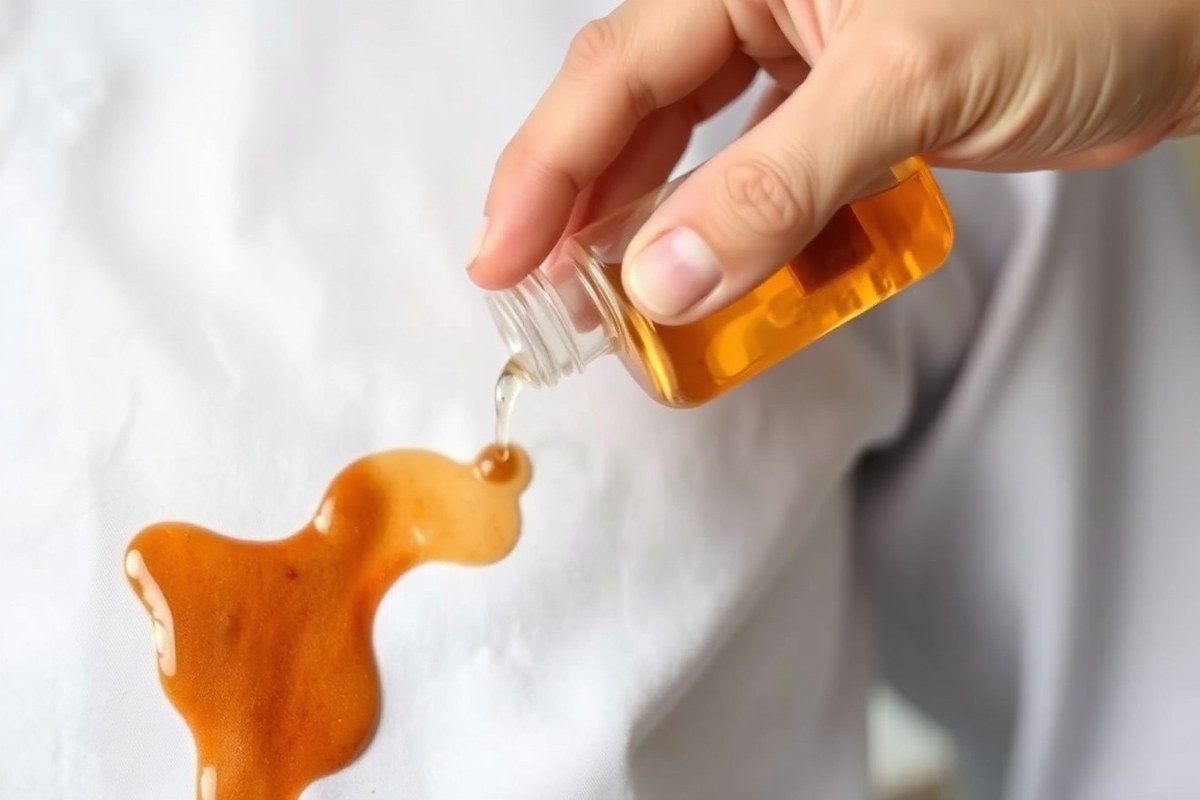
Vinegar can remove many common stains from both fabrics and surfaces, but its effectiveness depends on the type of stain and material involved. The acetic acid in vinegar acts as a mild bleaching and cleaning agent, making it particularly useful for lifting stains like coffee, wine, deodorant marks, and some food-based spills. For these stains, applying a diluted solution of white vinegar right after the spill happens often produces good results. Let the vinegar sit on the stain for a few minutes before blotting or rinsing to allow the acid to break down the stain molecules.
White vinegar is the preferred choice because of its acidity and ability to penetrate fibers and surfaces more effectively than other types. It works well on cotton, polyester, and nylon fabrics. However, avoid using vinegar on delicate fabrics like silk, spandex, or elastic, as the acid can weaken these fibers or cause discoloration. On hard surfaces such as countertops, tile, or glass, vinegar removes stains and residues without harsh chemicals. It also helps neutralize odors and soften fabrics in laundry applications.
To use vinegar safely on fabrics, always dilute it with water, typically one part vinegar to two or three parts water, depending on the stain’s severity. Apply the mixture by blotting or spraying directly onto the stain, then let it sit for 5 to 10 minutes. Rinse or launder as usual after treatment to prevent vinegar buildup, which might eventually degrade fabric quality. On surfaces, apply vinegar with a cloth or sponge and wipe clean; avoid prolonged soaking to prevent damage, especially on natural stone or wood.
Certain stains are less responsive or may worsen with vinegar, such as protein-based stains like blood or egg. These require different treatments because vinegar can cause proteins to coagulate and set the stain further. Also, avoid using undiluted vinegar on some finishes or sensitive surfaces based on manufacturer advice. For tough or unknown stain types, combining vinegar with enzyme-based detergents can improve results, but always test on a hidden area before full application.
In summary, vinegar is a cost-effective and accessible option for many household stains, especially on resilient fabrics and non-porous surfaces. Following the correct dilution and application methods is important to avoid damage and ensure successful stain removal. For delicate fabrics and certain stubborn stains, alternative or professional stain removers may be safer and more effective.
2. How Does Vinegar Remove Stains: The Science Behind Acetic Acid

Vinegar removes stains primarily because of the acetic acid it contains, usually around 5% concentration in standard white vinegar. This acid works by breaking down the chemical bonds in stain molecules, which helps separate the stain from fabric fibers. For protein-based stains like grass, sweat, and blood, acetic acid disrupts the bonds that hold these proteins together, effectively loosening their grip on the fabric’s surface. This makes it easier to lift the stain when you wash or blot the fabric afterward.
The acetic acid also changes the pH level of the stain environment. Most stains form stable bonds under neutral or alkaline conditions, but vinegar’s acidity lowers the pH, weakening these bonds. That is why stains like coffee, wine, and grease, which often stick due to their chemical composition, break down under vinegar treatment. This acid dissolves mineral deposits and soap residues, further aiding in stain removal on fabrics and hard surfaces alike.
Different types of stains respond differently to vinegar because of the nature of their components. Acidic vinegar is highly effective on organic and mineral-based stains but is less effective on oily stains once set. The sooner you apply vinegar after the stain occurs, the better the chance it has to penetrate and disrupt the stain molecules before they become permanent. For example, blood stains start to set as they dry, so treating them within 30 minutes to an hour increases success.
Not all fabrics react to vinegar the same way. Cotton and polyester generally tolerate vinegar well and benefit from its stain-breaking effects. However, delicate fabrics like silk or wool may suffer damage or discoloration due to the acid. In these cases, vinegar can break down the natural fibers or alter their dye, causing fading or texture changes. Always test a small, hidden area first before applying vinegar to delicate materials. Using white vinegar is ideal since its acetic acid concentration balances cleaning power without excessive fiber damage.
Applying vinegar typically involves either soaking the stained area in a diluted solution or directly dabbing undiluted vinegar onto the stain, depending on fabric toughness and stain severity. Soaking for about 30 minutes allows the acetic acid to act deeply on the stain, while a quick application followed by washing works for lighter stains. After vinegar treatment, rinse thoroughly or launder as usual to remove loosened stain particles.
Always test vinegar on a hidden fabric area to check for colourfastness and fibre reaction before full stain treatment.
3. Best Vinegar-To-Water Ratios and Application Times by Stain and Fabric
Start with a vinegar-to-water ratio of 1:1 for most fabric stains. This balance is enough to penetrate and break down stains while minimizing the risk of fabric damage. For delicate fabrics, dilute vinegar further to a 1:3 ratio (1 part vinegar to 3 parts water). For stubborn stains like coffee or tea, increase vinegar concentration to about 1:2 (1/3 cup vinegar with 2/3 cup water) and soak for 30 minutes before washing.
The necessary application time varies based on the stain’s nature and intensity. For fresh or mild stains, apply the solution and allow it to sit for 5 to 15 minutes before blotting or lightly rubbing. More stubborn or aged stains might need up to 30 minutes of soaking or repeated applications. Do not leave vinegar on fabric beyond 30 minutes without rinsing, as extended contact may damage fibers, particularly on delicate fabrics.
Fabric type plays a significant role in choosing the ratio and soak time. Natural fibers like cotton and linen tolerate higher vinegar concentrations and longer soak times. Synthetic fabrics such as polyester or nylon need more diluted solutions and shorter exposure to prevent damage. Always test vinegar solutions on a hidden fabric area before full application.
| Stain Type | Vinegar-to-Water Ratio | Application Time | Fabric Notes |
|---|---|---|---|
| Coffee or Tea | 1:2 (1/3 cup vinegar, 2/3 cup water) | Soak 30 minutes | Works well on cotton; test synthetics |
| Red Wine | 1:1 | Apply 10, 15 minutes, repeat if needed | Safe for most fabrics, avoid delicate |
| Mineral Deposits / Hard Water | 1:1 | 5, 10 minutes | Good for durable fabrics; dilute for delicate |
| General Stains on Delicates | 1:3 | 5, 10 minutes | Pretest to avoid damage |
| Older or Tough Stains | 1:1 or stronger | Up to 30 minutes, repeat if necessary | Combine with prewash remover for best results |
Before applying vinegar, remove excess moisture from the stain by blotting with a clean cloth. Apply the vinegar solution evenly over the stained area using a spray bottle or clean cloth. Let it sit according to the table guidelines. After treatment, rinse or blot the area with cold water to prevent vinegar residue and possible fabric weakening. Repeat this process for persistent stains but avoid saturating the fabric, as this can spread the stain or cause damage.
Treat quickly for better results. The sooner vinegar reaches a stain, the easier it is to remove. For persistent marks, using vinegar in combination with a laundry pre-treat product tailored for your fabric type can improve stain removal. Always consult garment care labels before treatment, especially for complex or unknown stains.
4. Step-By-Step Vinegar Methods for Common Stains on Fabric
Vinegar offers targeted methods for removing common fabric stains such as coffee, grass, sweat, ink, and food. Applying it properly, whether spot-treating or soaking, depends on the stain type and fabric. The following steps show how to handle these stains with vinegar effectively.
Removing Coffee and Tea Stains with Vinegar
For coffee and tea stains, vinegar works best when diluted to avoid damaging fabric. Its acetic acid breaks down the stain molecules, especially on cotton and polyester blends. Spot treatment is usually enough unless the stain is fresh and widespread.
- Blot the stained area with a clean cloth to absorb as much liquid as possible, avoiding rubbing to prevent spreading.
- Mix one tablespoon of white vinegar with two cups of cold water.
- Dip a clean cloth into the solution and gently dab it onto the stain, saturating it without soaking the fabric completely.
- Let the solution sit for 5 to 10 minutes to loosen the stain.
- Rinse the area under cold running water to flush out the vinegar and lifted stain.
- If the stain persists, repeat the process once more before laundering as usual.
Tackling Grass and Mud Stains Effectively
Grass and mud stains contain chlorophyll and dirt particles that vinegar helps break down. Use undiluted white vinegar for tougher stains on cotton or synthetic fabrics. Soaking is recommended for heavily stained items, while spot treatment is enough for small spots.
- Brush off any excess dried mud gently to remove surface debris.
- Apply undiluted white vinegar directly onto the stained fabric using a spray bottle or cloth.
- Allow the vinegar to soak into the stain for 10 to 15 minutes to penetrate the fibers.
- Rub the stained area lightly with a soft-bristled brush or cloth to agitate the stain.
- Rinse thoroughly with cold water to remove vinegar and loosened dirt.
- For stubborn stains, soak the entire garment in a solution of one cup vinegar per gallon of water for 30 minutes before washing.
- Wash the item in cold water with your regular detergent immediately after treating.
Dealing with Sweat and Deodorant Stains
Sweat and deodorant marks often cause yellowing and fabric damage due to salts and oils. Vinegar neutralizes odors and breaks down those salts. Use a diluted solution to avoid weakening fabric fibers, and spot treat rather than soaking.
- Mix two tablespoons of white vinegar with one cup of warm water.
- Dip a clean cloth into the solution and gently dab the stained areas, focusing on armpits or collar bands.
- Let the fabric sit for 10 to 15 minutes to allow the vinegar to penetrate the stain and neutralize odor.
- Rinse the treated area with cold water to flush out vinegar and loosened residue.
- Launder the garment promptly using the warmest water safe for the fabric, following care labels.
- Repeat if any yellowing remains after drying, as baking soda or detergent boosters may also be necessary.
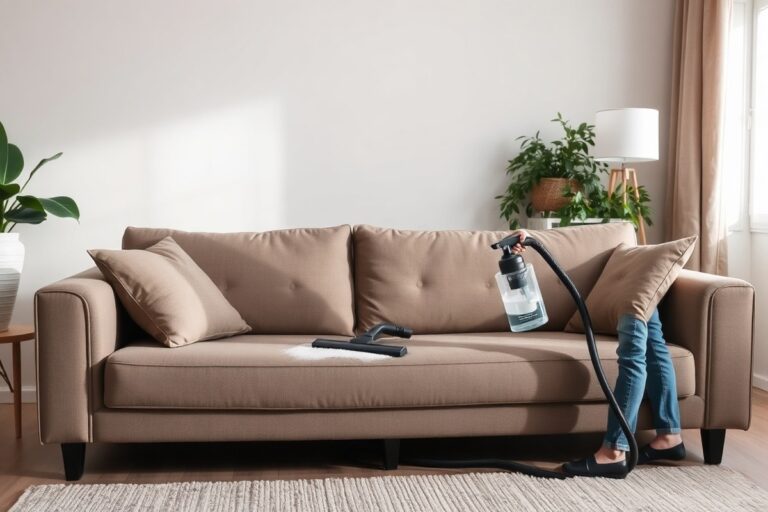
5. Using Vinegar Safely on Carpets and Upholstery Without Damage
Vinegar can remove stains from carpets and upholstery safely when applied properly. It is not safe for all materials, so testing first is essential. Using diluted vinegar and gentle application prevents damage and discoloration.
Pre-Testing Vinegar on Upholstery and Carpets
Testing a small, hidden area of the fabric or carpet ensures vinegar won’t cause damage or color changes. This step avoids ruining visible surfaces with unwanted bleaching or weakening of fibers. Choose a spot that is out of direct sight, such as under a cushion or near a corner of the carpet.
Use diluted vinegar for the test, applying a small amount with a cotton swab or clean cloth. Wait 10 to 15 minutes to check for any color change or fabric damage. You can safely move on to stain removal when the area appears normal and undamaged.
Diluted Vinegars for Safe Application
Using vinegar full-strength risks discoloring or weakening upholstery and carpet fibers. A common safe dilution is mixing equal parts white vinegar and water. Apple cider vinegar can be used for more delicate fibers since it has a milder pH, but it should also be diluted similarly.
This dilution reduces acidity while maintaining cleaning power. For tougher stains or sturdier fabrics like cotton or linen, a 1:1 ratio works well. For delicate or brightly colored upholstery, the dilution can be increased to 1 part vinegar to 3 parts water to minimize risk.
Removing Stains Gently with Vinegar Solutions
Apply vinegar solutions cautiously to prevent pushing the stain deeper into the fabric or causing lasting damage. Begin by dabbing the spot with a clean cloth to absorb extra moisture without rubbing. Avoid vigorous scrubbing, since it can cause the stain to spread or the fabric to deteriorate.
Use a soft brush or cloth lightly soaked in diluted vinegar to treat the stain. After letting the solution sit for up to 10 minutes, blot with a clean damp cloth to remove vinegar residues. Avoid over-wetting the upholstery or carpet to prevent mold or fiber weakening. Follow these steps for safe vinegar stain removal:
- Blot the stain gently with a dry cloth to remove excess moisture or debris.
- Apply diluted vinegar solution (e.g., 1:1 white vinegar and water) to a cotton ball or soft cloth.
- Test a small hidden area first and wait 10 to 15 minutes for any adverse reaction.
- Gently dab the stain with the vinegar solution without rubbing or scrubbing.
- Let the solution sit for 5 to 10 minutes, allowing it to break down the stain.
- Blot the area with a clean damp cloth to rinse out vinegar and lifted stain particles.
- Allow the fabric or carpet to air dry completely before using the surface again.
- Repeat the process only if necessary and after confirming no damage occurred.
Always avoid using vinegar on dark or brightly colored fabrics without pre-testing, as discoloration may occur even with diluted solutions.
6. When Vinegar Can Damage Fabrics or Fail to Remove Stains
Vinegar can damage certain fabrics and fail to remove some stains if used improperly. It contains acetic acid, which can weaken or discolor delicate materials. Testing vinegar on a hidden section of fabric is essential before full application to avoid irreversible harm.
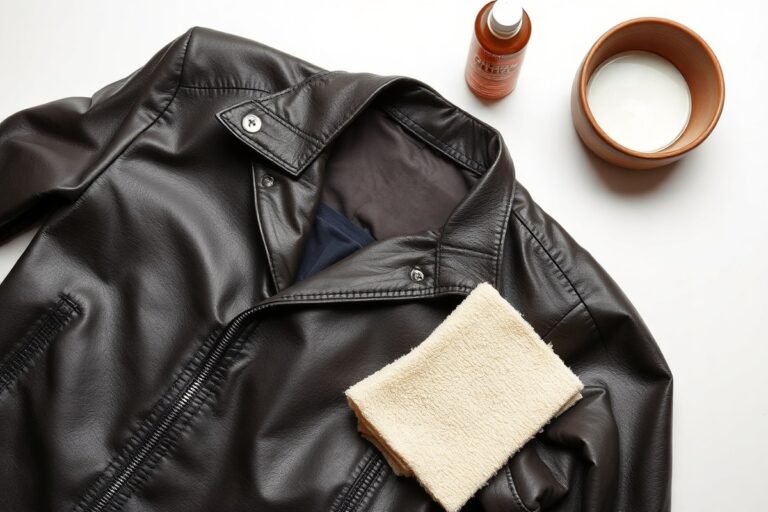
Fabrics like silk, wool, and acetate often do not react well to vinegar. These materials are sensitive to acids and might develop spots or lose their texture after vinegar contact. Also, vinegar can strip finishes or coatings on upholstery and carpets, especially those treated with stain-resistant products, causing damage that reduces their protective qualities.
Some stains resist vinegar treatment. Protein-based stains such as blood, sweat, or dairy may set further if vinegar is applied without rinsing thoroughly first. Also, vinegar should not be used on ink stains or on natural stone surfaces, as its acidity can cause etching or permanent discoloration. Using vinegar on grease stains can be effective, but it must be paired with an appropriate detergent or cleaning method for good results.
Common mistakes that weaken vinegar’s effectiveness include using it undiluted on sensitive fabrics, skipping the spot test, or leaving vinegar on the fabric too long. Overexposure can lead to color fading or fabric damage. Applying vinegar to a dried stain rather than a fresh one also reduces its ability to break down the stain molecules.
- Test vinegar on a hidden fabric area before proceeding
- Avoid vinegar on silk, wool, acetate, and other delicate fabrics
- Do not use vinegar on ink stains or natural stone surfaces
- Avoid vinegar on carpets and upholstery with stain-resistant coatings
- Dilute vinegar, usually a mix of one part vinegar to two parts water is safer
- Apply vinegar to fresh stains, not dry or set stains
- Do not leave vinegar on fabric longer than 10 to 15 minutes without rinsing
Using vinegar safely depends on choosing the right fabric and stain combination and controlling exposure time. A quick application of diluted vinegar often removes stains without damage, while longer contact or stronger concentrations increase risk. Carefully following these points reduces the chance of fabric damage or stain setting and improves the odds of successful stain removal with vinegar.
7. Combining Vinegar with Baking Soda and Detergents for Tough Stains
Vinegar alone works well for many stains due to its acetic acid content, but combining it with baking soda or detergents can improve its effectiveness on tougher spots. Baking soda’s mild abrasiveness and absorbency complement vinegar’s stain-breaking power, especially on grease or mud stains. Detergents add surfactants that help lift oily residues, making them useful partners when vinegar’s acidic action isn’t enough.
Baking soda and vinegar create a chemical reaction that produces carbon dioxide bubbles. While this fizzing can help lift dirt, it does not always improve stain removal by itself. For better results, use them sequentially rather than mixing. Apply vinegar first, then pat baking soda on as a paste to penetrate and absorb the stain. For heavily soiled areas, follow with a detergent wash to remove any lingering residue.
| Method | What It Does | When to Use | How to Apply | Notes |
|---|---|---|---|---|
| Vinegar Alone | Breaks down mineral deposits and light stains | Light stains like sweat, mildew, or beverage spills | Spray or dab diluted vinegar (1:1 with water), wait 10-15 minutes | Safe for most fabrics except wool and silk |
| Vinegar + Baking Soda Paste | Lifts tough stains, absorbs grease and odors | Stubborn stains like mud, grass, oil, or wine | Mix 1 tbsp baking soda with enough vinegar to make paste; apply on stain, let sit 15 min, rinse or wash | Can lighten stains but avoid on delicate fabrics |
| Vinegar + Detergent Wash | Breaks down stain and washes it away with surfactants | Oily stains or heavy soil that vinegar alone cannot remove | Apply vinegar to stain, then wash with detergent in warm water | Use detergent designed for fabric type; vinegar helps remove soap residue |
| Baking Soda Before Detergent | Odor absorption and gentle stain lift | Strong odors or faint stains | Sprinkle baking soda on stain, let sit 30 min, then wash with detergent | Good intermediate step if vinegar smell is too strong |
Using vinegar and baking soda together works best as a two-step process rather than a single mixture. First, apply vinegar to break down the stain, then treat the area with a baking soda paste. This sequence prevents the reaction from neutralizing the agents before action. After treating spots this way, rinsing or washing with detergent will remove any remaining residues, improving overall stain removal.
The decision to add detergent depends on the stain’s nature and fabric type. For example, greasy stains often need detergent’s surfactants to fully break down oils after vinegar loosens them. Vinegar can also help remove detergent residue that sometimes traps dirt, especially in hard water areas. When washing clothes, add about ½ cup of vinegar during the rinse cycle to combat buildup, but avoid mixing vinegar and bleach.
For delicate fabrics like silk or wool, avoid combining vinegar with baking soda or detergents and consider professional cleaning instead. Using vinegar alone diluted is safer, but always test a small hidden area first. Also, letting treated items air dry after stain removal helps you detect whether the stain is fully gone or needs repeat treatment.
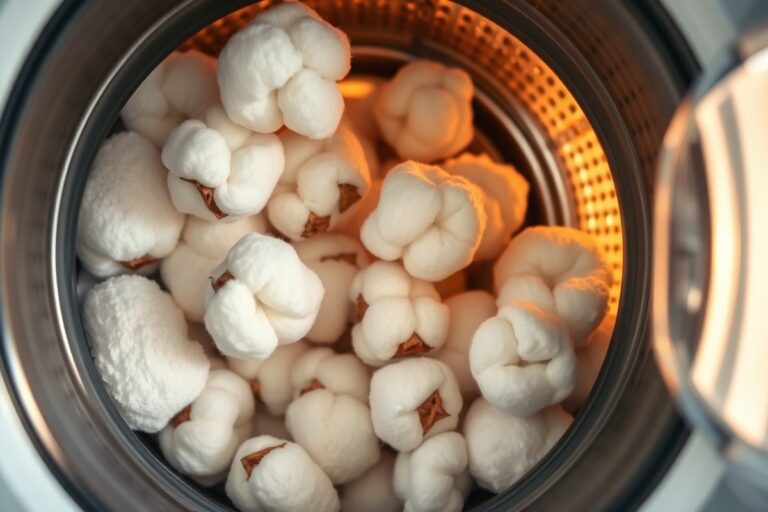
8. Using Vinegar in the Washing Machine to Remove and Prevent Stains
You can safely use white vinegar in your washing machine to help remove stains and odors. Adding it during the rinse cycle maximizes its effectiveness while protecting fabrics and avoiding chemical interactions. Using vinegar once a week or as a pre-treatment supports cleaner, fresher laundry over time.
Adding Vinegar During the Rinse Cycle
To prevent vinegar from interfering with detergent action, add it near the end of the laundry cycle, during the rinse phase. Manually pausing the washing machine right before the final rinse allows you to pour in the vinegar without mixing it directly with soap. This timing helps vinegar effectively break down residue and odors that detergents may miss. Here’s a step-by-step method for adding vinegar safely to your rinse cycle:
- Start your washing machine on the usual wash cycle with detergent.
- Watch the machine or check its manual to identify when the wash cycle ends and the rinse cycle is about to begin.
- Pause the washing machine just before the final rinse starts.
- Pour 1/2 cup of white vinegar diluted with an equal part of water directly into the drum.
- Resume the washing machine so it completes the rinse and spin.
- Remove your clothes promptly to prevent any vinegar smell from lingering.
Never add vinegar directly to the detergent dispenser unless your washing machine’s instructions approve it, as this can cause damage.
Recommended Vinegar Amounts and Frequency
Use about 1/2 cup of white vinegar diluted with an equal amount of water per load for rinse cycle treatment. Applying more can risk fabric damage or machine issues, while less may reduce effectiveness. For routine laundry maintenance and odor control, adding vinegar once a week is enough to keep buildup and stains under control without harming fabrics or appliances.
To target specific stains before washing, apply vinegar directly to the stain as a pre-treatment. For sweat stains, undiluted vinegar works best. For grass or dirt stains, mix vinegar and water 1:1 for spot treatment. Always wash as usual after treating stains with vinegar.
Precautions When Using Vinegar with Bleach or Elastic Fabrics
Never combine vinegar with bleach, as the mix creates harmful chlorine gas that can be dangerous to your health. When using bleach in your laundry, avoid adding vinegar during the same cycle or wash session. Also, refrain from using vinegar on elastic fabrics like spandex. Vinegar’s acidity can weaken elastics and cause premature wear or loss of stretchiness.
Regularly using vinegar in laundry is safe for most fabrics and washing machines, but always check your machine’s user manual. Some manufacturers advise against vinegar use to prevent damage to internal parts or seals. Using vinegar sparingly and following machine guidelines protects your clothes and extends your washing machine’s life.
9. When to Call a Professional for Stain Removal Instead of Vinegar
Professional stain removal is recommended when stains are stubborn, old, or on sensitive fabrics that may be damaged by vinegar. Stains such as ink, oil-based marks, and certain dark dyes often resist vinegar treatment and need specialized solvents available to experts. Also, delicate fabrics like silk, rayon, or embellished garments usually require professional care to avoid damage from improper cleaning. Noticing that vinegar treatment causes discoloration, weakens the fabric, or fails to reduce the stain after multiple careful attempts means expert help is necessary.
Recognizing vinegar treatment failure starts with tracking how the stain responds after each application. Apply a diluted vinegar solution (about one part vinegar to two parts water) gently with a cloth on a hidden area first. Applying vinegar on the stain and blotting gently, but the stain stays the same or darkens within 12 to 24 hours, shows the treatment isn’t working well enough. Also watch for any signs of fabric texture changes or yellowing around the stain, which suggests vinegar could be harming the material.
When vinegar alone does not remove the stain, and you encounter persistent discoloration despite repeating treatment up to three times with proper dilution and room temperature drying, seek professional cleaning. Professionals use industrial-grade solvents and spotting agents that can target specific stain types without damaging fabric. Restoration shops typically charge between $15 and $50 per garment or item depending on the stain severity and fabric type. This cost may be worthwhile compared to risking permanent discoloration or weakening of your clothing or upholstery.
Your decision rule should consider these factors: the fabric’s sensitivity, the stain’s age and type, visible results after 1 to 3 vinegar treatments, and any adverse effects from the vinegar application. For example, if you have a cotton shirt stained with coffee that does not improve after one vinegar application and does not show fabric damage, you can try one more treatment. When the coffee mark stays or the shirt is delicate like silk, professional cleaners can better protect the garment during stain removal.
Professional cleaning is especially important for large, set-in stains that have dried over days or weeks. Spot cleaning with vinegar works best on fresh stains because heat and elapsed time cause stains to bond with fabrics, making removal harder. Attempt vinegar first on fresh stains and avoid heat dryers until you’re sure the stain is gone. Persistent or unusual stains, including blood, paint, or adhesives, are unlikely to respond well to vinegar and should be handled by experts who understand the right chemicals and methods.
Keep in mind that professional cleaners also have equipment to extract stains from thick carpets or upholstery where vinegar liquid applied superficially can only do so much. Their tools allow deep penetration and safe treatment without spreading or embedding the stain further. When cost or accessibility limits professional cleaning, test around the stain carefully and limit vinegar attempts to avoid damage or setting the stain worse. When in doubt, a professional assessment can save valuable fabrics and avoid costly replacement.
Step-by-Step Action Plan for Using Vinegar to Remove Stains
Use this plan to start tackling stains with vinegar safely and effectively. Follow each step and check your fabric after treatment to see if the stain improves before moving on.
- Before you start: Test vinegar on a hidden fabric spot to check for colorfastness or damage.
- Immediately after the stain appears: Blot excess liquid or residue gently without rubbing.
- Within an hour: Apply a vinegar-water solution (typically 1 part vinegar to 2 parts water) directly to the stain using a clean cloth.
- After 10 to 15 minutes: Rinse the treated area with cold water and gently blot to lift loosened stains.
- Before washing: For tough stains, rub a bit of liquid detergent mixed with vinegar onto the spot, let sit 30 minutes, then wash as usual.
- During washing: Add 1 cup of distilled white vinegar to your washing machine’s rinse cycle to brighten fabric and reduce residue.
- After washing: Check if the stain remains. If so, repeat the vinegar treatment or consider a professional cleaner for delicate or persistent stains.
Frequently Asked Questions
Can I Soak Clothes in Vinegar Overnight to Remove Tough Stains?
Soaking clothes in vinegar overnight can help lift tough stains like sweat or coffee. Use a mix of one part vinegar to two parts water to avoid fabric damage. Always check colorfastness first to prevent fading or discoloration.
Is Vinegar Safe to Use on All Fabric Types for Stain Removal?
Vinegar is safe on most fabrics but can damage silk, acetate, or rubber-backed materials. Test a small, hidden area before applying. Avoid using vinegar on delicate or dry-clean-only fabrics to prevent harm.
Does Vinegar Remove Deodorant or Sweat Stains Effectively?
Vinegar works well on yellow sweat stains by breaking down residue with its acidity. Mix two tablespoons of vinegar in one cup of warm water, apply, then wash normally. It may not fully remove stubborn deodorant marks.
Can I Mix Vinegar with Detergent in the Washing Machine for Stain Removal?
Yes, adding vinegar to the rinse cycle can boost stain removal and deodorize clothes. Avoid mixing vinegar directly with detergent to prevent chemical reactions. Use about half a cup of vinegar per load for best results.
How Does Vinegar React with Baking Soda When Treating Stains?
Vinegar and baking soda create a fizzy reaction that helps lift and absorb tough stains. Apply baking soda first to absorb grease, then add vinegar to break down residues. This combo is a safe bleach alternative, especially for whites.
Is It Safe to Use Vinegar on Carpet Stains Without Causing Damage?
Vinegar is generally safe on most carpets if diluted well and tested first. Avoid hot water, which sets stains. Blot gently and air dry; excessive vinegar can weaken carpet fibers or backing if overused.
The Bottom Line
Vinegar offers a simple, accessible way to remove many common stains, thanks to its natural acidity. You can apply it safely to most fabrics when you follow recommended dilution and testing steps. Try treating a fresh stain with a vinegar solution today to see how it works on your fabrics first.