
How to Get Mold Stains Out of Fabric: 8 Effective Steps for Complete Removal
To get mold stains out of fabric, first pre-treat the area with vinegar or a bleach solution, then wash at the hottest safe temperature. Dry the fabric in direct sunlight to further kill spores and help fade remaining stains. Use hydrogen peroxide or oxygen-based bleach for stubborn spots on light or white fabrics.
This advice helps homeowners and renters safely remove mold stains from clothing and household fabrics. Following these steps reduces the risk of recurring mold and keeps your fabrics clean and fresh without damaging them.
Key Takeaways
- Pre-soak moldy fabric in a 1:1 cold water and white vinegar solution for at least 30 minutes before washing.
- For persistent stains, soak fabric in diluted chlorine bleach or sodium perborate bleach if the label allows.
- Apply moistened detergent directly on mold stains and wait 5 minutes before washing to improve removal.
- Use 3% hydrogen peroxide on light fabrics, letting it sit for 10 minutes to tackle tough mold spots.
- Wash moldy clothes at the highest temperature safe for the fabric, ideally at least 60°C to kill spores.
- Dry fabrics in direct sunlight to activate natural bleaching and further inhibit mold growth.
1. How to Get Mold Stains Out of Fabric Safely and Effectively
Mold stains on fabric can weaken fibers and leave a persistent musty smell if not treated properly. A thorough soak combined with a careful washing and drying process cleans the fabric and removes spores effectively. The best approach uses common household items like white vinegar and baking soda, which are safe for most fabrics and help to break down mold stains and odors.
Start by removing surface mold outdoors to avoid spreading spores inside. Next, soak the fabric in a vinegar and water solution to kill mold and loosen stains. Baking soda adds gentle scrubbing power during washing, helping eliminate odors. After washing, check if stains and smells are gone before drying, as heat may fix any remaining stains. Dry clothes outdoors in sunlight if possible, since fresh air and sun help keep mold from returning.
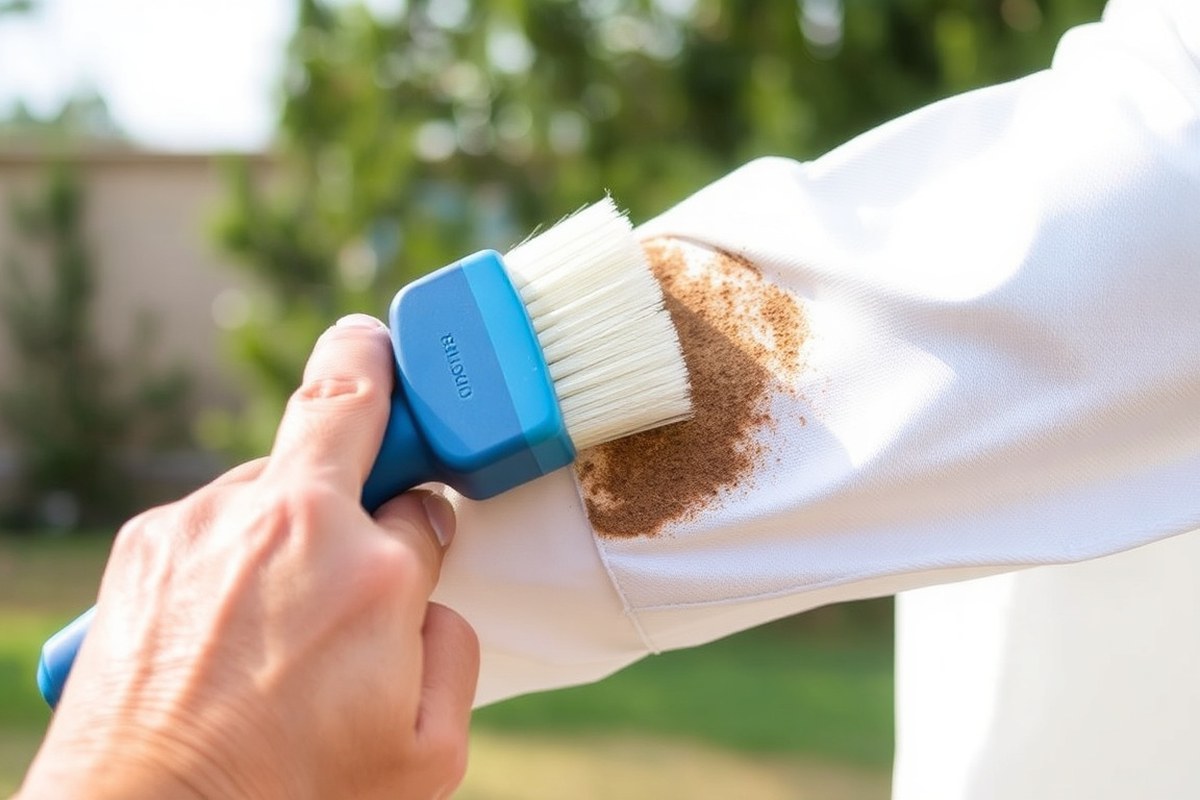
- Remove surface mold: Take the fabric outside, then brush or shake off any loose mold spores to prevent spreading inside.
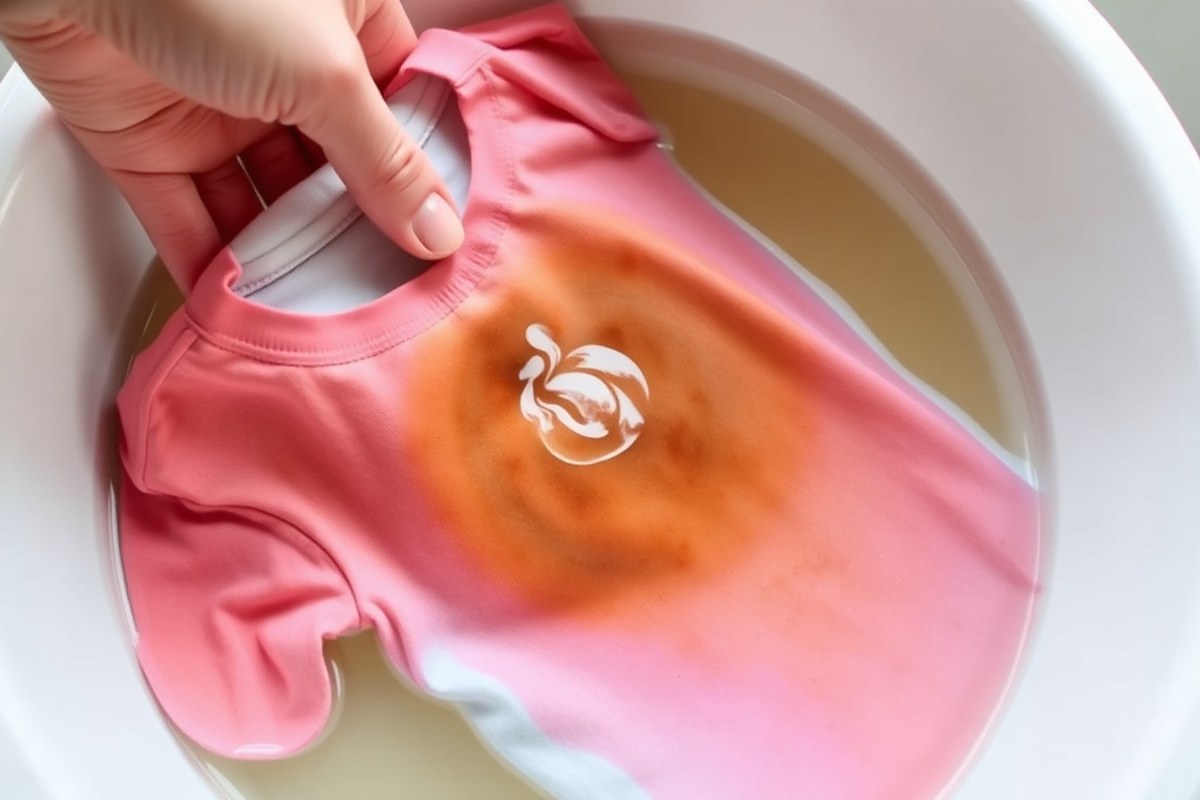
- Prepare soaking solution: Mix 1-2 cups of white vinegar with 4 cups of warm water in a large basin or bucket. Submerge the moldy fabric completely.
- Soak the fabric: Let it soak for 30 minutes to 1 hour. For stubborn or old stains, use a 1:1 vinegar to cold water mix for a 30-minute pre-soak before the warm soak.
- Add baking soda during wash: After soaking, rinse lightly then wash the fabric with your regular detergent and ½ cup of baking soda to help remove odors and stains. Use the hottest water temperature allowed by the fabric care label.
- Check for stain removal: Once washed, inspect the fabric before drying. If stains or smell remains, soak again in a cold water and detergent mix for 10 minutes and repeat treatment.
- Dry completely in air and sun: Dry the fabric outdoors in direct sunlight when possible to further kill spores and prevent mold return. Avoid drying damp clothes inside to minimize humidity buildup.
This method is low-cost and uses ingredients you likely already have. Soaking for at least 30 minutes lets the vinegar penetrate fibers and neutralize mold effectively. Washing on hot since the care label permits ensures mold spores are killed. Waiting to dry clothes until completely stain- and odor-free avoids sealing in mold. Taking these steps will help you restore your fabric safely without harsh chemicals. Avoid leaving damp clothes in piles or sitting in washers to prevent mold from forming again.
2. Why Pre-Treating Mold Stains Matters and How to Do It

Pre-treating mold stains is essential because it loosens mold and kills spores before laundering. Using solutions such as white vinegar, hydrogen peroxide, or baking soda improves stain removal and reduces musty odors. Pre-soaking moldy fabric for 30 minutes or longer gives these treatments enough time to work, making washing more effective.
Why Pre-Treatment Boosts Mold Removal
Mold grows deep into fabric fibers, and simply washing may not reach or kill all spores. Pre-treating breaks down mold colonies and removes their byproducts that cause stains and odors. Vinegar kills around 82% of mold species, denaturing mold cells without harsh chemicals or bleach, which only suits sturdy white fabrics.
Hydrogen peroxide oxidizes mold stains and whitening fabric fibers gently when used as a spot treatment. Baking soda acts as a mild abrasive, helping lift stains and neutralize lingering musty smells. Skipping pre-treatment often results in persistent stains or odors after washing.
Choosing the Best Pre-Soak Solution
Different mold stains require different pre-treatment methods. For light to moderate mold, soak fabric in full-strength white vinegar for 30 to 60 minutes. Vinegar is safe for most colored and delicate fabrics but does not disinfect.
Use 3% hydrogen peroxide directly on stubborn stains on white or lightly colored fabrics, letting it sit for 10 minutes before rinsing. Avoid peroxide on dark or delicate textiles to prevent color loss. Baking soda can be added to the wash or used in a soak by mixing ½ cup in warm water, especially when odors linger. For heavily moldy clothes, combine the power of vinegar and baking soda treatments in sequential washes to maximize stain and odor removal before laundering.
How Long to Pre-Soak Moldy Clothes
Pre-soaking should last at least 30 minutes to allow the chemicals to penetrate fabric fibers fully. For tougher stains, extending the soak to one hour improves results. Leaving fabric too long soaked in hydrogen peroxide is not recommended to avoid fabric damage.
Soaking in vinegar or a baking soda solution overnight is acceptable for stubborn mildew odors but rinse thoroughly before washing. Always check garment care labels and test the solution on an inconspicuous area first.
Adapting Pre-Treatment to Stain Severity
For mild stains or early mold growth, a simple 30-minute soak in vinegar or a baking soda rinse may be enough. Moderate stains benefit from a combination of a vinegar soak followed by hydrogen peroxide spot treatment on problem areas.
Severe mold infestations require repeated treatment cycles, starting with a vinegar soak to denature mold, then applying hydrogen peroxide to bleach remaining stains if the fabric allows. Baking soda in the wash helps eliminate persistent odors after visible mold is removed. Delicate fabrics that cannot tolerate strong chemicals or hot water should rely on mild vinegar soaks and odor-neutralizing baking soda treatments, avoiding hydrogen peroxide without a spot test.
Always test pre-treatment solutions on a hidden fabric area to avoid discoloration or damage before applying widely.
3. Choosing the Right Detergents and Special Cleaners for Mold Stains
The best detergents for mold stains combine strong cleaning agents with fabric safety. Oxygen-based bleaches provide effective stain removal without harsh chemicals, while chlorine bleach works well for white, bleach-safe fabrics. Specialized mold removers that avoid bleach protect colors and delicate materials. Selecting the right detergent depends on fabric type and stain severity to avoid damage.
Oxygen-Based Bleach vs Chlorine Bleach
Oxygen-based bleach is a gentler choice for mold stains, especially on colored or delicate fabrics. It safely breaks down stains without causing fading or fiber damage. To use, mix one part oxygen-based bleach with three parts water and apply it directly to the stained area. Let it sit for 10 to 15 minutes before washing with the warmest water recommended by the fabric care label.
Chlorine bleach works well to fight mold but should be limited to fabrics that are white or can handle bleach safely. This cleaner removes heavy mold and mildew stains while killing germs, though it may damage fibers and cause colors to fade. Only use it after checking the fabric’s label for bleach safety. For safe fabrics, soak them 10 to 15 minutes in a mix of 1/4 cup chlorine bleach and 3/4 cup water, then wash the item thoroughly.
Specialty Mold and Mildew Laundry Additives
Commercial mold and mildew stain removers often avoid harsh bleaches, making them safe on colorful fabrics and various fasteners like zippers and hook-and-loop closures. Products labeled as mold and mildew stain removers are excellent choices for pre-treatment, helping lift stains before washing. Some, like Branch Basics Concentrate and Oxygen Boost, effectively remove mold, mildew, and germs with less risk of fabric damage than chlorine bleach.
It’s important to follow the product instructions exactly. Many mold removers require applying to the stained area, letting it sit, and then washing with a quality detergent at the highest safe temperature. These additives typically cost between $6 and $15 per bottle, varying by brand and concentration.
Choosing Detergents Based on Fabric Type
Select detergents considering both stain type and fabric care needs. Standard powdered or liquid detergents work well for general mold and mildew issues on cotton, polyester, and blends. For marine or outdoor fabrics, which resist mold but can still stain, use detergents formulated for heavy soils and moisture barriers.
Avoid chlorine bleach on delicate fabrics like wool, silk, viscose, or modal. Instead, use oxygen-based bleach products or specialized stain removers that are marked safe for these materials. Always check fabric care labels before applying any bleach or stain remover.
Washing mold-stained fabrics in the warmest water recommended maximizes detergent effectiveness without risking fabric damage. Adding detergents designed for mold removal improves results and helps fight odor buildup linked to mildew. Below is a comparison of some common cleaning agents and stain removers for mold stains on fabric:
| Cleaning Agent | Fabric Safety | Usage Instructions | Effectiveness | Notes |
|---|---|---|---|---|
| Oxygen-Based Bleach (e.g., sodium perborate) | Safe on colors and delicates | Mix 1 part bleach with 3 parts water; apply 10-15 min soak | Good for mold, mildew, color stains | Gentler than chlorine bleach |
| Chlorine Bleach (e.g., Clorox™) | Only white or bleach-safe fabrics | Soak with 1/4 cup bleach per 3/4 cup water for 10-15 min | Highly effective on white fabrics | Can weaken and fade fabric fibers |
| Commercial Mold & Mildew Stain Removers | Safe on colors and seams | Apply per label; pre-treat before washing | Effective on visible stains and odors | Often bleach-free and fabric-friendly |
| Branch Basics Concentrate + Oxygen Boost | Safe on most fabrics | Use diluted; follow product instructions | Removes mold, germs, and some stains | Eco-friendly, non-toxic option |
| Powdered Detergent with Trisodium Phosphate (TSP) | Safe on sturdy fabrics | Mix 1/3 cup detergent + 2/3 cup TSP in 3 quarts warm water | Good heavy-duty cleaning | May not be safe on delicate or colored fabrics |
Choosing your detergent or stain remover based on this information helps protect your clothes while effectively tackling mold stains. Knowing when to use oxygen-based products or chlorine bleach will prevent fabric damage and maintain color integrity over time.
4. How to Remove Mold Stains from Different Fabric Types
Cotton is a durable fabric that can handle more aggressive mold stain treatments. Wash cotton items in warm or hot water, ideally around 120°F (49°C) to 140°F (60°C), which helps kill mold spores effectively without damaging the fabric. Pre-treat stains by applying a mixture of equal parts white vinegar and water, letting it soak for 15 to 30 minutes before washing with a detergent that targets mold. Hydrogen peroxide can also be used as a spot treatment but test for colorfastness first. Avoid prolonged moisture exposure after washing to prevent mold from returning. Good results show complete stain removal and no lingering odor. Failure often comes from washing in too cool water or insufficient drying.
Synthetic fabrics such as polyester, nylon, and acrylic require more care, as high heat can melt or deform the fibers. Wash synthetics in warm or cool water, typically below 104°F (40°C). Use a pre-treatment with a mild detergent mixed with water and a small amount of white vinegar to break down mold stains gently. Avoid bleach and strong chemical agents on synthetics to prevent discoloration or weakening. Because synthetics dry faster, promptly removing them from the washer and air-drying or using a low-temperature dryer setting helps prevent mold breakthrough. Expect mild to moderate stain removal; stubborn mold may need repeated treatment.
Wool is sensitive to heat and harsh chemicals, so it needs a very gentle approach. Use cold water washing (below 86°F or 30°C) and apply a mild detergent formulated for wool or delicate fabrics. Pre-treat mold stains with diluted white vinegar or a wool-safe enzyme cleaner, blotting rather than rubbing to avoid fiber damage. Never use bleach or hydrogen peroxide on wool, as they can cause irreversible damage. Lay wool flat to dry in a well-ventilated area to avoid stretching or shrinking. Because wool fibers trap moisture, thorough drying is essential to prevent mold from returning. Mold stains on wool may be harder to remove completely without professional cleaning.
Delicate fabrics like silk, rayon, and lace need extra caution. Wash these items by hand in cold water with a gentle, mold-fighting detergent free of optical brighteners or bleach. Pre-treat by soaking in diluted white vinegar for 10 to 15 minutes, then gently blot the stains. Avoid wringing or scrubbing delicate fabrics, as this can cause tears or distortion. Rinse thoroughly to remove all treatment residues. Dry flat or hang in shade to avoid water spots and damage from direct heat or sunlight. Results depend on the fabric’s condition and mold severity; repeated gentle treatments might be necessary, but consider professional cleaning if stains persist. Using hot water or harsh chemicals can ruin delicate fibers, so resist the temptation to apply stronger treatments.
5. Does Sunlight and Heat Kill Mold on Clothes? What You Need to Know
Sunlight can kill mold spores on fabric because of its ultraviolet (UV) rays, which break down the spores and reduce mold odors naturally. Letting your clothes dry in direct sunlight for 1 to 2 hours after washing helps eliminate any remaining spores. For best results, hang moldy clothes outside immediately after washing and pre-treating stains to allow the sun’s UV rays to work effectively. The fresh air also helps prevent mold spores from settling back onto other fabrics indoors.
Heat plays a key role in killing mold spores during washing and drying. Set your washing machine to the hottest water temperature the fabric can handle to aid in killing mold spores embedded in the fibers. If the garment label limits the temperature, use the warmest safe setting. After washing, drying clothes on high heat further reduces mold spores. However, avoid running moldy clothes through the dryer before cleaning or fully removing the stains. Heat from dryers can set mold stains permanently, making them nearly impossible to remove in the future. It’s important to remove the mold stain completely before using a high-heat drying cycle.
For clothes that cannot tolerate hot water or high dryer settings, drying in direct sunlight becomes more critical. Sun-drying for 1 to 2 days continues to kill spores and reduces the risk of mold returning. When you cannot dry outside, dry your fabric promptly indoors using the highest heat safe for the garment, then move it to sunlight if possible. This two-step approach helps ensure thorough spore elimination and odor control. Washing and drying moldy clothes indoors without transferring them outside can spread spores inside your home, increasing contamination risk.
Moldy clothes should be taken outside before brushing or handling them. Shaking mold indoors releases airborne spores that settle on other fabrics. Applying natural treatments, like lemon juice on the stain and then leaving the item in sunlight for 30 to 60 minutes, activates natural bleaching and kills spores. Always check the fabric after drying to confirm the mold stain and smell are gone before returning clothes to your wardrobe. Persistent stains indicate more cleaning is needed before heat is used, or they may become permanent.
Do not put moldy clothes through the dryer at high heat until stains and mold odors are fully removed, heat can set the stain permanently.
6. How to Handle Mold Odors and Prevent Mold Returning on Fabric
Lingering mold odors on fabric often come from moisture trapped inside fibers even after washing. To remove the smell, use a deodorizing rinse with white vinegar or baking soda added to the final wash cycle. For example, add one cup of white vinegar to your washer during the rinse stage. Avoid using fabric softeners, which can trap odors. After washing, dry fabrics completely in direct sunlight or use a dryer on the highest heat recommended on the care label. Fresh air circulation helps dissipate odor-causing molecules.
Preventing mold regrowth requires controlling the moisture environment around your fabrics. Mold spores need damp conditions to thrive. Keep humidity levels indoors below 60%, with an ideal range of 30 to 50%, according to EPA guidance. Use a hygrometer to monitor humidity in rooms where you store clothes, especially closets and basements. Adding a dehumidifier or increased ventilation can help reduce excess moisture. Regularly airing fabrics and keeping storage areas clean and dry are essential steps. Here is a practical checklist to prevent mold from returning on fabric:
- Wash and deodorize fabrics with vinegar or baking soda during rinsing
- Dry fabrics thoroughly in direct sunlight or a dryer set to the recommended temperature
- Keep indoor humidity below 60%, ideally between 30, 50%
- Use a dehumidifier or run exhaust fans in damp spaces
- Regularly air and rotate stored fabrics to avoid stale moisture buildup
- Keep closets and storage areas clean, dust-free, and well ventilated
- Store fabrics in breathable containers instead of plastic bags to allow airflow
Take care not to store fabrics in damp conditions or sealed containers that trap moisture. For items that get moldy outdoors, spraying a solution of half water and half white vinegar before drying can help stop odors. If your fabric still smells musty after these steps, rewash and dry again promptly. Persistent odors or new mold growth usually indicate an unresolved moisture problem in the storage environment. Address that right away to protect your fabrics from damage and smell.
7. What to Do If Mold Stains Persist After Washing or Appear Anew
Mold stains can become permanent if you don’t catch them early. The filaments mold sends between fabric fibers cause lasting discoloration even after the mold itself has died off. You’ll know a stain is permanent if it remains visible after two thorough treatment cycles. At that point, the underlying mold is gone, but the fabric retains the stain.
You can apply repeated treatments carefully, but it’s important not to overdo it and damage the fabric. For stubborn mold spots, apply moistened detergent directly to the stain and leave it for about five minutes before washing. After the first wash, check the stain and repeat this step once if necessary. Avoid more than two to three intense treatments as excessive scrubbing or harsh chemicals can weaken fibers or cause color loss. For delicate fabrics, limit treatments even more.
When mold keeps returning after washing, the issue often lies with lingering mold spores or moisture trapped in the washing machine or fabric storage. After washing, dry fabrics fully in sunlight to use natural bleaching and drying effects. Sunlight helps kill remaining mold spores. Also, check your washing machine for mold buildup using a wet spotter solution made from one part glycerin, one part white dishwashing detergent, and eight parts water. Running regular cleaning cycles or wiping down gaskets can stop mold redeveloping.
If repeated detergent treatments don’t remove the stain, soaking fabrics in a white vinegar solution is another option. Mix one part vinegar with three parts water and soak for an hour before washing. For older or more stubborn stains, wash the fabric with soap, then soak it in a diluted bleach solution (following label instructions precisely for safety) and rinse with a weak tartaric acid solution (around 20 grams per liter of water) to neutralize bleach residue. These advanced steps require caution, especially on colored or fragile fabrics, as bleach can cause damage or fading.
When stubborn mold cannot be removed at home or the fabric is too valuable or delicate, taking the garment to a professional dry cleaner is a sensible choice. Make sure to find cleaners experienced in handling mold stains. This service may cost $10 to $40 or more depending on the item and stain severity but can save fabrics that DIY treatments cannot.
8. Safe Practices and When to Seek Professional Mold Removal Help
Wearing protective gear, ensuring proper ventilation, and carefully handling moldy fabrics are essential safety measures when removing mold stains. Avoid spreading mold spores by cleaning outdoors whenever possible and follow specific precautions for black mold. If mold has deeply penetrated fabric or covers a large area, seek professional remediation.
Protective Gear and Ventilation
Wear rubber gloves to protect your hands whenever you handle moldy fabrics to avoid skin irritation. Using a mask, such as an N95 respirator, helps prevent inhalation of mold spores, which can cause respiratory problems. Eye protection is recommended if scrubbing moldy areas vigorously to prevent spores or cleaning solutions from splashing into your eyes.
Keep the cleaning area well-ventilated to reduce airborne spores. Open a window, use a fan to direct air outdoors, or run an air purifier with a HEPA filter. Avoid closing vents because this may circulate spores around your home.
- Wear rubber gloves and eye protection
- Use an N95 mask or similar respirator
- Open windows or use fans for ventilation
- Run a HEPA filter air purifier if indoors
- Close vents to prevent spores spreading throughout the home
- Always clean outdoors when possible
- Test cleaning products on a hidden fabric spot
Safe Handling of Moldy Fabrics
Treat mold stains outdoors to prevent spores from spreading inside. Lay the fabric on a clean surface or hang it up. Spray or soak the affected area with a recommended cleaning solution and allow it to soak for 15 minutes or longer depending on the severity. Using a stiff brush or old toothbrush while wearing gloves can help remove stubborn mold spots.
Dry fabric in direct sunlight, as UV rays reduce mold growth and airborne spores. Avoid shaking or aggressively handling moldy clothing, which can dislodge spores into the air. Dispose of any heavily infested fabrics that cannot be cleaned and disinfect your washing machine after moldy loads.
Never wash moldy clothes inside your home without proper ventilation to avoid spreading spores into other areas.
Signs You Need Professional Help
Professional mold remediation becomes necessary if mold growth is extensive, covering more than 10 square feet, or if you notice black mold, which releases more harmful spores. Deeply penetrated mold stains that remain after treatment may also require removing the fabric or specialized cleaning not available to homeowners.
Health symptoms such as persistent respiratory issues, allergic reactions, or skin irritation during mold cleaning signal you should stop and consult a professional. High mold levels or indoor mold contamination that affects multiple household materials also require expert intervention to ensure safe and thorough removal.
Step-by-Step Action Plan to Remove Mold Stains from Fabric
Follow these steps to effectively remove mold stains from your clothes and stop mold from coming back.
- Before you start: Isolate the stained garments to avoid spreading mold spores. Check fabric care labels to pick safe cleaning methods.
- Day 1: Pre-treat mold stains using a mixture of white vinegar and water or a mold stain remover. Let it sit for 10, 15 minutes, then scrub gently. The stain should lighten.
- Day 1: Wash clothes in hot water if the fabric allows, using a detergent with mold-fighting properties. Confirm the stains fade or disappear after washing.
- After washing: Dry garments thoroughly in direct sunlight if the fabric can tolerate it, or use a dryer set to a high heat setting. Smell the fabric to check if the mold odor is gone.
- Day 2: If stains or odor remain, repeat the pre-treatment and washing process once more. Persistent stains might need a specialized cleaner safe for your fabric type.
- Within one week: Store cleaned clothes in a dry, well-ventilated area to prevent mold from returning. Feel for moisture and check for any musty smell regularly.
- After 2 weeks: Inspect garments for new mold spots. If mold returns despite your efforts, consider consulting a professional mold removal service.
Frequently Asked Questions
Does Vinegar Remove Mold from Fabric?
Yes, vinegar removes most mold from fabric and helps eliminate mildew odors. Using white vinegar in a soak helps break down mold stains without harming colorfast fabrics like cotton.
Does Dawn Dish Soap Remove Mold?
Dawn can help remove mold by breaking down oils and grime, but it’s not a mold disinfectant. Combine it with vinegar or baking soda for better results on mold stains.
Does Mold Permanently Stain Clothes?
Mold can leave permanent stains if untreated for long, weakening fabric fibers over time. Treat mold stains promptly to prevent discoloration and fiber damage.
Can Fabric with Mold Be Saved?
Most moldy fabrics can be saved with thorough cleaning and mold removal techniques. Persistent mold or damage might require professional treatment or disposal.
How Do I Remove Mold Stains from Outdoor Fabric?
Use a spray of equal parts water and white vinegar on the stain, then scrub gently and rinse. This method cleans outdoor fabrics without harsh chemicals.
Will Bleach Ruin Colored Clothes with Mold Stains?
Bleach can fade or damage colored fabrics so use color-safe versions or test on a hidden area first. Avoid bleach on delicate or non-colorfast textiles.
The Bottom Line
Removing mold stains from fabric takes a careful blend of the right cleaning products, washing methods, and drying techniques. Treating stains promptly and ensuring fabrics dry completely help stop mold from coming back. Start today by pre-treating any mold spots you find and washing those garments properly to protect your clothes and your health.


