How to Get Deodorant Marks Off a Shirt: 8 Proven Methods That Work
To get deodorant marks off a shirt, start by treating the stained area with a stain remover or a natural solution like vinegar, then gently scrub before washing. Letting the shirt dry in sunlight helps bleach and lighten the fabric naturally. These steps work well on many fabrics and can restore your shirt’s appearance quickly.
This advice is for anyone struggling with embarrassing deodorant stains on everyday or dress shirts. You’ll find practical methods that suit different fabrics and stain ages, as well as tips to avoid making marks worse or causing damage during cleaning.
Key Takeaways
- Apply a deodorant stain remover or a vinegar and water mix directly to the mark and let it sit 15 to 45 minutes before washing.
- Use a soft-bristled toothbrush to gently scrub the treatment into the fabric without damaging it.
- For cotton shirts, wash in warm water around 30°C after pretreating to effectively lift stains.
- Dry shirts in sunlight for about 60 minutes to naturally bleach and reduce stain visibility.
- Choose stain removal methods based on your shirt’s fabric type and age of the deodorant mark.
- Avoid using harsh chemicals or excessive scrubbing that can weaken shirt fibers, especially on dress shirts.
1. Effective Ways to Remove Deodorant Marks from Shirts

Quickly removing deodorant marks involves identifying whether you’re dealing with white residue or yellow stains and using the right method accordingly. Fresh white marks can often be wiped away with simple household items, while yellow stains may require soaking with specific solutions.
Treating White Residue on Fabrics
White deodorant marks are the powdery or streaky residue left by solid deodorants that don’t absorb fast. They show up clearly on darker fabrics and are usually fresh transfers. The fastest way to handle these is to gently rub the fabric to lift the residue without damaging the fibers.
For white powder transfers less than a day old, rubbing the inside of the stained area with a dryer sheet can remove about 95% of the marks in under 30 seconds. Nylon stockings or pantyhose work just as well for this purpose, softly breaking up the residue.
- Hold the shirt taut around the stained area.
- Rub a dryer sheet or piece of clean nylon stocking gently over the white marks.
- Repeat the rubbing until the residue visibly decreases.
- When the residue feels damp, gently dab it with a cloth dipped in white vinegar to aid in breaking it down.
- Pat the area with a clean dry towel to remove moisture.
- Allow the fabric to air dry completely before wearing or washing.
Removing Yellow Underarm Stains
Yellow stains result from the reaction between sweat and aluminum compounds in many antiperspirants, mostly appearing on white or light-colored shirts. These stains need a targeted treatment to dissolve the discoloration without damaging the fabric.
For fresh yellow shadows, mixing equal parts warm water, white vinegar, and hydrogen peroxide creates an effective soak. Submerge the stained shirt area for about 30 minutes, which loosens the stain. For older or more set-in stains, lemon juice mixed with water or an oxygen bleach paste left overnight can improve results.
When to Reapply Treatment and Wash
After treating deodorant marks, washing the shirt according to care instructions ensures complete stain removal. Should the stain remain after the initial attempt, apply the treatment once more and let it soak again. Avoid using hot water, which can set stains, especially for yellow discolorations.
For stubborn yellow stains that the dryer has set, enzyme-based cleaners used with a cold soak may help soften the fabric and lift residues. Frequent retreatment over several hours or overnight may be necessary, followed by thorough rinsing and air drying. Always check the fabric’s colourfastness with a small test area before applying strong cleaners.
2. Why Deodorant Stains Form and What They Are
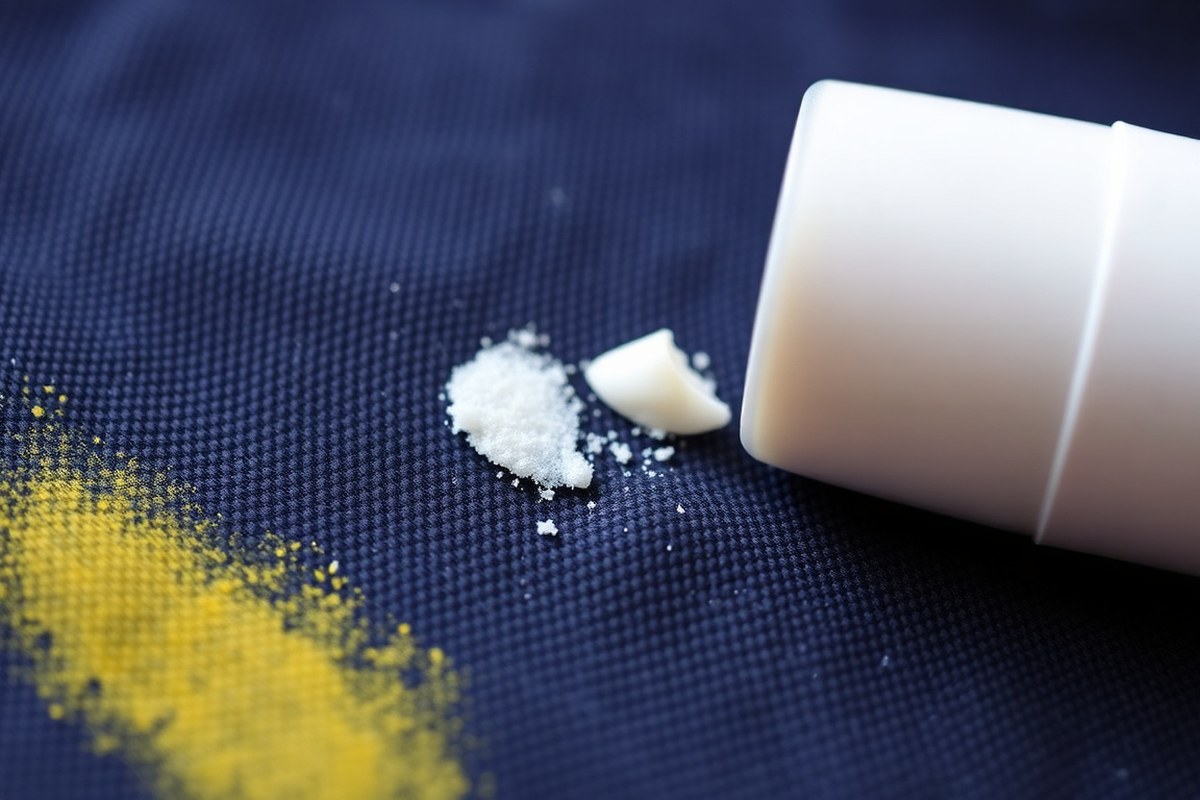
Deodorant marks on shirts form from two main causes: white residue and yellow stains. The white marks are usually the result of the solid deodorant physically transferring onto your shirt’s fabric when you pull it over your head or brush against it. This is purely a mechanical issue. You can often wipe these white streaks off easily with a dry cloth or by washing the shirt. They are most noticeable on darker clothes, where the white residue contrasts sharply with the fabric color.
Yellow stains, however, develop through a chemical reaction involving sweat, aluminum compounds in many antiperspirants, and the fibers in your shirt. Many antiperspirants contain aluminum zirconium or aluminum chloride, which react with the moisture and salts in sweat. Over time, this reaction breaks down the fabric’s fibers and discolors them, resulting in stubborn yellowing, particularly under the arms. The acidic substances in antiperspirants can also affect fabric dyes, making stains more visible on white or light-colored shirts. The longer a shirt stays stained and unwashed, the more embedded and difficult these marks become to remove.
Some shirts develop stains faster because of the fabric type and your personal body chemistry. Synthetic fabrics like polyester tend to hold onto oils and chemical residues more than cotton, which can absorb moisture but releases it more easily during washing. Also, people with sweat that contains higher mineral content or more body oils may see worsening stains quicker. The friction from wearing tight or layered clothing also encourages more deodorant transfer and buildup, speeding up discoloration.
Aluminum’s role is key in this process. It works as an antiperspirant by blocking sweat glands temporarily, but that same aluminum reacts with your sweat’s salts and oils. This forms a residue that adheres to fabric and causes yellowing. Choosing deodorants without aluminum can reduce these stains, as they avoid that particular chemical reaction. Using these on clean, dry skin and allowing the product to dry before dressing will also help minimize marks.
Avoid chlorine bleach, as it reacts with aluminum residue and can permanently darken yellow deodorant stains instead of removing them.
3. Comparing Methods for Different Fabrics and Stain Ages
Deodorant stain removal depends largely on your shirt’s fabric and how long the stain has been there. Cotton and cotton blends respond well to gentle, warm water washes, usually around 30°C, which helps to loosen fresh stains without damaging the fibers. Synthetic blends like nylon benefit from their slightly abrasive texture, which lifts deodorant marks without needing harsh treatments or extra moisture that can set stains further. Using a soft toothbrush to gently work treatments into the fabric is important for all types, as aggressive scrubbing can break fibres and cause fuzziness that makes the stain more noticeable.
Fresh deodorant stains are generally easier to remove with homemade remedies such as baking soda or diluted vinegar soaks. These act as mild abrasives and natural deodorizers, breaking down the stain material without harming the fibers. For older or stubborn stains, direct application of dish soap on the dry stain followed by gentle brushing before laundering can be effective. Some commercial stain removers specifically target set-in deodorant marks and may be worth the investment for persistent stains, usually costing around $10 to $15. The decision table below matches stain age and fabric types with the best stain removal approach based on cleaning science and tested methods:
| Fabric Type | Stain Age | Recommended Method | Temperature / Time | Notes |
|---|---|---|---|---|
| 100% Cotton | Fresh | Baking soda paste or vinegar soak | Warm water, 30°C soak, 30, 60 mins | Natural, gentle; avoids colour loss |
| 100% Cotton | Old / Set-in | Dish soap application with soft toothbrush | Apply on dry fabric, then wash warm | Requires gentle brushing; avoid scrubbing |
| Synthetic Blends (Nylon) | Fresh | Gentle brushing with mild detergent | Cold to warm wash, 20, 30°C | Fine abrasive texture helps lift stains |
| Synthetic Blends (Nylon) | Old / Set-in | Targeted commercial stain remover | Follow product instructions (usually 10, 15 mins pre-soak) | Effective on stubborn stains; pricier option |
For stubborn stains on tough or blended fabrics, commercial removers are usually the most reliable, especially when DIY methods fail. Since harsher chemicals might lighten fabric color, it’s best to test the product on a hidden area first. Always avoid drying your shirt in the dryer until you confirm the stain is completely gone, as heat can set deodorant marks permanently.
Deodorant stains containing aluminum compounds or that have reacted with sweat often require more persistent or repeated treatments. Soaking cotton shirts overnight in diluted vinegar loosens these tougher deposits effectively while being safe for most fabrics. Nylon’s abrasive quality can make quick work of new stains without extra moisture, so using a soft toothbrush with mild soap is often sufficient. Keeping these factors in mind will help you choose the proper method and prevent damage to your clothing.
4. Home Remedies That Actually Work for Deodorant Stains
You can remove deodorant marks from shirts using simple household items such as baking soda, vinegar, hydrogen peroxide, and lemon juice. Each remedy works by breaking down the minerals, oils, or residues that cause the stains, but you’ll need to use the right method for the fabric and stain severity. Avoid mixing acidic and alkaline ingredients directly on fabric to prevent damage, and test any treatment on a hidden area first, especially for colored clothes.
Baking Soda Paste Application
Baking soda acts as a mild abrasive and helps neutralize the odor and whiten the fabric by lifting deodorant residue. Making a paste concentrates the baking soda for better stain removal, especially for fresh or light marks.
Use this baking soda paste method on white or light-colored cotton shirts. Avoid using it alone on delicate fabrics without checking for colorfastness.
- Combine three parts baking soda with one part water until a thick paste forms.
- Apply the paste directly to the stained areas on the shirt’s underarms.
- Gently rub the paste into the fabric fibers using a soft brush or your fingers.
- Let the paste sit on the stain for 30 to 60 minutes to absorb and break down the deodorant.
- Rinse the shirt well with cold water to remove the baking soda.
- Wash the shirt as usual according to the garment’s care label.
This method costs only a few cents since baking soda is inexpensive and widely available. It works best on recent stains and might need repeating for older marks. Avoid leaving the paste on too long, as it can leave a white residue if not rinsed thoroughly.
Vinegar Soak for Yellow Stains
White distilled vinegar is an acidic cleaner that helps dissolve the minerals in deodorant that cause yellowing. Soaking the shirt in a vinegar solution loosens these stains before washing.
This treatment is safe for cotton and polyester blends but may affect delicate fabrics or bright colors. Testing first or using a diluted soak can minimize risk.
- Mix equal parts white distilled vinegar and cool water in a bowl or basin (for example, 1 cup each).
- Submerge the stained underarm areas of the shirt into the vinegar solution.
- Let the shirt soak for 30 to 45 minutes to allow the vinegar to penetrate and break down stains.
- Remove the shirt and gently rub the fabric around the stain to help lift residue.
- Rinse the shirt thoroughly with cool water to remove vinegar smell.
- Wash the shirt according to care instructions using cold water.
Using vinegar is affordable and eco-friendly. Avoid mixing vinegar directly with baking soda on clothing, as their fizzing reaction may damage fabric. Use one treatment at a time.
Hydrogen Peroxide and Dish Soap Mix
Hydrogen peroxide works as a mild bleach that removes discoloration, while dish soap breaks down oils and deodorant buildup. Combining both creates a stronger stain remover effective for stubborn deodorant marks on white shirts. This mix is not recommended for colored fabrics unless the label confirms colorfastness, as hydrogen peroxide can cause fading.
- Combine equal amounts of 3% hydrogen peroxide and mild liquid dish soap (for example, 2 tablespoons each) in a small bowl.
- Apply the mixture directly onto the deodorant stains using a clean cloth or soft brush.
- Allow the solution to sit on the stained areas for 15 to 30 minutes but do not let it dry completely.
- Gently scrub the stain with the cloth or brush to help lift it.
- Rinse the treated areas thoroughly with cool water.
- Wash the shirt normally on a cold water cycle.
This home remedy typically costs under a dollar per treatment and can be repeated as needed. For very tough yellow stains, you can add baking soda by mixing one tablespoon baking soda with one tablespoon hydrogen peroxide to form a paste and apply it after initial treatment.
Lemon Juice Treatments on Whites
Lemon juice contains citric acid, which helps to break down deodorant stains by dissolving residues and bleaching discoloration slightly. It is most effective on white or very light-colored cotton shirts. Avoid applying lemon juice to colored fabrics or delicate materials to prevent fading and damage.
- Extract fresh lemon juice or use bottled lemon juice, then dilute it with an equal amount of water.
- Apply the lemon juice solution directly to the stained areas using a sponge or cloth.
- Let the shirt sit in direct sunlight for 15 to 30 minutes as sunlight activates the bleaching effect of lemon juice.
- Rinse the shirt thoroughly with cold water.
- Launder the shirt as usual following fabric care instructions.
Cost is minimal if you have lemons at home. This method brightens stains effectively, but overuse or sun exposure on colored fabrics can bleach and weaken them. Limit lemon juice treatments to whites and short exposure times to avoid damage.
5. Preventing Deodorant Stains Before They Form
Avoiding deodorant stains begins with choosing the right product. Look for deodorants labeled as “stain-free” or “invisible,” which typically have fewer ingredients like aluminum salts that react with sweat minerals to cause yellowing. Clear gel or roll-on deodorants usually leave fewer visible marks than white solid sticks, especially under light-colored clothing.
How you apply deodorant matters just as much as what you use. Applying too much deodorant can increase residue that sticks to fabric and causes stains. Use a thin, even layer on clean, dry skin. After applying, wait at least 2 to 3 minutes for the product to dry completely before putting on your shirt. This drying time helps prevent fresh deodorant from transferring to your clothing.
Clothing choice plays a role in how obvious deodorant stains appear. Shirts made from thicker fabrics or with patterns tend to hide marks better than thin, smooth, or light-colored materials. Reserve delicate and form-fitting shirts for days when you’re confident about stain prevention or plan to wear fresh deodorant that dries quickly.
- Choose clear, gel, or roll-on deodorants labeled “stain-free” or “invisible.”
- Apply a thin layer to clean, dry skin and avoid over-applying.
- Wait 2 to 3 minutes after application to let deodorant dry fully before dressing.
- Wear thicker or patterned shirts to disguise any accidental marks.
- Avoid applying deodorant after dressing to prevent immediate transfer.
- Consider switching products if current deodorant regularly causes stains.
Applying deodorant on bare skin and letting it dry before dressing significantly lowers the chance of stains on your shirts.
Some people apply deodorant while already dressed to save time, but this often leads to white streaks on the fabric that can be difficult to remove later. Giving yourself a few minutes of pause ensures the product bonds with your skin instead of your shirt. For those prone to heavy sweating, combining an antiperspirant with a stain-minimizing product can offer protection without causing marks.
Preventative steps might take extra care and a little patience but cost nothing more than time and a slight change in routine. The results typically show in fresher-looking shirts that last longer between stain removal treatments and less frustration when laundry day arrives.
6. Safely Treating Deodorant Stains on Dress and Colored Shirts
To safely remove deodorant marks from delicate and colored shirts, avoid harsh chemicals like hydrogen peroxide unless the care label permits it. Treat stains gently with mild detergents, cool water, and soft cloths to protect fabric fibers and color. Following fabric-specific care instructions helps prevent damage and discoloration while effectively lifting deodorant residue.
Checking and Following Garment Care Labels
Garment care labels provide essential guidance on how to treat deodorant stains without risk. Some delicate fabrics, such as silk or wool, recommend dry cleaning or hand washing rather than machine washing or using strong chemicals. Ignore these labels at your own risk, ignoring them can result in shrinking, color loss, or fabric weakening.
Colored shirts especially benefit from washing in cold water to preserve dyes. Always test any stain remover on an inconspicuous area first to ensure it doesn’t alter the fabric’s shade or texture. Use a gentle cycle on machines or hand wash to reduce abrasion.
Gentle Spot Treatment Techniques
Address deodorant stains on dress and colored shirts by softly working in a mild cleaning solution before full wash. Do not scrub aggressively as this can stretch or fray delicate fibers.
Use a soft cloth or a soft-bristle toothbrush to apply and gently rub the treatment into the stained area. Avoid soaking the entire garment in harsh chemicals which may cause uneven fading or swelling of the fabric.
- Apply a small amount of liquid detergent diluted with water directly onto the deodorant stain.
- Gently rub the stain with a soft cloth or toothbrush in a circular motion for about 30 seconds.
- Let the shirt sit at room temperature for 5 to 10 minutes to allow the detergent to loosen the residue.
- Rinse the treated spot under cool running water to remove soap and loosened deodorant.
- If the stain persists, repeat the process one more time, avoiding excess agitation.
- Wash the shirt according to the care label, preferably on a gentle cycle in cold water.
- Air dry the shirt flat or hang it inside out away from direct sunlight to avoid fading.
Choosing Fabric-Friendly Cleaning Agents
Hydrogen peroxide is generally not considered safe for colored fabrics as it can bleach dyes, especially when used in higher concentrations or left on too long. Stick to mild detergents designed for delicate clothing or stain removers labeled safe for colors. For fabrics like bamboo blends, which often resist stains better due to their performance microfiber component, mild treatments usually work well without special chemicals.
Using plain white vinegar diluted in water (one part vinegar to two parts water) can sometimes help break down deodorant buildup, but test first and avoid on silk or satin. For highly delicate garments like silk dress shirts, professional dry cleaning is often the best option to preserve fabric integrity.
7. Common Mistakes When Removing Deodorant Marks (and How to Fix Them)
Drying your shirt in the dryer too soon after treating deodorant marks is a common mistake that can set the stain permanently. Heat causes the stain molecules to bond more tightly with fabric fibers, making them much harder to remove later. Instead, always hang your shirt to air dry and check the stain in bright light before deciding if another cleaning round is needed.
Harsh rubbing to remove deodorant stains may seem like a good idea, but it can damage delicate fabric or push the stain deeper into the fibers. This approach often leads to fabric thinning, discoloration, or distorted texture, especially with softer shirts or dress fabrics. Gently blot or lightly rub the area using a soft cloth and a mild cleaner to protect the fabric while loosening the stain.
Using the wrong products, such as bleach on colored shirts or a strong detergent on delicate fabrics, can cause permanent fading or breakdown of the shirt material. Choosing product formulations that are safe for the specific fabric type is essential. For example, a fabric rinse or a gentle stain remover designed for colored fabrics is better than harsh bleach or ammonia-based products. When you find set-in stains or small fabric damage after drying, follow these steps to fix the problem:
- Apply a fabric-safe stain remover according to label instructions, letting it soak for 15-30 minutes before washing again.
- Rewash the shirt in cold water using a gentle detergent formulated for stain removal.
- Avoid using bleach unless the shirt is white and bleach-safe; test a small area first.
- For fabric thinning or rough patches, use a fabric softener or vinegar rinse during the wash cycle to restore softness.
- When the stain stays after two treatments, think about professional cleaning to prevent more damage.
- Never put a stained shirt directly into the dryer between attempts, as heat sets stains permanently.
Taking these steps helps reverse early damage and prevents pits or discoloration that occur with aggressive stain removal efforts. You likely will spend about 10 to 15 minutes per treatment cycle at home, plus drying time. Expect visible improvement after each pass if you follow gentle techniques. Severe cases might require more treatments or professional intervention.
8. When to Call a Professional for Stubborn Deodorant Stains
Professional cleaning becomes necessary when deodorant stains persist despite your efforts with home methods. Stains that stay after using stain removers and soaking for at least 10 minutes, or when dealing with delicate fabrics like silk or a finely woven dress shirt, need expert cleaning. Professionals use industrial-strength solvents and advanced techniques that break down the stain compounds more effectively than consumer products.
Common signs you need expert stain removal include discoloration that resists repeat washing, fabric damage from repeated scrubbing, or stains on expensive clothing where DIY attempts may cause more harm. Professionals have experience handling various fabrics and know which chemicals and processes work without risking the integrity of your shirt.
Typical professional stain removal costs range between $15 and $50 depending on the garment type and stain severity. Dry cleaners or specialized laundry services often include deodorant stain removal as part of their package. While this might seem expensive compared to home treatments, the higher price reflects the use of commercial-grade solutions and the skill involved. Here’s what professional services can do that home methods can’t:
- Apply targeted chemical solvents that penetrate tough stains.
- Use warm air drying and heat treatment to set fabric without fixing stains permanently.
- Access ultrasonic cleaning or steam treatments for delicate materials.
- Perform repeated cycles with stain-specific products safely.
- Restore color and texture affected by old or set-in stains.
- Offer advice on preserving garments after stain removal.
Expect expert treatment to reduce or completely eliminate deodorant marks without weakening fabric. The process usually takes 24 to 48 hours depending on the cleaner’s workflow and the stain’s persistence. Not all stains can be removed entirely, particularly if set for months or exposed to heat, but professionals typically achieve better results than home methods.
Do not attempt to bleach deodorant stains on colored shirts yourself; chemical damage to fabric often requires professional correction.
Opt for professional cleaning when your shirt is valuable or delicate, or if stubborn deodorant stains don’t fade after trying home remedies twice. This approach safeguards your clothing and improves your chances of restoring a stain-free look.
Step-by-Step Action Plan to Remove Deodorant Marks from Shirts
Follow these steps in order to effectively treat deodorant stains and protect your shirts from damage.
- Before washing: Gently scrape off any visible deodorant residue with a dull knife or a credit card to avoid pushing the stain deeper into the fabric.
- Immediately after noticing the stain: Wet the stained area with cold water and apply a small amount of liquid detergent. Rub it lightly to break down the oils and wait 10 minutes. The stain should start to fade.
- Wash cycle: Use the warmest water safe for your shirt’s fabric, as indicated on the care label. Choose a heavy-duty detergent. For a white or colorfast shirt, add a booster such as oxygen bleach. Check if the stain lightened after washing.
- After washing: Air dry your shirt instead of using a dryer, as heat can set any remaining stains permanently. Inspect the fabric for leftover marks.
- Should the stain persist: Apply a paste made of baking soda and water to the area and let it sit for 30 minutes before rewashing. This helps lift stubborn stains without harsh chemicals.
- For delicate or colored shirts: Use a stain remover designed for colors and test it on a hidden spot first. Avoid bleach products to prevent fading.
- Regular maintenance: Wash shirts soon after wearing, especially if you notice deodorant buildup, to prevent stains from setting.
- Stubborn stains after multiple attempts: Consider taking your shirt to a professional cleaner experienced with deodorant stains, especially for dress shirts and special fabrics.
Frequently Asked Questions
What Deodorant Won’t Stain Shirts?
AtomFresh deodorant won’t stain your clothes, keeping them free of white marks and yellow stains while preserving your shirt’s look and fabric strength.
Does Dove Deodorant Stain Clothes?
Dove deodorant can leave residue that causes white marks or yellow stains, especially if it contains antiperspirant aluminum reacting with sweat.
Does Vanish Remove Deodorant Stains?
Vanish can help remove deodorant stains if used correctly by applying it directly to the stain and following product instructions for best results.
How Can I Remove Deodorant Stains from Black Shirts?
Dry cloth rubbing removes white streaks from black shirts, and soaking in warm white vinegar tackles stubborn buildup safely.
How to Remove Deodorant Stains from Clothes?
Apply detergent directly to the stain, let it sit briefly, and wash with warm water to lift most deodorant marks effectively.
Can Deodorant Stains Damage Fabric Fibers?
Yes, repeated DIY stain treatments can weaken fabric fibers and fade colors, signaling professional cleaning is needed.
Before You Go
Deodorant marks can be removed safely when treated promptly with the right methods tailored to your shirt’s fabric and color. Avoid harsh scrubbing or heat before the stain is gone to keep your clothes looking their best. Try the step-by-step plan on one stained shirt today to see the difference. Act now to save your wardrobe and keep your shirts fresh and stain-free.