Can Polyester Shrink? What Actually Works and How Much It Shrinks
Polyester can shrink, but it is difficult for 100% polyester to shrink more than about 3%, even under high heat. Polyester blends, such as polycotton, are more likely to shrink noticeably during washing or drying. Knowing how heat affects polyester and the differences between fabrics helps you manage shrinkage effectively.
This information is useful if you want to shrink polyester clothing safely or understand why your polyester garment behaves a certain way in the laundry. You’ll learn what works best and how much polyester typically shrinks under various conditions.
Key Takeaways
- 100% polyester shrinks less than 3% under extreme heat, so avoid excessive temperatures for minimal shrinkage.
- Polyester blends, especially with cotton, shrink more easily than pure polyester fabrics.
- High heat above 140°F can cause some shrinkage in 100% polyester, but avoid going over 180°F to prevent damage.
- Adding spandex to polyester garments reduces shrinkage by increasing dimensional stability.
- Use the dryer cautiously as temperatures above 180°F can shrink or damage polyester items.
- Polyester’s shrinkage is often minimal, so expect less than 2% change in garment size during routine washing.
Does Polyester Shrink? What You Need to Know

Polyester fabric can shrink, but the amount and ease depend largely on whether it is 100% polyester or a polyester blend. Pure polyester is known for being difficult to shrink because the synthetic fibers are designed to resist heat and maintain their shape. In most cases, 100% polyester will shrink less than 3% even under high heat conditions. Shrinking 100% polyester generally requires exposure to temperatures of at least 140 degrees Fahrenheit, which is higher than what many typical home washes or dries use.
Polyester blends, especially those mixed with cotton, shrink more easily than pure polyester. This happens because natural fibers like cotton react to heat and moisture by contracting more noticeably than synthetic fibers. For example, a cotton-polyester blend, often called polycotton, will experience more shrinkage in the wash compared to 100% polyester. You can usually find the fabric composition on the garment’s label, which helps set expectations for shrinkage.
Even though pure polyester resists shrinking, careless washing and drying at very high temperatures may cause minor shrinkage, particularly if the garment has added spandex for stretch. Spandex tends to improve the fabric’s ability to retain its shape, further reducing the potential for shrinkage. However, polyester blends with less synthetic content have less dimensional stability and therefore will shrink more noticeably.
Knowing if your garment is 100% polyester or a blend is essential for anticipating how much it will shrink. Polyester blends respond to heat more sensitively and will shrink at somewhat lower temperatures than pure polyester. The shrinking process is gradual, and the shrinkage you see in blended fabrics can sometimes be substantial enough to alter the fit of your clothing noticeably.
The key to managing polyester shrinkage lies in applying enough heat to affect the synthetic fibers without damaging the garment. High temperatures in washers or dryers, particularly above 140 degrees Fahrenheit, can initiate shrinkage in 100% polyester, but the effect tends to be small. For polyester blends, you might notice more significant shrinkage at lower heat levels because of the natural fiber content.
How Heat Affects Polyester Shrinkage
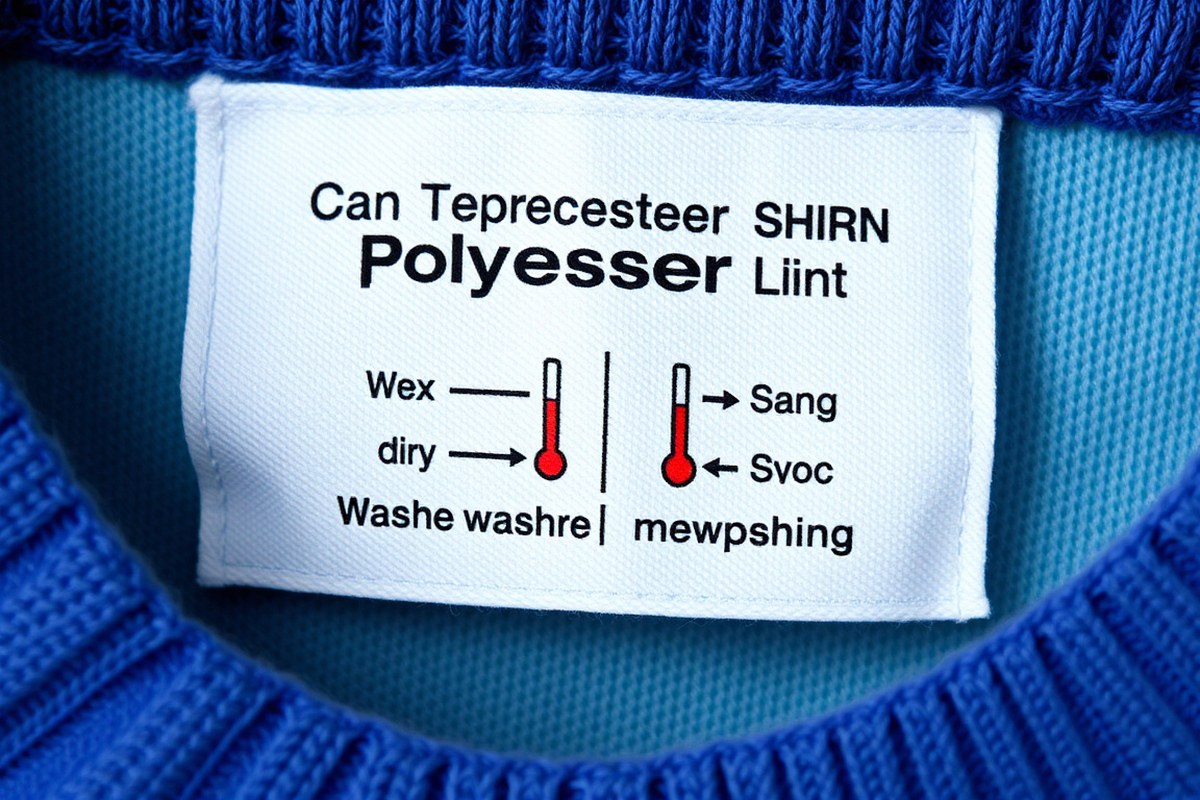
Heat drives polyester shrinkage by providing energy that allows the polymer chains in the fabric to move closer together and tighten. Polyester generally resists shrinking at cool or warm water temperatures, but shrinkage can occur when exposed to higher heat levels. Washing polyester in hot water, above 140°F (60°C), can start to shrink the fabric slightly. Using boiling water will constrict the fibers more aggressively, though this extreme method is rarely needed and could damage the garment or affect colorfastness.
Dryer temperature plays a important role as well. Polyester is less likely to shrink below dryer temperatures of around 130°F (54°C). Exposing polyester to high dryer heat or running multiple high-heat drying cycles will create conditions for material shrinkage. The highest heat settings on most dryers, often around 150, 160°F (65, 70°C), increase the movement in polyester fibers, causing a firmer shrink. This effect is amplified if the garment was pre-washed or soaked in hot water.
For effective shrinkage, combine hot water washing (at least 140°F) with high-heat drying. The hot water loosens the fibers, and the subsequent heat from the dryer encourages tightening. Polyester generally dries quickly, so limiting drying time to only what’s needed helps control excessive shrinkage and protects garment shape and texture. Using high-temperature settings repeatedly or extending drying can cause warping or stiffness in the fibers.
While 100% polyester requires higher heat levels to shrink, polyester blends with cotton or other fibers may start shrinking at lower temperatures. This means you must pay attention to care labels, especially when blends and stretch fibers are present. Some polyester blends shrink notably just from warm water and moderate dryer heat levels, unlike pure polyester, which needs more extreme heat.
Always check your polyester garment’s care label before applying heat to avoid accidental shrinkage or damage.
In practice, to shrink polyester safely at home, set your washing machine to the hottest water cycle available (preferably above 140°F) and dry on the highest heat setting your dryer allows. Limit the drying time to prevent damage, and avoid multiple dryer cycles. If shrinkage is not sufficient after the first attempt, repeating the process once can help, but be aware that polyester’s shrinkage tends to be minimal and gradual.
Shrinkage Differences Between Polyester Blends and 100% Polyester
Polyester shrinkage varies notably between 100% polyester fabrics and polyester blends that include cotton or spandex. Pure polyester is durable and resistant to shrinking under normal washing and drying conditions. It requires higher heat, near melting temperatures, to shrink significantly, and even then, the changes tend to be subtle and permanent. Blends, however, react differently because the natural fibers like cotton shrink more readily.
For example, a 50/50 polyester-cotton blend will mostly shrink as the cotton component contracts, often resulting in uneven or partial shrinkage. The polyester fibers resist shrinkage and maintain the original shape, which can limit overall reduction in size or distort the fit. Polyester/spandex blends behave even more distinctly due to the elasticity spandex adds. Spandex fibers can resist shrinkage but may lose stretch or become damaged if exposed to excessive heat. This can lead to uneven shrinkage or a loss of flexibility in garments like leggings.
Applying high heat to polyester/spandex blends, especially boiling, can damage the spandex fibers, causing them to lose their stretch or become misshapen. This damage often outweighs any benefits from shrinkage, so a gentler method is recommended when attempting to shrink these fabrics. For blends with lower spandex content (about 5%), you might see a small amount of shrinkage, but as the spandex percentage rises above 15%, shrinking becomes increasingly difficult and risky.
| Fabric Type | Common Fiber Composition | Shrinkage Behavior | Heat Sensitivity | Recommended Approach |
|---|---|---|---|---|
| 100% Polyester | 100% Polyester | Minimal shrinkage under normal heat; requires high heat (~320°F or 160°C) to shrink | Can melt or deform at very high temps; stable below 150°F | Use high-heat drying cautiously; avoid overheating |
| Polyester-Cotton Blend | Typically 50% Polyester / 50% Cotton | Shrinks mainly via cotton content; may shrink 2-4% in wash | Cotton shrinks at moderate heat (120-140°F); polyester resists shrinkage | Machine wash warm, tumble dry on medium; expect uneven shrinkage |
| Polyester-Spandex Blend Low Spandex | 80-95% Polyester / 5-10% Spandex | Very limited shrinkage; spandex adds stretch and resists shrinkage | Spandex damaged by boiling or high heat; below 140°F preferred | Use gentle heat, avoid boiling; mild shrink possible |
| Polyester-Spandex Blend High Spandex | 80% Polyester / 15-20% Spandex | Minimal shrinkage; risk of stretch loss and fabric damage | High heat causes spandex loss of elasticity and uneven shrink | Avoid high heat; delicate wash and air dry recommended |
Knowing the exact fiber content of the polyester blend is important before attempting to shrink your garment. Cotton blends allow some shrinkage at lower temperatures while holding shape due to polyester resilience. Spandex blends require more care because aggressive heat can irreversibly damage the stretchy fibers, leading to poor fit and fabric degradation. Adjust your washing and drying temperature precisely to balance shrinkage and fabric integrity.
How to Shrink Polyester Safely at Home
Polyester can shrink at home using heat, but it takes higher temperatures than natural fibers to do so. You can safely shrink polyester with a combination of hot water washing, high heat drying, careful ironing, and even boiling water treatments. Each method requires specific steps to avoid damaging the garment while achieving visible shrinkage.
Preparing Your Polyester Garment
Before shrinking, turn your polyester item inside out to protect its outer surface from color fading or damage. Check the fabric content to ensure you’re working with 100% polyester or note any blends, as polyester blends are less likely to shrink. Avoid using bleach or harsh chemicals that could weaken the fibers and cause uneven shrinking. Preparing helps the polyester shrink more evenly and reduces risk of damage.
Make sure to inspect for care label instructions. If the label forbids high heat, proceed cautiously or consider alternative resizing methods.
Washing and Drying on High Heat
Washing polyester in hot water followed by drying on high heat is the most accessible way to encourage shrinkage. Normal polyester doesn’t shrink from warm or cold washing cycles, so you’ll need to use the hottest water wash and dryer settings your machine permits. Turning the garment inside out prevents the heat from fading the visible surface during the process. Follow these steps for washing and drying:
- Place the polyester garment inside out in your washing machine.
- Select the hottest water setting available (usually 130°F or higher).
- Use your regular detergent without bleach or fabric softeners.
- After washing, transfer the item to the dryer without delay.
- Set the dryer to the highest heat setting.
- Dry the garment completely, checking for shrinkage progress after every 15 minutes.
This process usually takes 30 to 60 minutes in the dryer to see noticeable shrinkage, depending on the fabric’s thickness and blend ratio. Avoid repeated cycles without breaks, which may cause uneven shrinking or fabric distortion.
Using an Iron to Shrink Polyester
An iron can provide controlled heat to target shrink polyester spots or add extra shrinkage after washing and drying. Always set the iron to the polyester/synthetic setting, often labeled as “low” to “medium” heat, to prevent melting or burning the fabric. Use a pressing cloth between the iron and fabric to protect it.
Patience is key since too much heat concentrated in one area can cause damage. Move the iron steadily and avoid leaving it in one place for longer than a few seconds. You can gently stretch and shape the garment after ironing to help it maintain the desired size.
Boiling Water Method Explained
The boiling water method uses extreme heat to shrink polyester by essentially “cooking” the fibers. This is the most aggressive shrinking approach and comes with risks like color fading and fabric weakening, so apply it only when you want significant size reduction or the garment is beyond mild shrinkage methods. Use these steps carefully:
- Boil a large pot of water on your stove.
- Remove the pot from heat to avoid continuous boiling.
- Submerge the polyester garment fully into the hot water.
- Let it soak for 5 to 30 minutes depending on shrinkage desired.
- Carefully remove and gently wring out excess water without stretching the fabric.
- Place the garment in a dryer on the highest heat setting until dry.
This method can shrink polyester noticeably within one session, but repeated use might degrade the garment’s lifespan. Avoid using this on delicate polyester blends or items with special finishes. Always monitor shrinkage closely during drying to stop at your target size.
Common Mistakes When Trying to Shrink Polyester
Many people expect polyester to shrink dramatically like natural fibers do, but that’s a common mistake. Polyester is a synthetic fiber known for its strength and resistance to heat and shrinkage. Trying to shrink it too much risks damaging or weakening the fabric instead of getting the desired size reduction. The fibers have strong bonds that prevent large changes in size unless exposed to very high temperatures, which can melt or distort the fabric.
Another mistake is using fabric conditioners or softeners with the goal of relaxing polyester fibers after shrinking. These products don’t affect polyester’s molecular structure enough to reverse shrinkage or stretch the fabric back out. Heat is the primary factor that affects polyester size, so relying on detergents or conditioners will likely disappoint you.
Using excessive heat without caution can cause polyester to melt or develop shiny spots, ruining the garment’s appearance. Some people assume that a quick cycle in the dryer on high heat is enough to shrink polyester, but the process must be controlled carefully to avoid this damage. Overheating for too long can also weaken seams and stitching.
- Putting polyester in boiling water without monitoring time and temperature risks fabric damage.
- Ignoring garment care labels can lead to shrinkage that isn’t uniform or reversible.
- Combining fabric softeners or detergents in the shrinking process reduces effectiveness.
- Expecting more than a few inches of shrinkage causes frustration and potential harm to fabric.
- Storing polyester in damp or direct sunlight environments can weaken fibers over time.
- Relying on dry cleaning for shrinking is ineffective since it does not affect polyester size.
Use heat carefully and don’t mix shrinking efforts with fabric softeners or harsh chemicals to avoid weakening your polyester.
Small intentional shrinkage, like a couple of inches, happens best with controlled exposure to heat, such as hot water baths or timed dryer cycles. Avoid pushing the temperature beyond recommended levels for extended periods. Even small missteps in care can cause your polyester to lose its durability or develop unwanted texture changes instead of shrinking smoothly.
How to Tell If Your Polyester Has Shrunk Enough
To tell if your polyester garment has shrunk enough, start by confirming the fabric content, then measure key garment dimensions before and after treatment. Compare the changes to typical shrinkage levels. Shrinkage of around 2% is normal for polyester and blends, while more indicates excessive shrinkage that may affect fit and comfort.
Checking Fabric Content Labels
Identifying whether your garment is 100% polyester or a blend is key because fabric behavior varies significantly. Look for the care tag or label sewn inside the garment, often near the neckline or side seam.
The label lists the percentages of fibers like polyester, cotton, or spandex. For example, a label reading “65% polyester, 35% cotton” means the fabric is a blend known for better dimensional stability and less shrinkage. Pure polyester garments will shrivel less than a cotton blend under heat.
If the label is unclear or missing, check the retailer’s product description or website. No label means you can perform a burn test carefully or seek professional testing, but the quickest way is to assume it’s a blend if the shrinkage is noticeable.
Measuring Before and After Shrinking
Accurate measurements are the simplest way to identify fabric shrinkage. Measure your garment at areas most affected by shrinking such as chest width, shoulder width, body length, and sleeve length. Follow these steps for precise comparison:
- Lay the polyester garment flat on a clean, hard surface, smoothing out wrinkles without stretching.
- Use a soft measuring tape or ruler to record the length and width measurements to the nearest 1/8 inch or 0.1 cm.
- Note the measurements clearly, writing down each dimension along with the date and method of measurement.
- After attempting to shrink the fabric, repeat the same measuring process on the identical spots using the same technique.
- Calculate the percent change by subtracting the post-shrink dimension from the pre-shrink dimension, dividing by the pre-shrink dimension, and multiplying by 100.
Maintaining consistent tension and location during measurement ensures reliable data. Digital tools like fabric measurement apps are optional but not required.
Evaluating Acceptable Shrinkage Levels
A shrinkage amount up to 2% is considered normal for polyester and most cotton-polyester blends. This degree rarely distorts fit or comfort and is usually intentional as part of garment finishing. For example, a chest width originally 20 inches would shrink by about 0.4 inches or less without issue.
Shrinkage beyond 2% in 100% polyester is unusual unless extreme heat or agitation was applied. Excessive shrinkage leads to fabric distortion, tighter fit, or discomfort. Polyester-spandex blends especially resist shrinkage due to fabric elasticity, so noticeable changes are rare without damaging heat.
Keep in mind cotton content largely determines shrinkage risk in blends. High cotton blends may shrink more unless washed in cool water. Always check the specific fabric ratios and care instructions before attempting to shrink garments.
Managing Polyester’s Memory Effect and Post-Shrink Care
Polyester fibers have a distinct trait known as the memory effect, which means the material can retain its original shape even after being stretched or shrunk. This memory results from polyester’s synthetic, plastic-like structure, engineered to hold its form under many conditions. Once polyester shrinks, it does not behave like natural fibers such as cotton or wool, which can easily return to their pre-shrunk size. Instead, polyester’s fibers tend to lock in the new shape, making it challenging to reverse shrinkage entirely.
If you shrink polyester too much and want to restore some of its original fit, the process involves relaxing the fibers rather than fully reversing the shrinkage. Polyester can be gently relaxed by carefully exposing it to near-boiling water, around 200℉. This temperature softens the heat-set fibers enough to loosen their compact structure. You can try soaking the garment in hot water for a few minutes, then stretching it gently while it’s still warm. Avoid using boiling water directly, as extremely high temperatures or prolonged heat can damage the fibers or cause more shrinkage.
Maintaining the shrunken size without the fabric stretching back out requires proper care after shrinking. Polyester’s memory effect can work both ways; the fibers will try to revert to their previous shape if stretched. To keep the new fit longer, avoid wearing or storing polyester garments stretched tight. Washing the garment inside out in cool water and air-drying it flat or hanging it without weight on the fabric helps prevent unwanted stretching. Using a low tumble dry setting, below 140℉, can also reduce the chance of fibers relaxing back out.
For polyester blends or fabrics with delicate finishes, additional caution is necessary. Some blends may relax faster or resist shrinking, which alters the approach. Always test with a small, inconspicuous area or an old item first. Attempts to relax fibers repeatedly can weaken polyester over time, so overdoing heat exposure or stretching may cause distortion or damage rather than restore the original size.
The effort to maintain shrunken polyester often costs nothing beyond time and care, but avoiding frequent hot washes and high dryer heat is key. Good results show stable, wrinkle-free fits that hold shape through regular use without sagging or loosening. Poorly maintained polyester may stretch out again after the first wear or wash, undoing the shrinking efforts and requiring reapplication of heat and stretching, an approach that should be done sparingly to avoid fabric damage.
When to Choose a Tailor over DIY Shrinking
When shrinking polyester clothing at home fails to achieve the fit you want or risks damaging the garment, it’s time to consider a tailor’s expertise. Tailoring offers precise adjustments that heat shrinking can’t match, especially for complex fits or significant size changes. Knowing when to stop DIY attempts and turn to a professional can save time, money, and your favorite clothes.
Signs Shrinking Isn’t Working
Polyester and its blends are crafted to resist size changes, so if your garment remains nearly the same after carefully applying heat and moisture, shrinking probably isn’t effective. Another sign is uneven shrinkage or fabric distortion, like puckering or rough texture, which means you might be harming the fabric rather than improving fit. Also, if you need more than a slight size reduction, about one inch or less in width or length, shrinking is unlikely to give good results.
Persistent resistance to shrinking despite multiple attempts suggests the fabric’s heat-set nature is holding, especially in blends with cotton or spandex. In such cases, further heat exposure risks permanent damage, like melting or warping. Stop shrinking when you notice excessive stiffness or color changes, and avoid forcing the fabric through additional wash-and-dry cycles beyond two or three attempts.
Garments That Need Professional Alteration
Garments with complex cuts, such as tailored blazers, fitted dresses, or polyester blends with stretch fibers, usually require alterations rather than shrinking. Tailors can take in seams, reshape shoulders, shorten hems, or adjust waistbands with fine control. This kind of work preserves garment integrity and fit better than hoping the entire piece shrinks evenly.
Polyester blends designed for stability and durability, like those with higher percentages of polyester combined with nylon or rayon, tend to resist heat shrinking. When you own such garments, even professional attempts at shrinking won’t be as effective as precise tailoring. When the fit problem is isolated, like a loose sleeve or pant leg that’s too long, alterations let you fix just that part without changing the entire garment.
Evaluating Cost and Effort vs Benefit
Consider the cost of professional tailoring, typically around $20 to $50 for basic alterations, against the time and risk involved in multiple shrinking cycles at home. Tailoring delivers predictable results without risking fabric damage or distortion, especially important for high-value or favorite polyester garments. Shrinking might seem cheaper, but repeated attempts can lead to costly mistakes or ruined clothes.
When the garment is inexpensive or easy to replace, shrinking it at home might be a good choice to make small adjustments. However, when shrink attempts don’t yield measurable improvement after two tries or if you need a size reduction larger than 10%, investing in a tailor usually saves frustration. Tailors also provide advice on preserving polyester fabric during alterations, like using the correct needles and thread, ensuring lasting quality and fit.
Stop shrinking attempts after two or three cycles if the size hasn’t changed noticeably to avoid permanent fabric damage and consider professional tailoring next.
Step-by-Step Action Plan to Shrink Polyester Safely
Use this plan to carefully shrink your polyester garment without causing damage or unwanted distortion.
- Before you start: Check the fabric label for care instructions and note any polyester blend details. Knowing the exact fabric helps set realistic expectations.
- Step 1: Wash the garment in warm water (around 120°F) using a regular cycle. This begins gentle shrinking and avoids overheating that could damage the fabric.
- Step 2: Dry the garment on medium heat for 20-30 minutes. Stop periodically to check if the size is reducing as desired to prevent excess shrinking.
- Step 3: Measure the garment’s key dimensions after drying. Compare to your target size to see if further shrinking is needed.
- Step 4: Repeat the wash and medium-heat dry cycle if more shrinkage is required. Limit the process to 2-3 cycles to avoid fabric weakening.
- Step 5: Once satisfied, air-dry the garment after the last cycle to set the new size and reduce heat exposure. This helps manage polyester’s memory effect.
- After 2 weeks: Monitor the garment’s fit during normal wear. Minor stretch-back due to polyester’s elasticity may occur, but proper shrinking should largely hold.
Frequently Asked Questions
Can You Put 100% Polyester in the Dryer?
Yes, you can dry 100% polyester in the dryer, but keep the temperature below 180°F to avoid shrinking. High heat can shrink polyester even though it’s difficult to shrink compared to blends.
Does 100% Polyester Fit Tight?
100% polyester typically doesn’t stretch much, so it generally fits snug but not overly tight unless designed to. Stretch depends more on added materials like spandex.
Will 90% Polyester Shrink?
Polyester blends like 90% polyester shrink more than 100% polyester because other fibers such as cotton shrink easily when exposed to heat.
How Do You Shrink Polyester Clothes That Are Too Big?
Shrink polyester by washing in hot water and drying on high heat, carefully monitoring to avoid over-shrinking. Polyester shrinks less than cotton, so repeated attempts may be needed.
Can Polyester Shrink in Cold Water?
Polyester usually does not shrink in cold water but poor washing care can cause slight changes in fit.
Does Polyester Shrink More When Washed or Dried?
Polyester shrinks more from heat during drying than washing, so dryer settings are important for managing shrinkage.
Key Points to Remember
Polyester can shrink, but only with careful heat application and patience. Follow controlled washing and drying steps to adjust size safely. For best results, work gradually and measure often. Start today by reviewing your polyester item’s care label and try the first warm wash cycle to see subtle changes.