What Does Do Not Tumble Dry Mean? Safe Drying Methods Explained
The phrase “do not tumble dry” on clothing labels means you should avoid using a tumble dryer for that item. This instruction is there to protect your garment from heat damage, shrinking, or loss of shape. Understanding what does do not tumble dry mean helps you care for your clothes properly and extend their lifespan.
People wanting to preserve delicate fabrics and prevent costly damage benefit from knowing safe drying methods. This article explains why some fabrics carry this warning and offers reliable alternatives that keep your clothes in great condition.
Key Takeaways
- “Do not tumble dry” means avoid drying in a machine dryer to prevent heat-related damage or shrinkage.
- Many delicate fabrics like wool, silk, and embellished items require air drying to maintain their shape and texture.
- Air dry clothes indoors on a rack with good airflow or lay flat, flipping every 2, 3 hours for even drying.
- Use lukewarm water and gentle detergent to soak garments before flat drying to reduce shrinkage and fabric stress.
- Limit tumble drying to short, low-heat bursts when safe, then finish drying naturally to avoid overexposure to heat.
- Keep moisture and humidity low in drying areas to speed up air drying without risking mildew or odor buildup.
What Does Do Not Tumble Dry Mean on Clothing Labels?
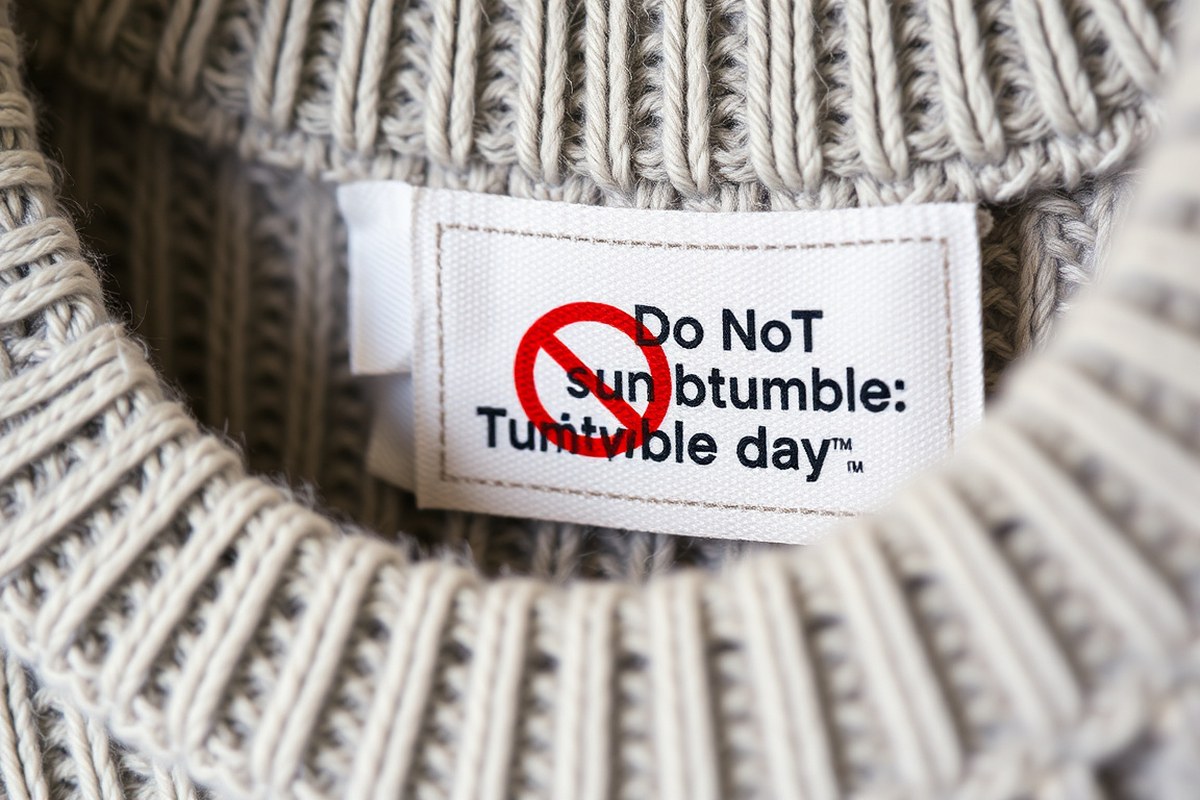
The phrase “do not tumble dry” on a clothing label means you should avoid using a tumble dryer to dry the garment. The care instruction warns against exposing the fabric to the heat and mechanical action inside a dryer. The tumbling motion combined with heat can distort, shrink, or otherwise damage delicate or heat-sensitive materials.
The symbol representing “do not tumble dry” is a square with a circle inside it, crossed out with an X. You will often see this pictogram on labels from many countries, including the United Kingdom, to clearly indicate that the dryer drum heat and motion are unsafe for that particular item. This symbol helps you quickly identify which clothes need special handling without reading the text label.
Garments carry this label because their fabric or construction cannot withstand the high temperatures or agitation in a dryer. For example, natural fibers like silk or wool often shrink or lose shape when exposed to dryer heat. Synthetic fibers like rayon or acetate may melt, distort, or become sticky. Some clothes with embellishments, delicate stitching, or special finishes also get this label to prevent damage.
When you see “do not tumble dry,” it matters because ignoring this instruction typically leads to shrinking, fabric weakening, color fading, or permanent deformation. Following the label helps keep your clothes looking newer for longer and prevents costly damage. The care tag serves as a warning based on laboratory testing or manufacturer experience with that fabric blend.
Reading these labels carefully helps you decide how to dry clothes safely. Instead of tumble drying, these garments usually require air drying, either flat or hung, at room temperature away from direct sunlight to minimize damage. The key is to avoid heat exposure and mechanical stress during drying.
Understanding the symbol and label means knowing your dryer isn’t always safe for every fabric. Using a tumble dryer on items marked “do not tumble dry” can quickly ruin them. So, next time you check a garment label, look for the crossed-out square with a circle inside. That symbol tells you to put the dryer away and air dry instead.
Why Are Some Fabrics Labeled Do Not Tumble Dry?
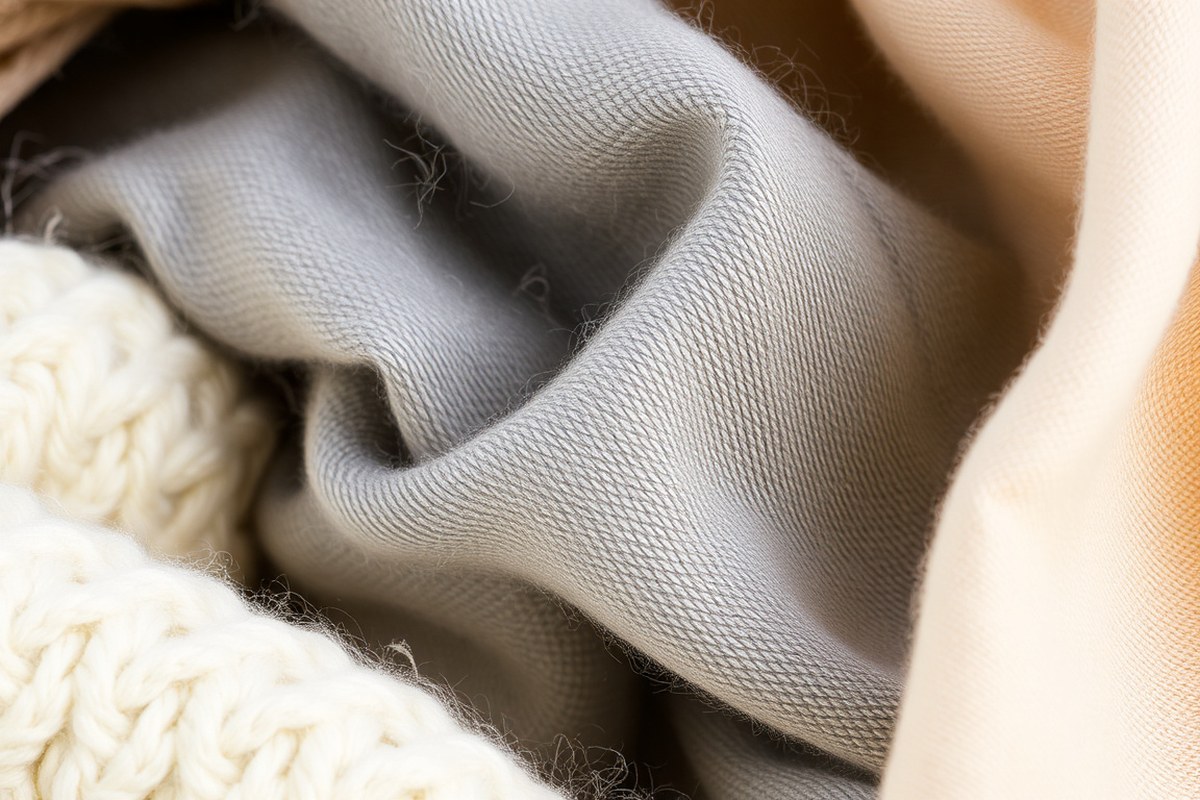
Some clothes say “Do Not Tumble Dry” because their fabrics or construction can be damaged by the heat and tumbling action inside a dryer. This warning protects delicate fibers and garments with special finishes from shrinking, stretching, or fading. Understanding which fabrics and garment features need this care helps you follow safe drying methods that extend the life of your clothing.
Fabrics That React Poorly to Dryer Heat
Natural fibers like wool and cashmere are often labeled “Do Not Tumble Dry” because the heat and agitation cause felting and stretching. These fibers can shrink or become misshapen when exposed to dryer conditions. Silk garments also carry this warning to prevent water spots and UV fading, as tumble drying can intensify these issues. Fabrics like viscose and rayon tend to distort in length when tumbled, which is why they require flat drying methods to maintain their shape.
Similarly, linen items are prone to excessive creasing and color fading from high dryer temperatures, so they often avoid tumble drying. Cotton can shrink in tumble dryers, especially when dried at high temperatures; even some cotton T-shirts carry the “Do Not Tumble Dry” label to warn about this risk. Manufacturers place this label to protect the integrity of these sensitive materials by avoiding the combination of heat, moisture, and mechanical action typical in dryers.
Garment Construction and Special Features
Beyond fabric type, garment construction plays a significant part in drying instructions. Clothes with delicate stitching, embellishments like beads or sequins, and glued trims often can’t tolerate the tumbling motion without damage. The mechanical agitation may loosen or break threads, pull off decorations, or distort garment shapes, leading to visible wear or functional failure.
Structured garments such as tailored blazers or pleated skirts may also be marked “Do Not Tumble Dry” because tumbling can ruin their form. Supportive linings and interfacing may separate or wrinkle irreversibly. In these cases, air drying flat or hanging in shade helps keep the garment’s intended shape intact without risking mechanical or heat damage from dryers.
How Heat and Agitation Cause Damage
Tumble drying exposes clothes not just to heat but also to continuous turning inside the drum. This combination can shrink fibers, fade colors faster, and break down finishes like waterproof coatings or softeners. Heat causes fibers to contract, while the tumbling action stretches or compresses them repeatedly. Clothes made from heat-sensitive materials, or those built with delicate joinery, respond poorly to this stress.
The severity of damage depends on the temperature and cycle length. Even low-heat drying sometimes damages delicate fabrics by drying unevenly or causing water spots. Longer cycles increase the chance that the fabric weakens or shrinks. This explains why many labels strictly forbid tumble drying outright for fragile clothing.
Protecting Your Clothes: The Practical Approach
When a label says “Do Not Tumble Dry,” the best approach is to air dry in ways that support the garment’s shape and fabric integrity. Flat drying on a clean surface with gentle pressing between towels works well for wool, silk, and viscose items. Hanging clothes in shade prevents fading and water spots, especially on linen and colored fabrics. Taking these extra steps costs little but can add months or years to the garment’s lifespan.
Never ignore the “Do Not Tumble Dry” label; high heat combined with tumbling is the quickest way to ruin delicate fabrics and construction.
What Are Safe Alternatives to Tumble Drying Clothes?
Clothes labeled “do not tumble dry” need gentle handling to maintain their shape, texture, and color. Air drying is the safest option and has several variations depending on the type of fabric. Choosing the right method also helps prevent stretching, shrinkage, or damage to delicate fibers. Here’s a table summarizing the best alternatives and how you can use them effectively.
| Drying Method | Suitable Garments | Typical Setup | Typical Time |
|---|---|---|---|
| Dry flat | Wool sweater, cashmere cardigan, heavy knit | Towel or mesh rack, reshaped horizontally | 24-48 hours |
| Line dry | Woven cotton shirt, linen trousers, sturdy polyester | Clothesline or ventilated hanger | 4-24 hours |
| Drip dry | Rain shell, delicate synthetic, lace item | Tub or shower rod, no wringing | 8-36 hours |
| Shade dry | Dark cotton, silk blouse, dyed linen | Rack or line away from direct sun | 8-36 hours |
Drying flat works well for wool and knit fabrics to avoid stretching and maintain their structure. After washing, lay the garment on a clean towel or mesh drying rack, reshape it gently, and keep it on a flat surface for one to two days. Avoid hanging these fabrics or they may lose shape before drying.
Line drying suits woven cotton, linen, and sturdy synthetic fabrics. Hang the clothes on a ventilated hanger or outdoor clothesline. This method typically takes anywhere from a few hours up to a full day, depending on humidity and garment thickness. It allows air circulation while keeping the fabric’s natural drape.
Drip drying means hanging the item so water can drip off without wringing or twisting. This approach is effective for delicate synthetics, lace, and rain shells. Use a shower rod or tub bar indoors if weather prevents outdoor drying. Drip dry times vary widely; expect 8 to 36 hours because air movement and fabric thickness influence drying speed.
Shade drying protects colors and fragile fibers like silk and dyed linens from UV damage. Place these items on a rack or line away from direct sunlight to keep colors vibrant and prevent fabric brittleness. It usually requires a full half day to a day or more for complete drying.
Each method requires patience as drying without heat takes longer but avoids fabric damage. The setup is minimal: towels, mesh racks, hangers, or rods you probably already have. The cost is low compared to potential fabric wear from tumbling. Watch for chilly, humid weather slowing drying times and consider speeding air circulation with a fan if needed.
How to Air Dry Clothes Marked Do Not Tumble Dry Safely
You can safely air dry clothes marked “Do Not Tumble Dry” by setting up a clean, well-ventilated drying space that supports the garment’s shape. Using flat drying techniques for delicate items and avoiding direct sunlight will help prevent shrinkage and fading. Handling the garment carefully with padded hangers and turning it regularly also preserves its texture and ensures even drying.
Set Up Your Drying Area for Best Airflow
Choose a spot indoors or outdoors with good air circulation but no direct sunlight. Proper airflow speeds up drying while keeping moisture levels low, which helps stop mold and mildew. A drying rack or clothesline placed in a room with a fan or near an open window offers ideal conditions.
Make sure your drying area is clean and free of dust or dirt to protect your clothes. Space garments out so air flows freely around each piece. Crowding items together slows drying and can cause uneven moisture retention, raising the risk of odors or fabric damage.
Use Flat Drying for Knits and Delicates
Delicate garments like sweaters, silk, or lace often lose shape if hung while wet. Flat drying spreads the garment evenly, helping it maintain its form. Lay the piece on a clean, dry towel or a mesh drying rack and gently reshape it as it dries.
This method reduces stretching and shrinking, especially for heavier or loose-knit fabrics. Turn the garment occasionally to expose all sides to air, which helps prevent damp spots and odors.
Avoid Direct Sunlight to Prevent Color Fading
Direct exposure to sunlight can bleach and fade colors, particularly dark or bright hues. While some light or white clothes tolerate sun drying, colored garments and delicate fabrics like silk or lace do best in shaded areas.
Place your drying rack or line under a porch, tree, or indoor space away from windows that receive strong afternoon sun. This protects the fabric’s dyes and fibers, keeping your clothes looking new longer.
Turn Garments Regularly for Even Drying
Rotating clothes every few hours encourages consistent drying on both sides and prevents damp patches that can lead to mildew. For flat-dried items, flip them over gently; hanging clothes can be turned inside out if needed.
Regular turning also helps maintain fabric quality by reducing prolonged pressure and moisture buildup in one spot. Track drying time so you know when the clothing is fully dry to avoid musty smells or stiffness.
Use Padded Hangers for Lightweight Clothes
For lightweight or shaped garments like blouses and dresses, padded hangers provide gentle support that helps preserve the garment’s silhouette. Avoid thin wire or plastic hangers that can stretch out shoulders or leave marks.
After gently squeezing excess water from your clothes, place them on padded hangers and hang in your drying space. These hangers reduce stress on the fibers and allow airflow around the garment, speeding drying without damage.
- After washing, gently squeeze out excess water without wringing to prevent stretching.
- For knits and delicate fabrics, lay the garment flat on a clean towel or mesh rack, reshaping it to its original form.
- Set up a drying area with good ventilation but avoid direct sunlight on colored or delicate items.
- Use padded hangers for lightweight clothes that maintain their shape when hung.
- Space garments apart on the rack or clothesline to allow air circulation.
- Turn flat-dried items occasionally to ensure even moisture evaporation.
- Check garments regularly and remove them once fully dry to avoid stiffness or odors.
What Happens If You Tumble Dry Despite the Warning?
Tumble drying an item labeled “Do Not Tumble Dry” risks serious damage to the fabric and shape. High heat and spinning can cause shrinkage, distortion, and weakening of fibers, especially in delicate or synthetic materials. Items with embellishments or special coatings may fade, peel, or develop holes from the aggressive tumbling action combined with heat. In some cases, this damage is irreversible, permanently altering the garment’s fit and appearance.
To check if an item has been harmed, inspect the fabric closely after drying. Look for shrinkage by comparing its current size to the original measurements or similar unworn pieces. Feel the texture for stiffness or brittleness, which indicates fiber breakdown. Examine colors for fading or spot discoloration. Wrinkles that don’t relax with proper ironing may signal permanent distortion. Holes or tears mean the fabric’s integrity has broken down.
The severity of damage varies by fabric type and dryer settings. Natural fibers like cotton often shrink 3 to 5 percent or more after tumble drying on high heat, while synthetic fabrics may melt or lose shape quickly. Garments that say “Do Not Tumble Dry” often contain sensitive materials or constructions that will sustain damage on the first drying attempt. Ignoring this label means accepting the risk that your favorite pieces might become warped or unusable after one cycle.
Finding shrinkage or mild damage means some fixes can help but won’t fully reverse it. Soaking shrunken cotton in lukewarm water with hair conditioner and gently stretching it back to size while damp can partially restore shape. Avoid wringing or harsh handling. For delicate items, professional textile restoration might be an option but can be costly. Color fading means rewashing with color-safe detergents and adding fabric softener might improve texture but won’t restore lost dye.
Next time, air drying avoids these risks entirely. Hang drying on a flat surface or clothesline lets fabrics retain their natural size and finish. Using a dryer requires checking for a “Tumble Dry Low” label and setting the heat to the lowest level, usually about 125 degrees Fahrenheit, to reduce damage. Remember, some garments do not tolerate any heat or tumbling, even on low settings.
Avoid the temptation to tumble dry clothes labeled “Do Not Tumble Dry”; the damage from heat and tumbling is often permanent and reduces the lifespan of your garments.
Can You Use Low Heat Tumble Drying for Delicate Items?
Low heat tumble drying is generally not safe for clothes labeled “do not tumble dry.” The label warns that the fabric or garment could suffer damage from any heat or tumbling action. Even low temperatures around 120°F (49°C) can cause problems like shrinkage, weakening of fibers, or fading of color, especially for delicate materials such as silk or wool. Using low heat might reduce the risk compared to high heat, but it doesn’t eliminate it, so you should only consider it when you accept the risk of potential damage.
There are situations when trying low heat tumble drying might be practical. For example, if the item is inexpensive, not heavily soiled, or only worn casually around the house, accepting some wear or misshaping might be acceptable. Also, modern dryers with gentle or air-only cycles can offer lower heat and less agitation, which might cause less immediate harm. Still, this isn’t a guarantee, and the safest method remains air drying.
If deciding to use low heat tumble drying despite the label, take steps to minimize damage. Using a short drying cycle is essential to avoid prolonged exposure. Remove the garment as soon as it feels slightly damp and hang it to finish drying naturally. Ironing gently on the lowest heat setting after drying can help restore the garment’s shape without adding too much heat. Avoid drying with other heavy or abrasive clothes that could increase agitation.
- Use the lowest heat or air-dry setting on the dryer
- Choose a short cycle duration, ideally under 20 minutes
- Remove the item while still slightly damp to prevent over-drying
- Hang the garment immediately to complete air drying
- Iron gently on a low heat setting to reshape if needed
- Do not mix with heavy or rough items during drying
Trying low heat tumble drying for delicate items is a calculated risk. Good results show minimal shrinking, no fabric pilling, and preserved color vibrancy. Problems arise if the fabric feels stiff, shrinks noticeably, or the garment’s shape distorts irreversibly. Clothes with special finishes, embellishments, or structured tailoring are more vulnerable. Always prioritize the care label’s guidance, and consider air drying as the safer alternative when possible.
How to Speed Up Air Drying Without Causing Damage
Air drying times depend mainly on the fabric’s thickness, humidity, and airflow. Lightweight clothes like polyester shirts typically dry in 4 to 8 hours indoors at room temperatures around 68-75°F (20-24°C). Heavier fabrics such as wool sweaters can take up to 24 to 48 hours under the same conditions. For cotton T-shirts, expect anywhere from 6 to 12 hours, while linen trousers might need 8 to 18 hours. High humidity levels above 70% or poor airflow can double these times, especially for thick or layered garments.
Improving airflow and lowering humidity speeds up drying without risking fabric damage. Placing clothes near an open window or in a room with a fan can reduce moisture buildup and cut drying times by several hours. Using a heater is acceptable if the temperature stays moderate, around 70°F (21°C), and does not blow hot air directly onto delicate fabrics, which can cause shrinking or weakening of fibers. Avoid high heat sources like radiators or hair dryers in direct contact with fabric, as excessive heat can harm textiles. Here are practical ways to speed air drying safely:
- Use a high spin cycle in your washing machine to remove as much water as possible before drying
- Hang clothes in a well-ventilated area with good air circulation, such as near an open window or a portable fan
- Space items evenly on drying racks or hangers to allow air to flow freely between garments
- Press heavier fabrics with a towel to squeeze out excess water before hanging
- Turn clothes inside out to expose the thicker or padded parts to air movement
- Avoid overcrowding racks to prevent trapping moisture, which slows drying and may cause mildew
- Consider using mesh drying racks for sweaters and wool to maintain shape and air exposure
Following these tips keeps fabrics safe from heat damage while significantly reducing drying time. For example, a cotton T-shirt hung near a fan in a room with 50% humidity may dry in half the usual time, roughly 3 to 6 hours instead of up to 12. In contrast, poor airflow and higher humidity around 70% can make drying slow and uneven, risking mildew growth and lingering dampness.
Choosing the right drying method and environment preserves your clothes’ look and feel. Heavy items take longer no matter what, but ensuring proper air circulation and minimizing moisture in the drying space prevents fabric deterioration and odor buildup. Fans and moderate heat provide effective, low-risk ways to accelerate drying for fabrics tagged “do not tumble dry.”
Special Considerations for Embellished and Structured Garments
Embellished and structured garments should never be tumble dried because the heat and tumbling action can damage features like beads, sequins, stitching, and non-fabric parts. Instead, handle these clothes with care by air drying methods that avoid heat and minimize movement to protect the garment’s shape and decoration.
Assess the Garment’s Embellishments and Fragility
Examine the garment closely to identify any delicate decorations such as beads, sequins, embroidery, or appliqués. Check for fragile stitching or glued-on parts that might loosen or melt under heat. The presence of stiff collars, padded shoulders, or boning also indicates a need for special drying care.
This assessment helps you decide if the garment requires laying flat or gentle hanging without strain. Garments with heavy embellishments tend to become misshapen or damaged when tumbled due to friction and mechanical impact combined with heat.
Choose Flat Drying or Hanging with Padding
Flat drying is ideal for delicate or heavily embellished garments because it prevents stretching or distortion. For garments that can hang, use padded hangers to maintain shape and reduce stress on seams and decorations. Follow these steps to dry your delicate garment properly:
- Gently shake out excess water after washing to prevent dripping and damage.
- Place a clean, dry towel on a flat surface.
- Spread the garment flat on the towel, reshaping it to its original form.
- Roll the towel and garment together to absorb extra moisture without wringing.
- Lay the garment flat on a dry towel in a shaded, well-ventilated area.
- For hanging, insert a padded hanger that matches the garment’s size and shape.
- Hang the garment inside out to protect embellishments from dust and direct sunlight.
- Allow it to air dry fully, checking periodically to make sure it retains its form.
Never hang heavy embellished garments without padding, as this can cause strain points and misshaping.
Avoid Any Heat or Excessive Movement
Heat from a dryer or direct sun can melt adhesives or fade colours on delicate trims and stitching. Tumbling movement intensifies damage by rubbing embellishments against each other or the drum surface.
Set aside the dryer and keep your drying area cool and shaded. Gentle airflow from a fan helps speed drying without causing mechanical stress. Avoid twisting or wringing your garments as this increases fiber stress and may damage fragile components.
Protect Embellishments from Snagging and Drooping
To keep beads, sequins, or threads intact, place the garment inside a mesh laundry bag during washing. Avoid contact with rough surfaces or sharp objects while drying. When drying flat, make sure nothing heavy is placed on top.
For structured garments, avoid hanging by straps or edges that might stretch or distort the shape. Supporting the garment evenly distributes weight and prevents drooping or wrinkles that are hard to remove. Use clips with a smooth coating on a drying rack to hold the item securely without leaving marks when needed.
Step-by-Step Action Plan for Handling Do Not Tumble Dry Clothes
Follow these steps to protect your clothes labeled “Do Not Tumble Dry” and keep them in good condition.
- Before washing: Check the labels carefully to identify any “Do Not Tumble Dry” instructions. This prevents accidental damage during drying.
- After washing: Remove clothes promptly from the washer to reduce wrinkles and moisture build-up, making air drying easier and faster.
- Within the first hour: Lay delicate or structured items flat on a clean towel or drying rack to maintain shape and avoid stretching.
- Daily: Place lightweight fabrics on hangers or clotheslines in a space with good ventilation, avoiding direct sunlight to protect colors and shape.
- After drying: Check the garment’s moisture level by touch. Allow damp items to dry longer by moving them to a spot with improved air circulation, avoiding the use of heat to finish drying.
- Weekly: Inspect any embellishments for looseness or damage, making any necessary repairs before the next wash.
- Ongoing: Avoid using low heat in the dryer for these items as it may still cause damage; stick to air drying to prolong fabric life.
Frequently Asked Questions
Can I Machine Wash Clothes Labeled Do Not Tumble Dry?
Yes, you can machine wash them unless the label says otherwise. Just avoid using the dryer to prevent damage or shrinkage.
Does Do Not Tumble Dry Mean the Fabric Is Delicate?
Often, yes. The label usually means the fabric can be damaged by the heat and tumbling action. Treat these garments with extra care.
Can Sunlight Harm Clothes Labeled Do Not Tumble Dry?
Direct sunlight can fade colors and weaken fibers, so dry these clothes in the shade or indoors on a drying rack.
Is Ironing Safe for Clothes Marked Do Not Tumble Dry?
Ironing is usually safe if you follow the recommended temperature on the care label. Use a pressing cloth for extra protection.
Should I Avoid Fabric Softener for No Tumble Dry Items?
Not necessarily. Fabric softener can be used unless the label advises against it, but it won’t affect drying instructions.
Do Commercial Laundromats Handle No Tumble Dry Clothes Differently?
They sometimes offer air-dry services or specialized care. Ask staff before using machines to avoid damaging your clothes.
Final Thoughts
Clothes labeled “Do Not Tumble Dry” require careful handling to avoid shrinkage, deformation, or damage. Air drying following the label’s advice keeps your garments looking their best longer. Try setting up a dedicated drying space at home to make the air drying process straightforward and efficient for your sensitive clothes.