How to Make Tennis Shoes White Again: 8 Proven Methods That Work
You can make your tennis shoes white again by using proven cleaning methods like homemade pastes and appropriate commercial products along with proper drying and care. Effective techniques target dirt, stains, and yellowing while preserving the shoe material. This approach suits anyone from beginners to those with some experience seeking reliable, easy-to-follow steps to restore their tennis shoes’ brightness.
This article covers essential cleaning supplies, tailored methods based on shoe materials, and remedies including baking soda and vinegar paste or hydrogen peroxide treatments. You’ll also learn how to care for laces and soles separately and when to replace your shoes or consult a professional cleaner for persistent discoloration.
Key Takeaways
- Mix one tablespoon baking soda, two tablespoons white vinegar, and one cup water to whiten tennis shoes effectively.
- Soak your shoes in a cleaning paste for 15-30 minutes before washing or rinsing for best results.
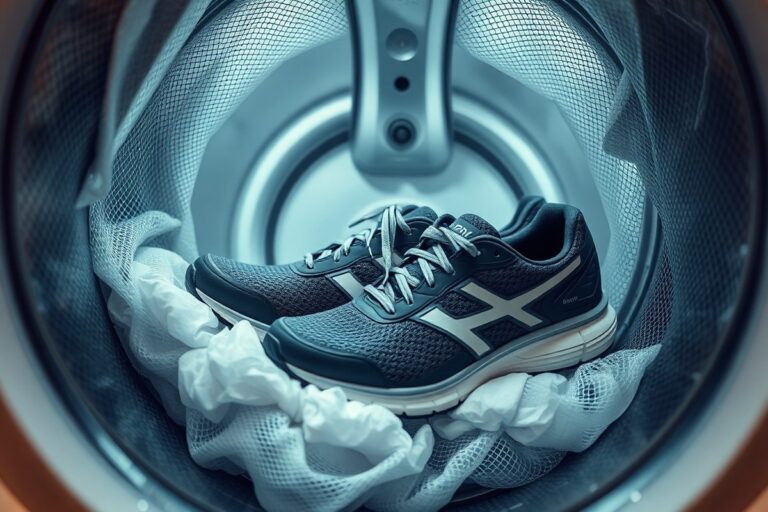
- Use a cloth bag or pillowcase when machine washing shoes to prevent damage and keep laces separate.
- Let shoes and laces dry in the sun for 3-4 hours to help whiten and remove paste residue.
- Treat stains with 3% hydrogen peroxide to brighten whites and disinfect against bacteria and fungi.
- Clean shoelaces and insoles separately to avoid damaging materials during the shoe cleaning process.
1. How to Make White Tennis Shoes Look New Again
Restoring your tennis shoes to a bright white shade involves careful cleaning that removes dirt without damaging the material. A common mixture for this is one tablespoon of baking soda combined with two tablespoons of white vinegar and one cup of water. This combination effectively loosens dirt and whitens both the fabric and rubber sections of the shoes. The cleaning process usually lasts around 30 minutes, and drying time can vary from several hours based on air circulation and temperature.
Start by removing laces and insoles to ensure you can access all areas and avoid uneven cleaning. Cleaning the exterior first with the baking soda-vinegar paste breaks down surface grime and stains. Whitening the soles and treating tougher marks separately, such as with a magic eraser for rubber parts, helps restore their crisp whiteness. Always apply cleaning solutions gently using soft brushes or cloths to prevent damage, and let shoes soak or sit with the paste for no more than 30 minutes to avoid weakening glue or fabric.
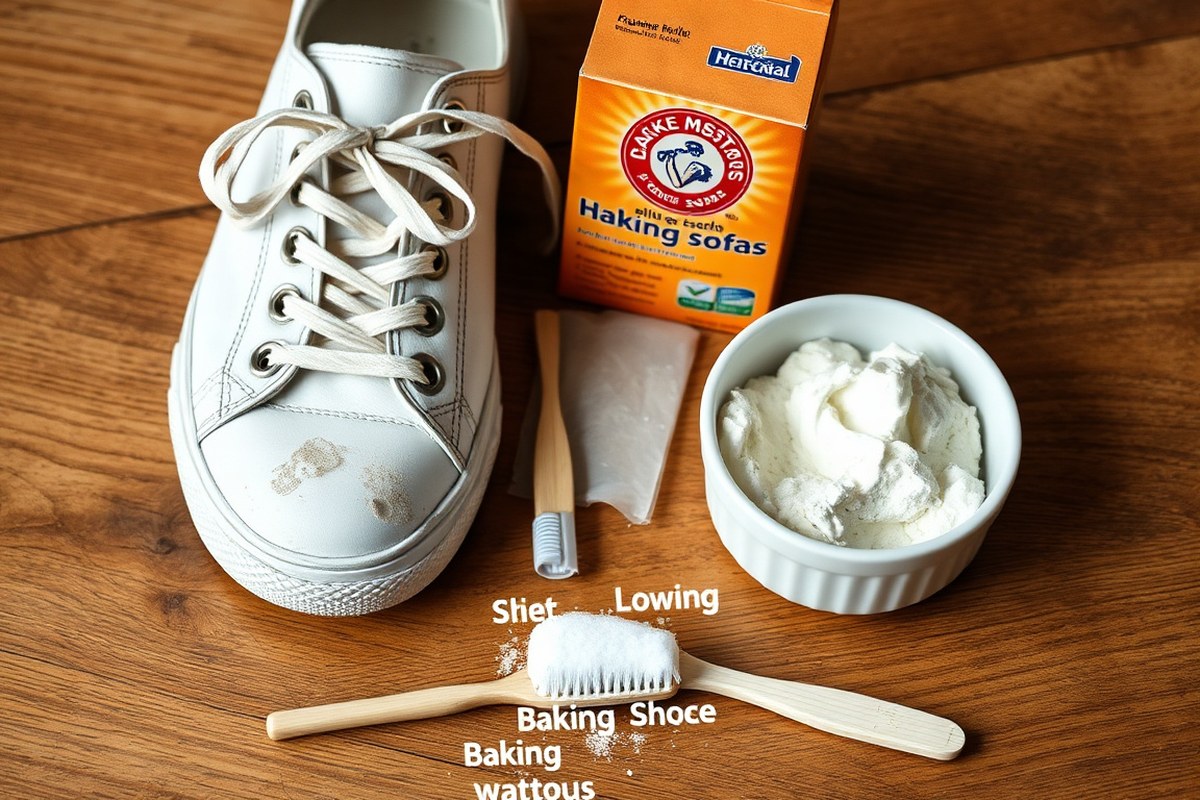
- Gather your supplies: baking soda, white vinegar, water, a soft brush, cloth, and a toothbrush or magic eraser for soles.
- Remove laces and insoles: set aside for separate cleaning to ensure thorough treatment of the shoes.
- Make the paste: mix one tablespoon of baking soda, two tablespoons of white vinegar, and one cup of water until the mixture becomes smooth and even.
- Apply the paste: gently brush it onto the fabric and rubber surfaces, focusing on stained or discolored areas.
- Let soak: allow the shoes to sit with the paste for about 30 minutes to break down dirt and stains.
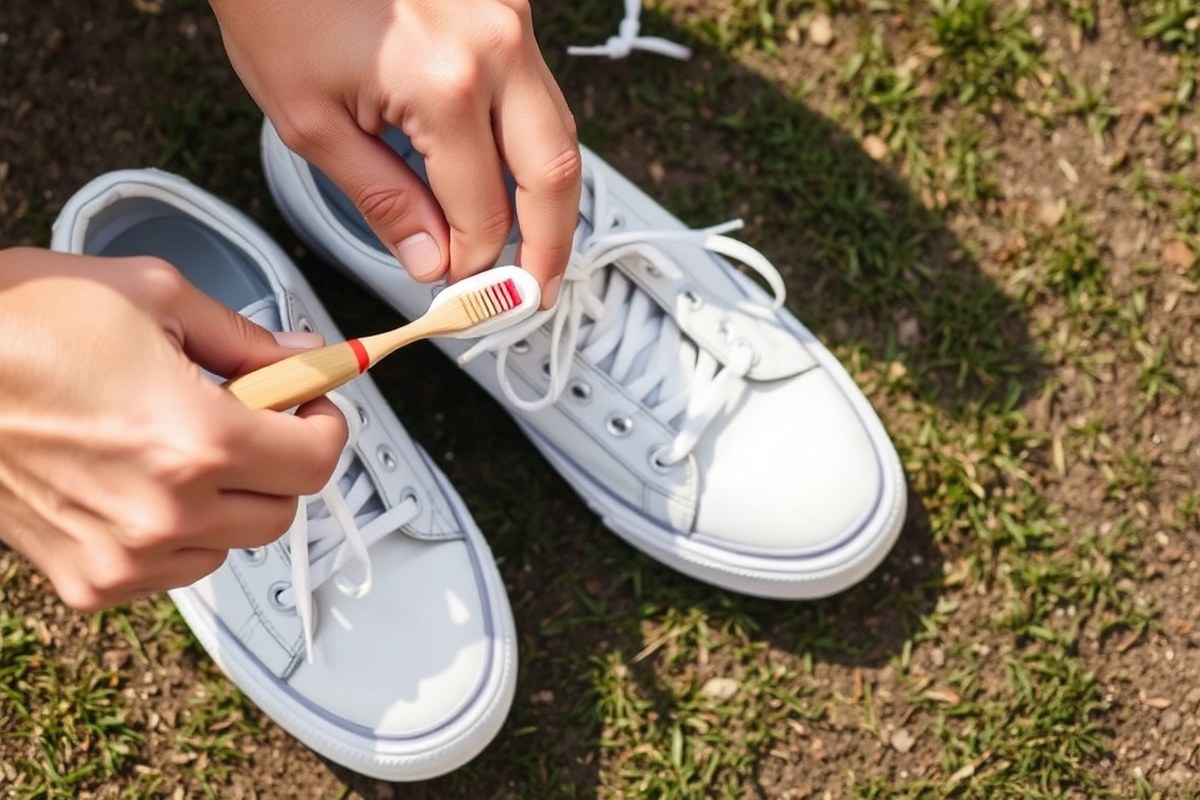
- Scrub gently: use a soft brush or toothbrush to remove loosened grime; for rubber soles, a magic eraser can help whiten stubborn scuffs.
- Rinse carefully: wipe down your shoes with a damp cloth using purified water to remove all residue without saturating the fabric.
- Air dry thoroughly: avoid direct heat; place shoes in a well-ventilated area and let them dry completely before reassembling.
This process can significantly whiten most tennis shoes, but full restoration depends on the shoe’s material and how deeply stains have set in. Older or heavily discolored shoes might not return to brand-new whiteness. Using safe homemade solutions ensures shoe structure remains intact without harsh chemicals, preserving your shoes’ longevity while improving their appearance.
2. Essential Cleaning Supplies for White Tennis Shoes

Having the right cleaning supplies is essential for effectively whitening tennis shoes and protecting their materials. Start by gathering items suited to the specific fabric of your shoes, canvas, leather, or synthetic blends each need different care. For example, gentle cleaners work well on canvas, while leather requires products designed to avoid drying or cracking. Choosing the right tools and safety gear also matters, since harsh chemicals can damage shoes and irritate skin or eyes.
Basic cleaning tools include soft-bristled brushes and clean cloths that help lift dirt without scratching surfaces. Toothbrushes are handy for detailed scrubbing in hard-to-reach spots like seams and soles. For cleaning agents, natural ingredients such as baking soda and white vinegar can tackle stains gently on canvas shoes, while commercial cleaners formulated for white sneakers provide stronger whitening for tougher grime. Commercial products often contain peroxide or mild bleaches but use them cautiously to prevent yellowing or weakening materials.
- Soft-bristled brush or old toothbrush for scrubbing
- Clean microfiber cloths or soft rags for wiping
- Mild detergent or sneaker-specific cleaner based on shoe material
- Baking soda and white vinegar for gentle natural cleaning
- Protective gloves to avoid skin irritation
- Waterproof shoe spray to prevent future stains and water damage
- Access to a well-ventilated area for using stronger commercial cleaners safely
When selecting cleaners, read product labels carefully to ensure they’re suitable for your shoe’s fabric. Baking soda and vinegar cost only a few dollars and work well on canvas but avoid using strong bleach solutions on leather or suede as this can cause discoloration. Commercial sneaker kits usually range from $10 to $25 and contain balanced formulas designed for regular use without harming materials.
Wear gloves and clean your shoes in a well-ventilated space to protect your skin and avoid inhaling fumes from stronger commercial whiteners.
Starting with gentle options and testing on a small, hidden area prevents unexpected damage. Also, owning a waterproof spray helps maintain the whiteness longer by shielding your shoes against dirt and moisture after each cleaning session. Using these supplies together prepares you to restore your white tennis shoes efficiently while extending their lifespan.
3. Cleaning White Tennis Shoes by Material Type
Cleaning white tennis shoes effectively depends heavily on the material of the shoe to avoid damage and achieve the best whitening results. Canvas, leather, mesh, and synthetic shoes each need specific care to maintain whiteness without compromising the shoe’s integrity. Using the wrong method or harsh chemicals can cause fading, material breakdown, or loss of shape.
Cleaning Canvas Shoes
Canvas shoes are popular for their breathability but are prone to stains and dirt buildup. They handle gentle scrubbing and dilute bleach solutions well, making them easier to brighten than leather. Avoid machine washing to prevent wear, loosening glue, or fraying of the fabric. Follow these steps to safely clean white canvas tennis shoes:
- Remove the laces and brush off loose dirt with a soft-bristle brush or dry cloth.
- Mix a solution of one part bleach to five parts water or use a commercial canvas cleaner designed for white shoes.
- Dip a soft brush or cloth in the solution and gently scrub the canvas, focusing on stained areas.
- Rinse the shoes carefully with cool water to remove bleach residue without oversaturating.
- Stuff the shoes with paper towels to maintain shape and absorb moisture.
- Air dry the shoes away from direct sunlight to prevent yellowing or fading.
This method typically costs under $5 using household bleach and basic supplies, and results should show visibly cleaner and brighter white canvas without weakening the fabric. Overusing bleach or scrubbing too hard can cause fabric thinning or discoloration.
Cleaning Leather Shoes Safely
Leather tennis shoes require more delicate treatment due to their sensitivity to water and harsh chemicals. Over-wetting can cause the leather to lose shape or crack, while strong bleaches or acids can strip protective coatings and color. Opt for mild cleaning agents that lift stains without damage. Use this approach to clean white leather tennis shoes:
- Remove laces and brush off dry dirt with a soft brush.
- Mix a paste from equal parts baking soda and white vinegar or use a gentle commercial leather cleaner.
- Apply the paste with a soft cloth, rubbing gently in circular motions over scuffed and yellowed areas.
- Wipe off residue with a damp cloth, taking care not to soak the leather.
- Allow shoes to air dry naturally, stuffing with paper towels to preserve shape.
- Optionally, apply a leather conditioner once dry to restore suppleness and prevent cracks.
This process may take 15 to 20 minutes plus drying time and costs around $5 for household items. Avoid bleach or abrasive scrubs on leather, as they can cause permanent damage. Patience with gentle cleaning produces the best restoration.
Cleaning Mesh and Synthetic Shoes
Mesh tennis shoes like those made from knit fabrics or synthetic blends require gentle care to avoid tearing or degrading the fibers. Mild detergents and cool water work best to remove dirt without shrinking or losing flexibility. Bleach can be too strong for mesh and may cause yellowing or fiber damage. Try these steps to clean white mesh or synthetic tennis shoes:
- Take out shoelaces and tap shoes together to shake off dirt.
- Create a mild cleaning solution with a few drops of gentle laundry detergent in warm water.
- Use a soft bristle brush or cloth to scrub the shoes lightly, particularly stained spots.
- Rinse the shoes carefully with cool water to remove detergent.
- Stuff shoes with paper towels to absorb moisture and maintain shape.
- Air dry them in a shaded, ventilated area to prevent heat damage.
This method is low cost and low risk, typically under $3 for detergent and supplies. Avoid soaking mesh shoes completely or using harsh chemicals. Some gentle commercial products marketed for synthetic shoes can also be used, but always test a small hidden area first to check for colorfastness and fabric integrity.
4. Proven Homemade Remedies That Whiten Effectively
Effective homemade remedies to whiten tennis shoes include baking soda with vinegar, hydrogen peroxide combined with baking soda, and lemon juice mixed with dish soap. These mixtures work by breaking down stains, lifting dirt through mild bleaching, and using scrubbing action to restore brightness. Applying these pastes or solutions for 15 to 30 minutes before rinsing or scrubbing yields the best results while avoiding damage.
Baking Soda and Vinegar Paste
Baking soda and vinegar combine to create a foaming reaction that helps lift stains and remove dirt from tennis shoes. Baking soda is a mild abrasive that gently scrubs away grime, while white vinegar’s acidity breaks down stains and deodorizes. Mixing 1 tablespoon of baking soda with 2 tablespoons of white vinegar and 1 cup of water results in a cleaning solution suitable for canvas or synthetic materials.
Apply the mixture using a soft brush or cloth, scrubbing gently over the stained areas. Let it sit for about 20 minutes so the reaction can work into the fabric. Rinse thoroughly with clean water afterward. Avoid using this paste on leather, as the acidity in vinegar can damage the material.
Hydrogen Peroxide and Toothpaste Mix
Hydrogen peroxide serves as a gentle bleaching agent that lightens stains without using strong chemicals. Combining half a tablespoon of hydrogen peroxide and water with one tablespoon of baking soda makes a paste that brightens your shoes. Non-gel white toothpaste can also remove stains thanks to its mild abrasives and cleaning components.
Use a toothbrush to apply this paste or toothpaste directly to the shoe surface, focusing on stained spots. After scrubbing, wait 15 to 30 minutes before rinsing to give the mixture time to lighten stains. This method works well on canvas and fabric but should be tested on a small area first for synthetic materials.
- Wear gloves to protect your skin from irritation.
- Test any mixture on a hidden shoe part first.
- Use a soft-bristle brush to avoid damaging fabric.
- Keep application time under 30 minutes to prevent weakening fabrics.
- Always rinse thoroughly to remove residue and prevent yellowing.
- Perform treatments in a well-ventilated area.
Overuse or prolonged contact with hydrogen peroxide can cause yellowing or fabric weakening, so follow recommended timings closely.
Lemon Juice and Dish Soap Solution
Lemon juice’s natural acidity helps break down stains and brighten white surfaces, while dish soap cuts through oils and dirt. Mixing equal parts of lemon juice and water and applying this solution to tennis shoes can refresh their look. Let the shoes sit for about 30 minutes in indirect sunlight for added whitening effect before rinsing off.
For tough stains, add a few drops of mild dish soap to the lemon juice solution for better grease removal. This combination is gentle but still effective. Avoid using lemon juice on leather or colored parts since its acid can cause fading or damage.
5. How to Clean Shoelaces, Insoles, and Soles Separately
Tennis shoes have several parts that collect dirt and stains in different ways, so cleaning laces, insoles, and soles separately helps restore their whiteness thoroughly. Treating each component individually lets you use the best cleaning method without risking damage, and prevents dirt from spreading between parts.
Cleaning Shoelaces in the Washer and by Hand
Shoelaces can often be cleaned in a washing machine if handled properly to avoid damage. For fragile or very stained laces, hand washing offers more control. Cleaning shoelaces separately also stops dirt from transferring to the shoe body.
- Remove the laces from the shoes completely.
- Place the laces in a mesh laundry bag or pillowcase to protect them during machine washing.
- Use a mild detergent and select a gentle cycle with cold or warm water (not hot) to avoid shrinking or weakening the laces.
- For hand cleaning, soak the laces in a solution of warm water mixed with a small amount of oxygen bleach or mild laundry detergent for about 15 minutes.
- Gently scrub the laces with a soft brush or cloth to lift stains without damaging the fabric.
- Rinse well under running water until no soap residue remains.
- Air dry the laces completely before rethreading them into your shoes.
Never put laces in the dryer; heat can shrink or weaken fibers, reducing lifespan and whiteness.
Whitening Insoles Without Damage
Cleaning insoles requires gentler care because harsh chemicals and soaking may break down the cushioning or adhesives inside. Using mild, stain-lifting solutions and spot cleaning helps maintain whiteness without compromising the material.
- Remove the insoles from the shoes and brush off loose dirt and debris.
- Mix warm water with a small amount of mild detergent or oxygen bleach for a safe whitening effect.
- Dip a soft cloth or toothbrush in the cleaning solution and gently scrub the surface of the insoles, focusing on stained or yellowed areas.
- Wipe the insoles with a clean, damp cloth to remove any soap residue.
- Place insoles in a well-ventilated shaded area to air dry completely, avoiding direct sunlight which can cause warping or fading.
Do not soak insoles fully in water; prolonged moisture can damage structure and cause odor problems.
Deep Cleaning Rubber Soles
Rubber soles often collect ground-in dirt and yellowing that needs scrubbing to restore bright white appearance. They tolerate stronger cleaning agents, but using the right tools and techniques prevents abrasion and maintains grip quality.
- Remove excess dirt by knocking or brushing the soles with a stiff-bristled brush.
- Prepare a cleaning paste by mixing baking soda and water or a small amount of oxygen bleach in warm water.
- Apply the paste to the soles using a toothbrush or scrubbing brush and work in circular motions for several minutes.
- Rinse the soles thoroughly with warm water to wash away residue and lifted stains.
- Wipe excess moisture with a clean towel and let the shoes air dry in a shaded, ventilated spot.
Avoid harsh chemicals like acetone on soles with colored or delicate rubber parts, as they can cause discoloration or damage.
6. Using Commercial Products and Magic Erasers Safely
Store-bought commercial cleaners can quickly restore the whiteness of tennis shoes, offering convenient and effective solutions. Popular options include oxygen-based cleaners, magic erasers, and specialized sneaker cleaning sprays. Each product type suits different materials and cleaning needs. Always read and follow the product instructions carefully to avoid damage and achieve the best results. Using commercial cleaners too frequently may wear down shoe materials, so limit use to when noticeable dirt or stains appear.
Oxygen bleach cleaners work well on canvas, knit, and synthetic materials, safely lifting stains without harsh chemicals like chlorine bleach. They are usually a powder or liquid mixed with water and applied with a brush or cloth. Avoid using oxygen bleach on leather or suede as it could cause discoloration or drying. For best results, let the solution sit for 10 to 15 minutes before rinsing with cool water, and only use once every few weeks to protect shoe integrity.
Magic erasers are versatile tools made of melamine foam that scrub away scuffs and grime from rubber soles and synthetic uppers. Use them dampened with water, pressing lightly to avoid removing protective finishes or causing discoloration. Do not use on delicate fabrics like mesh or suede. A gentle back-and-forth motion on stubborn spots usually works well, and testing on a small hidden area first helps prevent unwanted damage.
| Product Type | Suitable Materials | How to Use | Benefits | Cautions |
|---|---|---|---|---|
| Oxygen Bleach | Canvas, Knit, Synthetic | Mix with water, brush on, wait 10-15 min, rinse | Safe whiteness boost without harsh chemicals | Not for leather or suede; limited frequency |
| Magic Eraser | Rubber soles, Synthetic uppers | Dampen, gently scrub scuffs and stains | Effective on tough marks and rubber parts | Avoid delicate fabrics and heavy pressure |
| Sneaker Cleaning Sprays | Leather, Synthetic, Canvas | Spray on, wipe or brush, air dry | Convenient for quick spot cleaning | Check for colorfastness; follow label |
| Micellar Water | Fabric, Synthetic | Apply with cotton pad, dab stains | Gentle stain removal for light marks | Test first; not a deep cleaner |
Commercial cleaning sprays provide a fast and convenient way to remove spots on many shoe materials, such as leather. Apply the spray evenly using a soft brush or cloth, then allow the shoes to dry naturally in a shaded area away from sunlight. These sprays typically cost between $10 and $20 per bottle and can be used several times. Make sure to test the spray on a hidden spot first to check it doesn’t change the shoe’s color or feel.
Following usage instructions precisely maximizes cleaning effectiveness and prevents premature wear. For example, mix powders at the recommended ratios, avoid soaking shoes too long, and rinse thoroughly to remove residues. Limit commercial product use to weekly or less often to preserve shoe materials. Avoid using multiple harsh products in succession as combined chemicals can cause unexpected damage.
7. Best Practices for Drying and After-Care to Maintain Whiteness
After cleaning your tennis shoes, proper drying is essential to preserve their whiteness and extend their life. Avoid direct sunlight because ultraviolet rays can cause yellowing or material breakdown. Instead, dry your shoes in a well-ventilated, shaded area at room temperature between 65°F and 75°F. Remove excess moisture by stuffing the shoes with dry paper towels or using shoe trees; these support the shape and absorb dampness without warping the material. Allow at least 12 to 24 hours for thorough drying before wearing or storing them.
Quickly drying shoes near a heater or using a hairdryer on high heat can damage the fabric or glue, causing cracks and discoloration. Patience in air drying prevents these issues. Seasonal changes can affect drying time; colder or humid conditions may require using a fan to improve airflow, but keep shoes away from direct heat sources. Maintaining whiteness also depends on regular after-care routines to prevent dirt buildup and stains.
- Wipe shoes with a damp cloth after each use to remove surface dirt
- Apply a water- and stain-repellent spray designed for your shoe material once fully dry
- Clean shoes and laces weekly if worn frequently to prevent grime setting in
- Store shoes in a cool, dry place away from dust, preferably inside a breathable shoe bag or box
- Rotate shoes regularly to avoid excessive wear on one pair
- Replace paper towels inside shoes after each cleaning to minimize moisture
Cleansing your tennis shoes regularly can keep them up to 30% brighter over time compared to sporadic cleaning, helping you avoid tough stains and discoloration. After cleaning and drying, a protective spray adds a barrier against dirt and liquids, reducing the need for harsh scrubbing that might damage the white surface. Proper storage away from direct sunlight and dust slows down yellowing and dirt accumulation, keeping your shoes wearable and looking fresh longer.
8. When to Replace Shoes or Consult a Professional Cleaner
When cleaning no longer brings back the brightness of your tennis shoes, it often means they’re beyond restoration. Persistent yellowing, deep stains that resist multiple treatments, or physical damage such as torn fabric or sole separation signal that cleaning alone won’t help. You can spot irreversible yellowing if the material looks dull and has a uniform yellow or brown tint that doesn’t lighten after cleaning attempts.
Also check for structural issues. When the shoe feels uncomfortable, has worn-out soles, or lacks cushioning, performance will suffer even if they look clean. Generally, tennis shoes should be replaced every 300 to 500 miles of use or about six to 12 months for regular players, as worn shoes increase injury risk and reduce support. When you notice holes, severe sole wear, or the shoes no longer fit properly, it’s time to retire them.
Professional shoe cleaning is a smart next step when stains are stubborn and DIY methods fail. Experts use specialized cleaners, brushes, and sometimes ultrasonic cleaning to lift dirt without damaging the shoe. Expect professional cleaning to cost between $20 and $50, depending on the shoe type and service extent. For extensive repairs like re-gluing soles or fixing tears, shoe repair specialists will advise whether restoration is cost-effective or if replacement is better. Use the following checklist to decide if you should clean again, see a professional, or replace your tennis shoes:
- Yellowing persists after at least three thorough cleanings
- Fabric or leather has visible tears or worn-out patches
- Soles are cracked, completely worn through, or detached
- Shoes feel uncomfortable or lack cushioning support
- Stains don’t fade after professional cleaning consultation
- Used regularly for six months to one year or over 500 miles
- Persistent foul odor after cleaning
Once you determine replacement is the right choice, consider eco-friendly disposal options. Many communities offer shoe recycling programs that break down materials or donate usable shoes to charities. Some brands also run take-back initiatives. Check local recycling centers or your shoe brand’s website to find these options and help reduce landfill waste.
Don’t delay replacing worn-out tennis shoes, as continuing to wear damaged or unsupportive footwear can lead to foot injuries and poorer athletic performance.
Step-by-Step Action Plan for Whitening Your Tennis Shoes
Follow this simple plan to tackle whitening your tennis shoes efficiently and keep them looking fresh over time.
- Before you start: Gather all necessary cleaning supplies based on your shoe’s material. This ensures you use the right products without causing damage.
- Day 1: Remove shoelaces and insoles for separate cleaning. Clean shoes using a gentle homemade remedy or suitable commercial cleaner according to the material. Check for obvious stains removal.
- Day 2: Rinse shoes thoroughly with clean water and use a magic eraser on soles if needed. Pat dry with a towel and air dry shoes indoors, avoiding direct sunlight. Shoes should feel dry and visibly cleaner.
- Day 3: Launder shoelaces and insoles on their own using mild detergent or soak with whitening solution. Confirm they are free of dirt and odors before reattaching.
- Week 1: Apply a protective spray suited for your shoe material to help repel dirt and stains. Notice reduced dirt accumulation after wear.
- After 2 weeks: Perform a quick clean on your shoes following the initial steps to maintain brightness. Check regularly for any new stains or discoloration.
- Monthly: Inspect shoes for wear and tear. Consider professional cleaning or replacement if whitening becomes ineffective or shoe structure weakens.
Frequently Asked Questions
How Long Should You Soak White Tennis Shoes in a Whitening Solution?
Soak the tennis shoes for about 30 minutes to allow the whitening paste or solution to work effectively. This time helps break down stains without damaging the shoe materials.
Can Whitening Toothpaste Be Used on White Tennis Shoes?
Whitening toothpaste can help remove surface stains on white tennis shoes but may be abrasive on some materials. Test on a small area first and use a soft toothbrush for best results.
Is It Safe to Put White Tennis Shoes in the Washing Machine?
Machine washing is safe for some canvas and fabric tennis shoes but can damage leather or suede. Check the shoe’s care label and use a gentle cycle with cold water if allowed.
How Often Should You Clean White Tennis Shoes to Keep Them White?
Clean your white tennis shoes after every few wears to prevent dirt buildup. Quick spot cleans help maintain whiteness without over-washing, which can weaken materials.
Can Sunlight Help Whiten White Tennis Shoes Naturally?
Sunlight can help fade some stains and dry shoes quickly but may yellow certain materials like leather if overexposed. Air dry your shoes in indirect sunlight for best results.
What’s the Best Way to Store White Tennis Shoes to Avoid Yellowing?
Keep your white tennis shoes in a spot that is cool and dry, avoiding direct sunlight and moisture. Place them in shoe bags or boxes to shield them from dust and help stop yellowing as they age.
Wrapping Up
Keeping your white tennis shoes bright requires regular, gentle cleaning matched to their material. Acting promptly on stains and using the right care products can extend their fresh appearance significantly. Start by identifying your shoe material and prepare your cleaning supplies today for the best results.