How to Shrink 100 Cotton Clothes: Safe Methods and Real Shrink Results
To shrink 100% cotton clothes safely at home, use hot water washing followed by high heat drying, as untreated cotton can shrink up to 20%. Pre-shrunk cotton shrinks less, typically 2, 5%, so first check your garment’s label to avoid surprises. Consistent heat exposure is key for effective shrinking without damaging the fabric.
This information suits you if you want to control the size of your cotton shirts or tees for a better fit. You will find practical methods to shrink your clothes, understand what influences cotton shrinkage, and learn how to manage the shrink process efficiently.
Key Takeaways
- Use hot water wash and high heat dryer settings to maximize shrinkage in untreated 100% cotton clothes.
- Check if the cotton is pre-shrunk; these garments only shrink 2, 5%, limiting size reduction possibilities.
- Different cotton qualities shrink differently; expect 5% to 20% shrinkage based on fabric type and heat applied.
- Polyester blends shrink much less, about 1, 3%, so confirm fabric content before applying heat treatments.
- Target high-heat exposure on specific cotton areas during drying to control where shrinkage happens.
- Stop shrinking at the right size by checking garment fit often during heat cycles to avoid over-shrinking.
How to Shrink 100% Cotton Clothes Safely at Home

Shrinking 100% cotton clothes at home involves controlling water temperature and drying heat carefully. Hot water and high dryer heat cause cotton fibers to contract, which results in shrinkage. You want to balance achieving noticeable shrinkage with preserving fabric quality to avoid over-shrinking or damaging the garment. The safest wash temperature is typically between 130°F and 150°F (54°C and 66°C), using a regular or heavy-duty cycle if your machine allows temperature control.
Drying on a high heat setting helps lock in the shrinkage. Most 100% cotton clothes can shrink 3% to 20% after one hot wash and high heat drying. Avoid blends or pre-shrunk cotton if you want maximum shrinkage because they usually shrink much less. You can also shrink cotton without a dryer by washing in hot water and then air drying while the garment is still damp, but this method produces more subtle shrinkage.
- Sort your cotton garments. Make sure each item is 100% cotton and not a cotton blend, as blends shrink less. Separating colors prevents dye transfer during hot washing.
- Set your washing machine to a hot water cycle. Choose the hottest water temperature available on your machine, ideally between 130°F and 150°F. Use a normal or heavy-duty setting for thorough exposure.
- Load the washer with your sorted cotton items. Avoid overloading to allow water and heat to evenly reach all fabric parts.
- Start the wash cycle, letting the machine complete the entire hot wash. The heat causes cotton fibers to contract, initiating shrinkage.
- Transfer clothes promptly to the dryer on a high heat setting once the cycle ends. High dryer heat further contracts fibers, increasing shrinkage.
- Dry the garments fully if you want maximum shrinkage. This usually takes 30 to 45 minutes depending on load size and dryer efficiency.
- Check the fit immediately after drying. Cotton garments shrink most after the first hot wash and dry, so examine if additional shrinking is needed.
- Repeat the process if necessary, but limit cycles to avoid weakening or warping fibers. Stopping when the desired size is reached prevents damage.
Drying cotton without a machine dryer requires removing the clothes from hot water, gently wringing excess water, and laying the garment flat or hanging it while still damp. The shrinkage is slower and less pronounced, happening as fibers dry and contract naturally. This approach is safer for delicate cotton but less effective for dramatic size reduction.
What Affects Cotton Shrinkage and How Much to Expect

Cotton shrinkage can vary from about 5% to as much as 20% depending on factors like whether the cotton has been pre-shrunk, the heat and moisture applied, fiber type, and fabric weight. Untreated 100% cotton shrinks more, especially with hot water washing and high-heat drying, while pre-shrunk fabric resists shrinking by locking the fiber structure. Understanding these factors helps you predict and control how much your cotton garment will shrink.
Differences Between Pre-Shrunk and Untreated Cotton
Pre-shrunk cotton has been mechanically processed or chemically treated during manufacturing to set the fibers and reduce future shrinkage. This treatment restricts cotton’s tendency to contract, typically lowering shrinkage to about 2, 5% after washing and drying cycles. Untreated cotton, on the other hand, can shrink from 5% up to 20% depending on heat and moisture exposure.
You can shrink untreated cotton significantly by washing it in hot water and drying it at a high temperature, resulting in around 5, 8% shrinkage per wash-dry cycle. Pre-shrunk cotton won’t respond as aggressively; expect only 1, 4% shrinkage with similar treatment. Choosing pre-shrunk cotton saves time and effort when you want to maintain original garment dimensions or avoid unexpected shrinkage.
Impact of Heat and Moisture on Shrinkage
The combination of heat and moisture is the main cause of shrinkage for 100% cotton fabrics. Cotton fibers contract when exposed to water and heat, as their cellulose molecules tighten. Washing clothes in hot water (above 130°F or 55°C) and drying them on high heat triggers the most shrinkage, sometimes up to 20% for untreated cotton.
Lowering water temperature to cold (below 86°F or 30°C) and air-drying your clothes reduces shrinkage by at least 90%. That’s because heat breaks down the fiber’s structural resistance while moisture swells and then tightens the fibers as they dry. If you want to avoid or limit shrinkage, wash cotton in cold water and skip machine drying.
How Fiber Type and Fabric Weight Affect Shrinkage
The quality and construction of cotton fibers influence their shrinkage. Longer staple cotton fibers tend to shrink less due to stronger, more stable fibers. Lighter-weight cotton fabrics (below 160 GSM) shrink more easily because their looser weave allows fibers to tighten more. Heavier cotton fabrics, like those between 160 and 220 GSM, hold their shape better and resist excessive shrinking.
You’ll also notice blends with polyester shrink less than pure cotton because synthetic fibers don’t contract much. Polyester blends typically shrink only 1, 3%, compared to the 5, 10% common in cotton. When working with 100% cotton, thicker, tighter-weave garments will shrink less, making weight an important consideration when intentional shrinking is the goal.
Typical Shrinkage Ranges and Practical Expectations
On average, untreated 100% cotton shrinks about 5, 20% under typical home washing and drying. That translates to about half to a full clothing size on many garments. You’ll see roughly 3, 8% shrinkage per high-heat wash and dry cycle, which accumulates over multiple cycles.
Pre-shrunk cotton shirts usually shrink only 1, 5% total, so expect minor changes unless subjected to excessive heat beyond normal care instructions. Repeat wash-dry cycles can add 2, 4% shrinkage each time on untreated cotton. Achieving significant shrinkage requires a few cycles, but each step risks fabric wear if heat or agitation is too high.
Use caution with heat: high temperatures speed shrinkage but can also weaken and fade cotton fibers if overdone.
Comparison of Cotton Shrinking Methods and Expected Results
Cotton shrinks more from heat in the tumble dryer than from hot water alone, but combining both gives faster, greater shrinkage. Boiling water can shrink cotton more than hot tap water, yet it requires careful timing to avoid damage. The quickest way to shrink 100% cotton shirts or pants is to use hot water washing followed by high-heat tumble drying.
Hot Water Soaking Method
Soaking cotton garments in hot water between 130°F and 140°F (54°C to 60°C) causes the fibers to tighten, leading to moderate shrinkage of 3% to 10%. This method allows a more even reduction while preserving color, making it suitable for delicate or printed cotton items. You’ll need a basin or tub, a thermometer to check water temperature, and optionally a splash of vinegar to protect colors.
Fill the basin with hot water, submerge your cotton clothing for 15 to 30 minutes, then remove and air dry or tumble dry on low heat. This slower process reduces risk of over-shrinking or warping. You can repeat soaking if more shrinkage is needed, but expect gradual gains with each soak.
Tumble Dryer High Heat Method
Using a washing machine to wash cotton garments in hot water, followed by drying on the highest heat setting in a tumble dryer, triggers up to 8% shrinkage per drying cycle. The dryer’s heat causes the cotton fibers to contract further than water heat alone. This approach is the fastest way to shrink cotton, typically taking 45 to 60 minutes per cycle.
Place your garment inside out on a hot wash cycle at around 140°F, then immediately transfer it to a preheated dryer on high for up to an hour. Check the size every 10 minutes to avoid over-shrinking. This method is ideal for bulk processing or when you want maximum shrinkage quickly but carries a higher risk of damage to prints or delicate weaves.
Boiling Water Shrinkage Method
Immersing cotton in boiling water around 212°F (100°C) for 5 to 20 minutes can shrink the garment between 3% and 10%, depending on soak time. Ten minutes yields about 3% to 5%, while 20 minutes approaches 10% shrinkage. This method offers strong control over shrinkage intensity by adjusting the time the fabric remains in boiling water.
To perform this, fill a large pot with boiling water, fully submerge the cotton item for the desired time, then remove carefully and dry thoroughly. Boiling water shrinkage tends to be more aggressive, which risks distortion or fading, so frequent checks are essential. It works best for plain cotton items without prints or embellishments.
Steam Iron Pressing for Local Shrinking
Steam ironing targets specific areas requiring minor shrinkage of 2% to 4%, such as sleeves or necklines, without shrinking the entire garment. The iron’s heat combined with steam causes local fiber shrinkage, adjusting fit or repairing stretched spots. It takes 20 to 30 minutes depending on garment size and area treated.
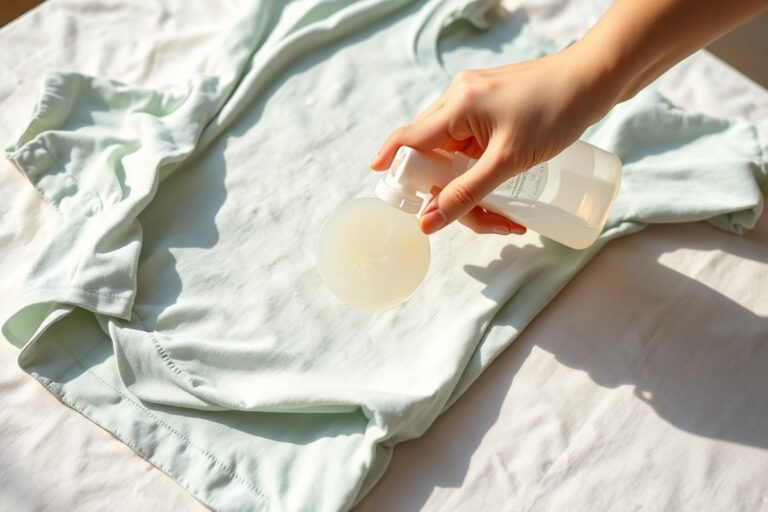
Set your iron to a cotton-appropriate heat, lightly spray the targeted zone with water, then press with steam while pulling the fabric slightly taut. Repeat for stubborn areas. This method is safest for delicate cotton and printed fabrics since it avoids full-garment heat exposure but is impractical for large-scale shrinkage.
| Method | Speed | Shrinkage % | Safety | Best For | Equipment |
|---|---|---|---|---|---|
| Hot Water Soak | 15, 30 min | 3, 10% | Moderate | Even reduction, color preservation | Basin, thermometer, vinegar |
| High-Heat Dryer | 45, 60 min | 5, 8% per cycle | Low | Maximum shrinkage, bulk processing | Washing machine, dryer |
| Boiling Immersion | 5, 20 min | 3, 10% per soak | Low | Strong shrinkage, plain cotton | Large pot |
| Steam Iron | 20, 30 min | 2, 4% localized | High | Targeted adjustments | Iron, spray bottle, board |
Balancing these methods depends on how fast and how much you want to shrink cotton while protecting the fabric’s integrity. Hot water soaking offers moderate, even shrinkage with color protection but takes time. High-heat drying delivers rapid and maximum shrinkage but risks damage or tight fit if unchecked. Boiling water creates strong shrinkage but requires careful timing and works best on plain cotton. Steam ironing allows controlled, localized shrinking on delicate areas without affecting the whole garment.
How to Target and Control Shrinkage on Specific Cotton Areas
You can target specific areas of a 100% cotton garment for shrinking, such as sleeves or collars, by using concentrated heat and steam rather than shrinking the entire piece. This approach gives you control over which parts become smaller, preventing unwanted changes elsewhere. Applying a steam iron directly to the area you want to shrink is one of the most effective methods. The heat and steam cause the cotton fibers in just that spot to contract without affecting the rest of the shirt.
To do this, set your steam iron to the cotton or high heat setting with steam enabled. Dampen the section you want to shrink slightly using a spray bottle filled with water. Press the iron firmly on the damp spot, holding it in place for about 15 to 30 seconds before moving. Repeat as needed, checking the fit frequently. The warmth combined with moisture encourages the cotton fibers to tighten, and focusing on a small area prevents overall distortion.
Targeting sleeves or collars works well because these areas often end up too loose after washing or may stretch out with wear. For example, if a collar is too floppy, lightly spraying and steaming only that collar can bring it back to shape without affecting shirt length or body width. Sleeve shrinkage often goes beyond 6%, so less heat or fewer passes may be needed here to avoid excessive tightness.
Using a dryer to shrink specific areas is less precise but still possible. You can dampen just the sleeves or collar then quickly run the garment under low heat for 5 to 10 minutes, monitoring frequently to avoid over-shrinking or damage. If the shirt is pre-shrunk, expect less change overall, so you may need more steam or heat to see results.
These spot-shrinking methods matter because you avoid shrinking your entire cotton shirt, which can alter the fit in unwanted ways. Applying heat and steam gently minimizes risks like fabric distortion, color change, or weakening the garment. Keep in mind, garment-washed cotton shrinks less compared to fabric-washed cotton because of its structural resistance. Always test on a hidden area first to see how the fabric reacts.
Overdoing the heat risks damaging or scorching the cotton, so less is more when shrinking locally. Avoid using excessive moisture or skipping the steam, as dry heat alone can harm delicate fibers. You may want to repeat the process gradually rather than trying to shrink all at once. This helps maintain the shirt’s integrity and ensures a balanced fit that looks natural.
How to Safely Check and Stop Cotton Shrinking at the Right Size
Checking the shrinkage of your 100% cotton garment during drying or soaking is important to stop at the right size and avoid over-shrinking. Cotton typically shrinks the most in the first drying cycle when exposed to heat, often shrinking a few percent in length and width. Since cotton can shrink up to 20% overall, careful monitoring is necessary to hit your target size without going too far.
Start by preparing a flat surface and a measuring tape or a garment ruler. After soaking or washing your cotton item, gently remove excess water without twisting, then lay it out. Measure key dimensions like chest width, length, and sleeve length compared to your desired fit. If you’re drying the item, check the measurements every 10 minutes once it begins to warm, especially during machine drying on high heat.
- Measure the garment’s dimensions before starting any shrinking process.
- During drying, pause the cycle every 10 minutes to take quick measurements.
- Feel the fabric for stiffness; cotton fibers shrink and harden when heated.
- Use a gentle squeeze to remove water during soaking without distorting the shape.
- Repeat checking after each soak or heat exposure if planning multiple shrinking attempts.
Repeated shrinking can work but expect diminishing returns. The first heat exposure causes the most shrinkage; subsequent rounds typically reduce size by only about 1% or less. Attempting multiple cycles risks uneven shrinkage or fabric damage, so only repeat if the garment hasn’t reached your target and was spared excessive heat stress initially. Check fit carefully before each cycle and stop once the feel and measurements meet your goal.
Stopping at the right time helps keep the garment comfortable and the fabric intact. Over-shrunk cotton can feel stiff and tight, losing softness. Frequent size checks prevent surprises and let you control the process confidently.
Always follow the care label instructions and avoid overheating to prevent irreversible damage to your cotton garment’s shape and texture.
Common Mistakes When Shrinking Cotton and How to Fix Them
Shrinking 100% cotton garments requires attention to avoid common errors that could damage the fabric or lead to uneven results. Overheating is a frequent mistake that causes excessive shrinkage, warping seams, or weakening the fibers. Use moderate heat settings and check the garment every 5 to 10 minutes to control shrinkage. Ignoring care labels is risky because some cotton items are pre-shrunk or treated; applying high heat in those cases can distort the fabric or print.
Uneven drying is another issue that often causes patchy shrinkage. Cotton absorbs water unevenly during the shrinking process if not dried consistently, resulting in misshapen areas. Always aim for uniform heat exposure and drying techniques. Printed cotton garments have additional risks because heat can crack or fade the print. Avoid high heat and aggressive tumbling. Instead, try air-drying while damp to maintain fabric integrity and print quality.
- Use warm water, not hot, to prevent too rapid shrinkage
- Check care labels to confirm garment is not pre-shrunk or sensitive
- Test on a small hidden area before shrinking the entire piece
- Avoid high dryer heat, opting for medium settings or air-drying
- Turn printed shirts inside out to protect designs during heat exposure
- Dry evenly by spreading garment flat or using gentle tumbling only
- Stop the process once desired shrinkage appears to avoid overdoing it
Seam damage occurs if the fabric shrinks unevenly or too much at once, creating tension that pulls or warps stitching. This is especially true for garments with mixed fibers, where cotton shrinks but synthetics remain stable. Uneven contraction can cause puckering or distorted fit. To minimize these risks, approach shrinking gradually and monitor progress closely. Slow, controlled heat application avoids stress on seams and reduces chances of print cracking or color fading.
How to Avoid Unexpected Shrinking in 100% Cotton Garments
Washing your 100% cotton garments inside out can help reduce the risk of shrinking and fading. Turning clothes inside out protects the outer fabric from direct agitation and heat, which often cause fibers to contract. This step is especially useful when washing in warm water or using a regular dryer cycle, as it shields the cotton surface from excessive wear and heat exposure. Although it doesn’t completely prevent shrinking, it slows down the process, preserving the garment’s size and appearance longer.
Preventing cotton from shrinking during future washes requires controlling water temperature and drying method. Always use cold water for washing 100% cotton items, since hot water causes fibers to tighten and shrink. Also, avoid high heat in the dryer. Select the lowest heat or tumble dry with air only if your machine has that setting. To be extra cautious, line drying your cotton clothes offers the safest option. Drying outdoors or inside on a drying rack prevents heat-related fiber contraction. Take clothes off the line as soon as they’re dry to avoid over-drying, which can stiffen fibers and subtly shrink the fabric.
Reading and following the care label on each cotton garment prevents unintended damage and shrinking. Care tags indicate which washing and drying methods suit the fabric best. When the label says “dry clean only,” avoid machine washing and drying to prevent permanent damage and unpredictable shrinking. For machine-washable cotton, the label usually recommends cold water wash and low heat drying. Adhering to these instructions costs nothing extra when doing laundry at home but requires more attention and gently timed drying.
When buying untreated 100% cotton clothes, consider sizing up if you prefer to avoid any shrinking risk. Cotton textiles naturally shrink between 2% and 5% after the first few washes, depending on fabric weave and finishing. Sizing up by one size accommodates this shrinkage without the garment becoming too tight or uncomfortable. On the other hand, if you want a snug fit or the cotton has been pre-shrunk, buy your usual size. Pre-shrunk cotton is treated during manufacturing to reduce future shrinkage, but even those garments may shrink slightly if exposed to hot water or high dryer heat.
Cold water washing, turning garments inside out, using low dryer heat, or line drying take only a bit more time and effort yet greatly protect your cotton clothes from unintentional shrinkage. Paying close attention to care labels ensures you’re not exposing your garments to conditions that lead to shrinking or damage. For cotton pieces without pre-shrunk labels, sizing up gives a safety margin against natural fabric contraction during the first washes. Using these steps together helps maintain your cotton clothes’ original fit and softness longer while avoiding costly replacements. When your cotton shrinks excessively, recheck your cleaning routine to make sure it follows these recommendations or change it as required.
How to Restore a Shrunk 100% Cotton Shirt to Its Original Size
You can unshrink a 100% cotton shirt by carefully soaking it in a conditioner solution and gently stretching it back to its original size while it is wet. This process relaxes the cotton fibers, allowing you to reshape the garment without causing permanent damage. Following specific steps ensures you get the best results and maintain the fabric’s feel.
Soaking in Conditioner Solution
Start by soaking the shrunk shirt in lukewarm water mixed with a mild conditioner or baby shampoo. This softens the cotton fibers, making them pliable and easier to stretch. Use about one tablespoon of conditioner for every liter of water. Let the shirt soak for 15 to 30 minutes, which allows the fibers to relax fully.
Make sure the water temperature is comfortable, not hot, since high heat can further shrink or damage the fabric. Stir the water gently to distribute the conditioner evenly before submerging the garment.
Gently Stretching Wet Fabric
Once soaked, carefully lift the shirt out of the water and rinse it briefly in cool water to remove excess conditioner. Avoid wringing or twisting the fabric. Instead, press out water by laying the shirt flat on a clean towel and rolling it up gently to absorb moisture.
Place the damp shirt on a flat surface like a clean towel or drying rack. Slowly pull the fabric outward, stretching it to approximate its original dimensions. Focus on the areas that shrunk the most, such as the chest, sleeves, or waist. Do this gradually to prevent fabric distortion or tearing.
Drying Flat with Weights
After stretching, lay the shirt flat on a dry towel to dry. Use small weights, such as heavy books or cans, around the edges and stretched sections to hold the fabric in place. This keeps the shirt from shrinking back while it dries. Avoid hanging it, as this can stretch the fabric unevenly.
Let the shirt air dry in a well-ventilated area away from direct sunlight and heat sources. This slow drying process helps the cotton fibers settle into the new shape safely.
- Fill a basin with lukewarm water and add 1 tablespoon of hair conditioner or baby shampoo per liter.
- Submerge the shrunk shirt and soak for 15 to 30 minutes to relax the fibers.
- Rinse the shirt briefly in cool water without wringing to remove excess conditioner.
- Press the shirt between towels to remove excess moisture gently.
- Lay the damp shirt on a flat surface, then slowly stretch it to its original size.
- Place small weights around the edges to keep the fabric stretched during drying.
- Allow the shirt to air dry completely on the flat surface, avoiding heat or sunlight.
Do not use hot water or high heat drying during this process to prevent further shrinking or fiber damage.
Step-by-Step Action Plan to Shrink Your 100% Cotton Clothes
Follow these steps carefully to shrink your cotton clothes safely and achieve the size you want.
- Before you start: Check the care label for washing instructions and test a small hidden area by dampening it and drying it on high heat to see how much it shrinks.
- Day 1: Wash the garment in hot water using your washing machine’s hottest setting suitable for cotton. Look for increased tightness as a sign that shrinking has begun.
- After washing: Dry the garment on a high heat setting in the dryer for 30 to 60 minutes. Confirm shrinkage by measuring the garment’s length or width against your target size.
- Next day: If more shrinkage is needed, repeat washing in hot water and drying on high heat, but plan no more than three cycles to avoid fabric damage.
- Control phase: To shrink specific areas, wet only those sections and apply heat directly using a hairdryer or iron with a damp cloth, checking frequently for size change.
- Final check: After the last drying cycle, lay the garment flat and measure key dimensions to ensure you have reached the desired fit.
- Maintenance: Wash future cotton clothes in cool water and dry them on low heat to avoid further unwanted shrinkage.
Frequently Asked Questions
Can I Shrink a Shirt That Is 60% Cotton and 40% Polyester?
Shirts with a polyester blend shrink less, about 1, 3%, compared to 5, 10% for 100% cotton. Use heat cautiously, as the polyester fibers limit shrinkage and can react differently.
If a Shirt Is 100% Cotton, Should I Size Up or Down?
Size down if you want it to fit tighter after shrinking, since 100% cotton can shrink 5, 20%. Pre-shrunk cotton shrinks less, so check the label before deciding.
How to Stretch a Shirt That’s Shrunk?
Start by soaking the fabric in warm water. While it’s still damp, carefully pull it to its desired size. Use weights to keep its shape during air drying, steering clear of heat to stop it from shrinking again.
Will 100% Cotton Shrink in Cold Water?
Cold water causes minimal shrinkage in cotton, usually less than 1%. Hot water and high dryer heat are needed to produce significant shrinking.
Can I Shrink 100% Cotton Without a Dryer?
Yes, hot water soaking followed by air drying in the sun can shrink cotton moderately. Dryers intensify shrinkage faster through heat.
Does Washing 100% Cotton in Hot Water Weaken the Fabric?
Hot water can weaken cotton over multiple washes by breaking down fibers. Limit shrinkage attempts to avoid reducing garment life.
Key Points to Remember
Shrinking 100% cotton clothes at home is possible with careful attention to water temperature, drying heat, and repeated checks for fit. Your best approach starts with small tests and gradual adjustments to avoid over-shrinking or damage. Try the quick-start plan now with a less-expensive cotton garment to build your confidence before tackling favorite pieces.