How to Clean Pit Stains: 8 Proven Methods for Fresh, Stain-Free Shirts
To clean pit stains effectively, pre-treat the affected areas with a stain remover or a homemade paste, let it sit for 20 to 60 minutes, then wash as usual. Using enzymatic cleaners or a vinegar soak can also break down sweat and deodorant residues that cause stains. This advice suits anyone who deals with yellow or white pit stains on everyday shirts and wants clear, practical methods to restore freshness.
You will learn proven steps to tackle pit stains using common products and easy home remedies. These methods fit all experience levels, from beginners learning to handle stains to intermediate home launderers adjusting their routine for better results.
Key Takeaways
- Apply stain removers directly on pit stains and let sit 20 to 60 minutes before washing.
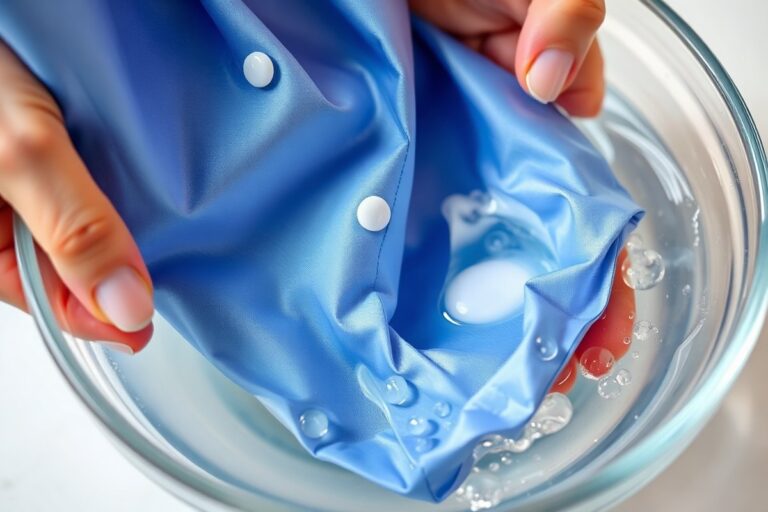
- Soaking shirts in a mixture of water and vinegar for 30 minutes helps dissolve stubborn sweat marks.
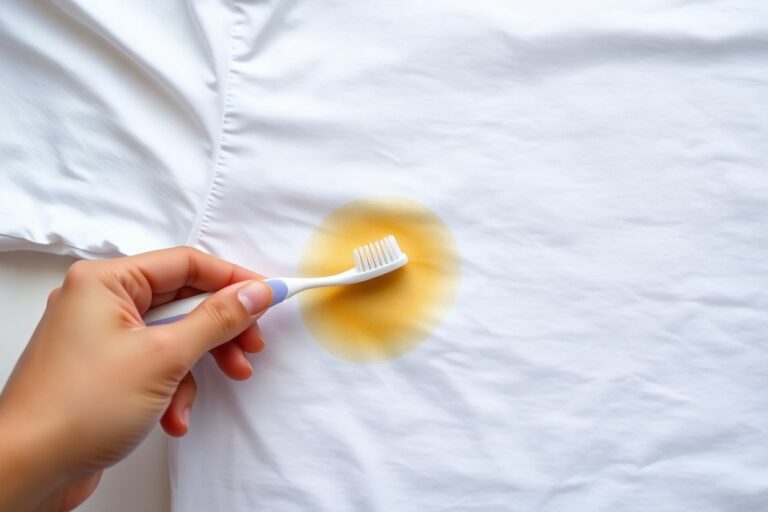
- Use a soft-bristled toothbrush to gently scrub paste-based treatments into stained fabric fibers.
- Enzymatic cleaners target proteins in sweat and deodorant to remove odor and discoloration effectively.
- Allow soaking times ranging from 1 hour to overnight for persistent or set-in pit stains.
- Check if your deodorant contains aluminum, which can worsen pit stain formation.
1. How to Clean Pit Stains Step-by-Step

Cleaning pit stains effectively requires using simple household ingredients and following a careful process to avoid damaging your clothes. These stains form from sweat and antiperspirant ingredients, which react with fabric fibers, so early treatment often yields the best results. Common solutions include baking soda, white vinegar, lemon juice, and hydrogen peroxide, all easy to find and affordable. Applying these substances correctly and allowing enough time for them to work helps break down the stain and bacteria buildup.
For fresh pit stains, quick treatment is key, while older stains may need repeated or longer treatments to fade. Avoid hot water at first to prevent setting the stain and use gentle scrubbing to protect fabric. Using a paste made from baking soda and water works well for most cotton shirts, while vinegar can help neutralize odor and loosen discoloration. Hydrogen peroxide is effective but best kept for white or colorfast fabrics due to its mild bleaching effect.
- Identify the stain type: Determine if the stain is from sweat or deodorant. Sweat stains often yellow, whereas deodorant stains are usually white or chalky. This helps decide which ingredient to use.
- Mix your cleaning solution: For most shirts, combine 4 tablespoons of baking soda with 1/4 cup of water to form a thick paste. For odor control and discoloration, soak the pit area in a solution of equal parts white vinegar and water for 30 minutes.
- Apply the treatment: Spread the baking soda paste directly over the stained area or spray the vinegar solution onto the pit stains. Make sure the fabric is evenly coated but not soaked through.
- Let it sit: Allow the treatment to work for 20 to 30 minutes. This dwell time breaks down stain residue effectively. Avoid letting the paste dry completely, which can make removal harder.
- Gently scrub if needed: For tough stains, use a soft-bristled brush or an old toothbrush to lightly scrub the area. Be careful on delicate fabric to prevent damage.
- Rinse with cold water: Flush the treated area with cold water to remove the paste or vinegar solution. Cold water helps prevent stain setting and preserves the fabric.
- Wash as usual: Launder the garment according to its care label, preferably in cold or warm water. Check the stained area before drying.
- Repeat if necessary: For older or stubborn stains, repeat the treatment before drying. Heat from the dryer can set stains permanently.
These steps usually cost just a few cents per treatment since baking soda and vinegar are inexpensive. Good results show pit stains lightening significantly or disappearing after one or two treatments. Failing to soak long enough or using hot water too soon often leaves a visible stain or odor. Adjusting the method for fabric type or stain severity maximizes effectiveness and preserves your clothes’ appearance.
2. What Causes Pit Stains and How They Form

Pit stains form through a chemical and biological process involving sweat, bacteria, deodorants, and the fabric of your clothing. The yellow color comes mainly from the reaction between your natural sweat and aluminum compounds found in many antiperspirants. Different types of stains form depending on the ingredients in your deodorant and your body’s sweat chemistry.
How Sweat and Bacteria Contribute to Staining
Sweat itself contains proteins, salts, water, and small amounts of fats. The presence of protein is important because it can bind to fabric fibers and react with chemicals from deodorants. Bacteria that live on your skin break down sweat into acidic substances, which can darken the stain and cause odor. This interaction is why pit stains often look yellowish but can sometimes appear gray or darker.
Strong or frequent sweating increases the volume of sweat deposited in the fabric. People who sweat heavily tend to get more severe and deeply set stains because more protein and minerals saturate the cloth. These biological factors explain why some wearers see worse discoloration even when using the same deodorants.
The Role of Aluminum in Antiperspirants
Antiperspirants often include aluminum compounds like aluminum zirconium tetrachlorohydrex gly or aluminum chlorohydrate. These block sweat glands to reduce sweating, but they also react chemically with components in your sweat. This reaction produces yellowish stains that show up vividly on white or light-colored shirts. Aluminum deposits can also buildup in fabric, causing stiffness and a crusty feel.
Choosing deodorants without aluminum can reduce or prevent the characteristic yellow stains. However, deodorants without these compounds might still leave behind residues or white marks, but they don’t usually produce the yellow chemical reaction that causes severe staining.
Difference Between Protein and Deodorant-Based Stains
Protein-based stains come from sweat alone, especially from the proteins and salts binding to fabric fibers. These can cause yellow staining but are often less intense unless combined with deodorants containing aluminum. Deodorant-based stains result from the chemical reaction between sweat and the antiperspirant’s aluminum compounds.
Stains on synthetic fabrics like polyester may appear more as deodorant buildup than deep yellow sweat stains. These can look gray or white and feel waxy or stiff. Natural fabrics like cotton often absorb more sweat and show clearer yellow stains due to protein binding.
Why Some People Experience More Pit Stains
Individual sweat rate is the biggest factor influencing pit stain severity. People who sweat more deposit larger amounts of protein, salts, and fats on their clothing, making stains more noticeable and harder to remove. Differences in body chemistry, such as skin bacteria populations and sweat composition, also affect the type and color of stains.
The choice and application of deodorant or antiperspirant matter as well. Using aluminum-based antiperspirants heavily, then dressing before the product dries, can increase staining. Letting deodorant dry completely before putting on your clothes reduces the risk of creating chemical reactions in the fabric.
To limit staining, apply deodorant and wait a few minutes to let it dry before putting on your shirt, especially if it contains aluminum compounds.
3. Comparing Home Remedies and Commercial Products
Both home remedies and commercial stain removers can work well for pit stains, depending on the severity of the stain and the fabric type. Commercial products often act faster and may handle stubborn stains better, but DIY treatments like baking soda or vinegar are cost-effective and gentle on many fabrics. Your choice depends on how tough the stain is and what materials you prefer for your clothes.
Effectiveness of Common Home Remedies
Popular homemade solutions include baking soda paste, white vinegar, lemon juice, dish soap mixtures, and hydrogen peroxide for persistent stains. These ingredients break down the sweat and deodorant residue that cause pit stains. Baking soda paste, made by mixing 4 tablespoons of baking soda with a quarter cup of water, is a favorite for whitening and deodorizing while being safe for cotton and blends.
White vinegar works as a mild acid that loosens stain particles. Soak the pit-stained area for 30 minutes before washing. Lemon juice adds extra brightness but should be used with caution on synthetic fabrics to avoid fading. For tough, yellowed stains, a 3% hydrogen peroxide solution can be applied for 10 to 15 minutes, then rinsed thoroughly.
Benefits and Drawbacks of Commercial Products
Commercial stain removers like OxiClean, Shout Advanced Gel, and Fels-Naptha soap are specially formulated to target sweat and deodorant stains. They often contain enzymes and oxygen-based bleaches that penetrate stains faster than household ingredients. These products can reduce treatment time to about 5 to 15 minutes before laundering, compared to up to 30 minutes or more with DIY remedies.
The cost of commercial products ranges from $5 to $15 per bottle, depending on size and brand, which is higher upfront but may save time. Some products advertise color-safe bleaching, making them suitable for a variety of fabrics including synthetics. However, some ingredients can be harsh, potentially damaging delicate fabrics or causing skin irritation. Always follow the label instructions and test on an inconspicuous spot first.
| Remedy | Cost Approx. (USD) | Time to Treat | Fabric Safety | Effectiveness |
|---|---|---|---|---|
| Baking Soda Paste | Less than $1 | 30 minutes soak | Safe for cotton, linen, blends | Good for fresh and moderately set stains |
| White Vinegar | Less than $1 | 30 minutes soak | Safe for most fabrics but test synthetics | Effective at loosening mild stains |
| Hydrogen Peroxide (3%) | About $2 per bottle | 10, 15 minutes application | Use cautiously on colored or delicate fabrics | Strong for yellowed, tough stains |
| OxiClean (Commercial) | $7, $15 per bottle | 5, 15 minutes | Color-safe options available | Very effective at removing set-in stains |
| Shout Advanced Gel | $5, $10 per bottle | 5, 10 minutes | Safe on most fabrics but patch test advised | Fast-acting, targets sweat-specific stains |
Comparing costs and time shows homemade remedies excel in affordability and gentleness, while commercial products offer speed and stronger stain removal for tough cases. Each has a place depending on your needs.
When to Choose DIY Versus Commercial Treatments
Use home remedies for recent, mild stains or routine cleaning of breathable fabrics such as cotton and linen. These are cost-effective, use common household items, and pose little risk to fabric integrity. Preparing a baking soda paste or vinegar soak can be incorporated into your laundry routine without special purchases.
Commercial products make sense for stubborn, older, or stubbornly yellowed pit stains, especially on durable synthetic blends that tolerate chemical treatments better. Fast-acting gels and sprays can save time and effort. Avoid harsh commercial removers on delicate or vintage fabrics to prevent damage.
Test any treatment on a hidden area first, regardless of whether it’s commercial or homemade. You can try this script: apply a small amount on the fabric, wait 10 minutes, rinse, and check for color change or fabric weakening. If all looks good, proceed with the full stain treatment.
4. Treating Different Fabrics Safely and Effectively
Different fabrics require different cleaning methods to remove pit stains safely without damaging the material. Natural fibers like cotton can handle stronger cleaning agents and warmer water, while synthetics need gentler treatment to avoid heat damage. Delicate fabrics demand mild solutions and careful handling to preserve their texture and color. How you treat light versus dark clothing also changes, as some stain removers may bleach or leave marks on colored fabrics.
Cotton and Natural Fibers
Cotton and other natural fabrics tend to hold onto sweat deeply, which makes stains more visible and harder to clean. Using warm water at about 104°F (40°C) helps break down the stains gently, but avoid hot water since it can make stains set permanently. Treating yellow stains on white cotton shirts by applying a mix of equal parts fresh lemon juice and warm water is effective because lemon juice serves as a natural bleaching agent.
For white cotton fabrics, oxygen-based bleach (not chlorine bleach) is highly effective. Soak the garment for 30 minutes to an hour before washing. Cotton tolerates scrubbing with a soft brush to loosen stain particles without damaging fibers.
Synthetic Fabrics and Blends
Synthetic fabrics like polyester, nylon, and spandex absorb less sweat than cotton, so stain buildup is often on the surface and easier to remove. Avoid bleach or harsh chemicals as they can break down these fibers and cause discoloration. Cold water is best to prevent shrinking or melting of the fabric.
Begin by soaking the stained spot in a mixture of half cold water and half distilled white vinegar for 30 minutes to loosen deodorant buildup. Then wash using a mild detergent. Let synthetic fabrics air dry rather than using a dryer to preserve their shape and stretch.
- Use cold water for soaking and washing
- Apply vinegar solution before washing
- Avoid chlorine bleach and hot water
- Use gentle detergent formulated for synthetics
- Air-dry to prevent fabric damage
- Test stain removers on a hidden spot first
This approach balances removing stains without causing shrinkage, fading, or fabric weakening common with synthetics exposed to heat or strong chemicals.
Delicates and Sensitive Textiles
Silk, wool, rayon, and other delicate fabrics require very gentle stain treatment to avoid fabric distortion or color loss. Avoid scrubbing and use only mild, pH-neutral detergents. Spot-treat stains with a diluted mixture of cold water and a small amount of gentle detergent applied with a soft cloth.
Do not soak delicates for more than 15 minutes. Rinse with cold water and lay flat to air-dry. Commercial stain removers designed specifically for delicate fabrics are safer than home remedies with vinegar or lemon, which can cause damage.
Dark Colored Clothing Considerations
Dark shirts tend to show deodorant residue as white chalky streaks rather than yellow stains. To treat, gently rub the stained area with a paste made from baking soda and water, letting it sit 15, 20 minutes before rinsing. Avoid lemon juice or chlorine bleach, which can cause fading or uneven spots on dark fabric.
Hang treated dark shirts to air-dry, as heat dryers increase the risk of setting stains or discoloring areas. To protect the overall color, wash dark garments inside out and separately from whites or lights.
5. How to Remove Old and Set-In Pit Stains
Old and set-in pit stains can be challenging to remove, but with patience and the right approach, you can often lessen or eliminate them. These stains result from a mix of sweat and deodorant residue that has built up and bonded to fabric fibers over time. Since the stains have had time to set, simply washing may not be enough, so a targeted soaking and treatment method is necessary.
Start by selecting a cleaning solution compatible with the fabric type. For white garments that can handle oxygen bleach, use an oxygen-based bleach following the product directions. This treatment can help break down stubborn yellowing without damaging the fabric. For colored clothes or more delicate materials, use a mixture of water and a gentle enzyme-based detergent or a targeted stain remover formulated for protein-based stains.
Before soaking, saturate the stained area thoroughly and then let it soak for at least 1 to 6 hours. For very stubborn stains, an extended soak of 8 hours or overnight is often needed. Some recommend soaking for up to 24 hours for extreme cases. Use the hottest water temperature safe for the fabric as stated on the care label, since heat helps break down the stain particles. After soaking, gently rub the fabric to loosen residue but avoid excessive scrubbing, which can weaken fibers.
Allowing the treated fabric to dry on the stain overnight before washing can improve stain removal in some cases. This technique gives the cleaning product more time to act. Once soaking and pretreatment are complete, wash the garment with your regular detergent at the highest safe temperature. Avoid using chlorine bleach unless the fabric care label explicitly permits it, as this can cause damage or discoloration.
Throughout the process, watch for any signs of fabric wear or color loss, and test treatments on an inconspicuous area first. Stronger solutions like oxygen bleach are generally safe for many materials but can be harsh on delicate fabrics like silk or wool. In those cases, stick to enzyme detergents and avoid prolonged soaking. Persistent stains may require repeating the soak and wash cycle several times.
Treating old pit stains takes time and several steps; rushing or applying harsh chemicals without checking fabric care can cause damage instead of removing stains.
Success varies by fabric, stain age, and how long the stain has been present. Even if complete removal isn’t possible, these methods can significantly reduce discoloration and make your clothes look fresher. Maintaining proper care afterward, washing clothes soon after wearing, avoiding excess deodorant, and selecting breathable fabrics, helps prevent stains from setting again.
6. Preventing Pit Stains Before They Happen
Preventing pit stains starts with choosing the right deodorant. Many stains come from the reaction between aluminum compounds in antiperspirants and sweat, causing yellowing and buildup. Switching to a deodorant without aluminum or using natural deodorants can reduce this risk. Apply deodorant to dry skin and allow it to dry fully before dressing to minimize residue transfer to fabric.
Your laundry habits significantly affect pit stain prevention. Wash sweaty clothes promptly to prevent sweat and deodorant residues from setting in. Use a detergent designed to break down oils and proteins, and consider pre-treating the underarm area with a stain remover gel like Shout Advanced Gel at least 5 minutes before washing. Wash clothes in warm water, around 104°F to 140°F, which helps dissolve stain-causing substances without damaging most fabrics.
Fabric choice also plays a role. Synthetic fibers like polyester and nylon tend to trap sweat and oils more than natural fibers like cotton, linen, or bamboo, leading to more persistent stains and odors. Opt for breathable fabrics that wick moisture away and wash easily. Blends that include natural fibers generally resist staining better than 100% synthetics.
- Choose aluminum-free deodorant and apply it to dry skin.
- Allow deodorant to dry fully before putting on clothes.
- Wash pit areas promptly with warm water and a powerful detergent.
- Pre-treat armpits 5 minutes before washing using a stain remover gel.
- Pick natural or blended fabrics for everyday shirts.
- Turn shirts inside out to protect the underarm area during washing.
- Use a longer wash cycle or soak sweat-prone clothing when heavily soiled.
Following these steps can lessen the frequency and visibility of pit stains, extending the life of your shirts. Avoid using too much deodorant or layering deodorants with antiperspirants, as excessive product buildup can worsen staining. Regularly replacing worn shirts and not letting stains sit untreated also prevents them from becoming permanent.
7. Common Pit Stain Removal Mistakes and How to Fix Them
Many try to eliminate pit stains but often choose approaches that lessen their effectiveness or damage the clothing. Using chlorine bleach is a frequent error, as it can actually intensify the yellow tint of sweat stains that contain protein instead of removing them. According to the American Cleaning Institute, oxygen-based bleaches and enzymatic cleaners work best when applied with the hottest water setting the fabric can handle. Treatments without enough contact time tend to fail. For example, a baking soda and water paste needs to remain on the stain for between 30 minutes and an hour before washing or rinsing.
It is also important not to use hot water indiscriminately. Some fabrics degrade or shrink when washed too hot, while treating the stain in water that is too cool might not activate enzyme cleaners effectively. For example, washing in hot water after leaving a stain treatment on for an hour often delivers better cleaning, but always check the garment’s care label first. While soaking, gently rubbing the fabric against itself can help lift the stain without harming fibers.
- Do not apply chlorine bleach on protein or sweat stains to avoid yellowing.
- Let paste treatments sit for 30 minutes to an hour for maximum effect.
- Use the hottest water allowable by the fabric when washing after treatment.
- Avoid hot water on delicate fabrics to prevent shrinkage or damage.
- Gently rub fabric while soaking to help loosen the stain.
- Treat stains as soon as possible to improve removal chances.
- Test stain removers on a hidden area before applying broadly.
Avoid using harsh chemicals if a treatment already causes fabric damage like weakening fibers or fading colors, as this can make the damage worse. Rinse the garment thoroughly to remove residues and let it air dry flat to prevent stretching. For lightly damaged areas, re-washing with a gentle detergent and fabric conditioner can restore softness. Prevent damage in future attempts by using milder cleaners designed for your fabric type and not over-scrubbing or leaving treatments on too long.
8. When to Seek Professional Cleaning Help
Severe pit stains that don’t improve after home treatments or have persistent odors are clear signals to consider professional cleaning. Professionals have specialized equipment and solutions designed to target deep fabric discolorations and odors that typical household products cannot fully remove. If your clothing shows signs of fabric damage, such as thinning, holes, or weakened fibers, professional cleaning might prevent further deterioration during stain removal attempts.
Assess the stain severity by looking for discoloration that goes beyond surface-level yellowing or white residue. Set-in stains that still remain after multiple wash cycles or treatments with home remedies often require advanced cleaning methods available at professional services. For example, professionals use precise chemical combinations and temperature controls to break down proteins and oils embedded in the fabric without causing damage.
Different fabrics react differently to cleaning attempts, so knowledge about your garment’s material is valuable when deciding to seek expert help. Delicate fabrics like silk or cashmere, or blends prone to shrinkage or color bleeding, benefit from professional care to avoid ruining the item. On cotton or polyester blends, professionals can apply stronger but safe stain removal techniques that home launderers might avoid.
Professional stain removal services vary widely in cost. Typically, expect to pay between $10 and $30 per item for stain-specific treatment, depending on fabric type and stain severity. Some dry cleaners and specialized cleaners charge more for addressing set-in pit stains due to the extra time and materials required. Asking about their success rate with pit stains and any guarantees can help ensure you get your money’s worth.
Deciding to go professional can follow this simple rule: if your attempts at home have failed after two or three thorough cleanings or if you detect fabric softness loss, discoloration beyond stains, or strong odors, schedule a consultation. Bring the garment to a reputable cleaner experienced in pit stains, and describe the treatments you’ve tried so they avoid repeating ineffective methods. Good results look like restored fabric color, no lingering smell, and fabric integrity maintained or improved.
Don’t try strong bleach or harsh chemicals on delicate fabrics yourself; professional cleaners have tested methods to safely remove stains without damaging fibers.
Some items may be beyond saving if the fabric is too damaged, so professionals will advise on replacement versus restoration. In certain cases, they can recommend pre-treatment kits for home use or professional-grade products that you can apply yourself under guidance. This option falls between DIY and full-service cleaning both in effort and cost.
Step-by-Step Action Plan for Removing and Preventing Pit Stains
Follow these steps to effectively remove pit stains and keep your clothes fresh in the long run.
- Before You Start: Identify the fabric type to choose the safest cleaning method. Check the care label for washing instructions to avoid damage.
- Day 1: Pre-treat fresh stains immediately using a solution of baking soda and water or a commercial stain remover. Wait 30 minutes to see if the stain fades.
- Day 2: Wash the garment with a heavy-duty, enzyme-based detergent in warm water, as it helps break down proteins from sweat. Check the stain after washing before drying.
- After Washing: Air-dry the shirt instead of using a dryer. Heat can set stains, making them harder to remove. Examine the stain after drying; repeat pre-treatment if necessary.
- Week 1: For older or set-in stains, apply a paste of hydrogen peroxide and baking soda, then let it sit for at least an hour before washing again. Watch for fabric discoloration during this process.
- Ongoing: Use an underarm sweat guard or wear moisture-wicking undershirts to reduce sweat contact with fabrics. Regularly wash clothes soon after use to prevent build-up.
- Monthly: Inspect and touch up pit areas with gentle stain removers before stains become permanent. Consistency prevents tough buildup.
Frequently Asked Questions
How to Remove Dark Armpit Stains?
Use a strong enzyme-based stain remover to break down proteins causing dark stains. Pretreat the stain and launder as usual for best results.
Can You Remove Old Set-In Stains?
Yes, old set-in pit stains can be removed with chemical or enzyme-based cleaners designed to break down tough stains. Soak and treat thoroughly before washing.
Does Vinegar Get Rid of Pit Stains?
Vinegar can help remove pit stains by breaking down odor-causing bacteria and some stain components. Use it as a pretreatment before washing to improve results.
How Do You Get Rid of Yellow Pit Stains?
Pretreat yellow pit stains by soaking the garment in cool or warm water, then use an enzyme-based stain remover. Avoid chlorine bleach, which can worsen yellowing.
Can I Use Hydrogen Peroxide on Colored Clothes with Pit Stains?
Hydrogen peroxide can lighten colors, so test a small hidden area first before applying it to colored fabrics with pit stains.
Are Pit Stains Caused by Sweat or Deodorant?
Pit stains result from a chemical reaction between sweat and deodorant ingredients, not sweat alone. This reaction produces the yellowish stains.
Key Points to Remember
Proper pit stain removal takes timely action, the right techniques, and fabric-aware care to get the best results. Start by treating fresh stains quickly and choose cleaners suited for your clothes. Building these habits ensures your shirts stay clean longer and look their best over time.