Can You Wash Sneakers in the Washer? A Complete Guide with Safe Steps
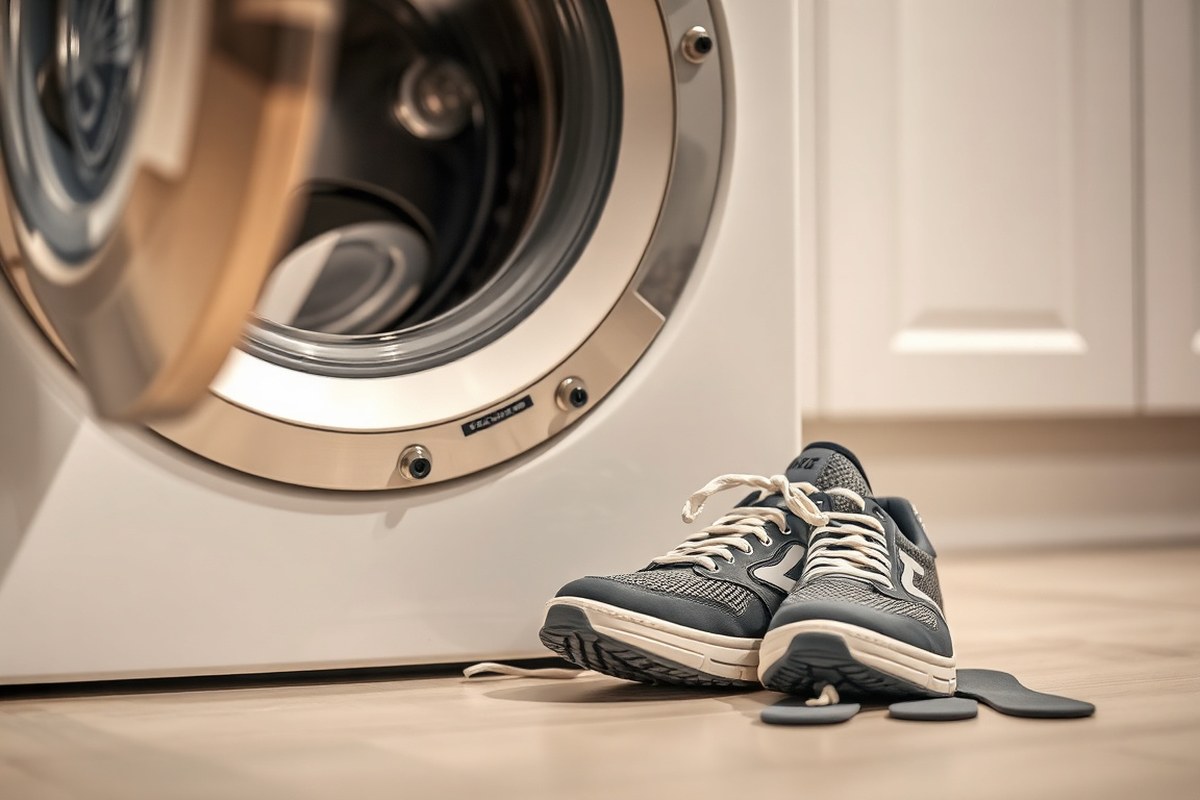
You can wash many sneakers in the washer safely if you follow the right steps, but some materials and styles should be hand cleaned. Knowing which sneakers are machine washable helps prevent damage and keeps your shoes looking fresh longer. This guide helps sneaker owners clean their footwear effectively while avoiding common washing mistakes.
This information suits anyone who wants to keep their sneakers clean without risking ruined shoes. You’ll learn how to prepare sneakers, choose washer settings, when to wash, and the safest drying methods to protect your investment.
Key Takeaways
- Wash sneakers every 1-2 months or when they appear visibly dirty to maintain cleanliness without excess wear.
- Only machine wash sneakers made of canvas, nylon, or synthetic materials, avoiding leather, suede, or delicate shoes.
- Remove laces and insoles, then loosely stuff sneakers with towels to prevent damage during the wash cycle.
- Use cold water and a gentle cycle with a mild detergent to avoid shrinking or warping shoe materials.
- Allow detergent to soak on stains for at least 15 minutes before placing sneakers in the washer for better cleaning.
- Air dry sneakers at room temperature, allowing at least 24 hours for complete drying before wearing.
Can You Wash Sneakers in the Washer Without Damage?

You can wash many sneakers in a washing machine safely if you follow precise precautions. Sneakers made from canvas, nylon, or polyester blends generally tolerate machine washing without damage. Using a gentle cycle with cold or warm water prevents warping or weakening of the shoe materials. Avoid hot water because it can warp glue and deform fabrics. Before placing sneakers in the washer, always remove the insoles as machine washing can break down foam cushioning. Placing shoes inside a mesh laundry bag or pillowcase reduces wear to both sneakers and the washing machine by limiting forceful tumbling and protecting drum surfaces.
Putting sneakers directly in the washer without any protection risks scuffing the drum or damaging the shoes. The shoes’ hard parts hitting the machine’s interior during the spin cycle can lead to cracks or breaks in rubber soles over time. Besides, the lace and eyelet area may snag and tear if left loose. Using a mesh bag minimizes these risks while still allowing water and detergent to clean the shoes well. Always use a mild, enzyme-based detergent to target dirt without damaging fabric fibers or adhesives.
Air drying is the only safe method after washing sneakers. High heat from a dryer can easily deform shoes and weaken glues. Dryers may also damage shoes that contain foam or synthetic materials by causing warping or shrinkage. After washing, remove sneakers from the mesh bag, reshaping them as necessary, and let them dry at room temperature away from direct sunlight or heaters. Expect shoes to take 24 to 48 hours to fully air dry, depending on humidity and airflow. Using fans or placing shoes near a vent can speed drying slightly but avoid direct heat sources.
Regarding your washing machine, sneakers rarely cause damage when washed carefully if placed inside a protective bag and washed on a gentle cycle. Avoid washing sneakers with heavy garments that could increase drum impact, and do not overload the machine. The combination of cold water, gentle agitation, and a mesh bag helps protect both your shoes and washer. Shoes with rubber soles should typically not be washed too frequently to prevent buildup that may stress your washer’s motor during spins.
Which Sneakers Are Safe to Machine Wash and Which Are Not?

Most canvas, mesh, nylon, and knit sneakers can handle a gentle machine wash. These materials are durable and breathable, making them suitable for this cleaning method if you prepare the shoes properly. On the other hand, leather, suede, nubuck, premium designer materials, and rubber fabrics should never go in the washer. They risk warping, cracking, or color loss when exposed to agitation, water, and detergent in washing machines.
Always check the manufacturer’s care label or brand website instructions before washing. The label often specifies if sneakers are machine washable or require hand cleaning. If you cannot find clear washing information for your sneaker model, it’s safer to avoid machine washing to prevent damage.
| Sneaker Material | Machine Wash Safe? | Examples |
|---|---|---|
| Canvas | Yes, with gentle cycle | Classic Vans, Converse All Stars |
| Mesh / Knit / Nylon | Yes, with gentle cycle | Athletic sneakers, running shoes |
| Leather | No | Most dress sneakers, leather uppers |
| Suede / Nubuck | No | Premium casual sneakers, designer models |
| Rubber / Plastic | No | Waterproof or specialty sneakers |
Even when sneakers are machine washable, remove laces and insoles first. Wash laces separately inside a mesh bag or pillowcase to prevent tangling. Insoles often retain water and can take days to dry, so clean them by hand instead. Using old towels around shoes in the washer reduces impact noise and protects both the sneakers and the machine.
Check your shoe’s care label every time before washing to avoid accidentally ruining non-washable materials like leather or suede.
Preparing Sneakers for Machine Washing Step-by-Step
Preparing your sneakers properly before placing them in the washing machine is key to a thorough clean without damage. Removing parts like laces and insoles, pretreating protective stains and odors, and balancing the washing load all improve cleaning results and protect your shoes. Following these steps ensures your sneakers come out fresh and maintain their shape.
Removing Laces and Insoles Correctly
Start by taking out the laces and insoles from your sneakers. Removing these parts helps clean each component more effectively and prevents water from soaking the insoles too long, which can lead to a damp smell and slow drying.
Laces do well being washed inside a mesh laundry bag or pillowcase to keep them from tangling or damaging other items. Insoles should be washed separately by hand to avoid them getting waterlogged. If your insoles are removable, pull them out carefully, and do not put them inside the washer with the shoes.
- Untie and gently pull out the laces from each shoe.
- Remove the insoles by lifting them out from the toe area; avoid bending or tearing.
- Place the laces in a mesh laundry bag or tie them in a pillowcase for washing.
- Hand wash the insoles using warm water and mild detergent to avoid saturation.
- Set laces and insoles aside to air dry separately after cleaning.
Pretreating Stains and Odors
Pretreating stubborn stains and odors is important to get your sneakers truly clean. For mud or dirt buildup, brush off loose particles before washing. Use a gentle cleaning solution to spot treat tough stains on the canvas or synthetic surfaces.
A simple mix of warm water and a small amount of mild detergent works well for pretreatment. For odors, lightly spraying white vinegar diluted with water or sprinkling baking soda inside the shoes before washing can help reduce smells. Avoid harsh chemicals that could discolor or weaken shoe materials.
Balancing Load and Protecting Shoes in Washer
To avoid banging and potential damage during the wash cycle, balance the load inside your washing machine. Washing only one pair of sneakers can cause the machine to become unbalanced, so add a few towels or a pair of heavy jeans to distribute weight evenly.
You should protect your sneakers by placing them inside a mesh laundry bag or pillowcase, which cushions the shoes and prevents abrasion against the washer drum. Use cold or warm water on a gentle cycle to keep materials intact.
Choosing the Right Washer Settings and Detergents
Choose a gentle or delicate cycle on your washing machine to avoid damage when washing sneakers. Use cold or lukewarm water, ideally below 30°C (86°F), to protect materials and adhesives. Avoid heavy-duty or high-spin cycles, as these can be harsh on shoes and the machine itself. Putting sneakers inside a laundry bag or pillowcase can reduce mechanical stress on both your shoes and the washer drum.
Detergents designed for delicate fabrics work best, as they effectively remove dirt without being too harsh. Powder detergents may leave residue on shoes, so liquid detergents are often preferred. Avoid bleach unless you are certain your sneakers can handle it, since it can discolor or weaken some materials. Do not use fabric softeners, as they can impact the shoe’s breathability. Before washing, applying a stain remover or pre-soaking in diluted detergent for 15 minutes can help break down stubborn soil.
| Washing Machine Setting | Recommended Use | Why |
|---|---|---|
| Gentle/Delicate Cycle | Washing most fabric or mesh sneakers | Minimizes agitation and reduces risk of damage |
| Cold or Lukewarm Water (<30°C / 86°F) | Preserves shoe materials and adhesives | Prevents warping and glue deterioration |
| Use Laundry Bag or Pillowcase | Protects shoes and washer drum | Reduces friction and mechanical impact |
| Avoid High Spin Speeds | Prevents deformation and damage | High force can distort shape |
| Pre-soak with Detergent (15 minutes) | Loosens dirt and stains | Improves cleaning effectiveness |
For whitening white sneakers safely in the washing machine, use detergents that contain optical brighteners but avoid bleach unless the shoe’s care instructions allow it. Adding a small amount of baking soda to the wash can improve whitening and odor removal. For persistent yellowing or scuffs, consider applying a sneaker-safe whitening product after washing and letting shoes dry completely. Never combine whitening agents with harsh chemicals in the wash to prevent damage.
Odor removal benefits from detergents with enzymes or active oxygen components. For extra deodorizing, inserting dryer sheets inside shoes after washing or sprinkling baking soda inside once dry can help. Avoid washing sneakers alongside delicate textiles to prevent damage from friction and weight. Following these settings and detergent guidelines balances effective cleaning with shoe preservation and washing machine safety.
How Often to Wash Sneakers and How Long It Takes
Washing your sneakers in the machine should generally be done every 2 to 4 weeks, or when they begin to look dirty or develop an odor. This timing helps keep the shoes fresh without causing unnecessary wear from over-washing. Sneakers that see regular use, such as daily wear or for sports, may require more frequent cleaning to maintain their appearance and prevent accumulated grime.
The entire process of washing and drying sneakers typically takes between 15 minutes and one hour. Actual machine washing usually lasts about 30 to 45 minutes, depending on the cycle and settings used. Drying, which is a important step, can vary significantly. Air drying your sneakers at room temperature might take 4 to 24 hours, depending on the material, ventilation, and humidity. Avoid using high heat like a dryer because it can damage glue and fabric components.
After washing and drying, wait until the sneakers feel completely dry before wearing them again. Wearing damp shoes not only feels uncomfortable but can also cause odor or faster material breakdown. A good rule of thumb is to allow 12 to 24 hours of drying time for most common sneaker materials like mesh, canvas, or synthetic fibers. Leather or delicate materials may require longer drying times to avoid damage.
The frequency and timing also depend on factors such as how often you wear them, the environment (dusty, wet, or muddy conditions lead to more frequent cleaning), and the shoe materials. Shoes exposed to sweat or moisture will need quicker washes and full drying cycles to prevent bacteria growth and keep them comfortable. Conversely, sneakers worn occasionally or indoors can go longer without washing.
Machine wash your sneakers only when necessary to avoid wear, and always ensure they are completely dry before wearing to prevent bad odors and material damage.
Best Practices for Drying Sneakers After Machine Washing
Your best bet for drying sneakers after machine washing is to air dry them completely. Avoid using a machine dryer because the heat may warp soles or weaken glue, leading to damage. Proper drying maintains the shoe’s shape and prevents odors from developing.
Air Drying Techniques
Air drying is the safest way to dry sneakers after washing. Place them in a well-ventilated area away from direct sunlight or heat sources like radiators, which can cause materials to shrink or crack. Allow enough time, usually 24 to 48 hours, for them to dry fully. You can help air circulate by removing the insoles and loosening the laces.
Try to keep your sneakers on a flat surface to avoid deforming the soles or uppers as they dry. Avoid stacking or cramming shoes together, which slows drying and encourages moisture buildup that leads to odor.
Why Avoid Machine Dryers
Using a dryer is not recommended because the high heat can warp the shape and damage adhesives holding your sneakers together. The dryer drum’s tumbling motion may also create unwanted scuffs or tears on delicate materials. Most sneaker glue cannot handle the heat generated inside a dryer, which may lead to premature shoe failure.
Instead of rushing the process with heat, stick with air drying to maintain the shoe’s structure and prolong its life. High temperatures can also cause colors to fade or the outsole rubber to degrade.
Using Towels and Stuffing to Maintain Shape
To speed up drying and keep your sneakers in good form, stuff them with absorbent materials like crumpled newspaper or paper towels. This absorbs moisture from the interior and helps the shoe retain its shape during drying. Replace the stuffing every few hours until dry.
You can also place a dry towel underneath or around your sneakers to catch any drips and absorb moisture from the outside. Avoid using colored paper as it may transfer dye to the fabric. Keeping the shoes loosely stuffed prevents collapsing while allowing airflow. Here’s a simple step-by-step routine to dry sneakers properly after machine washing:
- Remove the insoles and loosen the laces to expose more surface area.
- Stuff the sneakers with crumpled newspaper or paper towels.
- Place the sneakers on a flat, dry surface in a well-ventilated area away from direct sunlight and heat sources.
- Put an absorbent towel underneath the shoes to catch moisture.
- Check and replace the stuffing every 3 to 4 hours.
- Allow 24 to 48 hours for thorough drying.
- Reinsert insoles and laces once completely dry.
Common Mistakes to Avoid When Washing Sneakers in the Machine
One common mistake is not removing the insoles and laces before washing. These parts can tangle or damage both your sneakers and the machine. Take them out and wash laces separately in a mesh bag or mixed with towels. Insoles should be cleaned by hand to avoid soaking and warping.
Skipping pre-treatment of stains or dirt leads to uneven cleaning and can leave marks. Use a soft brush or cloth with mild detergent to target tough spots before placing the sneakers in the washer. This short step improves results and reduces the risk of residue build-up.
Another frequent error is choosing the wrong washer settings. Running your sneakers on a regular or heavy cycle can cause excessive friction, damaging the material and weakening adhesives. Always select the most delicate wash cycle with slow spin speed. This reduces wear and tear and protects both your shoes and the washer.
- Failing to secure sneakers in a mesh laundry bag, which protects them from banging against the machine drum.
- Washing sneakers alone without balancing the load, causing machine vibration and uneven cleaning.
- Using too much detergent, which can leave residue and affect the shoe fabric.
- Putting sneakers directly into the dryer, leading to shrinkage or material damage, opt for air drying instead.
- Not checking for colorfastness on dark or brightly coloured sneakers, risking colour bleeding.
- Ignoring manufacturer warnings about machine washing, which can void warranties or damage specialty materials.
To protect both your washing machine and sneakers during the cycle, place sneakers in a mesh laundry bag and add soft items like towels to balance the load. This cushions impacts and prevents banging. Use a mild, fragrance-free detergent measured according to your machine’s recommendations, generally around 1 to 2 tablespoons. Set water temperature to cold or warm (never hot), as heat can deform certain adhesives and fabrics.
After washing, avoid machine drying. Instead, remove sneakers promptly and stuff them with clean paper towels to absorb moisture and keep their shape. Let them air dry at room temperature away from direct heat or sunlight. Following these steps helps maintain sneaker integrity and extends both their look and comfort.
Alternatives When You Should Not Machine Wash Sneakers
Machine washing is not suitable for all sneakers, especially those made of leather, suede, or with hard soles. For these shoes, hand cleaning and specific care methods offer effective alternatives that preserve their materials and appearance. Handling stains and odors without a washer requires a bit more time but prevents damage and extends the life of your sneakers.
Hand Washing Canvas and Mesh Sneakers
For lightly dirty canvas and mesh sneakers, hand washing is a safe alternative to machine washing. First, take out the laces and insoles if your shoes have removable ones. Prepare a cleaning solution with warm water and a mild detergent or soap, optionally adding about 1/2 cup of baking soda to brighten and deodorize white shoes. Dip a soft brush or cloth in the solution and scrub the shoe’s surface gently, focusing on stains. Avoid soaking the shoes completely to prevent water from damaging the sole or padding and altering the shoe’s shape.
After cleaning, rinse areas carefully with a damp cloth to remove soapy residue. Allow sneakers to air dry fully in a well-ventilated area away from direct sunlight or heat sources, which can cause shrinking or cracking. Hand washing usually takes 10 to 20 minutes plus drying time and costs less than machine washes in electricity and wear on shoes. This method gives you control over cleaning intensity and works well if your shoes just need freshening up or spot treatment.
Cleaning Leather and Suede Shoes Safely
Leather and suede sneakers should never go in the washing machine because water and detergents can degrade leather fibers and ruin suede’s texture. Begin by brushing off dirt with a suede brush or soft cloth for leather. For stains, mix a small amount of saddle soap with water to create a light lather. Apply sparingly with a soft cloth and wipe gently; avoid soaking the material. For suede, use specialized suede cleaners or a small amount of white vinegar on a cloth to lift stains without discoloration.
After cleaning, let the shoes dry naturally indoors, stuffing them with paper towels to maintain shape. Use a leather conditioner or suede protector spray afterward to keep the material supple and water-resistant. This process might take 30 minutes to an hour of active cleaning plus drying time. It demands care and patience but greatly reduces the risk of permanent damage compared to machine washing.
Never use household detergents or soap bars directly on leather or suede as they can strip oils and cause cracking or discoloration.
Natural Odor Removal Techniques
To remove odors without a washing machine, start by sprinkling about 1/2 cup of baking soda inside each sneaker. Let it sit overnight to absorb the smell. Another effective method is placing dryer sheets or charcoal bags inside the shoes for several hours or days to neutralize odors. For persistent smells, wipe down the inside with a cloth dampened lightly with diluted white vinegar and allow shoes to air dry thoroughly before wearing again.
Removing insoles and cleaning them separately is also helpful; soak insoles in a solution of warm water and mild detergent, then air dry. Avoid strong chemical sprays that might only mask odors and could irritate skin. These low-cost, natural techniques take some time but prevent damage from harsh chemicals or machine washing while keeping sneakers smelling fresh.
Step-by-Step Action Plan for Washing Sneakers in the Machine
Follow these steps to safely wash your sneakers without causing damage.
- Before you start: Remove the laces and insoles. Check the label for washing instructions and spot clean heavy stains.
- Prepare the load: Place your sneakers in a mesh laundry bag or pillowcase to protect them and the washer drum.
- Choose settings: Select a cold water cycle with gentle or delicate settings to reduce wear and tear.
- Use detergent: Add a mild liquid detergent, avoiding bleach and fabric softeners that can harm sneaker materials.
- Wash sneakers with towels: Add a few old towels to the load to balance the machine and reduce noise.
- After washing: Remove sneakers from the machine promptly to avoid odor and mold.
- Dry properly: Air dry your sneakers away from direct sunlight or heat sources; stuff them with paper towels to maintain shape.
- Reassemble: Once dry, replace insoles and laces and inspect for any remaining dirt or damage.
Frequently Asked Questions
Can You Wash Sneakers in the Washer Without Causing Damage?
Yes, most sneakers like canvas and mesh styles can be washed safely in the washer if you follow preparation and washing guidelines, such as removing laces and using a gentle cycle. This prevents damage and keeps the sneakers clean without ruining them.
Are All Types of Sneakers Safe to Machine Wash?
No, while canvas and mesh sneakers are usually safe, leather and suede shoes should never be machine washed to avoid damage. These materials require special care like spot cleaning and conditioning instead.
How Should I Prepare My Sneakers Before Putting Them in the Washer?
Remove laces and insoles before washing, and place the sneakers in a mesh laundry bag. Adding towels with your shoes protects them during the wash cycle and helps balance the load.
What Washer Settings and Detergents Work Best for Washing Sneakers?
Use cool to warm water on a gentle cycle and an enzyme-based laundry detergent. Avoid hot water and harsh cycles to prevent damage to the fabrics and adhesives.
How Long Does It Usually Take to Wash Sneakers in the Washing Machine?
A gentle wash cycle usually takes around 30 to 40 minutes, with an additional 15 minutes needed for detergent to break down soil before the wash. Drying then takes longer, as air drying is recommended.
Can I Use the Dryer to Dry My Sneakers After Washing?
No, putting sneakers in the dryer can cause warping or damage. Air drying is safer and helps maintain the shape and materials of your sneakers for longer wear.
Final Thoughts
Washing sneakers in the machine can be safe if you follow careful preparation, select gentle settings, and dry them properly. Start with a less expensive or older pair to test your process before washing your favorite sneakers. Taking these precautions helps keep your shoes clean without damaging them.