How Much Does It Cost to Dry Clean a Dress? A Complete Guide with Pricing Tips
The cost to dry clean a dress typically falls between $10 and $60, depending on factors like fabric type, dress style, and extra services required. Everyday dresses generally dry clean for $10 to $25, while formal dresses can cost up to $40 or more. Wedding dresses usually start at $75 and can exceed $250 based on complexity.
This information helps anyone looking to estimate dry cleaning prices for various dress types, from casual to special occasion garments. You’ll find useful details about what affects prices and tips on choosing services to fit your budget.
Key Takeaways
- Simple cotton or polyester dresses usually cost between $10 and $15 to dry clean.
- Silk or other delicate fabrics increase dry cleaning prices to around $15 to $30 per dress.
- Formal and cocktail dresses typically range from $20 to $40 for professional cleaning.
- Extra services like stain removal or odor treatment add $10 or more to the base cost.
- Dry cleaning prices vary widely by location, with urban areas generally charging higher rates.
- Wedding dress cleaning can run from $150 up to $800 based on fabric and embellishments.
Typical Price Range to Dry Clean a Dress

Dry cleaning a dress can range from $10 to $150, based on style, fabric type, and complexity. Casual dresses made from cotton or polyester usually fall between $10 and $25. Dresses for special occasions like cocktail or evening wear often cost $15 to $40. Wedding gowns are pricier because of their delicate materials and special handling, starting near $75 and sometimes going beyond $250.
The complexity of a dress also affects the price. Simple dresses with minimal embellishments usually cost between $10 and $15 to dry clean. Dresses with intricate beading, embroidery, or delicate fabrics like silk may push the price higher within the typical formal dress range or beyond. Wedding gowns often require special treatments like stain removal, fabric preservation, and hand-finishing, which increase cleaning costs significantly.
| Dress Type | Typical Dry Cleaning Price Range | Factors Affecting Cost |
|---|---|---|
| Everyday Dresses (cotton, polyester) | $10 – $25 | Simple construction, common fabrics |
| Formal Dresses (cocktail, evening) | $15 – $40 | Fabric delicacy, embellishments, length |
| Wedding Dresses | $75 – $250+ | Fabric type, embellishments, preservation |
| Simple Dresses | $10 – $15 | Minimal embellishments, common fabric |
| Embellished Dresses | $20 – $60+ | Beading, embroidery, delicate fibers |
You can expect prices to vary by location and dry cleaner, but these ranges give a clear idea of what to budget for your dress. Paying closer to the low end usually means a basic fabric and straightforward cleaning process. Higher prices usually reflect the need for special handling, stain treatment, and preservation services, especially for wedding dresses.
Choosing a dry cleaner that clearly lists prices by dress type and detail can help you avoid unexpected costs. Always ask for an estimate before committing, especially for formal or heavily embellished dresses. Knowing these typical price ranges allows you to plan your garment care budget appropriately.
Key Factors That Influence Dry Cleaning Costs
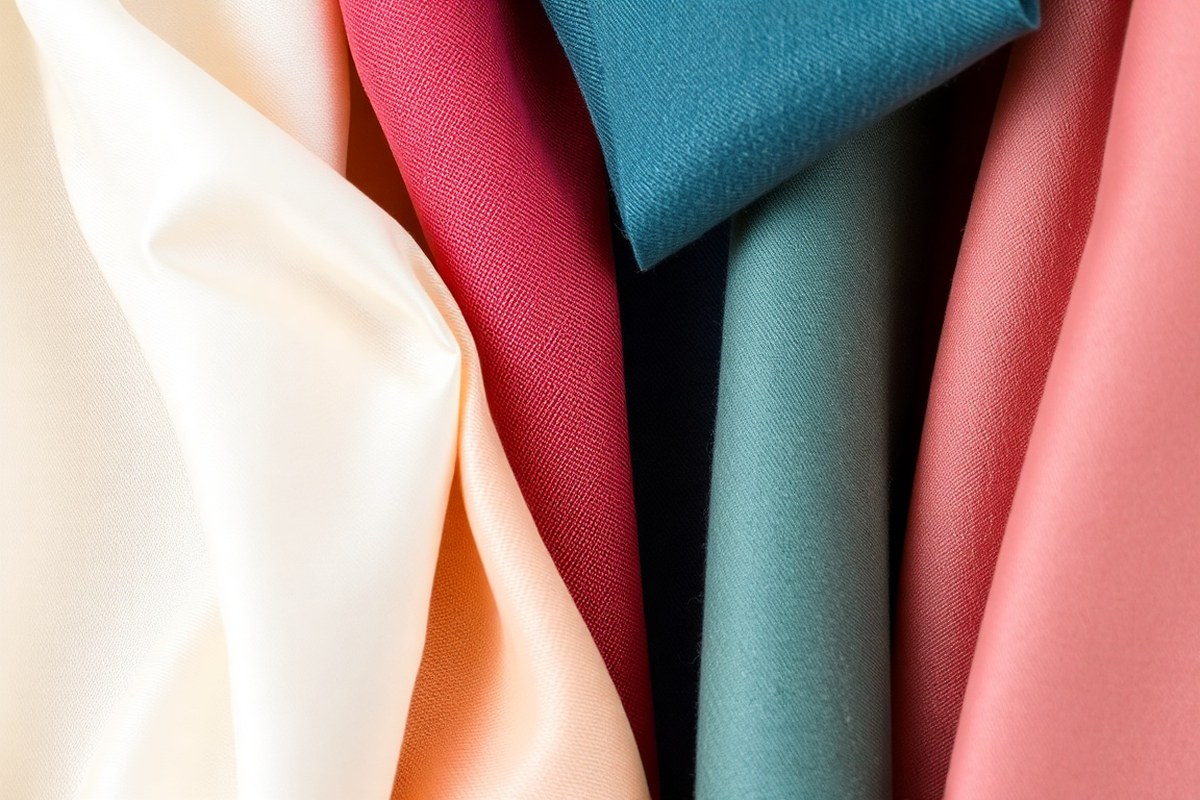
Several factors influence how much dry cleaning a dress will cost, and understanding these can help you avoid unexpected charges. The fabric type plays a major role; delicate materials like silk, velvet, or lace often require special solvents or extra care, increasing the price. Sturdier fabrics like cotton or polyester typically cost less to clean because they need less handling.
The complexity of the dress design is another key factor. Dresses with intricate details, such as pleats, layers, beading, or sequins, take more time and effort to clean properly. Handling these elements carefully often means higher labor costs and specialized cleaning techniques, which raise the price.
Location affects dry cleaning prices significantly. Urban areas usually have higher market rates, potentially charging $5 to $15 or more per dress, while rural locations might charge between $2.50 and $8. This variation reflects local competition, rent costs, and customer demand.
Extra services beyond basic dry cleaning add to the total bill. Common add-ons include stain treatment, express or rush cleaning, repairs like seam fixing, and packaging or delivery fees. Each service contributes layers of cost based on the time and materials needed.
- Fabric Type: Delicate fabrics cost more due to special cleaning needs.
- Dress Complexity: Beading, sequins, and layers require extra care and time.
- Location: Prices are higher in cities than rural areas due to overhead and demand.
- Stain Treatment: Removing tough stains adds $5 to $40 depending on difficulty.
- Rush Services: Same-day or next-day cleaning can add $10 to $60.
- Repairs: Fixing seams or embellishments typically ranges from $15 to $120.
- Pickup and Delivery: Convenience services may add $3 to $20.
Check with your dry cleaner about all potential charges upfront to avoid surprise fees on complex dresses or extra services.
Fabric matters most because delicate textiles need solvents and handling that are more costly and time-consuming. For example, a silk dress with beading will almost always cost more than a simple cotton dress without decorations. Embellishments delay the cleaning process and may require handwork, pushing the price higher. Likewise, express services can double or triple basic cleaning fees if you need quick turnaround. Since location affects pricing, comparing local cleaners, especially between urban and rural areas, helps you find competitive rates.
By considering fabric, dress design, where you live, and any extras, you can better estimate what dry cleaning your dress will cost. This knowledge allows you to plan your budget accordingly and choose options that match both your garment’s needs and your wallet.
How Fabric Types Affect Dry Cleaning Prices
Fabric type greatly influences how much you pay to dry clean a dress. Delicate or specialty fabrics need gentler handling and sometimes special solvents, raising the cost. Common fabrics like cotton or polyester usually cost less, while natural fibers, blends, and dresses with embellishments tend to increase the price.
Delicate Fabrics: Silk, Satin, and Lace
Silk and satin dresses often cost more to dry clean due to their delicate nature. These fabrics require careful handling and specific solvents to avoid damage such as discoloration or distortion. Lace, especially when combined with other delicate fabrics, also demands cautious cleaning steps that add time and cost.
Dresses made of these materials sometimes have beads or sequins, increasing complexity and cleaning expenses. Dry cleaners take extra care to avoid harming the fibers or detailing, so prices for silk and satin dresses typically fall into a higher price tier than basic fabrics.
Common Fabrics: Cotton, Polyester, Wool
Cotton and polyester dresses usually cost less to dry clean because they withstand regular solvents and standard procedures better. Polyester, being synthetic, is often on the low end of dry cleaning prices due to its durability and ease of cleaning.
Wool, however, stands out as a natural fiber that requires more delicate treatment. Wool dresses need specialized solvents and careful pressing to prevent shrinking or felting. This extra care pushes wool dry cleaning costs closer to those of silk or satin. Knowing the fabric via your dress’s care label helps determine the proper cleaning method and expected price.
Specialty and Blended Materials
Dresses made from blends or with structured linings require unique attention. Velvet and wool blends, for example, might need multi-step cleaning processes and gentle pressing. Structured garments often require shaping after cleaning, adding time and cost.
Blended fabrics that combine natural and synthetic fibers can be tricky because they need solvents that work without damaging either component. Dresses with delicate overlays like chiffon or organza also demand additional handling steps to avoid tearing or wrinkles. Careful cleaning of these fabrics ensures your dress stays in good shape without damage, but it may increase prices. Here’s a comparison table showing typical dry cleaning prices based on dress fabric and complexity:
| # | Dress Fabric/Complexity | Typical Price (USD) | Turnaround Impact | Service Suitability (★ = best) |
|---|---|---|---|---|
| 1 | Knee-length polyester/viscose, light lining, no heavy trim | $25, $40 | Usually same week | ★★★★☆ |
| 2 | Stretch satin or matte crepe, simple hem, minimal embellishment | $35, $55 | May require extra finishing time | ★★★★☆ |
| 3 | Chiffon/organza overlay, delicate seams, no beads | $45, $70 | Often 1, 2 extra handling steps | ★★★☆☆ |
| 4 | Wool blend or velvet, structured lining, careful pressing | $50, $80 | Additional shaping needed | ★★★☆☆ |
Price increases with the complexity of the fabric and finish. For example, synthetic fabrics like polyester stay near the lower cost range, while delicate or blended materials can add $10 to $40 more. Extra handling steps extend turnaround time, so expect longer wait for specialty fabrics.
Extra Dry Cleaning Services That Increase Costs
Extra services during dry cleaning often increase the overall cost beyond the base price of cleaning a dress. Stain removal is one of the most common add-ons, typically costing an additional $1.50 to $10 depending on how tough the stain is and the treatments required. This matters because removing stains involves special chemicals, extra labor, and sometimes multiple processing steps to avoid damage to delicate fabrics.
Pressing or steaming charges arise when a dress needs more detailed finishing to look its best, especially for structured or layered garments. These extra pressing tasks can add $1 to $3 per item. The reason extra pressing costs are added separately is that it demands more time and care from the cleaner to maintain the dress’s shape and crease.
Alterations and repairs done during the dry cleaning process, such as sewing loose hems or fixing broken zippers, also increase costs. Prices for these services vary widely based on the work needed but expect to pay from $10 to $50 or more. Combining minor repairs with cleaning can be convenient but doubles the time the cleaner must spend on the item, so the cost reflects that.
Rush orders are offered by most dry cleaners for customers needing their dresses back quickly. These can add 25% to 100% to the normal cleaning price depending on how fast the service is requested. For example, a same-day or next-day turnaround might cost twice the base cleaning price. The rush fee compensates the cleaner for re-prioritizing their workflow and often paying overtime wages to staff.
- Stain removal: $1.50 to $10 extra
- Pressing or steaming: generally $1 to $3 additional
- Repairs and alterations: typically $10 to $50 and up
- Odor treatment or specialized cleaning: can add $5 to $15 or more
- Rush service: increases price by 25% to 100%
- Cleaning long gowns or complex dresses: may cost more due to extra labor
Good results from these extras mean your dress comes back free of stains, perfectly pressed, and ready to wear without needing further adjustments. Problems can arise if extra stain treatments fail or damage fabric, which is why professional cleaners assess the dress carefully before adding these fees. Repairs done poorly could also harm the garment’s appearance or fit.
How Location and Market Rates Affect Pricing
Dry cleaning prices for dresses vary significantly depending on where you live. Urban areas generally have higher prices than rural locations. This happens because businesses in cities face more expensive rent, higher utility bills, and greater labor wages, which increase operational costs. These costs often get passed on to customers, causing dry cleaners in metropolitan areas to charge more for their services.
In large cities, you might expect to pay 10 to 30 percent more for dry cleaning a dress compared to rural areas. For example, if a dress costs $15 to clean in a small town, the same service could range from $17 to $20 or more in a metropolitan market. The extra charges cover higher expenses like commercial leases and minimum wage requirements, which are usually lower or less intense outside the city.
Rural dry cleaners often operate with fewer overhead costs, so their prices can be more affordable. They might pay less for space and utilities, and labor wages tend to be lower, allowing them to offer competitive prices. However, rural locations may have fewer options, so you might sacrifice convenience or turnaround time if you go this route.
Local economic conditions also influence dry cleaning costs. Areas with strong economies and higher average incomes often see higher prices, as local businesses can charge more according to what residents can afford. Conversely, in economically slower regions, prices might be lower to attract more customers. Seasonal changes and competition also play a part; if there are many dry cleaners in one area, prices may drop slightly due to competition.
Check dry cleaning prices online or call your local cleaners before deciding, as rates can vary widely even within the same city.
Understanding the geographic factors affecting dry cleaning prices helps you decide where to take your dress. Choosing a cleaner in a less expensive suburb rather than a downtown location can save you several dollars per dress. Some dry cleaners in urban areas offer promotions or discounts to compete, which may offset the higher base prices. Always weigh the convenience of location against these potential savings.
When At-Home Dry Cleaning Kits Are Suitable
Dry cleaning a dress at home using kits can be suitable for lightly soiled garments made of sturdy fabrics and without heavy stains. These kits offer a convenient and less expensive alternative to professional services for refreshing your dress and removing mild odors. However, they work best only when you follow specific steps and choose the right dress types; professional dry cleaning remains necessary for delicate fabrics, strong stains, or high-value items.
Components of At-Home Dry Cleaning Kits
At-home dry cleaning kits usually include a specially formulated cleaning cloth or wipe infused with a mild solvent, a reusable cleaning bag, and detailed instructions. Some kits also come with a stain remover pen or spot treatment applicator to tackle small marks before the main cleaning process. These products avoid water and harsh detergents, mimicking the dry-cleaning solvent’s action in a gentle way suitable for home appliances like your dryer.
The kits typically cost $10 to $20, offering a one-to-three-use supply depending on the brand and kit size. They don’t replace the deep cleaning power of professional methods that use chemical solvents and specialized equipment, but they can freshen garments and reduce odors.
Types of Dresses Suitable for Home Cleaning
Home dry cleaning kits suit dresses made from fabrics that tolerate mild solvent-based treatments and dryer heat without damage. These include polyester, cotton blends, rayon, and wool blends. Avoid using these kits on delicate fabrics like silk, velvet, leather, or heavily beaded garments, as the solvent may harm the finish or decorations.
Lighter stains such as sweat marks, light deodorant buildup, or faint food residue respond better to home kits than visible grease, ink, or wine stains. When your dress’s care label says “dry clean only” but the fabric feels sturdy and the dress has only minor dirt, using a home kit could be a reasonable option.
Steps to Use a Dry Cleaning Kit Safely
Using the cleaning kit correctly increases the chance of a good result and minimizes fabric damage. Follow the manufacturer’s instructions carefully and test any stain remover on a hidden seam first. Here’s a typical approach to home dry cleaning:
- Inspect your dress’s care label and fabric type to confirm suitability for at-home cleaning.
- Apply the stain remover gently to any marks if the kit includes this step, allowing it to sit as instructed (usually a few minutes).
- Place the dress inside the provided reusable bag along with the cleaning cloth or wipe included in the kit.
- Seal the bag properly to keep the solvent vapors inside.
- Put the bag into your dryer and run it for 20 to 30 minutes on medium heat, as specified by the kit instructions.
- After the dryer cycle ends, remove the dress promptly and hang it to air out for 30 minutes to eliminate any residual odors.
- Inspect the dress for any lingering marks or damage; repeat staining treatment only if the fabric can tolerate another cycle.
This process requires a dryer and some time but costs far less than professional dry cleaning, generally under $20 per session.
Limits and Risks of At-Home Cleaning
Home dry cleaning kits have limitations in cleaning power. They do not remove heavy grease, large or old stains, or deep dirt because the mild solvents and short dryer cycle lack the chemical strength and agitation of professional methods. They also cannot restore colors faded by previous improper cleaning.
Using these kits on delicate or embellished dresses risks fabric shrinkage, changes in texture, or damage to trims. Dresses that have visible stains or are marked “dry clean only” should be professionally cleaned to lower the chance of damage and benefit from spot treatments that home kits don’t offer. Avoid relying on home kits for valuable or sentimental dresses where quality matters most.
How to Choose the Right Dry Cleaner for Your Dress
Choosing the right dry cleaner for your dress means balancing quality, care, and cost to protect the fabric and look of your garment. By focusing on a few key indicators of reliability and asking the right questions, you can find a service that offers good value without risking damage or paying more than necessary.
Signs of a Reliable Dry Cleaner
Look for dry cleaners who demonstrate professionalism, have transparent pricing, and handle dresses with care. A clean, organized shop with knowledgeable staff often reflects their level of service. Reliable cleaners usually provide written receipts detailing the services and estimated pick-up times. Pay attention to how they address special fabrics, beading, or linings, as these details affect how they clean.
Another sign of reliability is the cleaner’s willingness to inspect your dress before accepting it. They should discuss any stains, delicate trims, or weak areas first. You can expect clear communication regarding cleaning methods, potential risks, and turnaround times that align with your needs.
Questions to Confirm Pricing and Services
Asking specific questions will help you understand pricing and avoid surprises. Request a written quote based on your dress’s construction and the exact services you need. Two dresses that look similar may require different cleaning steps, affecting the cost.
- What is the price to dry clean this particular dress, including any special treatments?
- Are alterations, repairs, or stain treatments included or extra?
- How long will the cleaning process take?
- What kind of solvents or cleaning methods do you use?
- Is there a satisfaction or damage guarantee?
Clear answers to these questions help you evaluate if the price matches the quality. Avoid cleaners who are unwilling to provide detailed information or lump everything under vague “dry cleaning” fees.
Evaluating Eco-Friendly and Specialty Cleaning Options
Many dry cleaners now use eco-friendly solvents instead of traditional perchloroethylene, which can be harsh on fabrics and the environment. Asking whether they offer green cleaning methods matters if you want a low-toxicity process that’s gentle on delicate dress materials. These services sometimes cost a little more but may extend the life of your dress.
Specialty garments like wedding dresses, heavily beaded gowns, or vintage styles often require customized care beyond standard dry cleaning. Confirm if your cleaner has experience with these types and offers supplemental services such as steaming, preservation packaging, or hand spot cleaning, which help maintain your dress’s condition.
Customer Reviews and Certifications
Checking online reviews and testimonials can provide insight into real customer experiences, focusing on garment care quality and service reliability. Look for comments on how well the cleaner handled delicate fabrics and special instructions. Trustworthy dry cleaners will have mostly positive reviews mentioning consistent results and professionalism.
Certifications from organizations like the Drycleaning & Laundry Institute or awards for environmental practices add credibility. While not mandatory, these credentials show a cleaner’s commitment to standards and ongoing training, which is important for protecting your prized dress.
Tips to Save Money on Dry Cleaning Without Risks
Reducing how often you send a dress to the dry cleaner can cut your costs significantly. You can do this by spot-cleaning minor stains promptly with a damp cloth and mild detergent instead of a full dry cleaning. Store dresses properly by hanging them on padded hangers and covering them with breathable garment bags to avoid wrinkles and dirt accumulation. This approach preserves fabric quality and lowers cleaning frequency.
Looking for discounts can help, too. Many dry cleaners offer loyalty programs or coupons that reduce prices, especially if you bring in multiple garments at once. Some stores provide bundled service discounts, which means you pay less per item when cleaning several pieces together. Comparing prices among local cleaners before choosing one leads to better deals without compromising quality.
- Join loyalty programs at your preferred dry cleaner to earn discounts.
- Ask about bulk cleaning rates if you have several dresses or other clothing items.
- Check local flyers, websites, or apps for coupons and seasonal promotions.
- Use spot-cleaning at home for small stains instead of immediate dry cleaning.
- Store dresses carefully to prevent wrinkles and spills.
- Reserve dry cleaning for special occasions or heavily soiled garments only.
Some money-saving choices carry risks. For example, some at-home stain removers or spot-cleaning solvents can damage delicate fabrics or alter colors if not tested properly beforehand. Avoid these risks by always testing any product on an inconspicuous area first and following instructions carefully. Overusing home methods for heavily soiled or silk dresses may lead to fabric damage or unsatisfactory cleaning results, requiring more frequent professional cleaning later.
Use spot-cleaning at home only for minor stains and always test on a hidden fabric section before applying broadly.
Planning ahead before special events can prevent last-minute costly cleanings. Sending your dress to the dry cleaner well before you need it may allow you to take advantage of slower business days or promotional offers some shops run during off-peak times. Bulk cleaning services or membership packages can also be a smart choice if you routinely dry clean several dresses or suits, spreading the cost over multiple items for overall savings.
Step-by-Step Action Plan for Dry Cleaning Your Dress
Follow these steps to find an affordable and reliable dry cleaning service that fits your needs and budget.
- Before you start: Check the care label on your dress to confirm dry cleaning is recommended. This helps avoid damage and unnecessary costs.
- Day 1: Research local dry cleaners online and read reviews. Identify 3 to 5 cleaners with good reputations and reasonable prices.
- Day 2: Contact your shortlisted cleaners to inquire about prices for your dress’s fabric type and any extra services needed. Ask about turnaround times.
- Day 3: Compare quotes and choose a dry cleaner that balances cost, quality, and convenience. Confirm exactly what services are included in the price.
- Day 4: Drop off your dress and specify any stains, alterations, or special care instructions. Keep the receipt and expected pickup date.
- Pickup day: Inspect your dress carefully when you pick it up. Make sure stains are removed and the garment is intact to confirm service quality.
- After 1 week: If you liked the results, save the receipt and note the price for future reference. If not satisfied, provide feedback or try a different cleaner.
- Ongoing: Use at-home dry cleaning kits only for minor refreshes or delicate fabrics that don’t need professional treatment to save money safely.
Frequently Asked Questions
How Does Dress Length Affect Dry Cleaning Costs?
Longer dresses generally cost more to dry clean because they require more handling and special care. The fabric surface area and complexity increase cleaning time and resources, pushing prices higher than shorter dresses.
Do Alterations Affect the Dry Cleaning Price?
Alterations are separate services and usually aren’t included in dry cleaning costs. You’ll need to pay extra for repairs or tailoring performed alongside cleaning.
Can Dry Cleaning Remove All Stains from a Dress Effectively?
Dry cleaning can remove many stains but not all; some, like water-based stains, might require special treatment. Immediate treatment boosts chances of complete stain removal.
Is It Cheaper to Dry Clean Multiple Dresses at Once?
Some cleaners offer discounts on bulk orders, but it depends on the store. Check if multiple dresses cleaned together reduce the average cost per dress.
Do Designer Dresses Cost More to Dry Clean?
Designer dresses often have delicate fabrics and intricate details, raising dry cleaning costs. The risk of damage makes cleaners charge more for careful handling.
Will Dry Cleaning Affect the Lifespan of My Dress?
Proper dry cleaning maintains fabric quality and extends the dress’s lifespan when done correctly. Over-cleaning, however, might weaken fibers over time, so clean only as needed.
Key Points to Remember
Dry cleaning a dress generally costs between $10 and $30 depending on fabric and services, with some high-end or delicate materials costing more. Choosing a cleaner wisely and understanding your dress’s needs can keep expenses reasonable. Start by checking your dress label and getting price quotes from multiple cleaners near you to avoid surprises and ensure the best match for your budget.