How to Remove Perspiration Stains from Shirts: 8 Proven Methods That Work
To remove perspiration stains from shirts quickly and effectively, soak the garment for at least 20 minutes and use a gentle scrub with a toothbrush or sponge. Applying a baking soda paste or vinegar soak can break down the stain components before washing. This method works best before stains set by heat or time.
This advice is for anyone who wants to restore shirts without damaging fabric. You’ll learn practical techniques that work on different stains and fabrics, saving your clothes and extending their life.
Key Takeaways
- Soak shirts in a cleaning solution for 20 to 30 minutes before scrubbing stains.
- Use baking soda paste applied with a spoon or toothbrush for stubborn sweat marks.
- Vinegar soaks of 30 minutes help remove recent stains aged 2 to 7 days.
- Avoid washing or drying stained shirts in hot water above 40°C to prevent stains setting.
- After soaking, gently wring out excess water and dry shirts flat for best results.
- Scrub gently to break down stains without damaging fabric fibers.
1. How to Remove Perspiration Stains from Shirts Quickly and Effectively
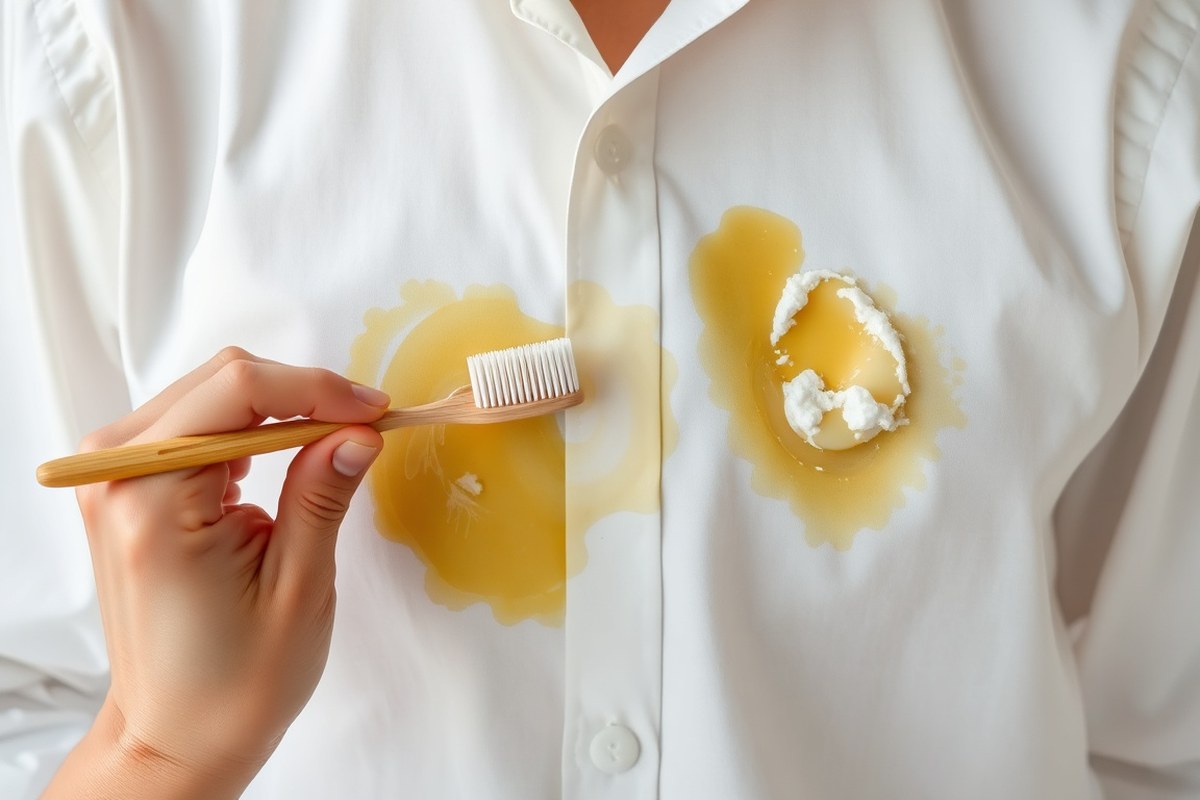
Removing sweat stains from shirts quickly and effectively depends on treating them soon, using the right ingredients, and following a clear routine. Fresh sweat stains respond best when you act within 10 to 15 minutes, while older stains may need soaking overnight. Fresh stains often come out with a simple rinse and gentle scrubbing, but tough, older stains require a soaking solution and a paste of natural ingredients to break down oils and salts left by perspiration.
Timing matters because the longer a stain sets, the harder it is to remove. Using common household items like white vinegar, baking soda, and hydrogen peroxide can save money and avoid harsh chemicals. These ingredients target the substances in sweat that cause staining, but you must soak and let them work rather than rushing to wash immediately.
- Identify the stain age. For fresh sweat stains, start within 10, 15 minutes. For older, dried stains, plan to soak the shirt overnight or for several hours.
- Pre-soak the shirt. Mix one part white vinegar with two parts cold water and soak the stained areas for 20 minutes for fresh stains, or overnight for tougher stains. This helps break down sweat acids and deodorant residues.
- Make a stain removal paste. Combine 4 tablespoons baking soda, 1 tablespoon salt, and enough hydrogen peroxide (3%) to make a thick paste. This mix works to lift stubborn yellow stains and fight odor.
- Apply the paste to the stains. Spread it evenly onto the sweat-stained areas. Let it sit for 30 minutes to an hour; do not let it dry out completely.
- Gently scrub the stain. Use a soft brush or cloth to rub the paste into the fabric, focusing on the stained zones like underarms and collars.
- Rinse thoroughly with cold water. Cold water helps prevent setting the stain further and removes the paste remnants.
- Wash the shirt as usual. Choose a gentle cycle with cold or warm water and a mild detergent.
- Air dry the shirt. Avoid using a dryer until you confirm the stain is gone, as heat can set any remaining stain permanently.
Following these steps usually results in a fresh-looking shirt without yellow or white sweat marks. For delicate fabrics or severe stains, repeating the process before drying may be necessary. Avoid bleach on colored fabrics, as it can cause fading or damage. Using these simple and inexpensive ingredients gives you an effective way to remove sweat stains without extra cost or trips to the dry cleaner.
2. Why Do Sweat Stains Form and What Ingredients Cause Them?

Yellow sweat stains on shirts form mainly from a chemical reaction between your sweat and ingredients in deodorants or antiperspirants, especially aluminum compounds. Sweat by itself is mostly water with some salts, proteins, and oils. When these proteins and oils mix with aluminum, the compounds created cause the yellow discoloration people often see on the underarm areas of shirts. This reaction is intensified by heat, which helps set the stain permanently into the fabric fibers, making it tougher to remove if left untreated.
Deodorant and antiperspirants play a key role because many contain aluminum salts or zirconium compounds designed to block sweat glands. While this reduces perspiration, these chemicals often interact with sweat proteins to cause staining. Applying a thick layer of deodorant can increase this problem, as excess product soaks into the fabric. Choosing deodorants without aluminum can reduce the risk of yellow stains and is a practical preventive step, especially for white or light-colored shirts.
Some sweat stains look stubborn or permanent because the staining compounds bond strongly with the fabric, especially if exposed to heat from drying machines or the sun. Once these protein-based stains set, simple washing might not be enough to clear them. That’s why prompt pretreatment, like soaking or using specific stain removers, is important to prevent deeper embedding. Fabrics such as cotton or blends tend to absorb more sweat and deodorant buildup, which means they can stain more easily than synthetic fibers that resist absorption.
Different factors influence how noticeable or persistent sweat stains become. Body oils combine with deodorant and sweat to create buildup that sits on the fabric’s surface. Over time, this layer thickens and darkens. The fabrics’ breathability and fit also matter; tighter, less breathable shirts trap more sweat and deodorant, speeding stain formation. Wearing looser, more breathable shirts helps by reducing fabric contact with sweat and deodorant, lowering the risk of staining.
Choose deodorants without aluminum and let your shirt dry fully before putting it away to slow down stain formation.
The yellow stains are a result of a specific reaction rather than just dirt or regular wear. For cotton or synthetic shirts, soaking in a solution like 125 ml of white vinegar diluted in 500 ml of warm water for 30 minutes can help break down these stains before washing. Patience in pretreating stains before washing makes a big difference because once heat sets them in, the yellowing becomes harder to remove. This understanding of how sweat and deodorant interact with fabric explains why some stains appear so stubborn and why prevention paired with prompt treatment works best.
3. Best Cleaning Agents and How to Use Them on Sweat Stains
Baking soda, vinegar, lemon juice, hydrogen peroxide, and oxygen bleach all help remove sweat stains from shirts, but each works best in specific ways and for certain fabrics. Using these agents correctly and avoiding heat before treatment boosts your chances of success. Washing the clothing afterward at the right temperature completes stain removal without causing setting or damage.
Natural Ingredients: Baking Soda, Vinegar, and Lemon
Baking soda, vinegar, and lemon juice are gentle, natural agents that dissolve and lift yellow sweat stains while neutralizing odors. Baking soda works as a mild abrasive and deodorizer, making it excellent for fresh or light stains. White vinegar breaks down the yellow pigment and is safe for many fabrics when diluted properly. Lemon juice’s acidity can help fade stains but should be tested on colors first.
To use baking soda, mix 1 part baking soda with 1 part water to make a thick paste. Apply it directly on the stain and let it sit for 30 minutes before washing. For white vinegar, dilute 125 ml of vinegar in 500 ml of warm water and soak the stained area for 30 minutes. On sensitive fabrics like merino wool, use 50 ml vinegar in 500 ml cold water and limit soak time to 15 minutes to avoid damage. Lemon juice can be dabbed on stains then rinsed off after 15 minutes. These ingredients are inexpensive, affordable (often under $1 per use), and readily available.
Chemical Options: Oxygen Bleach and Hydrogen Peroxide
Oxygen bleach and hydrogen peroxide work well on stubborn, aged stains by breaking down fabric discoloration. Hydrogen peroxide serves as a natural whitening agent, while oxygen bleach provides comparable whitening effects without the harshness of chlorine bleach. For a powerful homemade remedy, combine 1/4 cup hydrogen peroxide, 1/4 cup baking soda, and 1/4 cup water to create a paste. Apply it to the stain and let it sit for roughly 60 minutes before washing.
Hydrogen peroxide works best on white or very light-colored fabrics since it can cause discoloration on colors. Avoid using chlorine bleach on synthetic fabrics like polyester or nylon because it breaks down fibers and ruins the material. Oxygen bleach is safer for colors and sensitive fabrics but always follow the care label instructions. Never apply heat, like hot water above 40°C (104°F), before treating sweat stains with these chemicals as heat sets protein stains permanently.
Choosing Wash Temperature and Detergents for Stains
Washing shirts after treatment requires careful temperature choices to avoid setting stains further. Use the warmest water safe for the fabric according to the care label; often, this is around 30°C to 40°C (86°F to 104°F). Water hotter than 40°C risks making sweat stains permanent, especially for protein-based stains. Synthetic and delicate fabrics usually require cold water washing.
Choose a mild detergent that targets protein stains effectively. Many household detergents work well for sweat stains. Avoid fabric softeners that can leave residues, making stains harder to remove. After washing, check for remaining stains before drying, as heat from dryers also sets stains permanently. Repeat treatment on stubborn stains before drying. Here’s a quick comparison table outlining safe cleaning methods and important avoidance tips by fabric type:
| Fabric Type | Safe Methods | Methods to Avoid | Notes |
|---|---|---|---|
| Cotton (Tees, Hoodies) | Soak the stained area in a mix of 125ml white vinegar and 500ml warm water for half an hour. Alternatively, apply a paste made from baking soda directly to the stain as a cleaning aid. | Chlorine bleach (causes yellowing), Hot water above 40°C | Most forgiving fabric. Mild abrasives work well. |
| Merino Wool | White vinegar diluted (50ml in 500ml cold water, max 15 min), Baking soda gently applied | Bleach (destroys fibers), Hot water (felting risk) | Handle delicately. Only cold water. Avoid rubbing. |
| Synthetic Technical (Polyester, Nylon) | Oxygen bleach, White vinegar diluted | Chlorine bleach (breaks fibers), Hot water over 40°C | Avoid heat and harsh chemicals to preserve stretch and wicking. |
Following these guidelines helps you choose the right cleaning agents and wash conditions for your shirts and prevents permanent damage or staining.
4. How to Tailor Sweat Stain Removal to Different Fabrics
Different fabrics respond differently to sweat stain removal methods, and selecting the right approach helps prevent damage. Natural fibers like cotton and linen tolerate soaking in warm water and gentle scrubbing with enzyme-based detergents. On the other hand, delicate fabrics such as wool or silk require more careful handling, usually limiting treatments to hand washing with mild soap and avoiding harsh chemicals or high temperatures. Synthetic workout fabrics often trap sweat deeper, needing a specialized gentle detergent and cold water washes to avoid fabric degradation.
Adjusting soaking times and ingredient strength depends on the fabric’s durability. Stronger fabrics like cotton can withstand longer soaks, typically 30 to 60 minutes, in enzyme detergent solutions. Delicate fabrics should only be soaked briefly, about 10 to 15 minutes, and use gentler agents like white vinegar diluted in water rather than bleach or strong detergents. Avoid soaking wool or silk in hot water, which can cause shrinkage or felting. After soaking, use soft brushes for sturdier fabrics and just light hand agitation for delicates to loosen and lift stains.
Here’s a decision table outlining the recommended sweat stain removal treatments by fabric type, including water temperature, detergent type, soaking time, and washing method. Following these guidelines matches the stain removal approach to what the fabric can safely tolerate.
| Fabric Type | Detergent Type | Water Temperature | Soaking Time | Washing Method |
|---|---|---|---|---|
| Cotton, Linen | Enzyme-based laundry detergent | Warm (up to 104°F / 40°C) | 30, 60 minutes | Machine wash or hand scrub with toothbrush |
| Wool and Silk | Mild soap or gentle detergent | Cold (under 86°F / 30°C) | 10, 15 minutes | Hand wash only, light agitation |
| Synthetic Moisture-Wicking (Workout Clothes) | Specialized synthetic fabric detergent | Cold (under 86°F / 30°C) | 15, 30 minutes | Hand wash or gentle machine cycle |
| Mixed Fabric Blends | Enzyme-based or gentle detergent depending on composition | Cold to warm (check label) | 15, 30 minutes | Check garment care tag, hand or machine wash |
Using the wrong water temperature or detergents can cause shrinking, color loss, or fabric weakening. Wool or silk exposed to high heat will shrink or become misshapen, while synthetic fabrics washed in hot water may lose elasticity or shape. Extending soak time beyond recommended durations can weaken fibers or lead to fabric yellowing in delicate fabrics.
Good results show the complete fading of sweat stains without visible fabric wear or colour fading. After treatment, the fabric should look uniform and feel normal to the touch, with no roughness or stiffness. For stubborn sweat stains on delicate garments, repeated gentle treatments work better than aggressive scrubbing, which risks damage.
5. Step-by-Step DIY Sweat Stain Remover Recipe and Application
You can make an effective DIY sweat stain remover by mixing baking soda and water into a paste, then applying it to the stained areas of your shirt. Let the paste sit for about 20 minutes to draw out the stain before scrubbing gently and washing. Using basic kitchen tools like a spoon and an old toothbrush helps apply and work the paste into the fabric.
Preparing the Baking Soda Paste
Start by gathering baking soda and clean water, the two main ingredients. Baking soda acts as a gentle abrasive and natural deodorizer, pulling sweat stain pigments and odors out of the fabric fibers.
Mix about 4 tablespoons of baking soda with 1 to 2 tablespoons of water. Adjust the water slowly until you get a thick paste that holds shape but is still spreadable.
Applying the Paste and Scrubbing Techniques
Use a spoon to scoop the paste onto the sweat stains, covering them completely. An old toothbrush works well to rub the paste into collars, sleeves, and armpits with gentle circular motions. Avoid scrubbing too hard to protect the fabric.
- Lay your shirt flat on a clean surface.
- Scoop a generous amount of baking soda paste onto the stained areas with a spoon.
- Use an old toothbrush to work the paste into the fabric with gentle circular scrubs.
- Make sure the paste covers the entire sweat stain evenly to maximize contact.
Use gentle pressure when scrubbing to avoid damaging delicate fabrics, especially on collars and seams.
Setting Soak and Dry Times for Best Results
Let the baking soda paste rest on the sweat stains for at least 20 minutes. This soaking time lets the baking soda absorb the sweat pigments and odor efficiently. For newer stains up to a week old, this paste treatment works well without harsh chemicals. Avoid letting the paste dry completely on the fabric, which can make rinsing harder and leave residue.
Washing and Rinsing After Treatment
Rinse off the baking soda paste under cool running water to remove loosened stain particles and residue. Wash the shirt in your usual way using the warmest water temperature safe for the fabric and your regular detergent.
Air dry the shirt rather than using a dryer, which can set any leftover stains. Inspect the shirt after drying and repeat the paste treatment if stains persist before washing again.
6. How to Remove Sweat Stains from Colored vs White Shirts
Removing sweat stains from colored and white shirts requires different approaches to prevent damage or fading. White shirts, especially those that are cream or pure white, can often withstand mild bleach treatments to break down stubborn yellow sweat stains caused by antiperspirant ingredients and body salts.
Bleach works by breaking down the protein and mineral buildup but must be used cautiously. Chlorine bleach is generally safe for solid white cotton shirts but avoid it on delicate fabrics or technical materials, as it can weaken fibers or cause yellowing instead of cleaning. For colored shirts, bleach is off-limits because it strips dye and leaves pale or white spots, ruining the shirt’s appearance. Instead, safer, color-friendly options like white vinegar or oxygen-based stain removers work best to lift sweat stains without altering the fabric’s color. Preventing color loss requires these key precautions:
- Test any cleaning agent on a hidden spot before full application
- Use cold water to rinse colored garments to avoid setting the stain further
- Choose non-chlorine (oxygen-based) bleach alternatives for colors
- Soak colored shirts in a solution of water and white vinegar (1 cup vinegar per gallon) for 30 minutes
- Avoid applying heat to stained areas before stain removal, as heat can set stains permanently
- Wash colored shirts inside out to protect surface dye
- Follow garment care labels carefully for fabric-specific instructions
For white shirts, soak the stained area in a diluted chlorine bleach solution (1 part bleach to 30 parts water) for up to 5 minutes. Rinse thoroughly to avoid residual bleach damage. Repeat soaking and washing as needed but limit bleach exposure to reduce weakening fibers. For colored shirts, pretreat stains by gently rubbing a paste of baking soda and water or applying a mix of vinegar and mild detergent, then wash in cold water with color-safe detergent.
Good results look like removal of yellow or gray marks without any fading or fabric damage. Problems occur when bleach is used on colors, causing blotchy discoloration, or when the fabric is exposed to heat before treatment, which can make stains permanent. These precautions help maintain shirt appearance while effectively tackling sweat stains on both white and colored fabrics.
7. Common Mistakes in Removing Sweat Stains and How to Avoid Them
Using hot water and drying your shirts on high heat are two common mistakes that often make sweat stains permanent. Hot water above 40°C (104°F) can cause the proteins and minerals in sweat to bond deeper into fabric fibers. Similarly, heat from dryers or radiators sets the stain, making it much harder or even impossible to remove later. Air drying is safer when you’re still working to remove stains.
Many people assume sweat stains are simple dirt that water and heat will lift, but sweat contains salts and oils combined with deodorant chemicals that react differently. Treating stains like dirt by washing in hot water or applying harsh chemicals can worsen the problem. Avoid using bleach or strong alkaline cleaners directly on sweat stains, especially on colored shirts, because these can discolor the fabric or damage fibers. Here are some common mistakes to avoid along with tips to fix or prevent them:
- Washing stained shirts in hot water before treating the stain; use cold water and pH-neutral soap instead
- Drying stained shirts using heat, including dryers or radiators; opt for air drying during treatment
- Applying bleach or strong chemicals on sweat stains without testing on a hidden area first
- Ignoring sweat stains for days, which lets them set and become tougher to remove
- Not pretreating stains with a suitable DIY solution before washing
- Using fabric softeners on stained areas as they can seal the stain further into fibers
- Rubbing stains aggressively, which can spread or embed them deeper instead of lifting
If you notice you washed or dried a stain incorrectly, try treating the area immediately after. A homemade remedy involves crushing two aspirins and mixing with half a cup of hot water (not boiling). Apply this carefully to the affected area and let it sit for 15 to 30 minutes before rinsing in cold water. This can help dissolve the buildup caused by sweat and deodorant.
Prompt treatment is key. The longer sweat marks sit untreated, especially with heat exposure, the harder they become to remove. Always start with cold water and gentle cleaning agents, then move to more specific treatments as needed while avoiding excessive heat that can make stains permanent.
8. How to Prevent Sweat Stains and Protect Shirts Long-Term
Preventing sweat stains depends mostly on the products you use on your skin and the protective layers you wear under your shirts. Changes in deodorant choice, adding undershirts or dress shields, and good laundry habits can all reduce the chance of stains forming or coming back. Each method works best when applied thoughtfully based on your daily routine.
Choosing Sweat-Proof Deodorants
One of the main causes of sweat stains is the reaction between aluminum compounds in many deodorants and your sweat. Using a deodorant without aluminum can substantially lower the buildup that causes yellow or white marks on fabric. Look for all-natural or aluminum-free formulas that also suit your skin sensitivity.
Apply deodorant sparingly, too much product leads to excess residue that clings to your shirt and causes stains. Allow the deodorant to dry completely before putting on your shirt to minimize transfer. Changing brands occasionally can also reduce the buildup of stubborn deposits that resist washing.
Using Dress Shields and Undershirts
Adding a barrier between your skin and shirt helps protect the fabric from sweat stains. Sweat-proof undershirts made of moisture-wicking materials can absorb sweat before it reaches the outer shirt. These undershirts are typically made of synthetic blends or treated cotton and come at prices ranging from $10 to $30 each depending on brand and features.
Dress shields, thin pads that stick to the inside of your shirt’s underarm area, are another option. They prevent direct contact with sweat and deodorant, extending your shirt’s wear between washes. Dress shields are inexpensive, often less than $10 for a pack, and disposable or reusable versions are available.
- Choose undershirts with moisture-wicking fabrics and snug fits.
- Apply dress shields firmly inside shirt underarms before dressing.
- Change undershirts daily or whenever they become damp.
- Keep some dress shields in your bag to replace if needed during the day.
- Consider undershirts or shields with antimicrobial treatment to reduce odor.
A damp undershirt left unworn can develop odors quickly; always dry undershirts thoroughly before storage.
Laundry Habits and Prompt Stain Treatment
Addressing sweat stains as soon as possible keeps them from setting into the fabric. Rinse or soak shirts in cold water within 30 minutes of wearing to prevent stubborn marks. Use laundry detergents formulated for protein-based stains and avoid high heat drying, which can make stains permanent.
Washing shirts after one wear or at most two helps prevent accumulated sweat from working deeper into fibers. Air-drying in sunlight adds natural bleaching advantages, particularly for whites. Routine care and gentle treatment of sweat-prone areas mean your shirts stay fresher and free of discoloration longer.
Step-by-Step Action Plan for Removing Sweat Stains
Follow these steps to tackle perspiration stains quickly and keep your shirts looking fresh.
- Before washing: Apply a DIY stain remover made with baking soda and water directly on the stain. Let it sit for 30 minutes to lift the residue.
- During wash: Use a gentle detergent with enzymes that break down sweat proteins. Choose the warmest water safe for your shirt’s fabric to increase stain removal.
- After washing: Check the stain before drying. If it’s still visible, repeat the stain remover application. Avoid dryer use until the stain is gone to prevent setting.
- Once stain-free: Air dry your shirt to preserve fabric integrity and colour. Confirm the stain is fully removed after drying.
- Weekly maintenance: Wash shirts regularly after workouts or hot days to stop sweat buildup. Pre-soak heavily stained areas in a vinegar-water mix for 15 minutes before washing.
- Monthly check: Inspect your shirts for early sweat marks. Treat them promptly using the same stain remover to avoid tough stains.
- Ongoing: Use antiperspirant responsibly and wear breathable fabrics to reduce sweat accumulation on shirts.
Frequently Asked Questions
Can Sweat Stains Be Removed Without Washing the Entire Shirt?
Yes, spot-treat the stains using a paste of baking soda and water before washing. This saves time and targets the stain directly.
Will Sweat Stains Come Out If I Use Bleach on All Fabrics?
No, bleach can damage synthetic fabrics and set stains on proteins, making the problem worse. Use fabric-appropriate methods instead.
How Long Should I Soak a Shirt to Remove Tough Sweat Stains?
Soaking for at least 20 minutes is recommended to loosen stains before washing. Tougher stains may need overnight soaking with stronger solutions.
Can Deodorant Cause Yellow Stains Alongside Sweat on Shirts?
Yes, deodorant ingredients mix with sweat to create yellow stains. Using the right cleaner helps remove both types of stains effectively.
Is It Okay to Use Hot Water to Remove Sweat Stains?
Avoid hot water above 40°C because heat can set protein stains permanently. Use warm or cold water for better results.
Do Sweat Stains Fade over Time If Left Untreated?
Sweat stains tend to darken or set with time, becoming harder to remove, so treat them promptly.
Final Thoughts
Effectively removing perspiration stains takes quick action and the right methods tailored to your fabric. Start by treating stains promptly with homemade or commercial removers and always avoid drying shirts with visible stains. Keeping up with regular washing and preventive steps will extend the life and look of your shirts, so you can wear them confidently each day.