How to Clean Couches at Home: 8 Effective Steps for Every Fabric
To clean couches at home safely and effectively, start by identifying your couch’s fabric and checking its cleaning code. Use gentle cleaners suited to the fabric type, test any solution on a hidden spot, and allow the couch to dry thoroughly before use.
This guide is designed for homeowners and renters looking to maintain their couches without professional help. You will learn practical steps for different fabric types, stain removal, deodorizing, and quick cleaning tips to keep your couch fresh and inviting.
Key Takeaways
- Always check the cleaning code on your couch’s tag to choose appropriate cleaning methods.
- Test cleaning solutions on an inconspicuous area to avoid damage or color loss.
- Spray stain remover directly on spots and let it sit for up to 5 minutes before blotting.
- Use baking soda on cushions for 15 to 30 minutes before vacuuming to deodorize your couch.
- Keep steamers 6 to 8 inches from delicate fabrics like silk or velvet to prevent water marks.
- Allow couches to dry for 8 to 12 hours in a well-ventilated area before sitting.
1. How to Clean Your Couch at Home Safely and Effectively

Cleaning your couch safely and effectively starts with proper preparation and the right techniques to avoid damage. The first step is to clear the area around your couch and remove all loose debris, pet hair, and crumbs. Vacuuming with an upholstery attachment helps lift dirt from deep within the fabric. Protecting upholstery requires using the correct cleaning agents for the specific fabric type, and always testing cleaners on a hidden spot first avoids discoloration or damage.
Most couches dry within 8 to 12 hours after cleaning, so good air circulation is important. Open windows and doors or use a fan to speed drying, which prevents mold and odors. Cleaning products should be gently applied with clean white cloths to prevent dye transfer. Avoid soaking the fabric or using harsh chemicals that can degrade fibers. Following a careful cleaning routine ensures your couch stays fresh without risking damage.
- Vacuum the entire couch. Use an upholstery attachment to remove dust, dirt, pet hair, and crumbs from cushions, arms, back, and under the cushions.
- Check the care tag or cleaning code. Locate the manufacturer’s tag on your couch to identify safe cleaning agents. Water-based cleaners are usually safe for “W” codes, while solvent-based products suit “S” codes.
- Test your cleaning solution. Pick a hidden area like under a cushion or the back of the couch. Apply a small amount of cleaner on a clean white cloth and blot. Wait 5 to 10 minutes to check for fading or damage.
- Spot clean visible stains. Use a gentle upholstery cleaner or a mix of mild dish soap with warm water. Apply lightly with a cloth, blotting stains without rubbing to avoid pushing dirt deeper.
- Clean the entire surface. Work in sections about the size of a cushion, applying cleaner evenly. For microfiber or fabric, spray lightly and wipe with a damp cloth. Avoid over-wetting the fabric.
- Dry thoroughly. Allow the couch to air dry for 8 to 12 hours. Open windows or use fans to improve airflow and speed drying. Avoid sitting on the couch until it’s completely dry.
- Consider an upholstery protector. If the couch has light-colored fabric or sees heavy use, spray on a commercial upholstery protector once dry to reduce future stains.
Avoid harsh scrubbing or soaking the upholstery, which can damage fibers or affect cushion filling. Using only recommended cleaning products with proper ventilation and drying reduces risks of shrinking, colour fading, or mildew growth. Regular vacuuming and prompt cleaning of spills also help maintain your couch’s appearance over time.
2. How to Identify Your Couch’s Fabric and Cleaning Code

Your couch’s cleaning label holds the key to maintaining its fabric correctly without causing damage. Usually found on the underside of cushions or the back of your couch, this label lists a code that tells you how the fabric should be cleaned safely. Locating this label is your first step in choosing the right cleaning supplies and methods. The most common cleaning codes you’ll encounter are W, S, WS, and X. Each one specifies what types of cleaners are safe to use and which to avoid:
| Cleaning Code | Meaning | Recommended Cleaning Method |
|---|---|---|
| W | Use water-based cleaners | Mild soap and water solution or water-based upholstery cleaner |
| S | Use solvent-based cleaners only | Dry-cleaning solvents, no water |
| WS | Use either water-based or solvent-based cleaners | Water-based cleaners or dry solvents are safe |
| X | Vacuum or professional cleaning only | No water or solvents; professional services recommended |
Understanding these codes is critical because using the wrong cleaner can stain, discolor, or weaken your couch’s fabric. For example, water can cause permanent spots or shrinkage on an S-coded fabric, while solvents on a W-coded fabric might break down dyes or fibers. These mistakes can result in costly repairs or replacements.
Your couch’s fabric type helps determine which cleaning code it likely has. For instance, microfiber and polyester often have W or WS codes, allowing water-based cleaning. Leather and suede typically warn against water, falling under S or X codes, so solvents or professional cleaning are safer options. Checking the cleaning label prevents you from guessing, and possibly ruining your upholstery.
Test any cleaner on a small, hidden area of your couch first to avoid damage or color changes.
To decide on the cleaning method, start by finding the label, then match your cleaning supplies to the code. For example, a W-coded fabric can be cleaned with a mild solution made from half a cup of warm water, half a cup of distilled white vinegar, and a teaspoon of mild dish soap. Avoid water-based cleaners entirely if you’re working with an S-coded fabric.
3. Cleaning Different Couch Fabrics: Fabric, Leather, and Microfiber
Cleaning your couch depends on its material. Fabric, leather, and microfiber each need specific cleaners and techniques. Using the right method prevents damage and keeps your couch looking fresh longer.
How to Clean Fabric Couches Safely
Fabric couches usually tolerate water-based cleaners if they have a cleaning code of W or WS. Steam cleaning can be effective but only for these codes. Always check the couch’s tags first. Avoid water on S or X-coded fabrics, which need solvent-based cleaners.
Use a gentle cleaning solution made from mild dish soap and warm water in a spray bottle. Test any cleaner on a hidden area to check for colorfastness. Steam cleaning works well for synthetic fabric but keep the steamer 6 to 8 inches away from delicate fibers to avoid water marks. After cleaning, vacuum the couch once dry to remove loosened dirt.
- Vacuum the couch thoroughly to remove dust and debris.
- Spot test the cleaning solution on a hidden area and wait 10 minutes.
- Lightly spray the fabric with the DIY cleaner or use a soft cloth dipped in solution.
- Gently agitate the surface with a soft brush or microfiber cloth in small sections.
- Use a damp cloth to blot and remove excess cleaner.
- Let the couch air dry completely before use.
- Optionally, steam clean according to the W/WS tag and maintain a safe distance with the steamer nozzle.
Best Practices for Cleaning Leather Couches
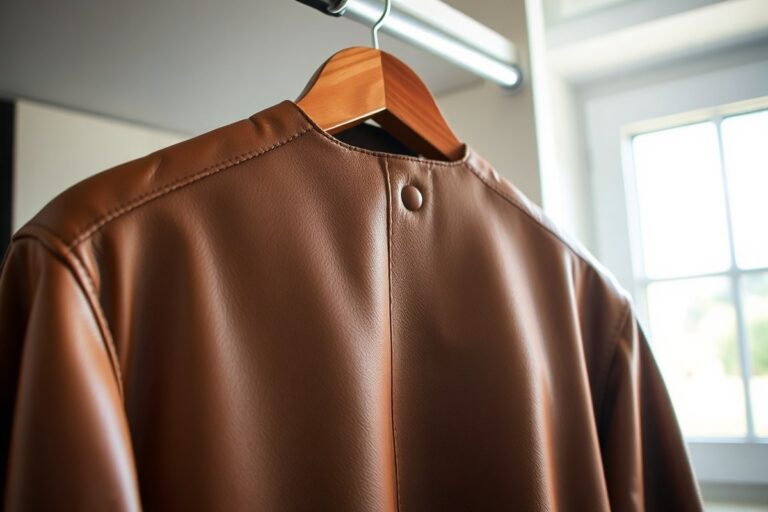
Leather needs gentler care to avoid drying or cracking. Water can damage leather, so avoid steam cleaning. Use a dedicated leather cleaner or mild Castile soap diluted in water. Wipe with a barely damp cloth and dry immediately with a soft towel. Conditioning leather after cleaning helps maintain its suppleness, preventing cracking and fading.
For daily upkeep, wipe down with a dry microfiber cloth to remove dust and prevent buildup. Avoid household cleaners or anything with harsh chemicals, which can strip leather’s natural oils and cause stains or shrinkage.
- Dust the leather surface with a dry microfiber cloth.
- Prepare a mild leather cleaning solution using castile soap and water.
- Dip a soft cloth in the solution and wring out excess liquid.
- Wipe the leather gently, focusing on dirty spots without soaking the surface.
- Dry immediately with a clean, dry cloth.
- Apply a leather conditioner as per product instructions to keep leather soft.
Effective Methods for Microfiber Sofas
Microfiber is durable and usually marked with W or WS codes, making it compatible with water-based cleaning. Vacuum first to remove loose debris. For stains or deep cleaning, use a mixture of dish soap and water or rubbing alcohol with a spray bottle, depending on manufacturer suggestions.
Steam cleaning works well with microfiber’s synthetic fibers but avoid over-wetting. Always keep the steamer nozzle several inches away and dry the surface thoroughly to prevent water rings. A soft-bristled brush or clean microfiber cloth helps to lift dirt during cleaning.
- Vacuum the microfiber couch thoroughly.
- Spot test your chosen cleaner: soapy water or rubbing alcohol in an inconspicuous spot.
- Lightly spray the cleaning solution onto the fabric.
- Gently scrub with a soft brush or microfiber cloth to lift dirt.
- Wipe away excess moisture with a clean cloth.
- Allow the couch to air dry completely.
- Use a steam cleaner cautiously on W or WS coded couches, maintaining a 6-8 inch distance.
4. How to Remove Stains and Spot Clean Your Couch
Removing stains and spot cleaning a couch requires the right products, a careful approach, and patience. Use either homemade solutions or commercial stain removers, always test on a hidden area first, and allow cleaners to sit just a few minutes before blotting. Different stains, like food, pet, or ink, need distinct treatments to avoid damage or spreading.
Essential Spot Cleaning Supplies
Gather a mild dish soap, white vinegar, baking soda, warm water, rubbing alcohol, clean white cloths or microfiber towels, and a soft-bristle brush. Consider enzyme-based cleaners for pet stains, such as Bissell Professional Pet Stain & Odor Remover, suited for water-safe fabrics. Have a vacuum with upholstery tools ready to remove loose dirt and hair before starting.
Spot Cleaning Checklist Before Treating Stains
Start by vacuuming all couch cushions and crevices to remove crumbs, dust, and pet hair. Use the upholstery brush and crevice tool for thorough cleaning. Next, pick an inconspicuous spot, underneath the couch or behind cushions, to test any cleaning solution. Spray or dab a small amount, wait 5 minutes, then check for color changes or fabric damage. Skip any product that causes discoloration.
Step-by-Step Stain Treatment Process
Follow this routine to clean most stains safely:
- Vacuum the couch and cushions completely.
- Mix a homemade stain remover: combine ¼ teaspoon mild dish soap with 1 cup warm water.
- Apply your chosen cleaner directly onto the stain; avoid over-saturating the fabric.
- Let the solution sit for up to 5 minutes to break down the stain; longer for pet urine or odor stains (up to 10 minutes).
- Blot gently with a clean white cloth, pressing straight down to avoid rubbing the stain deeper.
- Use a damp cloth (water or rubbing alcohol depending on stain type) to lift residual cleaner or stain.
- Let the spot air dry completely before sitting or replacing cushions.
Customized Tips for Different Stains
Food and Drink Stains: Treat fresh stains immediately by blotting with a damp cloth before applying soap solution. Avoid rubbing, which spreads the stain.
Pet Urine and Odor Stains: Use enzyme cleaners that break down the organic matter causing odor and discoloration. Apply, wait 5, 10 minutes, then blot. After drying, sprinkle baking soda, let sit 20 minutes to an hour, then vacuum to reduce odor further.
Ink Stains: Apply rubbing alcohol sparingly to a white cloth; blot ink gently. Use a damp cloth afterward to remove excess alcohol. Test on fabric first to prevent damage.
What to Do When Stains Don’t Lift
Persistent stains may need repeated treatments or stronger commercial products designed for upholstery. Avoid applying too much liquid, which can cause watermarks or fabric warping. If stains remain after multiple attempts, opt for professional upholstery cleaning to prevent damage. Always ensure the couch is completely dry between attempts to avoid mildew or mold growth.
5. How to Remove Pet Hair and Crumbs from Your Couch Quickly
Removing pet hair and crumbs quickly keeps your couch looking fresh and prevents debris buildup that can cause stains or fabric damage. For day-to-day maintenance, use a lint roller or a vacuum with an upholstery attachment to remove loose hair and crumbs. Lint rollers are especially effective for grabbing pet hair on most fabric types, while vacuum attachments reach deep into crevices where crumbs hide. Aim to do this daily or at least several times a week to avoid heavy accumulation.
Vacuuming with the correct tools is essential. Use a handheld vacuum or the hose attachment on your regular vacuum cleaner, equipped with a brush or upholstery nozzle. This method generally cleans faster and deeper than lint rollers, especially on couches with removable cushions. Make sure to vacuum both sides of cushions and the areas beneath them. Lint rollers are handy for quick spot cleaning or when you don’t want to haul out the vacuum.
Natural fabrics like cotton or linen can tolerate gentle brushing or using a lint roller regularly, but avoid harsh scrubbing as it may cause stiffness or wear out the fibers faster. A soft-bristle brush attachment on your vacuum is usually safe for these fabrics.
- Daily: Use a lint roller to pick up pet hair and visible crumbs.
- Weekly: Vacuum the entire couch, including under and between cushions, using an upholstery or pet hair attachment.
- Spot clean spills immediately with a damp cloth to prevent stains.
- Empty vacuum canisters or replace bags often to maintain suction power.
- Brush natural fabric gently to avoid fiber damage.
- Consider a handheld pet hair vacuum for faster hair removal if you have shedding pets.
- Clean vacuum filters regularly to prevent clogging.
Vacuuming regularly costs only your time and minimal electricity. A good handheld vacuum with upholstery attachments typically costs $50 to $150. Lint rollers come in multi-packs for around $10 to $15, making them a low-cost option. Effective removal results in a couch free of visible hair and crumbs, reducing stain risk and keeping fabrics smooth. Not removing debris can cause buildup that traps stains and odors, making cleaning harder later.
Don’t forget to vacuum under cushions and in seams where crumbs and hair often collect unnoticed.
6. How to Deodorize Your Couch and Eliminate Lingering Odors
Baking soda is one of the simplest and most effective natural deodorizing agents for your couch. It works by absorbing and neutralizing odors rather than just masking them. To deodorize your upholstery with baking soda, sprinkle it generously over the entire surface of your clean, dry couch. Let the baking soda sit for at least 15 minutes; for stronger odors, you can leave it for 30 minutes or even longer. After the waiting period, vacuum the couch thoroughly to remove the baking soda along with the absorbed smells. This method is especially useful for getting rid of pet odors, spills, and general fabric smells.
Steam cleaning is another effective way to remove odors, particularly for water-safe fabric couches. The heat and moisture from a steam cleaner help kill odor-causing bacteria and loosen trapped dirt within the fibers. When using steam, avoid saturating the upholstery to prevent mildew growth. Allow the couch to dry completely in a well-ventilated area afterward to ensure that no moisture lingers, which could lead to new odors.
Commercial deodorizing sprays designed specifically for fabric upholstery can also help eliminate lingering smells. Products like GH Seal Star Tide Antibacterial Fabric Spray or GH Seal Star Febreze Fabric spray sanitize the fabric while neutralizing odors. These sprays work best after your couch is clean and dry. Lightly mist the surface and allow it to air dry. Follow the manufacturer’s instructions for the best results, and always test on a small, hidden area first to check for any discoloration or damage.
For couches labeled with a W cleaning code, adding 1 tablespoon (15 mL) of white vinegar or baking soda to your water cleaning solution can boost odor neutralization during the cleaning phase. Vinegar is a natural deodorizer but may leave a slight smell until it fully dries. The key is to not oversaturate the fabric to avoid watermarks or lingering moisture.
After deodorizing with baking soda or sprays, expect your couch to smell fresher and cleaner. If odors persist despite these efforts, it could indicate deep-seated issues such as mold or trapped pet urine, which might require professional cleaning. Regular vacuuming also helps minimize odor buildup by removing bacteria and particles trapped in the fabric before they cause smells.
7. How to Deep Clean Couch Cushions and Removable Covers
Start by removing any cushion covers that can be taken off. Washing these covers regularly every 6 to 12 months helps maintain your couch’s appearance and hygiene. For cushions without removable covers, use targeted deep cleaning methods depending on their material. Proper drying is key to prevent shrinking or fabric damage.
Washing Removable Couch Covers Safely
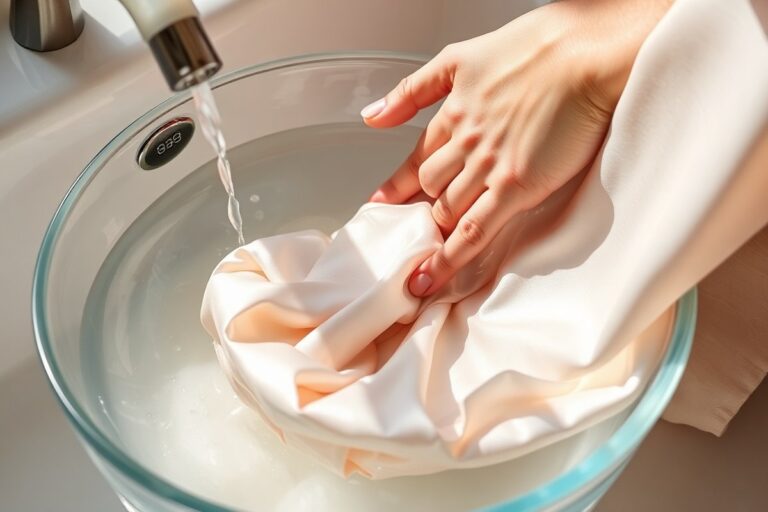
Check the care labels on your removable covers before washing to avoid damaging fabric or colors. Most washable covers can go into a machine, but follow the specific instructions about water temperature, detergent type, and washing cycle. Avoid detergents with lighteners or brighteners to preserve fabric colors.
Turn covers inside out and zip them closed to protect seams during washing. Use hot water if the label allows, as it cleans better, but moderate the temperature if you see warnings. Use cleaning solutions conservatively because excess soap can be hard to rinse out and damage both fabric and your washing machine.
- Remove cushion covers carefully, unzipping all zippers.
- Inspect care labels for recommended washing temperature and cycle.
- Turn covers inside out and zip to protect seams.
- Choose a mild detergent without brighteners or bleach.
- Set washing machine to a gentle or normal cycle at the appropriate temperature.
- Start the wash, using no more than the recommended amount of detergent or cleaning solution.
- Remove covers promptly to avoid wrinkles or mildew.
Cleaning Non-Removable Cushions Effectively
Cushions without removable covers require careful attention to fabric type for spot or surface cleaning. Use the cleaning method suited to your couch’s fabric code, like gentle vacuuming followed by mild, fabric-safe cleansers applied with a soft cloth.
For stubborn dirt or odors, a light spray of upholstery cleaner can help break down grime, but never soak the cushions. After cleaning, blot moisture with a dry cloth to avoid soaking padding, which can encourage mold or mildew growth.
Drying Tips to Preserve Fabric and Fit
Air drying is the safest way to dry your couch cushions and covers to prevent shrinking and fabric damage. Avoid dryers or heat sources. Lay covers flat or hang them in a well-ventilated area, turning occasionally to speed drying and maintain shape.
The drying time can range from 8 to 12 hours depending on humidity and fabric. Ensure covers and cushions are completely dry before reassembling your couch to prevent mold. Keeping drying areas away from direct sunlight also helps avoid fading or fabric stiffening.
8. When to Call a Professional Upholstery Cleaner
Knowing when to call a professional upholstery cleaner can save your couch from damage and wasted effort. You should consider expert help if your couch fabric is labeled for solvent-only cleaning or if you face severe, set-in stains that won’t budge with spot treatments. Professionals have access to industrial-grade equipment and specialized solvents that remove deep grime and old stains safely, which typical home methods and cleaners can’t match.
Delicate fabrics such as silk, velvet, or certain antique upholsteries often require professional care. These materials may react poorly to water-based cleaners, causing shrinking, discoloration, or fabric distortion. A professional cleaner uses dry-cleaning solvents and gentle techniques that are suited for such fabrics. Your couch’s cleaning code can guide you; if it states “S” or “X,” it’s safer to leave cleaning to the pros. Attempting a DIY clean on these fabrics risks irreversible damage.
Look for red flags suggesting professional cleaning is necessary: widespread stains covering cushions and arms, lingering strong odors despite deodorizing attempts, or years-old dirt buildup that regular cleaning missed. Also, if your couch stuffing feels soggy or smells moldy, professionals can assess and treat underlying issues you can’t handle at home.
Professional upholstery cleaning typically costs between $100 and $300 per service, depending on couch size, fabric type, and stain severity. Some services charge by the piece, around $40 to $75 per cushion. The investment pays off by lengthening your couch’s life and restoring its appearance more effectively than most at-home methods.
Professional cleaners employ powerful steam cleaners that reach temperatures above 200°F (93°C), stronger than home steamers, to break down deep dirt and bacteria. They also use industrial-strength dry-cleaning solvents that dissolve oily or pigment-based stains without harming delicate fabrics. These tools, combined with experienced stain identification and treatment strategies, ensure thorough results that are hard to replicate on your own.
Always test any cleaning method, even professional ones, on an inconspicuous area first to avoid unexpected damage.
Here’s a simple decision rule checklist: If your couch fabric is designated “S” or “X,” or if stains cover more than 15% of the surface and resist gentle spot cleaning after 15 minutes, call a professional. Avoid DIY methods if you notice fabric discoloration or texture change during initial tests, and consider professional help immediately. This approach prevents making problems worse and preserves your upholstery’s look and feel.
Step-by-Step Action Plan for Cleaning Your Couch at Home
Follow this plan to keep your couch clean, fresh, and comfortable without risking damage.
- Before you start: Check the couch’s cleaning code on the tag to choose the right method.
- Day 1: Vacuum the entire couch, including cushions and under crevices, to remove hair and crumbs. You’ll see less visible debris afterward.
- Day 2: Spot clean any stains using the appropriate cleaner for your fabric type. The stain should visibly lighten or disappear.
- Day 3: Deodorize by sprinkling baking soda and leaving for 15 minutes before vacuuming it up. The couch should smell fresher.
- After 1 week: Remove and wash cushion covers if removable and safe to machine wash. Covers should be clean and odor-free once dry.
- After 2 weeks: Wipe down leather couches with a damp cloth and apply leather conditioner to prevent drying. Leather will feel supple without sticky residue.
- Ongoing: Vacuum weekly and address spills immediately to maintain cleanliness and prolong couch life.
Frequently Asked Questions
Can I Clean Velvet Couches at Home Safely?
It’s best not to clean velvet couches at home since water can damage them. Professional cleaning is safer and avoids water marks or fabric harm.
How Long Does It Take for a Couch to Dry After Cleaning?
Couches usually take 8-12 hours to dry completely. Opening windows or using a fan speeds up drying time.
Is It Okay to Use Homemade Cleaners on Leather Couches?
Homemade cleaners can dry out or damage leather. Use products specifically made for leather instead.
Can I Use a Steam Cleaner on All Couch Fabrics?
Steam cleaning works on some fabrics but may damage delicate ones like silk or velvet. Follow your couch’s care label.
Should I Remove Cushions Before Cleaning the Couch?
Removing cushions helps clean deep inside and allows cushions to dry separately, preventing mold or mildew.
How Often Should I Deep Clean My Couch at Home?
Deep clean your couch every 6-12 months based on usage, spills, and pet presence for best results.
The Bottom Line
Cleaning your couch at home can save money and extend its lifespan while keeping your living space inviting. Take action today by checking your couch’s cleaning code and starting with a thorough vacuum. Regular care will keep your furniture looking and smelling its best for years to come.