How to Whiten Clothes Without Using Bleach: 9 Proven Methods That Work
You can whiten clothes without using bleach by soaking whites with natural household ingredients like baking soda, vinegar, lemon juice, or hydrogen peroxide. These options brighten fabrics gently while avoiding harsh chemicals. Soaking for 30 to 60 minutes often helps lift stains effectively before washing.
This information suits homeowners, renters, and anyone who wants bright white clothes without bleach’s risks. You’ll learn practical, non-toxic methods that work and how to apply them to keep your whites looking fresh and clean.
Key Takeaways
- Add half a cup of baking soda to your detergent to boost whitening during the wash cycle.
- Pre-soak white clothes for 30 minutes in a baking soda and water solution to remove dullness.
- Use one cup of white distilled vinegar in the rinse cycle to brighten fabrics naturally.
- Create a thick mixture by mixing baking soda with a little water, then apply it directly to stains prior to washing your clothes.
- Pour 1 cup of 3% hydrogen peroxide into the bleach dispenser to whiten without damaging fibers.
- Apply diluted hydrogen peroxide directly to stains and let sit for 30 minutes for tough spots.
1. How to Whiten Clothes Without Bleach Using Household Ingredients

Whitening white clothes without bleach is simple using common household ingredients like baking soda, lemon juice, and white vinegar. These items work gently to break down body oils, residue, and mild yellowing without harming fabric fibers. They also avoid the harsh chemicals and environmental impact of bleach. To whiten your clothes effectively, soak them in carefully prepared solutions that use the right ingredient proportions and soaking times. This approach fits well for regular maintenance or reviving yellowed or dull whites. Follow these steps to brighten your white laundry safely and efficiently:
- Fill a basin or sink with warm water: Use about 2 to 4 gallons of water at roughly 90°F to 110°F (32°C to 43°C). Warm water helps activate the whitening agents without risking shrinkage or damage to most fabrics.
- Add baking soda: Stir in 1/2 cup of baking soda for each gallon of water. Baking soda removes odor, breaks down oils, and helps lift stains gently. Always dissolve baking soda fully to avoid residue.
- Include lemon juice: Pour in 1/4 cup of fresh lemon juice per gallon of water. Lemon juice’s mild acidity whitens cloth naturally, fights yellowing, and brightens whites without harsh chemicals.
- Submerge your white clothes: Place your garments fully into the solution and ensure they’re saturated. The soaking helps loosen dirt and brighten fabric without agitation that could damage delicate fibers.
- Let them soak for 1 to 2 hours: Soaking longer than two hours may weaken fabric, so check regularly if your clothes need extra whitening. For lightly soiled or freshly washed clothes, 30 to 60 minutes may be enough.
- Rinse thoroughly: After soaking, rinse clothes well in clean, cool water to remove any leftover solution and prevent fabric stiffening from baking soda or lemon juice.
- Wash as usual or dry: You can launder the clothes normally after soaking with your regular detergent, or air dry if they are already clean and bright enough. Avoid hot dryers if fabrics are delicate.
Using white vinegar as a rinse (1 cup per wash cycle) after soaking can further remove residues and brighten whites, but it should not be mixed directly with baking soda and lemon juice in the soak due to chemical reactions. These methods cost very little, baking soda and lemon juice usually run under $1 per treatment, and they keep your clothes looking fresh without bleach’s risks. Watch for fabric labels that warn against acidic ingredients; those garments may need gentler care or oxygen-based alternatives.
2. Baking Soda, Vinegar, and Lemon Juice: Natural Whitening Explored

Baking soda, vinegar, and lemon juice whiten clothes by breaking down stains and brightening fabric without harsh chemicals. Each works through a different chemical action: baking soda neutralizes odors and loosens dirt, vinegar softens fabric and removes residue, and lemon juice’s citric acid naturally bleaches mild discoloration. They are safe for most fabrics when used correctly but require specific methods for the best results.
How Baking Soda Removes Dirt and Brightens Whites
Baking soda acts as a mild alkaline cleaner that helps lift dirt and stains from fabric fibers. Its gentle abrasiveness brightens whites by dissolving grime without damaging delicate materials. Adding half a cup of baking soda to your regular laundry detergent improve cleaning power and helps neutralize odors, leaving clothes fresher. For more targeted whitening, you can make a pre-soak by dissolving baking soda in warm water and soaking white clothes for 30 minutes before washing.
Baking soda also softens the water, which allows detergent to work more effectively. This helps prevent dingy whites caused by mineral buildup or detergent residue. It’s safe for cotton, polyester, and most synthetic blends but avoid heavy use on delicate fabrics like silk or wool as the alkaline nature might cause some weakening over time.
Using Vinegar to Soften and Whiten Clothes Safely
White distilled vinegar helps remove detergent buildup, mineral spots, and yellowing from sweat or body oils. Adding one cup to your washer’s rinse cycle brightens and softens whites without harsh chemicals. Soaking garments in a mix of equal parts water and vinegar for 30 minutes before washing can also safely reduce light yellow stains.
Vinegar’s acidic nature helps balance the fabric pH and dissolves buildup that dulls whites. It is generally safe for cotton, polyester, and most blends but should be avoided on acetate, rayon, or other delicate fibers prone to acid damage. Never combine vinegar directly with bleach or hydrogen peroxide, as this can create harmful fumes or reduce cleaning effectiveness.
Always rinse garments thoroughly after using vinegar to prevent any lingering acidity that could weaken fabric fibers over time.
Lemon Juice as a Natural Whitening and Deodorizing Agent
Lemon juice has citric acid, which acts as a natural bleach to break down stains and brighten white clothes by gently lifting discoloration. Applying lemon juice directly to stained spots or adding half a cup to the wash with detergent effectively improves whiteness. Its mild acidity also eliminates odors, making it useful for sweaty laundry.
Lemon juice works best in warm washes around 90°F (32°C) to activate the acid’s stain-fighting action without damaging most cotton or polyester fabrics. It is less suitable for delicate fabrics, which can weaken if exposed to acid repeatedly or for long periods. Using lemon juice shortly before hanging clothes in the sun amplifies whitening, as UV rays improve the acid’s bleach-like effect.
3. Harnessing Hydrogen Peroxide and Oxygen-Based Whiteners
Hydrogen peroxide and oxygen-based whiteners are mild, effective alternatives to chlorine bleach that brighten white clothes and remove stains without harsh chemicals. They work by releasing oxygen molecules that break down stains and dullness in fabrics. Using these agents correctly can keep your whites looking fresh, especially with proper soaking and washing methods.
Using 3% Hydrogen Peroxide in the Wash Cycle
Hydrogen peroxide at a 3% concentration is widely available and safe to use as a laundry whitener. Adding it directly to the wash cycle helps lift stains and brighten whites while disinfecting clothes mildly. It works well for routine whitening and can replace bleach in most cases. Follow these steps to use hydrogen peroxide in your washing machine:
- Measure 1 cup (8 ounces) of 3% hydrogen peroxide.
- Pour it into the bleach dispenser of your washing machine.
- Load your white clothes and add your regular detergent.
- Set the washer to use hot or warm water, depending on fabric care labels.
- Run the wash cycle as usual.
- Remove clothes promptly to avoid mildew.
To brighten slightly dull white clothes, mix half a cup of hydrogen peroxide directly with your detergent before washing. This approach is safe for most cotton and polyester blends, but always verify the care label on your garments first.
DIY Oxygen-Based Laundry Whitener Soak Recipe
Oxygen bleaches like hydrogen peroxide and sodium percarbonate break down stains by releasing oxygen. A soaking method gives the whitener more time to act, making it especially effective on gray or dingy whites. Combining hydrogen peroxide with washing soda improve cleaning power. Use this soak recipe to brighten several white items at once:
- Fill a plastic storage bin or bucket with 2 gallons of hot water.
- Add 1 cup of washing soda and 1 cup of 3% hydrogen peroxide.
- Optionally add 10, 15 drops of lemon essential oil for fragrance.
- Stir the solution to dissolve the washing soda completely.
- Submerge the white clothes fully in the solution.
- Soak for 1 to 4 hours depending on how dingy the clothes are.
- After soaking, wash normally in your machine with detergent.
- Dry the clothes in sunlight for additional brightening if possible.
This soak works well on cotton, linen, and sturdy synthetic fabrics. It can also help reduce yellowing and remove stubborn stains before washing. Soaking longer than 4 hours is usually unnecessary and may risk fabric damage.
Safety Precautions and Fabric Compatibility
Hydrogen peroxide is a mild bleach and disinfectant but can weaken certain fabrics if used excessively. Test on a small hidden area before full application, especially with delicate materials like silk, wool, or rayon. Avoid combining hydrogen peroxide with chlorine bleach or ammonia, as it may release harmful gases.
Wear gloves when handling concentrated hydrogen peroxide to protect sensitive skin. Always use the 3% solution for laundry, as higher concentrations increase the risk of fabric damage. Use oxygen-based whiteners only as directed and do not soak for extended periods beyond recommended times.
These whiteners are best for white and colorfast fabrics. Bright whites made from cotton and polyester respond well, while delicate or brightly dyed fabrics may fade or weaken. Follow your garments’ care instructions closely, and air dry whites in the sun when possible to improve whitening.
4. Sunlight and Air Drying: Natural Whitening and Brightening
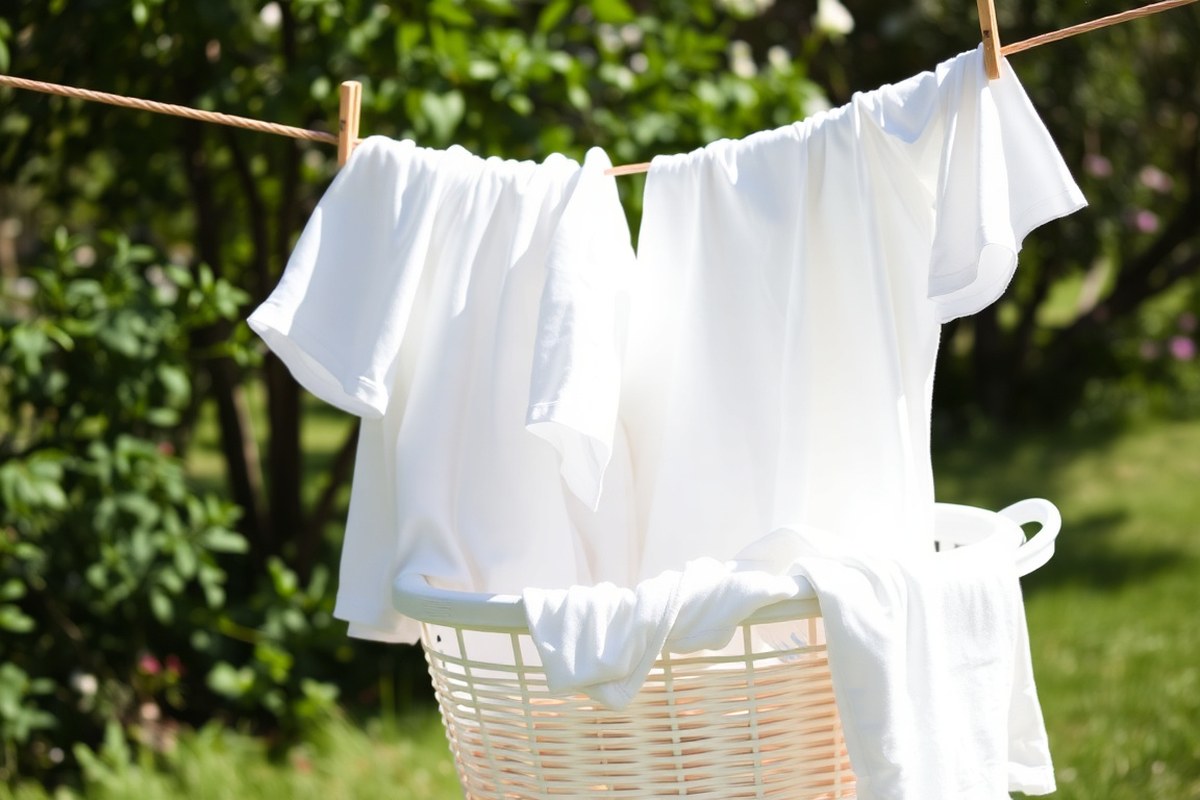
Sunlight brightens white clothes by using ultraviolet (UV) rays to break down stain molecules and make fabric fibers appear whiter. Placing your clean white laundry outside in sunlight exposes it to UV rays that lighten the fabric naturally without strong chemicals. This method works well after laundering with mild bleach substitutes or treating stains gently.
The best way to use sunlight for whitening is to hang clothes on a clothesline or drying rack in an open, sunny spot where air can circulate freely. Avoid bunching clothes together or drying them in shaded or enclosed areas, which reduces exposure to UV radiation and slows drying. Timing plays a big role too: aim to hang your whites in the sun for at least two to four hours when UV intensity is highest, generally between 10 a.m. And 3 p.m.
Natural air drying complements sunlight’s whitening by helping moisture evaporate at a steady pace, which prevents musty smells often associated with damp laundry. Drying outdoors also avoids the heat damage that can occur in a dryer, protecting fabric integrity. However, prolonged exposure to intense sun and heat can weaken some fabrics and cause yellowing or fading with time. To manage this risk, limit sun exposure to a few hours when possible, especially with delicate or synthetic fabrics.
For fabrics prone to sun damage, such as silk, wool, or those with vibrant colors, dry clothes in partial shade or indoors near a bright window instead of full sun. Cotton and linen whites generally tolerate sun drying well but still benefit from flipping or rearranging partway through drying to avoid uneven light exposure. Monitor your garments for early signs of fabric thinning or color changes, which indicate you should reduce sun time.
Sun drying costs nothing beyond the time to hang and retrieve clothes and uses no electricity, making it an eco-friendly whitening method. It can also extend the freshness and brightness of your whites by neutralizing odors that wash cycles might not fully remove. For best results, avoid fabric softeners before sun drying, as they can leave residues that dull whiteness.
In climates with less sun or during seasons with shorter daylight hours, place drying racks near windows that receive direct sunlight or consider using UV lamps engineered for textile care as a supplement. Make sure clothes are clean and lightly damp to let UV light work effectively without trapping dirt or grime in the fibers. By combining thorough washing with sunlight and proper air drying techniques, you can maintain bright white clothes naturally, reduce reliance on bleach, and prolong the life of your fabrics.
5. Pre-Soaking and Spot-Treating Stains Without Bleach
Pre-soaking and spot-treating white clothes without bleach can effectively remove stains and yellowing by loosening dirt and targeting specific problem areas. Using natural ingredients like baking soda, lemon juice, and hydrogen peroxide helps brighten whites gently while avoiding harsh chemicals. Timing and correct application are key for good results.
Pre-Soaking Whites to Loosen Yellowing and Dirt
Pre-soaking white clothes helps break down sweat, body oils, and dirt that often cause yellowing and dulling. A mixture of warm water with either baking soda, washing soda, or a combination of lemon juice and hydrogen peroxide works well. Soaking for about one hour gives the ingredients time to lift stains before the regular wash cycle.
For example, dissolve ½ cup of baking soda or washing soda in a large basin with about one gallon of warm water. Submerge the whites fully and let them soak uncovered for 60 minutes. This process can help revive dingy fabrics by loosening trapped oils and grime.
- Fill a basin or sink with warm water (about 90°F or 32°C).
- Add ½ cup of baking soda, washing soda, or a mix of ¼ cup lemon juice and ½ cup hydrogen peroxide.
- Stir well to dissolve the powders or liquids evenly.
- Place white clothes fully submerged in the solution.
- Leave to soak for 60 minutes, stirring occasionally if possible.
- After soaking, wash clothes as usual with a regular detergent.
Do not soak clothes longer than two hours to avoid fabric weakening or color shifting.
Making Baking Soda and Lemon Paste for Stains
Creating a thick paste using baking soda and lemon juice offers a powerful, bleach-free way to spot treat collars, armpits, cuffs, or any specific stain. Baking soda gently scrubs away grime while lemon juice’s natural acidity breaks down oils and lightens discoloration.
Mix baking soda with a small amount of lemon juice until you get a spreadable paste that’s thick enough to stay on the fabric. Apply directly to stains, rubbing gently to work it in. Let it sit 15 to 20 minutes before washing normally.
- Combine 3 tablespoons of baking soda with 1 tablespoon of fresh lemon juice in a small bowl.
- Stir to form a thick, consistent paste that holds its shape.
- Apply the paste to stained or yellowed areas using a soft brush or your fingers.
- Gently rub the paste into the fabric to loosen the stain.
- Allow the paste to sit for 15 to 20 minutes to activate.
- Rinse the paste off or wash the item as usual.
Test the paste on a hidden area first to avoid any fabric sensitivity or fading with lemon juice.
Applying Hydrogen Peroxide Safely to Stubborn Spots
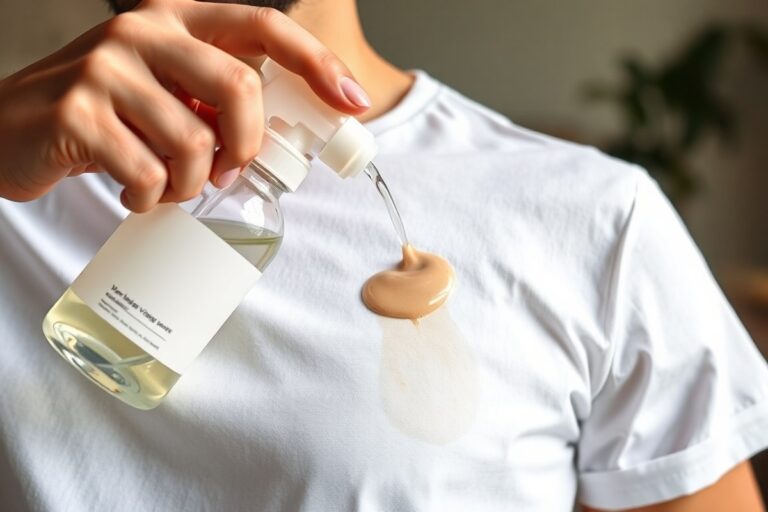
Hydrogen peroxide is a mild bleaching agent that can brighten whites and remove tough stains without chlorine bleach. Using it in combination with lemon juice and baking soda intensifies whitening power safely. It’s best applied carefully to stains using a dropper or spray bottle to avoid uneven bleaching.
For difficult spots, mix equal parts of hydrogen peroxide and lemon juice. Dabbing this mixture on stains followed by a sprinkle of baking soda creates an effective stain remover. Let it fizz and act for about 10-15 minutes before washing.
- Mix ¼ cup hydrogen peroxide and ¼ cup lemon juice in a small container.
- Apply the liquid directly to the stain with a clean cloth, dropper, or spray bottle.
- Sprinkle a light layer of baking soda over the treated area to activate fizzing.
- Let the mixture sit and work on the stain for 10 to 15 minutes.
- Rinse the spot with cold water and then launder as usual.
Avoid using hydrogen peroxide on delicate fabrics like silk or wool; always check care labels before applying.
6. Choosing the Best Whitening Method for Your Fabric Type
Choosing the right whitening method depends largely on the type of fabric you want to treat. Delicate fabrics like silk, chiffon, or lace require very gentle approaches to avoid damage, while sturdier cotton or polyester blends can handle more active whitening agents. Using harsh methods on delicate materials can weaken the fibers or even cause yellowing, which is counterproductive to your goal of brightening your clothes. Adapting whitening techniques according to fabric ensures you maintain your clothes’ lifespan and appearance.
For delicate fabrics, avoid oxygen-based whiteners or any method involving prolonged soaking in acidic solutions like lemon juice without dilution. These can break down delicate fibers. Instead, stick to mild solutions like diluted vinegar rinses or a gentle wash with baking soda mixed into the detergent. Always test whitening agents on a hidden crease first to check for any adverse reaction before treating the entire garment.
Fabric blends, such as cotton-polyester mixes, tolerate moderate whitening methods but require a balanced approach since synthetic fibers can react differently than natural ones. Use gentle hydrogen peroxide solutions or oxygen-based detergents but keep soaking times under 30 minutes and avoid high temperatures above 104°F (40°C) to protect synthetics.
| Fabric Type | Recommended Whitening Method | Methods to Avoid | Key Care Tips |
|---|---|---|---|
| Delicate fabrics (silk, chiffon) | Mild vinegar rinse, baking soda with gentle detergent | Lemon juice undiluted, oxygen-based whiteners, long soaking | Test on hidden spot; use lukewarm water; avoid vigorous scrubbing |
| Natural fabrics (cotton, linen) | Hydrogen peroxide, oxygen-based whiteners, lemon juice | Harsh bleach, undiluted acids without rinse | Soak up to 1 hour; wash in 104°F (40°C) water; rinse thoroughly |
| Fabric blends (cotton-polyester) | Diluted hydrogen peroxide, oxygen-based detergents, baking soda | High temperatures, long soaking over 30min | Wash in cool to lukewarm water; limit soaking time; gentle agitation |
| Synthetic fabrics (polyester, nylon) | Baking soda with detergent, gentle vinegar rinse | Lemon juice, hydrogen peroxide in high concentration, bleach | Use cool water; avoid strong acids; air dry away from direct heat |
To apply these methods, prepare diluted whitening solutions appropriate for your fabric type. For example, soak cotton in a mix of 1 cup hydrogen peroxide per gallon of cool water for up to an hour before washing as usual. For delicate fabrics, add 1/2 cup white vinegar to the final rinse cycle instead of soaking. Cost-wise, natural ingredients like baking soda and vinegar run about $0.05 to $0.10 per load, making them affordable while gentle on fabrics.
Good results show as restored brightness without fabric stiffening or spotting. When you see yellowing or fabric weaken, reduce exposure time and always ensure thorough rinsing to remove residue. Delicate fabrics especially benefit from air drying on a flat surface to maintain shape and softness. By matching your whitening method carefully to fabric type, you’ll preserve fabric quality while improving the appearance of your white clothes without the risks that bleach carries.
7. Common Mistakes That Dull Whites and How to Fix Them
White clothes often turn dull because of leftover detergent, fabric softener residue, or mineral buildup from hard water. These residues trap dirt and grime, making whites look gray or dingy even after washing. To prevent this, use the correct amount of detergent, usually about 2 tablespoons for a regular wash, because too much detergent doesn’t rinse out well and causes buildup. Skip fabric softeners on whites, as they can coat fibres and reduce brightness over time.
Washing whites at the wrong temperature can also make a difference. While some natural whitening methods work well in cold water, washing heavily soiled whites in water between 105°F and 140°F helps to break down oils and stains better. Avoid using hot water over 140°F, which can set stains and damage certain fabrics. Always check garment care labels to balance whitening with fabric safety.
- Using too much detergent or fabric softener leaves residue that dulls whites
- Not pre-soaking dingy whites allows stains to set and darken
- Mixing whites with colored laundry causes dye transfer and graying
- Washing whites at too low a temperature reduces stain removal effectiveness
- Overloading the washer prevents proper rinsing and spreading of detergents
- Ignoring hard water buildup leads to mineral deposits dulling fabric
Correcting these mistakes starts with sorting laundry properly and choosing a detergent designed for whites or one labeled as color-safe and gentle. Pre-soaking whites for 30 minutes in a mix of water and a whitening agent like hydrogen peroxide or baking soda helps lift old stains. For areas with hard water, add half a cup of white vinegar to the rinse cycle to break down mineral deposits and remove residue. Washing smaller loads gives clothes room to move and rinse more thoroughly, improving brightness.
White cotton and linens tolerate higher temperatures better than synthetics, so consider using warm water for these fabrics. For delicate white synthetics, stick to cold or warm water with a gentle detergent to avoid damage. Regularly clean your washing machine by running an empty cycle with hot water and a cup of white vinegar monthly to prevent buildup inside the drum and hoses that can redeposit on clothes. Following these steps helps maintain bright whites without bleach and reduces the chance of fabrics becoming gray or yellow over time.
8. Combining Whitening Agents Safely for Better Results
Using multiple whitening agents together can boost your white clothes’ brightness, but it’s important to combine them safely to avoid damaging fabrics or reducing effectiveness. For example, mixing baking soda and vinegar directly creates a fizzing reaction that neutralizes their cleaning properties rather than improving whitening. Instead, you can use them sequentially during your laundry routine for better results.
Sequencing treatments means adding one agent during the wash cycle and another in the rinse. A common approach is to add about half a cup of baking soda directly to your washing machine along with detergent. Baking soda helps remove odors, soften water, and lift stains. Once the wash cycle is near completion or done, add about half a cup of white vinegar during the rinse cycle. Vinegar works to brighten whites and break down detergent residue without harsh chemicals.
Other agents like hydrogen peroxide or oxygen-based whiteners should not be mixed with vinegar or lemon juice, which are acidic. These acids can reduce the whitening power of oxygen-based products, so you must use them separately. Avoid mixing bleach alternatives with ammonia or harsh cleaning chemicals, even at home. Follow these steps to safely combine whitening agents for better whitening results:
- Sort your whites separately to prevent color transfer or damage.
- Set your washing machine to use warm water, around 90 to 110°F (32 to 43°C), for effective cleaning without risk to most fabrics.
- Add your usual detergent and 1/2 cup of baking soda directly to the washing drum or detergent compartment.
- Run the wash cycle normally, letting the baking soda work during agitation and soaking.
- Once the wash is done, add 1/2 cup of white vinegar to the rinse cycle compartment or manually pour it in if your machine lacks this option.
- Finish the rinse cycle and then dry your clothes, preferably in sunlight for additional natural whitening.
Never mix baking soda and vinegar in the same spray bottle or pot as the fizzing neutralizes their cleaning effects and wastes product.
This method takes advantage of the different properties of each ingredient without risking fabric damage or reduced whitening strength. Baking soda alkalizes the wash water to loosen grime, while vinegar acidifies rinse water to brighten and remove residues. It’s cost-effective and gentle enough for most cottons, polycottons, and linens but less suited for delicate fabrics like silk or wool without testing first.
9. Maintaining White Clothes Long Term Without Bleach
Maintaining bright white clothes without bleach requires a consistent laundry routine and careful fabric care. Regular cleaning prevents grime and sweat buildup that dull whites over time. You want to wash white clothes separately using warm water, between 90°F and 110°F (32°C to 43°C), which helps remove oils and stains more effectively without shrinking most cotton and polyester blends.
Use a mild laundry booster or a DIY bleach alternative, such as a combination of baking soda and hydrogen peroxide, in each wash cycle. These options gently brighten whites without weakening fibers. Adding about half a cup of baking soda to your detergent or one cup of hydrogen peroxide during washing can maintain brightness. For intense maintenance, soak white garments in a solution of 4 parts water to 1 part hydrogen peroxide for 30 minutes once every 4 to 6 weeks.
Adjust your laundry schedule by washing white clothes after 2 to 3 wears or immediately if stained. Delaying washing allows stains to set, making it harder to restore brightness later. Always pre-treat visible stains promptly with a paste of baking soda and water or a vinegar spray before washing.
- Wash whites separately using warm water and a mild detergent or DIY booster every 1 to 2 weeks.
- Soak garments monthly or as needed in a diluted hydrogen peroxide solution for extra whitening.
- Pre-treat stains immediately with baking soda paste or vinegar spray to prevent dulling.
- Limit fabric softener use, which can leave residues that build up and reduce whiteness over time.
- Air dry whites in sunlight when possible, as UV rays naturally brighten fabrics without damage.
- Store white clothes in a cool, dry place away from direct sunlight to prevent yellowing or fading.
- Rotate garments to avoid wearing and washing the same whites too frequently, preserving fabric integrity.
Proper fabric care also affects long-term whiteness. Avoid overloading your washing machine; this ensures adequate water and detergent circulation, which helps remove dirt and residues completely. Turn white clothes inside out to reduce pilling and surface wear. Use a gentle cycle for delicate fabrics or garments with embellishments to prevent damage that causes dullness.
Storing white clothes carefully is key. Keep them away from plastic bags or dark, humid spaces that encourage yellowing or mildew. Cotton and linen whites fare well in breathable cotton storage bags or drawers with silica packets to control moisture. With consistent maintenance, you’ll notice your whites stay brighter between washings, reducing the need for harsh chemicals while protecting fabric longevity.
Step-by-Step Action Plan to Whiten Clothes Without Bleach
Follow these practical steps to brighten your whites safely and effectively at home without using bleach.
- Before laundry day: Sort clothes by fabric type to choose the safest whitening method for each.
- Day 1, Pre-soak phase: For heavily stained whites, pre-soak in a mixture of water and ½ cup baking soda or 1 cup hydrogen peroxide for 30 minutes; you’ll notice stains start to lift.
- Day 1, Wash cycle: Add ½ cup white vinegar or oxygen-based whitener to your detergent in the washing machine; whites should look brighter after drying.
- After washing: Hang whites outside in direct sunlight to dry; check for improved brightness once dry.
- Weekly maintenance: Use a natural whitening booster such as lemon juice in your rinse cycle every week to prevent dullness.
- Spot treatment as needed: Apply a paste of baking soda and water on fresh stains immediately; rinse and launder as usual to avoid permanent discoloration.
- Monthly fabric check: Test your whitening methods on a hidden spot of delicate fabrics to avoid damage, especially with frequent treatments.
- After two months: Evaluate overall whiteness; adjust pre-soaking time or the choice of whitening agent based on fabric response.
Frequently Asked Questions
How to Brighten White Clothes?
Use natural ingredients like lemon juice, baking soda, or vinegar in your wash to lift dullness and stains, making white clothes look brighter without bleach. These options refresh fabrics gently over time without damage.
How to Remove Color from Clothes with Baking Soda?
Baking soda can’t fully remove dye but helps fade mild color stains by breaking down oils and residues when used as a soak before washing. It works best on small color spills or mild discoloration.
Does Dawn Dish Soap Make White Clothes Whiter?
Dawn dish soap helps remove grease and oils from clothes but doesn’t actually whiten fabrics. Use it as a stain pre-treatment for greasy spots before washing with whitening agents for better results.
What Can I Use for My White Clothes If I Don’t Have Bleach?
Use household items like lemon juice, white vinegar, baking soda, or an oxygen-based whitener to brighten white clothes safely without bleach. Sunlight drying can also naturally whiten fabrics.
Can I Use Hot Water to Whiten White Clothes Without Bleach?
Hot water can boost whitening but may damage delicate fabrics and set stains in some materials, so use warm or cold water for safe, effective whitening without bleach.
Does Adding Salt Help Whiten Clothes Without Bleach?
Salt can help brighten whites by removing stains during washing but is less effective than baking soda or lemon juice for whitening without bleach. Use it cautiously to avoid fabric damage.
Key Points to Remember
Whitening clothes without bleach is achievable using simple household ingredients and natural methods that protect your fabrics. Start by integrating pre-soaking and sunlight drying into your routine, then adjust treatments based on fabric type and stain severity. Taking this approach lets you maintain fresh, bright whites safely over time.