How to Get a Stain Out of a Dress Fast: 8 Proven Methods That Work
To get a stain out of a dress fast, apply a stain remover directly onto the spot, let it sit for 5 to 10 minutes, then wash as usual. Treat the stain quickly using products or home remedies tailored to the fabric type for the best results. Quick action prevents stains from setting and makes removal more effective.
This advice suits anyone dealing with unexpected spills or marks on their dresses. You’ll learn practical, proven methods for removing stains promptly, protecting your dress’s fabric, and restoring its appearance without costly professional help.
Key Takeaways
- Spray a stain remover like Zout directly on the stain and wait 5 to 10 minutes before washing.
- Use a salt and water mixture to pre-treat fresh stains by letting it sit for 5 to 10 minutes.
- Rub a drop of dish soap on the stain and allow it to set for 10 to 15 minutes before laundering.
- Soak dress stains in cold water for 30 to 40 minutes to loosen dirt and improve cleaning.
- Apply a hydrogen peroxide and baking soda paste to tough yellow stains for at least 30 minutes.
- Test stain removers on a hidden area to prevent color loss by waiting 2 to 5 minutes before rinsing.
1. How to Quickly Remove Stains from Any Dress Fabric
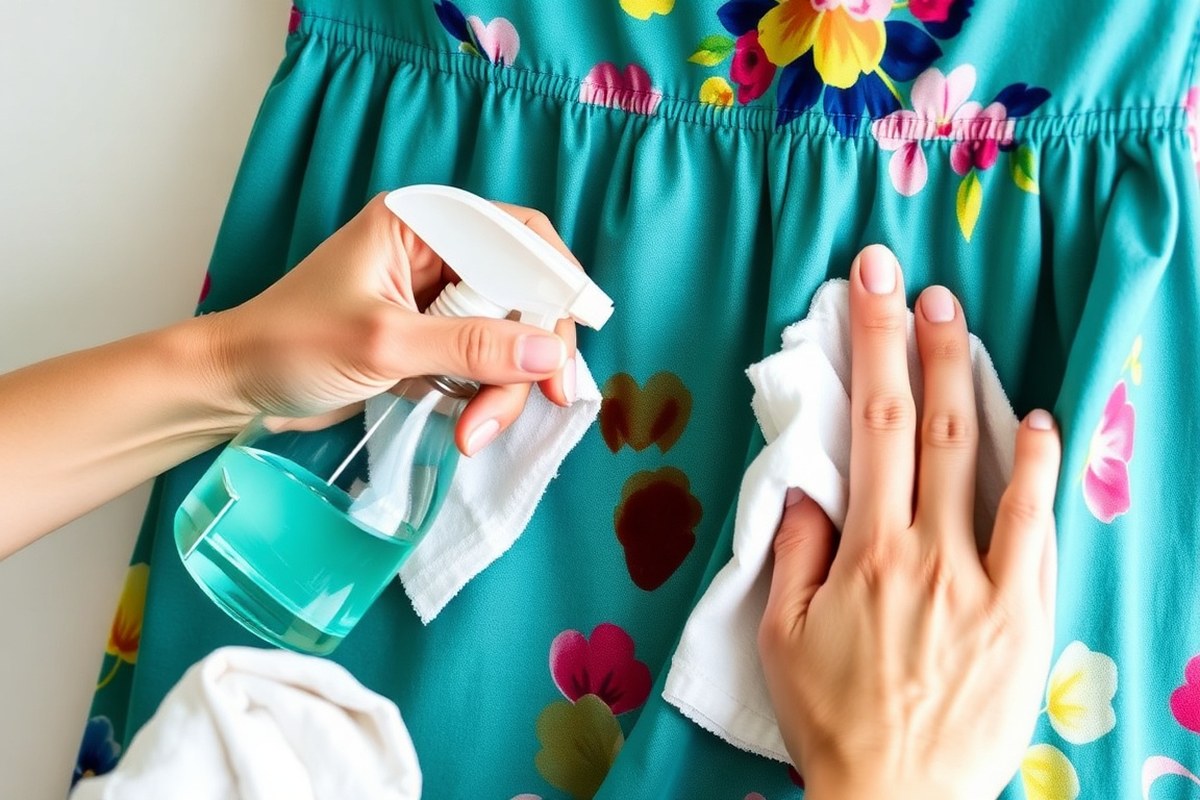
Acting fast and following a clear routine is key to removing stains from any dress fabric before they set in. Fresh stains are easier to treat and less likely to cause permanent damage. Using common household items like cold water, baking soda, or lemon juice can immediately dilute or break down the stain. Always handle the fabric gently to avoid spreading or pushing the stain deeper. Here’s a straightforward checklist to quickly start removing stains on any dress fabric the moment they happen:
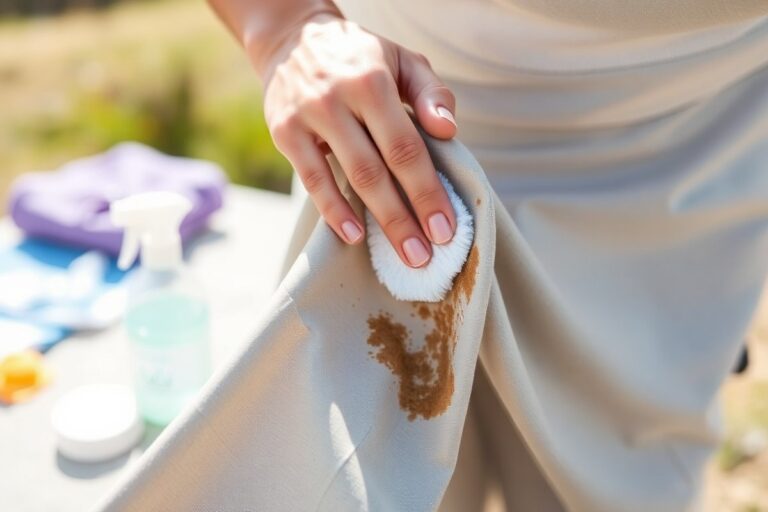
- Blot the stain gently with a clean cloth or paper towel. Avoid rubbing, which can spread the stain and embed it into the fabric.
- Run cold water through the back of the stain. For tea or coffee stains, carefully pour boiling water through the fabric until the stain begins to fade.
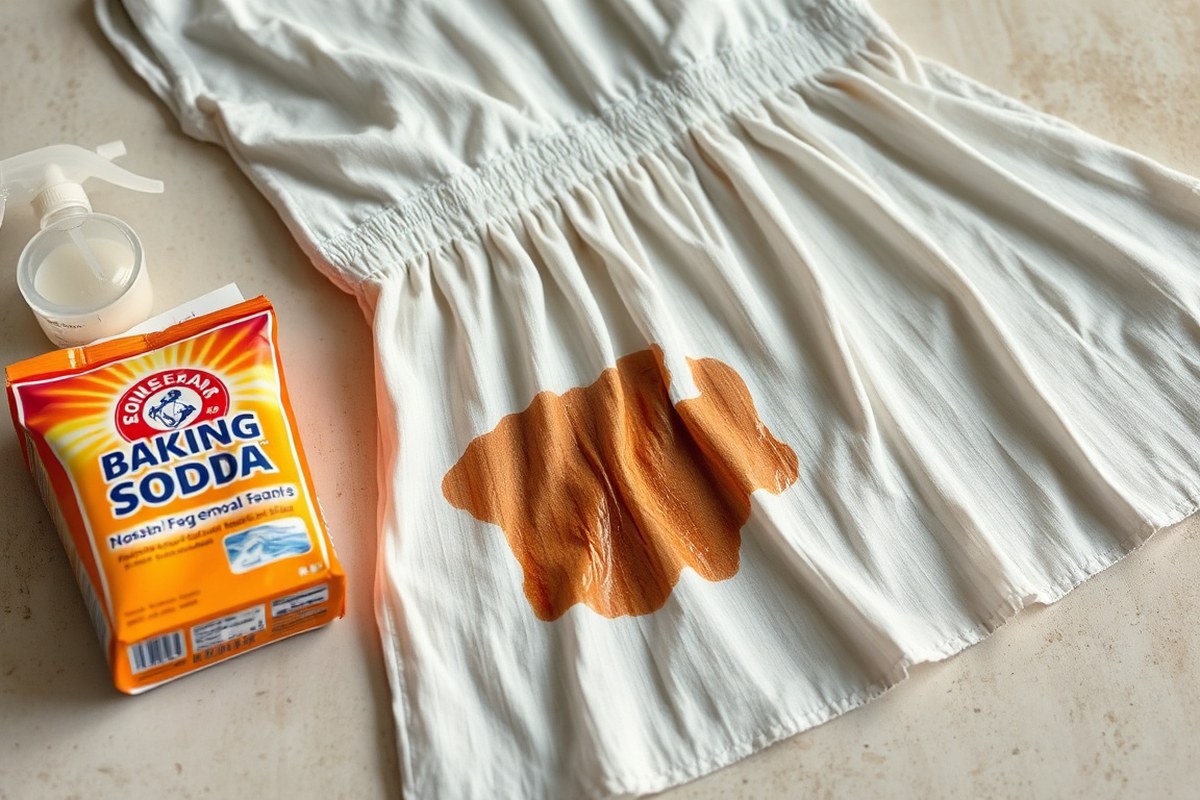
- Apply a small amount of liquid dish soap or a paste of baking soda and water. For grease or oil stains, sprinkle baking soda first to absorb excess oil before brushing it off.
- Rub a lemon slice over the stain if safe for the fabric. The natural acidity helps break down many stains quickly.
- Keep the stained area wet until you can treat it properly. This prevents fresh stains from drying and setting in the fabric.
- Test your chosen home remedy on a hidden area of the dress for colorfastness. This avoids accidental discoloration when applying treatments like lemon juice or hydrogen peroxide.
- Soak stubborn yellow or dingy stains in a 50/50 solution of hydrogen peroxide and water for about 30 minutes. For tougher stains, make a paste with 3% hydrogen peroxide and baking soda to rub into the fabric.
- Wash the dress separately after pretreating the stain. Using water temperature safe for the fabric will help avoid setting the stain further or causing color bleeding.
2. Choosing the Right Stain Removal Based on Dress Fabric
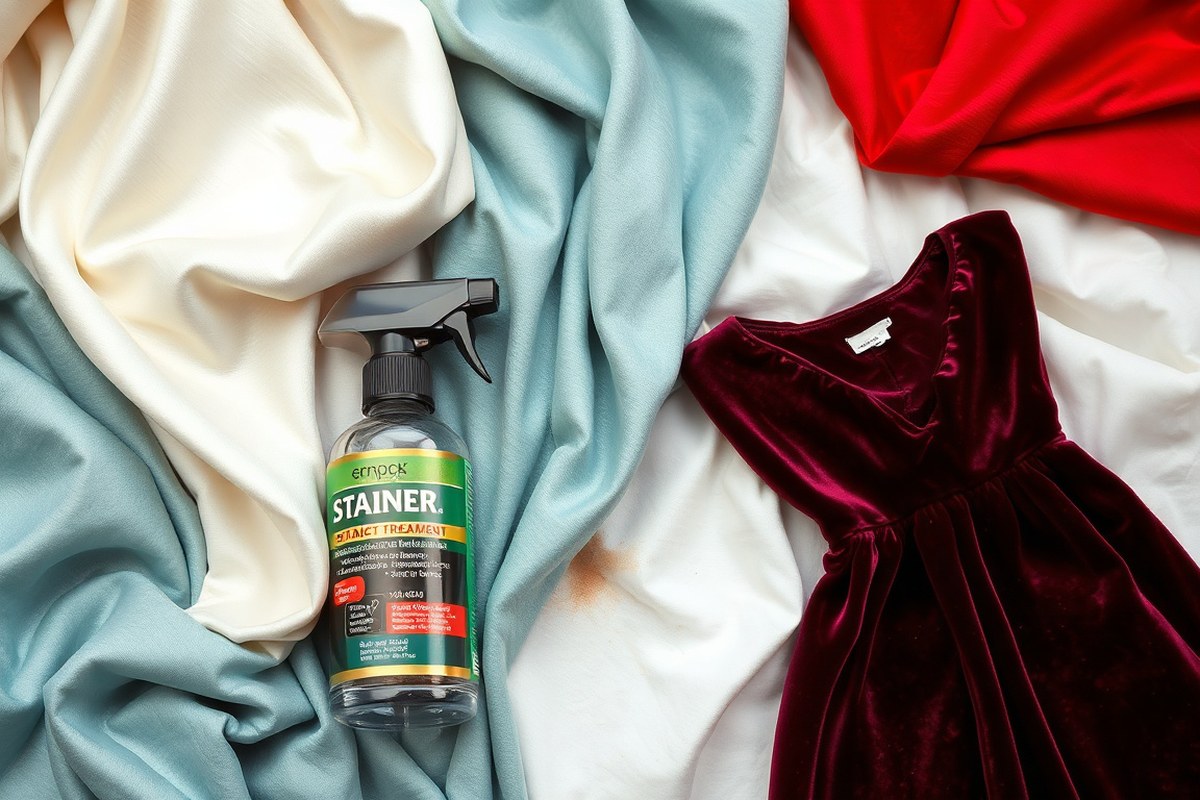
Choosing the right stain removal method starts with identifying your dress’s fabric type by checking its care label. Fabric types vary in durability and reaction to water, temperature, and cleaning agents, so treating stains without this knowledge risks damage or setting the stain permanently. Delicate fabrics like silk, wool, and lace need gentle methods, usually avoiding harsh chemicals and aggressive rubbing. In contrast, cotton and synthetic blends are generally more resilient and tolerate stronger treatments.
Some stain removal actions can harm fabric fibers. For instance, vigorous scrubbing can stretch or wear delicate materials, and hot water may shrink or fade certain fibers. You should also avoid bleach and strong solvents on fabrics labeled as requiring specialty cleaning. Following fabric-specific methods keeps your dress looking its best and reduces the chance of yellowing or fabric wear.
| Fabric Type | Safe Stain Removal Method | Water Temperature | Drying Method | Notes |
|---|---|---|---|---|
| Silk | Use gentle detergent or specialty silk cleaner; hand wash | Cold (less than 80°F / 27°C) | Air dry only | Avoid rubbing and bleach; dry cleaning preferred for tough stains |
| Wool | Use wool-specific detergent; soak gently | Cold to lukewarm (up to 90°F / 32°C) | Air dry flat | Avoid agitation and high heat; wool stain methods differ from cotton |
| Cotton | Pre-treat with detergent; machine wash | Warm (100, 120°F / 38, 49°C) | Air dry or low heat dryer | More tolerant to scrubbing and stain removers; check colorfastness |
| Synthetic fibers (Polyester, Nylon) | Use mild detergent; machine wash | Warm (100, 120°F / 38, 49°C) | Air dry or low heat | Avoid high dryer heat to prevent melting or shrinkage |
| Lace (often delicate blends) | Hand wash with mild detergent | Cold (less than 80°F / 27°C) | Air dry flat | Handle gently; avoid bleach and high heat drying |
To apply these safely, start by spotting the stain with the recommended detergent type and water temperature. Gently blot or soak rather than rub. After treatment, rinse with cold water to remove residues, then let the dress air dry away from direct heat or sunlight to prevent damage. For stubborn stains on delicate fabrics, professional cleaners with specialized equipment and solvents often provide safer, more effective results without risking your garment’s integrity.
Check the garment’s care label before starting stain removal, and never use bleach or hot water on delicate fabrics marked for specialty cleaning.
3. Effective Home Remedies for Common Dress Stains
You can use several home remedies like baking soda, rubbing alcohol, vinegar, and dish soap to treat common dress stains effectively. Each stain type, grease, wine, grass, blood, or makeup, requires a specific preparation and application method to avoid damaging the fabric and improve stain removal success.
Removing Grease and Oil Stains
Grease and oil stains from cooking or makeup respond well to treatments that absorb oil before washing. Baking soda and cornstarch act as natural absorbents that draw out excess oil from the fabric. Dish soap then breaks down the remaining grease, making it easier to wash out. Follow these steps for best results on grease or oil stains:
- Blot any excess grease gently with a paper towel without rubbing to avoid spreading the stain.
- Sprinkle a generous layer of baking soda or cornstarch over the stain and let it sit for 15 to 30 minutes to absorb the oil.
- Brush off the powder carefully to avoid embedding particles deeper.
- Apply a few drops of liquid dish soap directly onto the stain and gently rub the fabric together or use a soft toothbrush to work it in.
- Allow the dish soap to sit on the stain for 10 to 15 minutes to break down the grease.
- Rinse the area with warm water, then launder the dress according to its care label using the warmest water safe for the fabric.
- Check if the stain is gone before drying, since heat can set remaining grease stains.
Treating Wine, Coffee, and Tea Stains
Tannin-based stains like wine, coffee, and tea require acidic solutions like white vinegar or baking soda paste to break down the pigments. Using vinegar helps neutralize the stain, while dish soap assists in lifting it off the fabric fibers. For these stains, try this method:
- Blot the stain gently with a clean cloth or paper towel to remove as much liquid as possible.
- Mix one tablespoon of liquid dish soap with two cups of cold water.
- Use a clean cloth dipped in this solution to dab the stained area, then let it sit for 10 to 15 minutes.
- Soak the stained part of the dress in undiluted white vinegar for 15 minutes to help break down tannins.
- Rinse the dress with cold water, then scrub gently with liquid dish soap again if needed.
- Wash the dress as usual, using the warmest water recommended for the fabric type.
- Ensure the stain is completely gone before drying the dress to avoid permanent marks.
Lifting Grass and Mud Stains
Grass and mud stains often combine soil and natural pigments requiring two-step treatment: removing dirt and then tackling the green chlorophyll marks. White vinegar and dish soap help break down these components without harming most fabrics. To remove grass or mud stains effectively:
- Remove as much dried mud as possible by brushing it off outdoors or over a trash can.
- Rinse the stain under cold running water to get rid of dirt particles.
- Apply liquid dish soap directly to the stain and rub it in gently to start breaking down residues.
- Let the dress soak in a solution of one part white vinegar to three parts cold water for 15 minutes.
- Rinse thoroughly and check if the green stain has lessened. Repeat soaking if necessary.
- Launder the dress following its care instructions, avoiding hot water if the fabric is delicate.
- Air dry the dress and inspect for remaining marks before using a dryer, which can set the stain.
4. How to Treat Stubborn and Set-In Dress Stains
Stubborn, set-in stains require more patience and careful treatment to avoid fabric damage. Increasing treatment intensity step-by-step while monitoring the fabric can help remove tough stains without causing harm. Knowing when to soak, apply a paste, or use more aggressive methods depends on the fabric and stain age.
Assessing the Stain and Fabric Strength
Older stains sink deeper into fabric fibers, making them harder to remove. Strong fabrics like cotton and denim tolerate stronger treatments than delicate materials such as silk or rayon. Before starting, check the dress label and gently test any cleaning method on a hidden area for colorfastness and fabric reaction. Avoid harsh scrubbing since it can spread the stain or weaken threads.
For hardier fabrics, stains older than a few days may need soaking or enzyme-based cleaners. On delicate fabrics, limit treatment to spot applications and short exposure times. Missing this step often leads to color loss or fabric damage from improper stain removal attempts.
Stepwise Treatment Intensity Levels
Begin with the least invasive approach. Apply a small amount of liquid stain remover or diluted detergent onto the stain and blot gently with a clean cloth. Let it sit for 5 to 10 minutes before rinsing. When the stain remains, increase the treatment by applying a paste made from a small amount of detergent mixed with water or baking soda. This paste can sit on the stain for 15 to 30 minutes, then you gently rub with your fingers or a soft toothbrush.
When the stain persists after paste treatment, soaking the garment is necessary. Soak the dress in cold water mixed with a specialized enzymatic stain remover or detergent designed for tough stains. Soaking time varies based on the fabric: up to 30 minutes for delicate materials and 1 to 2 hours for sturdy fabrics like cotton. Avoid hot water as it can set some stains further.
Combining Treatments for Tough Stains
Some set-in stains respond better when treatments are combined. For example, after soaking, treating the stain again with a fresh paste or spot cleaning liquid can boost stain removal. Enzyme formulas are effective against protein-based stains like blood or sweat, and multiple enzyme types in a cleaner improve results on mixed stains.
Patience between steps is key. Rinse thoroughly between treatments to remove residues that could interfere with subsequent cleaning. Do not aggressively rub or machine wash the stained area until the stain is visibly reduced, to prevent fabric wear and set-in damage.
Risks of Repeated Treatments and Fabric Care
Repeated or harsh treatments risk weakening fabric fibers, fading colors, or causing shrinkage. Limit the number of treatments and avoid chlorine bleach unless the dress is white and bleach-safe. Overuse of stain removers can leave residues or cause yellowing over time, especially on sensitive synthetic fabrics.
Always check the dress after each treatment step; once the stain fades sufficiently, stop further treatments. Improper handling can turn a salvageable stain into fabric damage requiring professional intervention. Using cool or lukewarm water, gentle blotting, and following product instructions reduces these risks.
Timing Guidelines for Paste and Soaks
Allow paste treatments to remain on the fabric for 15 to 30 minutes. Any longer, especially for delicate dresses, increases the risk of fabric stress or color loss. For soaking, use shorter times for fragile fabrics, no more than 30 minutes, and longer for sturdy fabrics, up to 2 hours depending on stain severity.
Do not leave garments soaking unattended for excessive periods as this can weaken fabric and cause water stains. After soaking, rinse thoroughly in cold water and air dry flat to avoid heat setting any residual stain. This approach balances intensive stain removal with maintaining dress integrity.
5. Safe Use of Commercial Stain Removers on Dresses
Enzyme-based stain removers like Zout are often the best choice for removing stains from dresses, especially colored fabrics. These products use specific enzymes, proteases, lipases, and amylases, to break down proteins, starches, and oils. This targeted action makes them effective on a variety of stains like grass, sauces, sweat, and makeup without damaging most fabrics. Zout, in particular, is well-regarded because it is color-safe and works on both everyday clothing and delicate items, including some dress fabrics.
| Stain Remover | Best For | Application Time | Fabric Safety | Approx. Price (per bottle) |
|---|---|---|---|---|
| Zout Laundry Stain Remover | Grass, protein, oils, sauces | 5, 10 minutes | Safe on colors and many delicate materials | $6, $10 |
| Organic Stain Removers | Delicate dresses, sensitive fabrics | Follow product instructions (usually 10, 15 minutes) | Very safe on silk, wool, and fine fabrics | $8, $15 |
| General Enzyme Sprays | Protein and starch stains | 5, 10 minutes | Safe on most fabrics, but spot testing advised | $5, $12 |
For washable dresses with most stains, apply Zout spray straight to the mark and wait between 5 and 10 minutes before washing. This timing matters because sitting too long might irritate the fabric, and too little time won’t let enzymes fully tackle the stain. Wash the dress afterward using a detergent safe for colors, preferably in warm water unless the label advises otherwise. For more stubborn stains, soak the dress in cold water mixed with stain remover for 30 to 40 minutes to help lift the dirt.
Using enzyme detergents and stain removers is generally safe for colored fabrics and many delicate materials, but silk and wool may need extra care. For these fabrics, consider an organic stain remover formulated for delicate clothes or leave more stubborn stains to professionals to avoid damage. Always check fabric care labels before applying any stain remover to avoid shrinking or discoloration. Spot testing on a hidden area is recommended before full application.
In cases where the stain resists enzyme treatment, blotting gently with denatured or isopropyl alcohol before reapplying the stain remover and washing in warm, soapy water can help. This step should be done carefully to avoid spreading the stain or harming delicate fabrics. Never rub aggressively, as this can embed the stain deeper.
Always test any stain remover on a small, hidden fabric area to confirm it won’t affect color or texture before treating the entire stain.
6. Avoiding Common Mistakes When Removing Stains from Dresses
Blotting stains gently with a clean cloth or tissue is better than rubbing. Rubbing can push the stain deeper into the fabric fibers, making it harder to remove. Instead, lightly dab the stain to lift the substance without spreading it further.
Using hot water can cause some stains, especially protein-based stains like blood or sweat, to set permanently. Cold water is safer for these types of stains because it prevents heat from fixing them in the fabric. Oil-based stains respond better to warm or hot water, but check your dress’s care label first to avoid damage.
Stop and switch techniques when a stain spreads during treatment. Spreading often happens when too much liquid is applied or rubbing is too vigorous. Use a clean cloth or paper towel to absorb excess moisture toward the edges, preventing further spreading. Work from the outside of the stain inward to control size.
- Always check the dress care label before applying water or any removers.
- Use cold water for protein stains and warm water for oil-based stains only if safe for the fabric.
- Blot gently instead of rubbing to avoid embedding the stain.
- Apply stain removers sparingly and let them sit 5 to 10 minutes before washing.
- Avoid soaking delicate fabrics for more than 15 minutes to prevent damage.
- Gently absorb excess liquid before continuing treatment when a stain begins to spread.
- Test any solution on a hidden area first to check for color loss or damage.
Fixing a common mistake like rubbing can be as simple as switching to blotting with a mild detergent and cool water. To prevent setting an old blood stain, rinse it quickly in cold water rather than using hot water or a dryer. When spills spread, pause and soak up the liquid carefully instead of spreading it with your fingers. Following these steps keeps your dress safer and increases the chances of complete stain removal without damage.
7. Testing and Preventing Color Loss During Stain Removal
Testing if your dress fabric is colorfast is essential before using any stain remover. This ensures your dress won’t lose color or become discolored during cleaning. Preventing color loss means choosing gentle stain treatments, avoiding bleach on colors, and working carefully to protect your dress’s appearance.
How to Perform a Colorfastness Test
Performing a colorfastness test helps you know if a stain remover will cause fading or color bleeding. Test on a small, hidden area of the dress, like an inside seam or hem, where any damage will go unnoticed. Use this simple checklist to carry out the test:
- Select a hidden spot on the fabric, such as the inside seam or under hem.
- Dampen a clean white cotton ball or cloth with cold water.
- Add a small amount of the stain remover or cleaning solution to the cotton ball.
- Apply the cotton ball to the hidden spot, gently rubbing the fabric.
- Wait for 5 minutes to observe any color change or fading.
- Rinse the spot with cold water to remove the cleaner.
- Check the fabric and surrounding area for any discoloration or dye transfer.
- When no change occurs, you can safely treat the stain on the visible area.
Good results mean no color fading, no dye bleeding onto the cotton ball, and the fabric looks the same as before. When you see color lightening or dye loss, avoid that cleaner or choose a gentler alternative. This test usually takes under 10 minutes and requires only items you likely have at home.
Safe Stain Removal for Colored Fabrics
Colored fabrics require extra care during stain removal to avoid color fading or unevenness. Avoid bleach on colored dresses altogether because it breaks down color dyes and weakens fabric fibers. Instead, use stain removers labeled safe for colors or natural solutions like white vinegar or mild detergent in cold water.
Use cold water for rinsing and spot cleaning colored dresses. Warm or hot water can cause color bleeding and fading in many fabrics. When a commercial color-safe stain remover is on hand, follow the brand’s instructions closely, especially for amount and contact time.
For stubborn stains where you might consider bleach, avoid spot-treating just the stain. When instructions permit, dilute bleach as recommended and soak or wash the entire garment evenly to avoid patchy discoloration. Otherwise, leave bleach-based treatments to professionals to reduce risk of damage.
Signs of Potential Color Damage
Color damage often shows as light spots, streaks, or areas that look faded after treatment. When the fabric feels weaker or thinner, it may indicate the material is being damaged. Color bleeding onto a cloth or other parts of the dress indicates the dye is unstable.
Stopping treatment immediately when you see these signs helps limit damage. Avoid over-saturating the fabric with cleaners since excess moisture can cause colors to run or fade unevenly. Carefully rinsing out any stain remover after use also protects the dye from breaking down.
Expensive and delicate fabrics like silk, wool, or cashmere can show subtle yet permanent color changes even with gentle care. Professional cleaning is safest for these materials, since home methods carry higher risk of fading or shrinkage. Always check the garment label for specific care instructions before attempting stain removal.
8. When to Call a Professional for Dress Stain Removal
Stains on delicate or specialty fabrics like silk, wool, or lace often need professional attention to prevent damage. These fabrics are sensitive to water, heat, and many cleaning chemicals, making home treatment risky. For example, mud stains on silk can spread or dull the fabric if not handled correctly. If your dress label says “dry clean only,” avoid DIY methods altogether. Taking it to a reliable dry cleaner ensures the proper solvents and gentle processes are used.
Large, deep-set, or oil-based stains can be difficult to remove fully at home. Grease, motor oil, or ink stains often require solvents found in dry-cleaning fluids like K2r or Carbona, which are unsafe to use without expert knowledge. Persistent staining despite repeated home treatments signals the need for professional cleaning. Professionals will use specialized techniques to break down complex stains without harming the fabric’s structure or color. Attempting aggressive home treatments might worsen damage or set the stains permanently.
Customized dresses with embellishments, embroidery, or multiple fabric types usually demand expert cleaning. These items need careful handling to avoid loosening beads or fading embroidered sections. Also, wedding dresses and other special occasion garments often have complex stain patterns from food, wine, or makeup, plus fragile fabrics. Professional cleaners who specialize in bridal wear use tailored processes that protect these features and restore the dress’s appearance.
Nonwashable dresses and those made from delicate fibers require immediate professional intervention for stains. Home washing or scrubbing could lead to shrinkage, color loss, or fabric distortion. Instead, bring these garments to a trusted dry cleaner. Explain the stain type and what treatments you’ve tried so far; this helps the cleaner choose the right method. Some dry cleaners offer same-day service, which can be helpful if you need your dress cleaned quickly.
Professional stain removal services range from $20 to over $100 depending on the garment type, stain severity, and urgency. Though the cost is higher than home attempts, this investment often preserves the dress’s longevity and saves money on potential replacements. Good results include complete stain removal without fabric damage, maintained color vibrancy, and restored fabric texture. Poor results occur if home treatments set the stain permanently or partially faded the fabric’s color, necessitating more costly repairs.
Do not use water or household stain removers on “dry clean only” dresses; these actions can cause irreversible damage and worsen stains.
Step-by-Step Action Plan for Removing Stains from Your Dress
Follow these steps to tackle dress stains quickly and safely, minimizing fabric damage and maintaining color.
- Right away: Use a clean cloth to carefully blot the stain, soaking up any extra liquid without scrubbing. Observe whether the stain’s spreading slows down or halts.
- Within 10 minutes: Rinse the back of the stained area with cold water to push out the stain. Look for a visible lightening of the mark.
- Before applying remover: Test any stain remover on a hidden seam or fabric edge to watch for color loss or damage. Confirm the fabric’s appearance stays consistent.
- Next 15 minutes: Apply the appropriate home remedy or commercial remover based on fabric type and stain (e.g., mild detergent for silk, hydrogen peroxide for organic stains on cotton). Observe whether the stain visibly fades.
- After treatment: Wait 5 to 10 minutes, then rinse thoroughly with cold water. Make sure no residue remains and the fabric feels normal.
- Once dry: Inspect the spot in natural light to confirm stain removal and color retention. When the stain refuses to fade, try treating it again with a milder approach or consider taking it to a professional cleaner.
- Ongoing: Store dresses properly and address stains as soon as possible to prevent setting. Regularly check and treat old stains to avoid permanent damage.
Frequently Asked Questions
Does Alcohol Remove Stains?
Alcohol can remove some stains like ink and permanent marker, but it may damage delicate dress fabrics. Always test alcohol on a hidden area before applying it to the stain to avoid fabric discoloration.
Can Toothpaste Remove Stains?
Toothpaste can treat small stains like lipstick or ink on dresses, but it should be a white, non-gel type. Apply gently and rinse thoroughly, as toothpaste can be abrasive and may harm delicate fabrics.
Can Baking Soda Remove Stains?
Baking soda helps lift many stains, especially grease and sweat marks, by absorbing oils and breaking down grime. Make a paste with water for pre-treating stains, then wash as usual to improve stain removal.
How Can I Make a DIY Stain Remover for Clothes?
Mix baking soda and water into a paste to pre-treat stains, or soak stains in a 50/50 mix of hydrogen peroxide and water for whites. These ingredients target long-lasting stains and are gentle on most dress fabrics.
Is It Safe to Put a Stained Dress in the Dryer?
You shouldn’t dry a stained dress before the stain is fully removed, as heat can set the stain permanently. Air-dry the dress after treatment to check if the stain has disappeared before using a dryer.
Can Lemon Juice Help Remove Stains from Dresses?
Lemon juice can lighten many stains due to its natural bleaching effect, especially on whites. Rub a lemon slice onto the stain, then rinse and launder normally, but avoid use on delicate or dyed fabrics to prevent fading.
Key Points to Remember
You can remove most dress stains effectively by acting quickly, choosing the right treatments, and testing for colorfastness. Taking immediate care helps avoid costly fabric damage or professional services. Try addressing a recent stain today using these steps to keep your dresses looking their best.