Where to Put Vinegar in Washing Machine: Simple Steps for Best Results
Pour distilled white vinegar directly into the detergent dispenser or fabric softener compartment of your washing machine, depending on your model and goals. You can also add it to the drum during the rinse cycle to help soften clothes and reduce odors. Knowing where to put vinegar in washing machine ensures maximum cleaning and deodorizing without harm to your machine or fabrics.
This advice fits homeowners and renters wanting to improve laundry results and maintain their washing machines using vinegar. You’ll learn precise steps for different washing machines, how much vinegar to use, and the timing for best effects on clothes and the machine itself.
Key Takeaways
- Add 1/2 cup of distilled white vinegar per load for cleaning and deodorizing clothes.
- Pour vinegar into the fabric softener compartment to deliver it during the rinse cycle.
- Use 1 cup of vinegar monthly in an empty hot water cycle to deep clean your washer.
- Limit vinegar use to once every 1-2 weeks when refreshing clothes to prevent machine wear.
- Avoid pouring vinegar directly on rubber seals to prevent degradation over time.
- Use vinegar instead of detergent only on loads appropriate for natural fibers like cotton and polyester.
Where to Put Vinegar in Different Washing Machines
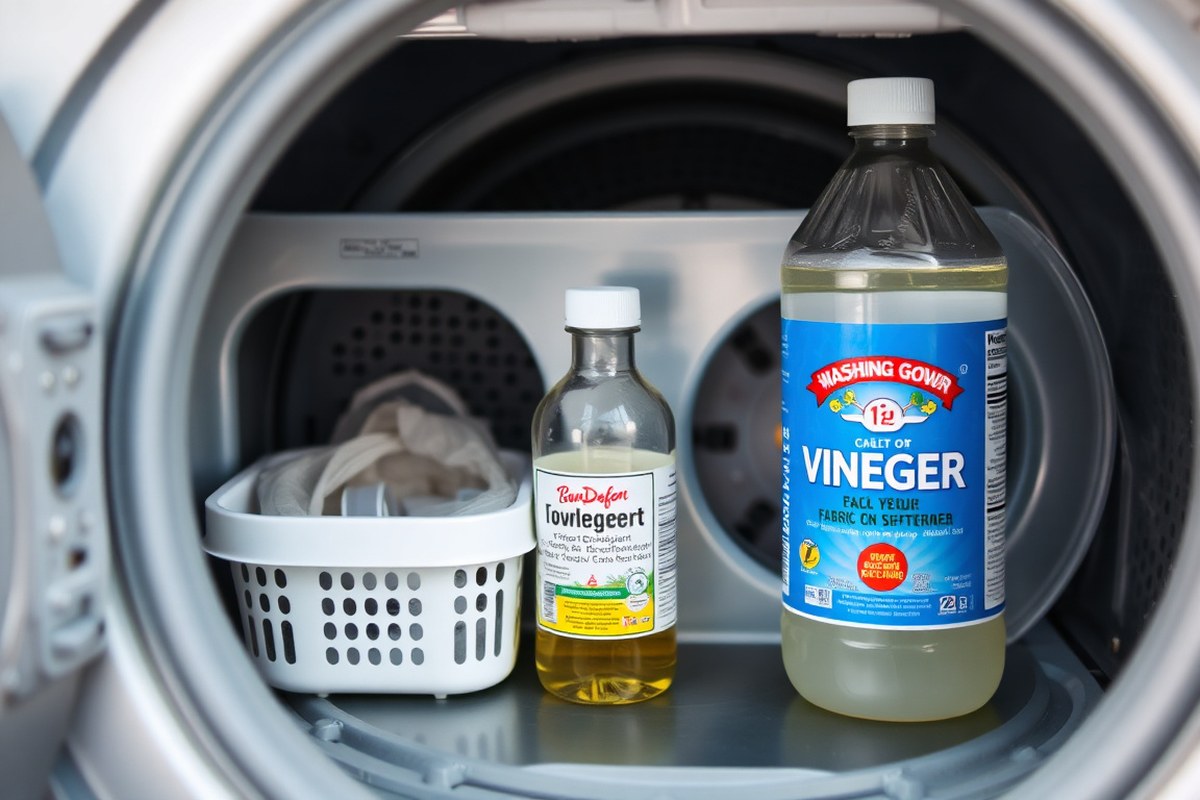
You can add vinegar to your washing machine either through the fabric softener dispenser or directly into the drum, depending on the machine type and your preference. The location varies between front-load and top-load washers, and using the right spot helps avoid damage and ensures the best results. Putting vinegar in the correct place also keeps your washing machine in good condition.
Adding Vinegar in Front-Load Washers
For front-load washers, the best place to add vinegar is the fabric softener dispenser. This compartment releases the vinegar at the right time during the rinse cycle, so it helps brighten and soften your clothes without interfering with detergents. You can also add vinegar to the detergent dispenser if you want to incorporate it earlier in the cycle, but the softener compartment is preferred.
Check your washer’s detergent drawer for sections labelled “fabric softener” or “softener.” Pour about 1/2 cup of distilled white vinegar into that compartment for typical laundry uses. Avoid mixing vinegar directly with detergent as it can reduce cleaning effectiveness or damage some detergent formulas. Front-load machines often have sealed detergent drawers, so adding vinegar to the fabric softener slot keeps it separate and controlled.
Adding Vinegar in Top-Load Washers
Top-load washers often lack dedicated fabric softener compartments like those found in front-load machines. For these washers, pour about 1/2 cup of vinegar straight into the drum before putting in your laundry. This ensures the vinegar spreads evenly throughout the cycle to help soften fabrics and eliminate odors.
Your top-load washer might have a fabric softener dispenser where vinegar can be added during the rinse phase, although many models require pouring additives directly into the drum instead. Some recommend adding vinegar right before the rinse cycle begins to avoid mixing with detergent during the wash. Pouring vinegar into the drum is simpler and effective for cleaning clothes and maintaining machine freshness.
Using the Fabric Softener Dispenser Safely
The fabric softener dispenser is designed to release liquids during the rinse cycle, which is ideal for vinegar. Pouring vinegar into this compartment prevents it from interfering with detergents and avoids prolonged exposure to washer parts that might be sensitive.
Use distilled white vinegar only, as other types may contain impurities that can cause build-up or damage. Measure 1/2 cup for regular laundry loads to avoid strong odors or excessive acidity inside the washer. Check your machine’s manual before using vinegar in the dispenser, as some manufacturers discourage additives that might void warranties or harm seals.
Pouring Vinegar Directly into the Drum
Pouring vinegar into the washing machine drum works well for both front-load and top-load washers, particularly when no softener dispenser exists or a simple method is preferred. Use 1/2 cup of distilled white vinegar in the empty drum before adding clothes to soften fabrics and remove odors.
For deep cleaning your washer, you can pour larger amounts (like 4 cups) of vinegar into the drum and run the machine empty on a hot water cycle. This helps remove limescale and residue, but for routine laundry, smaller amounts are best to avoid excessive wear or smell.
| Machine Type | Vinegar Placement | Recommended Amount | Purpose |
|---|---|---|---|
| Front-Load Washer | Fabric softener dispenser or detergent dispenser | 1/2 cup | Fabric softening, deodorizing |
| Front-Load Washer | Drum (direct pour) | 1/2 cup (laundry); 4 cups (cleaning) | Softening clothes; deep cleaning the machine |
| Top-Load Washer | Drum (direct pour) | 1/2 cup (laundry); 4 cups (cleaning) | Softening clothes; deep cleaning the machine |
| Top-Load Washer with softener dispenser | Fabric softener dispenser during rinse cycle | 1/2 cup | Fabric softening, deodorizing |
Using the fabric softener dispenser offers controlled release during rinsing, while pouring vinegar directly into the drum allows flexible timing. Both methods avoid mixing vinegar with detergent for the best cleaning and fabric care. The choice depends on your machine model and whether you want vinegar to act during wash or rinse cycles.
How Much Vinegar to Add for Different Loads and Goals
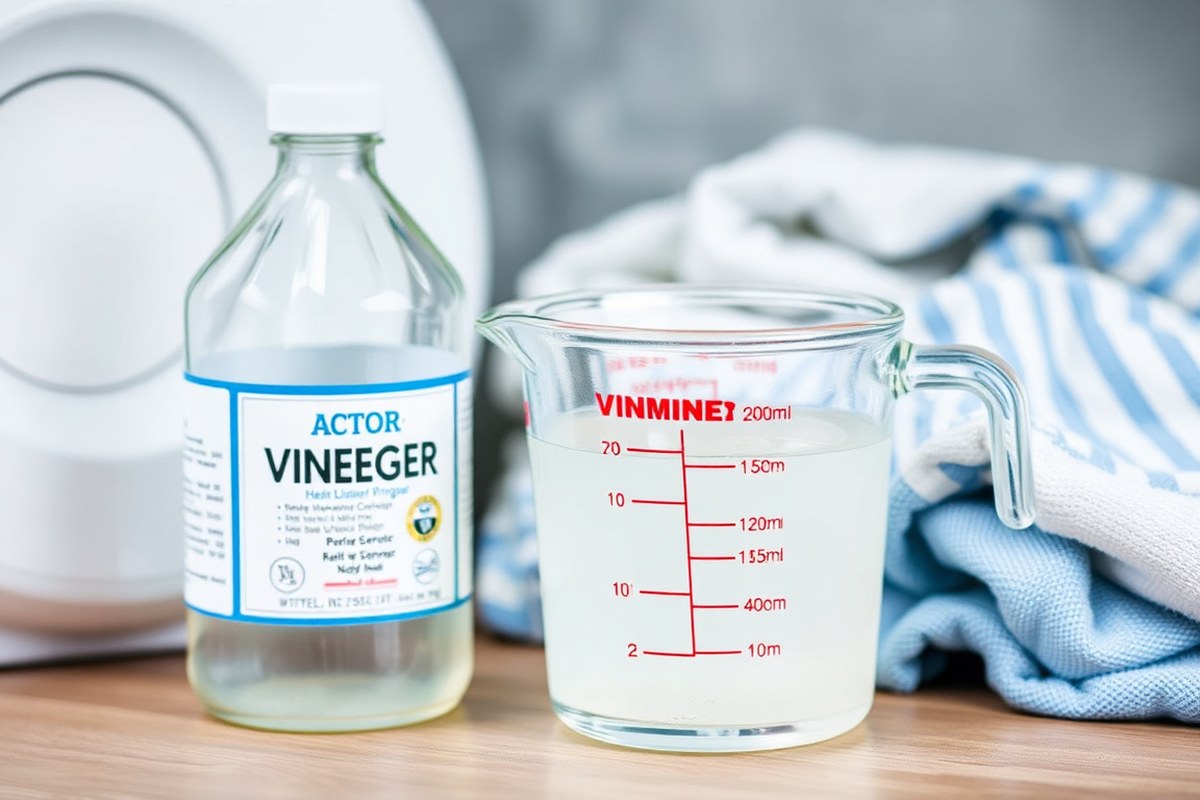
Use vinegar in your washing machine according to both the load size and your laundry goal, such as deodorizing or fabric softening. Adding the right amount ensures effectiveness without wasting vinegar or harming your clothes. Smaller loads require less vinegar, while larger or heavily soiled loads need more.
For routine softening, less vinegar is enough, but odor removal or mildew treatment calls for doubling that amount. Measuring accurately before adding it to your washer keeps your laundry fresh and your machine running smoothly.
| Load Size | For Fabric Softening | For Odor / Mildew Removal |
|---|---|---|
| Small Load | 1/4 Cup | 1/2 Cup |
| Medium Load | 1/2 Cup | 1 Cup |
| Large / XL Load | 3/4 Cup | 1.5 Cups |
Use distilled white vinegar, which is safe for fabrics and won’t cause bleaching or damage. Pour it in during the rinse cycle or through the fabric softener dispenser if your washer has one. This keeps the vinegar from disrupting the detergent in the wash cycle while boosting its ability to soften clothes and remove odors.
Use only regular distilled white vinegar, not cooking or cleaning vinegar, to avoid damage to fabrics or your washing machine.
Following these measurements and timing helps avoid excess vinegar buildup that could leave residues or degrade rubber seals over time. Adjust the vinegar amount slightly depending on how heavily soiled clothes are or how strong the odors you want to remove. Consistently using the right quantities supports longer-lasting freshness without extra expense or risk to your laundry.
When to Add Vinegar During the Wash Cycle for Best Effect
Add vinegar during the rinse cycle to soften fabrics and reduce odors effectively. For pre-treating strong odors or deeply embedded dirt, use vinegar in a soak before the main wash. Running vinegar through a full cycle on an empty washer helps clean the machine but is less about laundry results.
Adding Vinegar During the Rinse Cycle
The best time to add vinegar for fabric softening and odor neutralizing is during the rinse cycle. This avoids any interaction between vinegar and detergent, which can cancel each other out. Use the fabric softener compartment if your machine has one, so the vinegar releases automatically at the right time.
Adding between 1/2 and 1 cup of distilled white vinegar to the fabric softener dispenser allows it to release during the last rinse cycle. This softens garments and removes odors like mildew or pet smells while keeping detergent effective.
- Use a measuring cup to measure and pour between 1/2 cup and 1 cup of distilled white vinegar.
- Pour the vinegar into the fabric softener dispenser compartment before starting the wash.
- Start the washing machine on your usual cycle.
- The machine will automatically add the vinegar during the rinse cycle.
- Allow the cycle to finish and remove your laundry.
Pre-Wash or Soaking with Vinegar
For stronger odors like sweat or gym clothes, soaking garments in a water and vinegar solution before washing is effective. This breaks down oils and bacteria trapped in synthetic fibers. Use a clean basin or bucket for soaking to prevent cross-contamination.
Use about 1 cup of vinegar mixed with enough water to cover the clothes. Soak for 30 minutes to an hour before washing with detergent. This method supports better odor removal when machine washing alone does not suffice.
- Fill a basin or bucket with enough water to fully submerge your laundry.
- Add 1 cup of distilled white vinegar to the water.
- Place the smelly or oily clothes into the solution.
- Let them soak for 30 to 60 minutes at room temperature.
- After soaking, transfer clothes to your washing machine and wash as usual with detergent.
Full Cycle Cleaning with Vinegar
Running vinegar through a full washing cycle clear of clothes helps clean and deodorize the machine itself, but it is different from laundry treatment. Pour 1 cup of vinegar directly into the drum or detergent compartment on a hot water cycle. This removes buildup and combats mildew inside the machine. Using vinegar in this way improves washing machine hygiene and reduces musty smells, but it is typically done monthly or as needed rather than with every load.
- Ensure the washing machine is empty.
- Pour 1 cup of distilled white vinegar into the washing machine’s drum or detergent section.
- Set the machine to a hot water cycle.
- Start the cycle and let it run completely.
- Wipe down seals and the drum after the cycle finishes.
- Use this cleaning method monthly or if you notice musty odors.
Using Vinegar Safely with Other Laundry Products
Using vinegar with other laundry products requires caution to avoid damage to your washing machine and prevent harmful reactions. Vinegar, a mild acid, can safely be mixed with most detergents and fabric softeners when used properly. It helps balance pH levels in the machine and can boost cleaning efficiency without causing harm. However, never combine vinegar directly with bleach or products containing bleach. This mixture creates toxic chlorine gas, posing serious health risks.
To use vinegar safely in your laundry routine, add it separately from detergent and bleach. For example, if you use bleach, run a complete wash cycle with bleach first. Then, on a separate cycle, add vinegar to help neutralize any remaining chemicals and freshen your machine. Avoid pouring vinegar into the bleach dispenser or mixing it with bleach in the same wash.
You can also combine vinegar with natural laundry additives like baking soda, but timing matters. Adding baking soda and vinegar simultaneously causes a fizzy reaction that reduces their effectiveness. To get the best results, add baking soda along with detergent at the start of the cycle and then add vinegar during the rinse cycle. This sequence avoids clashing chemicals and allows both to work as fabric softeners and odor neutralizers.
Use distilled white vinegar labeled for laundry or cleaning purposes to ensure safety and effectiveness. Avoid highly concentrated vinegar solutions, which may be too harsh for your machine’s components. Using about half a cup (120 mL) of vinegar per load as a fabric softener or cleaner is typical. Excessive or frequent vinegar use can wear down rubber seals and hoses over time, so limit vinegar treatments to once a month or every few washes when cleaning the machine.
Follow your washing machine’s manual instructions on where to add vinegar. Generally, vinegar should be poured into the fabric softener dispenser or during the rinse cycle, not with the detergent chamber. This placement prevents unwanted chemical reactions and protects your machine’s parts. This approach allows vinegar to act as a natural softener and helps remove detergent residues and mineral buildup safely.
In summary, vinegar is safe with detergent and fabric softeners if added at the right time and place. Never mix vinegar with bleach directly. Separate bleach and vinegar washes, and add baking soda and vinegar at different times during the cycle. Use moderate amounts of vinegar formulated for laundry, and follow your washer’s guidelines to maintain machine health and laundry quality. This care will help you enjoy vinegar’s benefits without risks or damage.
Preventing Washing Machine Damage When Using Vinegar
Vinegar can be helpful for your washing machine and laundry, but it requires care to avoid damage. The acidity in vinegar, especially stronger types like apple cider vinegar, can wear down rubber seals, gaskets, hoses, and metal parts over time if used excessively or undiluted. Protecting these components preserves your machine’s lifespan and prevents leaks or mechanical issues.
Check your washing machine’s manual first, as some manufacturers advise against vinegar use to maintain warranty coverage. When vinegar is approved, use it sparingly. Measure 1/2 to 1 cup per load precisely; overpouring raises acidity levels that may accelerate rubber deterioration. For regular laundry, this amount is enough to freshen clothes and help prevent mineral buildup without harsh effects on the machine’s parts.
For deep cleaning cycles aimed at removing limescale or detergent residue, avoid frequent vinegar use. Limit these treatments to once a month or less. Excessive deep cleaning with vinegar can dry out or crack rubber seals and corrode metal components inside the machine, leading to costly repairs. After a vinegar cleaning cycle, run a rinse-only cycle with water to dilute and flush out residual acid.
Signs that vinegar may be harming your washing machine include cracks, sticky surfaces, or brittleness in seals and hoses, plus unusual leaks around door gaskets or hose connections. Monitor these parts regularly, especially if you notice a vinegar smell lingering after cycles. When deterioration appears, switch to gentler cleaning methods or reduce vinegar frequency and concentration.
Using white distilled vinegar is usually safer than stronger vinegars. Its milder acidity balances effective cleaning with less risk to rubber and metal. When possible, dilute vinegar further with water for spot cleaning inside the detergent drawer or rubber seals instead of full-strength application directly into the drum. This reduces contact time and limits corrosive effects.
For those with older machines or hard water areas, limiting vinegar use is especially important. Excess acid combined with mineral buildup can speed up wear on parts. Balancing vinegar use with manufacturer recommendations and occasional professional servicing can help maintain optimal performance. Monitor results by how clean clothes feel, the absence of odors, and the machine’s smooth operation over time.
Always dilute vinegar and follow manufacturer guidelines; overuse or undiluted vinegar can cause premature wear on rubber seals and hoses, leading to leaks or costly repairs.
Vinegar’s Effects on Fabrics and Color Protection
Vinegar is generally safe for many fabric types, but not all. White distilled vinegar is the preferred choice for laundry because it is clear and free of dyes or additives that could stain or damage fabrics. Avoid colored vinegars like balsamic or apple cider vinegar in your washing machine since they can leave residues or discolor garments. Vinegar works well on cotton, polyester, nylon, and blends without causing harm when used in correct amounts.
While vinegar can help preserve colors by setting dyes, it can also cause fading if used excessively or with delicate materials. For example, delicate fabrics like silk or acetate may react poorly to vinegar’s acidity. To protect colors, add no more than 1/2 cup of white distilled vinegar per load. This amount helps maintain brightness without overwhelming the fabric’s fibers or altering the dye permanently. Using too much vinegar or combining it with harsh detergents can weaken fabric strength and lead to premature wear.
To avoid fabric damage or fading, always do a small test on a hidden area before applying vinegar to an entire load. Add vinegar during the rinse cycle rather than the wash cycle to reduce prolonged exposure. This placement helps neutralize leftover detergent residues and makes fabrics softer without harsh acid contact during the detergent phase. When using fabric softeners, which often contain cationic surfactants, use a smaller amount of vinegar to prevent interfering with the softening agents.
Check garment care labels for warnings against acidic substances. Some clothes specify avoiding bleach, vinegar, or softeners. Also, keep water temperature moderate, hot water combined with vinegar sometimes accelerates color fading on sensitive fabrics. For colored loads, stick with cold or warm water and vinegar in minimal, controlled doses.
Fabric safety checklist for vinegar use: choose only white distilled vinegar, limit to about 1/2 cup per load, add during the rinse cycle, test on a hidden spot first, avoid delicate or acid-sensitive materials like silk, reduce vinegar volume if using fabric softeners, and use cool to warm water rather than hot. Following this checklist minimizes risks of fading or damage while taking advantage of vinegar’s ability to brighten colors and soften clothes.
How to Use Vinegar for Deep Cleaning Your Washing Machine
Use two cups of white vinegar in an empty washing machine on the hottest, longest cycle to clean and descale the interior safely. This process should happen about once a month to prevent buildup and odors. For stubborn residues or mildew, a follow-up cycle with half a cup of baking soda refreshes the machine without damage.
Preparing Vinegar for the Deep Clean Cycle
Gather plain white distilled vinegar, which works effectively as a natural cleaning agent. Using two cups ensures enough acidity to break down mineral deposits and soap scum without harming your machine’s components. Avoid mixing vinegar with bleach or detergent to prevent harmful chemical reactions.
Before starting, wipe the rubber gasket and detergent dispensers with a cloth dampened with vinegar. This spot cleaning removes visible grime and mildew from folds and crevices, improving the overall deep cleaning effect.
- Measure two cups of white distilled vinegar using a standard measuring cup.
- Pour the vinegar directly into the drum of the washing machine; do not add to detergent drawers.
- Wipe down the rubber door gasket and detergent dispensers with a vinegar-dampened cloth and allow to sit for a few minutes.
- Close the door to prepare for the cleaning cycle.
Running the Vinegar Clean Cycle
Set the washing machine to the hottest water setting and the longest cycle available, often labeled “tub clean” or “heavy duty.” Running this hot cycle activates the vinegar’s cleaning power by dissolving mineral deposits and killing bacteria that cause odors. Avoid placing laundry inside during this cleaning process to prevent fabric exposure to high acidity and heat.
After the vinegar cycle finishes, run a second empty cycle with half a cup of baking soda added to the drum. This step neutralizes the acid, removes remaining odors, and helps clear residual debris. Ventilate the laundry room afterwards to air out any lingering vinegar smell.
- Choose the hottest water setting and longest cycle on the machine.
- Start the machine and let it complete the cycle with vinegar inside.
- Measure half a cup of baking soda and add it to the machine drum after the vinegar cycle ends.
- Run an empty hot rinse cycle with the baking soda to clear vinegar residues.
- Leave the door open afterward to let the interior air dry completely.
Alternative Deep Cleaning Methods
Baking soda on its own offers a gentler cleaning option. Adding half a cup before running a hot water cycle helps scrub away soap scum and odors. For tougher mildew or mold, hydrogen peroxide applied manually to affected areas provides a safe disinfectant alternative.
Experts often suggest six other non-vinegar methods for deep cleaning, including commercial washing machine cleaners, bleach cycles specifically designed for top loaders, or manual removal of buildup. Because vinegar is acidic, it isn’t suitable for all machines or situations, especially those with rubber parts prone to degradation.
Consider your machine’s manufacturer recommendations before using vinegar regularly. Using vinegar too frequently or in excess may risk damaging seals and hoses. For consistent maintenance, alternating vinegar and baking soda cycles every one to two months offers cleaning power with less risk.
Tips to Maximize Vinegar Benefits and Avoid Common Mistakes
Adding vinegar to your laundry routine can boost cleaning power and keep your washing machine running longer, but it needs a careful approach. Always consult your washing machine’s user manual first. Some manufacturers advise against vinegar because its acidity might damage certain rubber seals or parts. Your manual may warn against using vinegar; in that case, consider using alternative cleaners or consult a professional before proceeding.
Watch for signs that vinegar is working well or causing issues. A fresher smell and brighter fabrics usually mean the vinegar is effective. However, persistent strong vinegar odors, residue buildup in detergent drawers, or unusual wear on machine seals could indicate problems. Performing a vinegar wash intermittently rather than every cycle helps lower risks and lets you monitor how your machine responds. Here’s a checklist to avoid common mistakes and get the best laundry results when using vinegar:
- Use white distilled vinegar only; avoid apple cider or other types with colorants.
- Measure about 1/2 to 1 cup (120 to 240 ml) per load, adjusting for load size and soil level.
- Add vinegar to the fabric softener compartment or during the rinse cycle to prevent premature reaction with detergent.
- Never mix vinegar directly with bleach or detergent in the machine as it can create harmful fumes or reduce cleaning power.
- Run an occasional empty hot wash cycle with 2 cups (480 ml) of vinegar to clean and deodorize the machine.
- Dry machine parts and seals thoroughly if you use vinegar often to reduce corrosion risks.
- Check hoses and seals regularly for signs of wear if you include vinegar often in your laundry routine.
Applying vinegar safely requires balancing the benefits, like fabric softening, odor removal, and mineral deposit prevention, with potential downsides such as rubber degradation. Notice any unusual machine noises, leaks, or deterioration after starting vinegar use? Stop and reassess. You might need to reduce the vinegar amount, increase intervals between uses, or switch to specialized machine cleaners recommended by the manufacturer. Vinegar can cut down detergent residue on fabrics, but overuse risks wear on your washing machine’s internal parts. Pay attention to how your clothes come out and inspect your washer regularly.
Never pour vinegar directly onto clothing or mix it with bleach inside the wash to avoid fabric damage and toxic fumes.
Step-by-Step Action Plan to Use Vinegar Effectively in Your Washing Machine
Follow these easy steps to get the best results from vinegar in your laundry routine, whether to refresh clothes or clean your machine.
- Before your next wash: Measure 1/2 to 1 cup of white distilled vinegar based on your load size and laundry goal (e.g., freshening or softening).
- Start of wash cycle: Pour the vinegar into the fabric softener dispenser or directly into the drum depending on your machine type.
- During the rinse cycle: Make sure vinegar is added early in the rinse for fabric protection and residue removal.
- After washing: Check clothes for softness and absence of detergent scents to confirm vinegar worked.
- Once a month: Run an empty hot water cycle with 2 cups of vinegar to deep clean and deodorize your machine.
- Regular maintenance: Avoid mixing vinegar with bleach or detergents to protect your machine’s parts.
- If you notice odors or buildup: Increase vinegar amount or frequency of cleaning cycles, but do not exceed 2 cups per cycle to prevent damage.
- Every few months: Inspect the washers’ seals and detergent dispensers for any residue, wiping with vinegar-soaked cloth if needed.
Frequently Asked Questions
Can You Put Vinegar in the Fabric Softener Dispenser?
Pouring 1/2 cup of distilled white vinegar into the fabric softener dispenser is an effective way to soften clothes and remove odors from your laundry. Always verify your washing machine’s manual to confirm vinegar is recommended for this purpose.
Can Vinegar Be Used in Laundry?
Vinegar works well in laundry as a natural fabric softener and deodorizer. Use 1/2 cup of distilled white vinegar in place of fabric softener or detergent to help clean and freshen clothes.
Is It Okay to Mix White Vinegar and Laundry Detergent?
It’s best not to mix vinegar directly with laundry detergent in the same dispenser, as the acid in vinegar can reduce the effectiveness of detergents. Add vinegar separately, either in the fabric softener dispenser or directly to the drum.
How to Wash a Washing Machine with Vinegar?
Pour 1 to 2 cups of distilled white vinegar into the detergent dispenser and run a hot water cycle without clothes to clean and deodorize the machine. This helps remove buildup and balances pH inside the washer.
Can I Add Vinegar to the Wash Cycle with Clothes?
Yes, adding 1/2 cup of vinegar during the wash cycle helps soften clothes and eliminate odors without damaging fabrics or the machine. Add it in the fabric softener compartment or directly to the drum.
Does Vinegar Help Remove Detergent Residue in Washing Machines?
Vinegar can help break down detergent residue inside the washing machine, improving rinse cycles and reducing buildup when used regularly during cleaning cycles.
Key Points to Remember
Using vinegar correctly in your washing machine helps keep fabrics fresh and machines clean without harm. Start by adding the right amount of vinegar into the fabric softener dispenser and schedule monthly machine cleanings. This simple habit extends your washer’s lifespan and improves laundry results.