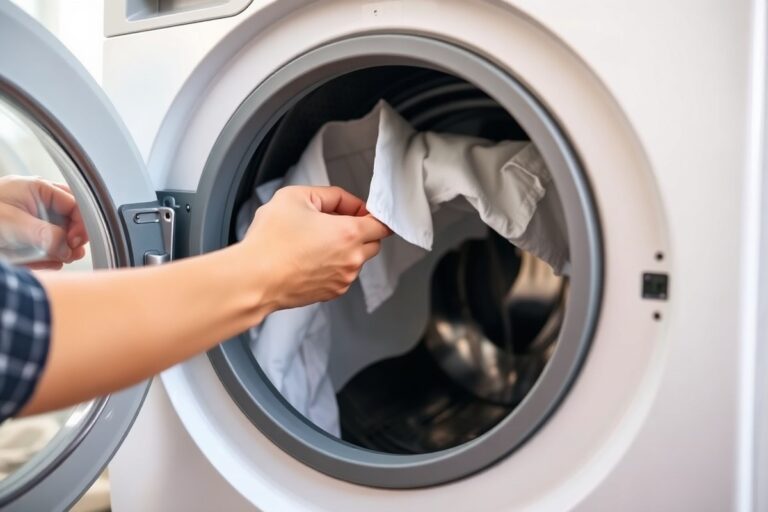
Why Do Clothes Shrink in the Dryer? A Complete Guide to Preventing It
Clothes shrink in the dryer mainly because heat, moisture, and mechanical agitation cause fibers to contract. High temperatures relax fabric tensions, letting fibers pull closer together, which reduces the size of the garment. Understanding these factors helps you prevent your favorite clothes from losing their fit.
This explanation suits anyone wanting to protect their clothes and save money on laundry. You’ll learn which fabrics shrink most, how common mistakes speed shrinkage, and effective drying methods to keep your garments their original size.
Key Takeaways
- Natural fibers like cotton shrink more in the dryer than synthetics like polyester or polyurethane.
- Drying at low heat slightly reduces shrinkage compared to standard heat cycles, about a 10% decrease.
- Filling the dryer drum only 75 percent allows better airflow and less shrinkage.
- Leaving clothes in the dryer after the cycle causes residual heat to continue shrinking fabrics.
- Proper drying techniques vary by fabric type, so adjusting settings can protect delicate materials.
- Shrinkage differs even among 100% cotton items due to weave, finish, and fabric treatment.
Why Do Clothes Shrink in the Dryer? The Science Explained
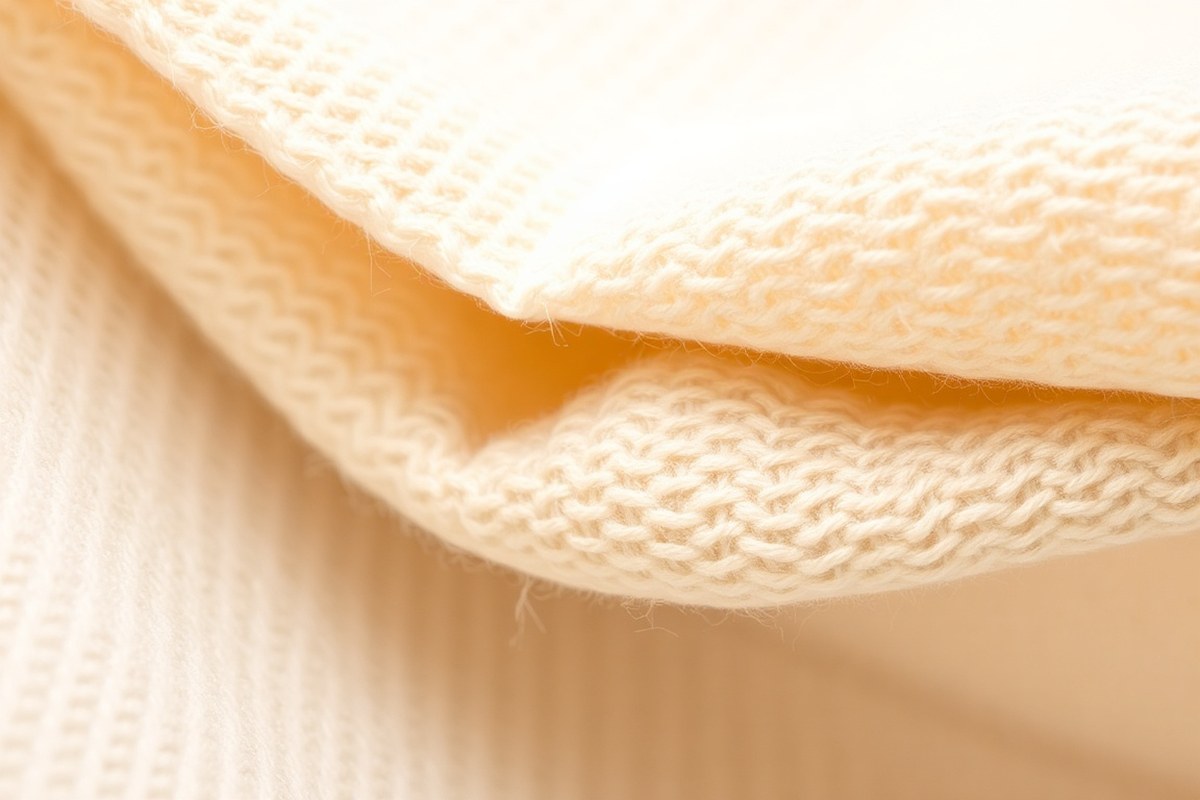
Clothes shrink in the dryer because heat, moisture, and mechanical action work together to alter the fabric structure. Heat causes the fibers in your clothes to relax and lose their tension. When the fabric is wet, its fibers swell and become more pliable. This combination allows the fibers to move closer together as the dryer tumbles the clothes, leading to a smaller overall size. A typical dryer heats to around 135°F to 155°F, which is enough to trigger this contraction in many fabrics, especially natural ones like cotton.
Not all fabrics shrink the same way or to the same degree because they respond differently to heat. Natural fibers like cotton or wool absorb moisture and then contract when exposed to heat due to their cellular structure. Synthetic fibers such as polyester tend to be more resistant because their molecules react differently to heat and moisture and maintain shape better. However, even synthetic clothes can shrink slightly if exposed to prolonged heat and tumbling, especially if they’re blended with natural fibers.
The drying time also matters. The longer clothes stay in the heat and moisture-rich environment of the dryer, the more the fibers have a chance to shorten and solidify in a smaller shape. Leaving clothes in the dryer after the cycle ends exposes them to residual heat, which can cause additional shrinkage. For example, if a cotton shirt is dried for 30 minutes at 150°F, the fibers contract significantly. If the drying time extends to 45 minutes or the items are left inside the still-warm drum, the shrinkage increases further.
Mechanical action, or the tumbling in the dryer, adds another layer of stress to fabric. As clothes rub together and hit the dryer’s drum, the fibers are agitated. This agitation helps the relaxed, moistened fibers to settle tighter together. Overloading the dryer increases this mechanical stress because clothes are pressed and dragged against each other more forcefully, accelerating shrinkage. For example, a loosely packed load reduces friction and fiber contraction, whereas an overloaded dryer can intensify shrinking effects.
To understand this scientifically, imagine a cotton fiber exposed to heat and moisture. In its relaxed state, the fiber length might be 100 units. As it heats and dries with agitation, the molecular chains in the fiber pull closer, shortening the fiber length by 3 to 5 units, or about 3, 5%. This contraction causes the entire garment to shrink noticeably. The moisture softens the fiber, heat releases the tension, and the tumbling rearranges the fibers into a denser form.
Which Fabrics Shrink Most and Why?

Natural fabrics such as cotton, wool, and linen commonly shrink in the dryer because their fibers contract after getting wet and heated. Cotton shrinks as its fibers absorb water, swell, and then shrink back during drying. Wool tightens its fibers through heat and agitation, leading to noticeable size reduction. Synthetic materials like polyester and nylon usually hold their shape better but can shrink under extreme heat or incorrect drying. The degree of shrinkage in cotton items varies depending on fiber processing, fabric construction, and fabric blends. The table below compares common fabric types by their likelihood to shrink and the main mechanisms involved in shrinkage:
| Fabric | Shrinkage Likelihood | Mechanism | Typical Shrinkage Example |
|---|---|---|---|
| Cotton (100%) | High | Fiber swelling with moisture, then contraction on drying | Jeans can shrink about 7% in length after drying |
| Wool | High | Fiber scales tighten under heat and agitation | Varies, often significant without gentle care |
| Linen | Moderate to High | Relaxation shrinkage from moisture absorption | Can shrink noticeably if dried on high heat |
| Polyester | Low | Synthetic fibers resist swelling; heat can cause limited shrinkage | About 2% shrinkage in blends; almost none in pure |
| Nylon | Low | Heat sensitive but generally stable | Minimal shrinkage under normal drying |
| Cotton-Polyester Blend | Moderate | Blend fibers shrink differently; cotton shrinks more | Polyester reduces overall shrinkage |
Different cotton garments can shrink differently because of fabric construction and pre-washing treatments. For example, single-jersey cotton is prone to shrinking the same amount regardless of dryer temperature, according to a 2003 study. Some cotton clothes might feel more durable if they contain synthetic fibers or if manufacturers pre-shrink them before sale. Wool requires special care like low-heat drying or flat drying to avoid shrinkage caused by fiber scales tightening.
Always check the care label for drying instructions, especially on natural fibers, and consider removing clothes when slightly damp to minimize shrinkage risks.
Choosing clothes with synthetic blends or buying pre-shrunk cotton can reduce unexpected shrinkage. Avoiding high dryer heat and agitation helps maintain fabric size and shape, especially for delicate wool and linen items. Treat natural fiber clothing with extra care in the drying process to protect your wardrobe investment.
How Heat, Moisture, and Agitation Affect Shrinkage
Heat, moisture, and mechanical agitation each play a distinct role in causing clothes to shrink in the dryer. Heat contracts fibers, moisture alters their size and shape, and agitation physically compresses and stresses the fabric. Understanding the influence of each factor lets you better control laundry conditions and prevent unwanted shrinkage.
Heat’s Impact on Fibers and Fabric
Heat warms fabric fibers, causing them to relax and release built-in tension from weaving and manufacturing. While this relaxation might sound like the fibers would stretch, the opposite happens: heat makes fibers contract, pulling the fabric tighter and leading to shrinkage. Dryer temperatures above 130°F (54°C) are especially risky for this contraction, with higher heat causing more permanent shrinkage, particularly in natural fibers like cotton and wool.
Controlling heat exposure is key to minimizing shrinkage. Choose the lowest effective dryer temperature or use air-dry or tumble-dry-low settings. Avoid hot water washing cycles since washing in hot water (above 120°F) also pre-exposes fibers to heat, increasing shrinkage risk.
Moisture Changes Fiber Structure
Moisture causes fabric fibers to swell and lengthen initially. Natural fibers absorb water and expand, disrupting their originally tight weave. When water evaporates during drying, fibers try to return to their original size but lose some length and flexibility. This contraction results in clothes appearing smaller or tighter after drying.
Managing moisture reduces shrinkage by limiting fiber swelling and contraction. Wash clothes in cold water to minimize fiber expansion, and avoid soaking garments for long periods. After washing, opt for gentle spin cycles to remove excess water without forcing fibers into unnatural shapes.
Mechanical Agitation and Fiber Compression
The twisting and tumbling inside washers and dryers apply mechanical agitation that physically stresses soaked fibers. This forces fibers closer together, causing deformation and irreversible shrinkage. The agitation combined with swelling fibers from moisture creates permanent tightening that worsens in high heat.
Reducing agitation during laundry helps maintain fabric shape. Use delicate or hand-wash cycles with slower spin speeds, and avoid overloading machines to prevent excessive friction. When drying, select gentle dryer cycles or air-dry to avoid the compressive force of tumbling.
- Use cold water wash or gentle cycle to control moisture impact
- Choose low-heat or air-dry settings in the dryer to limit heat exposure
- Avoid overloading machines to reduce excessive agitation
- Remove garments promptly to prevent wrinkles that worsen shrinkage
- Consider air-drying for delicate or pre-shrunk fibers
- Check garment care labels for temperature and agitation recommendations
- Use fabric softeners cautiously as they can affect fiber tension
Common Laundry Mistakes That Make Clothes Shrink
Clothes often shrink in the dryer because of common laundry mistakes like overloading the machine, ignoring care labels, and using the wrong water or heat settings. These errors increase the chances of fabric damage through excess friction, heat exposure, and water temperature. Avoiding shrinkage starts with paying attention to how you load and dry your laundry and following garment instructions closely.
Overloading Machines and Reduced Airflow
Putting too many clothes in the washer or dryer limits airflow and causes heavier tumbling, which raises fabric friction and heat. This friction can cause fibers to contract and shrink faster. Overloading also prevents water and heat from circulating evenly, so some pieces get overheated while others remain damp, increasing shrinkage risk on those overheated items.
To prevent this, load machines loosely. As a guideline, fill your washer or dryer no more than about two-thirds full. This allows clothes enough room to move freely and reduces excessive rubbing. A smaller load often means quicker drying times too, saving energy and reducing laundry wear.
Ignoring Care Labels and Temperature Warnings
Care labels exist to guide how to wash and dry different fabrics safely. Skipping these instructions leads to misuse of heat, water, and cycles that can quickly shrink garments. Each fabric has a different tolerance for temperature and tumbling, so labels help protect delicate or sensitive items. Here is a checklist for handling clothes according to their care labels:
- Always read and follow the washing temperature notation (cold, warm, hot).
- Check recommended drying method (tumble dry low, line dry, do not dry).
- Sort clothes by fabric type and care instructions to avoid mixing delicate and heavy items.
- Use gentle or delicate cycles for sensitive fabrics like silk, cashmere, or fine cotton.
- Use mild detergents recommended for delicate fabrics to reduce fiber damage.
Ignoring these steps usually results in stretched, shrunken, or damaged clothes. Pay attention to the specific warnings on the label, especially for new or expensive pieces.
Using Hot Water or High Heat Settings
High temperatures are the primary cause of shrinking. Many common fabrics, especially cotton, react strongly to hot water and drying heat by tightening up. Hot water washes combined with a high dryer setting boost this effect, leading to quicker and more significant shrinkage.
A good strategy is to wash cotton and other sensitive fabrics in cold or warm water instead. Even if you select a normal wash cycle, skip hot water to reduce shrinkage risk. For drying, always choose a low or delicate heat setting rather than high heat. Air-drying or using the dryer’s no-heat or air-fluff option can also help preserve size and shape.
The tradeoff is longer drying times with lower heat, but the cost is lower risk of ruining your favorite clothes. If you prefer using the dryer, try drying for shorter periods and check frequently.
How to Measure and Understand Shrinkage Percentage
Measuring shrinkage accurately helps you understand how much your clothes have changed after drying. This knowledge can guide you to adjust your laundry habits and protect your wardrobe from progressive shrinkage, a common issue where clothes shrink a bit more with each wash and dry cycle. Shrinkage percentage shows the reduction in size as a percentage of the original measurement, making it easier to compare changes in length and width over time.
Use a flexible measuring tape and a flat surface to track the exact shrinkage percentage. Measure your clothing before washing and drying, then measure again after using the same spots for accuracy. For length, check from a shoulder seam down to the hem. For width, measure straight across the chest under the arms.
- Lay your garment flat on a smooth surface to avoid stretching or folding.
- Measure the original length from the shoulder seam to the bottom hem using a tape measure. Write down the number in inches or centimeters.
- Measure the original width by placing the tape measure under the armpits from side to side.
- Wash and dry the garment as you normally would, noting the temperature and dryer settings.
- Lay the garment flat again after drying, placing the tape in the exact spots used earlier.
- Measure the post-dry length and width and record the numbers.
- Calculate shrinkage percentage using the formula:
Shrinkage (%) = [(Original size − New size) ÷ Original size] × 100. For example, if your t-shirt was 28 inches long and is now 26.5 inches, the shrinkage equals [(28 − 26.5) ÷ 28] × 100 = 5.36%. - Repeat measurements over time after several washes to track progressive shrinkage and adjust drying methods accordingly.
Normal shrinkage varies by fabric but typically ranges from 2% to 7%. Cotton tends to shrink more, while synthetic blends shrink less. Keeping a record of your garment’s measurements helps spot unusual shrinkage early to prevent wardrobe damage.
Always measure your clothes at the same points and under the same conditions to get consistent shrinkage data. Avoid stretching the fabric while measuring.
Best Drying Practices to Prevent Shrinkage by Fabric Type
Choosing the right drying method and settings for different fabrics greatly reduces the risk of shrinkage. Cotton and other natural fibers typically need gentler heat or air drying to keep size changes minimal. Synthetic fabrics tolerate low to medium heat better, while delicate materials should avoid machine drying when possible.
Drying Cotton and Natural Fibers Safely
Cotton shrinks mainly due to heat and moisture, so controlling dryer temperature and time helps maintain garment size. Using the dryer’s low heat setting instead of the standard one cuts shrinkage by about 10%, lowering it from around 2.1% to 1.9% shrinkage on average. This setting is the best balance between drying efficiency and preserving fabric dimensions.
For best results, remove clothes promptly when dry to avoid excessive heat exposure. Combine partial air drying with low-heat drying to limit shrinkage if you can’t dry the entire load on low heat.
Drying Synthetic and Blend Fabrics
Synthetics like polyester, nylon, and acrylic shrink much less than cotton but still benefit from lower temperature settings. These fabrics withstand low to medium heat, so setting your dryer to “Low” or “Permanent Press” is safer.
Checking the fabric care labels is essential; some synthetics specify drying temperature limits. To avoid damage and maintain fit, remove items as soon as they finish drying or even while slightly damp.
- Choose “Low” or “Permanent Press” dryer setting
- Dry in smaller loads for even heat distribution
- Turn garments inside out to protect fabric surface
- Use dryer balls to improve air circulation
- Remove promptly when dry to avoid overdrying
Using these practices reduces synthetic fabric wear and prevents shrinking or misshaping over time.
When to Skip the Dryer Altogether
Some fabrics demand air drying to keep their size and shape intact. Delicate materials like silk, lace, wool, and some rayon blends usually shrink or get damaged under any dryer heat. Air drying on a rack offers the most dimension control while still letting moisture evaporate efficiently.
When your dryer lacks a “Delicate” or “Air Fluff” setting, hang those clothes or lay them flat indoors to keep them safe. Air drying takes longer but costs nothing and eliminates shrinkage risk completely.
- Silk and lace fabrics
- Wool and cashmere items
- Rayon and acetate blends
- Delicate embroidery or beading
- Clothes labeled “Hand wash only”
For a faster alternative, some services offer specialized air drying or drying racks designed to mimic natural conditions while speeding up drying time.
Can Shrinkage Be Reversed After Drying?
Shrinkage is not always permanent, especially if you act quickly and carefully after the drying process. Fabrics like wool, cotton, and other natural fibers respond best to gentle reshaping techniques while they remain slightly damp. Synthetic fabrics, like polyester blends, tend to be less flexible for size recovery once shrunk because their fibers hold a set shape. The key is to work with moisture and warmth to relax the fibers enough for reshaping without causing further damage.
One practical method to restore fabric size involves soaking the shrunken item in lukewarm water mixed with a gentle hair conditioner or fabric softener. Use about 1 tablespoon of conditioner per quart of water and soak the garment for 15 to 30 minutes. This helps relax the fibers, making them easier to stretch. After soaking, carefully press out excess water without wringing, then lay the clothing on a flat towel.
While the garment is damp, gently stretch it back toward its original shape by pulling evenly across seams and fabric areas. Focus on length and width, but stop if you feel resistance or see seams pulling out. Pinning the edges to the towel can help hold the stretched shape as the fabric dries. Avoid using heat during this stage; air drying is best to maintain the restored size.
Another option for wool garments is to use steam from an iron held a few inches away. Steam loosens fibers for reshaping but avoid direct contact with the iron on the fabric, which can cause burning or felting. After steaming, reshape the item by hand before allowing it to dry flat. Stretchy denim or cotton garments can also benefit from this approach by reshaping while damp and then air drying flat.
Trying to restore size after clothes have fully dried might be less effective, as fibers settle and harden in their shrunken form. Immediate attention after drying works best. The process requires patience and care, and results vary depending on fabric type, shrinkage extent, and how the item was dried.
When to Trust Professionals for Laundry to Protect Clothes
You should consider professional laundry or dry cleaning for delicate, expensive, or specialty garments that risk shrinking or damage in a home dryer. Examples include wool sweaters, silk blouses, tailored suits, and items with intricate trims or linings. Professionals know how to identify fabric types and apply washing techniques that avoid agitation, excessive heat, or water exposure that cause shrinkage. Their equipment and solvents also support fabric care beyond what typical machines provide.
Professionals prevent shrinkage by using cold or low-temperature water, gentle wash cycles, and air drying or low-heat tumble drying. They often use dry cleaning processes where water is replaced with chemical solvents, eliminating moisture-related shrinkage entirely. The trained staff will also inspect labels and fabric characteristics to choose the safest method for each item.
Choosing high-quality professional services provides advantages beyond shrinkage control, such as stain removal without harsh chemicals, fabric softening, and preserving color vibrancy. You can schedule pickups or drop-off services depending on your convenience. Prices for basic washing and drying can range from $1 to $5 per pound of laundry, while dry cleaning specialty items often costs $10 to $30 per garment or more, reflecting the care involved. Use this checklist to decide when to trust professionals:
- The item is made of sensitive fibers like wool, silk, or linen.
- Garments have detailed construction, like embroidery or beading.
- Labels specify dry cleaning only or warn against machine drying.
- Clothes are expensive or hold sentimental value.
- Previous home washing caused shrinkage or fabric damage.
- You want to maintain perfect fit and fabric integrity for long-term wear.
Always double-check garment care tags and opt for professional help if the instructions recommend dry cleaning or air drying only.
In addition to preventing shrinkage, these services protect overall fabric integrity by reducing mechanical stress and exposure to inappropriate heat or chemicals. However, even the best service cannot reverse shrinkage if it has already occurred. Regular home care routines complement professional services by handling easy-care items correctly and reserving experts for more vulnerable pieces.
Step-by-Step Action Plan to Prevent Clothes Shrinkage in the Dryer
Follow these steps to keep your clothes looking their best and avoid unwanted shrinking.
- Before you wash: Sort clothes by fabric type to avoid mixing shrink-prone materials with others. Your clothes will shrink less when washed with similar fabrics.
- Washing day: Use cold water and gentle cycles for cotton, wool, and delicate fabrics. You’ll see less shrinkage when heat and agitation are reduced.
- Right after washing: Remove clothes promptly and reshape damp garments by hand. Clothes maintain their size better when gently stretched back to shape.
- Drying time: Use low heat or air dry settings for fabrics prone to shrinking. Check your clothes frequently during drying to catch any shrinkage early.
- First week: Avoid over-drying and take note of how your clothes react to your drying routine. Adjust the heat and drying time accordingly when shrinkage occurs.
- After 2 weeks: Evaluate your clothes’ fit and texture. When shrinking has been reduced or eliminated, continue with your current method; otherwise, consider professional laundry help.
- Monthly: Inspect your clothes’ care labels to stay aware of specific instructions as fabric blends or treatments may change over time.
Frequently Asked Questions
How Do I Prevent Clothes from Shrinking in the Dryer?
Use low heat or air-dry settings and avoid over-drying. Removing clothes promptly prevents residual heat from causing further shrinkage.
Does Washing Clothes at 40 Shrink Them?
Washing at 40 degrees Fahrenheit usually doesn’t cause shrinkage. Hotter water and drying at high heat are more likely to shrink clothes, so cool or cold washes help reduce risk.
Can Shrinking Be Reversed?
Shrinkage can’t be fully reversed, but gently stretching damp clothes may restore some size. Harsh attempts can misshape fabric, so proceed carefully to avoid damage.
Am I Getting Bigger or Are My Clothes Shrinking?
Clothes shrinking is often the cause, especially if washed or dried improperly. Check care labels and washing habits before assuming your size changed.
Do All Fabrics Shrink Equally in the Dryer?
No, natural fibers like cotton and wool shrink more than synthetics. Fabric type impacts how much heat and moisture affect shrinkage.
Can a Faulty Washer or Dryer Cause Clothes to Shrink More Than Usual?
Yes, machines that run hotter or agitate more can increase shrinkage. Regular maintenance helps keep settings accurate and protects your clothes.
Before You Go
Clothes shrink in the dryer because heat, moisture, and agitation cause fabric fibers to tighten and contract. Controlling temperature, drying time, and handling fabrics carefully makes the biggest difference in preventing shrinkage. Try adjusting your laundry and drying habits with small changes and see if your clothes keep their size better. Protecting your favorite garments can start with one careful wash or dry cycle adjustment today.