How to Get Sweat Stains Off White Shirts: 8 Proven Methods That Work
Removing sweat stains from white shirts starts with soaking the garment in a vinegar-water solution or applying a hydrogen peroxide and dish soap mixture before washing. For tougher, set-in stains, oxygen-based bleach provides a deeper clean when soaked for at least 30 minutes. These methods help restore your shirt’s brightness without harsh damage.
Anyone who wears white shirts regularly and struggles with visible sweat stains will find practical, proven solutions here. You’ll learn the difference between treating fresh and old stains, how to safely use cleaning chemicals, and natural alternatives to keep your whites looking their best.
Key Takeaways
- Soak fresh sweat stains in a 1:3 vinegar-to-water mixture for 20 to 30 minutes before washing.
- Apply a paste of hydrogen peroxide and mild dish soap to stains and let it soak for 20 minutes.
- Use oxygen-based bleach soak for 30 to 60 minutes to remove set-in yellow sweat stains.
- Wash treated shirts in cold water to prevent further stain setting and damage.
- Naturally fade stains by exposing white shirts to sunlight for about 30 minutes post-treatment.
- Avoid overusing chlorine bleach, which can weaken fabric fibers and yellow whites over time.
1. Effective Ways to Remove Sweat Stains from White Shirts
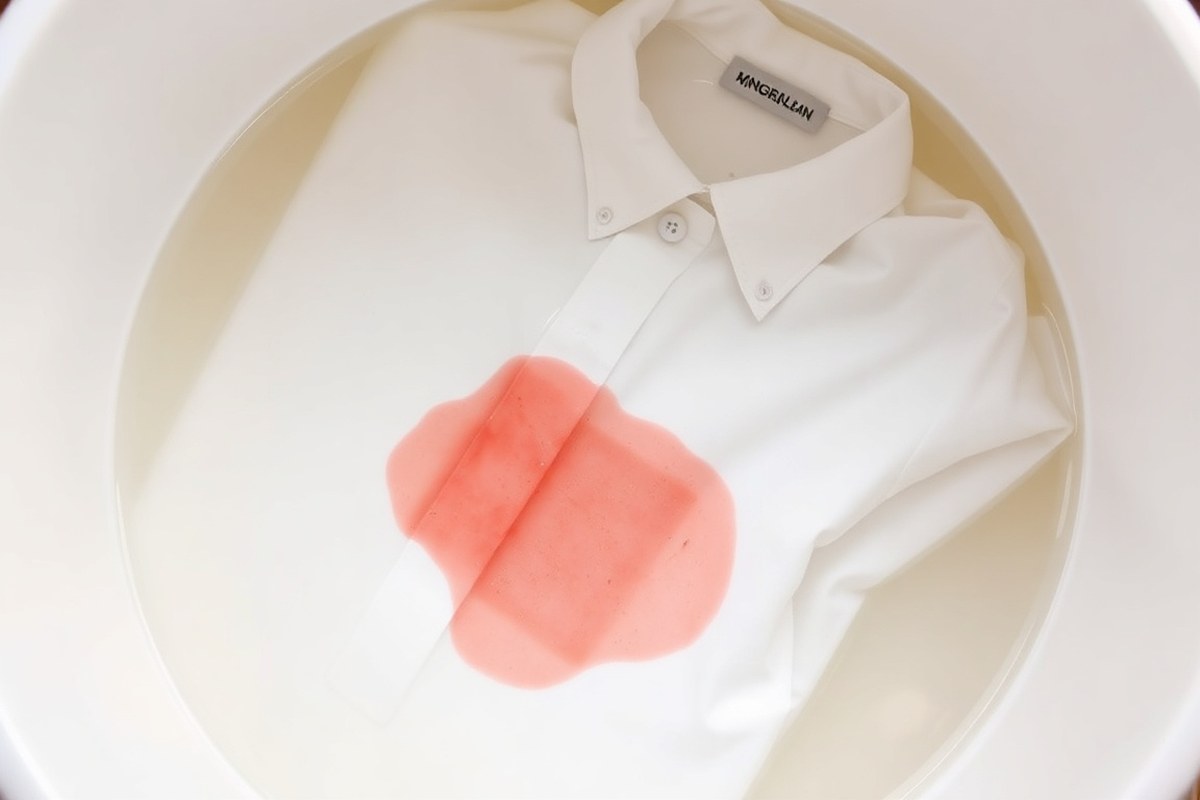
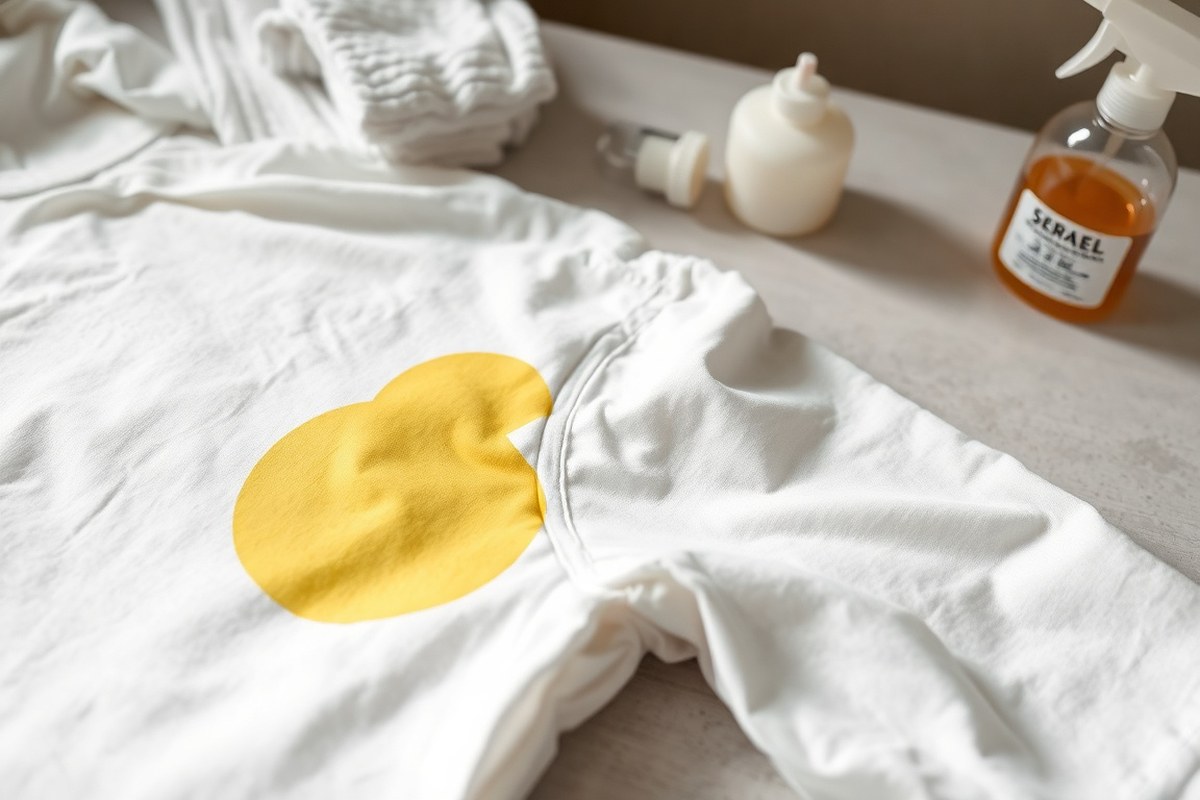
Yes, sweat stains can usually be removed from white shirts at home using common household products. These stains are often caused by a reaction between sweat, deodorant ingredients, and fabric. This leads to yellowing, especially around the underarms. Treating these stains promptly and correctly matters because the longer they sit, the harder they become to remove. Using the right products also prevents damage to the fabric while restoring the shirt’s whiteness.
Among effective household items, baking soda, white vinegar, lemon juice, and hydrogen peroxide work particularly well. These ingredients break down sweat residues and deodorant buildup that cause discoloration. Oxygen-based laundry boosters and cold water help lift stains without harsh bleaching. Sunlight provides a natural mild bleaching effect and can help lighten residual marks after treatment.
To effectively remove sweat stains, follow these steps that combine soaking and targeted treatment. The whole process, including soaking, typically takes between 30 minutes to an hour, though more stubborn stains might require repeated treatment before washing. Avoid hot water initially, as it can set the yellow stains permanently into the fabric.
- Mix a paste: Combine 4 tablespoons of baking soda with 1/4 cup of warm water until you get a thick paste. This paste will help lift the sweat stains from the fabric.
- Apply the paste: Spread the baking soda paste generously onto the stained areas of your white shirt. Focus on the underarm spots where staining is most common.
- Let it sit: Allow the paste to remain on the shirt for 30 to 60 minutes. This lets the baking soda break down sweat and deodorant residues effectively.
- Rinse carefully: Rinse the treated areas with cold water. Cold water prevents the stain from setting further and helps wash away the residue.
- Apply vinegar or hydrogen peroxide: Dab white vinegar or a 3% hydrogen peroxide solution onto the stain using a clean cloth or spray bottle. Let it sit for 10 to 15 minutes to boost stain removal.
- Rinse and wash: Rinse again with cold water, then launder the shirt as usual, using your regular detergent and the warmest water safe for the fabric.
- Dry in sunlight: Hang the shirt outside in direct sunlight to dry. The UV rays help to fade any remaining stain marks naturally without damaging the fabric.
These steps usually cost less than a few dollars using materials commonly found in your home. Successful treatment results in the disappearance or significant fading of yellow stains, restoring your shirt’s clean look. Avoid using chlorine bleach right away, as it can react with proteins in sweat and make stains worse. Repeat treatment may be necessary for older or heavier stains.
2. How to Treat Fresh vs. Set-In Sweat Stains
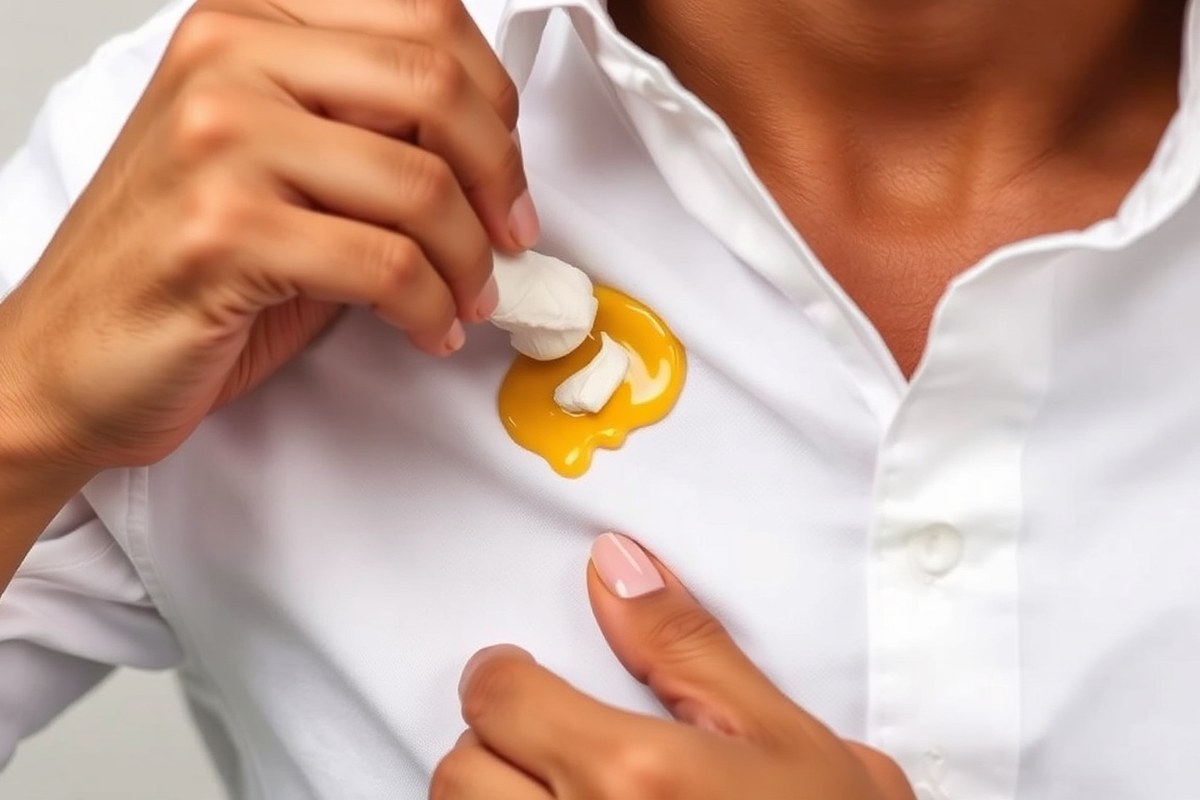
Treating sweat stains on white shirts depends heavily on how long the stain has been there. Fresh stains usually respond well to quick pre-treatments and mild soaking, while set-in stains require stronger soaking agents and longer treatment times. Acting quickly prevents stain molecules from embedding deep into the fabric, making removal more effective and protecting the shirt’s whiteness.
Identifying Fresh Sweat Stains
Fresh sweat stains appear mostly as wet or slightly discolored spots that have not turned fully yellow or brown. They are often softer to the touch and cooler in temperature immediately after sweating. These stains tend to include deodorant residue and salts that haven’t bonded strongly with the fabric yet.
Checking the fabric for any sticky or damp feeling in the armpit area or collar can help. The sooner you spot sweat stains, the easier they are to remove completely without damaging your white shirt.
Best Pre-Treatment Timelines for Fresh Stains
For fresh sweat stains, pre-treatment should start within hours of noticing the mark. Use a cold rinse immediately to prevent the stain from setting, then apply a cleaning paste or soak the shirt briefly. Soaking and pre-treating within 20 to 30 minutes of noticing the stain yields the best results. Follow these steps for effective fresh stain treatment:
- Rinse the stained area with cold water to remove fresh sweat.
- Mix a paste from 4 parts baking soda to 1 part water and apply it directly on the stain.
- Let the paste sit for about 20 minutes to break down sweat residue.
- Rinse off the paste with cold water carefully.
- Soak the shirt for 20 to 30 minutes in a solution of one part white vinegar to four parts cold water to tackle deodorant buildup.
- Wash the shirt in cold water with a regular detergent, avoiding bleach or harsh chemicals at this stage.
- Air-dry the shirt to check if the stain fades before using heat or the dryer.
Use cold water in early stain treatment to prevent proteins in sweat from setting and bonding tightly to the fabric.
Handling Stubborn Set-In Yellowing
Set-in sweat stains have turned yellow or brown and bonded deeply with the fabric fibers, often visible as dull or dark patches. These stains need longer soaking and more powerful stain removers, such as oxygen bleach or hydrogen peroxide mixes. Avoid heat during this process, which can make these stains permanent. For strong stain removal, follow this method:
- Prepare a soak with warm water and oxygen-based bleach, following the product’s instructions for dilution and temperature.
- Submerge the stained parts of the white shirt fully and soak for 30 to 60 minutes, depending on stain severity.
- Make a paste using baking soda, salt, and hydrogen peroxide, then gently scrub it into the stain with a soft toothbrush.
- Let the paste remain on the sweat stain for 20 minutes, then rinse it off well using cold water.
- Wash the shirt as usual in cold or warm water to avoid further setting the stain.
- Review the shirt after drying; if stains persist, repeat the soak and paste treatments.
Successful removal of set-in stains takes patience and sometimes multiple treatments. Avoid chlorine bleach, which can yellow fabric further and weaken fibers.
When to Consider Professional Cleaning
Some sweat stains become so old and dark that home treatments may no longer fully restore the shirt. Fabrics that have been repeatedly stained, washed, and dried with heat can degrade and hold discoloration permanently. In these cases, professional cleaning or specialized stain removal services may be more effective. Look for professional care if:
- The yellow stains remain after several home treatments.
- You’re dealing with delicate fabrics like silk or expensive shirts requiring gentle handling.
- The fabric care label warns against home chemical treatments or advises dry cleaning only.
Testing any stain removal treatment on a hidden spot protects your favorite white shirt from accidental damage during DIY stain removal.
3. Safe Use of Bleach, Hydrogen Peroxide, and Other Chemicals
Using bleach and hydrogen peroxide can remove sweat stains from white shirts effectively, but only with careful handling to prevent fabric damage. Not all white fabrics react the same way to these chemicals, so cautious testing and proper dilution matter. Following safety tips helps ensure your shirts come out clean without weakening or discoloring the fabric.
Spot Testing Before Use
Always test any bleaching agent or hydrogen peroxide solution on a hidden area of your white shirt before full application. This test reveals how your fabric reacts and avoids large-scale damage. Apply a small amount of the diluted solution to a seam or inside hem, wait 5 to 10 minutes, then blot with a clean white cloth. Look for fabric thinning, holes, or color changes.
A successful spot test means no fabric breakdown or yellowing after drying. When the fabric seems weaker or the color shifts, avoid chemical treatments and try gentler ways to remove stains. This step is essential because cotton, polyester blends, and synthetic fibers vary in chemical tolerance and can react differently.
Recommended Dilution Ratios
Using the correct ratios prevents damage and optimizes stain removal. For hydrogen peroxide, a common concentration is 3% (the typical store-bought solution), which you can use undiluted for stubborn stains. For safer treatment, mix 1 part hydrogen peroxide with 1 part water to reduce fabric stress while still breaking down yellow sweat stains.
Chlorine bleach should be diluted heavily. A safe ratio is about 1 part bleach to 10 parts cold water. Avoid full-strength bleach directly on shirts, as it can cause fiber damage or uneven whitening. Use these diluted solutions only for whites and never on coloured fabrics due to irreversible fading.
- Test on a hidden spot before full use
- Hydrogen peroxide 3%: use straight for tough stains or dilute 1:1 with water for light treatment
- Chlorine bleach: dilute 1:10 with cold water
- Apply solutions with a clean cloth or spray bottle evenly
- Let chemicals soak for 15 to 30 minutes maximum
- Rinse thoroughly before washing in a machine
- Use gloves to protect your hands during application
Allowing longer soaking times increases the risk of weakening the fabric, so adhere strictly to time limits. Using cold water for dilution and rinsing helps maintain fabric integrity and avoids setting stains.
When to Avoid Bleach and Peroxide
Avoid using bleach or hydrogen peroxide on shirts labeled as “non-chlorine bleach only” or “dry clean only.” These chemicals can ruin delicate fabrics like silk, wool, or dyed textiles. When your white shirt includes light colors, embroidery, or prints, avoid these treatments.
Also, avoid applying bleaching agents repeatedly on the same spot. Overuse can cause fabric thinning and holes. For shirts with sweat stains that are very old or set-in for years, test carefully or try alternative stain removers designed for delicate fabrics.
During hot weather or on fabrics prone to yellowing, hydrogen peroxide can cause mild discoloration if left too long, so always follow recommended soaking times. Gentle products without chlorine, like oxygen-based stain removers, offer safer alternatives in some cases.
Safe Washing Cycles Post Treatment
After chemical treatment, wash white shirts in cold to lukewarm water using a gentle or normal wash cycle, depending on fabric care labels. Hot water can set residual stains or damage weakened fibers. Use a mild detergent designed for whites to maintain brightness without harsh chemicals.
Avoid tumble drying shirts immediately after treatment. Air dry on a flat surface or hang in shade to prevent heat from setting any remaining stains or causing yellowing. When the stain stays after the initial wash, repeat spot testing and treatment instead of using stronger chemicals.
Sorting laundry to wash treated white shirts separately prevents cross-contamination with colors, which could be damaged by residual bleach or peroxide. Following these steps helps preserve your white shirts’ fabric strength and appearance over time.
4. Natural Remedies That Help Remove Sweat Stains
Natural remedies like lemon juice, vinegar, baking soda, and salt can effectively remove sweat stains from white shirts. These household items use mild acidity or abrasiveness to break down stain pigments and odors safely. Applying them correctly helps lift and fade yellowish sweat marks within a few hours to a day, depending on the stain’s age and fabric type.
Lemon Juice Application for Brightening
Lemon juice contains citric acid, which helps lighten and break down sweat stains much like bleach but gentler on delicate fabrics. It not only works on yellow sweat marks but also adds brightness to white shirts. Use lemon juice on fresh or lightly set-in stains for best results.
- Dab the stained area with cold water to moisten it slightly.
- Apply fresh lemon juice directly onto the sweat stain using a clean cloth or a cotton ball.
- Let the lemon juice sit for 30 minutes in sunlight or indoors to activate its bleaching effect.
- Rinse the shirt thoroughly with cold water to remove lemon residue.
- Wash the shirt as usual with a detergent designed for whites.
Expect to see a noticeable reduction in yellowing after one treatment. For tougher stains, repeat the process before washing. Avoid using lemon juice on delicate fabrics like silk or wool, as the acid may damage them.
Vinegar Soaking and Washing
Vinegar’s acetic acid serves as a gentle stain remover that breaks down oils and residue causing sweat stains. It also neutralizes odors stuck in the shirt fibers. Vinegar works well as a soak before a regular wash, especially for older, set-in sweat stains.
- Fill a basin with warm water, enough to submerge the stained part of the shirt.
- Add 1 cup of white vinegar to the water and stir to mix.
- Soak the sweat-stained shirt for 30 minutes to 1 hour.
- After soaking, gently rub the stained area with your fingers to loosen the stain.
- Wash the shirt normally using a detergent for white clothes.
This method commonly lightens sweat stains after just one soak and wash cycle. Vinegar is safe for most fabrics but test on a hidden spot if concerned about colorfastness. It’s best to avoid using vinegar with bleach as harmful fumes can form.
Baking Soda Paste Preparation
Baking soda acts as a mild abrasive and alkaline compound that neutralizes acidic sweat residues. A paste made with baking soda helps draw out both pigment and odor when applied directly to the stain. Using it with warm water improve its effectiveness by loosening fibers.
- Mix 4 tablespoons of baking soda with ¼ cup of warm water to form a thick paste.
- Spread the paste generously over the sweat stain using a clean brush or your fingers.
- Allow the paste to dry completely, which can take 1 to 3 hours depending on humidity.
- Brush off the dried baking soda with a soft brush or cloth.
- Wash the shirt in warm water with a detergent formulated for whites.
You will usually see sweat stains lighten after the paste dries and the shirt is washed, especially if repeated once. This method is low cost and suitable for cotton and polyester blends but avoid heavy scrubbing to protect fabric texture.
Salt and Alcohol Rub Method
A mixture of salt and rubbing alcohol creates a potent stain remover by combining salt’s absorbency with alcohol’s grease-cutting properties. This paste formula including hydrogen peroxide improve stain breakdown on white shirts, especially in the underarm area where sweat stains concentrate.
- Combine 1 tablespoon hydrogen peroxide, 1 tablespoon salt, and ½ cup baking soda into a paste.
- Apply the paste over the sweat stain with a clean cloth or soft brush.
- Gently rub the paste into the fabric for 1 to 2 minutes.
- Let it sit for 30 minutes to 1 hour to penetrate the stain fully.
- Rinse thoroughly with warm water to remove the paste completely.
- Launder the shirt as usual with a detergent for whites.
Results often include significant brightening of yellow areas after one treatment. Take care with delicate fabrics and test the paste on a small area first. Make sure to rinse well, as leftover salt and peroxide can weaken fibers over time.
5. How Sunlight Can Naturally Fade Sweat Stains
Natural sunlight can help fade yellow sweat stains on white shirts by acting as a mild bleaching agent. The ultraviolet (UV) rays in sunlight break down the chemical compounds that cause discoloration from sweat, making stains less visible over time. This works best after you’ve washed the shirt to remove dirt and oils, allowing the sun’s rays to target the remaining tinge more effectively.
To use sunlight for sweat stain removal, first launder your white shirt normally using an enzyme-based detergent designed for removing sweat residues. Once cleaned, hang your shirt outside in direct sunlight, preferably during the midday hours when UV intensity is strongest. Allow the shirt to dry completely, which typically takes about 2 to 4 hours depending on humidity and temperature. You can repeat this process daily for several days if the stain remains noticeable. Avoid drying in indirect light or shade, as this reduces UV exposure and limits stain fading.
Some fabrics do not tolerate sun exposure well. Whites made from synthetic materials such as polyester may yellow or weaken under prolonged UV light. Also, delicate fabrics like silk or wool can be damaged by sunlight, losing strength or becoming brittle. Cotton and cotton blends are generally safe to sun-dry for stain fading purposes. When in doubt, check the garment’s care label for sunlight recommendations.
Use sunlight combined with prior stain treatment for the best results. For persistent sweat stains that remain after washing, applying a lemon juice soak before sun-drying can boost bleaching effects. Lemon contains natural acids that lighten yellow coloring, and the drying process under bright sunlight further whitens the fabric. Apply fresh lemon juice to the stain, let it sit for 15 to 30 minutes, then rinse well before hanging to dry in the sun.
On cloudy or cold days, sunlight will be less effective in fading sweat stains. In those cases, focus on chemical or natural cleaners suited to your fabric instead. Frequent use of sunlight for drying can reduce the need for harsh bleach, especially if you treat stains promptly and combine sun exposure with routine washing.
Never leave white shirts made from delicate or synthetic fabrics in direct sunlight for extended periods, as this can cause fabric damage or yellowing instead of stain removal.
6. Common Mistakes That Make Sweat Stains Worse
Using hot water or heat in the drying process often causes sweat stains to become permanent. Sweat contains mineral salts that bond to fabric fibers more tightly when exposed to heat. This makes stains much harder to lift later, so always use cold water to soak and wash white shirts. Avoid the temptation to scrub hard, too, since aggressive scrubbing can damage fabric fibers, pushing the stain deeper instead of removing it.
Another common mistake is leaving stains unattended for too long. Sweat stains start as a mixture of sweat, body oils, and deodorant, which can set quickly if you don’t treat them soon after the shirt gets sweaty. Washing a shirt before sweat stains dry helps prevent them from settling in permanently.
- Never wash white shirts with sweat stains in hot or warm water; always choose a gentle cold cycle.
- Turn shirts inside out before washing to protect fabric from harsh treatment on visible surfaces.
- Avoid scrubbing: gently soak and treat stains with appropriate removers instead of aggressive rubbing.
- Skip tumble drying until stains are completely removed; air dry shirts to prevent heat setting stains.
- Treat stains as soon as possible before the fabric dries to stop them from embedding deeply.
- Use mild detergents suitable for whites to avoid fabric weakening or yellowing.
- Don’t mix sweat-stained shirts with heavily soiled laundry that could transfer oils or residues.
Incorrect drying methods often undo your hard work on stain removal. Heat from dryers seals in sweat stains, making future removal difficult or impossible. After washing, hang the shirt to air dry in a shaded, well-ventilated spot instead of under direct sunlight, which may fade the fabric unevenly or cause yellowing if the shirt is not thoroughly clean first.
Washing shirts inside out on a gentle, cold cycle takes just a small adjustment but protects the shirt from damage and improve stain removal. Undertaking these steps prevents sweat stains from setting in for good, preserving their crisp white look over time. Skipping these precautions leads to more stubborn discoloration and can ruin fabric texture, costing more effort and expense in trying to fix the damage later.
7. How to Prevent Sweat Stains on White Shirts Proactively
Choosing the right fabrics can significantly reduce sweat stains on white shirts. Natural fibers like cotton and linen allow skin to breathe and moisture to evaporate, which lowers stain formation. Synthetic fabrics tend to trap sweat, making stains more noticeable. Consider wearing undershirts made of moisture-wicking materials when you expect to sweat a lot, especially in warm weather or during physical activity.
Deodorants play a key role in preventing or causing stains. Those containing aluminum compounds can react with sweat to create yellow marks on white shirts. Opt for aluminum-free deodorants to minimize this risk. Creamy or solid-stick deodorants may leave white residue, especially if reapplied multiple times throughout the day. Always let deodorant dry completely before dressing to avoid visible streaks and stains.
Proper laundry and drying habits also help keep white shirts free from sweat stains. Washing shirts promptly after wearing prevents sweat and salts from setting into fabric fibers. Use warm water around 104°F (40°C) with a detergent designed for whites to maintain brightness. Avoid tumble drying on high heat; instead, air-dry shirts to reduce chemical breakdown and yellowing caused by high temperatures.
- Wear breathable fabrics like cotton or linen for everyday use.
- Use aluminum-free deodorants to reduce yellow stains.
- Allow deodorant to dry fully before putting on shirts.
- Layer moisture-wicking undershirts under white shirts when sweating.
- Wash shirts promptly using warm water and detergent for whites.
- Air-dry shirts rather than using hot dryers to protect fabric.
- Avoid excessive deodorant reapplication to limit residue buildup.
Following these steps usually results in fewer sweat stains and extends shirt life. Neglecting fabric choice or letting deodorant remain wet on skin can cause persistent discoloration. Laundry routines that delay washing or use harsh high-heat drying often worsen stains or cause yellowing over time. Balancing fabric comfort, deodorant ingredients, and proper laundering gives the best protection against sweat marks on white shirts.
8. Restoring Brightness to White Shirts After Stain Removal
After removing sweat stains, white shirts often look dull or gray rather than bright white. This happens because repeated washing, especially with darker clothing or harsh detergents, can leave residue and cause yellowing over time. To restore your shirts’ original brightness, focus on gentle whitening techniques that break down buildup without damaging fibers.
Start by rinsing your shirt in cool water to remove any remaining stain treatment. Then, soak it for 30 minutes in a mixture of warm water and a half cup of oxygen-based bleach, such as sodium percarbonate. This non-chlorine bleach safely targets yellowing and dullness without weakening fabric. After soaking, wash the shirt separately using a mild detergent formulated for whites, preferably in warm water but within the temperature limits on the care label.
You can also add a quarter cup of white vinegar to the rinse cycle to brighten whites and remove detergent buildup. Vinegar acts as a natural fabric softener and whitener, helping restore brightness while preventing the dullness that soaking in bleach alone can cause.
- Avoid washing white shirts with colored or dark clothes to prevent dulling.
- Repeat whitening soaks if your shirt still looks dingy after the first treatment.
- Allow shirts to air dry in bright, indirect sunlight to maintain whiteness, too much sun can weaken fabric over time.
- Use a laundry booster like baking soda or commercial whiteners once a month for maintenance.
- Check labels and don’t exceed recommended water temperatures to protect shirt fibers.
These steps prevent the gradual yellowing or gray hue that sets in from buildup and repeated washing. If repeated washing causes yellowing despite your efforts, the fabric may have damage or permanent dye changes needing professional care or replacement.
Using chlorine bleach frequently can weaken fabric and cause yellowing; oxygen-based products are safer for repeated whitening.
Keeping whites truly bright takes ongoing care beyond stain removal. Incorporate gentle whitening soaks and avoid mixing whites with darker laundry loads to keep your shirts crisp and fresh-looking after removing tough sweat stains.
Step-by-Step Action Plan to Remove and Prevent Sweat Stains on White Shirts
Follow these steps to tackle sweat stains effectively and keep your white shirts looking fresh.
- Before washing: Treat fresh sweat stains promptly by applying a paste of baking soda and water or a stain remover designed for protein stains; wait 15 minutes to see if the stain lightens.
- Washing time: Wash the shirt in cold water with a detergent that targets stains; check the label to avoid heat that sets stains further.
- After washing: If stains persist, soak the shirt in a solution of oxygen-based bleach and water for 30 minutes, then rinse thoroughly.
- Drying: Sun-dry the shirt outside during midday; the sun’s UV rays can naturally fade remaining stains without heat from a dryer that may set them.
- Weekly upkeep: Add white vinegar to your wash cycle regularly to reduce yellowing and buildup that cause stains to become noticeable.
- Before storage: Make sure shirts are completely clean and dry to prevent sweat residue from developing into new stains or odors.
- Ongoing prevention: Use an underarm antiperspirant that is fully dry before dressing and wear an undershirt to reduce sweat transfer to your shirt.
Frequently Asked Questions
Can Sweat Stains Be Removed from White Shirts?
Yes, sweat stains can be removed from white shirts using common household products like baking soda, hydrogen peroxide, or a mix of vinegar and water. Prompt treatment helps prevent staining from setting in and makes the process easier.
Does Dawn Dish Soap Remove Sweat Stains?
Dawn dish soap can help remove sweat stains as it breaks down oils and residues in the fabric. It works best when combined with baking soda or used on fresh stains before washing.
How Can I Remove Armpit Sweat Stains?
To remove armpit sweat stains, apply a paste of baking soda and water directly to the stains, let it sit for 30 minutes, then wash as usual. This approach lifts the yellow discoloration without harsh chemicals.
How Can I Remove Dark Armpit Stains from White Shirts?
Dark armpit stains often contain deodorant buildup alongside sweat. Using a mixture of hydrogen peroxide and baking soda can help break down those layers and brighten the fabric. Test on a small area first to avoid damage.
Can I Use Bleach Safely on White Shirts with Sweat Stains?
Yes, you can use regular bleach on white shirts cautiously by diluting it and limiting exposure time. Overusing bleach can weaken fabric fibers or cause yellowing, so it’s best for tough, set-in stains only.
Will Wearing Undershirts Help Prevent Sweat Stains on White Shirts?
Wearing undershirts can effectively prevent sweat stains by absorbing sweat before it reaches your outer shirt. This barrier keeps your white shirts cleaner and reduces the need for frequent stain treatment.
The Bottom Line
Removing sweat stains from white shirts requires prompt attention and the right combination of gentle treatments. Using stain removers carefully, washing properly, and using sunlight can restore your shirts without damaging the fabric. Start applying these steps with your next laundry load to see a noticeable difference in sweat stain removal and prevention.