How to Get Sweat Stains Out of Clothes: 8 Proven Methods That Work
To get sweat stains out of clothes fast and effectively, soak the stained garment in a solution of equal parts white vinegar and water for 20 to 30 minutes before washing. Treat stains promptly and use gentle agitation with a mild detergent to help lift discoloration without damaging the fabric. This approach works well for both everyday whites and colored clothes, minimizing yellow marks while refreshing the fabric.
This advice is for anyone dealing with sweat stains on shirts and other garments who wants practical, easy-to-follow methods. You’ll find clear steps that respect your clothing’s care requirements, helping you maintain clean, fresh clothes without harsh chemicals or wasted time.
Key Takeaways
- Soak sweat-stained clothes in a vinegar and water mix for 20 to 30 minutes before washing to break down stains.
- Use cold water for colored clothing to avoid fading and still effectively remove sweat marks.
- Apply a paste made from common household ingredients directly on fresh stains for targeted treatment.
- Gentle agitation in water with mild detergent can help remove stains without harming delicate fabrics.
- Allow sufficient soaking time, typically 15 to 30 minutes, to improve stain removal effectiveness.
- If handwashing, soak the garment for 15 to 20 minutes, then rinse thoroughly to remove residue.
1. How to Get Sweat Stains Out of Clothes Fast and Effectively
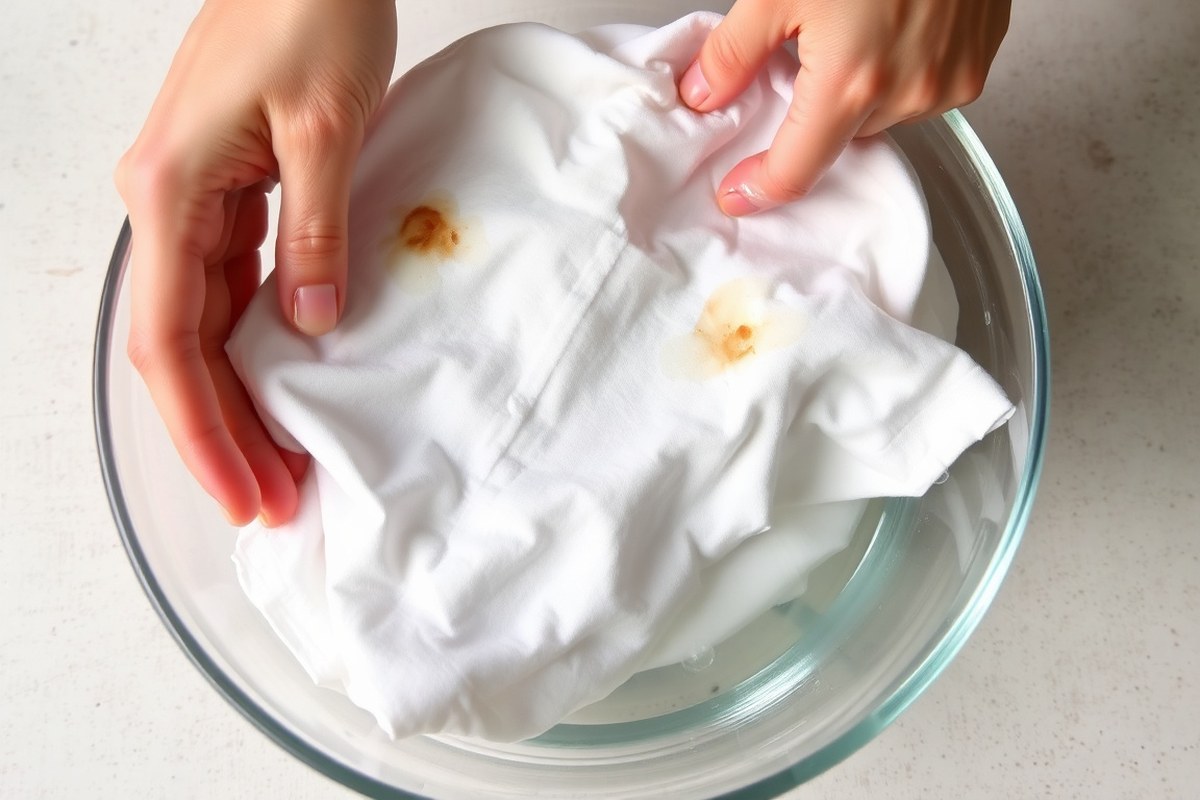
Removing sweat stains quickly requires acting soon after you spot them. The longer sweat sets in, the harder it gets to clean because proteins and salts bond with fabric fibers. Treating stains fast means soaking and washing with the right steps to break down those bonds without damaging your clothes. A good soak time is usually 20 to 30 minutes, which softens the stain and loosens it for easier washing. Using water that is cool to warm helps prevent setting the stain further, especially on colored items. Here’s a clear checklist you can follow to get sweat stains out quickly and effectively:
- Prepare a soaking solution: For whites, use a mix of “hot” water, about 110°F, and an oxygen-based bleach or a laundry detergent designed to target protein stains. For colored clothes, mix cold water with white vinegar, using about 1 cup of vinegar per gallon of water.
- Soak the stained clothes: Fully submerge your garment so the stained areas are covered. Let it soak from 20 up to 30 minutes. Avoid longer soaks, which might damage some fabrics or colors.
- Use a stain remover or homemade paste: Once the item has soaked, dab some laundry detergent or a paste made by mixing baking soda with water right onto tough stains. Gently rub it into the fabric with your fingers or a soft toothbrush. Allow it to rest for 10 to 20 minutes.
- Wash as usual: Use the warmest water recommended on the care label. Detergents that target sweat and odors perform better, helping to fully lift the stain and smell. Don’t overload the washer as it reduces cleaning effectiveness.
- Check before drying: Make sure the stain is gone before putting clothes in the dryer, since heat can set stains permanently. Stains that don’t come out immediately benefit from repeating the soaking and spot treatment steps before placing the item in the dryer.
Following these steps keeps the stain from settling deeper and prevents damage. Quick treatment costs only a bit of time and common household products like vinegar, baking soda, or specialized detergent, which usually run under a few dollars per use. Good results mean stain-free, fresh-smelling clothes that last longer. Clothes left untreated or soaked too long run the risk of yellowing or fabric weakening over time.
2. Why Do Sweat Stains Form and What Causes Yellow Discoloration?
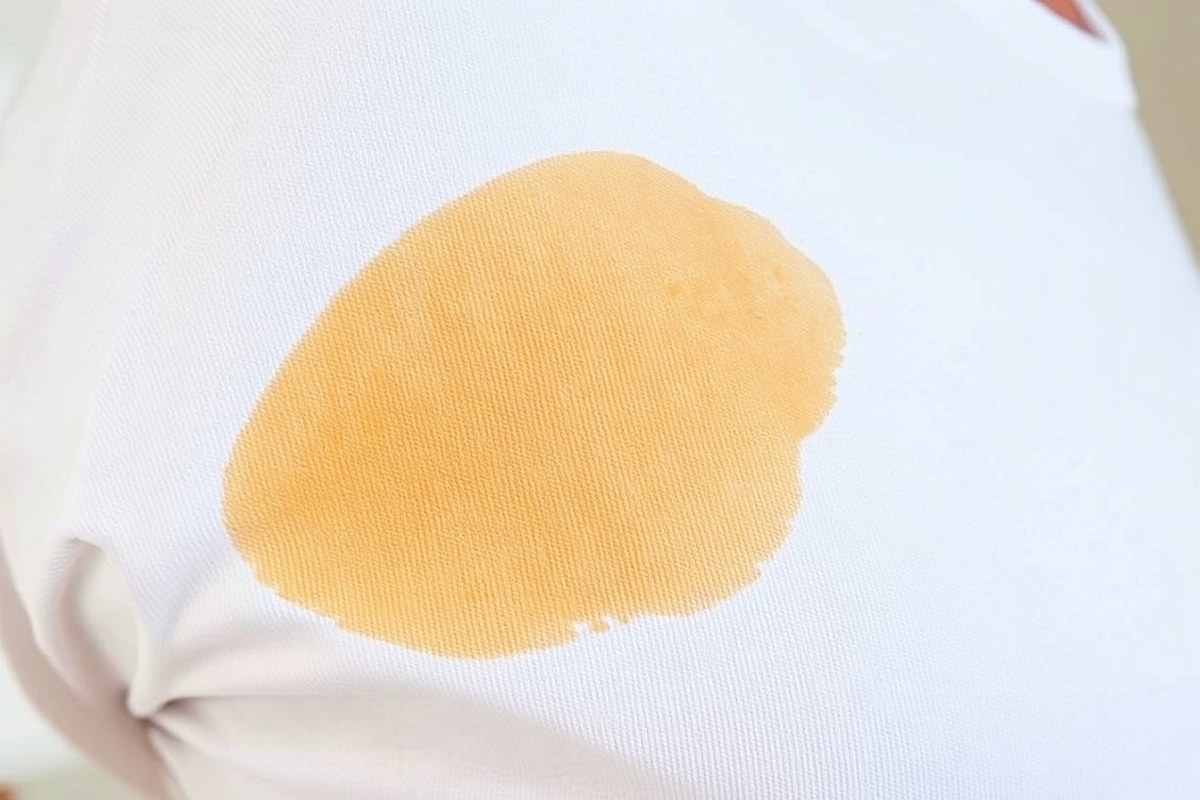
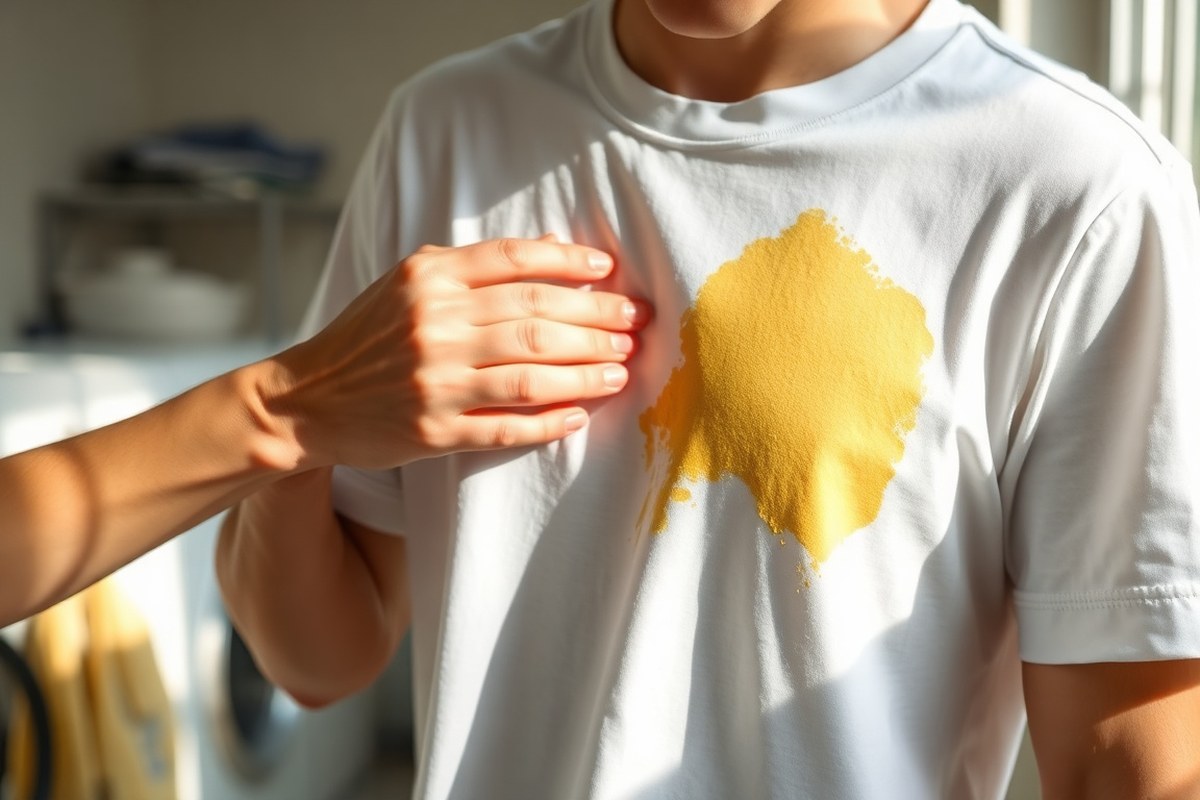
Sweat stains on clothes form mostly because of a chemical reaction involving the ingredients in your antiperspirant, not just your sweat itself. The active ingredient in antiperspirants is aluminum-based compounds. When these aluminum compounds mix with the proteins in your underarm sweat, they create a reaction that leads to yellow discoloration. This reaction happens as the aluminum binds to sweat proteins and deposits onto the fabric fibers, making the stain tough to remove.
Antiperspirants contribute significantly to these stains by leaving residues on your clothes. The aluminum in antiperspirant gets absorbed into the fabric, and when mixed with sweat, it triggers the appearance of yellow pit stains. Deodorant alone can cause different problems, like white marks, but yellow stains are typically tied to antiperspirants. Without this chemical interaction between the antiperspirant and your sweat, major yellow staining is less likely to occur. This is why wearing antiperspirants can start a cycle of sweat, odor, and persistent stains on clothing.
The visibility of sweat stains depends on several factors besides just the chemical reaction. Sweating heavily, such as during exercise or hot days, increases sweat buildup. Leaving the sweat on clothes for a long time before washing, like wearing a garment all day, can let the aluminum-sweat compounds settle and darken. This is why gym clothes, caps, and socks often show more prominent sweat stains, because they handle heavier sweat and longer wear intervals. Clothing made from natural fibers like cotton tends to trap these compounds more, making stains more visible.
To limit sweat stains, you can try wearing an inexpensive undershirt under your dress shirts to absorb sweat and block antiperspirant from reaching your outer clothes. Avoiding excessive antiperspirant application and letting it dry fully before dressing can also help. Understanding this reaction clarifies why some clothing stains become yellow over time, not just from sweat but from the mix of aluminum and sweat proteins that accumulate.
To reduce yellowing, apply antiperspirant sparingly and give it enough time to dry completely before putting on your clothes.
3. Removing Sweat Stains from Colored and Dark Clothing Safely
Removing sweat stains from colored and dark clothing requires gentler methods to preserve fabric colors and avoid fading. Using cold water and white vinegar soaks, selecting stain removers safe for colors, and avoiding bleach or harsh chemicals will help effectively treat stains without damaging your garments.
Use of Cold Water and Vinegar Soaks
Start by rinsing the stained area with cold water as soon as possible to prevent the sweat from setting. A soak in a solution of equal parts distilled white vinegar and cold water helps break down sweat residues without fading colors. Vinegar is a natural, color-safe option because it contains no dyes or harsh chemicals that could strip fabric pigments.
Letting your colored or dark clothes soak for at least 30 minutes in this mixture softens stain buildup. Avoid hot water during this step, since heat can fix proteins in sweat to fabric, making stains harder to remove and potentially dulling the colors.
Choosing Color-Safe Stain Removers
Select stain removers specifically formulated for colored fabrics to ensure they don’t bleach or fade your clothes. Oxygen-based boosters and laundry tablets labeled safe for color help lift sweat stains by breaking down oils and residues gently. These products are often low-waste options that reduce reliance on harsh chemicals while effectively tackling tough stains.
Apply the stain remover directly to the affected area before laundering, following the product’s instructions. Choose the warmest water temperature recommended on the garment care label for washing, as warm water helps break down body oils better than cold and can improve stain removal without risking color loss.
- Rinse sweat stains with cold water immediately after wearing.
- Mix equal parts distilled white vinegar and cold water for a soak.
- Submerge stained areas for at least 30 minutes, then gently rub if needed.
- Apply a color-safe stain remover to the stain following label instructions.
- Wash the garment in the warmest water temperature safe for the fabric.
- Air dry to prevent heat-setting any remaining stains or colors fading.
Avoiding Bleach and Harsh Chemicals
Do not use chlorine bleach or hydrogen peroxide on colored or dark clothing, as these can cause fading, bleaching, or uneven discoloration. Bleach is effective on whites but too aggressive for colors, where it will often leave white or light patches instead of removing the stain cleanly.
Lemon juice, while a common stain treatment for whites, can also strip dyes from colored fabrics and should be avoided. Stick to natural, mild cleaners like vinegar combined with cold water or commercial stain removers made for colors. Always follow care labels closely and test stain removers on hidden spots if unsure.
4. Natural and Household Remedies That Remove Sweat Stains
Several common household products can help remove sweat stains without harsh chemicals that damage fabrics. Vinegar, baking soda, lemon juice, hydrogen peroxide, and dish soap each have properties suited to breaking down sweat-related discoloration and odor. Using these safely means preparing gentle mixtures and avoiding strong heat, which can set stains instead. Applying treatments in the right sequence for the fabric and stain intensity improves results.
White vinegar has acidity stronger than sweat itself, which helps dissolve yellow sweat stains by breaking down their buildup. It works best as a soak or spray before washing. Lemon juice offers similar natural acidity but requires caution on delicate or colored fabrics to prevent fading. Baking soda provides mild abrasive action and odor absorption, often used as a paste with water or combined with peroxide for tougher stains. Hydrogen peroxide adds bleaching power but only on whites or colorfast items; it must be diluted carefully to prevent fabric damage.
Dawn dish soap is effective at cutting oils in sweat. When mixed with baking soda and hydrogen peroxide, it boosts stain removal power. For colored garments, skip the peroxide and use cold water instead to protect color integrity. Below is a table with basic recipes and instructions for these household remedies, including how to apply them and precautions to watch for.
| Product | Preparation | Application | Fabric Caution |
|---|---|---|---|
| White Vinegar | Use undiluted or diluted 1:1 with water | Soak stain 30 minutes or spray and scrub gently | Safe on most fabrics; test colored items first |
| Baking Soda | Mix ½ cup baking soda with water to make paste | Apply paste on stain, leave 30 minutes before washing | Generally safe; avoid excess scrubbing on delicate fabrics |
| Lemon Juice | Use fresh lemon juice or concentrate | Spot treat stain, then rinse; avoid sun exposure during application | Can bleach colors; test first and avoid on delicate fabrics |
| Hydrogen Peroxide Mix | Combine 1 tbsp peroxide, 1 tbsp salt, ½ cup baking soda | Apply paste on stain, let sit 30 minutes, then rinse | Use only on whites or colorfast fabrics; test before use |
| Dawn Dish Soap Mix | Mix 1 tbsp liquid dish soap, 1 tbsp baking soda, 1 tbsp hydrogen peroxide (omit peroxide for colored clothes) | Apply to stain, gently rub, leave for 30 minutes, then wash | Peroxide-free mix for colors; safe on most fabrics |
Begin by pretreating the stain with one of these mixtures depending on the fabric color and sensitivity. Let it sit around 30 minutes to work on breaking down the stain before laundering normally. Avoid using hot water or running the dryer until the stain is gone, as heat can set sweat stains permanently. Repeating treatment may be necessary for tougher or older marks.
These household remedies generally cost only a few dollars per use, as staples like vinegar, baking soda, and dish soap are inexpensive and commonly on hand. The main risk is fabric damage from improper use, especially color fading from lemon juice and hydrogen peroxide, so always test on a hidden area first. Using these mixtures thoughtfully helps restore clothes without exposing them to harsh chemicals or expensive stain removers.
5. Treating Sweat Stains on Delicate and Non-Washable Fabrics
Delicate and non-washable fabrics like silk, wool, and dry-clean only items require careful handling to remove sweat stains without damage. Avoid soaking or scrubbing aggressively, and focus on gentle spot treatments using mild agents and cool water. Acting quickly and following fabric-specific care instructions prevents stain setting and fabric harm.
Identifying Delicate Fabric Types
Delicate fabrics are often lightweight, loosely woven, and sensitive to harsh chemicals and washing methods. Silk feels smooth and luxurious, often with a slight sheen, while wool is thicker, warm, and can feel itchy or fuzzy. Items marked “dry clean only” usually have special finishes or fibres that water and typical detergents can ruin. Checking the care label helps confirm the fabric and indicates whether machine washing or water exposure is safe. Treating sweat stains early is important, as oils in sweat set into fibers over time, especially polyester blends in delicate garments.
Safe Spot Cleaning Techniques
Spot cleaning works best when sweat stains are fresh. Use cool or lukewarm water, never hot, to prevent setting the stain or shrinking the fabric. Avoid soaking delicate items as this can distort the shape or damage finishes. Apply stain removers gently with a white cloth or cotton swab, dabbing instead of rubbing harshly. Mild detergent solutions, such as a few drops of gentle liquid detergent mixed with water, reduce the risk of fabric damage. Here’s a checklist for safe spot cleaning on delicate or non-washable fabrics:
- Test a small hidden area first for colorfastness.
- Use cool or lukewarm water only.
- Dab gently with a soft white cloth or cotton swab.
- Prepare a mild detergent solution or use diluted white vinegar.
- Avoid scrubbing or vigorous rubbing.
- Blot the stain rather than saturating the fabric.
- Allow to air dry flat, avoiding heat and direct sunlight.
For silk, avoid acidic or alkaline substances and stick to pH-neutral cleaners like baby shampoo. Wool requires extra caution; use specialized wool detergents. Vinegar diluted 1:3 with water can help neutralize sweat odors but apply lightly. Never use bleach or strong chemicals on delicate fibers, as these cause discoloration and breakdown.
Always avoid heat during stain removal on delicate fabrics; heat can permanently set sweat stains and shrink or damage fibers.
When to Consult Professional Cleaners
Professional dry cleaners have access to specialized solvents and equipment that target sweat stains without harming delicate materials. Stains on “dry clean only” fabrics or persistent, set-in sweat marks are best handled by experts. They can safely break down sweat components that DIY methods often can’t remove fully. If you notice discoloration changing from yellow to gray or your treatment attempts risk fabric damage, take the garment to a cleaner promptly.
Visiting the dry cleaners frequently prevents sweat stains from embedding deeply. Inform the cleaner about the specific stain and any attempts you’ve made to treat it at home. Expect professional stain removal to cost between $5 to $20 per garment depending on treatment complexity and location, but this investment preserves your delicate clothing’s lifespan and appearance.
6. Removing Stubborn and Old Sweat Stains: Strategies That Work
Stubborn sweat stains that have set require special care to remove fully. Combine white vinegar and cool water in equal amounts, using one part vinegar to one part water. Let the affected fabric soak in this mix for half an hour. Vinegar loosens sweat buildup and lightens discoloration while being gentle on fabric fibers, which is essential for tackling older stains.
After soaking, apply an enzyme-based detergent directly to the stain. Enzymes target the organic components in sweat, breaking them down to remove the stain more effectively. Let the detergent sit for at least 15 minutes before laundering. Enzyme detergents are commonly available and reasonably priced, making this method accessible and efficient.
Use cool or lukewarm water for washing. Hot water may seem like a quick fix but can actually set the stain deeper into the fabric, making removal harder. Stick to water temperatures below 100°F (38°C) to avoid this problem. Repeat the soaking and enzyme treatment a couple of times if the stain persists before drying the garment.
Creating a baking soda paste is another option for tough sweat stains. Mix about a tablespoon of baking soda with just enough water to form a spreadable paste. Gently rub it onto the stain using a soft cloth or toothbrush, then let it sit for 30 minutes before rinsing and washing. This method works well alongside vinegar treatment for extra stubborn areas.
Older stains often need longer treatment times. Plan on soaking stained clothes for 30 minutes to an hour per session. Repeat the soaking process as needed if the stains don’t come out after the first treatment, but be careful not to scrub vigorously to avoid harming the fabric. For delicate or non-washable items with set-in stains, professional dry cleaning is a safer choice because harsh methods could damage the garment.
Remember to avoid using bleach on sweat stains unless the care label specifically allows it. Bleach can react with sweat proteins, causing yellowing or fabric weakening. Instead, rely on vinegar, enzyme detergents, and baking soda, which are safer and effective. Allow adequate soak and treatment time to give these methods a chance to work well.
7. How to Remove Sweat Odors Without Damaging Clothes
Removing sweat odors without harming your clothes means focusing on deodorizing techniques that do not rely solely on heavy detergents or harsh chemicals. Sweat odors come from bacteria breaking down sweat, which can linger even after washing. Targeting these odors specifically requires products and methods that neutralize smells while preserving fabric integrity and color.
Baking soda is a highly effective and gentle deodorizer suitable for everyday laundry use. It naturally neutralizes acidic odors and softens fabric without causing damage. To use, sprinkle ¼ to ½ cup of baking soda directly into the washing machine along with your regular detergent. For tough odors, dissolve ½ cup baking soda in warm water and soak the garment for 30 minutes before washing. Baking soda is inexpensive, widely available, and safe on most fabrics. Avoid excessive amounts, as it may leave a slight residue if not rinsed well.
White vinegar also removes odors by killing odor-causing bacteria and breaking down odor molecules. Add ½ to 1 cup of white vinegar to the rinse cycle. Since vinegar’s smell fades completely as clothes dry, it won’t leave any scent behind. Vinegar works well on cotton, polyester blends, and athletic wear, but test it first on delicate fabrics like silk or wool.
Some commercial products designed for sweat odor removal contain enzymes or antimicrobial agents specifically to break down sweat molecules. These can be useful for gym clothes or heavily soiled items. Products like PitStop or sports detergent formulas typically cost around $10 to $15 and are formulated to be safe on synthetic fabrics. Follow manufacturer instructions to avoid overuse and potential fabric wear.
- Sprinkle baking soda on dry clothes and let sit for 15 minutes before washing for mild odor absorption.
- Soak garments in a mixture of ½ cup baking soda and warm water for 30 minutes to tackle persistent odors.
- Add ½ to 1 cup white vinegar during the rinse cycle to neutralize smells without affecting colors.
- Use commercial enzymatic detergents for sportswear or heavily odor-infused fabrics.
- Rinse fabrics with cool water before treatment to remove sweat residues that feed bacteria.
- Avoid high heat in drying as it can set odors and damage fabric fibers.
Salt can also play a role due to its absorbent and mildly abrasive properties. Applying a saltwater soak with about ¼ cup salt in a gallon of cool water can lift odors when soaked for 30 minutes. Use salt especially on sturdier cotton fabrics and avoid on delicate textiles. After soaking, wash and rinse as usual.
Storing clothes properly after wearing and washing helps prevent odor buildup. Hang them to air dry thoroughly and avoid leaving damp clothes in laundry baskets. Repeated use of gentle deodorizing treatments like baking soda or vinegar keeps fabrics fresh without breakdown or color fading.
8. Common Mistakes When Removing Sweat Stains and How to Fix Them
Common mistakes can make it harder to remove sweat stains and sometimes cause permanent damage to clothes. Avoiding heat before treating stains, choosing the right drying method, and recognizing when a stain is permanent are key to saving your garments. Correcting these errors involves simple checks and the right steps before and after treatment.
Avoiding Heat Before Stain Removal
Heat sets sweat stains, making them permanent. Avoid washing stained clothes in hot water or putting them in the dryer before treating the stain. Hot temperatures cause the proteins in sweat to bind with the fabric, especially cotton, which locks the stain in place. Instead, use cold or lukewarm water for the initial rinse before applying any stain remover.
Applying harsh bleach directly without dilution or using it repeatedly also damages fabric fibers, causing discoloration or holes. Instead, use oxygen-based stain removers and follow product instructions carefully. Some treatments need the garment washed within 15 minutes to prevent fabric breakdown. Letting solutions sit too long without washing risks weakening fibers.
Choosing Drying Methods
Air drying is the safest option after stain removal. Machine drying, especially on high heat, can set any remaining stain permanently, even if treatment didn’t fully work. Let your clothes dry flat or hang them in a well-ventilated area. This gives you the chance to inspect the stain and repeat treatment if needed.
Only use the dryer once the stain is gone. Using a dryer before the stain is removed can cause a yellow or brown mark to become impossible to lift. Air drying typically takes longer but helps protect your investment in clothing. Low-heat settings in dryers may reduce risk, but air drying remains best whenever possible.
Recognizing Permanent Stain Signs
Not all sweat stains are removable, especially those left untreated for weeks or months. Signs a stain may be permanent include:
- The stain does not fade after several treatments
- The fabric feels stiff or damaged around the stain
- The stain has turned a deep yellow or brown color
- The odor persists despite cleaning
- Repeated attempts cause fabric thinning or holes
Before giving up, try repeating the stain remover process with a gentle scrub using an old toothbrush, then wash in cold or warm water. Persistent stains might benefit from professional cleaning or using specialized products for enzyme breakdown, especially on protein-based stains from sweat.
Always test stain removers on a hidden fabric area first to avoid unexpected damage.
Step-by-Step Action Plan for Removing Sweat Stains
Follow these steps to effectively tackle sweat stains from your clothes, adjusting as needed by fabric type and stain severity.
- Before washing: Apply a pre-treatment with a stain remover or a paste of baking soda and water to the stained area, then let it sit for 30 minutes. Check if the stain starts to lighten noticeably.
- During washing: Use the warmest water safe for the fabric and add a detergent formulated for stain removal or enzymes. Confirm the stain fades after the wash cycle.
- After washing: Air-dry your clothes instead of using a dryer, as heat can set stains further. Verify the stain isn’t visible once dry.
- For colored or delicate fabrics: Use a color-safe or gentle stain remover and cold water wash. Look for reduced staining without color fading or fabric damage.
- For stubborn or old stains: Soak the garment overnight in a mixture of white vinegar and water or an oxygen-based bleach substitute. Ensure the stain softens or fades before washing again.
- To remove odors: Add a cup of white vinegar or baking soda to your usual rinse cycle. Confirm that no sweat smell remains after drying.
- If stain persists: Repeat pre-treatment and washing steps or consult a professional cleaner for delicates or tough materials. Check for improvement before further attempts.
Frequently Asked Questions
How Do I Remove Armpit Sweat Stains from Laundry?
Submerge the clothing in a solution of cold water and white vinegar for 20 to 30 minutes. Follow this by washing it with an enzyme-based detergent to remove sweat residues and brighten the fabric. Prompt treatment of stains improves outcomes.
How to Get Rid of Yellow Underarm Stains?
Use a pre-treatment of a lemon juice and baking soda paste, apply it to the stain, then wash normally with a detergent that targets organic stains to help lift the yellow discoloration. Avoid bleach to prevent fabric damage.
Can Dawn Remove Sweat Stains?
Dawn dish soap can help break down oils in sweat stains, but it’s more effective as a pre-treatment combined with soaking and washing. Use it sparingly and follow up with a proper laundry detergent for best results.
How Do I Get Yellow Sweat Stains Out of Clothes?
Soak yellow-stained clothes in cold water mixed with white vinegar before washing with enzyme-based detergent to break down proteins causing stains. This method is gentle and effective on both whites and colors.
What Causes Sweat Stains to Turn Yellow over Time?
Sweat itself is mostly clear but reacts with bacteria, deodorants, and fabric to create yellow stains. The build-up intensifies if stains aren’t treated quickly, making them harder to remove later.
Are Sweat Stains Permanent Once Dried?
Sweat stains can become permanent if left untreated and exposed to heat from drying. Treat stains promptly and avoid drying stained clothes in warm dryers until fully cleaned.
The Bottom Line
Removing sweat stains requires patience and care, especially with different fabrics and stain ages. Starting with proper pre-treatment and careful washing increases your chances of success without harming your clothes. Try one of the focused stain removal steps today to restore your garment’s look and freshness.