How to Whiten Shoes: 8 Effective Ways to Restore White Sneakers
To whiten shoes effectively, use a combination of gentle cleansers, natural pastes, and proper drying techniques at home. Safe methods like baking soda and vinegar pastes, toothpaste treatments, or commercial whiteners can restore your sneakers’ brightness without harsh chemicals. Regular cleaning and care tailored to your shoe material also prevent yellowing and damage.
People with white sneakers made of canvas, leather, mesh, or rubber will find practical tips for maintaining and restoring their shoes. This article provides clear, easy steps to whiten shoes, protect materials, and keep your kicks looking fresh longer with simple home remedies and products.
Key Takeaways
- Baking soda and vinegar paste brightens white shoes when applied and left to dry 3-4 hours in sunlight.
- Apply toothpaste thoroughly on fabric shoes, let it set for 10 minutes, then rinse for effective stain removal.
- Soak shoes in a hydrogen peroxide solution for 30 minutes to whiten and disinfect simultaneously.
- Use commercial shoe cleaners according to label directions to avoid damaging delicate materials.
- Dry shoes indoors for 5-6 hours or overnight to prevent yellowing and retain whiteness.
- Replace old shoes every 300-500 miles to maintain optimal appearance and support.
1. Safe and Effective Ways to Whiten White Shoes at Home

Whitening white shoes at home involves a few safe and effective methods that use common household ingredients. The most popular DIY options include cleaning with mild detergents, applying a paste of baking soda and vinegar, and using non-gel white toothpaste with a whitening label. Each method targets the removal of dirt, stains, and yellowing caused by oxidation and grime buildup.
Start by giving your shoes a basic wash with mild detergent and warm water to remove loose dirt. Use a soft brush or cloth and gently scrub the surface. This initial step is essential because it prepares the shoe for more focused whitening treatments. Mild detergents are gentle enough to use on fabrics like canvas and mesh without damaging the material or causing discoloration.
For whitening, the baking soda and vinegar paste is a widely recommended homemade remedy. Mix about one tablespoon of baking soda, half a tablespoon of white vinegar, and one tablespoon of water to form a thick paste. Apply the paste evenly over the shoe’s surface with a soft brush, allow it to sit for roughly 30 minutes, then rinse off with warm water. This mixture gently lifts stains and brightens the shoe without harsh chemicals. Baking soda works as a mild abrasive and deodorizer, while vinegar helps break down stains.
Non-gel white toothpaste also serves as an effective cleaner and whitener. Choose a toothpaste labeled for whitening to get a combination of mild abrasives and polishing agents. Apply a small amount of toothpaste to a toothbrush and gently scrub stained or yellowed areas. Let the toothpaste sit on the shoes for about ten minutes before rinsing it off. This method is particularly useful for small stains or quick touch-ups but may not be enough for deeply yellowed or heavily stained shoes.
These homemade methods are generally safe for most white shoes, including canvas, mesh, and synthetic materials. However, leather shoes require a gentler approach and should not be soaked or scrubbed aggressively, as this can damage the surface. Always spot-test any solution on a small, hidden area before applying it widely to avoid unwanted discoloration or damage.
While these techniques effectively brighten shoes, they vary in strength and risk. Baking soda and vinegar paste offers a moderate whitening effect with low risk of damage. Toothpaste is convenient but less powerful on persistent stains. More aggressive solutions like bleach or hydrogen peroxide provide stronger whitening but pose higher risks of fabric weakening or yellowing if not used carefully. Choosing the right method depends on your shoe’s material, stain severity, and how much time you want to spend cleaning.
These home methods cost only a few dollars or less since baking soda, vinegar, and toothpaste are usually household staples. You can expect noticeable improvement after one treatment, though severely yellowed shoes might require repeated applications. Avoid scrubbing too hard or soaking your shoes excessively, as this can cause fabric wear or weaken adhesives. Following up with a protective spray after whitening helps maintain shoe brightness longer, keeping your white shoes looking fresh without frequent deep cleaning.
2. Cleaning White Shoes by Material: Canvas, Leather, Mesh, and Rubber
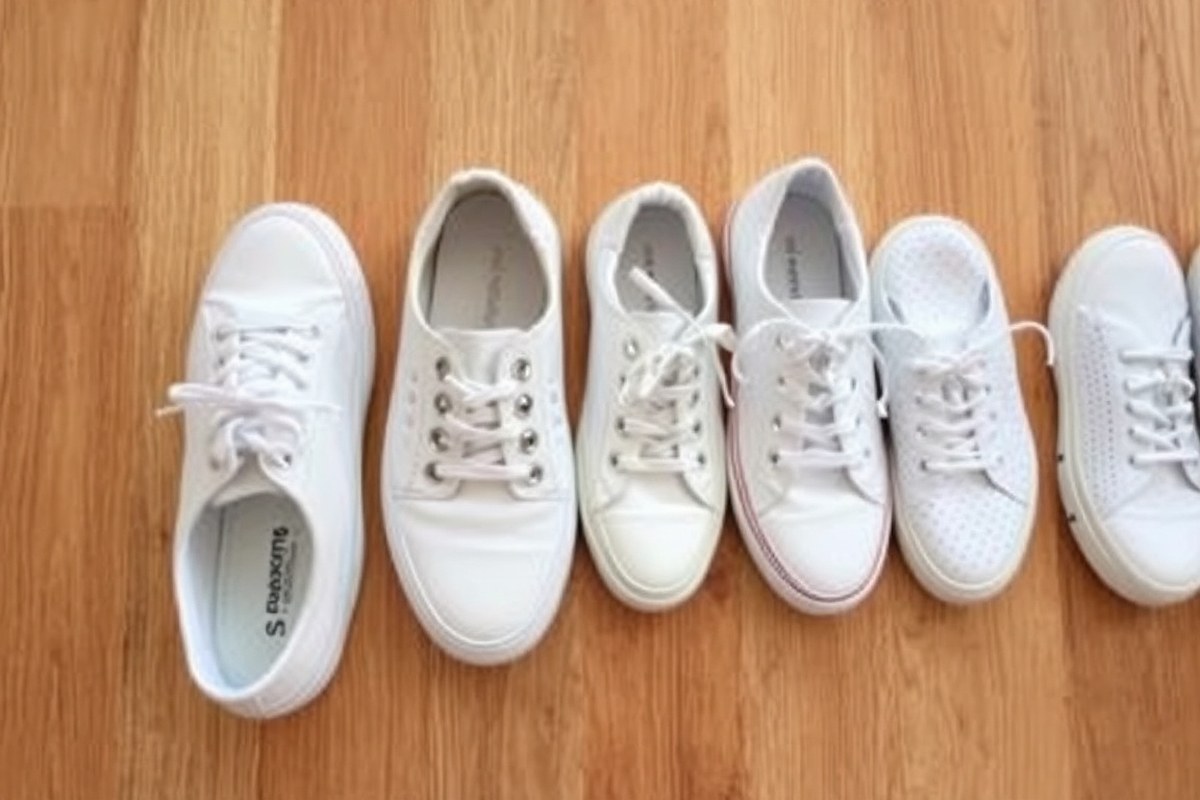
Cleaning white shoes depends heavily on the material since each requires a specific method to avoid damage while effectively whitening. Canvas can tolerate mild scrubbing with baking soda and vinegar, while leather needs gentler care without soaking. Mesh demands soft brushes and less harsh chemicals. Knowing these differences ensures your cleaning method restores whiteness without causing wear or discoloration.
Best Cleaning Agents for Canvas Shoes
Canvas shoes, like Converse, are durable enough for a mild baking soda and white vinegar paste or gentle soap and water cleaning. This combination creates a foamy reaction that lifts dirt and brightens fabric without harsh effects. Avoid bleach on canvas because it can weaken fabric fibers and cause color fade or yellowing.
Gently apply the paste with a toothbrush or soft cloth, scrubbing in circular motions to remove stains. Do not put canvas shoes in a washing machine, as this may cause wear and accelerate breakdown of the shoe’s structure. Instead, rinse lightly and air dry in shade to prevent yellowing.
Safe Whitening Steps for Leather Shoes
White leather shoes require the most delicate approach to avoid cracks, discoloration, and loss of shape. Use a damp soft cloth with mild soap or micellar water for cleaning, followed by applying a leather conditioner to maintain suppleness. Avoid soaking leather or using vinegar and bleach, which can dry out and stain the material.
For persistent stains, a careful application of baking soda paste diluted with water is acceptable, but always test a small area first. After cleaning, let leather shoes air dry at room temperature, away from direct heat or sun, which can cause the material to warp or yellow.
Handling Mesh and Synthetic Materials Carefully
Mesh shoes, such as Nike Flyknits, are more sensitive and require gentle cleaning. Use a mixture of baking soda and hydrogen peroxide applied with a soft brush to brighten the mesh without damaging the fibers. Avoid harsh scrubbing and bleach, as these can tear or discolor the delicate material.
Rubber soles and accents, common on all types of sneakers, respond well to toothpaste or a baking soda paste for whitening. Magic Erasers work well for scuffs and marks on rubber and synthetic parts but should not be used aggressively on fabric or mesh areas.
| Shoe Material | Best Cleaning Method | What to Avoid |
|---|---|---|
| Canvas (e.g., Converse) | Baking soda mixed with vinegar to form a paste, or a gentle soap combined with a soft toothbrush, can be used to clean white shoes effectively. | Bleach, washing machine, direct sun drying |
| Leather (e.g., Brooks, golf shoes) | Damp cloth with mild soap, then conditioner | Soaking, bleach, vinegar |
| Mesh (e.g., Nike Flyknit) | Baking soda and hydrogen peroxide with soft brush, air dry | Harsh scrubbing, bleach |
| Rubber soles and accents | Toothpaste or baking soda paste, Magic Eraser for scuffs | Aggressive scrubbing on fabric areas |
Following material-specific methods preserves your shoes’ integrity while restoring their bright white appearance. Using the wrong method can lead to yellowing, cracking, or fabric breakdown, particularly with leather and mesh. Proper care extends the life of your shoes and maintains their original look.
Tip: Always spot-test cleaning agents on a hidden area to prevent unexpected damage or discoloration before treating the entire shoe.
3. How to Make and Use Baking Soda and Vinegar Paste for Whitening
The ideal ratio for the baking soda and vinegar paste is 1:1 by volume, meaning equal parts baking soda and white vinegar to make a thick paste. Apply the paste evenly with a soft brush, let it sit on your shoes for about 15 to 20 minutes if you plan a quick clean or up to 3 to 4 hours under sunlight for stronger whitening. Use a toothbrush or a soft-bristled scrub brush for detailed scrubbing before letting the paste dry and crack on the shoe surface.
Ingredients and Tools Needed
Combine one tablespoon each of baking soda and white vinegar in a small bowl to make a cleaning paste. Add one tablespoon of hot water as needed to reach the right consistency. Use a soft-bristled brush or old toothbrush to apply and scrub, and have a cloth or paper towel ready to remove extra paste.
The baking soda acts as a mild abrasive and whitener while the vinegar helps lift stains by breaking down dirt and grime. Using hot water helps the paste mix smoothly and activates the ingredients better, making the cleaning more effective. Avoid using metal bowls or containers that may react with vinegar.
Application and Scrubbing Technique
Start by mixing the baking soda and vinegar in the bowl to form a paste thick enough to stick on vertical surfaces without dripping. A 1:1 ratio by volume is best. Apply this paste to the entire exterior surface of your shoes using your soft brush or toothbrush. Focus especially on stained or discolored areas.
- Mix one tablespoon baking soda and one tablespoon white vinegar in a small bowl. Stir until you get a paste consistency.
- Dip your soft brush or toothbrush into the paste.
- Apply the paste evenly onto the shoe, covering all white areas or stains.
- Use gentle circular motions to scrub the surface, working the paste into fabric or mesh fibers if your shoes have those materials.
- Let the paste rest on your shoes for 15 to 20 minutes to complete the cleaning process.
- For deeper whitening, leave the shoes in direct sunlight with the paste on for 3 to 4 hours until it dries and cracks.
A soft-bristled brush prevents damage to delicate materials like mesh or canvas while still providing enough scrubbing power. Avoid aggressive scrubbing on leather as it may dry out the surface.
Drying and Post-Cleaning Care
After the paste has sat for the desired time, gently remove the dried baking soda residue by tapping or clapping the shoes together outdoors. This avoids leaving powdery flakes that can attract dirt. Gently remove any leftover residue by brushing it off or wiping with a dry cloth.
Let the shoes air dry completely in a well-ventilated area away from intense heat once the paste is removed. Avoid putting wet or damp shoes directly into a dryer or near heaters, as this can cause warping or cracking. Regularly applying the paste once a week can help maintain whiteness, but reduce frequency for leather shoes to monthly to prevent drying out the material.
4. Using Toothpaste and Magic Erasers to Remove Stains and Brighten Shoes
Toothpaste can whiten shoe fabrics and soles by using its mild abrasives and whitening agents to lift stains and brighten white surfaces. It works well on canvas, mesh, and rubber parts of shoes. To apply, place a small dab of toothpaste directly onto the stained areas. Use an old toothbrush to gently scrub the toothpaste into the fabric or the sole in circular motions. After scrubbing for about 2 to 3 minutes, let the toothpaste set on the shoes for 10 minutes. Then, rinse or wipe it off with a damp cloth, being careful not to spread the dirt back onto the shoes. Toothpaste costing around $1 to $3 per tube and commonly found in stores can be an inexpensive way to restore whiteness.
For best results, use plain white toothpaste without gels, whitening beads, or colored additives. These formulations provide consistent mild abrasives that target stains without risking dye transfer or uneven discoloration. Avoid toothpaste with bleach or peroxide if your shoes have delicate or synthetic materials, as those chemicals may cause damage or yellowing.
Magic erasers work well for cleaning scuffs and stains on rubber soles and hard parts of shoes. Made from melamine foam, they function like gentle sandpaper to lift dirt. Slightly wet the eraser with water before use, avoiding too much moisture that might harm fabric sections. Rub the stained spots softly in circles using light pressure until the marks fade. Each magic eraser typically costs $1 to $2 and can be reused several times for cleaning.
Take care not to use a magic eraser on delicate fabrics or leather, since the mild abrasives can remove dyes or finishes, leading to dull spots or permanent damage. Focus on rubber soles, midsoles, and tougher synthetic surfaces where the eraser’s abrasiveness poses little risk. Avoid scrubbing aggressively or using it on entire fabric areas, which could thin fibers or cause discoloration.
After using toothpaste or a magic eraser, rinse off any residue with a damp cloth, then air dry your shoes away from direct heat. This approach helps prevent water spots and preserves the shoe’s shape and materials. Following these steps will let you safely brighten your white shoes using common household products while minimizing the risk of damage.
5. Choosing and Using Commercial Shoe Cleaners and Whitening Products
Choosing the right commercial shoe cleaner depends on your shoe’s material and how deeply stained they are. Specialized fabric cleaners often contain hydrogen peroxide, which a 2021 Journal of Consumer Research study found particularly effective at removing stains from fabric shoes. For leather shoes, cleaners labeled as commercial leather cleaners or mild soap solutions work best without damaging the material. Always read labels to confirm compatibility with your shoe type.
Commercial shoe cleaners typically cost between $10 and $25 per bottle, making them more expensive than homemade remedies like baking soda or vinegar. However, their ease of use and proven results often justify the investment, especially if you want a quick and reliable whitening effect. User reviews show these cleaners restore shoes well and are simple to apply.
To use these products effectively, follow the label instructions carefully. Clean shoes with a brush or cloth to remove loose dirt first. Then apply the cleaner evenly across the surface, focusing on stains or yellowed areas. Let it sit for the recommended time, often 5 to 10 minutes, before wiping off or rinsing. Avoid overusing bleach-based products on synthetic materials, as warned by the Consumer Product Safety Commission, because they may damage the shoes or cause yellowing. Also, testing the product on a hidden spot helps prevent unexpected discoloration.
| Product Type | Best for Shoe Material | Key Ingredient | Application Time | Average Cost | Effectiveness |
|---|---|---|---|---|---|
| Fabric Shoe Cleaner | Canvas, Mesh | Hydrogen peroxide | 5-10 minutes | $15-$20 | Very effective at stain removal |
| Leather Shoe Cleaner | Leather | Mild soap or leather-safe compounds | 5-7 minutes | $12-$18 | Gentle, prevents damage |
| Bleach-Based Cleaner | White fabric only | Bleach (use sparingly) | 2-5 minutes | $10-$15 | Effective but risky on synthetics |
| All-Purpose Shoe Cleaner | Rubber, mixed materials | General cleaning agents | 5-10 minutes | $10-$25 | Moderate effectiveness, versatile |
Applying these cleaners to wet or dirty shoes may reduce their effectiveness, so cleaning off surface dirt beforehand is important. After application, placing shoes outside in bright sunlight for 3 to 4 hours can boost whitening results. However, avoid excessive sun exposure as it may dry out materials like leather.
Always test commercial cleaners on a concealed area before full application to avoid unexpected damage or discoloration.
6. Bleach and Hydrogen Peroxide: Powerful Whitening with Safety Measures
Bleach and hydrogen peroxide can both significantly whiten white shoes, but using them safely is key to preventing damage. For bleach, always dilute it before application to avoid weakening fabric fibers or discoloring materials. A safe dilution ratio is one part bleach to five parts water. For example, mix 2 tablespoons of bleach with 10 tablespoons of water. Use a soft cloth or sponge to apply the solution gently and avoid soaking the shoe. Immediately after a short application time, no more than 5 minutes, wipe the bleach off thoroughly with a damp towel. Prolonged or concentrated exposure can cause yellowing, stiffening, or holes in shoe fabric, so never use undiluted bleach directly on shoes.
Hydrogen peroxide is usually safer to use on white shoes and works well with baking soda to create a strong whitening paste. Mixing equal parts of baking soda and hydrogen peroxide produces an effective stain remover without the harsh risks linked to bleach. One typical recipe is 1 tablespoon baking soda combined with 1 tablespoon hydrogen peroxide, adjusted to a paste consistency. Apply this directly to stained areas and let it sit for 10 to 15 minutes before rinsing. This paste is especially good for athletic shoes that benefit from both whitening and deodorizing. You can let the shoes air dry completely, usually 2 to 3 hours, before wearing them again.
Always wear protective gloves when handling bleach or hydrogen peroxide to protect your skin and avoid inhaling fumes by working in a well-ventilated area. Test any whitening solution on a small, hidden part of the shoe first to check for adverse reactions. Never mix bleach and hydrogen peroxide together, as it creates harmful gases. After whitening, rinse shoes thoroughly with water to remove any chemical residue that could degrade materials over time. Dry shoes in a cool, shaded spot to prevent yellowing caused by sunlight and heat. If you apply bleach or hydrogen peroxide late in the day, leave shoes to dry overnight for best results. Keeping these safety measures in mind helps maintain your shoes’ appearance while avoiding accidental damage.
7. Proper Drying Techniques and Timelines for Best Whitening Results
Proper drying is essential for whitening shoes effectively and preserving their material quality. Dry them thoroughly in a well-ventilated area away from direct sunlight to prevent damage and yellowing. Using techniques like stuffing with paper towels or shoe trees helps maintain shape during drying, ensuring the whitening process holds well.
Recommended Drying Duration by Method
The drying time varies depending on the shoe material and cleaning method used. Generally, allow shoes to air dry for at least 12 hours to ensure complete moisture evaporation. Using a fan can speed this up to around 6 to 8 hours without risking damage.
For canvas or mesh sneakers, expect about 8 to 12 hours of drying time indoors with good airflow. Leather shoes require longer drying, often 12 to 24 hours, to avoid trapping moisture that can weaken the leather or cause odors. Stuff shoes with paper towels or shoe trees to retain their shape and absorb excess water during drying.
Sunlight Versus Shade for Drying
Drying shoes in direct sunlight often leads to fading, yellowing, and material cracking, which undermines whitening efforts. Shade or indirect sunlight is preferable to protect the shoe’s color and integrity. A cool, dry spot with good airflow is ideal.
Some lightly soiled shoes can benefit from brief indirect sunlight exposure to boost whitening, but always monitor closely to avoid overexposure. For most whitening methods, especially those using bleach or peroxide, drying in shade maintains better long-term brightness and reduces the risk of discoloration.
Avoiding Shrinkage and Discoloration While Drying
Shrinkage and discoloration often happen when shoes dry too quickly, unevenly, or under heat sources such as direct sunlight or heaters. To avoid this, never use a clothes dryer or place shoes near radiators or vents.
Stuff the shoes with crumpled paper towels or insert shoe trees before drying. This prevents the uppers from collapsing or wrinkling, which maintains their original fit and appearance. Replace the paper towels if they become soaked during the drying process.
Rinse off all cleaning agents thoroughly before drying to prevent residue buildup, which can cause yellowing or stiffness. Store shoes in a cool, dry environment once dry to maintain the whiteness and structural integrity. Follow these steps for proper drying:
- Remove any excess cleaning solution by rinsing your shoes completely with clean water.
- Pat shoes gently with a dry towel to absorb excess moisture on the surface.
- Stuff the shoes with fresh paper towels or insert shoe trees to preserve shape.
- Position the shoes somewhere with good airflow, avoiding direct sunlight and any heat sources.
- Use a fan to circulate air around the shoes to speed drying, if desired.
- Check every few hours and replace paper towels if they become wet.
- Allow shoes to dry for at least 12 hours or until fully dry to the touch.
- Once dry, store shoes in a cool, dry place to prevent yellowing and maintain whiteness.
8. Preventing Yellowing and Keeping White Shoes Clean Longer
White shoes yellow primarily due to oxidation, which happens when the materials are exposed to air over time. This process accelerates if you wash your shoes too often or use harsh detergents. Frequent exposure to dirt, sweat, and environmental pollutants also causes discoloration and stains, making shoes look tired and worn faster. Minimizing wear in extreme conditions and adopting preventive care reduces the yellowing and extends the bright, fresh look of your white footwear.
Cleaning shoes regularly plays a big role in prevention. Aim to clean your white shoes after every few wears, especially if you’ve been outdoors or in dusty environments. However, avoid overwashing since excessive washing wears down materials and can contribute to yellowing. Between deeper cleanings, use a damp cloth or gentle spot cleaning with dish soap and water to remove surface dirt quickly. This routine helps stop stains from settling in, keeping shoes looking fresh and reducing the need for intensive whitening treatments.
Applying a water-repellent spray designed for shoes offers additional protection. These sprays create a barrier that repels water, dirt, and oils, which can stain white surfaces. Reapply the spray every couple of weeks or after cleaning the shoes. For leather white shoes, conditioning occasionally with a leather protector can maintain softness and prevent cracks that trap dirt. Lace care also matters; regularly washing laces or replacing dirty ones prevents grime from transferring back onto the shoe.
Shoe trees support white shoes’ shape and limit creases that trap dirt and complicate cleaning. Keep shoes stored in a cool, dry spot away from sunlight to avoid faster material decay and yellow stains. Proper airflow helps stop moisture accumulation that leads to mold or bad smells.
A maintenance checklist you can follow includes gently wiping shoes after each use, spot cleaning as needed, applying water and stain repellents every 1 to 2 weeks, washing laces monthly, and deep-cleaning shoes with a baking soda and vinegar paste or suitable cleaner every 3 to 4 weeks if you wear them often. This schedule balances cleaning frequency and minimizes chances of yellowing caused by overexposure to water and chemicals.
Clean white shoes with mild dish soap and water after every few uses, but avoid washing too often to prevent yellowing caused by excessive moisture and abrasion.
Step-by-Step Action Plan for Whitening Your White Shoes
Follow these steps to quickly and safely restore the brightness of your white shoes while protecting their material.
- Before You Start: Identify your shoe material (canvas, leather, mesh, or rubber) to choose the best cleaning method.
- Day 1: Remove dirt and dust with a soft brush or cloth; your shoes should look visibly cleaner but not yet bright white.
- Day 2: Apply a homemade baking soda and vinegar paste or a safe commercial cleaner based on your shoe type; wait for 30 minutes to see stain reduction.
- Day 3: Gently scrub with a magic eraser or soft toothbrush to lift deeper stains; stains should appear lighter.
- Day 4: Rinse off cleaning agents gently with cool water and blot dry; shoes should no longer have leftover residue.
- Day 5: Allow shoes to air dry completely away from direct sunlight to prevent yellowing; shoes feel dry and ready for wear.
- Week 2: Use a UV-protective spray or sneaker protector to prevent future yellowing and staining; shoes maintain their whiteness longer.
- After 1 Month: Inspect for any new stains and repeat cleaning steps selectively to maintain a fresh look without over-washing.
Frequently Asked Questions
Can I Whiten My Shoes Using Lemon Juice Instead of Vinegar?
Yes, lemon juice can replace vinegar for whitening white shoes. Its natural acidity helps break down stains, but you should rinse your shoes well afterward to avoid drying out or damaging the material.
How Long Should I Wait Before Wearing Shoes After Whitening Them?
Wait at least 2-3 hours before wearing shoes after whitening. This gives the treatment time to set and the shoes enough time to dry fully, preventing damage or re-staining.
Is It Safe to Whiten Shoes with Bleach Indoors?
It’s safer to use bleach outdoors or in a well-ventilated area to avoid inhaling fumes. Bleach is strong and can damage some shoe materials if not used carefully.
Can Whitening Treatments Remove Deep-Set Stains on Shoes?
Whitening treatments primarily target surface stains and yellowing; deep-set stains may only lighten partially. Repeated treatments or specialized stain removers might be needed for stubborn marks.
How Often Should I Whiten My White Shoes to Maintain Brightness?
Whiten shoes as needed when they start to look dull or stained, typically every few months. Frequent whitening can wear down shoes, so balance maintenance with care.
Will Whitening Methods Damage the Shoe’s Fabric or Glue?
Some whitening agents, like bleach, can weaken fabrics and glue if overused. Always do a patch test and follow product instructions to minimize damage risk.
The Bottom Line
Maintaining white shoes is about careful cleaning tailored to their material and timely prevention of yellowing. Starting with proper dirt removal and following gentle whitening methods will protect your shoes and keep them looking bright. Take action today by picking the right cleaning approach for your shoe’s fabric and watch the difference in their appearance.