How to Take Care of Leather Jacket: Simple Steps for Long-Lasting Style
To keep your leather jacket looking sharp and lasting for years, clean it regularly, condition the leather every few months, and store it properly. Address stains promptly and use specialized products to maintain flexibility and water resistance. How to take care of leather jacket involves simple but consistent routines tailored to your jacket’s type, color, and usage.
This advice suits anyone who owns a leather jacket, from new buyers to seasoned wearers, aiming to preserve its style and durability. You’ll learn practical steps to clean, condition, store, and protect your jacket, preventing common mistakes and extending its lifespan.
Key Takeaways
- Wipe down your leather jacket after each wear to remove surface dirt and oils.
- Condition your jacket every 3 to 6 months to maintain softness and prevent drying.
- Clean your jacket every 1 to 2 months, adjusting based on frequency of wear.
- Use conditioners like Venetian Imperial Balm, Leather Honey, or Lexol for best results.
- Store jackets on wide, padded hangers away from direct sunlight and heat sources.
- Apply waterproofing treatments every few weeks if wearing outdoors often, otherwise every 2-3 months.
How to Clean and Condition a Leather Jacket Properly

Cleaning and conditioning your leather jacket properly protects its natural oils and keeps it soft while avoiding damage. Use gentle, leather-specific products such as Pecard Leather Care, TriNova Leather Cleaner, or Bickmore Bick 5. These are formulated to clean effectively without harsh chemicals that could dry out the leather or leave sticky residues. Testing any product on a hidden spot first helps prevent surprises like discoloration or stiffness.
Conditioning restores moisture lost from wear and exposure to the environment. Apply it sparingly and allow at least 20 to 30 minutes for absorption so the leather retains flexibility without feeling greasy or sticky. Avoid using household cleaners or heavy chemical conditioners, which can damage your jacket’s texture and appearance.
- Check the care label and test the product. Before applying anything, read your jacket’s care instructions and try the cleaner or conditioner on a small, hidden area. Ensure the color or texture does not change after 10 minutes.
- Remove surface dirt and dust. Use a soft, dry microfiber cloth to gently wipe the jacket. This step prepares the leather for cleaning by preventing grit from scratching the surface.
- Apply a small amount of leather cleaner. Dampen a soft cloth with the cleaner (such as TriNova) and rub gently in circular motions over the jacket, focusing on soiled spots. Avoid soaking the leather; a light layer is enough.
- Wipe away excess cleaner. Using a clean, slightly damp cloth, remove residue from the cleaner. Then dry the jacket with another soft cloth or air dry at room temperature away from direct sunlight or heat sources.
- Apply leather conditioner sparingly. Use a clean cloth to apply a thin, even coat of conditioner like Pecard or Bickmore Bick 5. Work it into the leather with gentle, not abrasive, strokes to replenish oils and maintain suppleness.
- Allow 20 to 30 minutes for conditioning to absorb. Let the jacket sit at room temperature while the conditioner penetrates. Afterward, buff lightly with a dry cloth to remove any excess and restore a natural sheen.
For jackets exposed to heavy dirt or sweat, focus cleaning on the most soiled areas and condition more frequently. Avoid over-conditioning since that can weaken stitching or create sticky spots. A regular light clean and conditioning schedule provides the best balance to keep your leather jacket comfortable and looking its best over time.
When and How Often to Care for Your Leather Jacket
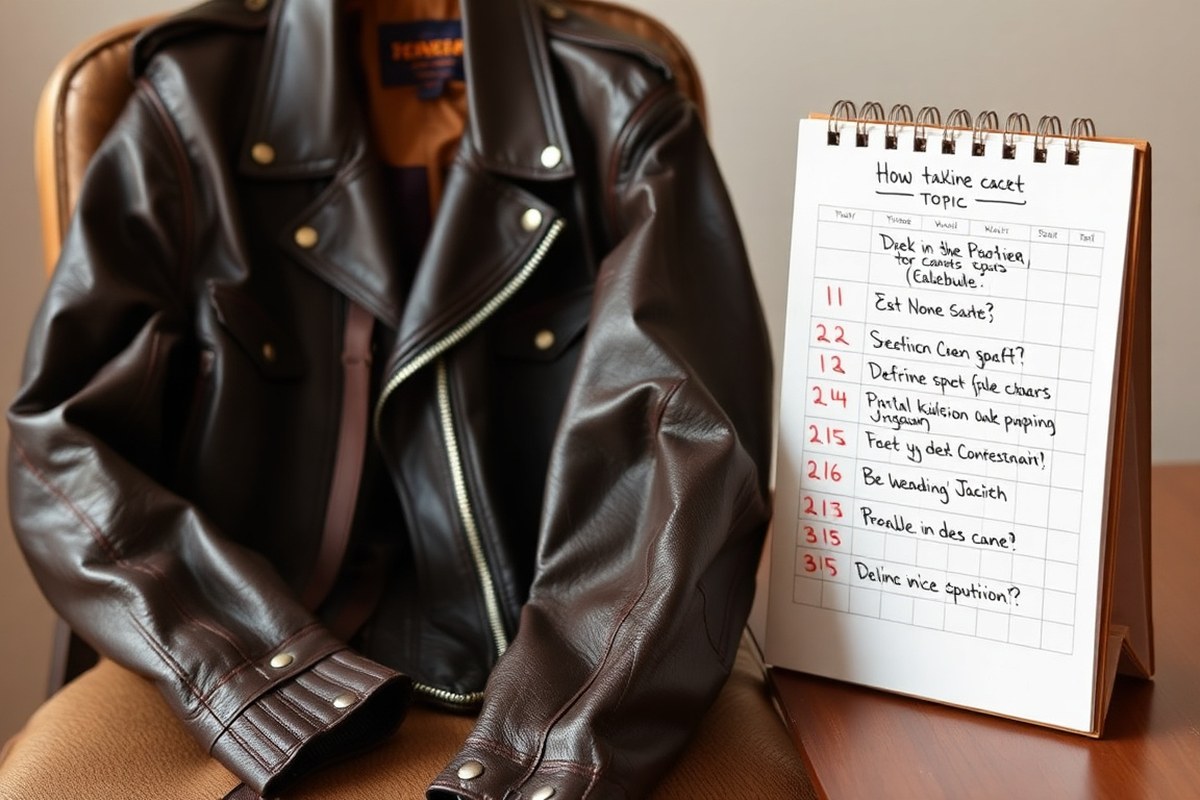
Leather jackets require attention at intervals that depend mainly on how often you wear them and the conditions you expose them to. Regular cleaning every 2 to 4 weeks removes surface dirt and oils, while conditioning every 6 to 12 months keeps the leather supple and prevents drying or cracking. If you notice your jacket looking dull, feeling stiff, or showing small cracks, it signals the need for conditioning sooner rather than later.
Spills and stains call for immediate spot cleaning to avoid permanent damage. Deep cleaning is less frequent but essential, recommended every 6 to 12 months, to remove embedded dirt and refresh the leather’s appearance. This process usually involves a mild leather cleaner followed by conditioning to restore moisture balance.
Professional care is advisable if your jacket faces tough stains, mold, or significant wear. Experts use products tailored for deep cleaning without harming the leather, paying careful attention to preserve its natural oils and finish. Doing deep cleaning incorrectly at home can cause stiffness, color loss, or shrinkage. The table below summarizes typical maintenance routines and their recommended frequencies for most leather jackets under average use conditions:
| Maintenance Type | Frequency |
|---|---|
| Regular Cleaning | Every 2-4 weeks |
| Stains or Spills | Promptly |
| Deep Cleaning | Every 6-12 months |
| Conditioning | Every 6-12 months or when leather appears dull or dry |
| Visual Inspection | Regularly |
Visual inspection helps you catch early signs of damage or dryness. Check your jacket’s leather by gently bending it; if it wrinkles excessively or cracks, conditioning is needed immediately. Conditioning keeps the leather soft and prevents brittleness, which is important to preserving the jacket’s look and lifespan.
Tip: Use dedicated leather cleaners and conditioners rather than household products, as these are formulated to maintain moisture while cleaning effectively without stripping oils.
Stain Removal and Waterproofing Tips for Leather Jackets
Removing stains and managing water exposure on a leather jacket requires careful, specific steps to avoid damage. Use gentle cleaning methods tailored to the stain type, avoid household products like Vaseline that can clog pores or darken leather, and apply proper waterproofing sprays to protect against moisture damage. Following these practices helps maintain your jacket’s appearance and durability over time.
Common Stains and Safe Removal Techniques
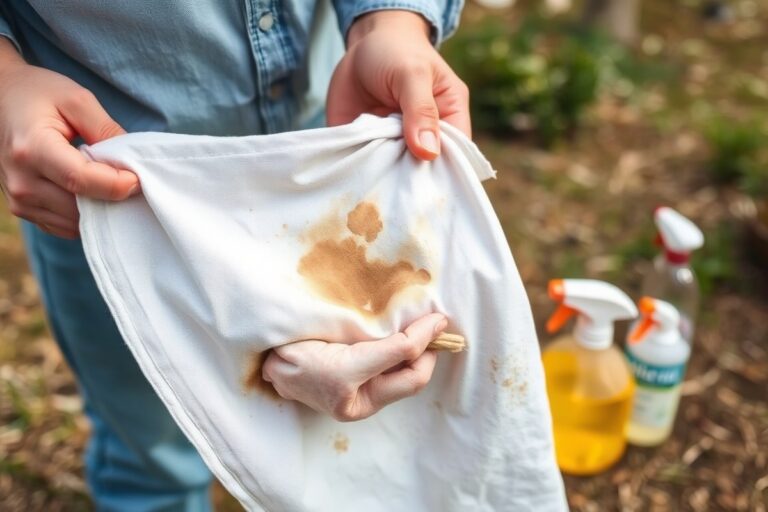
Identifying the stain type is the first step. For dirt or mud, wait until it dries, then gently brush it off with a soft brush. Oil stains need immediate attention; blot excess with a clean cloth but do not rub.
Use a damp cloth with a small amount of saddle soap or a leather cleaner designed specifically for your jacket’s leather type. Test any cleaner on a hidden spot first. Avoid household items such as Vaseline or general moisturizers, which can cause long-term damage by darkening or clogging the leather’s pores.
- Blot liquid spills immediately, do not rub
- Use specialized leather cleaner or saddle soap lightly
- Brush off dry dirt gently with a soft brush
- Test any product on a hidden area first
- Avoid household products like Vaseline or oils
- For stubborn stains or delicate leathers, consult a professional
Following these steps minimizes risk of discoloration or texture changes. When stains prove tough, professional cleaning remains the safest route, especially for light-colored, suede, or specially treated jackets.
Handling Wet Leather and Drying Safely
After exposure to rain or water, gently pat your leather jacket with a dry towel to absorb moisture without rubbing. Never use a hairdryer, heater, or place the jacket near direct sunlight to speed drying. These heat sources can crack or warp the leather.
Hang your jacket on a wide, padded hanger in a well-ventilated room at normal room temperature. Keep it away from radiators or windows. Allow 24 to 48 hours for complete natural drying. This process preserves the leather’s shape and prevents stiffness or shrinkage.
- Pat dry gently with a towel, avoid rubbing
- Air dry on a wide hanger indoors at room temperature
- Keep away from direct heat, sunlight, and drying machines
- Allow at least 24 hours to dry completely
- Condition the jacket after drying to restore oils
Careful drying keeps the leather flexible and reduces long-term moisture damage, such as peeling or mold growth. After drying, reapply leather conditioner to maintain softness.
Best Waterproofing Products and How to Apply
Use a high-quality leather protectant or water-repellent spray designed for leather jackets. These sprays form a breathable barrier that helps repel water without clogging pores or altering the jacket’s look.
Before applying, clean your jacket to remove dirt and oils. Spray evenly from 6 to 8 inches away, covering all visible leather surfaces. Avoid spraying hardware like zippers or buttons. Allow the jacket to dry fully, usually within an hour, in a shaded area.
- Choose a professional leather-specific waterproofing spray
- Clean the jacket thoroughly before application
- Spray evenly from 6 to 8 inches away
- Avoid direct spray on hardware and seams
- Let the jacket dry fully in the shade (about 1 hour)
- Reapply every few months or before exposure to rain
Regular waterproofing maintains a fresh look and prevents water stains or damage. Reapplying before the rainy season or after heavy use ensures your leather jacket remains protected against moisture.
Proper Storage to Maintain Shape and Prevent Damage
To keep your leather jacket looking its best, store it on a padded hanger that supports the shoulders and helps maintain the jacket’s shape. Avoid wire or thin plastic hangers, which can cause creases or stretch the leather out of shape. A sideways crease along the shoulder or wrinkled sleeves often means the hanger isn’t wide or cushioned enough.
Avoid folding the jacket, as folds can leave permanent marks and create weak spots in the leather. Always hang it in a spot that is cool and dry, ideally below 70°F with low humidity. Excess heat or moisture can dry out the leather or encourage mildew growth, leading to stiffness and unpleasant odor.
Using a breathable garment bag made of cotton or linen protects your jacket from dust and light exposure while allowing air circulation. Plastic bags trap moisture, raising the risk of mildew and fading, which will dull the finish and weaken the leather over time. Make sure the jacket is completely dry before storing it to prevent mold formation.
- Hang your jacket on a wide, padded hanger to support its shape
- Store your leather jacket in a dry area, out of direct sunlight and away from anything that generates heat.
- Use a breathable garment bag, not plastic, to allow airflow
- Ensure your jacket is fully dry before packing it away
- Avoid folding or stuffing the jacket into tight spaces
- Check periodically for signs of mildew, creases, or fading
Storing your jacket carefully usually costs nothing beyond the price of a quality padded hanger, typically around $10 to $20, and a breathable garment bag, which can be found for under $15. Good storage conditions preserve the supple feel and rich color of leather while preventing damage from environmental factors. Poor storage can result in hard-to-remove creases, surface cracking, and irreversible fading, which might force expensive repairs or even replacement.
Leather jackets with more delicate finishes, like suede or very light colors, may require extra cautious storage away from any dust or exposure, using dedicated garment bags designed for those materials. Always tailor your storage setup to the jacket’s specific material and finish to extend its life and keep it looking professional for years.
Common Leather Jacket Care Mistakes and How to Avoid Them
Many leather jacket owners unintentionally damage their jackets by using harsh cleaning products or over-conditioning the leather. Harsh chemicals, like bleach or household cleaners, strip natural oils and break down leather fibers, leading to stiffness, discoloration, and cracks. Always use a cleaner specifically designed for leather, ideally with a thick, rich formulation that protects all parts of the jacket.
Over-conditioning is another common mistake. Applying too much conditioner or doing it too often clogs the leather’s pores, making it sticky and attracting dirt. To avoid this, apply a thin, even layer of conditioner only when the leather feels dry or looks dull, usually every 3 to 6 months depending on use and climate. Excess conditioner can be wiped off gently with a soft cloth shortly after application.
Improper drying after getting wet can cause permanent damage. Leather should never be dried near direct heat sources like radiators or hairdryers. Instead, let it air dry slowly at room temperature on a padded hanger, away from sunlight. This prevents shrinking and warping. When the leather feels stiff after drying, apply a small amount of conditioner to bring back softness.
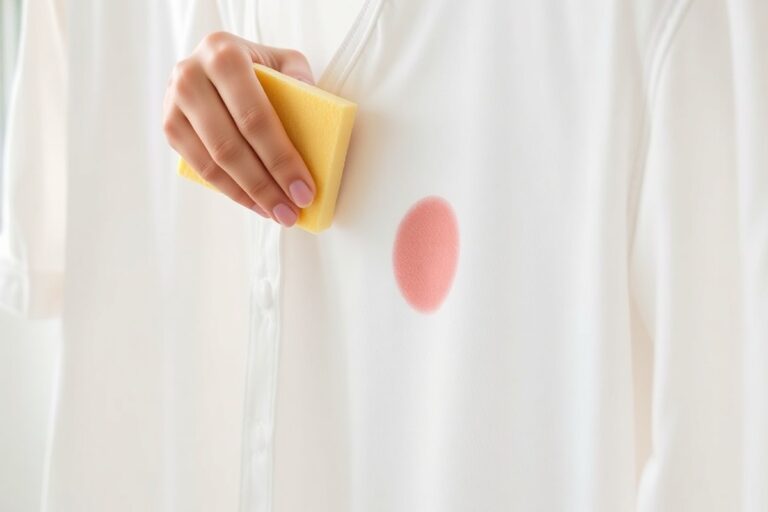
Cleaning your leather jacket yourself can risk further damage if you don’t follow proper steps. Testing products on a hidden spot first can prevent noticeable discoloration. Avoid scrubbing vigorously, which can remove the surface finish. Instead, use gentle circular motions with a soft cloth or sponge. Correcting damage from past mistakes depends on the issue:
- For stiffness or dryness, apply a quality leather conditioner sparingly and allow it to absorb overnight.
- When stains appear, avoid harsh DIY chemicals; use a leather cleaner designed for the stain type or get professional assistance.
- To fix fading or discoloration, specialized recoloring creams or dyes designed for leather can help, but improper use risks uneven results.
- For cracks or peeling, professional repair is recommended since DIY patching can worsen the look.
- Prevent future problems by rotating care products and following manufacturer guidelines.
Never use water alone or household cleaners to remove stains, these often set stains deeper or damage the leather surface.
Understanding these mistakes helps protect your jacket’s look and lifespan. The cost of quality leather cleaners and conditioners ranges from $10 to $30. This investment beats the expense of professional repairs or replacing a damaged jacket. Taking care gradually and gently means your leather stays supple, retains its color, and lasts for years.
Differences in Caring for Various Leather Types and Colors
Caring for a leather jacket requires adjustments based on the type and color of the leather. Different leathers respond to cleaners and conditioners in unique ways, and lighter colors like white demand extra attention to prevent visible stains. The natural aging of leather, called patina, also influences how your jacket should be maintained.
Care Variations by Leather Type
Smooth leather and suede demand distinct care routines because their surfaces react differently to moisture and conditioning products. Smooth leather tolerates cleaning with gentle leather-specific cleaners and conditioning balms, like Venetian Imperial Balm priced around $14, which helps retain suppleness and water resistance. Suede, however, should not be exposed to water or oily conditioners. Instead, a soft brush and a suede eraser handle surface dirt without damaging the texture. The choice of cleaning method should match the origin of the leather; full-grain leather can be conditioned regularly, while lower-quality or corrected grain leather may require gentler products applied less frequently to avoid buildup that dulls the finish.
Color also matters. Darker leathers such as black or brown can mask minor stains and wear, allowing for more straightforward cleaning routines. In contrast, richly colored or dyed leather jackets often need specialized conditioners matching their specific dye to avoid color fading or changes. Cleaning products should be tested on an inconspicuous area first to ensure no discoloration occurs.
Special Tips for White and Light-Colored Leather
White and other light-colored leather jackets are prone to showing dirt, stains, and color transfer much more readily than darker jackets. After a thorough cleaning with a gentle leather cleaner, applying a clear, neutral conditioner like the Venetian Imperial Balm protects the surface without altering the color. Avoid any colored creams or conditioners that might tint the leather and create unwanted patches.
Extra caution is necessary to prevent stains from everyday contact. Use a damp microfiber cloth for quick touch-ups and avoid wearing dark denim or heavily dyed fabrics underneath to reduce the risk of dye transfer. If a stain occurs, treat it as soon as possible with a cleaner formulated for light leather, following label instructions closely. Regular protective sprays designed to repel water and oils help maintain the jacket’s pristine appearance but must be used sparingly to avoid build-up or dullness.
Understanding and Maintaining Patina
Leather patina develops as your jacket ages, resulting in a rich, worn texture and slight color variation that many consider desirable. This natural process happens primarily on original, full-grain leathers and indicates high-quality material. A jacket with patina usually requires less intensive conditioning because the sheen and suppleness come from long-term wear and gradual absorption of natural oils.
Preserving patina means avoiding over-cleaning or heavy application of conditioners that could saturate the leather and diminish its texture. Clean the jacket gently, using mild leather cleaners and light conditioning only when the leather feels dry to the touch. Protect patina from harsh elements by applying a thin layer of protective balm seasonally. Avoid chemicals or products with heavy fragrances or dyes that could damage the aged surface. Maintaining this balance keeps your leather jacket looking uniquely attractive and extends its life well beyond a synthetic alternative.
Safe Drying Techniques for Wet Leather Jackets
To dry a wet leather jacket safely, avoid applying direct heat like hairdryers or irons, as these can cause cracks, shrinkage, and stiffening. Instead, let the jacket air dry naturally at room temperature with good airflow. This gradual drying preserves the leather’s texture and flexibility without damage.
Immediate Actions After Leather Gets Wet
Start by gently removing as much moisture as possible without rubbing the leather hard. Blot the wet areas using a clean, dry cloth or towel to absorb excess water. Avoid wiping or scrubbing, which can damage the surface or push water deeper into the leather.
After blotting, let the jacket remain unwrapped or unfolded so air can circulate around it. This reduces chances for mold or mildew while it begins to dry.
- Lay the jacket flat or hang it on a padded hanger to maintain its shape.
- Use a soft, absorbent cloth to blot moisture from wet spots carefully.
- Do not wring or twist the leather to squeeze out water.
- Let the jacket dry naturally in a room with good airflow and a comfortable temperature.
Proper Environment and Tools for Drying
Choose a dry room that’s away from direct sunlight or heat sources, ideally between 65°F and 75°F. Sunlight can cause the leather to fade or harden, while excessive heat speeds drying unevenly. A spot with gentle natural airflow speeds evaporation without harsh conditions.
You can open windows or use a fan set on a low setting to improve air circulation around the jacket in the drying space. Make sure the jacket is positioned so that all sides get exposure to moving air. This prevents stiff spots caused by uneven drying.
Avoiding Heat and Pressure Damage
Resist the urge to use a hairdryer, radiator, or iron on wet leather. These heat sources dry the leather too quickly and unevenly, which leads to brittleness, cracking, and shrinking. Heat also strips away natural oils that keep leather soft and supple.
Also, avoid placing heavy objects or folding the jacket while it dries. Pressure can leave permanent creases or deform the shape of the leather, especially when wet and more pliable. Wait until the jacket is completely dry before any ironing or reshaping steps.
When to Choose Professional Leather Jacket Cleaning
You should consider taking your leather jacket to a professional cleaner when you notice deep stains, persistent odors, extensive fading, or stiff and cracked leather that regular home care cannot fix. Heavy soiling from grease or ink, mold, or damage due to water exposure also require expert attention. Professional cleaning helps restore the jacket’s texture and appearance using advanced methods and products that are safe for delicate leather types.
Expert leather care matters because improper cleaning or using the wrong products can cause irreversible damage such as discoloration or drying out the leather. Professionals use specialized cleaners and conditioners applied at controlled temperatures to safely remove dirt and restore oils without harming the leather’s finish. They may also repair minor scratches and cracks to extend the jacket’s lifespan. Expect the cleaner to assess the damage, perform a thorough but gentle cleaning, condition the leather, and sometimes apply protective treatments.
Here’s how to decide when to opt for professional cleaning: if you have tried suitable at-home cleaners designed for leather, like Lexol All-Leather Spray or Bickmore Bick 5 Cleaner, but still see stubborn stains or feel your jacket’s texture is compromised, schedule a professional service. Also choose a pro if your jacket has mold or mildew, which require particular treatments to fully eliminate. For significant damage or antique jackets, skilled restoration might be necessary to maintain value.
Professional leather cleaning can cost between $75 and $200 depending on the jacket’s size, condition, and location. Additional repairs such as zipper replacement or patching may add to the price. The process typically takes a few days up to a week, so plan ahead if you need the jacket for special occasions. After cleaning, your jacket should feel softer, smell fresh, and look evenly coloured and polished without residue or sticky spots. Poor service might leave the leather dull, stiff, or with uneven patches.
Avoid using harsh chemical cleaners on leather yourself; they can strip natural oils and cause cracking, making expert cleaning your safest option for tough issues.
Step-by-Step Action Plan for Leather Jacket Care
Follow these steps to keep your leather jacket looking its best and lasting for years.
- Before first wear: Apply a leather conditioner to protect the material and check for any uneven absorption or color change.
- After each wear: Gently wipe your jacket with a soft cloth to remove surface dirt and prevent buildup.
- Every 3 months: Clean and condition your jacket using products suited to your leather type; look for a soft, supple feel as a sign of success.
- Immediately after a spill: Blot stains with a clean, dry cloth, avoiding rubbing; confirm stain reduction before proceeding with spot treatment.
- After exposure to rain: Air dry your jacket upright at room temperature, away from heat sources, until fully dry to avoid stiffness or cracks.
- Seasonal storage: Hang your jacket on a wide padded hanger in a cool, dry place; check for any wrinkles or misshaping before storage.
- Every 6 months: Apply a waterproofing spray formulated for leather to maintain protection, ensuring an even, dry finish without stickiness.
- When stains or damage persist: Schedule professional cleaning by a reputable leather specialist to prevent permanent harm.
Frequently Asked Questions
How Often Should You Treat a Leather Jacket?
Treat your leather jacket every 3 to 6 months to keep it supple and protected. Regular care preserves its texture and prevents cracking over time.
Does Vaseline Preserve Leather?
Vaseline isn’t recommended for preserving leather; it can trap dirt and cause buildup. Use a proper leather conditioner instead for safe hydration.
What Not to Do with a Leather Jacket?
Avoid exposing your leather jacket to direct heat, harsh chemicals, or folding it tightly. These can cause stiffness, damage, and loss of shape.
Is Leather Ruined If It Gets Wet?
Leather isn’t ruined by getting wet, but you should dry it slowly away from heat. Rapid drying can cause stiffness and cracking.
Can I Use Household Oils to Condition My Leather Jacket?
Household oils can darken or damage leather, so use conditioners made specifically for leather.
What Is the Best Way to Remove Ink Stains from a Leather Jacket?
Ink stains generally require special leather cleaners, not water. Test any cleaner on a hidden area first.
Final Thoughts
Proper care of your leather jacket preserves its appearance, comfort, and durability much longer than casual treatment. Taking small, consistent steps like conditioning regularly and storing it properly can prevent common issues. Start today by inspecting your jacket for any dirt or dryness and treat it with an appropriate conditioner specific to your leather type to maintain its natural look and feel.