How to Remove Dark Armpits: 8 Proven Steps for Lasting Brightness
To remove dark armpits safely and effectively, use gentle natural remedies, consistent exfoliation, and choose appropriate hair removal and deodorant products. Preventing friction and skin irritation also plays a big role in maintaining brightness. This approach helps fade existing darkness without causing further damage or sensitivity.
You’ll find clear steps on what causes dark underarms and proven ways to treat and prevent them. These tips suit anyone wanting healthier, brighter underarms using safe methods that can fit into regular self-care routines.
Key Takeaways
- Apply natural lightening agents like grated potato juice or coconut oil for 10-20 minutes to gently brighten skin.
- Exfoliate underarms with a mild scrub for 2 minutes to remove dead skin without causing irritation.
- Choose hair removal methods like waxing or tweezing to reduce darkening from shaving friction.
- Use deodorants free from harsh chemicals that may irritate or darken underarm skin.
- Start treatments gradually, applying products 2 nights a week to monitor skin reaction.
- Maintain consistent care and avoid triggers like harsh scrubbing and tight clothing to see results after about a month.
1. How to Remove Dark Armpits Safely and Effectively

Removing dark underarms effectively involves a mix of gentle care, appropriate product use, and consistent hygiene. Both natural remedies and over-the-counter products can help, but selecting the right method depends on your skin type and how sensitive your underarms are. Natural approaches like applying potato juice work as skin lighteners without harsh chemicals, while specially formulated deodorants with natural ingredients reduce irritation and prevent further darkening. Follow these steps to safely and effectively lighten dark armpits at home:
- Stop shaving and switch to waxing or tweezing. Shaving can cause irritation and tiny cuts that darken skin. Waxing or tweezing removes hair from the root, reducing risk of darkening.
- Exfoliate gently. Use a mild scrub or a soft washcloth to remove dead skin cells two to three times a week. This helps prevent buildup that can make your underarms look dull.
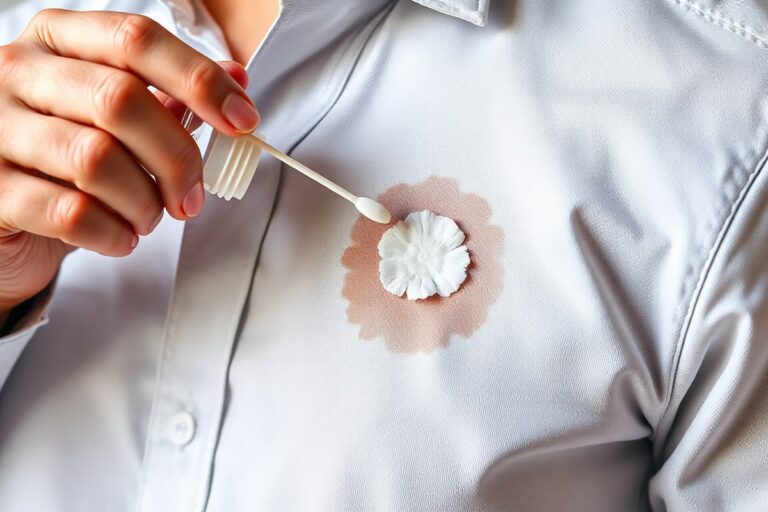
- Apply natural lighteners like potato juice. Grate a small raw potato and press out the juice. Apply it to the underarms and leave it on for 15 to 20 minutes before rinsing. Potato contains natural bleaching agents and vitamins that help brighten the skin.
- Use deodorant wipes with natural ingredients. Switch to products free from alcohol and harsh chemicals, like Fomin deodorant wipes. These are less likely to irritate your skin and cause darkening.
- Moisturize daily. Apply a gentle, fragrance-free moisturizer to keep the skin hydrated and reduce dryness that worsens discoloration.
- Maintain good hygiene. Clean your underarms daily with lukewarm water and mild soap to prevent buildup that can contribute to darkening.
- Monitor your skin’s response. If treatments cause redness, itching, or worsening darkening, discontinue them and consider consulting a dermatologist for professional advice or prescription options.
Expect to see gradual improvement within a few weeks to a couple of months. Consistency is key; natural treatments are milder and less likely to cause irritation but often take longer to show results. Use the treatments as directed, leave natural masks or juices on the skin for about 15 minutes, then rinse with cool water to avoid irritation. Avoid overly strong bleaching agents or harsh scrubs, as these can damage sensitive underarm skin and cause more discoloration.
2. Main Causes Behind Dark Underarm Skin

Dark underarm skin can result from a mix of skin, habit, and medical factors. To identify the cause of your dark underarms, start by observing changes in your lifestyle and any new products or routines. For example, if the darkness appeared after you began using a new deodorant or shaving more frequently, these habits might be the cause. On the other hand, if darkening develops slowly or appears along with other symptoms like velvety skin patches, medical conditions may be responsible.
One common medical reason for dark underarms is acanthosis nigricans, often linked to obesity or insulin resistance. This condition thickens and darkens the skin in body folds, including underarms. Other health issues such as hormonal imbalances, gland disorders, hereditary factors, or polycystic ovary syndrome (PCOS) may also contribute. When darkening occurs rapidly or includes texture changes, you should see a healthcare provider to rule out underlying issues.
Shaving frequently can lead to dark underarms mainly by irritating the delicate, thin skin. Razors scrape off the skin’s top layer, causing micro-injuries that lead to dark patches over time. Shaving also exposes the dark base of each hair, which creates a shadow effect contributing to the appearance of darkness. Using blunt blades increases this risk as they irritate the skin more.
Deodorants with chemicals are another major factor. Ingredients like alcohol, perfumes, and aluminum compounds can irritate sensitive underarm skin, leading to discoloration. Switching to deodorants labeled “for sensitive skin” or those free from harsh chemicals may reduce darkening. Testing new products on a small skin area before regular use helps avoid irritation that could worsen pigmentation.
To decide whether habits or a medical issue causes your dark underarms, consider a simple checklist: Did the darkness start after a change in shaving or deodorant routine? Has your weight recently increased significantly? Are there any other body areas with dark, thickened skin? Answering yes to the first question and no to the second suggests habits are probably the cause. Weight gain, other skin changes, or symptoms like itchiness along with darkening call for medical advice.
Test new deodorants on a small patch of skin for 48 hours before applying daily to avoid irritation that can darken underarm skin.
3. Natural Remedies That Lighten Dark Armpits Gently
Several natural ingredients can gently lighten dark armpits by reducing pigmentation and soothing the skin. Aloe vera, potato juice, brown sugar scrubs, and coconut oil are commonly used remedies that you can apply at home safely. Each method requires consistent use over weeks to show noticeable results and is best paired with gentle exfoliation or hydration for effectiveness.
Using Aloe Vera Gel
Aloe vera gel contains anti-inflammatory, antibacterial, and sun-blocking properties that help lighten hyperpigmented skin. Applying aloe vera regularly can soothe irritation and reduce dark patches naturally without harsh chemicals.
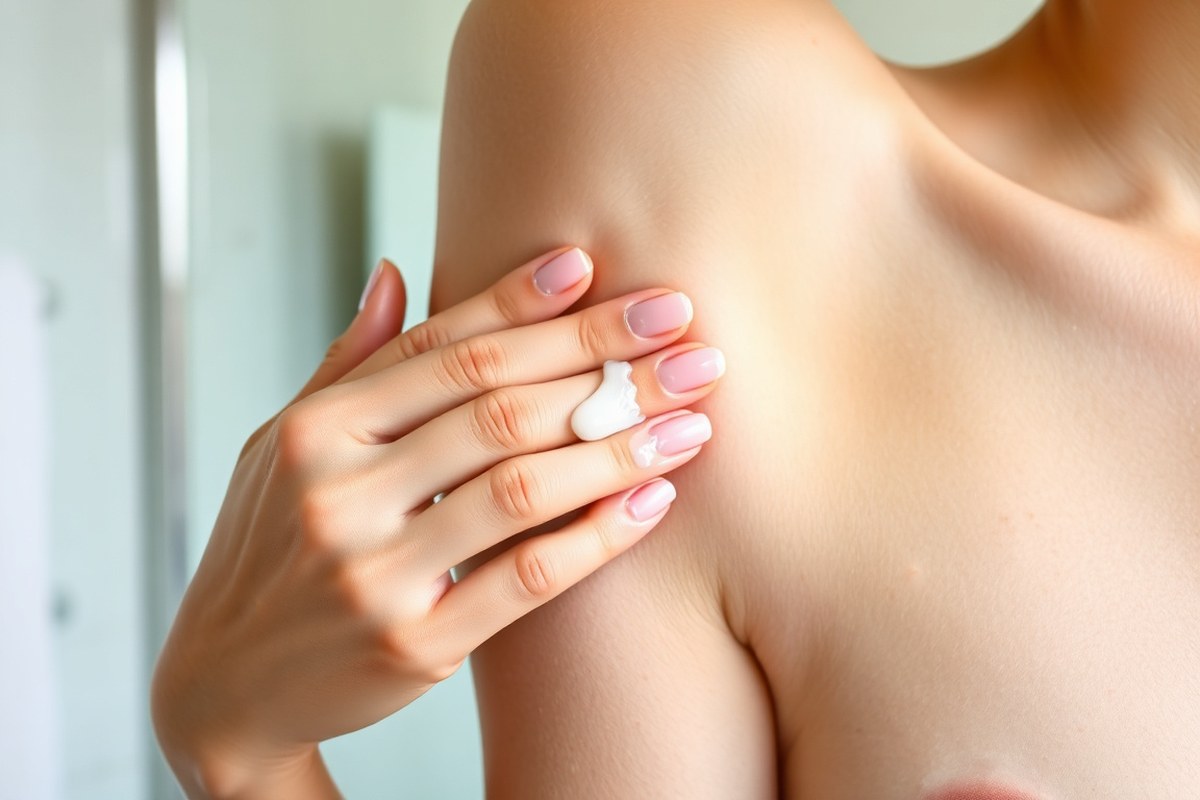
For best results, use fresh aloe vera gel extracted from a leaf or purchase an organic store-bought gel without added fragrances. Gently apply a thin layer to clean, dry underarms and let it absorb before putting on clothes. Avoid applying on broken skin.
- Take gel from a freshly cut aloe vera leaf or grab pure organic aloe vera gel.
- Clean your underarms with mild soap and pat dry.
- Apply a thin, even layer of aloe vera gel on the darkened areas.
- Massage gently for about 1 minute to increase absorption.
- Leave it on for at least 20 minutes or overnight if possible.
- Rinse with lukewarm water or leave it to absorb completely.
- Repeat this process twice daily for 4 to 6 weeks for visible lightening.
Applying Potato Juice
Potato contains natural bleaching agents and enzymes that can lighten skin tone. Using potato juice on armpits is a gentle option to reduce dark patches but results may take a few weeks with consistent application.
Dab fresh potato juice onto your underarms to calm the skin and slowly reduce hyperpigmentation. Avoid leaving juice on longer than 15 minutes to prevent irritation.
- Peel and grate a fresh potato, then strain to extract the juice.
- Clean your underarms thoroughly and pat dry.
- Soak a cotton ball in the potato juice.
- Apply the juice gently to your underarms using the cotton ball.
- Leave it on for 10 to 15 minutes without rubbing.
- Rinse off with lukewarm water and pat dry.
- Repeat this routine once or twice daily for 3 to 5 weeks for noticeable results.
Brown Sugar Scrub for Exfoliation
Exfoliating removes dead skin cells that can make underarms look darker. A scrub made from brown sugar combined with a moisturizing oil gently polishes the skin and promotes brightness. This method works best if you have rough or dry skin causing uneven tone.
Use a mixture of brown sugar and either coconut or olive oil to create the scrub. Massage gently to avoid irritation, then rinse thoroughly. Limit scrubbing to 1 to 2 times a week to prevent over-exfoliation.
- Mix 1 tablespoon of brown sugar with 1 tablespoon of coconut or olive oil.
- Clean and lightly dampen your underarms.
- Apply the scrub mixture and massage gently in circular motions for 2 minutes.
- Rinse off with warm water and pat dry.
- Apply a moisturizer or aloe vera gel afterward to soothe the skin.
- Repeat this exfoliation once or twice weekly only.
Coconut Oil for Nourishing and Lightening
Coconut oil moisturizes and has antibacterial properties that help maintain healthy skin and lighten dark underarms. Massaging coconut oil improves blood flow and aids in fading pigmentation caused by dryness or irritation.
Apply a small amount of virgin coconut oil daily after showering. Let it absorb gently for several minutes before dressing. Using coconut oil regularly can support skin repair and even tone over time.
- Take a small amount (about half a teaspoon) of virgin coconut oil.
- Clean your underarms and dry them completely.
- Massage the oil on your underarms for 2 to 3 minutes using gentle upward strokes.
- Leave the oil on for at least 5 minutes before putting on clothes.
- Repeat this daily, preferably after bathing, for 4 to 6 weeks.
4. Hair Removal Options That Prevent Darkening
Choosing the right hair removal method can help prevent underarm darkening. Some methods irritate the skin and cause pigmentation, while others reduce irritation and support brighter skin. Below is a detailed comparison of popular techniques, focusing on how they affect underarm skin color.
Shaving Risks and Impact
Shaving is the most common hair removal method but it often causes micro-cuts, irritation, and ingrown hairs that lead to darkening under the skin. Frequent shaving with dull razors can worsen these effects, contributing to postinflammatory hyperpigmentation. To reduce risk, shave gently using a clean, sharp blade. Always moisturize and condition your underarms before shaving to minimize friction and skin damage.
Shaving daily or multiple times a week increases the chance of irritation and hyperpigmentation. If you must shave frequently, prioritize short strokes and rinse the blade often during shaving.
Waxing and Tweezing Benefits
Waxing removes hair from the roots, which extends the time between sessions and lessens the frequency of irritation. It also sloughs off dead skin cells, revealing brighter skin immediately after treatment. However, waxing can cause discomfort and should be done only when your skin is not irritated. Tweezing also removes hair at the root, but it’s more time-consuming and better suited for small areas or stray hairs than full underarm removal.
Waxing may reduce the shadow effect caused by hair within the follicles, helping your underarms look lighter. Avoid waxing if your skin is sensitive, broken, or prone to bumps, as it may worsen irritation for some individuals.
Using Electric Trimmers Safely
Electric trimmers cut hair slightly above the skin without causing cuts or razor burn. This method minimizes the risk of irritation and darkening caused by shaving and waxing. Since trimmers don’t remove hair at the root, hair grows back faster, but this tradeoff may be beneficial for those with sensitive skin.
To prevent skin irritation, clean the trimmer regularly and avoid pressing too hard against the skin. Using a fresh, sanitized attachment can reduce infection and inflammation risks that lead to darkening.
Hair Removal Creams: Pros and Cons
Hair removal creams are the roughest option for underarms and are usually not recommended for sensitive skin. They contain chemicals that break down hair at the surface but can cause allergic reactions or burns if left on too long. Patch testing before use is essential, especially in the underarm area. Avoid applying creams on the day of hair removal from other methods to prevent added irritation.
Some formulas include gentle botanical extracts and avoid alcohol or parabens, aiming to reduce irritation, but these creams still carry a higher risk of causing hyperpigmentation than waxing or careful shaving. Using hair removal creams less often and following the instructions precisely can reduce these risks. Consulting a dermatologist about prescription creams or in-clinic peels can be an alternative for stubborn cases resistant to standard methods. The table below summarizes key factors to help compare hair removal options considering underarm darkening:
| Removal Method | Impact on Skin Color | Irritation Risk | Frequency Needed | Cost Range |
|---|---|---|---|---|
| Shaving | Can cause micro-cuts and postinflammatory hyperpigmentation | High if done frequently or without care | Every 2-3 days | $5-$15 for razors |
| Waxing | May remove dead skin cells and reduce shadow; irritation possible if skin sensitive | Moderate | Every 4-6 weeks | $30-$60 per session (salon) |
| Tweezing | Minimal skin darkening impact; localized | Low | As needed (maintaining small areas) | $0-$15 (tools) |
| Electric Trimmers | Low risk of irritation, minimal effect on pigmentation | Low | Every 3-5 days | $20-$50 for device |
| Hair Removal Creams | High risk of irritation and darkening if misused | High | Every 1-2 weeks | $7-$15 per tube |
Choosing a hair removal method depends on your skin sensitivity, budget, and how often you want to remove hair. Waxing and electric trimming offer lower irritation and better potential to prevent darkening compared to frequent shaving or chemical creams. Always prioritize skin care before and after hair removal. Gently moisturizing and soothing your underarms can help maintain even skin tone regardless of the method used.
5. Choosing Deodorants That Don’t Darken Skin
Deodorants can contribute to darkening underarm skin, mostly when they cause irritation or contain harsh chemicals. Prolonged irritation or damage to the skin often leads to increased pigmentation, making the area appear darker. Choosing deodorants that minimize irritation and avoid substances linked to skin darkening is key. Your current deodorant might cause stinging, redness, or itching, signaling a need to try a gentler product.
Look for deodorants that are labeled hypoallergenic and free of alcohol, parabens, and strong fragrances. These ingredients tend to irritate sensitive underarm skin, which can prompt darkening over time. Aluminum compounds, common in antiperspirants, can also clog pores and increase irritation for some people, so opting for deodorants without aluminum might reduce darkening risks. Products formulated for sensitive skin often have fewer irritants and can help maintain an even skin tone.
Natural deodorants are popular choices because they usually exclude synthetic chemicals and may be less irritating. These products often use plant-based ingredients, such as baking soda, arrowroot powder, or coconut oil, which absorb moisture and neutralize odor without harsh chemicals. However, some natural deodorants contain baking soda that may irritate sensitive skin, so patch testing is essential before full use. Always test the product on a small skin area for 24 to 48 hours to check for any reaction.
Select deodorants with mild natural ingredients like milk extracts or aloe vera, which are soothing and can help maintain lighter skin tone. Milk contains natural acids and vitamins known to lighten skin, so deodorants or skin care products including these ingredients can be beneficial. Avoid using deodorants immediately after shaving your underarms, as freshly shaved skin is more vulnerable to irritation and darkening.
Making your choice depends on trial and error since skin sensitivity varies. Start by selecting a deodorant that has minimal ingredients, prioritizing fragrance-free and alcohol-free labels. Use it consistently for at least two weeks to assess any improvements in skin tone and reduction in irritation. Irritation or darkening that continues suggests trying another mild formula until you find one that suits your skin.
Apply deodorant only after your underarms are completely dry and avoid use right after shaving to prevent irritation and darkening.
6. How to Exfoliate Underarms Without Irritation
Exfoliating your underarms gently and correctly can help fade dark patches without causing irritation. Use a mild exfoliant made for sensitive skin and limit exfoliation to twice a week to protect the delicate underarm area. Avoid harsh scrubbing after shaving and follow careful steps to keep the skin smooth and refreshed.
Choosing a Gentle Exfoliant
Select an exfoliant specially formulated for sensitive skin to avoid irritation in the thin, delicate underarm area. Mild chemical exfoliants with ingredients like lactic acid or fruit enzymes are safer than rough physical scrubs. Potato-based masks or products with tea tree oil may lighten skin while being gentle. Avoid alcohol and added fragrances, as they can inflame the skin and worsen darkness over time.
Light physical exfoliation with very soft brushes or fine-grain scrubs can be used but should be done with extreme care to prevent micro-tears or redness. The goal is to remove dead skin cells without triggering inflammation, as constant irritation can darken the skin further.
Exfoliation Frequency and Timing
Limit exfoliation to no more than twice per week to allow your skin time to heal. Over-exfoliating often causes inflammation and sensitivity, undermining your efforts to reduce underarm darkness. Consider exfoliating on non-consecutive days, such as Tuesday and Saturday, to give skin a rest in between.
Exfoliate after showering when your skin is warm and softened, but avoid immediately following shaving or waxing. Doing it too soon after hair removal can increase irritation and sensitivity. Instead, wait 48 hours after shaving before exfoliating to let the skin calm down.
Post-Shaving Exfoliation Guidelines
After shaving, underarm skin becomes especially sensitive and vulnerable to irritation. Skip exfoliation immediately after shaving. Instead, soothe the area with a fragrance-free, alcohol-free moisturizer or aloe vera gel. Wait two full days before exfoliating to avoid redness, bumps, or micro-injuries.
During your exfoliation session following shaving, use very gentle motions and only mild exfoliants. Excessive scrubbing or harsh ingredients can disrupt skin healing, worsen pigmentation, and increase discomfort. Focus on light pressure and short contact time to protect the skin barrier. Follow these steps for safe underarm exfoliation:
- Cleanse your underarms gently with a mild, fragrance-free cleanser to remove sweat and buildup.
- Pat the skin dry with a soft towel; avoid rubbing vigorously.
- Apply a small amount of a gentle exfoliant safe for sensitive skin (chemical exfoliant or soft physical scrub).
- Massage exfoliant gently in circular motions for 30 seconds to 1 minute, avoiding harsh scrubbing.
- Rinse thoroughly with lukewarm water to remove all product without leaving residue.
- Pat the skin dry carefully; never drag the towel across the skin.
- Apply a fragrance-free, alcohol-free moisturizer to soothe and hydrate the skin.
- Do not exfoliate more than twice per week and avoid exfoliating within 48 hours after shaving.
7. Prevention: Daily Care to Keep Underarms Bright
Protecting your underarm skin every day helps keep it bright and reduces the chance of darkening. Start with a gentle cleansing routine using mild soap or a cleanser designed for sensitive skin. Wash your underarms twice daily and dry them completely with a soft towel to prevent bacteria growth, which can contribute to dark spots. After drying, apply a light moisturizer or a product containing antioxidants like coffee oil, which helps nourish and guard your skin’s complexion from damage.
Choosing the right fabrics for your clothing can also make a difference. Natural fabrics such as cotton allow better air circulation and absorb sweat, reducing irritation and darkness caused by friction and moisture buildup. Avoid synthetic materials that trap heat and increase sweating, which may worsen underarm discoloration. When exercising or in hot weather, switch to breathable fabrics and change clothes regularly to keep the area dry.
Stopping smoking significantly benefits your skin’s tone, including underarm skin. Dark underarms are among the many skin issues related to smoking, as tobacco use restricts blood flow and reduces oxygen delivery to the skin surface. Quitting smoking improves circulation within a few weeks, which can lighten darkened skin and improve its overall health. Smoking cessation becomes easier with support groups, counseling, or nicotine replacement options to quit effectively.
Adjusting daily habits helps reduce skin irritation that can cause or worsen dark underarms. Avoid shaving too often or with dull razors, which irritate the skin. Instead, opt for trimming or laser hair removal methods that reduce trauma. Use deodorants free from harsh chemicals and avoid applying too much product, since buildup can darken skin over time.
Many people find protecting their underarms helps them feel more confident in sleeveless clothing or during sports. Your daily care routine should center on gentle cleansing, drying, moisturizing, breathable clothing, and smoking cessation. These efforts take as little as a few minutes each day but add up to noticeable improvements in underarm brightness over weeks to months. Persistent irritation or dark spots despite these changes call for a consultation with a healthcare professional.
8. When to See a Doctor for Dark Armpits
Darkening of the underarms is commonly due to hyperpigmentation, which usually doesn’t require medical treatment. It happens when excess melanin builds up in the skin, causing patches that are darker than the surrounding area. This condition can be triggered by shaving, friction, deodorants, or buildup of dead skin cells. However, if the darkening develops rapidly, is uneven, or is accompanied by other symptoms, you may need to see a doctor.
Medical causes of dark underarms include acanthosis nigricans, a condition linked to insulin resistance, obesity, or hormonal imbalances. This causes thickened, velvety, brown to black skin in the armpits. Other possible causes are fungal infections or contact dermatitis from an allergic reaction to products. A key sign you need professional care is if the darkened skin becomes rough, raised, or spreads beyond the armpits.
Differentiate simple hyperpigmentation from more serious issues by checking for symptoms beyond color change. Look for skin texture changes, itching, swelling, or pain. Also, note how the darkening responds to home care. Gentle exfoliation and switching deodorants should show results in 4 to 6 weeks; if not, see a doctor for evaluation.
When consulting a dermatologist, you can expect a skin examination and possibly lab tests to rule out systemic causes. Treatment may include prescription topical creams such as retinoids or hydroquinone, which reduce pigment production. Dermatologists may also use procedures like chemical peels, microdermabrasion, or laser therapy to lighten the area. These treatments usually cost between $100 and $500 per session and often require multiple visits for effective results.
Use this decision rule: if your underarm darkening is stable, symmetrical, free of discomfort, and improves with at-home care in 4 to 6 weeks, continue home remedies. Rapid darkening, texture changes, or itching and pain call for a doctor’s appointment within 1 to 2 weeks. For people with diabetes or obesity, more frequent monitoring is advisable because these conditions increase the risk of acanthosis nigricans.
Persistent or changing underarm darkening with symptoms like itching or thickened skin should be evaluated by a dermatologist to rule out underlying health problems.
Your Step-by-Step Action Plan to Lighten Dark Armpits
Follow this clear plan to start reducing underarm darkness safely and effectively. Watch for gradual lightening and skin comfort as signs of progress.
- Day 1: Switch to a gentle, fragrance-free deodorant without harsh chemicals to avoid further irritation. Notice if skin feels less dry or itchy after several days.
- Day 3: Begin exfoliating your underarms twice a week using a mild scrub or a soft washcloth. Look for smoother skin without redness or irritation.
- Week 1: Apply a natural remedy such as diluted lemon juice or aloe vera gel daily after cleansing, testing on a small patch first to check for reactions. Observe if the skin starts to look brighter within two weeks.
- Week 2: Adjust your hair removal method to one that causes less trauma, like trimming or using a gentle electric shaver. Monitor for less skin darkening and fewer ingrown hairs.
- Week 3: Moisturize your underarms daily with a product suited for sensitive skin to support healing and prevent dryness. Note improvements in skin texture and tone.
- After 4 weeks: Review changes in underarm color and comfort. Do not hesitate to schedule a consultation with a dermatologist for evaluation when you don’t see improvement or experience worsening symptoms.
Frequently Asked Questions
What Do PCOS Armpits Look Like?
PCOS can cause darkening and thickening of the skin in armpits, making them look patchy or velvety. Hormonal imbalance plays a key role, so managing PCOS can help reduce this effect.
What Do Celebrities Use to Lighten Their Underarms?
Celebrities often use gentle chemical exfoliants or lightening creams with ingredients like niacinamide or vitamin C. These help brighten skin safely without irritation when used consistently.
Can Vaseline Lighten My Armpits?
Vaseline does not lighten skin; it mainly locks in moisture. Using it alone won’t reduce dark underarms but can help protect sensitive skin from irritation.
How to Clean Underarms?
Clean underarms daily with a mild soap and water to remove sweat and bacteria. Avoid harsh scrubbing that irritates skin and leads to darkening.
Does Deodorant Cause Dark Armpits?
Certain deodorants with alcohol or fragrances can irritate skin, leading to darkening. Choosing gentle, alcohol-free deodorants helps prevent this problem.
Can Changing Clothes Help with Dark Armpits?
Yes, wearing loose, breathable fabrics reduces friction and sweating, which helps prevent underarm darkening over time.
Wrapping Up
Reducing dark armpits takes consistent care that avoids irritation and supports skin health. Start with gentle changes to your daily routine and watch your skin improve gradually. When natural steps don’t bring the results you want, consulting a doctor will help find the right treatment for your specific condition.