How to Remove Tough Stains from Clothes at Home: 9 Proven Methods That Work
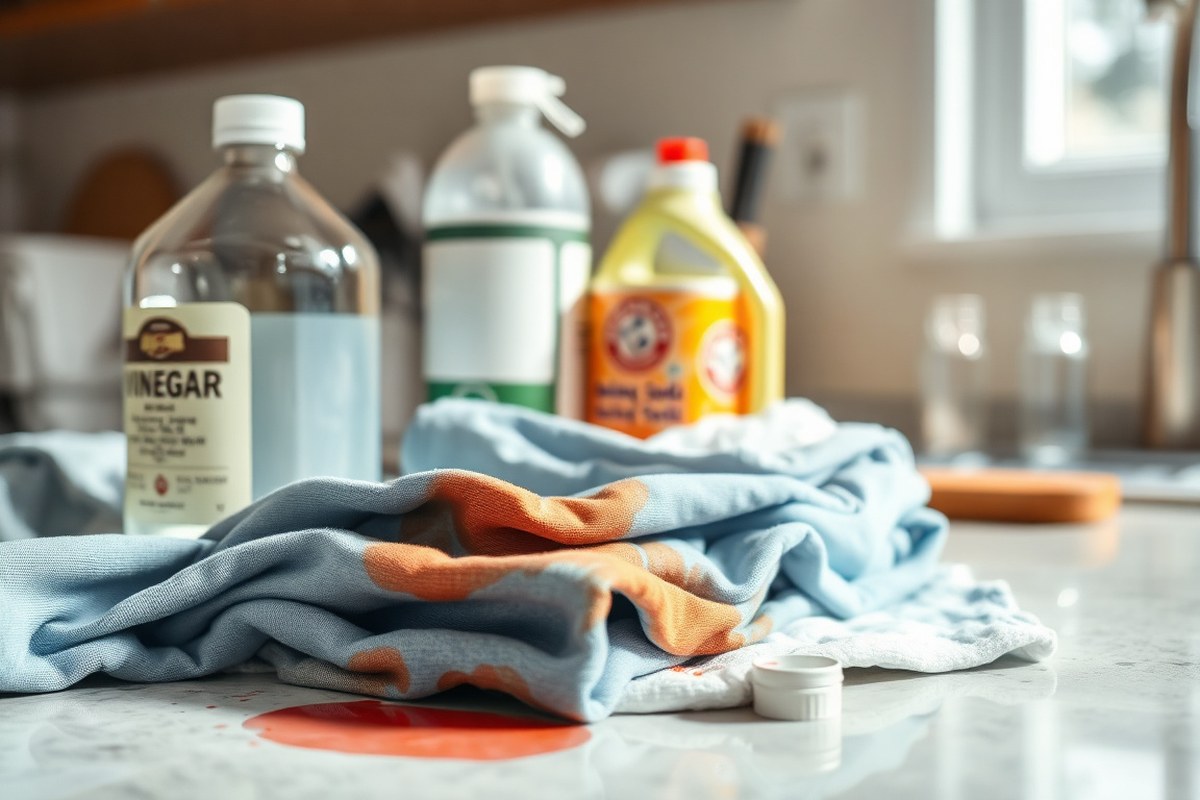
Removing tough stains from clothes at home requires quick action, the right treatments, and knowledge about the stain type. Using common household items like hydrogen peroxide, baking soda, vinegar, or bar soap can make stain removal effective and affordable. Tailoring your approach based on the stain’s nature helps restore your clothes while protecting fabric quality.
This advice fits anyone managing stubborn spots on everyday laundry, from ink to grease or blood. You’ll get practical methods for pretreatment, laundering tips, and ways to handle delicate or dried stains without damaging your garments.
Key Takeaways
- Act quickly by treating stains as soon as possible, ideally within 15 to 30 minutes for best results.
- Combine 3% hydrogen peroxide with baking soda to form a paste that works well on stubborn yellow stains.
- Use a 50/50 mix of vinegar and water to remove grease stains without harming fabric.
- Apply bar soap directly to stains before washing to boost cleaning power on many tough marks.
- Soak underarm deodorant or dingy white stains in a 50/50 hydrogen peroxide and water solution for 30 minutes to brighten fabric.
- Use liquid dish soap to scrub grass stains, or apply hydrogen peroxide diluted with water before washing your clothes.
1. How to Remove Tough Stains from Clothes Quickly and Effectively

Quickly addressing a tough stain on clothes increases your chances of successful removal. The most effective immediate response starts by carefully blotting the stain to avoid pushing it deeper into the fabric. Avoid rubbing, which can spread the stain or damage fibers. Treating the spot with cold water helps to loosen the stain before applying any household remedy.
Several universal home solutions work well for a wide range of stains. Plain cold water is a basic but critical first step. Then, common kitchen ingredients like white vinegar, baking soda, and 3% hydrogen peroxide serve as gentle but effective stain removers. For example, mixing baking soda with hydrogen peroxide creates a paste to lift yellowing or dingy stains when rubbed gently onto the fabric. Glycerin can also loosen sticky stains before washing. These are low-cost options that typically cost a few cents per application and are safe for most clothing.
Letting treatments sit for the right amount of time allows them to break down tough stains before laundering. Generally, pretreating a stain for 10 to 15 minutes works well for most homemade solutions like vinegar or baking soda paste. For stronger stains such as yellowing, a 30-minute application with hydrogen peroxide and baking soda may be necessary. Always avoid soaking clothes in harsh chemicals for too long, as this can damage fabric and colors. After treatment, wash clothes with detergent at the recommended temperature for the fabric type. Follow the steps below to quickly and effectively treat a tough stain:
- Blot gently: Use a clean cloth or paper towel to blot the stain immediately. Avoid rubbing to prevent spreading it.
- Run cold water: Hold the stained area under cold running water from the back side to flush out as much stain as possible.
- Try a home solution: Use simple ingredients like plain white vinegar, a paste made by mixing 3 parts baking soda with 1 part water, or glycerin. For yellow stains, a paste made from 3% hydrogen peroxide combined with baking soda works well.
- Let it sit: Allow the treatment to work for 10 to 15 minutes, or up to 30 minutes for tougher stains.
- Rinse and check: Rinse the area thoroughly with cold water to remove the treatment and loosened stain.
- Launder promptly: Wash the garment according to fabric care instructions, using the warmest water safe for the fabric.
- Repeat if necessary: Check the stain after washing. When stains persist, apply the treatment again before putting the fabric in the dryer, as heat can make stains permanent.
2. How to Identify Stain Types and Tailor Treatments at Home
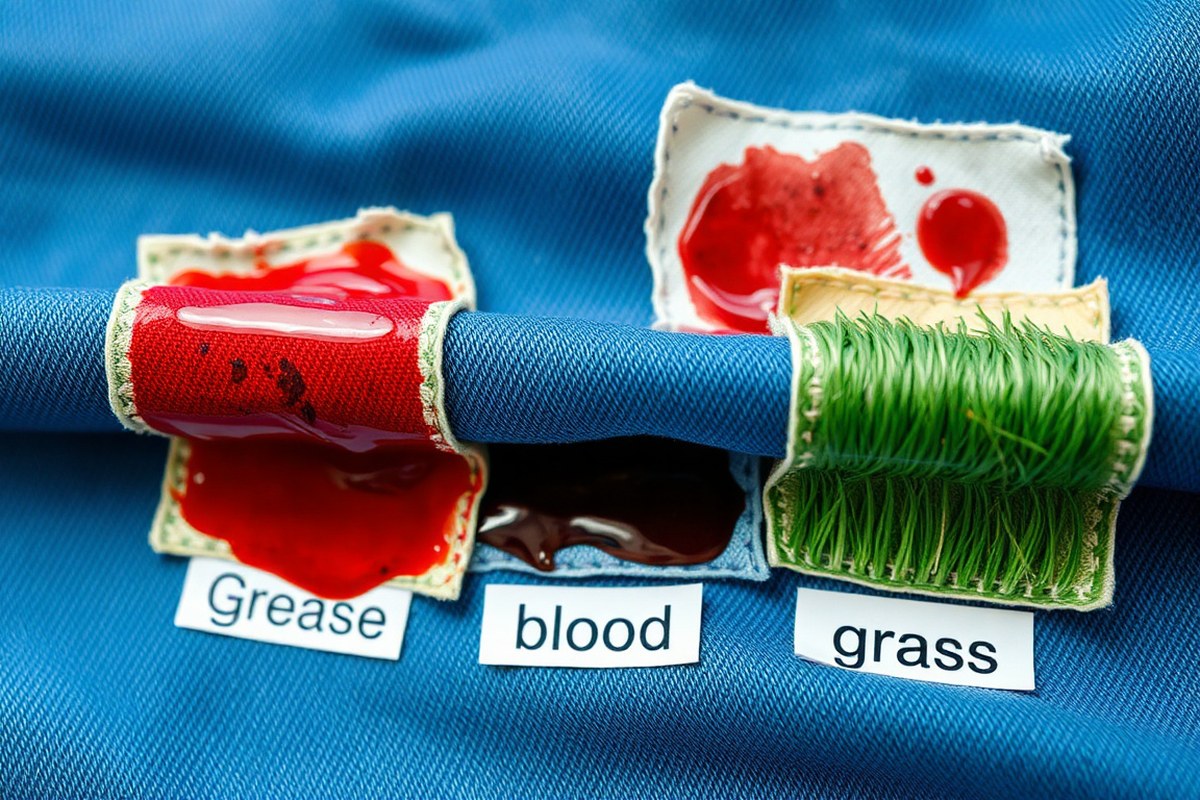
Knowing the type of stain you’re dealing with helps you pick the right treatment and avoid damaging your clothes. Protein-based stains like blood and egg bond tightly with fibers, making hot water a bad choice because it can set these stains permanently. Tannin stains from coffee or tea respond best to cold water and acidic DIY solutions such as lemon juice or vinegar. Oil-based stains from makeup or cooking oil require degreasers or dish soap to break down the grease. Dye stains, including ink and berry juice, often need solvent-based removers like rubbing alcohol, but spot test first to protect your fabric.
Fabric type plays a key role in stain removal too. Natural fibers like cotton can tolerate scrubbing and a wider temperature range. Synthetic fabrics may get damaged or discoloured if exposed to harsh chemicals or hot water. For example, avoid hot water on polyester when treating coffee or red wine stains as heat can set the dye or cause shrinkage. Delicate or colored fabrics require gentler treatments and sometimes commercial stain removers formulated to protect colors.
| Stain Type | Effective DIY Solution | Recommended Commercial Product Type |
|---|---|---|
| Protein-Based (Blood, Egg) | Hydrogen Peroxide (for whites), Soapy Water | Enzyme-Based Spray or Pre-Soak |
| Oil & Grease (Makeup, Cooking Oil) | Baking soda or cornstarch helps soak up moisture, while dish soap works to dissolve grease and stains. | Solvent-Based Spot Treatment |
| Tannin (Coffee, Wine, Tea) | White Vinegar or Lemon Juice | Oxygen Bleach (Powder or Spray) |
| Dye & Ink (Mustard, Berries, Ink) | Rubbing Alcohol (test first!) | Ink-Specific Remover or Heavy-Duty Spotter |
| General Grime | Bar Soap (Fels-Naptha) | Heavy-Duty Detergent with Enzymes |
Cold water rinsing is generally safer for stain removal across all stain types, except for oil and grease where absorption with powders like baking soda can be done first. Using hot water on protein-based stains does more harm than good by “cooking” the stain into fibers, making it nearly impossible to remove. Work stain removers gently into the fabric with your fingers or a soft brush to avoid spreading or damaging the material.
Always test any solvent or stain remover on a hidden area of fabric before applying it to the visible stain to prevent discoloration or damage.
3. Removing Common Stubborn Stains: Ink, Grease, and Blood
Ink, grease, and blood stains are some of the most stubborn marks that often appear on clothing. Each stain type requires a specific home treatment for the best chance of removal without damaging the fabric. Knowing the right products and application steps helps avoid spreading or setting the stain, saving you time and expense on replacements or dry cleaning.
Ink Stain Removal with Rubbing Alcohol
Rubbing alcohol is highly effective at breaking down ink stains without harsh chemicals. It dissolves the ink pigment, allowing you to lift it from the fabric. Use 70% isopropyl alcohol, which is widely available at drugstores for about $2 to $5 per bottle. Follow these steps for treating an ink stain with rubbing alcohol:
- Place a clean white cloth or paper towel under the stained area to prevent ink transfer.
- Dampen a cotton ball or clean white cloth with rubbing alcohol.
- Lightly blot the ink stain from the outside edges moving inward to avoid spreading.
- Continue blotting, replacing the cloth as it absorbs the ink, until the stain fades.
- Rinse the fabric thoroughly with cold water to remove the alcohol and loosened ink.
- Launder the garment as usual, checking the stain before drying. Repeat if necessary before drying to avoid setting.
This method works best on fresh ink stains. Set-in ink stains may need professional cleaning. Avoid rubbing or scrubbing, which can spread the ink and embed it deeper into fibers.
Grease and Oil Stain Absorption and Cleaning
Grease stains resist water, so do not wash them with water first as this can spread the stain. Instead, absorb as much oil as possible before washing. Common household powders like baking soda or cornstarch are inexpensive and effective for this. Steps to absorb and remove grease stains:
- Sprinkle a generous amount of baking soda or cornstarch directly onto the grease stain.
- Let the powder sit on the stain for 15 to 30 minutes to soak up the oil.
- Brush or shake off the powder carefully without spreading the stain.
- Apply a small amount of liquid dish soap directly to the stained area and gently rub it in.
- Rinse with warm water before laundering according to the garment’s care label.
- Check the stain after washing before drying. Repeat the absorption and washing process if any grease remains.
This approach is affordable, requiring only baking soda (around $1-$3 per box) and dish soap, which you likely already have. Avoid hot water early on since high temperatures can set grease stains.
Safe and Effective Blood Stain Treatment
Blood stains are protein-based and must be handled carefully to avoid cooking the protein with heat, which sets the stain permanently. Cold water rinses and gentle treatments are essential during the initial removal steps. Do’s and don’ts for blood stain removal:
- Do rinse the stained area immediately with cold water from the back of the fabric to push the blood out.
- Do soak the garment in cold water for 30 minutes if the stain is fresh.
- Do apply a paste of cold water and baking soda or a small dab of gentle liquid detergent before washing.
- Do wash the item on a cold cycle following care label instructions.
- Don’t use hot water or put the garment in the dryer until the stain is completely gone.
- Don’t scrub vigorously to avoid damaging the fibers or embedding the stain.
Treating blood stains promptly with these precautions increases removal success. For older, set-in blood stains, enzyme-based stain removers or soaking overnight with enzyme detergent can help, but always test on a small hidden area first.
4. Using Natural Household Ingredients for Tough Stain Removal
Natural household ingredients like baking soda, white vinegar, and hydrogen peroxide offer safe and effective ways to tackle tough stains on your clothes. These substances work through simple chemical actions such as breaking down stain molecules, lifting oils, and neutralizing odors. Mixing and using them correctly can sometimes provide results rivaling commercial stain removers, while being gentler on fabrics and wallet-friendly.
Baking Soda: Gentle Abrasive and Deodorizer
Baking soda acts as a mild abrasive and natural deodorizer, which helps lift dirt and grease without damaging fabric fibers. Chemically, it’s sodium bicarbonate, a mild alkaline compound that reacts with acids in stains to break them down. To use baking soda, sprinkle it directly onto the stain or make a paste by mixing one part baking soda with one part water. Apply the paste to the stain and let it sit for 15 to 30 minutes before brushing or rinsing.
This approach works well for greasy stains or odors, as the abrasive nature loosens grime while neutralizing smells. However, avoid using baking soda alone on delicate or dry-clean-only fabrics, as it may be too rough or leave residue if not rinsed thoroughly.
White Vinegar: Acidic Stain Breaker and Fabric Softener
White vinegar’s acetic acid content helps dissolve some types of stains, especially those from wine, coffee, tea, and soft drinks. Its acidity breaks down pigment molecules and neutralizes alkaline stains like deodorant marks. Pour or spray undiluted white vinegar on the stain and blot gently. For stronger treatment, dilute vinegar with cool water at a 1:1 ratio before soaking the fabric for 15 to 30 minutes.
Be cautious using vinegar on delicate fabrics or colored clothes without testing, as acidic solutions can fade dyes or weaken fibers. Vinegar also softens fabric and reduces detergent buildup, so it works well as a pretreatment in combination with washing. Avoid mixing vinegar with hydrogen peroxide directly, as this can produce harmful compounds.
Hydrogen Peroxide: Bleaching and Oxidizing Agent
Hydrogen peroxide acts as a gentle bleach, breaking down organic stains through oxidation, which makes it effective on blood, sweat, and grass stains. Used in a 3% concentration, it works safely on many white and colorfast fabrics. For spot cleaning, combine half a cup of hydrogen peroxide with two cups of cool water, then soak the stain for 30 minutes. To tackle underarm marks or yellowed whites, soak the garment in an equal mix of hydrogen peroxide and water before washing as usual.
Hydrogen peroxide can weaken or bleach colored fabrics if used undiluted or left too long. Test a hidden area first and avoid prolonged exposure. Unlike vinegar, it should not be combined with acids but works well mixed with mild detergents or baking soda to boost cleaning power.
Combining Ingredients for Stronger Stain Removal
Mixing natural ingredients can boost stain removal but requires the right proportions and timing. A popular homemade mix combines equal parts baking soda and dish soap with twice as much hydrogen peroxide to create a paste. Spread this on stubborn stains like grease or grass, allow it to rest for 30 minutes, then rinse and wash normally. Baking soda lifts dirt, dish soap cuts through oils, and hydrogen peroxide breaks down stain pigments.
Vinegar and baking soda create a fizzy reaction that helps lift fresh stains. For example, sprinkle baking soda on the stain, then spray with a 50/50 vinegar and water solution. Let it bubble and soak for 10 to 15 minutes before scrubbing gently and rinsing. This combo is best for non-delicate whites and colorfast fabrics.
Avoid mixing hydrogen peroxide and vinegar directly in the same solution because they react chemically to produce peracetic acid, which can be harmful. Instead, use them sequentially: treat the stain first with vinegar, rinse well, and then apply hydrogen peroxide as a second step if needed.
Effectiveness, Costs, and When to Choose Natural Remedies
Using these natural treatments costs very little, usually under a dollar for multiple stain removals, since baking soda, vinegar, and hydrogen peroxide are inexpensive and commonly stored in households. They work well for many common stains, especially organic or mildly oily ones. Results improve with patience and repetition, as some stains require longer soak times or multiple treatments.
Replacing commercial stain removers with natural ingredients makes sense for sensitive skin, environmental concerns, or fabric safety. However, very set-in, synthetic dyes, or ink stains might still need commercial solvents designed for those specific challenges. Always test any natural solution on a small hidden part of the fabric to prevent damage or discoloration.
5. Pretreatment and Laundering: Timing and Best Practices
Addressing stains quickly helps improve the chances of removing them before laundering. For fresh marks, rinse or immerse clothing in cold water right away to break down residues. Do not use warm water on protein stains like blood or sweat, since heat may cause them to set. Soak in cold water with a bit of salt or hydrogen peroxide for 10 minutes before starting pretreatment. For more persistent stains, leave the fabric submerged in a mix of oxygen bleach and cool water for at least four hours, or overnight if the stain is deeply set.
Choosing when to pretreat versus soak depends on the stain’s age and type. Fresh stains usually benefit from a quick rinse and then a pretreatment with a stain remover or natural solution. Older or dried stains often need longer soaking, sometimes up to 30 minutes or overnight with enzyme-based detergent or oxygen bleach mixed into cold water. For grease stains, apply a premixed solution of 50% vinegar and 50% water directly to the area and let sit 15 minutes before washing.
Washing temperatures should match the stain and fabric. Cool or cold water is best for most stains to avoid setting them further and to protect fabric colors. Warm water, around 90°F to 110°F, can help break down oily or greasy stains but must be used carefully depending on fabric type. Delicate or colored fabrics typically require cold water washing. Use the gentle cycle for delicate fabrics and a regular or heavy cycle for sturdier fabrics with heavy stains.
- Pretreat fresh stains by running under cold water immediately.
- Soak protein stains like blood in cold water first, then pretreat.
- Use oxygen bleach and cold water to soak set-in stains for 4+ hours.
- Apply a vinegar-water mix to grease stains and wait 15 minutes.
- Opt for cold or cool water washing to preserve fabrics and prevent setting stains.
- Use enzyme-based detergent soaks for at least 30 minutes on tough stains.
- Choose wash cycles based on fabric type to protect quality during stain removal.
Wash duration will depend on the stain’s toughness and the cycle you choose. Most washing machines have cycles ranging from 15 to 60 minutes; for tough stains, use longer wash settings and add a pretreatment step before washing. Soaking times range from 10 minutes for light stains to overnight for highly set-in marks. After washing, check stains before drying, heat from dryers can permanently set any remaining spots.
Always test any pretreatment solution on a hidden fabric area first to avoid discoloration or damage.
6. Stain Removal for Delicate, Colored, and Synthetic Fabrics
Stains on delicate, colored, or synthetic fabrics need a gentle touch to avoid damage or fading. Using mild cleaning agents and careful methods helps preserve fabric integrity while tackling tough stains like wine, blood, or ink. Testing first and avoiding harsh chemicals prevents further harm to your clothes.
Delicate Fabric Stain Treatment Basics
Delicate fabrics like wool, silk, and acetate require stain removal methods that avoid agitation and strong chemicals. These stains respond well to gentle treatments such as cold water rinses, mild detergents, and specific stain removers designed for sensitive materials. For example, hydrogen peroxide works well on blood and wine stains but should be tested on the fabric first.
Use a gentle detergent formulated for delicate fabrics or a wool-safe cleaner. Avoid scrubbing, which can cause fibers to fray or distort. Instead, blot stains gently with a soft cloth or sponge, dab in mild solutions, and rinse with cold water to minimize damage.
Avoiding Color Fading and Fabric Damage
Strong chemicals like bleach, ammonia, and vinegar can easily fade or damage delicate or colored fabrics. Vinegar is usually safe on most washable fabrics but should not be used on silk, acetate, or other sensitive materials. Avoid hot water, which can set stains and cause shrinkage or colour loss, especially on wool and synthetic blends.
Instead, choose stain removers labeled safe for delicate or colored fabrics. These products lift stains without harming fibers or fading colors. When a stain won’t come out or the item is expensive, taking it to a professional dry cleaner can help avoid permanent damage.
Spot Testing Methods for Safety
Before applying any stain remover or cleaning solution, always test it on a hidden part of the fabric. This helps ensure the product won’t cause discoloration or fabric weakness. Follow these steps to spot test safely:
- Choose a hidden area such as an inside seam or hem.
- Apply a small amount of the cleaning solution to the area.
- Wait 5 to 10 minutes for the fabric to react.
- Blot gently with a clean white cloth to check color transfer.
- Inspect for any changes in texture, color fading, or damage to the fibers.
- Once you see no negative reaction, you can carefully move on to treating the visible stain.
This method minimizes risks and helps protect delicate clothing during stain removal.
7. How to Handle Set-In and Dried Stains at Home
Set-in and dried stains are harder to remove because they have had time to bond with fabric fibers deeply. The longer a stain sits, the more it embeds into the cloth, making surface treatments less effective. Hot water can actually make these stains tougher by setting proteins and dyes into the material permanently. To tackle these stains, plan for longer pretreatment times and avoid heat until the stain is fully gone.
Treat dried stains by applying a homemade or store-bought stain remover directly on the spot. Let it sit for 15 to 30 minutes before washing. Stubborn stains benefit from soaking the item in cold water mixed with detergent or stain remover for hours or overnight, which helps loosen the stain. Use a soft brush during soaking to gently scrub away residue.
Homemade solutions often work well for dried food stains; for example, dish soap excels at cutting grease and grime. A mix of dish soap and cold water can be applied liberally to the stain, then worked in gently with your fingers or a brush. Rinse with cold water afterward and repeat the process before washing. This method costs just pennies, uses common household items, and suits mild to moderate set-in stains.
When the stain resists these methods or is oil-based like grease, consider specialized commercial stain removers that contain enzymes designed to break down proteins, fats, and other tough residues. Products made for dry-clean-only garments or labeled as grease removers can be highly effective. Follow the label instructions to avoid damaging the fabric; usually, the remover should sit for 10 to 20 minutes before laundering. These products cost between $5 and $15 per bottle but can save clothes that homemade remedies can’t fully restore.
A good approach is to start with one or two cycles of a homemade treatment, progressing to commercial stain removers only if necessary. Avoid heating the water or drying the garment until you confirm the stain is gone, as heat will fix the stain permanently. You’ll recognize successful removal when the fabric shows uniform color and texture without residual marks or stiffness. When a stain fades but persists after several attempts, it’s better to switch to a commercial product or seek help from a professional cleaner. Avoid overwashing or using harsh chemicals that could harm the fabric.
8. Avoiding Common Stain Removal Mistakes and How to Fix Them
Treating stains incorrectly can make them worse or even damage the fabric. One of the most common mistakes is using hot water on protein-based stains like blood, milk, or egg. Hot water can actually set these stains permanently into the fibers, making them much harder to remove later. Cooler water, around 30 to 40°F (about 10 to 15°C), is better for these stains because it prevents them from setting.
Vigorous rubbing is another frequent error. Scrubbing a stain too hard can spread it further or damage the fabric’s surface, especially on delicate materials. Instead, gently blot or dab the stain using a clean cloth. This helps lift the stain without pushing it deeper or enlarging it.
Using the wrong cleaning agent or applying it too long can cause discoloration or weaken fabric fibers. Always test your stain remover or homemade solution on an inconspicuous area first. Avoid bleaching unless the fabric label specifically allows it, and follow product instructions carefully.
- Applying hot water to protein stains; use cold water instead to avoid setting.
- Rubbing the stain vigorously; gently blot with a clean cloth instead.
- Using bleach or strong chemicals without testing; spot test on hidden fabric first.
- Waiting too long to treat the stain; act within 15 to 30 minutes for best results.
- Drying stained clothes before removal; air dry until the stain is out.
- Overloading the washing machine, reducing the effectiveness of stain removal.
- Ignoring fabric care labels that specify water temperature and cleaning restrictions.
Fixing stains worsened by hot water involves rinsing the fabric immediately with cold water to try to loosen the set proteins. After rinsing, soak the item in cold water with a gentle detergent or enzyme-based stain remover for 30 minutes. Repeat if needed before washing normally in cooler water. For stains spread by rubbing, stop scrubbing and blot carefully. Apply a targeted stain remover, then rinse well without agitation.
If a stain darkens or spreads, it may be reacting with heat or a cleaning product. Avoid drying the fabric in a machine or direct sunlight until you remove the stain. Instead, soak the fabric in cool water with detergent and re-treat with stain remover. Keeping stains wet and avoiding heat helps prevent them from setting or becoming permanent.
Always air dry stained clothing until you’re sure the stain is removed, as heat can make stains permanent and harder to eliminate.
To prevent repeating these mistakes, follow a simple checklist before starting treatment: identify the stain type, check the fabric care label, choose the correct water temperature and cleaner, act quickly, and avoid heat until stain removal is confirmed. This disciplined approach reduces the risk of worsening the stain or damaging your clothes.
9. Creating a Complete Home Stain Removal Toolkit
Keeping a practical stain removal toolkit at home prepares you for any stain mishap. Start with natural household products like white vinegar, baking soda, hydrogen peroxide, dish soap, and lemon juice. These items cost between $1 and $5 each and handle many common stains while being eco-friendly. White vinegar helps break down alkaline stains, baking soda absorbs moisture, and hydrogen peroxide brightens and disinfects fabrics. Lemon juice is effective against rust and sweat stains, while dish soap cuts grease.
For tougher stains, invest in a few reliable commercial stain removers. Look for enzyme-based products, which are typically more effective against organic stains like food, grass, and blood. Iconic brands usually charge around $5 to $10 for an 8-16 ounce bottle, which lasts through multiple treatments. Add a laundry pretreater and a color-safe bleach to your kit for versatility.
Organizing these supplies within easy reach ensures quick and efficient use. Store them in a dedicated container or cabinet labeled for stain removal. Keep bottles upright and tightly sealed to prevent spills or drying out. Replace any homemade mixtures every few weeks, as their active ingredients can break down. Commercial products generally last 12 to 24 months unopened but check expiration dates to maintain effectiveness. Here is a comparison of essential commercial stain removers to help you choose based on stain type and fabric safety:
| Product Type | Stain Focus | Fabric Compatibility | Application | Approx. Cost |
|---|---|---|---|---|
| Enzyme-Based Pretreater | Food, blood, grass | Most fabrics except wool, silk | Spray on stain, wait 5-10 min | $5 – $8 |
| Oxygen-Based Bleach | Whites and colors, brightening | Colorfast fabrics | Add to wash or soak | $7 – $12 |
| Color-Safe Bleach | Brightens colors | Colored fabrics | Apply with spray or in wash | $6 – $10 |
| Grease-Fighting Detergent | Oil, grease | Durable fabrics | Apply directly before washing | $5 – $9 |
Use natural products for everyday stains or quick spot treatments, especially on delicate fabrics. Switch to commercial removers for persistent or set-in stains. Always test any product on an inconspicuous area before full application. Replace expired products timely to retain maximum stain-fighting power. Good results show as gradual stain fading after treatment and normal washing without fabric damage or color loss.
Step-by-Step Action Plan for Tackling Tough Stains at Home
Follow this practical timeline to treat and remove tough stains effectively from your clothes using household methods and common stain removers.
- Immediately after staining: Blot the stain gently with a clean cloth to absorb excess liquids without rubbing. Check if the stain no longer transfers to the cloth, indicating partial removal.
- Within 30 minutes: Identify the stain type using visual clues (color, texture) and smell if needed. Apply a tailored pretreatment like dish soap for grease or salt and cold water for blood. Look for stain lightening after 10 minutes.
- Within 1 hour: For delicate or colored fabrics, test a small hidden area with your chosen treatment to avoid damage. Proceed only if no color loss or fabric harm appears after 5 minutes.
- Before washing: Use a natural ingredient (white vinegar, baking soda, or lemon juice) or a commercial stain remover on the pretreatment area. Let it sit for 15 to 30 minutes. The stain should look visibly less intense.
- During laundering: Wash the garment in the warmest water safe for the fabric, using a quality detergent. Confirm that the garment’s care label matches the washing temperature.
- After washing: Air-dry the fabric rather than using a dryer, which can set stains. Examine the stained area; if the stain remains, repeat pretreatment but avoid drying until fully removed.
- For set-in or dried stains: Soak the clothing overnight in a solution of oxygen-based bleach and water if safe for the fabric. Check after soaking for lightening before rewashing.
- Ongoing: Keep a home stain removal kit stocked with essentials like stain remover sticks, white vinegar, baking soda, salt, and enzyme detergents for quick response to future stains.
Frequently Asked Questions
Can Vinegar Remove Tough Stains from Clothes?
Yes, vinegar can remove some tough stains; soak clothes for 30 minutes to an hour before laundering.
Does Using Baking Soda and Vinegar Really Work to Remove Tough Stains from Clothes Without Damaging the Fabric?
Baking soda and vinegar can help lift stains gently, but use them sparingly to protect delicate fabrics.
Is Rubbing Alcohol Effective for Removing Sap Stains from Clothes?
Rubbing alcohol can dissolve sap and make it easier to wash out, apply it directly before laundering.
Can Glycerin Help with Tough Stain Removal in the Washing Cycle?
Glycerin loosens stubborn stains, allowing them to wash out more easily during your normal laundry.
What Homemade Stain Remover Works as a Natural Alternative to Bleach?
A mixture of 3% hydrogen peroxide and baking soda creates a gentle paste that lifts yellow stains from white fabrics without using strong chemicals.
How Long Should I Soak Clothes in Vinegar to Effectively Remove Stains?
Soaking clothes in vinegar for about 30 to 60 minutes softens stains so they can be washed out.
Before You Go
Handling tough stains at home is manageable when you act promptly and choose the right treatments. Learning your fabric types and keeping a prepared kit makes treatment safer and more effective. Choose one fabric or stain you often struggle with and start practicing these steps to build confidence in stain removal today.