How to Wash Athletic Shoes Safely: Practical Methods for Best Results
To wash athletic shoes safely, use gentle cleaning methods like hand washing with mild soap and cold water or a delicate machine cycle. Always remove laces and insoles first, and avoid high heat when drying to protect shoe materials. Following these steps helps maintain your shoes’ shape, performance, and lifespan.
This advice is designed for runners and fitness enthusiasts who want clean, odor-free shoes without risking damage. You’ll learn practical tips covering cleaning techniques, stain removal, drying, and care for different shoe materials to keep your footwear in top condition.
Key Takeaways
- Wash running shoes every 200 miles or about twice a year to maintain cleanliness and function.
- Remove laces and insoles before cleaning to target dirt and odor effectively.
- Use cold water and mild detergent to reduce material damage and shrink your carbon footprint.
- Dry shoes naturally for 12 to 24 hours, avoiding direct heat or sunlight that can warp materials.
- Machine wash shoes only if labels confirm they’re machine-safe, using a delicate cycle.
- Spot clean stubborn stains like mud and coffee with a soft brush and gentle soap before washing.
How to Wash Athletic Shoes Safely at Home

Washing your athletic shoes at home can keep them fresh without risking damage. Hand washing offers gentle cleaning, especially for delicate or leather materials, while machine washing suits sturdier fabrics like canvas and nylon mesh. Choosing the right method depends on your shoe’s material and how much time you want to spend.
| Shoe Material | Recommended Washing Method | Reason |
|---|---|---|
| Leather | Hand wash only | Machine washing can cause cracking and fading |
| Canvas, Nylon Mesh, Synthetic Leather | Machine wash possible (gentle cycle) | Durable fabrics withstand machine agitation |
| Specialty Materials (e.g., suede) | Hand wash or professional cleaning | Risk of damage in machine cleaning |
Hand washing is safer for most shoes and requires little more than a cloth, mild detergent, and patience. You can carefully clean soles and uppers without submerging the shoe entirely, which prevents water from weakening adhesives or distorting shapes. Machine washing can clean shoes quicker but involves risks such as damage from aggressive cycles and potential strain on your washer, especially if shoes are heavy or have metal parts.
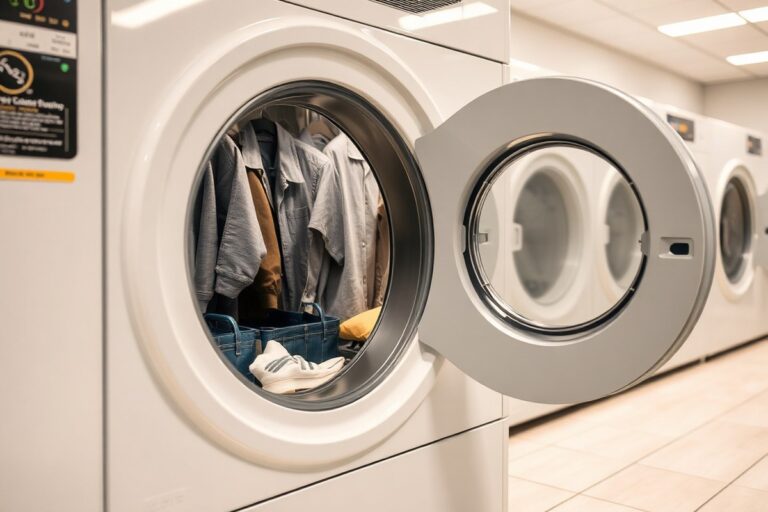
Always remove insoles and laces and clean those separately. Using a mesh laundry bag or pillowcase protects shoes and your machine’s drum during the wash. Avoid hot water or harsh detergents that may fade colors or weaken fabrics. Never use a dryer; air dry your shoes to maintain shape and prevent shrinking. Follow these steps to hand or machine wash your athletic shoes safely:
- Remove laces and insoles; set insoles aside for separate cleaning.
- Brush or wipe off loose dirt from shoes with a dry cloth or soft brush.
- Prepare a cleaning solution using warm water and mild detergent for hand washing, or use a gentle detergent if machine washing.
- For hand wash: Dip a soft cloth or brush in the solution and gently scrub shoe uppers and soles, avoiding soaking leather parts.
- For machine wash: Place shoes in a mesh laundry bag or pillowcase; add old towels to balance the load and reduce noise.
- Select the gentle or delicate cycle with warm water (not hot) and a regular spin speed.
- Air dry shoes and laces at room temperature, stuffing shoes with paper towels or rags to keep shape while drying.
- Once dry, clean the insoles separately with a cloth and mild detergent; let them air dry before reinserting.
Hand washing typically takes about 20 to 30 minutes and avoids mechanical stress on your shoes. Machine washing takes roughly 45 minutes on a delicate cycle but increases the risk of wear to glues and fabrics over time. This risk is why many experts advise hand washing when shoe lifespan matters most. Always inspect your shoes after washing to ensure no damage like cracking, peeling, or loose seams has occurred.
Choosing the Right Cleaning Tools and Supplies

Selecting the right tools and supplies is key to effectively cleaning your athletic shoes without causing damage. You’ll need a few basic brushes and a mild cleaning agent, which work together to remove dirt and odors while preserving the shoe’s materials.
A soft brush or an old toothbrush is ideal for cleaning mesh uppers, eyelets, and light dirt. These brushes reach small crevices without compromising the fabric. For more stubborn dirt like mud or small stones on trail shoes, a firm brush can help scrape it off effectively without tearing the shoe.
Regarding detergents, use a mild soap or a shoe cleaner formulated to fight sweat, dirt, and odor. Avoid harsh detergents or bleach, which can discolor or weaken the shoe materials. Baking soda is a helpful optional additive to neutralize odors and whiten white midsoles, but use it sparingly to avoid abrasion.
If you plan to machine wash your shoes, place them inside a mesh laundry bag or a pillowcase to protect both the shoes and the washing machine during the spin cycle. This containment prevents tangling and reduces wear. You can also wash your laces in the same cycle when placed inside a separate mesh bag. For cushioning, toss 2, 3 old towels in the machine along with the shoes to absorb shocks.
- Soft brush or old toothbrush: For mesh tops, eyelets, and light grime
- Firm brush: Useful for outsoles and tough mud spots
- Mild soap or specialized shoe cleaner: Removes sweat, dirt, and odors safely
- Baking soda: Optional for odor control and cleaning white midsoles
- Mesh laundry bag or pillowcase: Protects shoes and washer during machine cleaning
- Old towels: Cushion shoes inside the washing machine
- Paper towels or newspaper: Helps dry shoes and maintain shape post-wash
For eco-friendly options, look for biodegradable soaps or cleaners free of harsh chemicals. These cleaning agents reduce environmental impact while maintaining cleaning effectiveness. Avoid using your dishwasher or harsh household cleaners, as they can harm shoe materials and cause unpredictable wear.
Always check your shoe’s material before machine washing; not all athletic shoes can handle soaking or machine dryer heat without damage.
Cleaning Laces and Insoles for Odor and Dirt Removal
Cleaning the insoles and laces separately from your athletic shoes helps remove dirt, sweat, and odor effectively. Both parts require different methods to get thoroughly clean and stay fresh longer. You can hand wash or machine wash laces, but insoles usually do best with hand cleaning to avoid damage.
Removing and Washing Insoles
Take the insoles out of your shoes before washing to clean all surfaces properly and prevent trapping moisture inside the shoe. Dirt and sweat accumulate mostly near the toes and heels, so focus your cleaning efforts there. Using warm water with a mild soap or a mixture of water and baking soda softens grime and neutralizes odors.
- Remove the insoles from your athletic shoes and shake off any loose dirt.
- Mix one cup of warm water with one tablespoon of baking soda or a mild detergent in a bowl.
- Dip a soft cloth or brush into the solution and scrub the top and bottom surfaces, paying special attention to toe and heel areas.
- Rinse insoles lightly with clean water to remove soap residue without soaking them.
- Press gently with a towel to remove excess water.
- Let the insoles air dry completely in a well-ventilated area, avoiding direct sunlight or heat sources.
Frequent cleaning every 2 to 4 weeks helps reduce odor buildup and prolongs the life of your insoles. Avoid machine washing insoles unless the manufacturer specifically allows it.
Cleaning and Drying Laces
Laces often collect grime and sweat and should be cleaned separately from your shoes and insoles. You can machine wash laces safely if they are removed and placed inside a mesh laundry bag to prevent tangling or damage in the washer. For quicker cleaning or delicate laces, hand washing works well.
- Remove the laces completely from your shoes.
- If hand washing, soak the laces in warm water with a small amount of mild detergent for 15 to 20 minutes.
- Gently scrub the laces with your hands or a soft brush to remove dirt.
- Rinse thoroughly under running water to eliminate all soap.
- For machine washing, place laces in a mesh laundry bag and wash on a gentle cycle with cold or warm water.
- After washing, squeeze out excess water and hang the laces to air dry completely.
Clean laces every 3 to 4 weeks or more often if they get visibly dirty or start to smell. Avoid drying laces in a dryer to prevent shrinkage or damage.
Odor Control Techniques
Odors in athletic shoe insoles usually come from sweat and bacteria, which cleaning alone may not fully remove. Baking soda and vinegar are effective, safe household options to deodorize insoles naturally. Avoid aerosol sprays that can leave residues.
You can sprinkle baking soda on dry insoles and leave it overnight to absorb odor. Wiping insoles with a cloth dampened with diluted white vinegar (one part vinegar to four parts water) also helps kill bacteria and reduce smells. Make sure insoles dry fully before putting them back in your shoes to stop odor from returning. Cleaning insoles and laces every few weeks and allowing them to dry thoroughly after workouts prevents unpleasant odors and keeps your shoes fresher for longer.
Removing Stubborn Stains: Mud, Grass, Coffee, and Scuffs
Removing stubborn stains like mud, grass, coffee, and scuffs from your athletic shoes requires targeted care to avoid damage and restore their appearance. Start by gently clapping the soles together outdoors to knock off loose dirt. Dry mud is easier to handle, so let shoes dry completely before moving on to cleaning.
For mud stains, use a soft brush or an old toothbrush dipped in warm water mixed with a mild detergent or an enzyme-based cleaner designed to break down protein-based stains. Scrub gently on the affected areas, focusing on the uppers where mud tends to cling. Avoid using harsh scrubbing motions on delicate fabric uppers such as wool or mesh because aggressive cleaning can cause fraying or thinning. Instead, dab with a soft cloth soaked in the cleaning solution, letting it sit for a few minutes before lightly scrubbing.
Grass stains can be tough because they contain chlorophyll. A paste made from baking soda and a little water works well on these. Apply the paste directly to the green stains and rub gently with a toothbrush. Let the paste sit for about 15 minutes before wiping off with a damp cloth. For coffee stains, immediately blot excess liquid with a paper towel. Later, spray a mixture of one part white vinegar to two parts water on the stain, then scrub lightly with the toothbrush. Rinse with a damp cloth to remove any cleaning residue.
Scuff marks on leather or faux leather athletic shoes can be treated differently. After cleaning the shoes and letting them dry, use a small amount of white or black shoe polish matched to your shoe color to cover scuffs. For darker scuffs that shoe polish can’t mask, a baking soda paste gently rubbed on the mark can lift the blemish. Be sure to test any cleaner on a hidden spot first to check for colorfastness.
Using gentle brushes is key. A soft-bristled toothbrush works well for most stains, giving you control without damaging materials. Avoid stiff brushes or abrasive scrubbing pads that can wear away delicate fabric fibers. Cleaning mixtures should generally be mild: warm water with a small amount of detergent or specific stain removers like oxygen bleach for laces or enzyme cleaners for protein stains. Avoid bleach on colored fabrics to prevent fading.
Quick action helps. Treat stains as soon as you notice them to prevent setting. Soaking laces separately in warm water with an oxygen bleach stain remover before scrubbing removes embedded dirt and stubborn discoloration. For shoes made with synthetic or delicate uppers, stick to spot cleaning and avoid soaking the entire shoe, which can lead to damage or shape loss.
Removing stains well keeps your athletic shoes looking good and lasts longer through workouts and runs. Expect some effort and time, allow cleaning solutions to sit 10 to 15 minutes on tough stains and be patient with repeat applications for old marks. With proper tools and care, you’ll keep your shoes fresh without risking material damage or costly replacements.
Proper Drying Techniques and Timelines
Athletic shoes generally take between 12 to 24 hours to dry completely, depending on the materials and environmental conditions. Air drying at room temperature is the safest method, while using a machine dryer can damage the shoes. Humidity and temperature play major roles in drying time, with higher humidity and cooler temperatures slowing the process.
Air-Drying Guidelines
Put your athletic shoes somewhere with plenty of air circulation, avoiding direct sun or heat sources that might damage fabrics or cause colors to fade. An ideal spot is a dry room at about 68°F (20°C) where air moves freely, helping them dry faster without risk. Keep them out of airtight places like closets or plastic bags to prevent moisture buildup, which slows drying. Drying duration depends largely on humidity and temperature; in warm, dry conditions, it could take as little as 12 hours, but cold, damp air might stretch that to over 24 hours. Here are steps to air-dry your athletic shoes properly:
- Remove excess moisture by gently patting with a dry towel.
- Take out the insoles and laces to dry separately.
- Place shoes on a flat surface in a well-ventilated room.
- Keep shoes away from direct sunlight or heating vents.
- Allow at least 12 hours, checking periodically for dampness.
- Flip or rotate shoes to expose all areas to air.
- Reinsert insoles and laces only after everything is completely dry.
Why Avoid Machine Dryers
Running shoes are glued and stitched together, and the high heat and tumbling action inside a machine dryer can weaken glue bonds, deform midsoles, or break stitching. This damage reduces the shoe’s durability, fit, and performance under stress. Rubber or PVC shoes may tolerate low heat better, but most athletic shoes with mesh, foam, or synthetic uppers risk damage.
Dryers also accelerate wear by changing the shoe shape, which leads to discomfort during runs or workouts. Avoiding the dryer extends your shoes’ lifespan and preserves their intended support and cushioning.
Always check the manufacturer’s care label before using mechanical drying to avoid voiding warranties or damaging shoe materials.
Using Stuffing Materials to Preserve Shape
Filling your shoes with paper towels, newspaper, or clean cloths helps absorb moisture from inside and keeps the shoe structure intact during drying. This prevents shrinking, warping, or collapsing of the toe box and heel, which commonly occurs when damp shoes dry unsupported.
Replace the stuffing every few hours if it becomes saturated to speed drying. Avoid overstuffing, as too much pressure can deform the shoe. Some use shoe trees made of wood or plastic as a reusable alternative to keep shape and allow airflow. Here is how to use stuffing material effectively:
- Take out insoles and laces before drying.
- Crumple dry paper towels or newspaper loosely.
- Fill each shoe cavity completely but without excessive pressure.
- Replace the paper every 3 to 6 hours if damp.
- Remove stuffing once shoes feel mostly dry, then allow for a final dry without stuffing.
- Store shoes properly until fully dry to avoid odor build-up.
When to Wash Athletic Shoes and How Often
Cleaning your running shoes every two to three weeks is a practical timeline for most road runners. This schedule balances maintaining shoe performance and preventing excessive wear from excessive washing. You should also wash your shoes whenever they start smelling bad, look visibly dirty, or stiffen from sweat and grime buildup. Odor and stiffness signal that bacteria and dirt have penetrated the shoe materials, which can reduce comfort and the shoe’s ability to provide proper support during runs.
Trail shoes require more frequent attention since they encounter mud, rocks, and water more often than road shoes. After every few trail runs, inspecting and cleaning them helps avoid debris buildup that can affect traction and foot stability. Keep in mind that trail shoes often have aggressive tread and more textured materials, which trap dirt more than road shoe surfaces. Cleaning regularly prevents this accumulation from prematurely wearing down your shoes.
Washing shoes too frequently or improperly can cause materials like mesh, foam midsoles, and adhesives to deteriorate faster, reducing durability. Washing every two to three weeks or based on visible dirt and odor strikes a good balance for prevention without overexposure to water and detergents, which might degrade shoe components. You should avoid washing your shoes if they look clean and still feel good, as this helps extend their lifespan.
Consider a decision rule for when to wash shoes based on activity, dirt level, and condition. For example, if you’ve used your road shoes several times on dry pavement with light dust, a quick wipe or spot clean may suffice. Conversely, after muddy trail runs, a full wash is necessary to remove stuck-on earth and organic matter. When your shoes develop an odor, they need a deep clean even if they appear clean on the outside.
Regular cleaning also tackles hygiene concerns. Sweat-soaked insoles and interiors can harbor bacteria and fungi, which cause odors and potential skin issues. Removing laces and insoles for cleaning helps reduce this problem. Using a gentle cleaning process every few weeks or when odor is noticeable helps maintain foot health and comfort.
Adjust timelines based on your running frequency and environmental conditions. For daily runners, more frequent cleaning every one to two weeks may be needed. Weekend runners or those who run less often can stretch the interval between washes. Look for signs like trapped dirt, smell, and material stiffness to guide your schedule. Avoid washing after every single run unless shoes are heavily soiled.
Check your shoe condition on a weekly basis for maintenance and care. Washing shoes about once every two to three weeks or when odor and dirt are present maintains their aesthetics, function, and lifespan. Trail shoes demand a more attentive routine due to harsher conditions. Taking time to clean shoes appropriately will help keep them performing well and reduce the frequency of replacement.
Common Mistakes and How to Fix Them When Washing Shoes
One common mistake when washing athletic shoes is using warm or hot water. This can weaken the glue holding the soles and fabric together, causing your shoes to fall apart sooner. Always use cold water and a gentle cycle to avoid damaging adhesives and fabric. Another error is putting your shoes in front-loading washing machines or tumbling them excessively. The tumbling can lead to physical damage like tears or breaks in the structure of your shoes. Instead, opt for a top-loading machine without an agitator or wash by hand to protect the shoes’ integrity.
Drying your athletic shoes incorrectly is another frequent issue. Many people put shoes in the dryer or leave them in direct sunlight. Both expose shoes to high heat that can cause shrinking or warping and ruin glue bonds inside the shoe. To fix shoes that have shrunk or lost their shape, gently stuff them with crumpled paper towels or clean rags while they dry. This helps retain the original form without applying heat that shrinks materials.
- Use cold water and the delicate cycle to avoid damaging adhesives.
- Do not put shoes in front-loading washers or machines with agitators.
- Never use warm or hot water for cleaning your running shoes.
- Avoid drying shoes in direct sunlight or clothes dryers to prevent shrinkage.
- Stuff shoes with paper towels or rags to keep their shape when drying.
- Clean shoes promptly after use to reduce bacterial growth and odors.
- Air dry shoes on a rack or well-ventilated surface to speed up moisture removal.
Addressing odor after washing calls for drying as the first step because lingering dampness lets bacteria thrive, creating bad smells. Thoroughly air-dry shoes in a cool place for 24 to 48 hours before wearing again. For persistent odors, insert shoe deodorizers or sprinkle baking soda inside overnight to neutralize smells. Avoid sprays that mask odors without removing moisture; those often provide only temporary relief.
If your shoes become misshapen due to improper washing or drying, there may be limits to restoration because athletic shoes are constructed with materials that are often permanently altered by heat or water damage. However, stuffing them and reshaping gently can help. For rips or tears, repair is usually difficult without professional tools or services, so preventing such damage through careful washing is best. Caring for your shoes by following these key points can extend their lifespan and keep them comfortable and effective during your workouts.
Special Care for Different Athletic Shoe Materials
The best approach to cleaning athletic shoes depends on their materials. Leather and suede require gentle care to avoid water damage, while synthetic and mesh shoes can often handle machine washing on mild cycles. Using the right products and techniques helps preserve your shoes’ appearance and function over time.
Leather and Suede Care Instructions
Leather and suede shoes are more sensitive to water and harsh detergents, which can cause staining, shrinking, or loss of texture. Avoid soaking them or using a washing machine unless the manufacturer explicitly states it is safe. Instead, use a leather-specific cleaner or a mild soap solution applied with a soft cloth. For suede, water should be avoided altogether; use a suede brush or a small amount of white vinegar or rubbing alcohol on a cloth to treat stains gently.
Brush gently in one direction when cleaning suede to maintain the nap. Leather shoes sometimes have a polyurethane coating that increases water resistance and makes cleaning easier, but you should still avoid high heat or strong chemicals. Spot clean and air dry away from direct sunlight or heat sources. These methods maintain the leather’s flexibility and prevent cracking.
Cleaning Synthetic and Mesh Shoes
Shoes made of mesh, nylon, polyester, and synthetic materials like PU or PVC are usually more durable and machine-wash safe. Before washing, remove laces and insoles and use a gentle wash cycle with cold or lukewarm water. Use a mild detergent without bleach or astringent agents, since strong chemicals can damage the foam midsoles or adhesives.
Place shoes in a mesh bag or pillowcase to protect them during the wash. Avoid tumble drying unless the care label permits it; otherwise, air drying is best to prevent distortion or melting of synthetic parts. Synthetic shoes typically clean well using this approach without risking damage.
| Shoe Material | Water Sensitivity | Machine Wash Safe? | Recommended Cleaning Method | Detergent Advice |
|---|---|---|---|---|
| Leather | High (can stain/shrink) | Usually no | Spot clean with leather cleaner or mild soap; air dry | Avoid harsh detergents, do not bleach |
| Suede | High (water damages nap) | No | Use suede brush or alcohol/vinegar on cloth for stains | No water or detergents directly |
| Mesh/Nylon/Polyester | Low (durable) | Yes (gentle cycle, cold water) | Machine wash in mesh bag with mild detergent | Avoid bleach and strong detergents |
| PU/PVC Synthetic | Low | Yes | Machine wash or spot clean with mild soap | Use gentle detergent, no high heat |
This table summarizes the best care methods to match your shoe’s material. Checking your shoes’ label or manufacturer online care guide is the safest first step to confirm if machine washing or any special cleaning product is allowed.
Maintaining Water and Fabric Protection
After cleaning, applying a protective spray designed for your shoe material can help maintain water resistance and repel stains. Use water-based sprays for leather and suede to avoid darkening or damaging the fabric. Spray evenly from 6 to 8 inches away in a well-ventilated area, then allow the shoes to dry completely before wearing.
Products that contain silicone or fluoropolymer formulas work well on synthetic fabrics. Avoid applying protectors immediately after washing; wait until the shoes are fully dry to ensure the treatment absorbs properly. Reapply the product every few weeks during active use, especially in wet conditions.
Note: High heat and strong detergents can ruin the foam midsoles and adhesives, so avoid hot water and bleach-based detergents when cleaning any athletic shoe.
Step-by-Step Action Plan for Washing Athletic Shoes
Follow these steps to clean and maintain your athletic shoes effectively, ensuring they last longer and stay comfortable.
- Before you start: Remove the laces and insoles to clean separately, preventing damage and allowing thorough cleaning.
- Day 1: Gently brush off loose dirt with a soft brush or cloth, focusing on soles and fabric surfaces to prepare for washing.
- Day 1: Treat stubborn stains by applying a mild cleaner or diluted detergent directly to spots and scrubbing gently until the stains fade.
- Day 1: Hand wash shoes in lukewarm water with a mild detergent or use a gentle machine wash cycle inside a mesh bag for protection.
- Day 1 (After washing): Air dry your shoes away from direct heat or sunlight, stuffing them with paper towels to absorb moisture and maintain shape.
- Day 2: Clean the insoles and laces separately using mild soap, rinsing thoroughly, then air dry completely before reinserting.
- After 2 weeks: Check for odor or visible dirt; wash shoes again only if necessary to avoid over-washing that can degrade materials.
Frequently Asked Questions
Can I Wash My Athletic Shoes in the Dishwasher?
No, do not wash athletic shoes in the dishwasher, as the high heat and water pressure can damage them. Stick to hand-washing or gentle machine-washing methods designed for shoes.
Should I Use Bleach to Clean My Running Shoes?
Avoid bleach because it can weaken the fabric and fade colors. Use mild detergent or specialized shoe cleaner to keep your athletic shoes in good shape.
How Do I Prevent My Shoes from Smelling After Washing?
Dry your shoes completely in a well-ventilated area and clean the insoles separately to reduce odor. Avoid sealing them in plastic bags while damp.
Can I Wash All Parts of My Running Shoes Together?
Remove laces and insoles before washing to clean them properly and avoid damage. Washing separately helps eliminate more dirt and odors.
Is It Okay to Wash My Shoes After Every Workout?
Washing after every workout is unnecessary and can wear shoes down faster. Clean them every few months or after heavy use instead.
What Is the Best Way to Protect Shoes After Washing Them?
Apply a water-repellent spray suited for your shoe’s material once dry. This helps maintain durability and resistance against future stains.
Key Points to Remember
Maintaining your athletic shoes with proper cleaning and drying methods helps preserve their fit, appearance, and performance. Start by removing laces and insoles before washing for the best results. Your next step is to select the right mild detergent and gather soft brushes or cloths to begin cleaning without risking damage.