What Is Perma Press? A Complete Guide to Wrinkle-Free Laundry Care
Perma press is a washer and dryer setting designed to reduce wrinkles in clothes, using warm water and gentler agitation during washing, followed by a cooler, timed drying cycle. This cycle is ideal for fabrics treated with wrinkle-resistant finishes, helping minimize ironing and preserve fabric quality. You’ll find this useful if you want easier laundry care with fewer wrinkles on your everyday clothes.
This article explains how the perma press cycle works, what fabrics it suits best, and how it helps protect your clothes while saving time. It also covers common mistakes to avoid and the energy efficiency of using perma press settings.
Key Takeaways
- Use the permanent press cycle to wash clothes with wrinkle-resistant finishes for best results.
- Wash clothes on warm water instead of hot to protect fabric and reduce wrinkles.
- Choose a gentler agitation and slower wash cycle lasting about 30 minutes for perma press.
- Dry perma press clothes on a cycle 10°F to 15°F cooler and about 10 minutes shorter than normal drying.
- Look for dryer sensors that stop the cycle when clothes are dry to avoid overdrying.
- Most perma press cycles use a stronger spin to remove moisture faster while minimizing wrinkles.
What Is Perma Press and How Does It Work?
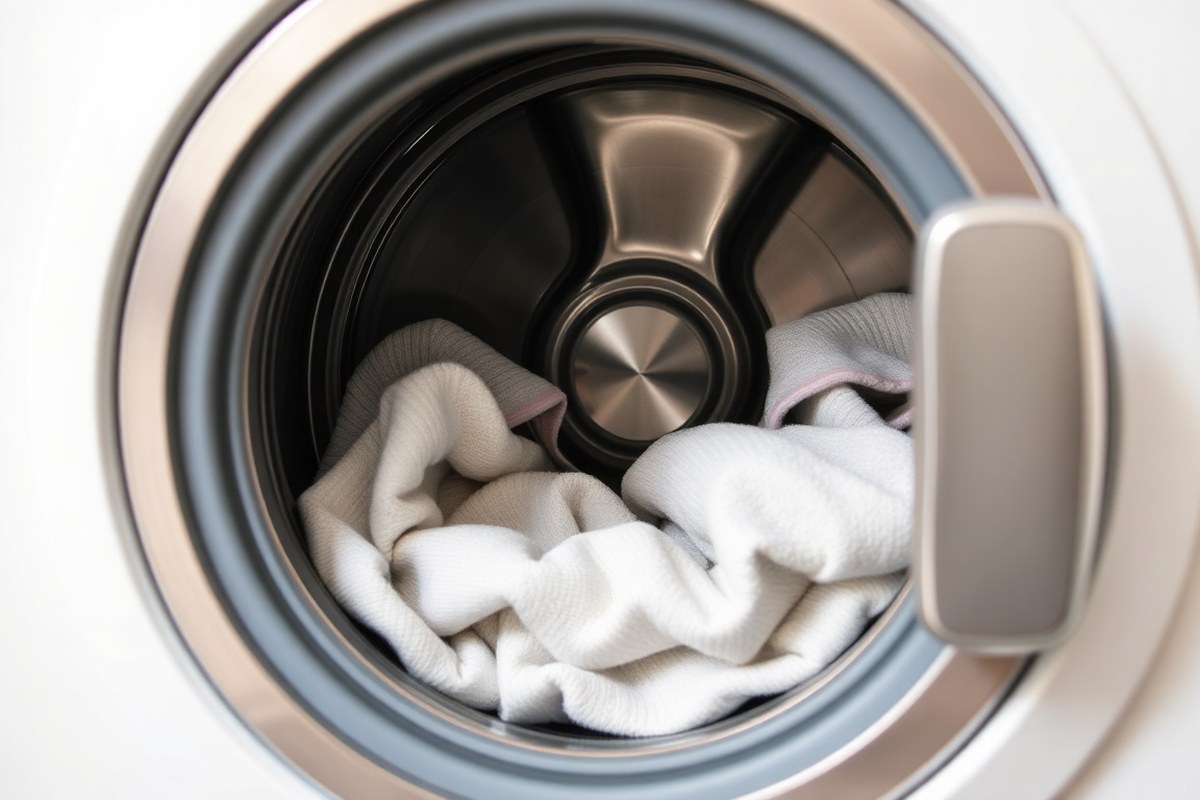
Perma Press is a laundry cycle designed to reduce wrinkles and creases in your clothes by using gentler washing and medium heat drying settings. This cycle is a common feature on many washing machines and dryers, created specifically to work well with permanent press fabrics, which have been treated to resist wrinkles and hold their shape better than regular materials.
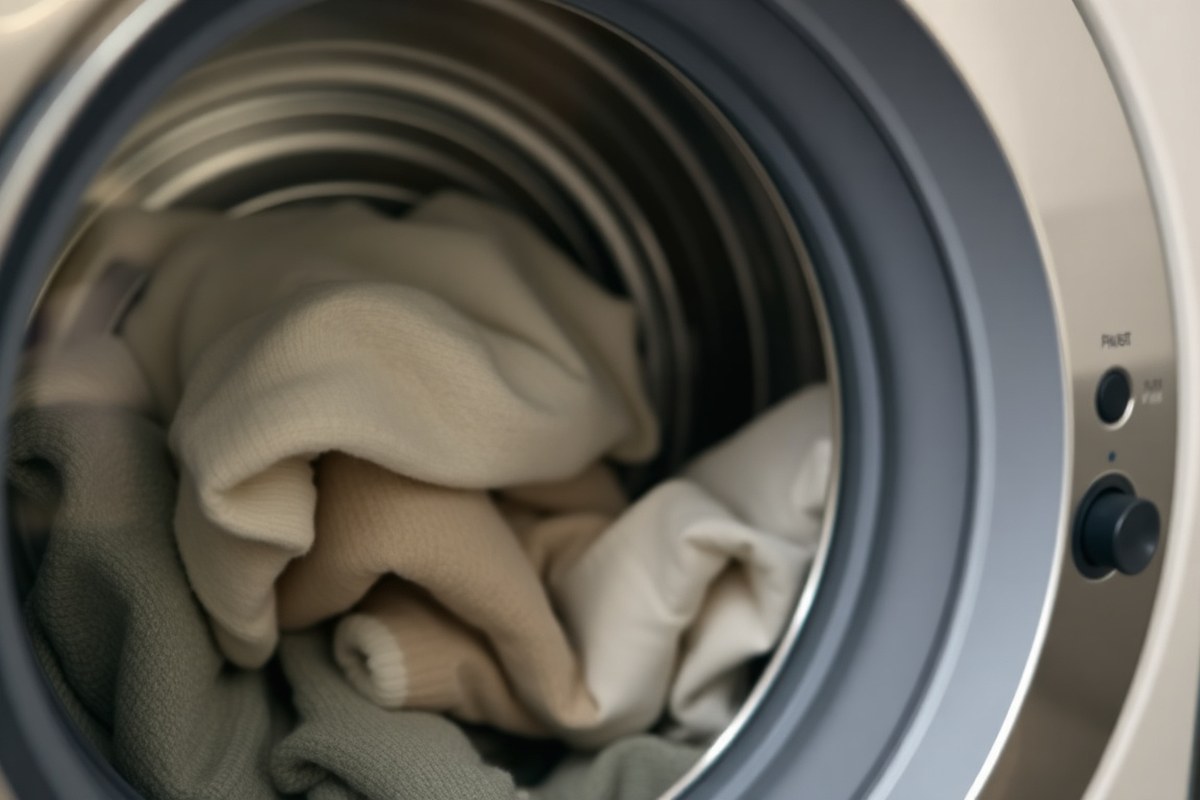
When you select the Perma Press cycle on a washing machine, it uses a milder wash action compared to regular cycles. This includes a gentler, slower spin cycle that leaves your clothes less twisted and crumpled. During the final spin, the machine removes excess water efficiently without putting too much stress on the fabric. This helps shorten drying time while preventing deep wrinkles from setting in. These features combine to keep your clothes looking smoother straight from the washer.
On the dryer, the Perma Press setting uses medium heat rather than high heat to dry clothes gently. High heat can cause wrinkles to become more permanent or even damage some synthetic fibers. Medium heat allows the clothes to dry thoroughly without overheating or shrinking them. Many dryers with this setting also include a cool-down period at the end, which further reduces wrinkles by relaxing the fabric before removing your clothes.
The Perma Press cycle focuses on minimizing wrinkles and creases, helping your clothes look tidy and smooth with less ironing required. It’s ideal for synthetic materials and fabric blends that tend to wrinkle when washed or dried with high heat. This cycle also suits household items like sheets and pillowcases that need a wrinkle-free finish.
Using Perma Press costs no extra money but depends on choosing the correct settings on your washer and dryer. It may take slightly longer than a quick wash and dry but saves time overall by cutting down the need for ironing. For best results, load your washer loosely to allow clothes to move freely and avoid overloading the dryer to prevent extra wrinkles from crowding.
What Fabrics Are Suitable for Perma Press?
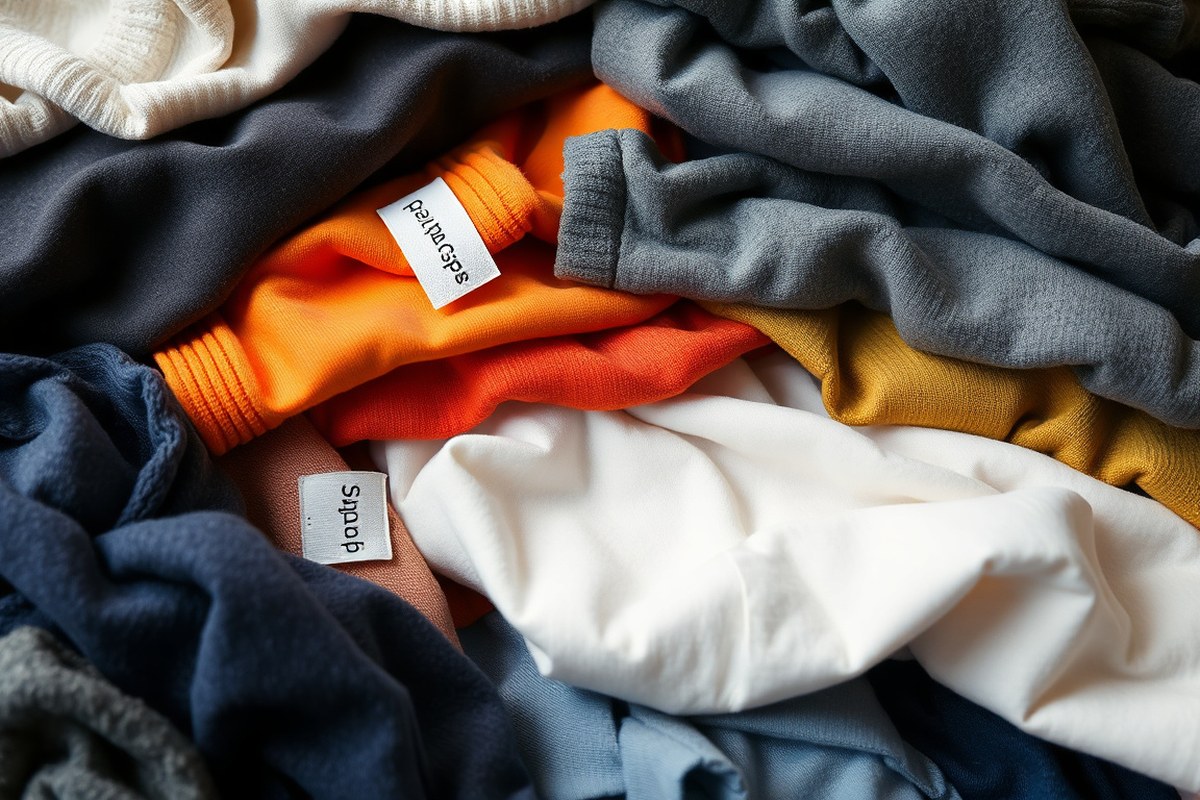
Perma Press works best with fabrics treated to resist wrinkles, such as polyester, nylon, acrylic, and cotton-polyester blends. These materials benefit from the cycle because they often contain chemical finishes applied during manufacturing that help maintain a smooth appearance. The Perma Press setting uses a moderate wash temperature with a cool-down period to minimize wrinkles and reduce the need for ironing. Choosing Perma Press for these fabrics helps preserve the fabric’s finish, preventing unwanted creases and shrinkage.
Clothes made purely of natural fibers like 100% cotton can also be washed on the Perma Press cycle if they are blended with synthetic fibers or labeled as wrinkle-resistant. Always check the care tags on your garments for the Perma Press symbol or specific washing instructions that recommend this cycle. Using Perma Press on mixed-fiber garments often extends their lifespan by reducing damage caused by excessive heat or agitation.
Delicate fabrics such as silk, lingerie, blankets, or very lightweight synthetic materials should be avoided on the Perma Press setting. Delicate cycles use lower temperatures, gentler agitation, and slower spin speeds, which better protect fragile fibers from stretching, tearing, or loss of shape. Heavy fabrics like denim or thick cotton towels are also not ideal for Perma Press since they require a stronger wash action and higher temperatures to be cleaned properly. Using Perma Press on heavy items may result in incomplete cleaning or excess water retention.
Using Perma Press inappropriately can lead to issues like residual wrinkles or fabric damage. Overloading the washing machine reduces water flow and agitation, preventing proper rinsing and cleaning during the cycle. It’s best to fill the washer only to about half its drum capacity when selecting Perma Press. Avoid adding bleach or fabric softeners, which can degrade the wrinkle-resistant chemical treatment and reduce its effectiveness. Wearing Perma Press garments with a layer underneath also helps preserve the fabric’s smooth finish by reducing direct friction and body oils.
Always avoid overloading your washer on Perma Press cycles to ensure all clothes are cleaned gently and wrinkles are minimized.
Following fabric care labels and matching Perma Press cycles to suitable materials ensures you keep your clothing fresh, smooth, and durable. For clothes that do not have the wrinkle-resistant treatment, using Perma Press may not deliver the expected results and could cause unwanted wear. Selecting the appropriate cycle based on fabric type and garment weight is key to maintaining your wardrobe’s condition over time.
How Long Does the Perma Press Cycle Take and What Temperatures Are Used?
The Perma Press cycle typically lasts around 30 minutes in the wash, using warm water for washing and cool water for rinsing. Its dryer setting runs shorter than a regular cycle and uses medium heat, making it gentler on fabrics and reducing wrinkles effectively.
Perma Press Wash Cycle Duration and Temperatures
The Perma Press wash cycle usually takes about 30 minutes to complete. It uses a warm water wash to clean clothes efficiently without harsh heat that could damage synthetic fabrics. This wash is followed by a cool water rinse that helps lock in fabric shape and prevent wrinkles. The spin cycle is gentler and slower than normal, further protecting fabric integrity and limiting shrinkage.
Compared to a normal cycle, Perma Press uses less agitation and shorter spin times, which contribute to less wear and tear on your clothes. These factors combine to care for wrinkle-prone items while still providing a thorough clean.
Dryer Permanent Press Heat Setting and Duration
The dryer temperature on the Perma Press cycle is set to medium heat, which typically runs about 10 to 15 degrees Fahrenheit cooler than a regular high-heat dryer cycle. This lower temperature reduces the risk of shrinking and fabric stress. The Perma Press drying time is usually about 10 minutes shorter than the normal dryer cycle, but it includes a longer cool-down or tumble phase that helps relax wrinkles.
The gentler heat and reduced agitation during tumbling make the Perma Press dryer cycle ideal for synthetic fabrics and blended materials that are more sensitive to heat. This setting is not suitable for heavy items that require more drying time, but it works well to maintain fabric softness and reduce wrinkle formation.
Temperature Comparison: Perma Press vs Normal vs Delicate Cycles
The following table compares typical water and dryer temperatures along with cycle lengths for Perma Press, normal, and delicate laundry cycles. This gives a clear view of how each cycle balances fabric care, wrinkle control, and cleaning effectiveness.
| Cycle Type | Wash Water Temperature | Rinse Water Temperature | Spin Speed | Dryer Heat Level | Typical Cycle Duration |
|---|---|---|---|---|---|
| Perma Press | Warm (~90°F to 110°F) | Cool (~60°F) | Gentle, slower spin | Medium heat (10-15°F cooler than normal) | Wash: ~30 min, Dryer: shorter by ~10 min |
| Normal | Warm or Hot (110°F to 140°F) | Warm or Cool | Fast spin | High heat | Wash: 40-50 min, Dryer: longer, high heat |
| Delicate | Cool (around 60°F) | Cool | Very gentle, slow spin | Low heat or air dry | Wash: 20-30 min, Dryer: low heat or no heat |
This comparison highlights how the Perma Press cycle uses moderate warmth to balance cleaning and fabric care, unlike normal cycles that use hotter water and faster spins. The cooler rinse and medium dryer heat protect fabrics while reducing wrinkles better than the harsher normal cycle. Delicate cycles are gentler but usually cannot remove wrinkles as effectively because they avoid warmer temperatures altogether.
How to Use the Perma Press Cycle Effectively
To use the Perma Press cycle effectively, start by sorting your laundry properly, choose detergents suited to the cycle and fabric types, and select the right settings on your machine. Following a clear process will help reduce wrinkles and keep your clothes looking their best without extra ironing.
Sorting Laundry by Fabric and Color
Begin by sorting your laundry by both fabric type and color. Perma Press works best with synthetic or blended fabrics labeled as wrinkle-resistant or permanent press. These include many workout clothes made from synthetic fibers. Washing similar fabrics together prevents damage and helps maintain fabric quality.
Sorting by color reduces the risk of dyes bleeding onto lighter clothes, which is important when washing mixed loads. Avoid mixing darks and lights in the same Perma Press load. Using this sorting method preserves colors and keeps your clothes looking newer longer.
Choosing Detergents and Load Size
Use a detergent compatible with gentle cycles and synthetic fabrics. Detergents like ARM & HAMMER™ are designed for permanent press loads and help keep clothes clean while protecting fabric finishes. Avoid heavy-duty detergents that might be too harsh on wrinkle-resistant fabrics.
Load your washer so clothes have enough room to move without overfilling. Overloading can lead to excessive wrinkling and reduce cleaning effectiveness. Aim for a load size of about three-quarters full, depending on your machine’s capacity. Smaller loads allow clothes to rinse and spin more thoroughly, minimizing wrinkles.
Selecting the Correct Settings and Finishing Steps
Choose the Perma Press cycle on your machine, which typically uses warm wash temperatures and cool or warm rinses with slower spin speeds to protect fabrics and reduce wrinkles. Some washers offer steam options, use them if your machine has the feature for added wrinkle prevention.
When the cycle finishes, promptly remove clothes from the washer or dryer to prevent new wrinkles from setting in. If drying on a Perma Press setting as well, take clothes out as soon as possible while they are slightly damp. Hang or fold them right away for the best wrinkle-free result.
- Check clothing labels for “wrinkle-resistant,” “wrinkle-free,” or “permanent press” recommendations.
- Sort clothes by fabric type and color, separating synthetics and blends from cotton or heavy fabrics.
- Measure detergent or select a liquid detergent designed for permanent press or synthetic fabrics.
- Load the washer about three-quarters full to allow proper agitation and rinsing.
- Set the washer to the Perma Press cycle, choosing warm water wash and appropriate spin settings.
- Use steam cycle features if your machine supports them to reduce wrinkles further.
- Promptly remove clothes from the washer and dryer upon cycle completion to avoid wrinkles solidifying.
- Fold or hang clothes immediately for best wrinkle-free appearance.
Why Does Perma Press Reduce Wrinkles Better Than Other Cycles?
The Perma Press cycle helps reduce wrinkles through a combination of temperature control, gentler agitation, and a carefully timed spin cycle. It begins with washing clothes in warm water, which relaxes fibers and loosens dirt without causing excessive wear or shrinkage. This is followed by a cool rinse that helps set the fabric and prevents new wrinkles from forming as clothes cool down quickly. The slower and gentler spin cycle minimizes the tumbling force, reducing creasing that usually develops in high-speed spins. This controlled agitation is key to limiting fabric stress, which means fewer wrinkles after the wash.
The spin cycle in Perma Press differs from normal cycles by operating at a slower speed. Unlike regular wash cycles that use fast spins to extract water aggressively, the Perma Press setting uses a moderate spin speed to keep garments damp rather than nearly dry. By maintaining more moisture, clothes stay softer and less prone to wrinkles, making ironing or reshaping easier afterward. This also helps protect permanent press or synthetic blends, which can become misshapen with high-speed spinning. The tradeoff is that clothes will take a bit longer to dry, but the benefit is less wrinkling and damage.
Medium heat is used in the dryer during the Perma Press cycle to finish the process in a way that reduces wrinkles without overheating fabric. High heat can shrink or warp fibers, causing permanent creases and damage, while low heat may not sufficiently relax wrinkles. Medium heat provides enough warmth to smooth fibers gently while reducing the chance of heat damage. The dryer also includes a cool-down phase at the end, which gradually lowers the temperature, allowing wrinkles to fall out as fabrics complete their drying cycle. Low-speed tumbling during this phase prevents clothes from settling into new creases.
Overall, the design aspects of the Perma Press cycle, from the warm wash and cool rinse to the slower spin and medium heat drying, work together to minimize the stress and heat exposure that cause wrinkles. Using these settings effectively means selecting the cycle when washing and drying synthetic blends, shirts, pants, or fabrics labeled permanent press. Avoid using this cycle for heavily soiled items needing intense cleaning, since the gentler agitation won’t remove tough stains well. The cost is slightly longer drying time, but the benefit is clothing that requires less ironing and lasts longer without damage.
For best wrinkle reduction, avoid overloading the washer on Perma Press; crowded machines limit gentle agitation and increase fabric creasing.
Common Mistakes When Using Perma Press and How to Avoid Them
One frequent mistake when using the Perma Press cycle is overloading the washing machine or dryer. Crowding the drum reduces the effectiveness of washing and drying by preventing clothes from tumbling freely, which can cause uneven cleaning and increased wrinkles. Aim to fill the drum loosely; typically, filling it about two-thirds full works best for the Perma Press cycle.
Ignoring fabric care tags is another common error. Since the Perma Press cycle applies medium heat and moderate agitation, it suits synthetic and blended fabrics but can damage delicate items like silk, cashmere, or lace. Avoid using Perma Press on clothes with embellishments such as decorative buttons or sequins, as these features may be harmed. When garment tags are missing or unclear, it’s safer to hand wash and air dry to avoid shrinkage or damage.
Using the wrong cycle settings also undermines the benefits of Perma Press. This cycle combines moderate temperatures with a cool-down or lower heat step to reduce wrinkling but is less gentle than the delicate cycle. Selecting the regular cycle instead can lead to excessive wear, while using delicate settings might not handle permanent press fabrics well. Always choose the Perma Press cycle for suitable fabrics and pair it with a mild detergent designed for permanent press. Harsh detergents or bleach can harm these fabrics and reduce the cycle’s wrinkle-prevention properties.
- Do not overload the washer or dryer; fill drums no more than two-thirds full.
- Check garment care tags carefully before selecting Perma Press.
- Avoid washing delicate fabrics and embellished clothing with Perma Press.
- Use mild detergents made for permanent press fabrics.
- Select the Perma Press cycle specifically; avoid regular or delicate cycles for these fabrics.
- When you’re unsure about fabric type or care, hand wash and air dry the item.
Perma Press is designed to prevent shrinkage and maintain clothing shape, but using it incorrectly can cause problems. Applying too much heat or rough agitation, particularly on delicate clothes, may lead to shrinkage or fabric damage. Following the above tips helps ensure your clothes stay in good condition without sacrificing the cycle’s wrinkle-reducing benefits. Proper use also prolongs fabric life by preventing pilling and snagging, which can otherwise happen with improper cycles or detergents. Taking time to sort laundry properly and read labels will save you money and preserve your clothes longer.
How Does Perma Press Affect Fabric Care and Energy Efficiency?
Perma Press cycles help preserve your clothes by relaxing fabric fibers and reducing exposure to harsh temperatures. This gentle process decreases the risk of shrinkage, especially for synthetic fibers and blends, allowing garments to keep their original shape longer. For example, polyester and rayon tend to respond well to the controlled wash and drying temperatures used in Perma Press, making them less likely to distort or become misshapen over multiple washes.
Color preservation is another benefit of the Perma Press cycle. Since the wash and dry temperatures are lower than those in a regular cotton or normal cycle, typically around 85 to 105°F for washing and close to 130°F for drying, colors fade less quickly. This means your darks will stay deeper, and bright colors won’t dull as fast when you use Perma Press consistently, compared to hotter, more aggressive cycles.
Energy efficiency is notable with the Perma Press cycle because it uses moderate water temperatures and shorter drying times than traditional cycles designed for heavy fabrics. While regular cotton cycles often use water near 120°F or hotter and longer drying periods, Perma Press cycles typically run shorter washes and cool-down or extended tumble settings that avoid over-drying. This reduces electricity use by 10 to 20 percent compared to some regular cycles, depending on your machine and load size.
To maximize these benefits, aim to sort your laundry by fabric type and follow label instructions that recommend the permanent press setting. Avoid overloading your washer; properly loading clothes allows them to move freely so fibers can relax evenly. Also, using the correct water temperature, usually warm, not hot, helps protect fibers without sacrificing clean results. Setting your dryer to the Perma Press or permanent press option uses a cool-down phase that prevents overheating and fabric damage, supporting longevity and energy savings.
Watch out for heavy or heavily soiled items in Perma Press loads, as this cycle is less vigorous than a regular setting and might not clean deeply embedded dirt. Similarly, delicate fabrics may still need hand washing or special care, since Perma Press is designed for specific synthetic blends or wrinkle-prone cottons. Following these guidelines ensures the advantages of Perma Press, like reduced wrinkles, less shrinkage, color retention, and lower energy use, work as intended across your laundry routine.
The History and Evolution of Perma Press Fabrics and Cycles
Perma Press fabrics and their dedicated washing cycles originated in the 1950s as a response to the need for wrinkle-resistant, easy-care clothing. This development shaped laundry technology by introducing cycles that balance effective cleaning with fabric protection. Over decades, both the fabrics and washing machine settings evolved, incorporating new materials and technology to improve garment care and convenience.
Early Wrinkle-Resistant Fabric Inventions
Permanent press fabrics emerged in the 1950s when textile manufacturers began treating cotton and cotton blends with chemical finishes to reduce wrinkles. This process, often involving resin treatments, allowed clothes to hold a pressed look after washing without frequent ironing. These fabrics quickly gained popularity as social and work clothing demands grew, creating a market for easy-care apparel.
The concept focused on fabric stability under heat and moisture, which was revolutionary at the time. Clothes made from these materials could be machine washed and dried with less worry about excessive wrinkling or shrinking. As a result, permanent press fabrics helped reduce the time and effort consumers spent on garment maintenance.
Development of Washing Machine Perma Press Cycles
As permanent press fabrics gained traction, washing machine manufacturers in the 1960s and 1970s started designing specialized “Perma Press” cycles. These cycles featured a gentler washing action combined with carefully controlled spin speeds and cooler temperatures to protect fabric finishes and prevent wrinkles. Typical Perma Press cycles included a warm wash phase around 85°F to 105°F (29°C to 40°C) and a cool-down or reduced spin speed to minimize creasing.
This innovation aligned with the growing availability of automatic washing machines in households. The Perma Press cycle helped customers care for delicate, wrinkle-resistant clothing without damaging the fabric or prematurely wearing out finishes. Over time, these cycles became a standard option on most washing machines to cater specifically to the needs of permanent press fabrics.
Modern Updates and Current Usage
Today, Perma Press cycles have incorporated advances like steam cleaning and sensors that adjust water levels, temperature, and cycle time based on the fabric load. These improvements improve cleaning efficiency while continuing to minimize wrinkling and fabric damage. Modern dryers also support Perma Press settings with cooler drying temperatures and sometimes steam options to relax wrinkles further.
The temperatures for Perma Press cycles today generally range from warm washes at 90°F to 110°F (32°C to 43°C) followed by cool rinse cycles, with dryers set to moderate heat to protect fabrics. Higher-end models allow precise adjustments to drying temperature or cycle length, increasing garment care customization. Despite these upgrades, the core idea remains: combine moderate heat, gentle agitation, and controlled drying to maintain the look and longevity of wrinkle-resistant clothing.
Use the Perma Press cycle with fabrics labeled as wrinkle-resistant to avoid damage; avoid using high heat settings, which can break down the fabric finish and increase wrinkles.
Step-by-Step Action Plan for Using Perma Press
Follow these steps to get the best out of your perma press cycle while protecting your clothes and saving energy.
- Before you start: Sort your laundry to include only synthetic blends, permanent press, or wrinkle-resistant fabrics to prevent damage and ensure good results.
- Loading the washer: Add your sorted clothes without overstuffing to allow proper tumbling and reduce wrinkles effectively.
- Cycle selection: Choose the perma press setting on your machine, which uses moderate washing temperatures and slower spin speeds to protect fabrics.
- Detergent use: Use the recommended amount of a mild detergent designed for synthetic or blended fabrics to avoid residue that can create stiffness.
- Drying phase: If your machine includes a drying phase, set it to medium heat or use a sensor dry setting to finish the cycle without over-drying and damaging fibers.
- After washing: Remove clothes promptly from the washer or dryer to prevent new wrinkles from setting in.
- Ironing touch-up: Use a low to medium heat iron on perma press fabrics only if necessary, focusing on areas that still show wrinkles after drying.
Frequently Asked Questions
What Is the Main Difference Between Perma Press and Regular Wash Cycles?
Perma Press cycles use moderate wash agitation and warm water to reduce wrinkles while protecting fabric. Regular cycles typically use harsher agitation and hotter water, which can cause more fabric wear and creasing.
Can Perma Press Be Used for Delicate Fabrics Like Silk or Lace?
Perma Press is not recommended for delicate fabrics such as silk or lace because these materials require gentler, specialized cleaning methods. Using Perma Press might damage their texture or shape.
Does the Perma Press Cycle Save Energy Compared to Other Wash Cycles?
Yes, the Perma Press cycle is designed to be more energy efficient by using less water and shorter wash times, which lowers electricity and water use compared to heavy-duty cycles.
Are Perma Press Settings Suitable for Heavily Soiled or Stained Clothes?
Perma Press cycles are not ideal for heavy stains because their gentler wash action may not fully remove dirt. Use a heavy-duty or stain-specific cycle for very soiled clothes.
Can Perma Press Fabrics Be Ironed Safely at Home?
Yes, Perma Press fabrics usually require low to medium heat when ironing to prevent damage while removing minor wrinkles effectively. Always check garment labels.
What Chemicals Are Used in Perma Press Fabric Treatments?
Perma Press treatments generally involve non-toxic, gentle chemical finishes that help fibers resist wrinkles without causing skin irritation or allergic reactions.
Before You Go
Perma press cycles offer a practical way to keep wrinkle-resistant clothes looking neat with less effort and energy use. Following the right steps ensures your fabrics stay in good condition longer and your laundry routine is more efficient. Start by sorting your clothes specifically for this cycle and adjusting your machine settings accordingly to see the best results.