How to Remove Stains from Jeans: 8 Effective Methods That Actually Work
Removing stains from jeans works best when you act quickly and use the right pretreatment steps. Gently scrubbing with a suitable cleaner and letting it sit for 30 minutes before washing usually gets most stains out. This approach is effective on common spills, grease, sweat, and even set-in stains if applied properly.
This information is for anyone dealing with denim stains and wanting practical, easy solutions at home. You will learn how to treat different stains safely, when to soak or spot-clean, and techniques that preserve your jeans without risking damage.
Key Takeaways
- Apply a mild detergent or dish soap directly to fresh stains and let sit for 15 to 30 minutes before washing.
- Mix 2 cups of water with 1 cup of white vinegar and soak the sweat stains for 30 minutes to reduce discoloration.
- For protein-based stains, soak jeans in cold water with a small amount of 3% hydrogen peroxide before detergent washing.
- Always test bleach alternatives on an inconspicuous area before using to avoid weakening or discoloring fabric.
- Use enzyme detergents or soak stubborn stains in cold water mixed with detergent for 10 to 30 minutes prior to washing.
- Immediate spot treatment and scrubbing increase the chance of removing stains without needing a full wash cycle.
1. Best Practices to Quickly Remove Stains from Jeans
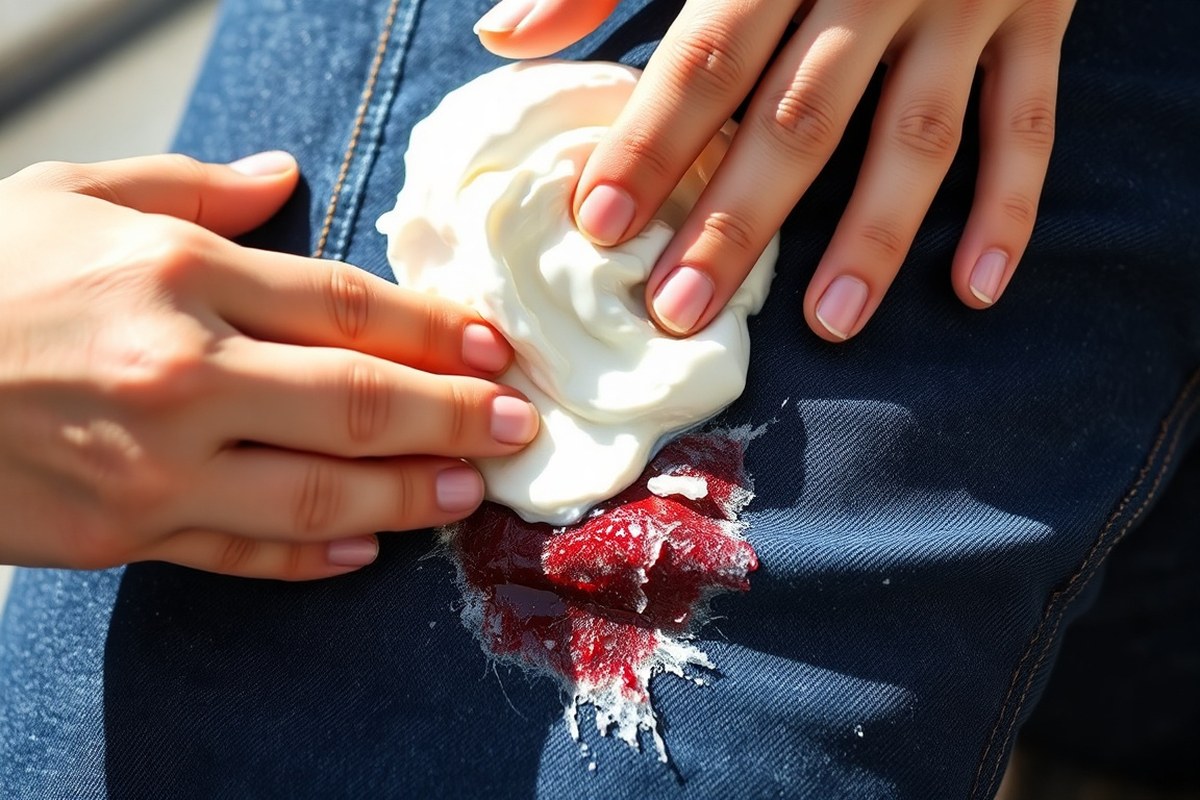
Acting quickly on fresh stains on jeans helps remove them fully without harming the fabric. Start by treating the stain soon after it appears because it hasn’t set into the fibers yet, which makes it easier to clean. Use cold water on protein stains like blood to prevent them from sticking to the fabric. For greasy or organic stains such as food or sweat, warm water works better since it breaks down oils more effectively. Dab the stain gently with a clean cloth or paper towel to soak up excess moisture, avoiding rubbing that might spread or push the stain deeper. Applying a homemade mix like vinegar and baking soda or a bit of mild dish soap can loosen the stain if left for about 20 to 30 minutes before rinsing. Rinse the fabric under running water with light rubbing instead of scrubbing hard to protect the denim from wear. Follow these steps for an effective and safe stain removal process on your jeans:
- Blot the stain immediately. Use a clean, dry cloth or paper towel to gently absorb any fresh liquid without rubbing it further into the fabric.
- Rinse the stained area under cold or warm water based on stain type. Use cold water for protein stains like blood and warm water for greasy or organic stains such as sweat or food residues.
- Apply a mild detergent or homemade paste. Make a paste using equal parts white vinegar and baking soda or apply a few drops of mild dish soap directly on the stain.
- Gently rub the fabric together or use a soft toothbrush. Lightly scrub the stained area to help the detergent or paste penetrate without damaging the fabric.
- Let the treatment sit for 20 to 30 minutes. This contact time allows the cleaning agents to break down the stain molecules effectively.
- Rinse thoroughly under warm running water. Ensure all soap or paste residues wash away to prevent staining or discoloration.
- Repeat if needed before washing. Especially for stubborn or thick stains, you might need to reapply treatment and rinse before laundering.
Avoid using hot water initially, which can set protein-based stains permanently. Refrain from scrubbing harshly or using abrasive tools, which may damage the denim fibers or cause fading. Quick blotting and gentle handling maximize stain removal results. Letting a homemade paste sit about 30 minutes before rinsing offers a good balance between effectiveness and fabric safety. This approach keeps your jeans looking clean while preserving their texture and color.
2. How to Pretreat Different Types of Stains on Jeans

Pretreating stains on jeans with the right method is key to successful removal. Grease, ink, and protein-based stains like blood or grass each respond best to specific household products and careful application. Knowing what to use and how helps avoid setting the stain permanently into the denim fabric.
Grease and Oil Stains Pretreatment
For grease or oil stains, the aim is to break down the oily residue before washing. Use a liquid detergent designed to cut grease or a dedicated stain remover with petroleum-based solvents such as perchloroethylene. Apply the pretreatment directly to the stain and gently work it in with your fingers or a soft brush.
Let the product sit on the stain for at least 10 to 15 minutes to dissolve the oil. Avoid heated water at this stage to prevent setting the stain further. Then wash the jeans following the care label instructions. Pretreating quickly and thoroughly usually results in nearly invisible stains after washing.
Ink and Dye Stains Pretreatment
Ink stains demand solvents that break down dye without damaging denim. Rubbing alcohol, containing isopropyl alcohol, is an effective household solvent for fresh ink stains on colorfast denim. Dab the area using a cotton ball or cloth soaked in rubbing alcohol, then blot gently with a clean cloth to lift the ink.
Hairspray can also help remove ink but test on a hidden area first, as some formulations may affect color. Avoid scrubbing vigorously to prevent spreading the ink. Follow by washing according to the care label.
Protein-Based Stains Pretreatment
Stains like blood or grass belong to protein-based categories requiring enzyme detergents for pretreatment. Enzyme detergents contain natural proteins that break down organic stains. Apply a generous amount to the stained area, gently rubbing it in with your fingers.
Use cold water to rinse or soak before washing since hot water can cook protein stains, making them harder to remove. For grass stains, vinegar can also be a gentle but effective pretreatment option. Avoid bleach or hydrogen peroxide on colored denim, as these may cause discoloration.
| Stain Type | Recommended Pretreatment | Application Method | Key Consideration |
|---|---|---|---|
| Grease/Oil | Liquid detergent or petroleum-based stain remover | Apply directly, rub gently, wait 10-15 min | Avoid hot water before treatment |
| Ink | Rubbing alcohol (isopropyl alcohol) | Dab with soaked cotton ball, blot gently | Test on a hidden area first |
| Blood | Enzyme detergent | Apply and rub gently, soak in cold water | Use cold water only to prevent cooking |
| Grass | Enzyme detergent or vinegar | Rub enzyme detergent in, soak, or dab vinegar | Act quickly before drying |
| Food | Liquid detergent or enzyme detergent | Apply directly, rub gently | Treat as soon as possible for best results |
This table shows the best pretreatment for common stains on jeans, focusing on widely available household products and the proper methods to apply them. Timing, water temperature, and gentle handling affect outcomes significantly. Choosing the wrong method can make stains permanent or cause damage to the denim fabric.
Always test stain removers on a small, hidden spot to check for colorfastness before treating the entire stain.
3. Removing Old and Set-In Stains from Jeans
Old and set-in stains on jeans can be challenging, but you can often revive them with careful treatment. Start by gently removing any residue on the fabric surface, such as dried nail polish or waxy substances. Use a dull knife or a spoon to lift off excess material without damaging the denim. Next, apply a stain remover suited to the type of stain. For oily or waxy stains, first target the oil using a degreasing detergent or dish soap before treating the colored dye with a safe bleaching agent like oxygen bleach. This two-step approach breaks down both parts of the stain for better removal.
Oxygen bleach is preferred because it is gentler on denim compared to chlorine bleach, which risks damaging the fabric and fading colors. Before applying any bleach, always test it on a hidden spot to check for colourfastness. Use warm water, following the garment’s care tag temperature, to activate the oxygen bleach, and soak the jeans for 30 minutes to an hour. Avoid repeated bleach treatments more than twice, as overuse can weaken fibers, especially in areas where denim is already thin, such as the crotch and inner thighs.
You can also try household solutions like a mix of white vinegar and water to help break down permanent marker stains. Baking soda combined with hydrogen peroxide and water is useful for deodorant or sweat stains. These natural methods minimize risk to fabric integrity while still tackling tough marks. Sunlight may assist in lightening stains, but be cautious as prolonged exposure can also fade denim.
Decide whether to repeat treatments by inspecting stain visibility after each wash. If the stain fades noticeably but is not gone, one more treatment cycle could help. However, if there is no significant change after two treatments or the fabric looks weaker, consider the stain permanent. At this point, further attempts may cause more harm than good.
Gentle rubbing is important when working on set-in stains. Use a soft brush or cloth rather than aggressive scrubbing, focusing on the stained area to preserve fabric strength. Soaking stained jeans in the warmest water safe for the fabric can loosen detergent residues and other deposits that older stains might have trapped. Avoid hot water if the care label advises otherwise, as excessive heat can set some stains permanently.
Identifying permanent stains comes down to persistence and fabric condition. Stains that remain visible after two treatment cycles, especially with oxygen bleach and detergent, usually mean the colorants have bonded deeply with the fibers. Also, stains on already thin or worn spots may not fully come out without risking fabric damage. For these, professional cleaning or accepting some residual marks are safer options than repeated home treatments.
4. Safe Uses of Bleach and Alternatives for Jeans Stain Removal
Bleach can be effective for removing tough stains from jeans, but it often damages denim color and fibers if not used carefully. Liquid chlorine bleach weakens cellulosic fibers like cotton, which compose most jeans, and may cause yellowing or stiffening with repeated use. Avoid using chlorine bleach on jeans with warnings against it or on delicate fabrics like silk, wool, or cashmere. When in doubt, safer alternatives such as oxygen bleach, enzyme detergents, hydrogen peroxide, baking soda, or vinegar offer stain-fighting power with less risk of damage.
Safer stain removal agents can mimic bleach’s effects by breaking down organic stains without the harsh oxidizing impact of chlorine. Oxygen bleach works well on whites and colorfast jeans by releasing oxygen bubbles that lift stains gently. Enzyme-based stain removers and detergents digest protein and grease stains, often in as little as 30 minutes of soaking. Baking soda and vinegar can also brighten denim and eliminate odors when used before washing. Follow this comparison chart for a clear look at bleach vs. Alternatives on jeans:
| Cleaning Agent | Effect on Denim | Best Use Cases | Application Notes |
|---|---|---|---|
| Liquid Chlorine Bleach | Can weaken fibers, causes color loss/yellowing | White or colorfast, heavily stained jeans | Dilute & soak briefly, follow label warnings |
| Oxygen Bleach | Gentle, safe on most colors | Colorfast jeans, organic stains | Soak 30 min or more in solution |
| Enzyme Detergents | Safe on colors, breaks down protein-based stains | Food, blood, grass stains | Pre-soak 30+ min, direct application on stains |
| Baking Soda & Vinegar | Natural, mild brightening and deodorizing | Light stains, odor removal | Apply paste or soak before washing |
| Hydrogen Peroxide | Mild bleaching, safe on whites & some colors | Blood stains, light organic stains | Spot test first, apply directly to stain |
When choosing chlorine bleach, dilute it properly to limit damage. A common ratio is 1 tablespoon (15 mL) of liquid chlorine bleach per 1 cup (240 mL) of cold water. Soak colorfast jeans or whites for no longer than 5 to 10 minutes to prevent fiber weakening or yellowing. Avoid hot water as it can cause stains to set and increase bleach damage. After soaking, rinse thoroughly and wash as usual.
For safer alternatives, mix oxygen bleach according to package instructions, usually about 1 tablespoon per gallon (3.8 L) of warm water. Soak the jeans for at least 30 minutes, sometimes longer for stubborn stains. For enzyme detergents, pre-soak jeans for 30 to 60 minutes in cool water to allow enzymes to break down the stain material before washing. Baking soda can be made into a paste with water and applied directly on stains, then rinsed off or washed normally. Adding vinegar in the rinse cycle can help brighten colors and neutralize odors.
Always test any stain removal method on a hidden part of the jeans first. Read garment care labels carefully and avoid bleach if it’s not recommended. Replace bleach if it’s over six months old and ineffective. Rapid action before stains dry and set improves results and reduces the need for harsh treatments. Using these careful practices prevents damaging your favorite jeans while keeping them clean and stain-free.
5. Step-by-Step Washing and Soaking Routine for Stain Removal
Follow a soaking and washing routine that matches the type of stain and the fabric care instructions on your jeans. Use cold water soaking for protein-based stains and warm water washing for oil and grease stains. Always air dry your jeans to avoid setting stains and shrinking the fabric.
Cold Water Soaking for Protein Stains
Protein stains, such as blood, sweat, or dairy, respond best to cold water. Avoid hot water because it can cook these stains into denim fibers, making them permanent. Soaking helps to gently lift the stain before washing.
Start by flushing the stain with cold water from the back of the fabric to push the stain out, not deeper in. Pretreat with an enzyme-based detergent that breaks down protein molecules. Let your jeans soak fully submerged in cold water for at least one hour, or overnight for stubborn stains. After soaking, rinse thoroughly in cold water.
- Flush the stained area with cold water, applying it from the back.
- Apply an enzyme-based detergent directly to the stain.
- Soak the jeans in cold water fully submerged for 1 to 8 hours depending on stain severity.
- Rinse the jeans with cold water to remove detergent and loosened stain particles.
- Wash the jeans in cold water on the gentlest cycle available, following the care label.
- Remove from the washer and inspect the stain before drying.
Tip: Avoid scrubbing denim vigorously to protect fabric fibers during soaking.
Warm Water Washing for Grease Stains
Oil and grease stains require warm water because heat helps dissolve the oily residue. Check the care label first to ensure your jeans can tolerate warm water without shrinking or damaging color.
Pretreat the stain by gently scraping off excess grease, then apply a detergent formulated for heavy or grease stains. Soak your jeans for about one hour in the warmest water temperature recommended on the label, then wash them in the same warm water setting. Using an enzyme detergent improve grease breakdown if the label allows.
- Scrape excess grease or debris off the stain with a spoon or dull knife.
- Apply a heavy-duty or grease-targeting detergent on the area.
- Soak the jeans for 1 hour in warm water within the recommended temperature range (usually under 110°F).
- Machine wash the jeans on the warmest cycle safe for denim per the care tag.
- Check the stain immediately after washing before drying.
Warning: Avoid hot water over 130°F as it may shrink or set stains permanently.
Air Drying Techniques for Best Results
Allow your jeans to air dry instead of using a dryer. Machine drying can set any remaining stains and cause denim to shrink or lose shape. Hang jeans by the waistband or lay them flat on a clean surface away from direct sunlight, which may fade colors.
Only use the dryer when the stain is completely removed and after following all soaking and washing steps. Repeat soaking and washing if the stain persists after drying, never dry a stained garment in a machine. Air drying also helps preserve the fabric’s strength and fit over time.
- Remove jeans from the washer immediately after the final rinse cycle.
- Shake out the garment to reduce wrinkles.
- Hang jeans by the waistband on a drying rack or clothesline indoors or in the shade outdoors.
- Allow jeans to dry completely before wearing or storing.
- If stains remain, repeat pretreatment and washing before drying again.
Tip: Pat gently with a towel to absorb excess water before hanging to speed drying time without heat.
6. Spot Cleaning Jeans Without Full Washing
Spot cleaning jeans means targeting only the stained areas instead of washing the entire garment. This method helps maintain the fabric’s integrity by reducing exposure to the wear and tear that happens with full machine washing. Spot cleaning is best when you notice a small stain or spill and want to avoid the time, water, and detergent involved in full laundering.
For effective spot cleaning, gather a soft cloth or sponge, a spray bottle with cold water, a mild detergent or enzyme-based stain remover suited for the type of stain (for example, an enzyme cleaner for organic stains like grass), and a small bowl. Avoid harsh bleach unless the fabric care label allows it, as bleach can damage denim fibers and cause discoloration. Testing your cleaning product on an inconspicuous part of the jeans before applying it to the stain can prevent unwanted fabric damage.
Keeping the stained area slightly damp helps avoid spreading the stain during cleaning. Using cold water is important because hot or warm water can set many stains on denim permanently. Spot cleaning works well for fresh or localized stains, especially when you aim to preserve the jeans’ overall appearance between washes.
- Blot excess residue. Use a dry cloth or paper towel to gently blot away mud, dirt, or liquids without rubbing, which can spread the stain.
- Apply water or stain remover. Lightly spray the stain with cold water or apply a small amount of the mild detergent or enzyme cleaner directly to the stain.
- Gently agitate the fabric. Use a soft-bristled brush, sponge, or clean cloth to dab and gently rub the stained area, working the cleaner into the fibers without scrubbing too hard.
- Let the cleaner sit. Allow the detergent or stain remover to work for 5 to 10 minutes, monitoring the fabric in case of any reaction.
- Rinse the spot. Dab with a cloth dampened with cold water to remove the cleaning product and loosened stain particles.
- Dry the area. Use a dry towel to absorb excess moisture or air dry the spot, avoiding direct heat which can shrink or fade denim.
- Repeat if necessary. For stubborn stains, spot clean up to two or three times before considering full washing or professional cleaning.
This process targets only stained spots, which saves water, detergent, and time. It also lowers the risk of wearing your jeans out prematurely from repeated full washes. Spot cleaning avoids exposing the whole garment to friction and agitation, preventing fabric thinning and color fading. However, avoid spot cleaning extremely large or multiple stains, as uneven cleaning may cause color bleed or noticeable light patches.
7. Common Mistakes That Hinder Jeans Stain Removal
Drying stained jeans before fully treating the stain makes the removal process much harder. According to Rhonda Wilson, a Quality Lead Cleaner, heat from dryers can firmly set stains into denim fibers, causing them to become nearly impossible to remove later. Make sure jeans are completely stain-free before exposing them to any heat source like a dryer or iron. Air-drying first is safest, allowing you to check if the stain is gone or still visible.
Aggressive scrubbing can damage the denim fabric and worsen stains. Denim fibers are woven tightly but can fray or wear thin with harsh scrubbing. Instead of scrubbing hard, gently blot or dab the stain using a clean cloth soaked in a mild cleaning solution. Overly rough treatment can open up the fabric weave, making the stain harder to remove and risking permanent marks or fabric thinning. Using gentle circular motions works better and protects your jeans from unnecessary wear.
Certain cleaning chemicals can harm denim or even set stains. Harsh bleach is not recommended because it can discolor or weaken the fabric unless it is specifically labeled safe for denim. Vinegar does not help remove or prevent creases in synthetic or permanent press denim fabrics and may not improve stain removal. Many dish soaps, which contain mild detergents, can actually help remove set-in stains safely without damaging your jeans. Always test any cleaner on a small, hidden area first to avoid unwanted fabric damage or color loss.
- Avoid putting jeans in the dryer before the stain is fully treated.
- Do not rub stains aggressively; blot gently instead.
- Skip harsh bleach on denim unless clearly safe for the fabric.
- Use mild dish soap for treating stubborn stains.
- Test cleaning solutions on an inconspicuous spot before full application.
- Avoid vinegar for synthetic or permanent press jeans as it won’t help.
- Always air dry stained jeans first to check for leftover marks.
Ignoring these common mistakes can waste time, effort, and money. Drying too early locks stains in, aggressive scrubbing damages fibers, and wrong chemicals create new problems rather than solutions. Taking care to treat stains gently and patiently lets you keep your jeans looking good longer and reduces the risk of permanent damage.
8. When to Seek Professional Cleaning for Stubborn Denim Stains
Stubborn stains on jeans can sometimes resist even the best home treatments, and that’s when professional cleaning becomes a sensible choice. Knowing when to give up on DIY methods helps save your jeans from permanent damage. Approaching professional cleaners with clear information and proper preparation boosts your chances of successful stain removal.
Types of Stains Needing Professional Attention
Heavy oil, grease, paint, or ink stains often require professional cleaning because they penetrate deep into denim fibers. Stains that have been through the dryer tend to set permanently and benefit from special solvents only professionals have. Also, stains involving chemicals or unknown substances are best handled by cleaners skilled in fabric care. Tough protein-based stains from blood or grass sometimes respond to enzyme treatments, but when these fail, a professional may use stronger, fabric-safe agents.
Even though professionals can remove many stubborn stains, no cleaner guarantees complete success. Recognizing when the stain has resisted multiple at-home removals helps avoid further fabric damage from repeated harsh treatments. Value your jeans by deciding early if professional help is necessary, especially for costly or sentimental pieces.
Timing Your Visit to the Cleaners
Take stained jeans to the cleaner as soon as possible, ideally within 24 to 48 hours after the stain occurs. Quick action prevents set-in stains, which are much harder to remove. When your jeans are marked dry clean only, avoid washing them at home first since that might worsen the stain or change the fabric texture. Prompt professional care preserves material quality and colour integrity.
Delaying professional cleaning increases the risk that heat from home dryers or ironing will set the stain permanently. Avoid putting stained jeans in direct sunlight or high heat before visiting the cleaner, as this can also worsen some stains. Let the cleaner know exactly how long the stain has been there to help them choose the best treatment.
Preparing Jeans Before Professional Cleaning
Before taking jeans to the dry cleaner, avoid using bleach or acidic spot treatments that can alter fabric dye and texture. Instead, gently blot excess material from the stain with a clean cloth without rubbing. Inform the cleaner about any DIY methods you’ve already tried, such as enzyme removers for grass or oxygen-based products like OxyClean. This helps the cleaner avoid chemical reactions that could damage the fabric.
Clearly describe the type of stain and any visible changes you’ve noticed. Mention if the jeans were dried in a machine or exposed to heat, since these can affect the cleaner’s approach. Check the label for fabric content and any care warnings to pass along. Stains that cover large areas or contain multiple substances should be mentioned to get the right treatment.
Provide your cleaner a simple note listing the stain type, its age, and any home treatments attempted to ensure safer and more effective professional cleaning.
Step-by-Step Action Plan to Remove Jeans Stains
Follow these steps to tackle stains on your jeans effectively and avoid damage. This plan helps you act quickly and know when to proceed to the next step.
- Immediately: Blot the stain gently with a clean cloth or paper towel to absorb excess material. Once the stain has lifted, proceed to pretreating.
- Within 30 minutes: Apply an appropriate pretreatment solution based on the stain type (for example, dish soap for oil, white vinegar for sweat). Let it sit for 10 to 15 minutes and check if the stain begins to fade.
- Before washing: Spot clean any remaining stain gently using a soft brush or cloth. When the stain lightens significantly, move on to washing.
- Washing day: Wash your jeans in cold water using a gentle detergent. After washing, inspect the stain area to see if it has been removed.
- After washing: Air dry your jeans. Avoid heat from dryers as it can set any remaining stain. Should the stain remain visible, repeat pretreatment and washing.
- Next day: For old or stubborn stains, soak your jeans in a solution of oxygen-based bleach and water overnight. Check stain removal before drying again.
- Spot cleaning as needed: For minor stains, use a small amount of stain remover directly on the spot without a full wash. Confirm the stain lifts before rinsing.
- When nothing works: Consider professional cleaning if the stain persists after multiple attempts and soaking.
Frequently Asked Questions
Can You Remove Old Set-In Stains?
Yes, you can remove many old set-in stains by presoaking and pretreating the fabric with detergent or a special stain remover before washing. This extra time and care help break down stubborn stains without damaging your jeans.
How to Get Jean Stains Out of Fabric?
Treat the stain quickly by blotting and pretreating with a detergent or stain remover suitable for denim. Gently scrub and wash according to the care label, avoiding hot water that can set protein-based stains like blood.
Does Denim Staining Come Out?
Many denim stains come out with proper pretreatment and washing, but success depends on the stain type and age. Acting quickly and using the right products improves the chance of full removal.
How Can I Remove Color Stains from Jeans?
Pretreat the color stains gently with detergent or stain remover designed for colors, then wash the jeans in cold or warm water following care instructions to prevent fading. Avoid hot water to protect fabric color.
What Household Items Can Help Remove Stains from Jeans?
Common items like white vinegar and baking soda can help remove certain stains by soaking or making a paste for pretreatment. Always test on a small area first to avoid damage.
Can You Use Bleach Safely on Jeans for Stain Removal?
Bleach can damage denim and cause discoloration, so use oxygen-based bleach alternatives and follow product instructions carefully. Avoid chlorine bleach unless specific care labels say it’s safe.
Final Thoughts
Removing stains from jeans takes prompt action and careful treatment tailored to the stain type and age. Acting quickly and avoiding dryer heat help prevent stains from setting. Test pretreatment methods gently to keep your denim looking good. Try the pretreatment and washing steps on your current stain right now to restore your jeans effectively.