How to Remove Stains from White Clothes: 8 Proven Methods That Work
Removing stains from white clothes requires timely and targeted action with the right cleaning agents. Use gentle scrubbing with stain-specific treatments like hydrogen peroxide for protein stains or a vinegar and baking soda paste for general marks. These methods help restore brightness without damaging the fabric.
This guide is tailored for homeowners and renters who want practical, effective solutions for keeping white clothing clean. You will learn proven techniques for common and tough stains, including how to treat yellow sweat marks, grease spots, and dried-in stains while maintaining the fabric’s brightness over time.
Key Takeaways
- For protein stains on white fabrics, soak in cold water with 3% hydrogen peroxide before applying detergent.
- Use a vinegar and baking soda paste on many stains and let it sit for 30 minutes before washing.
- Apply liquid laundry detergent directly on fresh stains and let it work 15, 30 minutes before laundering.
- Soak yellow sweat stains in warm water with oxygen-based bleach for at least 30, 60 minutes prior to washing.
- Pre-soak coffee or perspiration stains in half a cup of borax mixed with detergent for up to an hour.
- For greasy stains, treat with liquid dish soap, massage gently, and let sit 10 minutes before washing.
1. Effective Methods to Remove Stains from White Clothes

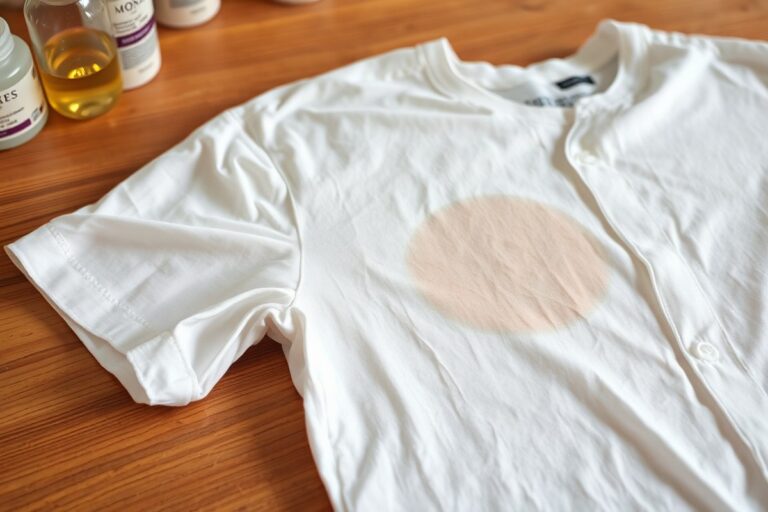
To remove stains from white clothing, use a mix of suitable products and methods. Household staples like enzyme detergents, oxygen bleach, baking soda, vinegar, hydrogen peroxide, and dish soap can tackle many stains. Enzyme detergents target protein stains from food or sweat, while oxygen bleach brightens whites gently, avoiding harsh chlorine bleach effects. Baking soda paste or a vinegar and baking soda mix offers mild but effective stain removal. Soaking protein stains in cold water with 3% hydrogen peroxide before laundering improves results. Pretreat stains thoroughly and keep stained items separate to avoid setting them permanently. Follow these steps to treat and remove many common stains from white garments:
- Scrape or blot excess residue. Use a butter knife or a clean cloth to gently remove any solid or liquid excess from the stain without rubbing it in further.
- Apply a pretreatment solution. Use an enzyme-based detergent directly on the stain or make a paste using baking soda and a few drops of water. For stubborn stains, mix equal parts vinegar and baking soda and apply it to the area.
- Let the treatment sit. Allow your chosen solution to work on the stain for at least 30 minutes. This waiting period softens and loosens the stain for easier removal.
- Soak protein stains if needed. For sweat, blood, or food stains, soak the garment in cold water mixed with 3% hydrogen peroxide for 15 to 30 minutes before washing.
- Wash in warm water. Wash the treated garment alone or with other white items. Use your regular detergent and add oxygen bleach if the fabric care label allows.
- Use grease-fighting dish soap on oil stains. Apply a few drops directly to oily spots, gently rub, and let set before washing.
- Air dry in sunlight when possible. Sunlight can naturally brighten whites and help fade lingering stains, but avoid the dryer until stains are fully removed as heat can set them permanently.
- Repeat treatment if necessary. Stains that remain after the first wash should be pretreatment and laundered again before using a dryer.
Prices for household stain removers are generally low: baking soda and vinegar cost a few cents per use, enzyme detergents vary but often run under $10 per bottle, and hydrogen peroxide is about $1 to $3 per bottle. The key is patience and careful treatment before washing to protect white clothes and maintain their brightness over time.
2. How to Remove Yellow Sweat and Armpit Stains

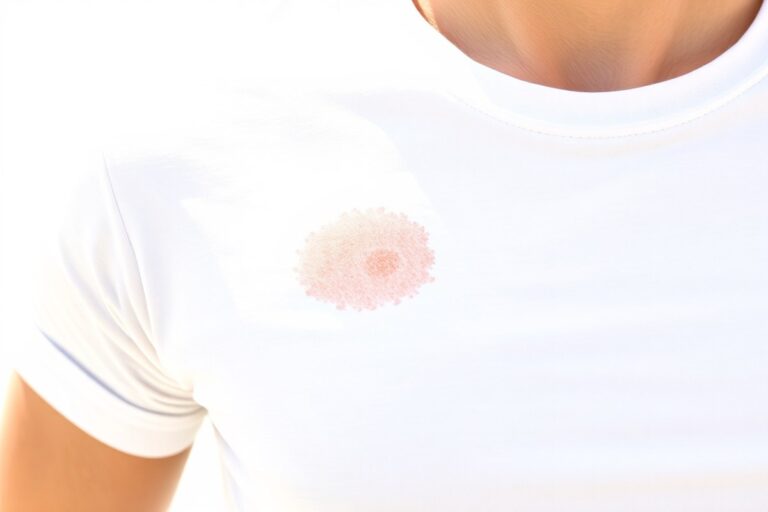
Removing yellow sweat stains from white clothing works best when you act quickly and use a baking soda paste or soak with oxygen bleach. A baking soda paste helps break down sweat buildup, while oxygen bleach loosens set-in stains. Prevent yellowing by washing whites regularly, rinsing stains with cool water immediately, and avoiding harsh bleach on delicate fabrics.
Making and Applying a Baking Soda Paste
A baking soda paste is a gentle yet effective way to attack yellow sweat stains without damaging your white shirts. It uses ingredients that lift the stain by breaking down sweat oils and grime, while still being safe for most fabrics.
- Mix together ½ cup of baking soda, 1 tablespoon of salt, and 1 tablespoon of hydrogen peroxide until you get a thick paste.
- Turn the shirt inside out and apply the paste directly to the yellowed armpit areas.
- Rub the paste gently into the fabric with your fingers or a soft brush to ensure even coverage.
- Let the paste sit on the stain for at least 30 minutes at room temperature.
- Rinse the area with cool water to remove the paste and loosened stain particles.
- Wash the shirt according to its care label, usually in cold or warm water with your normal detergent.
- Check the stain before drying; repeat the treatment if any yellow remains, as heat can set stains permanently.
Avoid scrubbing harshly to prevent fabric damage and spreading the stain.
Soaking with Oxygen Bleach Solutions
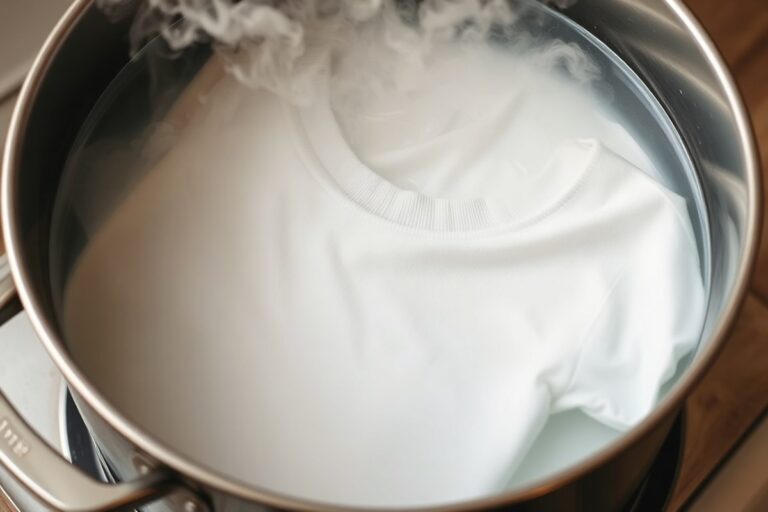
Oxygen bleach is a safer alternative to chlorine bleach that uses oxidation to lift sweat stains from white clothes. Soaking allows the bleach to penetrate deeply and break down yellowing caused by sweat and detergents.
- Fill a bucket or sink with warm water, ideally around 100°F (38°C), to help activate the oxygen bleach.
- Add oxygen bleach powder according to package instructions, usually about 1 scoop (1 to 2 tablespoons) per gallon of water.
- Submerge your stained white garments fully in the solution.
- Soak for at least 30 minutes; for heavily set stains, extend soaking up to 60 minutes but no longer.
- Remove clothes and rinse thoroughly with cool water to wash away loosened stains and bleach residue.
- Wash normally in your machine; avoid drying until stains are fully removed, as heat can set them.
Do not mix oxygen bleach with chlorine bleach or ammonia, as dangerous fumes can form.
Preventive Care Tips to Avoid Yellow Stains
- Wash white shirts right after wearing them to remove sweat before it builds up and discolors fabric.
- Rinse sweat-stained areas with cool water immediately after use to prevent stains from setting.
- Use enzyme-based detergents in standard laundry cycles to help break down invisible sweat residues.
- Avoid overusing chlorine bleach on white fabrics, which can yellow over time due to chemical reactions.
- Allow whites to air dry completely in sunlight when possible, as UV rays help naturally bleach fabrics.
- Rotate wearing white shirts to reduce frequent exposure to sweat and limit stain buildup.
- Regularly inspect and treat armpit areas with baking soda or oxygen bleach paste as early stains appear.
Consistent washing and immediate stain treatment save you from tough yellowing later.
3. Removing Difficult Stains Like Blood, Wine, and Tomato Sauce
Removing difficult stains like blood, red wine, and tomato sauce from white clothes requires quick action and targeted treatments. Protein stains such as blood respond best to cold water rinsing and enzyme-based detergents. Tannin stains from red wine and tomato sauce often need a combination of acidic and alkaline treatments like vinegar and baking soda. Soaking times generally range from 10 to 30 minutes but can extend for set-in stains using oxygen bleach.
Cold Water Rinsing and Enzyme Detergent Pre-Treatment
Blood stains are protein-based and start setting quickly at warm or hot temperatures. Rinsing the fabric immediately with cold water can prevent the stain from bonding to fibers. Enzyme detergents break down protein molecules, making enzyme pre-treatment effective before washing.
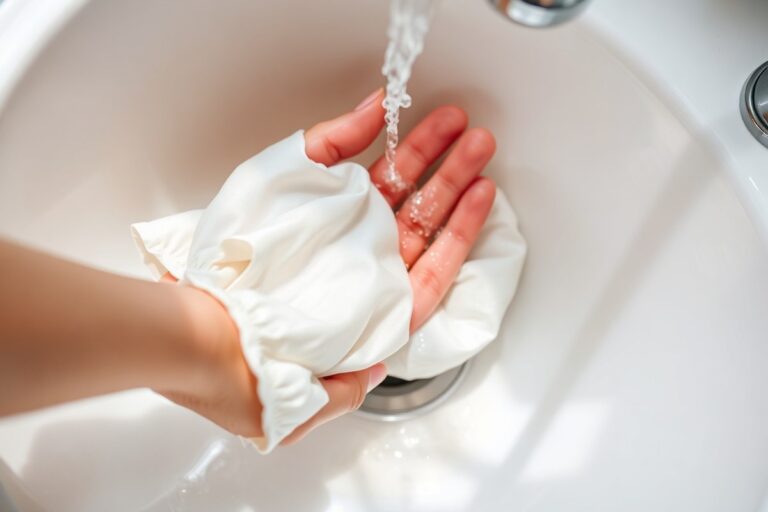
- Rinse the stained area thoroughly under cold running water to flush out as much blood as possible.
- Apply an enzyme detergent directly to the stain, rubbing it gently to penetrate the fabric.
- Fill a sink or tub with cold water and add detergent; fully submerge the garment.
- Soak the fabric for 10 to 30 minutes, checking periodically.
- After soaking, gently rub the stain with the detergent, then rinse again in cold water.
- Wash the garment per care label instructions, avoiding warm or hot water before the stain is removed.
Cold water rinsing helps preserve fibers and prevents setting, while enzyme detergents target protein molecules for deeper penetration.
Vinegar and Baking Soda Alternatives for Stain Lift
Stains from tannin-rich foods and drinks like tomato sauce and red wine respond well to mild acid-and-alkali combinations. Vinegar loosens pigments, and baking soda absorbs oils and neutralizes odors, making their pairing effective. Spot treatments or gentle soaking with these solutions work well for recent stains.
- Remove excess food solids from the stained area using a dull edge or spoon.
- Prepare a solution mixing 1 part white vinegar to 2 parts water.
- Soak a clean sponge or cloth in the vinegar solution and apply it to the stain.
- Let the fabric sit for about 10 minutes to allow the vinegar to break down pigments.
- Make a paste by mixing baking soda with a small amount of water.
- Apply the baking soda paste over the vinegar-treated stain and allow it to sit for 10 to 15 minutes.
- Rinse the area thoroughly with cold water to remove residue from both treatments.
- Wash the garment as recommended, checking that the stain lightens or disappears.
This two-step process helps lift the stain without harsh chemicals. Avoid rubbing vigorously to prevent fabric damage.
Using Oxygen Bleach for Set-In Food Stains
Set-in stains, especially from tomato sauce or red wine, often require stronger yet fabric-safe treatments. Oxygen bleach (non-chlorine) can break down organic stains over several hours by releasing oxygen to lift pigments. Opt for oxygen bleach instead of chlorine bleach to protect fabric integrity on most white clothes.
- Fill a basin or laundry tub with warm water (about 110°F).
- Add oxygen bleach according to the package instructions; typical dose is 1 to 2 tablespoons per gallon of water.
- Submerge the stained white garment completely in the solution.
- Let the clothing soak for 4 to 6 hours; tougher stains may require soaking overnight.
- After soaking, check the stain for lightening and gently rub if needed.
- Rinse thoroughly with cold water to remove oxygen bleach residue.
- Launder the garment following care labels.
- Inspect the stain before drying; do not machine dry until the stain is gone as heat can set it permanently.
Oxygen bleach is an accessible option for set stains but requires longer soak times. Avoid use on delicate fabrics like wool or silk.
4. Best Practices for Removing Oil, Grease, and Makeup Stains
Oil, grease, and makeup stains on white clothing can be stubborn because these stains are oily and resist water-based detergents. Absorbing the excess oil first prevents it from spreading, while rubbing detergents or solvents breaks down the grease, making it easier to wash out. Using the right materials and handling the stain quickly are key to successful removal.
Start by absorbing as much oil or grease as possible to reduce the stain’s intensity. Baking soda is highly absorbent and works well on stubborn oily spots. Next, apply a grease-fighting liquid detergent or solvent like rubbing alcohol, which dissolves oils without damaging white fabric. Rubbing alcohol is effective, especially for tough oil stains. Soaking for about 30 minutes before washing often yields better results.
For makeup stains that often combine oils and pigments, treating with a gentle liquid detergent works well. Test rubbing alcohol on a hidden area first to check fabric colorfastness. Avoid using harsh solvents on delicate fabrics. Act quickly to prevent stains from setting, since older stains become harder to remove.
- Blot the stain gently with a clean cloth or paper towel to lift any fresh oil or makeup without rubbing it deeper into the fabric.
- Sprinkle baking soda liberally over the stain to absorb excess oil. Leave it on the fabric for 15 to 30 minutes, then brush off the powder.
- Apply a liquid laundry detergent designed to cut grease directly onto the stain. Rub it gently with your fingers or a soft-bristled toothbrush to break up oils.
- Soak the garment in rubbing alcohol for about 30 minutes if the stain persists. Use a small bowl or sink, ensuring the fabric is colorfast by testing a hidden spot first.
- Rinse with warm water to remove the detergent and solvent, then launder as usual in the warmest water safe for the fabric according to the care label.
- Check the stain before drying. Avoid placing the garment in the dryer until the stain is fully gone, as heat can set the stain permanently.
- Repeat the process if any stain remains after washing, or try applying a commercial stain remover made for grease, following product instructions carefully.
Homemade stain removers like baking soda and rubbing alcohol offer cost-effective options, typically costing just a few dollars for household supplies. These methods work best on fresh stains and fabrics that tolerate rubbing alcohol. Using solvent treatments in moderation reduces risk of fabric damage. Always follow garment care labels and test products on inconspicuous areas first. Properly treating oily and makeup stains early keeps your white clothes looking fresh and clean. Avoid drying stained items before confirming the stain is removed to prevent permanent marks.
5. Managing Stains That Have Set or Been Dried In
Removing stains that have dried or set into your white clothes takes patience and the right approach. While complete removal can be challenging, especially with older or deeply ingrained stains, it’s often possible to significantly fade or eliminate them by pre-soaking and repeated treatments. Drying stained fabric too soon traps the stain permanently, so you need to avoid using a dryer until you’re sure the stain is gone.
Begin by submerging the stained clothing in cold or lukewarm water mixed with a stain-removing agent. A simple homemade option uses 1/2 cup of borax combined with some detergent in a basin. Allow the garment to soak for at least 30 minutes, which helps loosen dried particles. During soaking, gently move the fabric around to help lift the stain without harming the material. After soaking, inspect the stain to see if it has noticeably lightened before proceeding to wash.
After washing, avoid using a dryer if you still see traces of the stain. Instead, treat the area again. For stubborn dried-in stains, repeat the soak and wash cycle multiple times. Using a soft-bristled toothbrush with dish soap or a dedicated stain remover can help lift remaining stain residues without harming cotton or most synthetic blends. Stubborn metal or rust stains may require a specialized poultice, but these are typically very difficult to remove completely and might leave a permanent mark.
Never put stained whites in the dryer until you’re completely sure the stain is gone, as the heat will set it permanently.
- Pre-soak in a borax and detergent mix for at least 30 minutes.
- Use a toothbrush and dish soap to gently scrub dried spots after soaking.
- Repeat soaking and washing cycles if stains persist, air drying in between.
- Avoid hot water, as it can set protein-based stains like blood.
- Use a poultice for deep rust or metal stains, but expect limited success.
- Air dry only when stains look fully removed; avoid dryers entirely during treatments.
Repeatedly treating dried-in stains takes more time but reduces the chance of fabric damage, which can happen with harsh scrubbing or strong chemical use. Each repeat soak and wash typically adds 30 to 60 minutes to your cleaning routine, but it keeps your fabric safer and improves your odds of lightening the stain. After multiple treatments, look for significant fading before deciding to try a more aggressive stain remover or professional cleaning service.
Knowing when to stop is important. After several thorough attempts, if the stain still won’t come out, the fabric or color may have been permanently affected. Applying bleach or other harsh chemicals without caution can weaken fabric threads or cause yellowing. Instead, focus on gentle methods and always check the garment care label before proceeding with stronger stain removers or repeated washing cycles.
6. When and How to Use Bleach Safely on White Clothes
Oxygen bleach is generally safer for white clothes than chlorine bleach. It works by breaking down organic stains like sweat without harsh chemicals that can weaken fabric fibers. Chlorine bleach, often labeled as regular bleach, is much stronger and can damage delicate fabrics or cause yellowing if not used carefully. Natural alternatives like hydrogen peroxide brighten and disinfect laundry, making them a good middle ground.
Using hydrogen peroxide on white fabrics requires attention to concentration and exposure time. A typical household 3% solution can brighten clothes and disinfect without harsh damage. For heavier stains or organic matter, a stronger 12% hydrogen peroxide solution, similar to hair bleaching strength, may be used to poultice stains but only on sturdy fabrics. Avoid direct prolonged contact with delicate materials to prevent weakening or small holes.
Knowing when to skip bleach entirely is important. Avoid any bleach on fabrics labeled “no bleach” or if the material is delicate such as silk, wool, or spandex. Also, do not combine bleach with ammonia or vinegar, which can release dangerous fumes. Test a small hidden spot first to check for colorfastness or damage. If the white fabric shows thinning, discoloration, or excessive wear, stop using bleach products. Use this checklist before treating white clothes with any bleach:
- Check the care label for bleach safety instructions.
- Decide the type of bleach based on stain type and fabric strength.
- Test a hidden area for color and fiber reaction.
- Dilute the bleach according to product recommendations, never use full strength.
- Avoid mixing bleach types or combining bleach with other chemicals like ammonia.
- Rinse thoroughly after treatment to remove residues.
| Bleach Type | Best For | Safe Fabrics | Usage Instructions | Precautions |
|---|---|---|---|---|
| Oxygen-Based Bleach | Organic stains (sweat, food) | Most whites except delicate fabrics | Dissolve in warm water, soak 30 min to 1 hr | Test spot, avoid mixing with chlorine bleach |
| Chlorine Bleach | Stubborn stains on sturdy whites | Cotton, polyester (check tag) | Dilute (~1/4 cup per gallon water), soak max 5-10 min | Do not use on delicate or colored fabrics; avoid mixing with ammonia |
| Hydrogen Peroxide (3%-12%) | Brightening, disinfecting, biological stains | Most whites, sturdier for 12% strength | Apply directly or soak; 12% for poultices on tough stains | Test small area; avoid if fabric is delicate |
| Natural Alternatives (e.g., Baking Soda) | Oil-based stains, freshening | All white fabrics | Apply as paste, let sit 15-30 min, then wash | Less effective on colorless stains |
Hydrogen peroxide also works well on biological stains like algae and mildew when diluted properly, about half a cup per gallon of water. Applying a poultice with hydrogen peroxide helps draw pigment out from the fabric. Using chlorine bleach on these stains requires moderation and a sturdy fabric to avoid damage. Always follow dilution guidelines to protect your white clothes.
7. Specialty Stains: Rust, Mineral Deposits, and Biological Stains
Rust, mineral deposits, and biological stains like algae or mildew on white clothes need targeted treatments to avoid damage and restore brightness. Using a poultice to draw out stubborn rust or mineral stains and a gentle chemical approach with diluted ammonia and hydrogen peroxide can be effective. Specific cleaning agents help remove biological stains safely without weakening fabric fibers.
Preparing and Applying a Stain Poultice
A poultice is a thick paste made by mixing a cleaning liquid with an absorbent powder. It works by pulling out deep or dried-in stains such as rust or minerals from white fabric, which regular washing doesn’t remove effectively. The paste should have the consistency of peanut butter to stay in place during treatment.
- Mix one part water or dilute hydrogen peroxide with two parts absorbent material like baking soda, powdered clay, or fuller’s earth.
- Apply the paste thickly over the stained area, covering it completely.
- Wrap the stained area with plastic wrap to keep the poultice moist and in place.
- Leave the poultice on for about 24 hours, allowing it to dry and absorb the stain.
- Remove the plastic wrap and gently scrape off the dried poultice with a blunt knife or spoon.
- Rinse the area thoroughly with cool water to remove residue.
- Launder the garment as usual, checking if the stain has faded before drying.
Using a poultice works best on old, stubborn rust or mineral stains where surface cleaning fails. Avoid leaving the poultice on longer than 24 hours to prevent fabric damage. Test on an inconspicuous spot first to confirm no discoloration.
Using Diluted Ammonia and Hydrogen Peroxide Safely
Combining ammonia and hydrogen peroxide provides an effective chemical method to lift tough stains on white clothing. Hydrogen peroxide at 12% concentration (hair bleaching strength) acts as a mild bleach and stain remover. Ammonia helps break down mineral and rust stains. These must be diluted and used carefully to avoid fabric harm or color changes in non-white fabrics.
- Work in a well-ventilated area and wear gloves to protect skin from irritation.
- Mix 1 cup of 12% hydrogen peroxide with about 1 teaspoon of household ammonia in a bowl.
- Dampen a clean cloth with the solution and gently blot the stained area, avoiding excessive soaking.
- Let it sit for 5 to 10 minutes, monitoring the fabric for any adverse effect.
- Rinse thoroughly with cold water to remove all chemical residues.
- Repeat the process if the stain persists, but avoid exceeding 20 minutes total exposure to prevent weakening fibers.
- Launder the item normally after treatment to wash out any remaining chemicals.
This method works well indoors for mineral deposits and rust stains. Never mix ammonia with bleach, as it creates toxic fumes. Confirm clothing care labels allow the use of these chemicals.
Removing Biological Stains with Specific Agents
Algae, mildew, and other biological stains require agents that kill spores and remove discoloration without degrading fabric. Mild hydrogen peroxide or commercial mildew removers designed for white fabric usually work best. Avoid bleach on delicate fabrics since it may cause yellowing or weakening over time.
- Apply a solution of 3% hydrogen peroxide directly to the affected area using a spray bottle or sponge.
- Let it sit for 10 to 15 minutes to loosen the biological stain and kill mildew spores.
- Scrub gently with a soft brush if necessary to break up stubborn growth.
- Rinse the fabric thoroughly with cool water to remove residue and any dead spores.
- Repeat the treatment if any staining remains visible after rinsing.
- Launder the garment normally using a detergent that targets organic stains.
- Dry the clothing in sunlight when possible, as UV exposure helps inhibit mildew return.
For mildew-prone environments, regularly airing clothes and keeping them dry reduces recurring biological stains. Always test treatments on a hidden area to avoid unexpected damage.
8. Tips to Prevent Stains and Maintain White Clothes Brightness
Keeping white clothes bright and preventing stains from turning into permanent marks requires careful habits in washing, storing, and pre-treatment. Yellowing often happens when protein-based stains like sweat and food residues aren’t fully removed or when whites sit damp for too long. Prevent this by treating stains promptly and washing whites separately in cold or warm water, never hot, as heat can set some stains and cause yellowing over time.
Pre-treatment is key. Before washing, rinse stained areas with cold water, especially for protein stains like blood, to stop them from setting. Then apply a stain remover or a detergent with enzymes that break down proteins, oils, and starches. Enzyme-based detergents designed for whites work best to keep fabrics bright without harsh chemicals. Let the treatment sit for 5 to 10 minutes before washing.
- Always separate whites from colored clothes to avoid dye transfer.
- Use detergent formulas with plant-based surfactants and multiple enzymes for thorough cleaning.
- Rinse out stain treatments completely to avoid residue that can yellow fabric.
- Wash whites in cold to warm water, typically 60°F to 90°F, to protect fabric and prevent setting stains.
- Do not overload the washer; clothes need room to move to rinse well.
- Dry whites promptly, preferably outside in the sun for natural whitening, or indoors without damp conditions.
Storing whites properly also helps them stay bright. Avoid plastic bags or airtight containers that trap moisture. Instead, store clothes in a cool, dry place where air circulates. Dampness can cause mildew stains and yellowing. Using breathable cotton storage bags or boxes is a good choice.
Test stain removers on a hidden area first; some can weaken fabric or cause discoloration if left too long.
Rinsing thoroughly after stain treatment prevents leftover chemicals or dirt from causing dullness or yellowing. Running whites through an extra rinse cycle can help remove any leftover detergent or stain remover. Check garments before drying; if any stain remains, repeat treatment rather than drying, as heat sets stains.
Avoid common mistakes like using hot water on blood or protein stains, mixing whites with strong-colored clothes, or leaving stained fabrics damp. Following these steps adds little extra time or cost but pays off with bright, fresh whites that last longer without yellowing or damage.
Step-by-Step Action Plan for Removing Stains from White Clothes
Follow these steps to tackle stains effectively and keep your white clothes looking their best.
- Before You Start: Identify the type of stain you’re dealing with to choose the right method. Correct identification helps avoid further damage.
- Immediately After Staining: Blot or gently scrape off any excess material without rubbing. This prevents the stain from setting deeper into the fibers.
- Within 30 Minutes: Rinse the stained area with cold water, especially for blood or protein-based stains. This improves the chance of removal before the stain dries.
- After Initial Rinse: Apply an appropriate stain remover, such as a liquid detergent for grease or a mix of baking soda and water for sweat stains. Let it sit for at least 15 minutes.
- Before Washing: For stubborn or older stains, soak the garment in a solution recommended for the specific stain type, avoiding bleach unless safe for your fabric. Check label instructions first.
- During Washing: Use warm water and a detergent formulated for whites, adding oxygen-based bleach if permitted. Avoid chlorine bleach unless recommended to prevent fabric damage.
- After Washing: Inspect the stained area before drying. If the stain persists, repeat stain treatment steps because heat from drying can set stains permanently.
- After Drying: Store white clothes in a dry, well-ventilated area to prevent yellowing or mildew from developing.
Frequently Asked Questions
How Do You Get Tough Stains Out of White Clothes?
Use enzyme-based detergent or stain removers with oxygen or chlorine bleach, applying directly to the stain before washing. Pre-treating and scrubbing gently can help break down stubborn grime and improve removal.
Can a Dried Stain Be Removed?
Yes, most dried stains can be removed by soaking in water with stain remover or hydrogen peroxide, then washing separately. Patience is key since multiple treatments might be necessary to fully lift old stains.
What Stains Are Hardest to Remove?
Protein stains like blood, old sweat, and some biological stains are toughest due to their deep fabric penetration. These may require soaking in cold water with hydrogen peroxide or enzyme detergent to soften before washing.
Does Vinegar Remove Stains on White?
Vinegar works well on many stains and can brighten white clothes by breaking down residues. Mixing vinegar with baking soda creates an effective pre-treatment paste for persistent marks.
Can Bleach Damage White Clothes?
Yes, bleach can weaken fabric fibers and cause yellowing if overused or applied incorrectly. Follow label instructions carefully and use only on fabrics labeled as bleach-safe.
How Do You Prevent Stains on White Clothes?
Treat stains immediately and avoid wearing white during messy activities. Washing whites separately with proper detergents and avoiding fabric softeners helps maintain brightness longer.
Wrapping Up
White clothes can stay bright and spotless with prompt and proper stain removal. Handle stains as soon as possible using the safest method for the fabric and stain type. Start by identifying the stain next time and pick a cleaner who’s suitable for whites, you’ll see better results and keep your garments lasting longer.