What Do Fabric Softener Sheets Do? A Complete Guide with Benefits & Tips
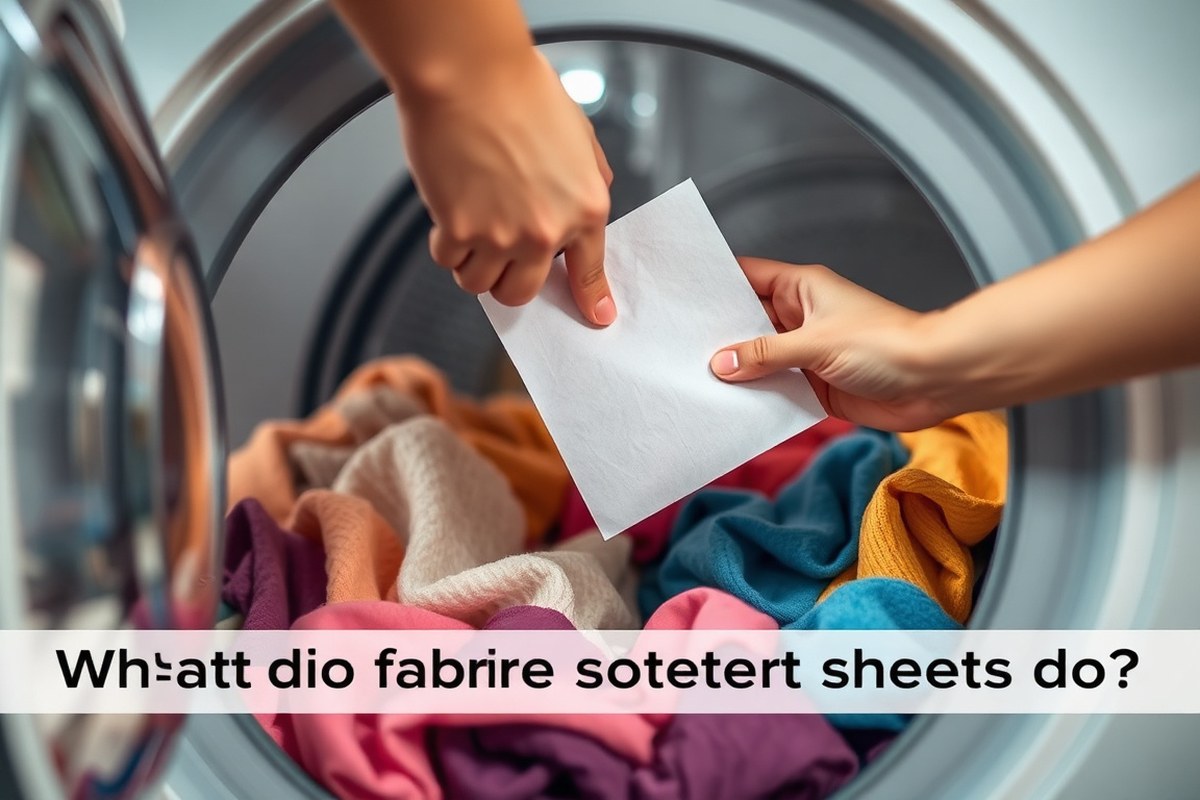
Fabric softener sheets reduce static cling, add softness, and leave a pleasant scent on your laundry. They coat fabrics with a thin layer of conditioning agents that make clothes feel smoother and less prone to static electricity. These sheets are mainly used in dryers to improve the texture and smell of your clothes after washing.
Homeowners and renters who do laundry can benefit from understanding what do fabric softener sheets do to choose the right laundry aid. This article explains their effects, safe fabric use, and tips for effective application.
Key Takeaways
- Fabric softener sheets use quaternary ammonium compounds to reduce static cling and soften fabrics during drying.
- Do not use fabric softener sheets on athletic sportswear, spandex, or nylon garments, as they can damage these fabrics.
- Fabric softener residues can reduce towel absorbency and weaken breathable fabrics by clogging microscopic pores.
- Softener sheets add fragrance that stays on clothes after drying but may contain chemicals with environmental impacts.
- Eco-friendly fabric softener sheets use biodegradable materials and natural ingredients to reduce ecological harm.
- Using fabric softener concentrates in diluted form helps improve dispenser flow, especially in front-load washers.
What Do Fabric Softener Sheets Actually Do to Clothes?
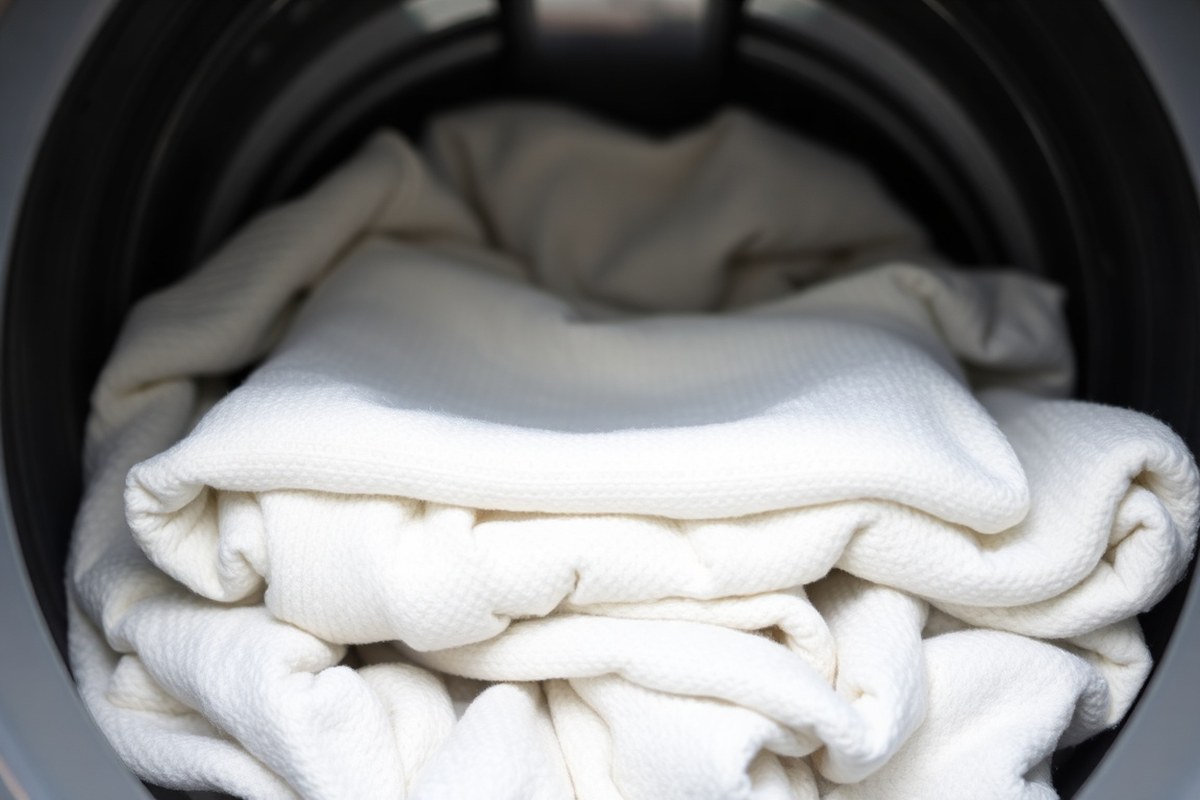
Fabric softener sheets make clothes feel softer by releasing positively charged ions during the drying cycle. These ions neutralize the negative electrical charges that naturally accumulate on fabric fibers as they rub together in the dryer. By reducing these static charges, your clothes are less likely to cling to each other or to your body, which results in a softer, more comfortable feel against your skin. This softening effect comes primarily from quaternary ammonium compounds, the active ingredients that coat the fabric fibers.
Softness matters because it improves comfort and reduces irritation from rough or stiff laundry. The softening agents in dryer sheets may also include silicones or fatty acids that coat the fabric surface, making fibers feel smoother and more flexible. For example, cotton shirts and bed sheets tend to feel noticeably softer after drying with a fabric softener sheet. To get these results, simply toss one sheet into the dryer with a normal load. Most sheets cost less than 5 cents each and last through a single drying cycle, making them an easy addition to your laundry routine.
Fabric softener sheets also reduce wrinkles to some extent by preventing static cling and making fabrics more pliable as they tumble. This reduction in wrinkles can make ironing quicker and easier by smoothing out fabric fibers that would otherwise bunch or stick together.
The fragrance from fabric softener sheets comes from added scent ingredients designed to release a fresh smell while the clothes dry. The heat of the dryer activates these fragrance compounds, spreading a mild but noticeable scent through your laundry. The strength and type of fragrance vary by brand and product, but they generally leave your clothes smelling cleaner or fresher upon removal from the dryer. If you prefer unscented laundry, you can buy fragrance-free sheets or avoid sheets altogether.
Although fabric softener sheets work well on many fabrics like cotton and polyester blends, they may not be suitable for all types. Some activewear, leggings, or moisture-wicking garments can lose their fabric performance when coated with these chemicals, making them less effective at breathability or stretch. To avoid this, skip sheets when drying sensitive fabrics or use alternative softening methods like dryer balls.
How Fabric Softener Sheets Work: Key Ingredients and Science
Fabric softener sheets work by releasing active ingredients into the dryer as your laundry tumbles through the heated air. These ingredients coat the fibers of your clothes to reduce friction and static cling. The main substances in fabric softener sheets include cationic surfactants, lubricants like silicones, and fragrance compounds. Cationic surfactants carry a positive charge, which helps neutralize the static electricity that builds up during drying.
Static cling happens when dry, synthetic fabrics rub together in the dryer and build up an electrical charge. Your clothes carry either a positive or negative charge, causing them to attract each other like tiny magnets. The positively charged surfactants on fabric softener sheets balance these charges by attaching to negatively charged fabric surfaces. This process neutralizes the electrical imbalance and prevents clothes from sticking together.
Besides neutralizing static, the lubricating agents in the sheets create a thin, smooth coating over fibers. Silicone lubricants reduce friction, making fabrics feel softer and less prone to roughness. The fragrances in the sheets release during drying, leaving a fresh scent on your laundry. This coating is designed to withstand the heat and tumbling action inside the dryer without washing off immediately.
Because fabric softener sheets rely on these chemical coatings, it’s important to use the right amount. One sheet per load is usually enough for a typical household dryer, equivalent to about 30 to 45 minutes of drying time at temperatures between 120°F and 140°F. Overusing sheets can cause buildup on fabric and dryer components. This buildup may reduce the dryer’s efficiency or lead to overheating over time.
Many fabric softener sheets today are formulated to work well in high-efficiency (HE) washers and dryers, which use less water and gentler tumbling. Some brands use biodegradable materials and natural ingredients to reduce environmental impact. While the core chemistry stays the same, eco-friendly sheets tend to avoid synthetic fragrances and certain surfactants to accommodate sensitive skin or allergies.
Use just one fabric softener sheet per load to avoid buildup that can reduce dryer efficiency and stain clothing.
Which Fabrics Are Safe or Unsuitable for Fabric Softener Sheets?
Fabric softener sheets are not safe for all fabric types. Some materials can be damaged or lose their special properties when treated with these sheets. It is essential to know which fabrics work well with fabric softener sheets and which to avoid.
Fabrics Great for Fabric Softener Sheets
Fabric softener sheets are generally safe for natural and durable fabrics that benefit from added softness and static reduction. Cotton, linen, and blends of cotton with synthetics usually respond well, making clothes feel softer and reducing wrinkles. These sheets also work with many casual wear fabrics that do not have special coatings.
Using fabric softener sheets with these fabrics can improve comfort and freshness during drying without causing damage or affecting performance. Always check the garment’s care label for any warnings or restrictions before use.
Fabrics to Avoid with Fabric Softener Sheets
Several fabric types should not be treated with fabric softener sheets due to the risk of damage or loss of fabric performance. Avoid using fabric softener sheets on these materials:
- Towels and microfiber towels, which lose absorbency because the softener leaves a coating that blocks water absorption.
- Moisture-wicking fabrics often used in activewear, which rely on fabric breathability; softener sheets reduce their effectiveness by clogging fabric pores.
- Sportswear made from spandex, nylon, or synthetic blends, which may be coated with special finishes to improve stretch and durability.
- Wool and cashmere, where softeners can interfere with delicate fibers and natural texture.
- Clothing with chemical treatments such as water-resistant or fireproof coatings, which fabric softener sheets can break down.
- Garments treated with fabric finishers or other coatings that may be compromised by the softening agents.
Using fabric softener sheets on these fabrics often results in reduced functionality, such as less breathability, loss of moisture management, or damaged fibers. This can lead to less comfortable or shorter-lasting clothing.
Alternatives for Sensitive or Unsuitable Fabrics
Choosing suitable alternatives helps protect sensitive fabrics while maintaining softness and freshness. For towels and microfiber, avoid fabric softener sheets entirely. Instead, wash towels without softener to keep them absorbent.
For activewear or moisture-wicking materials, use gentle detergents designed for sports fabrics. Adding a half cup of white vinegar in the rinse cycle can help remove residues without harming the fabric’s performance.
Dryer balls made of wool or silicone offer a mechanical softening effect without chemical residues and work well with sensitive fabric types. They also reduce drying time by improving air circulation.
Always follow garment care instructions closely and test any new product on a small fabric section first to avoid unexpected damage. Investing a few extra minutes in fabric care preserves clothing longevity and wearer comfort.
How to Use Fabric Softener Sheets Effectively in Laundry
Add one or two fabric softener sheets to your dryer at the beginning of the drying cycle, changing the number depending on your load’s size and how soft you want your clothes. These sheets spread fabric softening ingredients as the dryer runs, generally needing the entire cycle to be effective. People often use fabric softener sheets every time they dry clothes, but the type of fabric and your skin’s sensitivity can influence how often you should use them.
When to Add Dryer Sheets in the Drying Process
Place fabric softener sheets on top of wet clothes right before starting the dryer. Adding them at the beginning allows the softening chemicals to evenly distribute as the clothes tumble and dry. Avoid adding sheets later in the cycle, since the softener needs heat and motion during drying for best results.
Dryer sheets typically work throughout a drying cycle lasting about 30 to 60 minutes depending on the machine and load size. The chemicals bond to fabric fibers steadily, so adding sheets at the start ensures maximum softness and static reduction by cycle’s end.
How Many Sheets to Use per Load
For small to medium loads, use one fabric softener sheet per drying cycle. For larger loads or very heavy, bulky items, two sheets can improve softness and reduce static cling more effectively.
Excess sheets do not increase softness linearly and may leave residue or build-up in the dryer. Start with one sheet, then increase based on how the laundry feels and smells. Some people prefer using one sheet continuously for less scent or chemical exposure.
Tips for Maximizing Softness and Fragrance
Use sheets designed to suit your laundry needs, such as ones with added fragrances if you want fresher smelling clothes. You can improve scent by adding a few drops of essential oil to plain sheets before tossing them in the dryer.
To soften fabrics optimally, avoid overloading the dryer so clothes can tumble freely and the sheet’s chemicals spread evenly. Don’t mix fabric softener sheets with moisture-wicking or flame-resistant fabrics, since these may not benefit from softeners and could degrade.
Caring for Your Dryer When Using Dryer Sheets
Fabric softener sheets can leave residue in your dryer’s lint trap or on its drum, potentially reducing efficiency. Clean the lint filter after every load and periodically wipe the drum with a damp cloth to prevent build-up.
Check your dryer’s manual for manufacturer recommendations on fabric softener sheet use. Overusing sheets may create greasy deposits, so use them sparingly or alternate with dryer balls if residue becomes a problem.
- Sort your laundry by fabric type and load size to choose how many fabric softener sheets to use.
- Load wet clothes into your dryer without overfilling it.
- Place one or two fabric softener sheets on top of the laundry load.
- Set your dryer on the appropriate cycle and temperature for your fabrics.
- Start the dryer and let the sheets work throughout the full drying cycle, usually 30 to 60 minutes.
- Remove clothes promptly once drying is complete to avoid wrinkles or static build-up.
- Clean your dryer’s lint trap after each use to remove any sheet residue.
- Rotate between fabric softener sheets and alternatives if residue or sensitivities develop.
Comparing Fabric Softener Sheets, Liquids, and Dryer Balls
Fabric softener sheets, liquid fabric softeners, and dryer balls each offer different benefits and limitations. Sheets and liquids both deposit a chemical softening agent, but they differ in when and how you use them. Fabric softener sheets go into the dryer, whereas liquid softeners add directly to the wash cycle. Dryer balls provide a chemical-free mechanical option that softens clothes by separating fabric to reduce drying time and static.
Dryer balls, often made of wool, bounce through clothes during drying, opening fibers and cutting down on drying time by as much as 20-30%, which saves energy. They don’t add scent or leave residue, making them a viable choice if you prefer fragrance-free laundry or have sensitive skin. Fabric softener sheets, scented or fragrance-free, release a film that reduces static and adds softness. The scented ones provide lasting freshness, but fragrance-free sheets can still reduce static and soften fabrics without scent.
There are cost and environmental factors to consider as well. Dryer balls are reusable and reduce waste, while sheets and liquid softeners come in disposable packaging and contain chemicals some may find irritating. Sheets tend to be less expensive upfront but must be replaced per load. Liquid softeners sometimes stain clothes and are not recommended for towels, similarly to some dryer sheets.
| Method | How It Works | Use | Cost per Load (Approx.) | Pros | Cons | Fabric Compatibility Notes |
|---|---|---|---|---|---|---|
| Fabric Softener Sheets | Chemical film releases in dryer reducing static, softening fabrics | Add one sheet to dryer load | $0.10, $0.15 | Easy to use, adds fragrance, reduces static | Can leave residue or stains; not ideal for towels | Check packaging for HE washer/dryer compatibility |
| Liquid Fabric Softener | Chemicals in wash cycle coat fabrics; softens fibers | Add to washer’s fabric softener compartment | $0.05, $0.10 | Even softening during wash, adds scent | Can stain clothes; not recommended for towels | Not suitable for microfiber or some athletic wear |
| Dryer Balls (Wool or Plastic) | Mechanical action separates fabrics, reduces drying time | Place 3-6 balls in dryer with laundry | $0.01, $0.05 (reusable over 500+ loads) | Reusable, eco-friendly, chemical-free | No added fragrance, may not reduce static as much | Safe on all fabrics, including towels |
Always follow your washer and dryer’s guidelines when using fabric softeners or sheets to avoid residue buildup and maintain appliance performance.
Each method suits different priorities. Use fabric softener sheets for convenience and fragrance, liquid softeners for thorough fabric coating during washing, and dryer balls if you want to avoid chemicals and lower environmental impact. Fragrance-free sheets perform similarly to scented ones in softening and static reduction, so choose based on your scent preference or skin sensitivity.
Common Mistakes and Misconceptions About Fabric Softener Sheets
One common mistake is using fabric softener sheets on every load without considering fabric type. These sheets contain chemicals that can leave residues, reducing absorbency of towels and damaging delicate fibers over time. Avoid using them on moisture-wicking sportswear, microfiber cloths, or flame-resistant fabrics to keep your items in good shape.
Some assume fabric softener sheets reduce drying time, but they actually do not significantly speed up drying. The primary purpose is to soften fabrics and reduce static cling by neutralizing static charges. Expect your usual drying duration when using sheets, especially with cotton or heavier fabrics.
Fabric softener sheets can also cause problems if left inside the dryer too long or used in excess. Residue buildup inside the dryer drum or lint traps may lead to decreased efficiency or mechanical wear. To prevent damage, use one sheet per medium load and remove clothes promptly after the cycle ends.
- Don’t use fabric softener sheets on towels or microfiber; they lose absorbency
- Always use only one sheet per load to avoid residue buildup
- Remove clothes promptly after drying to prevent static and wrinkles
- Check your dryer’s manual; some manufacturers advise against using these sheets
- Store sheets in a cool, dry place to maintain their effectiveness
Fabric softener sheets add fragrance, which some users may find overpowering or irritating, especially if you have sensitive skin or allergies. Look for unscented or hypoallergenic options if scent is a concern. The cost of these sheets adds up over time, so consider your laundry frequency when deciding if they fit your budget.
Careful use of fabric softener sheets will keep clothes soft and smelling fresh without harming the washer or your garments. Avoid common errors like overuse or applying sheets on unsuitable fabrics to get the best results.
Health and Environmental Concerns with Fabric Softener Sheets
Dryer sheets might irritate skin or cause allergies, especially in those with sensitivities. Many varieties contain scents and chemicals that often lead to reactions. Avoid rubbing them directly on your skin to prevent discomfort. Select fragrance-free types or skip softener sheets if someone in your household has sensitive skin.
The environmental impact of fabric softener sheets comes primarily from their chemical makeup and disposal. Many traditional dryer sheets are made with synthetic materials that do not biodegrade easily. This means they can accumulate in landfills since they are often discarded after one use. Used sheets may also leave chemical residues that harm water quality if disposed of improperly.
Fortunately, there are biodegradable options now available from several manufacturers. These eco-friendly sheets are made from natural fibers and designed to break down more quickly in the environment. Choosing biodegradable sheets helps reduce landfill waste and lessens the chemical load released during laundering. However, these greener options typically cost more than standard sheets, often ranging from 25 to 50 cents per sheet compared to about 10 to 20 cents with conventional brands.
Another environmental concern involves the chemicals that fabric softener sheets release in the dryer. These substances can break down into volatile organic compounds (VOCs), contributing to indoor air pollution. Proper ventilation in the laundry area can help minimize inhalation risks. When drying clothes indoors, keeping a window or door open allows fresh air circulation, which reduces buildup of airborne irritants.
Residue buildup on clothing is a drawback that affects both health and environment. Fabric softener sheets deposit a thin, waxy coating on fabrics to create softness and reduce static. Over time, this layer can cause garments to repel water and reduce moisture absorption, which may irritate sensitive skin. Washing clothes more frequently or using extra rinse cycles can help remove some of this residue but increases water and energy use.
To limit potential skin irritation and environmental effects, use fabric softener sheets sparingly, only when clothes feel rough or static-prone. For each load, one sheet is typically sufficient. Avoid combining softener sheets with liquid fabric softeners, as this can increase residue and chemical exposure. For those concerned about allergies or eco-impact, alternatives like fragrance-free sheets or natural methods such as wool dryer balls offer safer options.
Eco-Friendly and DIY Alternatives to Fabric Softener Sheets
Several eco-friendly and DIY alternatives to traditional fabric softener sheets can keep your laundry soft and fresh while reducing chemical exposure and waste. Homemade fabric softener sheets, wool dryer balls, and natural additives offer practical options with varying ease, cost, and environmental impact. Choosing the right method depends on your priorities for convenience, scent, and sustainability.
How to Make Homemade Fabric Softener Sheets
Creating your own fabric softener sheets at home lets you control the ingredients and avoid synthetic chemicals. A common base is plain cloth or recycled cotton cut into squares, infused with a mixture of water, fabric softening agents like white vinegar, and optional essential oils for fragrance. Follow these steps to make reusable fabric softener sheets:
- Cut cotton fabric into 5-inch squares or repurpose thin t-shirts or flannel scraps.
- Prepare a mixture by combining 1 cup of distilled water with 2 tablespoons of white vinegar in a spray bottle.
- Add 10 to 15 drops of your preferred essential oil, such as lavender or lemon, for scent.
- Spray the mixture evenly on each fabric square until damp but not dripping.
- Allow the sheets to air dry completely on a rack or clothesline.
- Use one or two sheets per dryer load, tossing them in just like commercial sheets.
- Refresh the sheets by spraying with the vinegar and oil mixture before each use.
- Wash and reapply the mixture every 20 uses or when they start to lose effectiveness.
Store homemade sheets in a sealed container to keep them fresh and prevent drying out before use.
Using Wool Dryer Balls as Alternatives
Wool dryer balls offer a natural, reusable way to soften fabric, reduce static, and shorten drying time by bouncing between clothes and separating them. Made from natural wool or synthetic materials, they avoid the chemical additives found in traditional sheets.
Compared to fabric softener sheets, wool dryer balls are cost-effective over time since they last 1,000 loads or more. They can also be lightly scented by adding a few drops of essential oils directly onto the balls before tossing them in the dryer.
Some downsides to dryer balls include the lack of a strong scent and the need to monitor the balls for wear, especially with synthetic options. Wool balls may also take longer to dry if overused in one cycle.
Using three to six wool dryer balls per load usually provides the best balance of softness and drying efficiency.
Natural Additives to Improve Fabric Softness and Freshness
White vinegar is a popular natural additive used in the rinse cycle to soften clothes, reduce static, and neutralize odors without leaving a strong vinegar smell. Using about half a cup directly in the washing machine’s fabric softener compartment works well.
Essential oils can improve natural alternatives by adding scent and mild antibacterial effects. Popular choices include eucalyptus, lavender, and tea tree oils, which can be mixed with water or applied on dryer balls or homemade sheets.
Another option is baking soda, used in the wash to help keep clothes fresh and remove detergent buildup. A half-cup per load added to the washing machine drum can improve overall fabric feel.
Always test essential oils on a small fabric patch before widespread use to avoid staining or allergic reactions.
Step-by-Step Action Plan for Using Fabric Softener Sheets Effectively
Follow these steps to get the best results from fabric softener sheets while keeping your laundry safe and fresh.
- Before Your First Load: Check garment labels to avoid using sheets on unsuitable fabrics like microfiber or flame-resistant materials.
- Day 1: Use one fabric softener sheet per medium-size load in the dryer’s lint trap or drum, not directly on clothes. You’ll notice softer, less static laundry.
- After 1 Week: Observe clothes after drying; if stiffness or residue appears, reduce sheet use or switch to an alternative like dryer balls.
- After 2 Weeks: Try running the lint trap or dryer drum with no sheets to ensure no buildup occurs; clean if needed to maintain dryer efficiency.
- Monthly: Rotate between fabric softener sheets and eco-friendly options, such as wool dryer balls, to reduce chemical exposure and waste.
- Whenever You Change Detergents: Confirm compatibility with fabric softener sheets to prevent wash cycle issues or fabric damage.
- After Several Months: Reassess your laundry routine based on fabric type and sensitivity; adjust sheet use accordingly for best fabric care and softness.
Frequently Asked Questions
Can Fabric Softener Sheets Prevent Static in All Types of Clothing?
Fabric softener sheets reduce static mainly in cotton and similar fabrics but aren’t suitable for athletic wear, spandex, or nylon, where they can damage the fabric or reduce moisture-wicking properties. Avoid using them on these materials for best results.
Do Fabric Softener Sheets Leave Residue on Clothes?
Yes, fabric softener sheets can leave a residue buildup on clothes, appearing as spots or stiffness, especially if overused. Using the correct amount and washing clothes properly helps minimize this issue.
Are Fabric Softener Sheets Safe for Babies’ Clothing?
Fabric softener sheets can irritate sensitive skin, so it’s better to avoid them on baby clothes and choose fragrance-free, hypoallergenic alternatives. Washing baby clothes without softeners reduces allergic reactions.
Can Fabric Softener Sheets Be Reused in the Dryer?
Fabric softener sheets typically lose most of their effectiveness after one use, so reusing them offers little benefit and may transfer less fragrance or softness to clothes. Using a fresh sheet each load is recommended.
How Long Does the Scent from Fabric Softener Sheets Usually Last?
The scent from fabric softener sheets can last from a few days up to a week depending on the sheet’s fragrance strength and storage conditions. Storing laundry in a closed space preserves the scent longer.
What Happens If I Use Fabric Softener Sheets with Towels?
Using fabric softener sheets on towels can reduce their absorbency by coating fibers with softening agents. It’s better to avoid them or use sparingly to keep towels fluffy but absorbent.
The Bottom Line
Fabric softener sheets soften clothes and reduce static by coating fibers, but using them properly matters to avoid damage or residue. Identifying when and how to use sheets on safe fabrics helps you enjoy their benefits without problems. Next, try adding a sheet to a regular load following the steps above and observe how your clothes feel after drying.