Can You Wash Tennis Shoes in the Washer? A Complete Guide with Tips
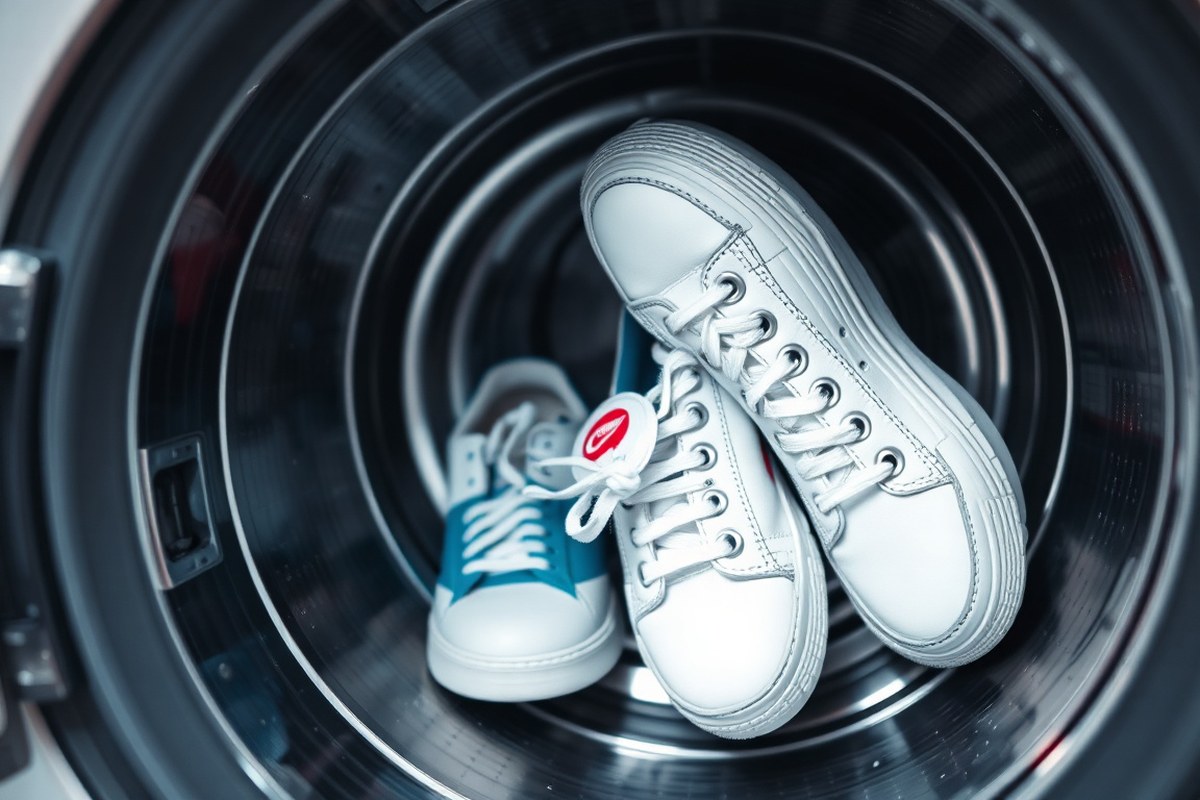
You can wash tennis shoes in the washer safely when you use the right settings and preparation. Choose a delicate wash cycle with cold water, remove insoles, and place laces in a mesh bag to protect both shoes and machine. Avoid harsh detergents or high heat to keep your shoes from damage or shrinking.
This advice fits anyone wanting to clean tennis shoes efficiently without risking wear or machine damage. The following tips cover which materials handle machine washing, how to prepare your shoes, and the best steps to get them clean while preserving their shape and comfort.
Key Takeaways
- Use a gentle cycle with cold water and a mild detergent to protect tennis shoe materials.
- Remove insoles and wash them separately to prevent them from staying waterlogged.
- Tie shoelaces together and put them in a pillowcase or laundry bag to avoid tangling.
- Soak shoes in soapy water for 10, 15 minutes before machine washing to loosen dirt.
- A 30 to 45-minute delicate wash cycle is usually enough for thorough cleaning.
- Air dry tennis shoes for 24 to 48 hours to maintain their shape and avoid damage.
Can You Wash Tennis Shoes in the Washing Machine Safely?
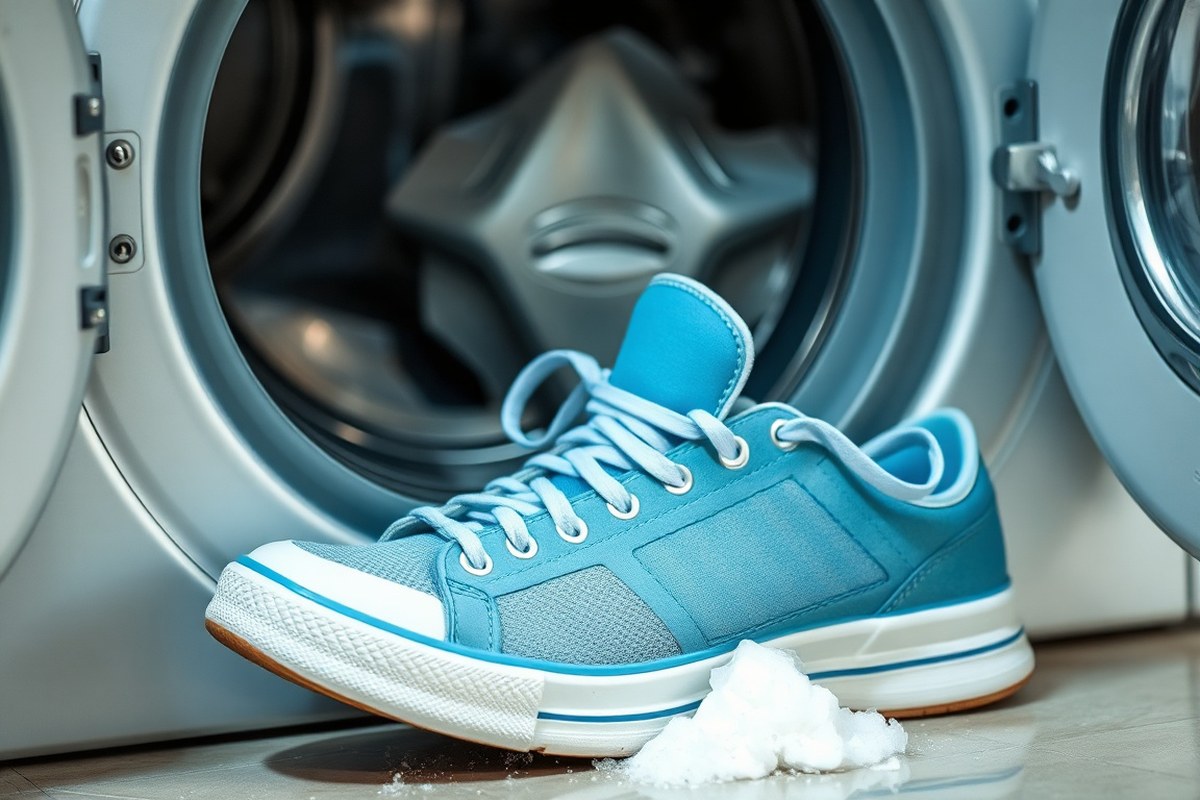
Yes, you can wash tennis shoes safely in a washing machine if you follow the right steps and precautions. Using a delicate wash cycle with cold water and mild detergent helps protect the shoe materials from damage while still getting them clean. Most tennis shoes made from canvas, nylon, cotton, or polyester respond well to machine washing. However, shoes with leather, suede, or intricate designs should avoid the washer since these materials can be damaged by water and agitation.
Machine washing tennis shoes incorrectly can lead to several issues. Shoes may lose shape, develop scuffs, tears, or the glue holding them together can weaken. Hard banging inside the washer drum can also cause noise and physical damage to both the shoes and the machine. Not securing the shoes properly might cause them to hit the washer drum directly, raising the chance of damaging the machine’s internal parts.
To protect your washing machine, always secure your tennis shoes before washing. Placing them in a mesh laundry bag or pillowcase helps minimize impact. Adding towels provides extra cushioning and helps keep the load balanced. Front-loading washers tend to be gentler because they tumble clothes instead of agitating from the top, but it’s still important to take these safety steps.
Washing your shoes in a washer takes about 45 minutes to an hour on a delicate cycle. It’s best to remove the laces and insoles first, wash those separately, and clean off dirt or mud manually before machine washing. This reduces the soil load and protects the shoe’s structure. Cold water should be used to prevent shrinking or warping. Mild detergent and a gentle spin speed help preserve shoe integrity and avoid excessive wear.
Avoid machine washing tennis shoes if they are heavily soiled with substances like oil, paint, or mud that can spread inside the washer. Also, shoes with delicate materials, excessive wear, or structural damage should be cleaned by hand. Hand washing prevents vulnerability to further wear from machine agitation. Always check the shoe’s care label before washing for manufacturer recommendations.
Proper drying after the wash is important to maintain shape and avoid damage, but drying details fall outside this section. Taking these safety steps minimizes risks, helps keep your tennis shoes looking fresh, and protects your washing machine from damage.
Which Tennis Shoe Materials Can You Machine Wash?
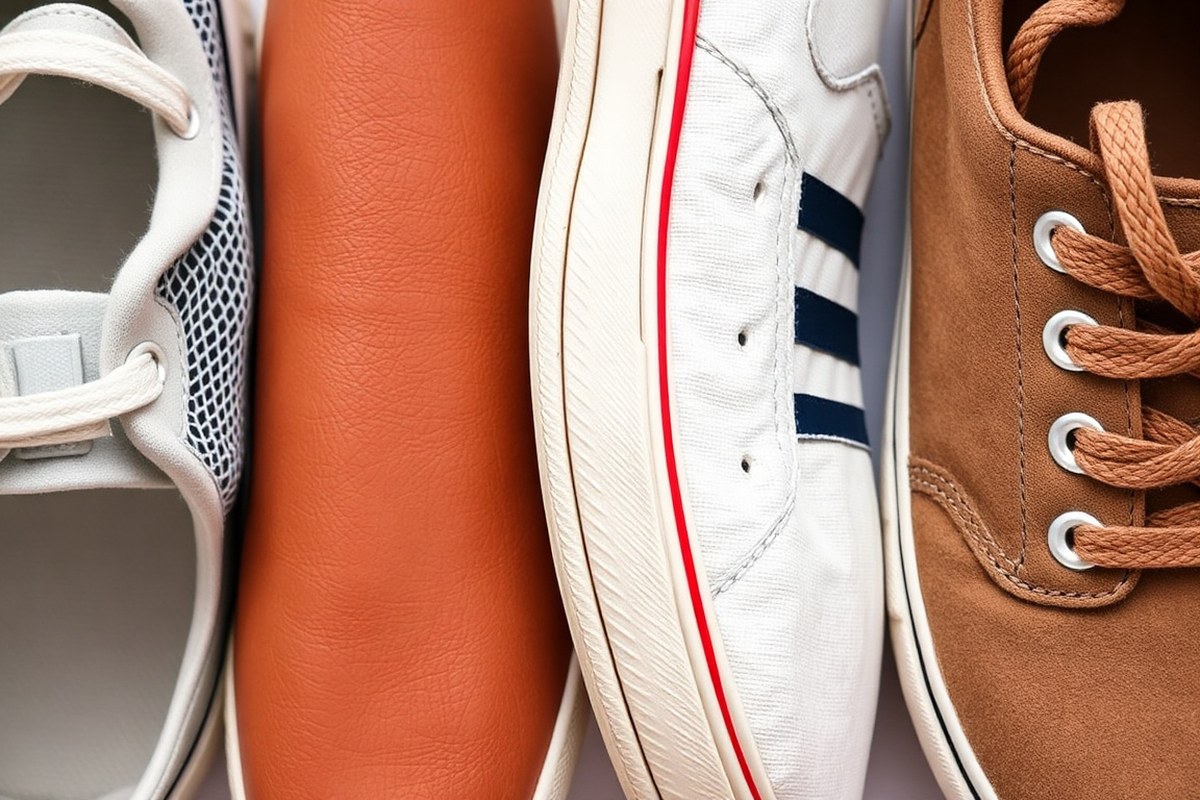
Most tennis shoes are made from materials that respond differently to washing machines. Recognizing which materials tolerate machine washing helps you avoid damage to your shoes and your washer. Shoes crafted from canvas, mesh, polyester, nylon, and other synthetic fabrics withstand the agitation and detergent during a machine wash without losing shape or color. However, materials like leather, suede, vinyl, and some rubber components are sensitive to water and mechanical action, requiring gentler care.
It’s important to identify the shoe material before deciding on machine washing. Canvas and mesh options are common for tennis shoes and typically handle normal or gentle machine cycles well. On the other hand, leather and suede shoes might crack, warp, or fade if washed in a machine. These require hand washing with suitable mild soaps and soft brushes, avoiding immersion or scrubbing that could damage the surface. Shoes with decorations or specific embellishments also fall into this non-machine-safe category.
| Shoe Material | Machine Wash Safe? | Recommended Cleaning Method |
|---|---|---|
| Canvas | Yes | Machine wash on gentle cycle |
| Mesh | Yes | Machine wash on gentle cycle |
| Polyester | Yes | Machine wash on gentle cycle |
| Nylon | Yes | Machine wash on gentle cycle |
| Leather | No | Hand wash with mild detergent |
| Suede | No | Hand clean with suede brush or specialist cleaner |
| Vinyl | No | Wipe clean with damp cloth; avoid machine washing |
| Rubber (parts like soles) | No (as main material) | Clean separately by hand; don’t machine wash entire shoe |
Always check the shoe’s care label before machine washing to avoid accidental damage and consider hand washing for anything marked non-machine-safe.
To preserve your tennis shoes’ look and structure, skip the washing machine for leather and suede. These materials tend to absorb water and can warp or stain during fast agitation or drying. Hand cleaning with a soft cloth, gentle cleaner, or special suede brush removes dirt without risking cracks or stiffness. Likewise, vinyl and decorated shoes should not go in the machine because water and detergent can weaken adhesives or discolor finishes.
Machine washing suits durable textile tennis shoes made of cotton, mesh, polyester, or nylon best. These shoes usually tolerate a 30- to 40-minute gentle cycle with cold or warm water and mild detergent. Avoid using chlorine bleach or high heat that can damage fabrics. When washing textiles, placing shoes inside a mesh laundry bag or together with towels helps protect them and your washer from banging noises or impact damage.
How to Prepare Tennis Shoes for Washing in the Machine
Preparing tennis shoes for machine washing means removing laces and insoles, pre-treating any stains, and brushing off dirt and debris. This careful preparation protects both your shoes and the washing machine. Doing these steps right helps ensure a thorough, safe clean and cuts down on drying time.
Removing Laces and Insoles Correctly
Start by taking out the laces and insoles before washing your tennis shoes. The laces can go into the washing machine with the shoes if tied together and placed in a protective bag. Insoles need to be washed separately to avoid staying waterlogged for days, which leads to odor and damage. Removing these parts also prevents them from tangling or damaging your shoes during washing.
Washing laces inside a pillowcase or mesh laundry bag keeps them contained and stops them from snagging. After removing, soak the insoles in warm water with mild detergent and air dry them thoroughly before putting them back. It’s best not to machine-wash insoles since they typically need gentler, slower drying to avoid warping.
Pre-Treating Common Stains and Odors
Before the wash cycle, address visible stains and odors to improve cleaning results. Use a mild detergent or specialized sports cleaner on stains like grass, mud, or sweat patches. Apply the cleaner gently with a soft brush or cloth, and let it sit 10 to 15 minutes to penetrate. This breaks down grime for better removal in the washer.
For odor control, sprinkle baking soda inside the shoes and let it sit for several hours before brushing it out. This reduces lingering smells caused mostly by bacteria trapped near insoles and liners. Avoid harsh chemicals that could harm the shoe material or colors. Pre-treating ensures your tennis shoes come out looking fresher and cleaner.
Brushing Off Dirt and Debris
Start by brushing off any loose dirt and debris from the shoes to protect your washing machine and make the cleaning process more effective. Use a soft brush or a dry cloth to remove mud, grass, or sand, focusing on the soles and small crevices where dirt hides. This step stops dirt from spreading inside the washer or settling back onto your tennis shoes.
For shoes with dried mud, tap them gently outside or over a trash can to loosen the dirt before washing. Avoid using water to loosen debris before putting them in the machine as wet dirt can smear and stain. Cleaning off debris by brushing takes only a few minutes and helps maintain your shoes’ fabric and support structure during washing.
- Remove the laces and tie them together before placing them in a pillowcase or mesh laundry bag.
- Pull out the insoles and soak them separately in warm, soapy water.
- Apply a mild detergent or stain remover to any spots or stains on the shoe fabric.
- Let the pre-treatment sit about 10 to 15 minutes to break down stains.
- Sprinkle baking soda inside the shoes for odor control, then brush out after a few hours.
- Brush off loose dirt and debris using a soft brush or dry cloth, especially on soles.
- Tap any dried mud off gently outdoors to avoid introducing wet dirt to the wash.
- Ensure shoes are dry on the outside but not wet before placing in the washing machine.
Choosing the Right Washer Settings for Tennis Shoes
Choosing the right washer settings greatly affects the outcome when washing tennis shoes and helps prevent damage to both the shoes and the machine. Use cold water to keep shoe materials from shrinking or colors from bleeding. A delicate cycle is best because it reduces the force of tumbling, which can break shoe parts or cause the washer to go out of balance.
Front load and top load washers handle shoes differently. Front load washers tumbling action is gentler and less likely to damage the shoes, making it a preferred choice. However, you can still wash tennis shoes in a top load machine; just be cautious of the more aggressive agitation. Putting a few old clothes in with the shoes evens out the load and prevents the machine from shaking or shutting off mid-cycle.
Choosing the right detergent is important. A gentle liquid detergent helps prevent residue and protects the shoe materials better than powder options. Stay away from bleach and fabric softeners because they can weaken the fabric and adhesives. Many people suggest using a mesh laundry bag or pillowcase to shield the shoes throughout the wash cycle.
| Washer Type | Water Temperature | Cycle Type | Detergent | Load Tips |
|---|---|---|---|---|
| Front Load | Cold | Delicate/Gentle | Mild liquid detergent | Include old clothes to balance load |
| Top Load | Cold | Delicate/Gentle | Mild liquid detergent | Use mesh bag; avoid heavy or sharp items |
For best results, avoid washing your tennis shoes with heavy or sharp objects to prevent damage to both the shoes and the washer drum. Adding a mesh bag slows the tumbling impact, reducing scuffs and deformation. Washing shoes with older clothing not only balances the washer but also cushions the shoes, lowering the chance of damage. Cold water and mild liquid detergent are inexpensive and widely available choices that preserve shoe materials and color.
How to Wash Shoelaces and Insoles Safely
Wash your tennis shoe laces and insoles separately from the shoes to clean them thoroughly without damage. Laces can go in the washing machine if removed and secured properly, while insoles should be hand washed to avoid sogginess and maintain shape. Proper drying of each part is essential to prevent odor and deterioration.
Machine Washing Shoelaces Safely
Removing shoelaces before washing your tennis shoes helps clean them better and protects the shoes. You can wash the laces in the washing machine, but keeping them contained prevents tangling and loss. Here are steps to wash laces safely in the machine:
- Remove the laces from your shoes completely.
- Place the laces inside a mesh laundry bag or a pillowcase tied shut.
- Use cold or warm water (not hot) in your washing machine.
- Add a small amount of mild detergent designed for delicates.
- Set the machine to a gentle or delicate cycle to avoid damage.
- Remove the laces promptly after the cycle ends to begin drying.
Keep laces in a mesh bag to stop tangling and prevent them from wrapping around the washer drum.
Hand Washing Insoles to Prevent Damage
Insoles absorb sweat and dirt, so cleaning them regularly helps your shoes stay fresh. Machine washing insoles can cause them to become soggy, lose support, or warp. Hand washing keeps them intact while removing grime. Follow these steps to hand wash your tennis shoe insoles safely:
- Remove the insoles from your shoes and brush off loose dirt with a soft brush.
- Fill a basin or sink with warm water mixed with a small amount of gentle detergent.
- Submerge the insoles and gently scrub them using a soft cloth or brush, focusing on stained areas.
- Rinse the insoles thoroughly with cool water to remove soap residue.
- Squeeze out excess water carefully without twisting or wringing.
- Lay the insoles flat on a clean towel and pat them dry as much as possible.
Avoid soaking insoles for more than 10 minutes to prevent them from absorbing too much water and losing their shape.
Drying Laces and Insoles Effectively
Drying laces and insoles properly prevents mildew, odor, and damage. Avoid using a dryer because high heat can shrink or warp these items. Air drying is the best method.
For best results, spread laces flat or hang them up to dry in a well-ventilated area away from direct sunlight. Lay insoles flat on a towel in a warm area and flip occasionally to speed up drying.
Do not put insoles or laces in a clothes dryer; instead, air dry them to maintain durability and shape.
Step-by-Step Guide to Washing Tennis Shoes in the Machine
You can safely wash tennis shoes in a washing machine by following a specific routine: soaking, carefully loading them, selecting appropriate settings, and checking them thoroughly after washing. Allocate around 20 minutes for prep, 30 minutes for washing, and let the shoes dry for at least 24 hours to keep their shape and strength.
Soaking and Pre-Wash Preparation
Proper preparation before putting your tennis shoes in the washer helps prevent damage and improves cleaning results. Start by checking the care label to confirm the shoes can be machine washed. Remove the laces and insoles; these should be washed separately to avoid tangling and to clean thoroughly. Stubborn stains or dirt buildup benefit from a brief soak in warm water mixed with mild detergent for 10 to 15 minutes, which helps loosen grime without damaging the shoes.
- Check the shoe label for washing instructions or warnings.
- Remove laces and insoles for separate cleaning.
- Brush off loose dirt with a soft brush or cloth.
- Soak shoes in warm water with mild detergent for 10, 15 minutes if heavily soiled.
- Gently scrub problem areas using a soft brush or cloth.
- Rinse shoes lightly with water after scrubbing to remove excess soap.
- Shake off excess water before loading.
Spending about 15 to 20 minutes on this preparation sets the stage for an effective wash that avoids pushing dirt deeper into the fabric or causing structural stress.
Loading Shoes and Starting the Washer
Arrange the tennis shoes carefully inside the washer to reduce impact damage during the cycle. Place them inside a mesh laundry bag or pillowcase to protect both the shoes and the washer drum. Pair the shoes with towels to balance the load and cushion the shoes as the washer agitates. Use cold or lukewarm water and select a gentle cycle, typically running for 30 minutes, with a low spin speed to protect the shoe’s shape and adhesives.
- Place tennis shoes in a mesh laundry bag or pillowcase.
- Add several towels to the washer to cushion shoes and balance the load.
- Set the washer to a gentle cycle with cold or lukewarm water.
- Choose a low spin speed to minimize stress on shoes.
- Start the cycle and monitor for unusual noises indicating loose parts or imbalances.
This process usually takes about 30 minutes for washing. Avoid hot water and aggressive cycles, as heat and rough agitation can weaken materials and glue holding the shoes together.
Post-Wash Checks and Repeating If Necessary
After the wash cycle ends, inspect the shoes carefully. Remove them promptly to prevent a musty smell. Check for any remaining stains or damage such as loose seams. Persistent dirt calls for running a second wash cycle on gentle settings to clean the shoes thoroughly. Avoid machine drying as high heat can warp or shrink the shoes. Instead, let them air dry at room temperature for at least 24 hours, stuffing them with newspaper to maintain their shape and absorb moisture.
- Remove shoes from washer immediately after cycle ends.
- Inspect shoes for remaining dirt or damage.
- Repeat gentle washing cycle if necessary but avoid excessive washing.
- Air dry shoes at room temperature, avoiding direct sunlight or heat sources.
- Stuff shoes with newspaper to keep shape and absorb moisture.
- Allow a minimum of 24 hours for thorough drying before using.
Incorrect washing or drying methods can cause shoes to lose shape, materials to degrade, or adhesives to fail. Taking time for careful post-wash treatment helps your tennis shoes last longer and stay clean.
Best Drying Methods for Tennis Shoes After Washing
The safest way to dry tennis shoes after cleaning is to let them air dry since heat can damage their materials and shape. Dryers or direct sunlight can cause the soles to warp, glue to weaken, and white rubber parts to yellow over time. To prevent these issues, keep your shoes in a spot with good airflow that isn’t exposed to direct heat or sun. A shaded, ventilated area helps your shoes dry faster without damage.
Start drying by removing excess water gently with a towel. Then, stuff each shoe lightly with dry paper towels or newspaper to absorb moisture from inside and help maintain the shoe’s shape. Replace the stuffing every few hours until the shoes feel mostly dry. This process usually takes one to three days depending on humidity and airflow but helps preserve your shoes’ fit and appearance over time.
To speed up drying, position a fan so it circulates air over your shoes while making sure they don’t get too warm. Avoid using a dryer or any heat source, as tumbling and warm air can deform shoe soles and damage fabric. Running the washing machine’s spin cycle a second time before air drying can also help remove more water, reducing drying time without using heat.
In cases where you must speed up drying further, consider removing the insoles and laces to let those parts dry separately. They dry faster when aired individually, which prevents moisture buildup inside the shoe. Avoid placing your shoes on radiators, in front of heaters, or under direct sunlight. These methods expose your shoes to uneven heat that causes lasting damage.
Letting your tennis shoes air dry fully might take longer, but this gentle approach prevents shrinkage, warping, and yellowing. It maintains shoe comfort and longevity so you can keep playing without worrying about damage from quick-dry methods. Patience with proper air drying is the key to clean shoes that last.
Common Mistakes Washing Tennis Shoes and How to Fix Them
Washing tennis shoes in the washer can lead to damage if you don’t avoid some common mistakes. Using hot water, for instance, often ruins the glue that holds your shoes together, causing them to fall apart or warp. Washing shoes made from materials like leather or suede also leads to harsh wear or permanent stains. Leaving wet insoles inside the shoes after washing traps moisture, which promotes odor and mold growth.
Another frequent mistake is washing shoes without proper padding. This can cause the shoes to bang against the washer drum, leading to scuffs or tears. Always remove insoles and laces before washing to clean them gently and avoid damaging the shoe structure. Shoes often get damaged or still smell because these steps were skipped or material care instructions weren’t followed.
- Never wash leather or suede tennis shoes in the machine; clean them by hand instead.
- Use cold water only, as temperatures above 80°F (27°C) risk damaging glue and fabric.
- Remove insoles and let them air dry separately to avoid trapped moisture and odors.
- Place shoes in a mesh laundry bag or pillowcase for protection during the wash cycle.
- Wash with a small load of towels to balance the washer and reduce banging noises.
- Use a gentle or delicate cycle with a mild detergent to prevent fabric abrasion.
- Dry shoes by stuffing them with paper towels to hold shape and speed drying; avoid dryers.
Repeatedly washing shoes in hot water or on heavy cycles will weaken adhesives and fabric, so always choose cold water and gentle settings.
For shoes that come out still smelly after washing, sprinkle baking soda inside after they dry. Leave it overnight and then shake out to reduce odors without introducing moisture. Tennis shoes can end up scuffed or misshapen when the wash cycle is too harsh or proper padding is missing. Repairing glue often requires professional help, so preventing damage by washing correctly is key. The process may take a few hours for drying and odor treatment, but it saves money by extending your shoes’ lifespan. Paying close attention to the material, water temperature, wash cycle, and drying method helps clean your tennis shoes well and prevent damage or odors.
Step-by-Step Action Plan for Washing Tennis Shoes in the Machine
Clean your tennis shoes effectively and safely using a washing machine by following these practical steps that help maintain their appearance.
- Before you start: Remove the laces and insoles. Wash laces separately in a mesh bag and clean insoles by hand to avoid damage. Check the shoe label for machinewashing compatibility.
- Pre-wash: Remove any loose dirt and debris from the shoes by brushing them, which helps avoid residue buildup inside the washer.
- Load the washer: Place the shoes inside a pillowcase or laundry bag and include a few towels for balance. This prevents banging and protects the shoes and washer drum.
- Select settings: Use a gentle cycle with cold water and mild detergent. Avoid bleach or fabric softeners to protect materials and colors.
- Start the wash: Run the cycle and check shoes immediately after to avoid mold from sitting wet too long.
- After washing: Remove shoes promptly and stuff with newspaper or dry towels to absorb moisture and maintain shape.
- Dry properly: Air dry shoes indoors in a ventilated area, away from direct heat or sunlight. This prevents warping or fading.
- Reassemble: Once fully dry, replace insoles and lace up the shoes. Check for any damage before wearing.
Frequently Asked Questions
Can You Wash Tennis Shoes in the Washer Without Removing Insoles and Laces?
It’s best to remove insoles and laces before washing to clean them better and avoid tangling. Washing separately gives you a more thorough and gentle clean.
Is It Safe to Wash Tennis Shoes in a Top Load Washer?
Yes, but use a gentle cycle with cold water and place shoes in a mesh bag to protect them. Top load washers can be rougher, so extra caution helps.
How Often Should You Machine Wash Tennis Shoes?
Washing every few weeks or after heavy use keeps shoes fresh without risking damage. Overwashing may weaken glue and materials.
Can Washing Tennis Shoes in Hot Water Cause Damage?
Yes, hot water can warp soles and fade fabrics. Always use cold water to protect shoe shape and colors.
Should You Use Bleach When Washing Tennis Shoes in the Machine?
Avoid bleach as it can damage materials and discolor your shoes. Use mild detergent instead for a safer clean.
Can You Put Tennis Shoes in the Dryer After Washing?
No, air dry your tennis shoes to prevent shrinking or deforming. Direct heat can ruin glues and fabrics.
Key Points to Remember
Washing tennis shoes in the machine can be safe and effective when you follow the right steps. Preparing shoes properly and using gentle settings help avoid damage while getting them clean. Start by checking your shoe materials and removing laces and insoles today before tossing them in the washer. This simple action will set you up to refresh your tennis shoes without harm.