
How to Bleach Armpits Safely: 8 Proven Methods with Results Timeline
How to bleach armpits safely involves using gentle products or natural remedies designed to reduce dark pigmentation without irritating the skin. Start by cleaning your underarms, applying the bleaching agent or natural paste carefully, and following recommended wait times before rinsing. Consistency and protection from irritation are key to seeing results while preventing damage.
This advice suits people dealing with dark underarms who want effective, safe ways to lighten them at home. You will learn practical steps for bleaching, natural options, timelines for results, and how to avoid common mistakes that could worsen the problem.
Key Takeaways
- Cleanse your underarms thoroughly before applying any bleaching or lightening product to remove buildup.
- Use bleaching creams with 2% to 4% concentration of active ingredients for safe at-home application.
- Natural treatments like aloe vera gel or a paste of turmeric and yogurt require 4, 6 weeks for noticeable lightening.
- Limit product application to 15, 30 minutes to reduce risk of irritation or chemical burns.
- Avoid shaving immediately before or after bleaching to prevent skin sensitivity and darkening.
- Protect treated areas from friction and avoid deodorants with alcohol during the bleaching period.
1. How to Bleach Armpits Safely at Home Step-By-Step
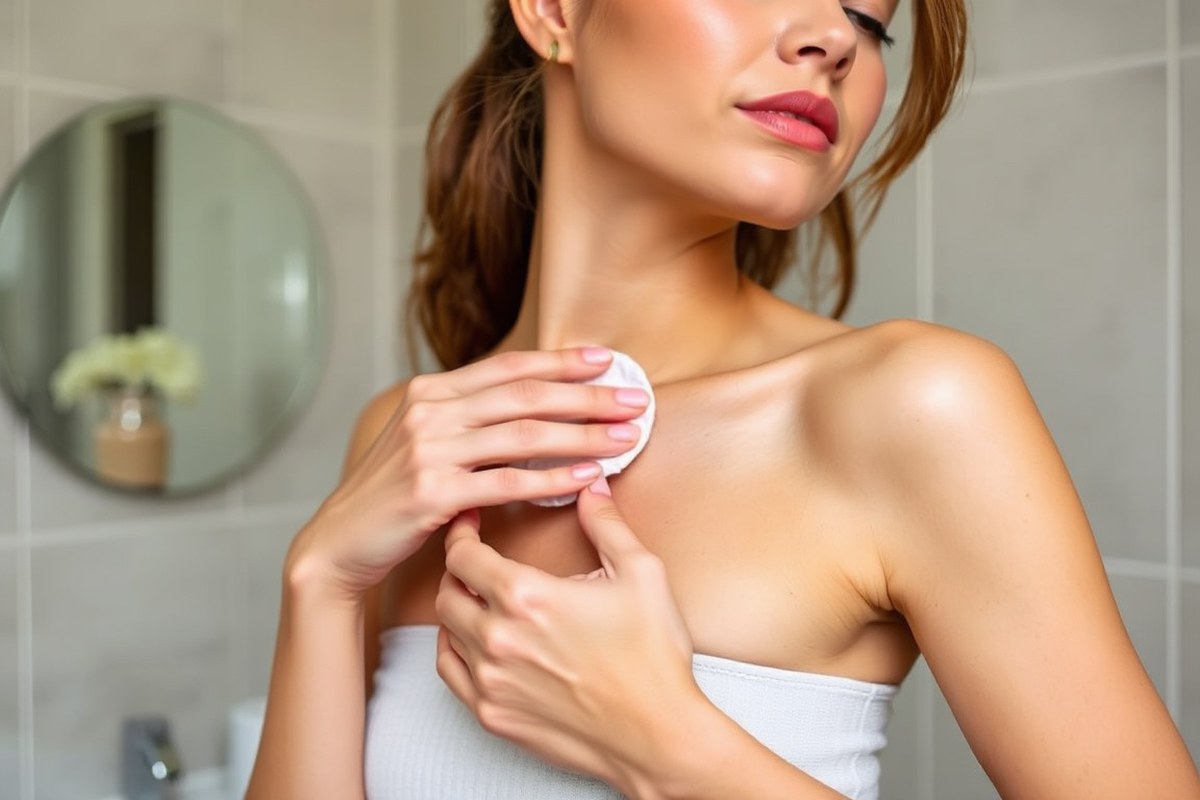
Bleaching your armpits at home requires careful preparation and aftercare to avoid skin irritation and achieve the best possible results. Proper skin preparation reduces the risk of adverse reactions, while following a clear step-by-step process helps ensure the bleaching agent works safely on your sensitive underarm skin. After bleaching, soothing and protecting your skin prevents further darkening or discomfort. Here’s how to bleach your armpits safely, including key precautions and tips to follow before, during, and after the treatment:
- Clean and dry your underarms. Use a gentle, fragrance-free cleanser to remove dirt, sweat, and deodorant residues that could interfere with the bleach. Pat the skin dry completely to prepare it for application.
- Perform a patch test. Apply a small amount of the bleaching product to a tiny area in one armpit. Leave it on for the recommended time (usually 5-10 minutes) and wait 48 hours to check for redness, itching, or irritation. This helps avoid a widespread reaction.
- Mix and apply the bleach carefully. Follow the product instructions precisely, mixing the bleaching powder and cream or solution in the correct proportions. Using a small brush or spatula, apply an even layer over the dry underarm skin, avoiding broken or irritated areas.
- Leave the bleach on for the directed time only. Most products recommend 5 to 10 minutes. Do not exceed this to minimize irritation or chemical burns. If you feel burning or intense discomfort, rinse immediately with cool water.
- Rinse thoroughly with cool water. Remove all traces of the bleach to prevent continued skin irritation. Avoid using soap or scrubbing the skin right after rinsing.
- Moisturize and soothe your skin. Apply a fragrance-free moisturizer or aloe vera gel to calm the skin and support healing. Avoid deodorants, antiperspirants, or fragranced products for at least 24 hours post-bleaching to reduce irritation.
- Space out treatments carefully. Bleach your underarms only 1 to 2 times per week. Frequent bleaching can damage the skin, worsen darkening, or cause sensitivity. Give your skin time to recover between sessions.
Key safety tips include avoiding application on broken, irritated, or recently shaved skin. Frequent shaving itself can cause darkening, so consider gentle hair removal alternatives to reduce irritation. Wearing loose-fitting clothes post-bleaching also helps prevent friction-related darkening. Always read and follow the manufacturer’s guidelines, and stop use if you notice any signs of allergic reaction or worsening pigmentation.
2. Natural Remedies for Lightening Dark Underarms
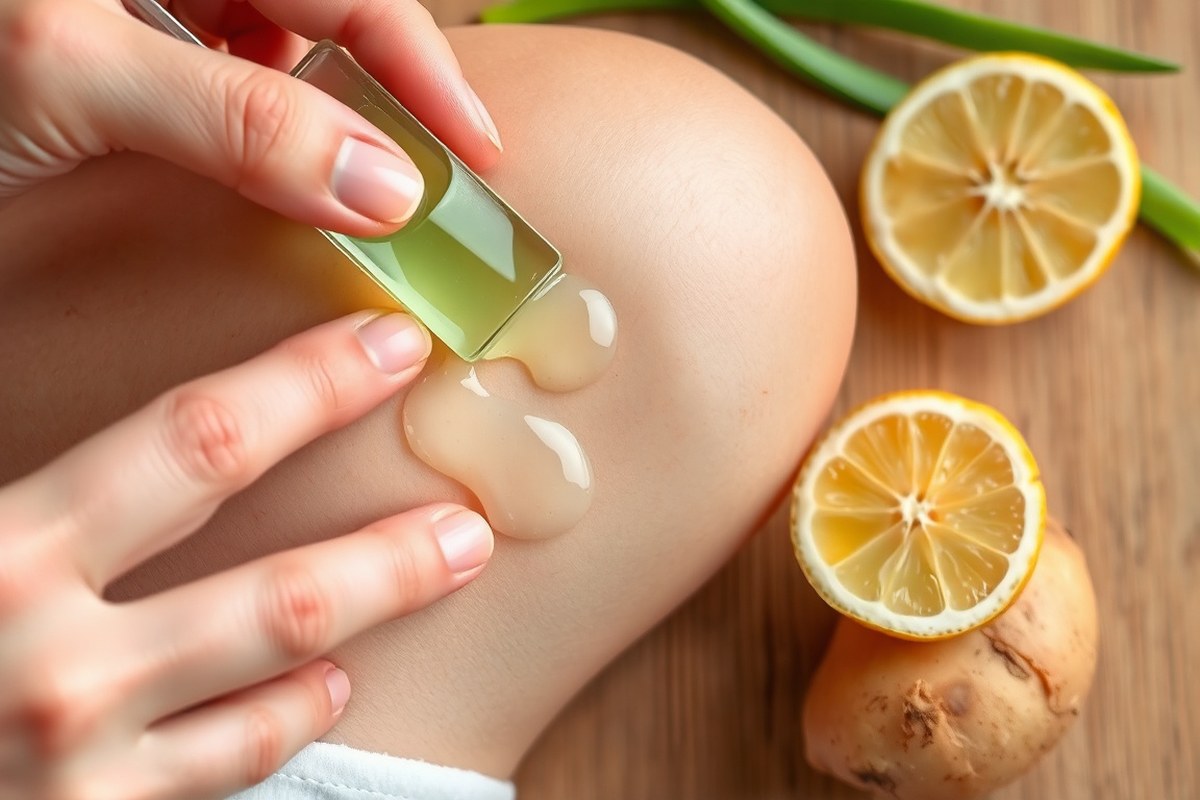
Natural remedies can offer a gentle way to lighten dark underarms, but their effectiveness varies and they usually require regular use over weeks to see noticeable changes. Remedies like aloe vera, lemon juice, potato, and turmeric work mainly by exfoliating dead skin cells and reducing pigmentation slowly. Some options suit sensitive skin better than others, and precautions are needed to avoid irritation or worsening discoloration.
Using Aloe Vera Gel for Underarm Lightening
Aloe vera gel offers a mild and natural way to lighten dark underarms, particularly useful when the skin feels irritated or inflamed. Use fresh gel straight from the aloe leaf, applying it to clean underarms and letting it sit for 15 minutes before rinsing off. Applying it each day can calm the skin and might lessen pigmentation thanks to aloe’s antioxidant effects. This gel rarely causes irritation, so it’s a safe choice for sensitive skin.
This method requires no special preparation and costs very little if you grow your own aloe plant. Results appear gradually, often within 3 to 4 weeks of consistent use, and continued application is needed to maintain brightness. Aloe vera also adds moisture, preventing dryness that can worsen underarm darkness.
Lemon Juice and Its Risks
Lemon juice is a popular natural bleaching agent because of its citric acid content, which exfoliates and lightens skin. To use, cut a fresh lemon and gently rub a slice or raw juice on your cleaned underarms. Let it sit for 10 to 15 minutes before rinsing with warm water. Avoid sun exposure after using lemon juice as it increases the risk of burns and irritation, which can darken the skin further.
Lemon juice can dry out the skin and cause redness or sensitivity, particularly if you have delicate or already irritated underarms. To reduce this risk, you can dilute lemon juice with honey or water before applying. People with very sensitive skin should avoid lemon juice or do a patch test. This method usually shows results after at least 4 to 6 weeks of consistent, cautious use but can backfire if overused or left on too long.
Never expose freshly applied lemon juice on your underarms to direct sunlight to prevent skin burns and increased pigmentation.
Potato Slices and Paste Methods
Potato juice contains enzymes and mild acids that help fade dark spots gradually. You can slice a raw potato and gently rub the flat surface over your underarms for 10 to 15 minutes, or extract the juice from a medium-sized potato and apply it as a paste. Leave this on for about 10 to 15 minutes before rinsing. This method is less likely to irritate sensitive skin compared to lemon juice but still provides mild exfoliation.
This remedy is affordable if you have potatoes at home and can be repeated daily. Use caution to avoid scraping the skin hard when rubbing the slices. Most users notice lightening effects after a few weeks of regular treatment, but potato acts slowly. Combining it with moisturizing afterward helps maintain skin softness and prevent darkening caused by dryness.
Other Natural Remedies: Turmeric and Sandalwood
Mixing turmeric powder with sandalwood powder and milk creates a paste that many people use for underarm lightening. Apply the paste over your clean underarms and leave it on for 10 to 15 minutes before rinsing off with cool water. Turmeric has mild anti-inflammatory and pigment-inhibiting properties, while sandalwood helps soothe the skin. This combination may improve underarm color over time with daily use.
One drawback to turmeric is its strong yellow pigment, which can temporarily stain skin or clothing. Use an old towel and wear clothes you don’t mind staining after application. Milk helps to bind the paste and provides gentle hydration, making this option tolerable even for sensitive skin if not left on too long. Lightening results from this method usually take several weeks of consistent application to appear.
Test a small skin patch with turmeric paste before applying widely to avoid unwanted staining or mild allergic reactions.
3. How Long Does It Take to See Results Bleaching Armpits?
Bleaching armpits usually takes several weeks to a few months before you see noticeable results, depending on the method and your skin’s condition. Most topical creams with lightening agents like niacinamide, glycolic acid, or alpha arbutin typically require consistent use for 4 to 12 weeks. These ingredients work with your skin’s natural cycle, gently fading dark pigmentation over time without harsh damage.
Products promising almost instant lightening often carry risks such as chemical burns or long-term skin damage. Quick fixes using high concentrations of hydroquinone or mercury, which are sometimes found in unregulated bleaching creams, can cause serious irritation or ochronosis. Avoid these unsafe options to protect your underarm skin from lasting harm.
Your skin type and the cause of darkening affect how quickly you’ll see improvements. Hyperpigmentation from irritation, shaving, or deodorant use usually needs a longer healing period. To achieve visible improvement, your skin requires an inflammation-free window lasting several months, often 6 to 12 months, to fully recover and lighten.
Combining gentle hair removal methods, like at-home laser devices that minimize friction and stubble, with proven topical lighteners can speed up results. Healthier skin subjected to less irritation can start showing improvements in as little as a few days, with clearer, more even tone developing over several weeks.
Professional treatments using lasers such as Q-switched Nd:YAG or fractional lasers offer faster, more significant results but usually require multiple sessions spread over a few months. These treatments must be tailored carefully to your skin type and pigment severity to avoid damage and ensure safety. A dermatologist can help select the right option and monitor your progress.
Overall, expect gradual fading rather than immediate whitening. Following a routine that combines gentle exfoliation with active lightening ingredients while avoiding irritants provides the best balance between safety and speed. Visible improvements generally appear around 4 to 8 weeks, but maintaining consistent care and patience is key for lasting, healthy results.
4. Common Causes of Dark Underarms and Their Impact
Dark underarms develop from several main causes, including pigmentation changes, friction, hormonal factors, and certain skin conditions. Understanding these causes helps you choose the right approach to bleach your armpits safely and effectively. Pigmentation or hyperpigmentation happens when your skin produces extra melanin, often due to irritation or inflammation. This is common in the underarm area because of regular shaving, deodorant use, or friction from tight clothing. Shaving can cause tiny cuts and irritation that trigger excess pigment production, making the skin appear darker over time, especially if you have sensitive or melanin-rich skin.
Friction plays a major role too. Constant rubbing from clothes or skin folds creates inflammation, leading to thickened, darkened skin. Wearing loose, breathable fabrics reduces friction and sweating, helping to prevent this type of darkening. Applying bleaching treatments while addressing friction improves results and lowers the risk of further irritation, which can worsen pigmentation.
Hormonal fluctuations also influence underarm color. Hormones regulate melanin production, so conditions like pregnancy, thyroid imbalances, or insulin resistance can cause uneven pigmentation. Acanthosis nigricans, a skin disorder linked to insulin resistance or hormonal issues, manifests as thick, dark patches mainly in body folds like the armpits. This condition often needs medical diagnosis and treatment before bleaching can be effective.
Skin conditions such as eczema or fungal infections may cause persistent darkness by triggering inflammation and thickening. Treating these underlying issues is essential since bleaching irritated or damaged skin can increase sensitivity and cause uneven results. Persistent dark patches require you to consult a healthcare professional to identify the cause before continuing with lightening treatments.
Addressing these causes involves reducing shaving frequency or switching to gentler hair removal methods to minimize irritation. Avoiding tight clothing and choosing hypoallergenic deodorants can lower friction and inflammation. If hormonal imbalance or a skin condition is suspected, seek medical advice to manage it properly before starting bleaching. Correctly identifying what darkens your underarms plays a key role in choosing the best bleaching routine and achieving visible improvement within weeks to a few months, depending on severity and cause.
5. Product Ingredients That Effectively Lighten Dark Underarms
Several active ingredients are proven to lighten dark underarms by reducing pigmentation and promoting skin cell renewal. Niacinamide and azelaic acid calm inflammation and fade dark patches, while glycolic and mandelic acids provide gentle exfoliation to remove pigmented cells. Choosing the right ingredient and concentration depends on your skin sensitivity and the desired pace of results.
Niacinamide Benefits and Application Tips
Niacinamide, a form of vitamin B3, reduces hyperpigmentation and calms inflammation, making it ideal for sensitive underarm skin. Concentrations between 2% and 5% are effective and generally well-tolerated without causing irritation. Applying niacinamide consistently twice daily can help brighten the area over several weeks while supporting the skin barrier.
Niacinamide also boosts overall skin brightness and improves texture. Because it’s gentle, it suits most skin types, including those prone to redness or sensitivity. Pairing it with moisturizing products improve comfort, especially when used after shaving or hair removal.
Azelaic Acid for Hyperpigmentation
Azelaic acid helps fade dark areas through mild exfoliation and by inhibiting melanin production. Over-the-counter formulations typically contain 10% to 15%, which balances effectiveness with skin tolerance. Initial use may cause dryness or slight irritation, so starting with once-daily application and building tolerance is safest.
This acid suits those with moderate pigmentation and is a good option if inflammation is involved, as it also reduces redness. Consistent use over 4 to 8 weeks can lead to noticeable improvements in underarm brightness and smoother skin texture.
Chemical Exfoliants: Glycolic and Mandelic Acids
Alpha hydroxy acids (AHAs) like glycolic and mandelic acid promote skin cell turnover by dissolving the bonds between dead cells. This process helps fade post-inflammatory hyperpigmentation often caused by shaving or friction. Using these acids 2 to 4 times weekly removes pigmented skin gently without harsh physical scrubbing.
Mandelic acid is milder than glycolic acid, making it preferable for very sensitive skin. Glycolic acid, at concentrations around 5% to 10%, is stronger and delivers faster results but can cause irritation if overused. Both acids require moisturizing the skin afterward and avoiding excessive sun exposure during treatment. Below is a comparison of key active ingredients commonly used for lightening dark underarms:
| Ingredient | Typical Concentration | Primary Benefit | Suitable Skin Types | Common Side Effects |
|---|---|---|---|---|
| Niacinamide | 2-5% | Reduces pigmentation, calms inflammation | Sensitive, dry, normal | Rare irritation |
| Azelaic Acid | 10-15% | Fades dark patches, mild exfoliation | Normal, oily, acne-prone | Dryness, mild irritation |
| Glycolic Acid | 5-10% | Chemical exfoliation, renews skin | Normal to tolerant | Irritation if overused |
| Mandelic Acid | 5-10% | Mild chemical exfoliant | Sensitive, dry | Minimal irritation |
Selecting the right ingredient starts with assessing your skin’s sensitivity and pigmentation severity. Combining gentle exfoliants like mandelic acid with brightening agents such as niacinamide often yields gradual yet consistent improvement without disrupting delicate underarm skin.
Avoid using multiple active acids on your underarms at the same time to prevent irritation and worsened pigmentation.
6. How Shaving and Hair Removal Methods Affect Underarm Darkening
Shaving is a common cause of dark underarms due to the irritation it can cause, along with the shadow of hair beneath the skin and buildup of dead skin cells. This type of darkening often comes from small abrasions made by razors and frequent shaving that inflames the skin. Waxing, on the other hand, can be less likely to cause pigmentation because it removes hair from the root and reduces the frequency of hair removal sessions. Laser hair removal targets the hair follicle directly, reducing stubble shadow and irritation, making it an effective option for preventing underarm darkening over time.
The irritation from any hair removal method plays a key role. Shaving creates microscopic cuts and friction that trigger post-inflammatory hyperpigmentation, a process where the skin darkens after inflammation. Waxing can also irritate the skin but tends to do so less often because it usually requires less frequent treatment. Depilatory creams may cause irritation if they contain harsh chemicals. Laser hair removal tends to cause the least irritation, though it can be more expensive upfront. Here is a comparison table showing how different hair removal methods affect underarm pigmentation and their pros and cons:
| Hair Removal Method | Impact on Pigmentation | Frequency | Cost (Typical Range) | Irritation Risk |
|---|---|---|---|---|
| Shaving | High risk due to irritation and hair shadowing | Every 1-3 days | Low ($5-$15 for razors and cream) | High |
| Waxing | Moderate risk; less frequent irritation | Every 3-6 weeks | Medium ($30-$60 per session) | Moderate |
| Depilatory Creams | Variable; chemical irritation possible | Every 1-2 weeks | Low ($5-$15) | Moderate to High |
| Laser Hair Removal | Low risk; reduces pigmentation long-term | Every 4-8 weeks during treatment course | High ($200-$500 per session) | Low |
To minimize darkening caused by hair removal, avoid shaving too often and use a gentle shaving cream. Keeping the skin moisturized and avoiding deodorants with harsh chemicals after hair removal can reduce inflammation. Alternating between shaving and waxing or switching to laser treatments can give your underarms time to heal and prevent continuous irritation. For people allergic to metals like nickel, waxing or laser treatments are safer options than repeated shaving or chemical methods.
During bleaching treatments, consider reducing the frequency of hair removal to avoid aggravating the skin. Avoid shaving immediately before or after bleaching, as this can increase irritation and worsen darkening. Instead, wait at least 24 to 48 hours after hair removal before applying bleaching agents, and always follow label instructions closely. For persistent pigmentation or if you experience ongoing irritation, pause hair removal and consult a dermatologist for advice on safe skin care and hair removal options.
7. Safety Tips and Common Mistakes to Avoid When Bleaching
Frequent bleaching of your armpits is not safe and can lead to skin damage. The skin in this area is sensitive, and repeated exposure to bleaching agents can cause irritation, redness, and even peeling. Using bleaching products too often disrupts your skin’s natural barrier, making it prone to infections and discoloration. It’s best to follow the recommended treatment intervals on the product label, typically no more than once every two to four weeks.
Common mistakes include applying bleach on irritated or broken skin, skipping patch tests, and ignoring allergic reactions. Overusing bleaching products often results in redness, burning sensations, and itchiness. These side effects usually arise from active ingredients like alpha hydroxy acids (AHA), which are known to cause skin sensitivity. Also, using harsh deodorants or antiperspirants with alcohol, fragrances, or chemicals can worsen irritation and contribute to darkening. Combining these factors can make underarm skin darker instead of lighter.
To avoid allergic reactions and irritation, always perform a patch test before applying a new bleaching product. Apply a small amount on a discreet area of your underarm and wait 24 hours to watch for redness, swelling, or burning. Stop using the product immediately if you notice any of these symptoms. Also, avoid using any bleaching products on skin that shows signs of cuts, inflammation, or rashes. Moisturizing after bleaching helps reinforce your skin barrier, especially with ingredients like panthenol or prickly pear extract, which soothe and hydrate.
- Perform a 24-hour patch test before full application to check for allergies
- Never apply bleach on broken, irritated, or recently shaved skin
- Limit use to once every 2 to 4 weeks as per product instructions
- Switch to fragrance-free, hypoallergenic deodorants to reduce irritation
- Stop use immediately if burning, rash, or excessive redness occur
- Keep underarms hydrated using barrier-repair moisturizers after bleaching
- Avoid scratching or rubbing the area to prevent further skin damage
Experiencing burning or a rash after bleaching means you should rinse the area well with cool water and apply a gentle, fragrance-free moisturizer to soothe your skin. Over-the-counter hydrocortisone cream can reduce inflammation but should be used sparingly and only under guidance. Avoid applying any more bleaching products until your skin has fully healed. Persistent or severe reactions, such as blistering or changes in skin texture, require consultation with a dermatologist or licensed skincare professional.
Bleaching can damage the skin barrier if misused, making your underarms more vulnerable to irritants and infections. Maintaining a routine that includes cleansing with mild, non-irritating products, gentle hair removal techniques, and moisturizing supports skin health. Harsh scrubbing or picking at flaky skin after bleaching can worsen damage and delay healing, contributing to more darkening over time.
8. When to Seek Professional Help for Dark Underarms
You should see a dermatologist if your dark underarms do not improve after 8 to 12 weeks of home treatments or if you notice changes like itching, thickened skin, or sudden color shifts. Professional evaluation can identify if the darkening is linked to a medical condition and recommend stronger treatments like prescription creams or laser therapy to speed results.
Recognizing When Medical Evaluation Is Needed
Dark underarm skin that persists despite consistent home care is a clear sign to consult a professional. If you experience symptoms such as pain, itching, or unusually thickened and velvety skin, these signs may indicate acanthosis nigricans, a condition often related to underlying health issues like insulin resistance or hormonal imbalances. Sudden changes in the color or texture of your underarm skin also warrant a dermatologist’s assessment to rule out infections or other dermatologic problems.
Managing dark underarms without medical input might overlook these important warning signs. A board-certified dermatologist can examine your skin to determine if a simple cosmetic concern is masking a medical condition that requires treatment.
Persistent darkening that doesn’t improve after 8 to 12 weeks of home treatment should prompt a dermatology visit for a thorough evaluation.
Common Professional Treatment Options
Dermatologists can prescribe topical creams containing ingredients like hydroquinone or retinoids, which are stronger than over-the-counter options and can more effectively reduce pigmentation. Typically, prescription-strength treatments require daily use for several weeks to months to show improvement. In-office procedures such as chemical peels remove the top layers of skin, promoting new growth and lightening the area. These treatments usually need multiple sessions spaced weeks apart.
Laser therapy offers another option by targeting pigment cells beneath the skin’s surface. A specific treatment called Q-switched laser therapy has been used to diminish dark patches in the underarms. Sessions typically last less than an hour, but multiple visits are needed for noticeable improvement. Additional methods like microdermabrasion also gently exfoliate and can improve skin tone with repeated treatments.
Many professional treatments require several sessions over weeks or months, maintaining realistic expectations is key.
Managing Underlying Medical Causes
Conditions like acanthosis nigricans, polycystic ovarian syndrome (PCOS), diabetes, or Addison’s disease can cause dark underarms by affecting hormone levels or skin cell behavior. Treatment of these underlying disorders is essential for long-term improvement. For example, controlling blood sugar levels in diabetes or balancing hormones in PCOS can stop further skin darkening and make skin-lightening therapies more effective.
Consulting your primary care doctor or an endocrinologist alongside a dermatologist ensures that any hormonal or metabolic causes are properly addressed. Once the root cause is under control, dermatologists can recommend skin-directed therapies, such as prescription creams or laser sessions, to lighten the underarm pigmentation.
Effective management of health conditions like diabetes or hormonal imbalances helps prevent recurrent darkening and supports successful lightening treatments.
Your Step-by-Step Action Plan for Safe Armpit Bleaching
Follow this plan to lighten your underarms safely and effectively while monitoring your skin’s response at each stage.
- Before you start: Perform a patch test on a small skin area to check for irritation or allergic reactions within 24 hours.
- Day 1: Gently exfoliate your armpits with a mild scrub or wash to remove dead skin cells, improving bleaching effectiveness.
- Day 2: Apply a small amount of your chosen bleaching product following the package instructions. Rinse off promptly and note any sensitivity.
- Day 4: Repeat the bleaching application if there is no irritation. Avoid overusing to prevent skin damage.
- Week 1: Moisturize your underarms daily to soothe skin and reduce dryness or peeling caused by bleaching.
- After 2 weeks: Assess lightening progress; you should see subtle improvement. Continue to bleach no more than twice a week, watching for any adverse effects.
- Ongoing: Maintain gentle hair removal methods like trimming or waxing to minimize further darkening. Stop bleaching if you develop persistent irritation or discomfort, and consult a dermatologist.
Frequently Asked Questions
Is It Safe to Bleach Your Armpits?
Yes, bleaching your armpits is safe when using products with low peroxide concentration and following instructions carefully to avoid irritation. Always do a patch test first and avoid overusing to prevent skin damage.
How Do I Lighten My Armpits Fast?
Fast lightening usually requires consistent use of a chemical peel or lightening cream with active ingredients. However, be cautious as quick methods may irritate your skin. Gradual treatment is safer and more effective long-term.
Can Dark Underarms Be Whitened?
Dark underarms can be lightened with proper care, such as bleaching, natural remedies, or topical creams containing safe lightening agents. Results vary based on cause and skin type but improvement is generally possible.
Are Dark Armpits Reversible?
Yes, dark armpits are often reversible through gentle treatments, lifestyle changes, and avoiding irritants. Persistent cases might need professional advice to rule out underlying causes.
Do Aluminum-Free Deodorants Help Lighten Dark Armpits?
Aluminum-free deodorants may reduce irritation linked to darkening but do not directly whiten the skin. They can support overall underarm health as part of a lightening routine.
Can I Bleach My Armpits If I Have Sensitive Skin?
You can bleach sensitive skin, but choose mild products with low peroxide and do a patch test. Avoid frequent bleaching to prevent irritation or damage.
Key Points to Remember
You can reduce dark underarms safely by following proper bleaching steps and using suitable products with care. Prioritize skin testing and moisturizing to avoid damage and irritation. Start by choosing a gentle bleaching formula and testing it today to take control of your underarm appearance with confidence.


