How to Sanitize a Couch: Complete Guide with Safe Methods & Expert Tips
To sanitize a couch effectively, start by vacuuming thoroughly, then use baking soda, steam, or suitable disinfectants depending on your couch’s material. Focus on dwell time, letting sprays sit 5, 10 minutes before drying for best results. This approach suits homeowners and renters who want to maintain a clean, healthy seating area without professional help.
You’ll learn safe, practical steps for sanitizing cushions and slipcovers, choosing the right cleaning method, and how often to clean to keep your couch fresh. The tips also include when to use natural or chemical disinfectants and how to handle delicate fabrics without damage.
Key Takeaways
- Vacuum your couch fully before applying any cleaning or sanitizing agents to remove dust and debris.
- Sprinkle baking soda on the couch, wait 20 to 60 minutes, then vacuum to neutralize odors and lift dirt.
- Use a 3% hydrogen peroxide solution for spot treatment after spot-testing to avoid fabric damage.
- Steam cleaning at 140°F or higher is the most effective Do-It-Yourself method for sanitizing upholstery deeply.
- Allow sprays like Lysol or isopropyl alcohol solutions to remain on surfaces for 5 to 10 minutes before air drying.
- Deep clean your couch every 3 to 6 months or every 1 to 2 months if used daily to maintain hygiene.
How to Sanitize a Couch Step-by-Step at Home

Sanitizing a couch involves several clear steps to remove dirt, treat stains, and kill germs without harming the fabric. It starts with thorough vacuuming, continues with baking soda treatment and stain removal, and finishes with applying a fabric-safe disinfectant and allowing the couch to dry completely. Following a methodical routine helps keep your couch fresh, hygienic, and safe for everyday use.
Preparation and Vacuuming Essentials
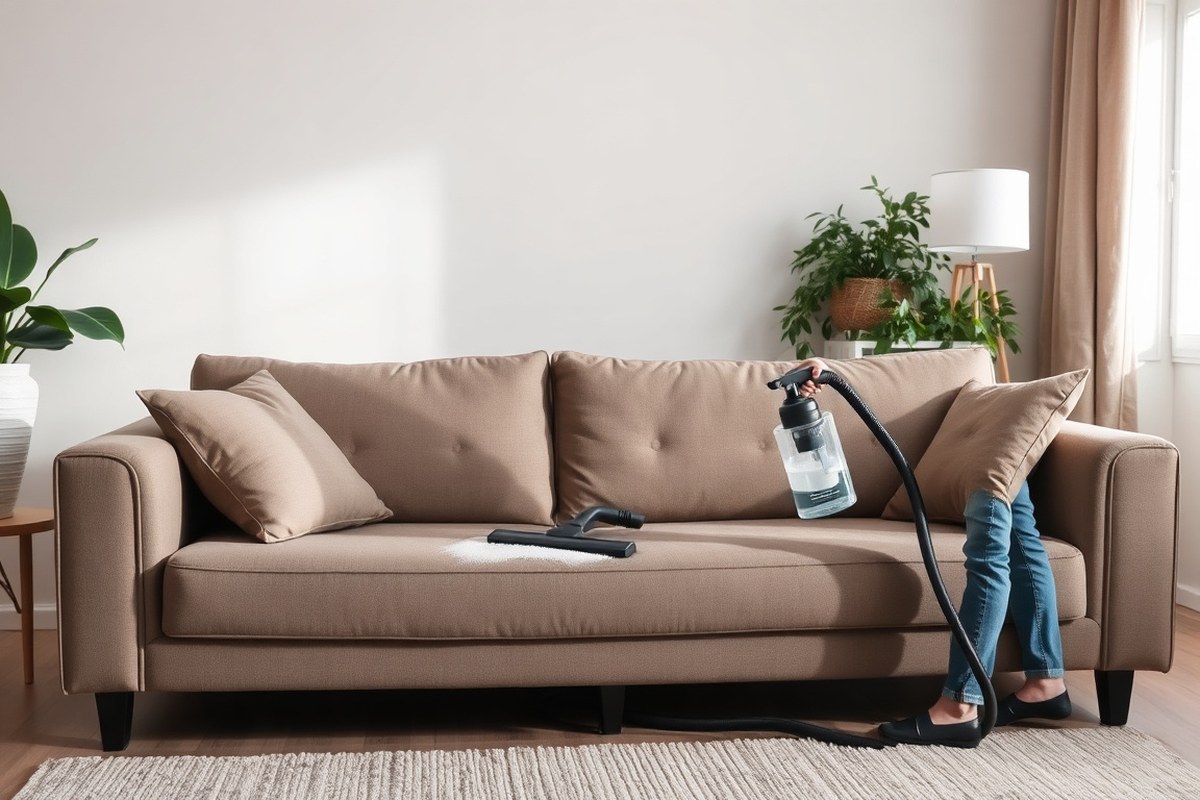
Begin by removing all loose dirt, dust, and debris from the couch to ensure sanitizers work effectively on the fabric. Use a vacuum with a brush attachment on all surfaces, including cushions, armrests, and crevices. This step improves the overall outcome by preventing dirt from blocking cleaning agents and disinfectants.
Address any visible stains or heavily soiled spots at this stage. Treating these areas before sanitizing the entire couch avoids spreading dirt and helps the disinfecting process reach deeper layers of the fabric.
Applying Baking Soda and Cleaning Solutions
Sprinkle baking soda generously over the entire couch, including seams and crevices. Baking soda absorbs odors and loosens dirt embedded in the upholstery fibers. Let it sit for at least 20 minutes and up to an hour to maximize its deodorizing effect.
Afterward, vacuum the baking soda thoroughly using the brush attachment. For stains, apply an appropriate stain remover or a mild cleaner suitable for your couch material to spot treat problem areas before disinfecting.
Using Disinfectant Sprays and Drying Properly
Choose a disinfectant spray safe for your upholstery type, testing it first on an inconspicuous spot for colourfastness. Apply the spray evenly on all couch surfaces, focusing on high-contact areas like armrests and cushions. Allow the disinfectant to sit for the recommended dwell time, usually a few minutes, to effectively kill germs.
Wipe the couch gently with a clean microfiber cloth to remove excess moisture and cleaning residue. Let the couch dry fully in a well-ventilated room before use. Complete drying prevents mold growth and fabric damage commonly caused by trapped moisture.
- Vacuum the entire couch thoroughly using a brush attachment to remove dust and debris.
- Treat visible stains with a fabric-appropriate cleaner or stain remover.
- Sprinkle baking soda generously over the couch, covering all surfaces and crevices, then wait at least 20 minutes.
- Vacuum off the baking soda completely, ensuring no residue remains.
- Test your disinfectant spray in a hidden area to check for fabric reaction.
- Apply the disinfectant spray evenly over the couch, focusing on high-touch spots, and let it sit for the recommended time.
- Wipe the couch with a dry microfiber cloth to remove moisture and residues.
- Allow the couch to air dry fully in a ventilated space before reuse.
Choosing the Right Sanitizing Method for Couch Materials
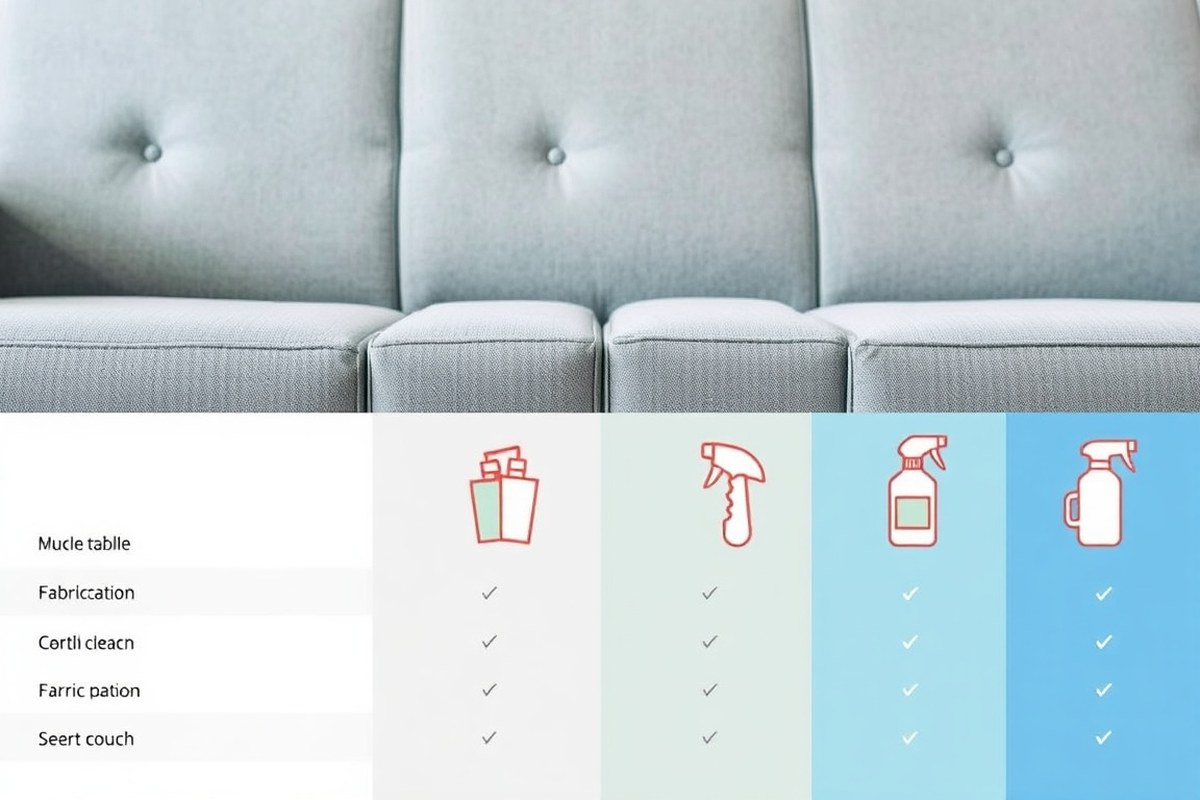
Choosing the right sanitizing method depends on your couch’s material to avoid damage and ensure cleanliness. Fabric, leather, microfiber, and velvet each respond differently to cleaning products and techniques, so using the proper approach preserves the upholstery’s look and function. Knowing which solutions to use or avoid will keep your couch safe and effectively sanitized.
Sanitizing Fabric and Microfiber Sofas
For couches made of cotton, linen, or microfiber, water-based sprays and mild detergents work well for sanitizing. These materials tolerate steam cleaning at around 140°F, which kills germs without harsh chemicals. Avoid soaking extended periods or bleach, which can weaken fibers or fade colors.
Microfiber benefits from lightly sprayed isopropyl alcohol and blotting to dry quickly, which sanitizes effectively without soaking. Toweling fabrics dry right after cleaning prevents water stains and damage. Removable covers can usually be hot-washed safely, providing another deep cleaning option.
Safe Products for Leather and Faux Leather
Genuine leather requires gentler care. Use disinfectant wipes designed for hard surfaces on frames and non-upholstered parts, while cleaning the leather with castile soap or diluted vinegar solution. Avoid steam, water-based sprays, or soaking, as these can dry out or warp leather surfaces.
Faux leather or PU stands up to mild soap and water or vinegar solutions but isn’t compatible with alcohol-based cleaners or harsh solvents that degrade the material’s coating. Wiping gently with a damp cloth is usually sufficient to keep these surfaces sanitized without damage.
Approaches for Delicate Fabrics Like Velvet and Silk
Velvet and silk are delicate fabrics that need extra caution. Use careful steaming from 6 to 8 inches away to avoid water marks and surface changes. Steam cleaning can sanitize these fabrics at a safe distance, but avoid strong disinfectants and alcohol, which can strip color or texture.
Dry-cleaning solvents are often recommended, or professional upholstery cleaning, especially if your couch manufacturer advises against DIY methods. Always perform patch tests with any water-based spray to check for colourfastness and fabric reaction.
| Couch Material | Recommended Cleaning Method | Cleaning Solutions to Avoid |
|---|---|---|
| Microfiber | Spray + blot dry, steam OK | Soaking, harsh chemicals |
| Cotton / Linen | Spray, steam, hot-wash removable covers | Extended soaking |
| Wool / Velvet | Careful steam, water-based spray (patch test) | Alcohol, strong disinfectants |
| Leather (genuine) | Use a disinfectant wipe for cleaning hard surfaces, while leather responds best to castile soap for gentle cleaning. | Steam, water-based sprays, soaking |
| Faux Leather / PU | Disinfectant wipe, damp cloth | Alcohol (can degrade coating) |
This table provides clear comparisons to guide your sanitizer choice, ensuring you match cleaning methods to your couch upholstery without risking damage. Taking time for a patch test on unfamiliar materials reduces risks.
Always test a small hidden area before applying any new cleaning solution to the whole couch, especially for delicate fabrics and leather.
How Long Does Sanitizing Take and How Often to Do It?
Sanitizing a couch efficiently hinges on both the duration cleaning agents stay on the fabric and how often you perform the process. Most disinfectants require the couch surface to remain damp for at least 30 seconds to fully eliminate germs. Check the specific product label for precise contact time instructions because some agents may need up to a few minutes of wetness. Keeping the fabric moist for this period enables the sanitizer to act effectively without rushing the process.
The total time needed to sanitize a couch varies by the method and fabric. After applying the sanitizer, allow it to sit wet on the surface for the recommended time, usually between 30 seconds and 5 minutes. Following that, the drying phase typically takes between 6 and 12 hours before the couch is safe to use again. Using tools like a wet/dry extractor can speed drying by drawing out excess moisture, especially if you go over the couch a second time without steam to remove leftover dampness.
Frequency of sanitizing depends largely on your household conditions. Aim to sanitize at least once a month to maintain basic hygiene standards. Homes with pets, allergies, young children, or anyone recovering from illness should sanitize more often, sometimes weekly, to reduce allergens, bacteria, and viruses effectively. Regular vacuuming weekly prevents dirt buildup, which complements sanitation by removing dust and particles that weaken sanitizer effectiveness.
Factors such as couch material affect drying time and sanitizer absorption. Natural fibers like cotton may absorb liquid faster but also stay damp longer, extending drying time. Synthetic fabrics dry quicker but might require gentler cleaning agents to avoid damage. Always test any cleaning product on a small, hidden spot to prevent discoloration or weakening of the fabric. Avoid saturating delicate materials to reduce risks of mold or fabric weakening.
A practical sanitizing timeline could look like this: first, vacuum the couch thoroughly to remove loose dust. Then apply your chosen sanitizer evenly, ensuring it stays visibly damp for at least the minimum contact time specified, commonly 30 seconds to 5 minutes. Afterward, use an extractor or fans to aid in drying, letting the couch air out for 6 to 12 hours. Avoid using the couch during this drying period to maintain the effectiveness of sanitization and prevent residue transfer to skin or clothing.
Following this schedule and method creates a cleaner, healthier living environment by reducing germs, allergens, and odors. Skipping regular sanitation or rushing drying stages can leave bacteria alive or cause stains and odor buildup, necessitating more intensive cleaning later. Staying consistent with monthly or more frequent sanitizing based on household factors keeps your couch fresh and safe to use.
Natural vs Chemical Disinfectants: What Works Best?
Natural remedies like vinegar and baking soda can be useful for deodorizing and lightly cleaning couches but don’t fully disinfect surfaces. Vinegar combined with baking soda creates a fizzy cleaning mix that breaks down stains and neutralizes odors. However, this combo lacks proven germ-killing power against many harmful bacteria and viruses. Use it for routine freshening or to remove odors by sprinkling baking soda on cushions for 15 to 30 minutes, then vacuuming thoroughly. For a cleaning spray, mix 1 cup warm water, ½ cup white vinegar, and 1 tablespoon baking soda, add the baking soda gradually to control bubbling. Test on a hidden area to check fabric reaction.
Chemical disinfectants like 3% hydrogen peroxide or Lysol sprays offer stronger germ-killing effects suitable for sanitizing couches, especially after illness or heavy use. Hydrogen peroxide is effective against bacteria and many viruses, needing about 10 minutes of contact time to disinfect properly. It also helps remove stains but may lighten some fabrics, so always perform a patch test first. Lysol and similar disinfectant sprays can kill up to 99% of germs and are generally safe on most upholstery but should be used carefully according to label instructions to avoid damaging delicate fibers.
| Disinfectant Type | What It Does | How to Use | Effectiveness | Risks / Considerations |
|---|---|---|---|---|
| Vinegar & Baking Soda | Deodorizes, light cleaning, stain removal | Mix 1 cup warm water, ½ cup vinegar, 1 tbsp baking soda; spray and wipe or sprinkle baking soda directly and vacuum after 20-30 min | Good for odors and surface cleaning; not a strong disinfectant | May not kill many viruses or bacteria; bubbling can be messy; test fabric first |
| 3% Hydrogen Peroxide | Disinfects, removes stains | Apply to spot-tested area; let sit 10 minutes; blot or wipe dry | Kills many bacteria and viruses effectively with 10-minute dwell time | May bleach or damage some fabrics; always patch test before use |
| Lysol or Commercial Disinfectant Sprays | Strong germ and virus killer | Spray evenly; let air dry per label instructions | Kills up to 99% of germs on most fabrics | Can irritate sensitive skin or lungs; may alter delicate fabrics, read label |
| Baking Soda Alone | Odor absorption | Sprinkle on cushions; leave 15, 30 minutes; vacuum thoroughly | Effective at neutralizing odors but no disinfecting power | Safe for all fabrics but needs thorough vacuuming |
Choose natural remedies for light cleaning and odor control. Use chemical disinfectants like hydrogen peroxide or Lysol when you need to kill germs effectively, such as after illness in the home or when sanitizing heavily soiled areas. Always test a small hidden area before applying any disinfectant to avoid fading or damaging your couch fabric. For best results, follow label directions on commercial products and give disinfectants the recommended contact time, typically around 10 minutes.
How to Sanitize Couch Cushions and Slipcovers Properly
Separate couch cushions and slipcovers for sanitation whenever possible to avoid fabric damage and improve cleaning effectiveness. Removable covers can be washed at higher temperatures following care labels, while non-removable cushions require careful spot cleaning or steaming to sanitize safely.
Washing Removable Slipcovers Safely
Slipcovers that come off easily and have care tags can be machine washed to sanitize deeply. Wash covers inside out and zipped to reduce wear on seams. Hot water at 140°F (60°C) kills most bacteria and viruses without harming fabrics suited for machine washing. Always check for care instructions; some fabrics may need gentle or cold water cycles and avoid the dryer to prevent shrinking.
- Remove the slipcovers from the couch carefully, avoiding damage to zippers or seams.
- Turn the covers inside out and zip them closed to protect seams during washing.
- Set the washing machine to a hot water cycle, ideally around 140°F (60°C).
- Use a mild detergent or add a cup of baking soda along with a cap of OxiClean White Revive to help sanitize white and colored fabrics.
- Start the machine and wash according to fabric instructions; avoid overcrowding the washer.
- Dry covers as the fabric label allows, either tumble dry on low heat or air dry to prevent shrinking or damage.
Check labels carefully; heat above 140°F may shrink or weaken some fabrics, so always follow manufacturer instructions to avoid damage.
Sanitizing Cushions Without Covers
Cushions that do not have removable covers require different care to avoid waterlogging or mildew. Spot cleaning with a fabric-safe disinfectant spray works well for surface sanitation. Steam cleaning penetrates deeper and can kill germs and dust mites embedded inside.
Apply steam cleaners slowly and evenly across the cushion surface without saturating the fabric. Alternatively, spraying a disinfectant approved for upholstery is appropriate as long as the product doesn’t leave residues or degrade the fabric fibers.
Drying and Reassembling Cushions
Ensuring cushions and slipcovers dry completely prevents mold and odors. Air-dry slipcovers in a warm, well-ventilated space or use a dryer at the temperature the fabric allows. Cushions without removable covers should dry fully before placing back on the couch, ideally in direct sunlight or near a fan.
Reassemble cushions only once both covers and cushion cores are fully dry to maintain cushioning and fabric integrity. Proper drying also ensures your couch stays fresh and sanitary between cleanings.
Safety Precautions When Sanitizing Your Couch
Protecting yourself and your couch when sanitizing is essential to prevent health risks and preserve upholstery quality. Start by wearing disposable gloves and a mask if you use chemical disinfectants, especially in rooms with limited ventilation. These items shield your skin and respiratory system from irritants and harmful fumes. Avoid bare hands and open windows or use fans to improve airflow, but keep heat sources away from the couch to prevent fabric or leather damage.
Patch testing is important before applying any cleaning or sanitizing product. It helps avoid costly fabric damage and discoloration. Pick a hidden spot, like the underside of a cushion, apply a small amount of the product, and wait 10 to 15 minutes. Look for color changes, fabric weakening, or residue. For example, hydrogen peroxide can bleach darker fabrics, while bleach-based cleaners should never be used on leather. If the test area shows no adverse effects, proceed to clean the visible surfaces cautiously.
- Wear disposable gloves and a mask when handling chemical disinfectants;
- Ventilate the room well but avoid direct heat exposure to upholstery;
- Perform a patch test on a hidden section, waiting 10, 15 minutes before full application;
- Use cleaning code labels (like “S” for solvent) to match disinfectants to fabric types;
- Apply disinfectants lightly to avoid soaking, which can cause fabric damage or slow drying;
- Avoid steam cleaning on leather or bleach-based products on non-bleach-safe fabrics;
- Dispose of cleaning materials properly and wash hands thoroughly after sanitizing.
Some products contain toxins or irritants that may cause allergic reactions or respiratory issues. For instance, bleach can emit harmful fumes and should be avoided on most upholstery materials. Steam cleaning, while effective on many fabrics, risks warping or discoloring leather. Carefully follow product labels and safety instructions to limit exposure to hazardous chemicals. Using EPA-registered fabric disinfectants typically requires keeping the solution wet on the surface for 5 to 10 minutes to kill 99.9% of pathogens. Avoid saturating the fabric beyond what the material can handle to prevent weakening or mildew formation.
Pay close attention to fabric type and manufacturer cleaning codes to select appropriate disinfecting methods and products. Proper sanitizing not only improves health conditions in your living space but also reduces long-term wear on your couch. Protective gear, patch testing, gentle application, and following safety guidelines safeguard your investment while minimizing health risks.
Maintaining Couch Sanitization Between Deep Cleanings
Keeping your couch sanitized and fresh between deep cleanings comes down to regular, simple habits that tackle dirt, odors, and germs before they build up. Daily attention to crumbs, pet hair, and spills reduces the chance of stains and bacterial growth. Removing these contaminants promptly limits the need for intensive scrubbing later and helps maintain your couch’s appearance and hygiene.
A daily lint rolling is an effective way to pick up pet hair and lint that cling to upholstery surfaces. For any spills or stains, immediately blot with a damp cloth or a 50/50 mixture of white vinegar and water to prevent set-in marks and reduce bacteria. Weekly vacuuming using an upholstery attachment can clean out dust, crumbs, and pet debris from cushions, seams, and crevices, areas that often hold unseen buildup.
- Use a lint roller daily to capture pet hair and dander.
- Clean up spills right away using a damp cloth or a solution made of vinegar and water.
- Vacuum weekly with an upholstery tool for deep debris removal.
- Sprinkle baking soda on the couch once a week; let sit 30 minutes before vacuuming to neutralize odors.
- Lightly spray a fabric refresher weekly to maintain a pleasant scent.
- During or after illness, sanitize high-touch areas daily until recovery.
Using baking soda is a low-cost way to absorb odors and reduce bacteria on fabric surfaces. Apply it evenly over high-traffic areas like armrests, cushions, and the seating area, letting it sit for at least 30 minutes to work effectively before vacuuming. Fabric refresher sprays can also support freshness but don’t replace full sanitizing; choose one suited for your couch’s material to avoid damage.
UV sanitizing devices can offer additional hygiene support by targeting bacteria and viruses on surfaces without moisture or chemicals. These devices vary in price from $30 to over $100. Their effectiveness depends on exposure time and the intensity of the UV light. They work best as a complement to regular cleaning habits, not as a stand-alone solution, especially since UV light doesn’t remove physical debris like crumbs and pet hair.
When to Hire a Professional Upholstery Cleaner
Professional upholstery cleaning makes sense when your couch has tough stains, delicate fabrics, or infestations that home methods can’t fully tackle. You should consider hiring a pro if your couch fabric requires solvent-only cleaning, such as certain silks or some synthetic blends. Water-based methods risk damage or discoloration on these materials. Also, visible mold, heavy odors, or persistent bedbug issues need expert heat treatment, which reaches deep inside cushions where home steamers can’t. If you notice active bedbug signs like dark spots or shed skins, professional intervention is the safest way to fully sanitize your couch.
Stains like ink, grease, wine, or pet urine that have set over time may benefit from the deep cleaning equipment professionals use. Expect them to employ industrial-grade upholstery steamers or dry-cleaning solvents tailored to your couch fabric. Professionals also use vacuum attachments to clean under cushions and crevices more thoroughly. A typical session might last one to two hours, depending on the couch size and condition, ensuring built-up grime and microbes are removed. You can prepare by vacuuming first, removing fragile decor, and confirming the couch fabric’s cleaning requirements as indicated on its tag.
Costs for professional upholstery cleaning vary, typically ranging from $100 to $300 per couch. Prices depend on your location, fabric type, and whether treatments like stain removal or pest extermination are needed. Scheduling during off-peak times or bundling with other home cleaning services may lower costs. When booking, ask what methods they use to confirm they match your couch fabric’s care instructions. Verification helps avoid damage and ensures sanitizing agents are safe for your household.
Use this decision rule to decide about professional cleaning: if your couch has delicate or solvent-only fabric, persistent, deep stains, visible pest infestation, or stubborn odors that home sanitizing (vacuum plus steam or spray) cannot remove, call a professional. Home steamers clean surface contaminants, but pro-grade equipment and treatments handle embedded grime and pathogens better.
Never saturate upholstery with liquid cleaners; excessive moisture can cause mold or damage padding hidden inside cushions.
Step-by-Step Action Plan for Sanitizing Your Couch
Follow this practical plan to sanitize your couch effectively and keep it fresh between deep cleans.
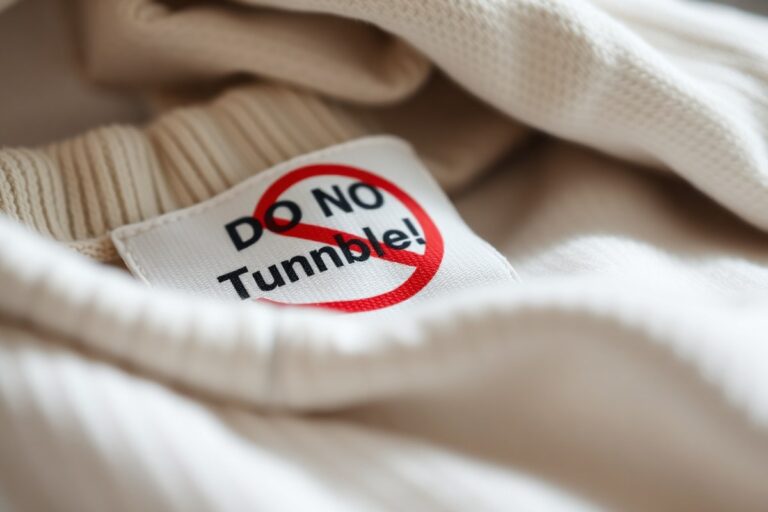
- Before You Start: Check the couch’s care tag to choose the right cleaning method. Knowing the fabric type helps prevent damage.
- Day 1: Vacuum the couch thoroughly, including cushions and crevices, to remove dust and debris. A clean surface allows disinfectants to work better.
- Day 1, After Vacuuming: Use a suitable disinfectant based on your fabric, spray a natural solution like diluted vinegar for delicate fabrics or a chemical disinfectant for sturdy ones. Let it air dry to ensure germs die off.
- Day 2: Remove slipcovers and wash them according to care instructions, using hot water if fabric allows. Wash-cycle heat helps kill germs and allergens.
- After Day 2: Spot-clean stubborn stains with an upholstery cleaner safe for your couch type. Confirm effectiveness by no visible residue or lingering odor.
- Weekly: Wipe down hard surfaces like couch legs and arms with disinfecting wipes or a damp cloth and sanitizer to maintain cleanliness.
- Monthly: Deep clean cushions and cushions’ undersides by using a steam cleaner or professional service if possible. Ensure cushions dry completely to avoid mold growth.
- Ongoing: Keep couch area well ventilated and free of food or pet waste to minimize recurring contamination.
Frequently Asked Questions
Can I Use a Steam Cleaner to Sanitize My Couch Safely?
Yes, steam cleaning is effective for deep sanitizing and safe for many fabrics. Test a small area first to avoid damage and use a controlled temperature setting to prevent shrinking or warping.
What Household Items Can I Use to Sanitize My Couch Without Bleach?
You can use hydrogen peroxide (3%) or a mixture of water and mild dish soap. Both options are gentler on fabrics and work well for spot cleaning and disinfecting without harsh chemicals.
How Should I Sanitize Microfiber Couches Differently from Fabric Ones?
Microfiber responds well to gentle cleaning sprays and minimal water to avoid stains. Avoid excess moisture and choose fabric-safe disinfectants to preserve texture and color.
Can Sanitizing a Couch Remove Pet Odors Entirely?
Sanitizing helps reduce pet odors by killing bacteria, but deep-cleaning or specialized pet odor products may be needed for complete removal. Regular vacuuming and spot cleaning also minimize smells.
Is It Safe to Use Alcohol-Based Disinfectants on My Couch?
Alcohol can sanitize effectively but may cause fabric fading or damage if used undiluted. Test a small area first and dilute the solution with water to reduce risk.
What Signs Indicate It’s Time to Sanitize My Couch?
Frequent use, visible stains, unpleasant odors, or recent illness in the home signal it’s time to sanitize. Regular monthly cleaning keeps your couch hygienic and fresh.
Wrapping Up
Sanitizing your couch regularly helps reduce allergens, bacteria, and viruses, making your living space healthier. Start with a thorough vacuuming and use the right disinfectant for your couch material to avoid damage. Your next move should be to identify your couch’s fabric type and get the appropriate cleaning products to begin immediate cleaning with confidence.