

How to Get Scent Out of Clothes: 8 Effective Methods That Really Work
You can get scent out of clothes by pre-soaking them in a detergent or vinegar solution, washing with the right detergent, and drying completely outdoors. Fresh air and proper drying prevent odors from sticking or returning. These methods work for various fabrics and odor types, from sweat to smoke and even gasoline.
This advice benefits anyone dealing with persistent smells on clothing, including gym-goers and those handling smoky or chemical scents. The steps cover effective soaking, washing, and drying techniques to keep your clothes smelling fresh without damaging fabric.
Key Takeaways
- Pre-soak smelly clothes for 30 minutes in warm water mixed with laundry detergent before washing for better odor removal.
- Soak sweat-smelling clothes in a 1:4 white vinegar and water solution for 30 minutes to break down bacteria and sweat odors.
- Air out clothes outdoors for at least 24 hours to let volatile odor molecules evaporate naturally.
- Use detergent formulated to neutralize odors and avoid fabric damage, especially on cotton and linen fabrics.
- Ensure clothes are completely dry, preferably air-dried outside, before storing to prevent odor return and mildew.
- For gasoline odors, blot excess liquid, cover with baking soda, and let sit for 24 hours before washing.
1. Effective Ways to Get Scent Out of Clothes
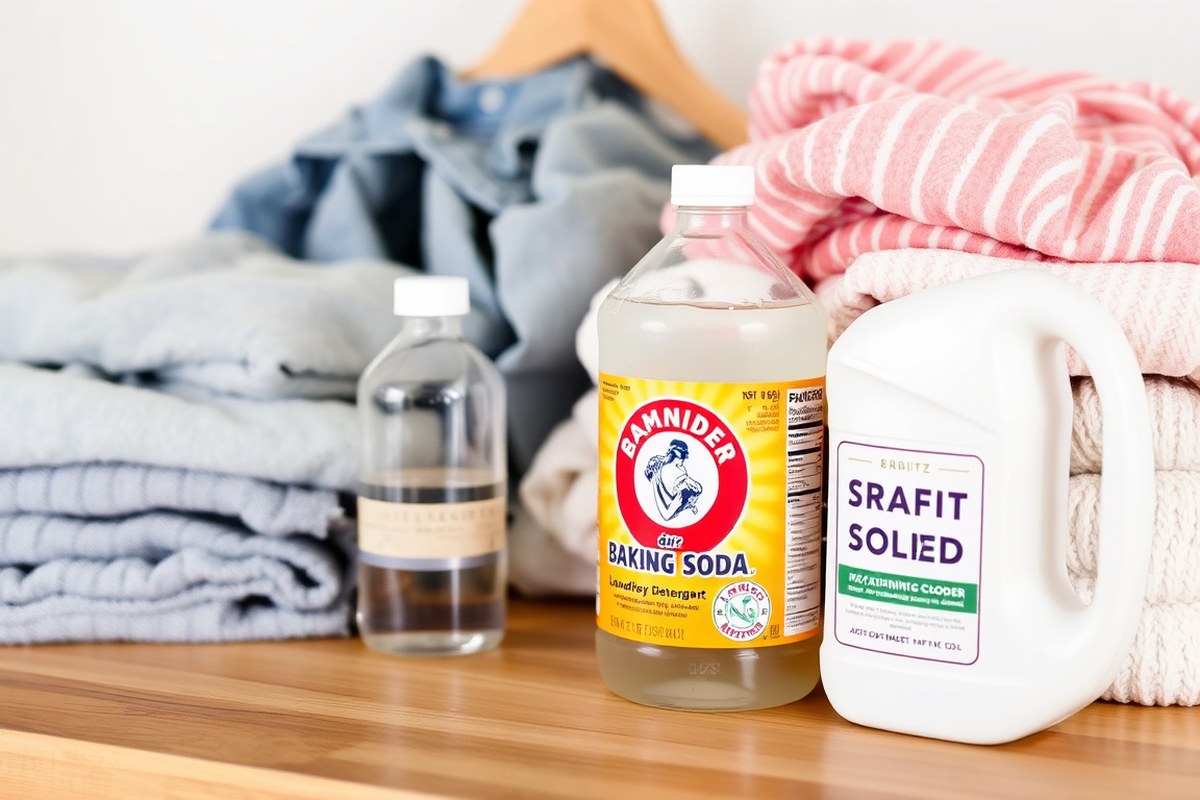
The most reliable way to get scent out of clothes involves a combination of soaking, washing with baking soda or vinegar, and sometimes applying targeted treatments depending on the odor’s strength. Baking soda acts as a natural deodorizer by neutralizing acids and bases that create smells, while white distilled vinegar breaks down odor-causing bacteria and balances pH levels in the fabric. To use baking soda, you can add about one cup (230 grams) directly into your washing machine drum along with your detergent; this not only helps absorb bad odors but also boosts your detergent’s effectiveness.
For more persistent odors like gasoline, start by blotting the stained area with a paper towel to remove excess liquid. Then sprinkle baking soda over the spot and let it soak for about 24 hours before washing. For general odor removal, soak clothes in a warm water solution mixed with two cups of baking soda for at least two hours prior to washing. Adding one-half cup of white vinegar during the rinse cycle of your machine can further neutralize smells, especially for sweat odors. Pre-soaking gym clothes in a solution of one part vinegar to four parts water for about 30 minutes breaks down bacteria and sweat residues that cause odor.
Removing scents without washing is possible mainly for mild or musty odors. Sprinkling baking soda on the garment and letting it sit for several hours to absorb odors is a useful quick fix. Alternatively, creating a paste of baking soda and water to apply on the smelly areas and leaving it for up to 30 minutes can help. Using dish soap on small odor spots and letting it sit for 10 minutes can also aid in neutralizing smells before washing, but this method alone often won’t fully remove strong odors.
Proper preparation of clothes before washing helps improve odor removal significantly. Pre-soaking smelly garments in warm water mixed with laundry detergent for around 30 minutes loosens dirt and odor-causing substances, making detergent action more effective. For sweat or bodily fluid odors, the vinegar soak for 30 minutes is recommended before washing. Enzyme-based laundry products can assist with breaking down tough odor molecules during the wash cycle, especially for sports clothes. Always avoid just tossing smelly clothes straight into the washer without any pretreatment if the odors are strong, as that can lock in the scents instead of removing them.
2. Choosing the Best Method by Odor Type and Fabric

Choosing the best way to remove odors depends on the type of smell and fabric you are treating. Sweat odors respond well to enzyme-based detergents that break down proteins and body oils. Mildew odors require thorough drying and sometimes a vinegar soak to neutralize the musty smell. Gasoline or other chemical odors often need soaking in warm water with detergent before laundering. Perfume and heavily scented laundry products cling stubbornly and are best treated quickly with vinegar or a dedicated odor neutralizer.
Fabric type influences which cleaning methods you can safely apply. Washable fabrics like cotton, polyester, and athletic wear handle warm or hot water and pre-soaking well. These conditions help break down and flush out odor-causing substances. Dry-clean-only fabrics require gentler care: spot treat stains and odors with a mild solution recommended by your dry cleaner or use professional services that prevent damage or shrinkage. The table below matches common odors with the best treatment method and fabric considerations:
| Odor Type | Best Method | Water Temperature | Fabric Type Notes |
|---|---|---|---|
| Sweat | Enzyme detergent, pre-soak 30 min | Warm (90-110°F) | Washable fabrics only; avoid hot water on delicate |
| Mildew | Vinegar soak or vinegar in wash, dry immediately | Cold to warm, per fabric care tag | Do not leave damp clothes; dry-clean for delicate |
| Gasoline | Pre-soak with detergent, multiple rinses | Warm water | Test spot on delicate fabrics; professional for dry-clean only |
| Perfume/Strong scents | Vinegar in wash soon after exposure | Cold to warm based on fabric | Avoid harsh scrubbing on delicate or dry-clean only |
Always check the garment’s care tag before starting odor removal. For dry-clean-only items, avoid home soaking or harsh chemicals. Instead, ask a licensed dry cleaner for advice, especially with persistent smells like gasoline or perfume. Prompt washing or professional treatment prevents buildup that weakens fabric fibers or causes discoloration. Using the right temperature protects the cloth from damage while maximizing odor removal.
Tip: Don’t let damp clothes sit in the washer or hamper, the dampness fuels mildew growth and makes odors harder to remove.
3. Pre-Soaking Techniques to Improve Odor Removal
Pre-soaking clothes helps break down odor-causing bacteria and trapped body oils before washing, improving overall scent removal. Soaking time usually ranges from 30 minutes up to overnight, depending on the strength of the odor and the fabric type. Using specific mixtures like baking soda, vinegar, or lemon juice in warm or hot water targets different smells effectively.
Vinegar and Water Soak for Sweat Odors
Sweaty odors often come from bacteria in synthetic activewear or cotton blends. Pre-soaking in a vinegar mixture helps neutralize these odors by killing bacteria and loosening oils trapped in fabric fibers. Use white vinegar because it won’t damage your clothes and acts as a natural deodorizer.
Pour 1 cup (240 ml) of white vinegar into a basin filled with warm water. Let your clothes soak in this solution for half an hour or longer, up to four hours for strong odors. Keep soaking time short for delicate materials like silk or wool since vinegar may damage them. After soaking, rinse and wash items normally.
- Fill a basin with warm water (around 90°F or 32°C).
- Add 1 cup of white vinegar to the water and stir.
- Submerge your sweaty clothes completely in the solution.
- Let soak for 30 minutes to 4 hours, depending on odor strength.
- Remove clothes and gently wring out excess water.
- Wash with your regular detergent according to fabric care instructions.
- Air dry or tumble dry based on fabric type.
Baking Soda Soak for Musty and Cooking Odors
Baking soda is particularly effective for musty, smoky, or food-related odors. It raises the pH level of the soaking water, neutralizing acidic smells and loosening bacteria and oils. Mix baking soda in hot water for better odor breakdown, but check fabric care labels to avoid heat damage.
Use 1 cup of baking soda per 4 cups of hot water, and allow clothes to soak for at least 4 hours or overnight for stubborn smells. For general odor removal, a shorter 30-minute soak with ½ cup baking soda in warm water is usually enough. Baking soda is safe for most washable fabrics and inexpensive, costing just a few cents per use.
- Heat 4 cups of water to a warm-hot temperature (110°F to 130°F or 43°C to 54°C).
- Stir in 1 cup of baking soda until fully dissolved.
- Place the clothing into the solution, fully submerged.
- Soak for 4 hours or overnight for strong odors.
- Lift clothes out, then wash as usual with detergent.
- Rinse thoroughly to remove any baking soda residue.
- Dry based on fabric recommendations.
Lemon Juice and Detergent Additions
Lemon juice is a natural deodorizer with mild bleaching properties, useful for lightening yellow sweat stains and cutting grease smells. Use lemon juice in moderation by adding ¼ to ½ cup to warm water for soaking. Avoid lemon juice on delicate fabrics or those prone to fading.
Adding your regular detergent during the pre-soak can help dissolve oils and dirt that contribute to odors. Use 1 ounce (28 g) of detergent per gallon of warm water and soak clothes for 30 minutes to an hour. Combine lemon juice and detergent cautiously and avoid harsh mixtures that could irritate skin or damage fabrics.
- Fill a basin with warm water (around 90°F or 32°C).
- Add ¼ to ½ cup of lemon juice and mix gently.
- Optionally, add 1 ounce of liquid laundry detergent.
- Place clothes in the solution and soak for 30 minutes to 1 hour.
- Remove clothes and wash normally with detergent.
- Check garments for any color changes before drying.
- Dry according to fabric care instructions.
4. How Proper Washing and Detergent Choices Affect Odor Removal
Clothes can still smell after washing due to detergent residue, overloaded machines, or mildew build-up inside the washer. Using too much detergent can leave a film on fabrics that traps odors instead of removing them. Overloading reduces water circulation, preventing thorough cleaning. Mildew thrives in warm, humid washers and transfers its smell to your clothes. Turning clothes inside out before washing exposes the areas that hold most odors, like underarms and collars, allowing detergent and water to penetrate better and break down smells.
Choose a detergent specifically labeled as “odor eliminator” rather than just “fresh scent.” These detergents are formulated to target and neutralize odors, not just cover them up. Look for products like Swash® Laundry Detergent, which boosts stain fighting and odor removal. Adding ½ cup of baking soda or 4 ounces (110 g) of dissolved Borax to your wash improves odor control by balancing pH and breaking down residues that cause smells.
Water temperature matters. Washing with warm-to-hot water (between 100°F and 140°F) loosens body oils and kills the bacteria responsible for odors. Cold water saves energy but might not remove odors as effectively. Use the warmest water safe for the fabric, checking care labels to avoid damage.
- Turn clothes inside out before washing to expose odor areas
- Use odor-eliminating detergents, not just scented ones
- Add ½ cup baking soda or 4 oz dissolved Borax to the wash
- Use warm (100°F, 140°F) water when fabric care allows
- Avoid overloading the washing machine for better water flow
- Choose appropriate machine settings for fabric type and odor level
Keep loads smaller than your washer’s maximum capacity to allow clothes to move freely, letting detergent and water work thoroughly. Select a full wash cycle with an extended wash or pre-wash option if odors are strong. Avoid quick or eco-cycles for smelly clothes, as these use less water and time, which may be insufficient for odor removal.
Washing clothes inside out and following these detergent and temperature guidelines helps you remove odors rather than mask them. Proper washing practices lower the chance of persistent smells and mildew development in your washer, making your clothes smell fresher and last longer.
5. Drying Methods That Prevent Odor Return
Proper drying is key to fully removing odors and preventing them from returning. Using the right drying method lets clothes finish fresh and dry, stopping mildew and lingering smells from developing. Dry clothes completely and avoid dampness to keep odors at bay after washing.
Air Drying Outdoors for Maximum Freshness
Air drying clothes outside is one of the best ways to prevent odors from returning. Sunlight and fresh air help evaporate moisture and volatile odor molecules more effectively than indoor drying. This natural method also reduces the chance for mildew growth that causes musty smells.
Clothes left outside for at least 24 hours in a well-ventilated space will dry fully and stay fresh. Direct sunlight adds a mild disinfecting effect, breaking down lingering odor-causing agents.
- Remove clothes from the washer as soon as the cycle ends to prevent damp smells.
- Shake each item to help loosen fibers and speed drying.
- Hang clothes spaced apart on an outdoor line or drying rack in direct sunlight when possible.
- Turn clothes inside out if colors may fade in the sun.
- Leave clothes outside for at least 24 hours until fully dry and cool to the touch.
- Bring clothes indoors and store dry to avoid dampness.
Leaving damp clothes inside to dry can cause mildew and intensify odors, so outdoor air drying is often a safer choice.
Using Dryer Settings for Even Dryness
When air drying outdoors is not an option, the clothes dryer can work well if used properly. Selecting the correct temperature and dryness setting helps prevent damp spots that breed odors. Heat also neutralizes odor molecules, but overdrying can damage some fabrics.
Use the warmest dryer setting safe for your garments, checking the care labels first. Consider dryers with moisture sensors or advanced drying cycles that adjust timing to ensure clothes reach 100% dryness without overexposure.
- Inspect labeled instructions on each garment for maximum dryer heat settings.
- Use a moisture-sensing or auto-dry cycle for best results.
- Remove clothes as soon as the dryer stops to lessen wrinkles and odors.
- Use wool dryer balls or dryer sheets to help separate items and add a pleasant scent.
- Check thick areas like waistbands and socks; if damp, run a short additional drying cycle.
- Fold or hang clothes immediately after drying to avoid musty smells from dampness.
Putting clothes that are still damp into the dryer can bake odors in rather than removing them; wash again if odors persist before drying.
Avoiding Damp Clothes to Prevent Mildew
Leaving any moisture in clothes after washing allows mildew and bacteria to develop, leading to unpleasant odors. Careful attention to drying until clothes feel completely dry, especially in hidden areas like collars and folds, stops this problem.
Clothes stored while damp may trap moisture inside storage bins or drawers, causing mildew growth and worsening smells. Always check clothes for dampness before putting them away or storing them long term.
- After drying, press thick or layered fabric sections with your hands to confirm dryness.
- Avoid folding or putting clothes away if any spots feel cool or slightly damp.
- Choose breathable storage containers or closets with airflow to limit moisture buildup.
- For garments with persistent odor or dampness, rewash and dry thoroughly before storage.
- Regularly clean washers and dryers to reduce buildup that can transfer smells back to clothes.
Storing clothes before they are 100% dry invites mildew and the return of musty odors. Always double-check dryness before putting them away.
6. Quick Fixes for Removing Odors Without Full Washing
Removing scents from clothes without a full wash is possible using a few simple methods and household products. These approaches are especially useful when you’re short on time or your clothing isn’t heavily soiled. Clothes can hold odors from sweat, smoke, or cooking that don’t require a full cycle wash to lessen.
One effective method is using a fabric refresher spray designed to neutralize odors. Spritz the clothing lightly, then let it air dry. This won’t clean clothes but can significantly reduce lingering smells. You can also spot-treat areas by dabbing with a mixture of mild dish soap and water, gently scrubbing with your fingers or a soft cloth to target odor-prone sections like underarms or collars. Dish soap is less likely than bleach to damage or fade fabric colors and can break down oily residues that trap scents.
Freezing clothes is a popular quick fix sometimes used to kill odor-causing bacteria. Place the garment in a sealed plastic bag and freeze for about 24 hours. This method works best for garments made of synthetic fibers, as repeated freeze-thaw cycles may cause some fabrics to weaken or stiffen. Freezing is a good option when washing isn’t an option, but it rarely eliminates strong or deeply embedded smells entirely.
- Spray fabric refresher evenly on the clothing and allow to air dry for 30 minutes.
- Mix 1 teaspoon of mild dish soap with 1 cup of warm water; apply to smelly spots and gently rub.
- Hang clothes in direct sunlight for at least an hour to aid in natural odor breakdown.
- Place clothes in a sealed bag and freeze for 24 hours to reduce bacteria-caused odor.
- Use a clean cloth dampened with white vinegar to blot problem areas and leave to dry.
- Sprinkle baking soda on fabric surface, let sit for 15 minutes, then brush or shake off.
Sun exposure helps break down the chemical compounds causing bad smells through the heat and UV rays. This method works well for lighter clothing that won’t fade, but avoid prolonged sun on delicate or dark fabrics. White vinegar acts as a natural deodorizer and can reduce odors when dabbed onto fabric and left to dry. Baking soda absorbs moisture and odors, making it a good dry treatment, but it needs to be thoroughly brushed off to avoid residue marks. These quick fixes can freshen clothes between washes but remember they do not replace the effectiveness of a thorough laundering when items are genuinely dirty or heavily odor-infused.
7. Safety Tips and Chemical Use When Removing Odors
Using chemicals like ammonia, vinegar, and essential oils can help remove odors from clothes, but they must be used carefully to avoid damage or hazards. Ammonia is a strong cleaner that can break down odors but should never be mixed with bleach or other household chemicals, as this creates toxic fumes. Always work in a well-ventilated area and wear gloves to protect your skin when handling ammonia. Use a diluted solution, typically one part ammonia to eight parts water, and test on a small hidden patch of fabric before treating the entire garment. Avoid ammonia on delicate fabrics like silk, wool, or spandex, as it can weaken fibers or alter colors.
White vinegar is a safer and gentler option for most fabrics. Soaking clothes in a solution with about one cup of distilled white vinegar added to a washer or in a basin overnight helps break down odor-causing residues. Vinegar acts as a mild acid that lifts smells without harsh chemicals or residues. It also softens fabrics naturally. Add a few drops of essential oils such as lavender, lemon, or tea tree oil to the soak or wash cycle to improve scent and add antibacterial effects. Essential oils are concentrated and should be used sparingly, usually 3 to 5 drops diluted in water or laundry detergent is enough. Always avoid applying undiluted essential oils directly on fabric to prevent staining or damage.
Some fabrics require special care to avoid adverse reactions with chemicals. For example, avoid vinegar or ammonia on leather, suede, or some synthetic blends unless the label explicitly states they are safe. Rough use of chemicals on bright colors can cause fading or uneven spots. Use caution on vintage or dry-clean-only garments. When unsure, spot testing or consulting garment care instructions is important.
For quick odor removal without heavy chemicals, a spray made from a 50/50 mix of water and white vinegar, plus a few drops of essential oil, can be lightly misted onto clothing. Let it dry completely in fresh air. This method is effective for mild odors and helps avoid the risks associated with soaking or washing certain fabrics repeatedly. During all treatments, proper rinsing and drying at recommended temperatures ensure no residues or smells linger. Overuse of chemical solutions may weaken fibers or irritate skin, so stick to recommended ratios and avoid mixing products.
In summary, white vinegar provides an inexpensive, safe, and effective way to combat most clothing odors, with essential oils offering natural fragrance and antibacterial properties when diluted properly. Reserve ammonia for heavy-duty odor removal on sturdy, colorfast fabrics and use it cautiously with appropriate protective measures. Avoid these chemicals on delicate materials or when garment instructions advise against them. Testing products on small areas protects your clothes and extends their lifespan while achieving odor-free results.
8. Common Mistakes and How to Correct Them for Better Results
Persistent odors in clothes often result from simple errors during washing, drying, or storage. Avoiding these mistakes will improve your results and help you know when a professional cleaner is necessary. Checking for a fully removed scent involves smelling clothes after drying and storing them properly to prevent odor return.
Avoiding Washer Overload and Detergent Mistakes
Overloading your washing machine is a common issue that prevents clothes from moving freely. When garments cannot swirl around, detergent and water distribution is uneven, leaving odors trapped. Fill the washer only about three-quarters full to allow proper agitation and rinsing.
Detergent use plays a key role as well. Using too much detergent creates suds that trap dirt and odors on fabric. Too little detergent fails to remove body oils and grime, which cause smells. Follow detergent instructions closely and use the right type for your fabric and water hardness. For example, use about 1 to 2 tablespoons of liquid detergent per normal load, adjusting slightly for water conditions.
- Do not stuff the washer beyond 75% full capacity
- Measure detergent precisely according to load size and soil level
- Use detergent with odor-fighting enzymes for stubborn smells
- Choose detergents formulated for your water type (hard or soft)
- Check care labels to avoid damaging delicate fabrics
Too much soap can make odors worse by trapping dirt inside the fabric rather than removing it.
Ensuring Complete Drying and Storage
Wet or damp clothes that are not dried fully often retain musty or sour odors. Leaving clothes in the washer after the cycle ends or storing them in humid areas encourages bacterial growth that causes smells. Clothes should be dried completely, ideally in a well-ventilated space or outside if possible.
Air drying on a clothesline in sunlight can reduce lingering odors like cooking smells. If using a dryer, make sure clothes reach the recommended temperature and time specified on labels. After drying, fold or hang clothes promptly to avoid wrinkles and moisture accumulation.
- Remove clothes from washer immediately after the spin cycle
- Dry clothes fully using heat or fresh air, avoiding damp conditions
- Store garments in clean, dry, and ventilated spaces with low humidity
- Use breathable garment bags instead of plastic covers for storage
- Regularly clean hampers and washing machines to prevent mold buildup
Knowing When to Use a Professional Cleaner
Some odors resist home treatments, especially if set in on dry-clean-only fabrics or caused by cooking oils and smoke. Professional dry cleaning can remove these scents more effectively through specialized solvents and equipment. Point out specific odors to the cleaner to ensure proper treatment.
Consider professional cleaning if odors persist after multiple washings, if the garment’s care label specifies dry cleaning only, or if the fabric is delicate and risks damage from intensive home treatments. Professional services generally cost between $5 and $20 per item, depending on fabric and treatment complexity.
- Set-in odors on dry-clean-only fabrics (e.g., wool, silk)
- Persistent cooking or smoke smells after home washing
- Delicate garments requiring special care
- Odors caused by mold or mildew that home methods cannot remove
- Large or valuable items worth professional preservation
Professional cleaners have solvents and machines that safely target tough odors that typical washers cannot remove.
Step-by-Step Action Plan to Remove Scents from Clothes
Follow these steps to tackle unwanted odors effectively and keep your clothes fresh. Adjust methods based on fabric type and scent intensity for best results.
- Before washing: Identify the odor and fabric type to choose a safe and effective pre-soak solution.
- Day 1: Pre-soak clothes in a mixture of water and detergent or a baking soda solution for 30 minutes to an hour; check if the scent has noticeably weakened before washing.
- Day 1, washing: Use a detergent designed for odor removal and wash clothes on the recommended cycle for the fabric; smell the clothes after washing to confirm improvement.
- Day 1, drying: Dry clothes outside in fresh air or use a machine dryer with a clean lint filter to prevent odor return; ensure they smell neutral once dry.
- Quick fix: For minor odors, spray clothes lightly with a fabric-safe deodorizing spray and air out for 30 minutes before wearing.
- After persistent odor: Repeat pre-soaking with an enzymatic cleaner safe for the fabric and wash again, confirming scent elimination before drying.
- Regular maintenance: Wash sweaty or musty clothes promptly and avoid fabric softeners that can trap odors to keep clothes fresh longer.
Frequently Asked Questions
How Long Should I Soak Clothes to Remove Strong Odors?
Soak clothes in warm water mixed with detergent for about 30 minutes. This helps loosen and lift stubborn odors before washing, improving overall scent removal.
Can Sunlight Damage Clothes When Airing Out to Remove Smells?
Yes, prolonged sunlight can fade colors and weaken fabrics. It’s best to air clothes out in indirect sunlight or shade while still benefiting from fresh air and odor evaporation.
Does Washing Clothes Multiple Times Help Remove Persistent Smells?
Washing more than twice rarely helps and may wear clothes out. Pre-soaking or using odor-specific treatments is more effective for tough scents.
Can Fabric Softeners Make Odor Problems Worse?
Fabric softeners can leave residue trapping odors inside the fabric. Use them sparingly or avoid if persistent smells are a problem.
Is It Necessary to Dry Clothes Completely Before Storing to Avoid Odor?
Clothes must be 100% dry before storing to prevent mildew smells. Using a drying method that ensures no moisture remains is key to long-term freshness.
How Does Water Temperature Affect Odor Removal During Washing?
Warm or hot water loosens and removes oils and odors more effectively than cold water. Use the warmest safe temperature for the fabric to combat lingering scents.
Wrapping Up
Getting rid of unwanted scents in clothes requires proper identification of the odor, careful fabric handling, and the right combination of soaking, washing, and drying steps. Start with a pre-soak matched to your fabric and odor, choose a detergent made to eliminate smells, and finish with thorough drying in fresh air or a clean dryer. Take action by treating one load of clothing today using this plan to experience fresher results.


